Painter, 1560 to 1609
Annibale Carracci
In 1600 Rome had two new painters and two roads for art to take. Caravaggio's was shadow and the street. Annibale Carracci's was light, the antique and Raphael.
- Born
- 1560, Bologna, Italy
- Died
- 1609, Rome, Italy
- Movement
- Baroque
- In Rome
- 3 works in 3 museums
Where to see Annibale Carracci in Rome
Each work with the museum it hangs in. Museums move and lend their works, so check before a special journey.
Palazzo Farnese1 work
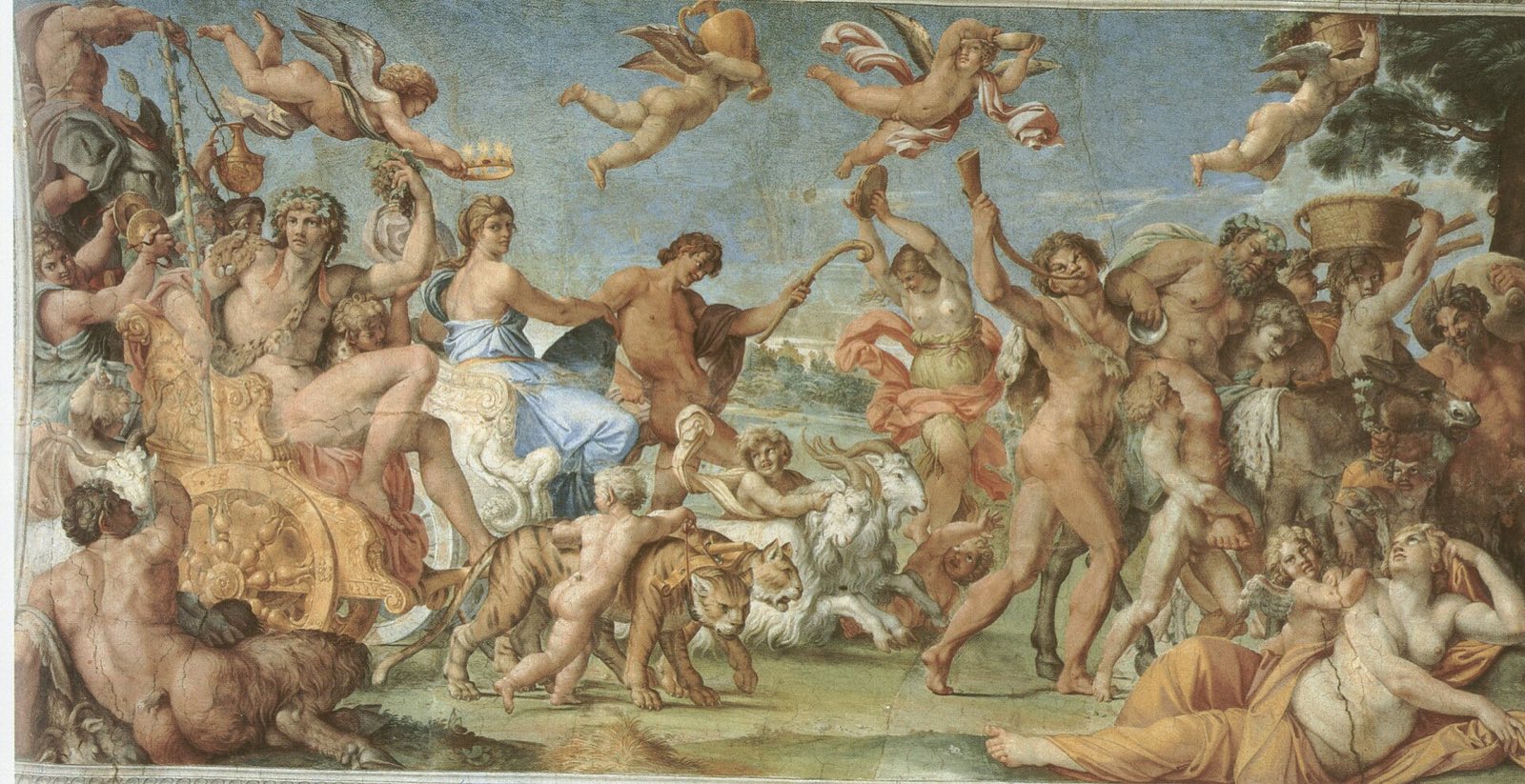
The Loves of the Gods
1597 to 1608
The vault of the gallery of the Farnese palace, with the Triumph of Bacchus and Ariadne at its centre. The palace is the French embassy, and the gallery is seen only on guided visits booked in advance.
Santa Maria del Popolo1 work
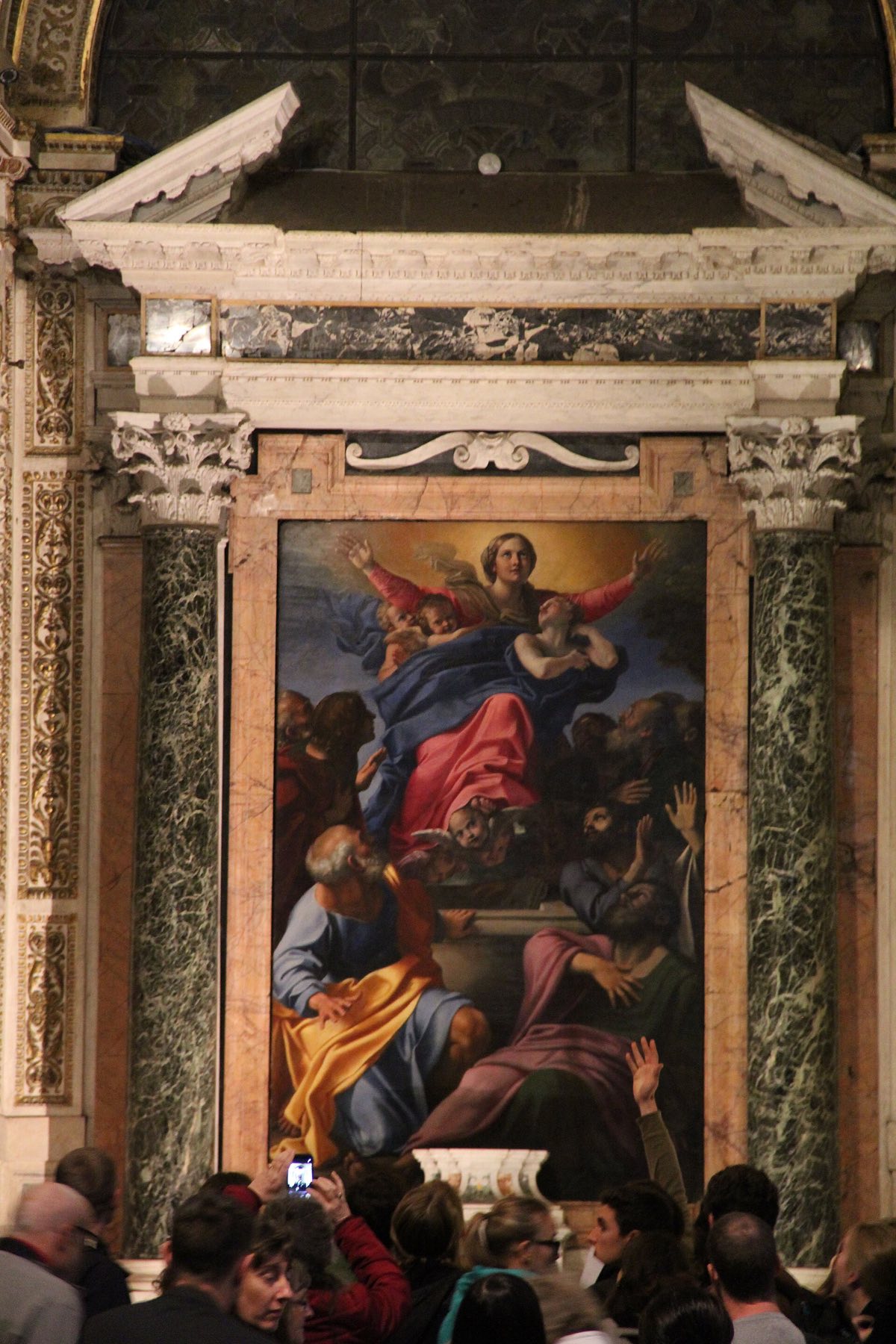
The Assumption of the Virgin
1600 to 1601
The altarpiece of the Cerasi Chapel, between Caravaggio's two paintings. The two rivals side by side, in the only place it happens.
Galleria Doria Pamphilj1 work
Landscape with the Flight into Egypt
about 1604
A half-moon canvas in which the holy family are small figures in a wide, ordered countryside. The classical landscape of the next two centuries starts here.
The life of Annibale Carracci
Annibale Carracci was born in Bologna in 1560 and, with his brother and his cousin, founded an academy there that taught painters to draw from life again. In 1595 Cardinal Odoardo Farnese called him to Rome to decorate his palace.
The ceiling he painted there, the loves of the gods of antiquity, was for two centuries the model of what a great decoration should be. He was poorly paid for it, fell into a depression and painted little afterwards. He died in Rome in 1609 and was buried in the Pantheon.
What to know
- Painted the ceiling of the Farnese Gallery
- Founded the Carracci academy in Bologna
- Buried in the Pantheon
- Born
- 3 November 1560, Bologna, Italy
- Died
- 15 July 1609, Rome, Italy
Annibale Carracci: common questions
- Where can you see Annibale Carracci in Rome?
- At Palazzo Farnese: The Loves of the Gods. At Santa Maria del Popolo: The Assumption of the Virgin. At the Galleria Doria Pamphilj: Landscape with the Flight into Egypt. Museums move and lend their works, so check before a special journey.
- What is Annibale Carracci's most famous work in Rome?
- The Loves of the Gods, of 1597 to 1608, at Palazzo Farnese. The vault of the gallery of the Farnese palace, with the Triumph of Bacchus and Ariadne at its centre. The palace is the French embassy, and the gallery is seen only on guided visits booked in advance.
- When and where was Annibale Carracci born?
- On 3 November 1560, at Bologna, Italy. Annibale Carracci died on 15 July 1609, at Rome, Italy, aged about 49.
- What is Annibale Carracci known for?
- Painted the ceiling of the Farnese Gallery. Founded the Carracci academy in Bologna. Buried in the Pantheon. Annibale Carracci was an Italian painter, of the Baroque.
Tickets and tours: Annibale Carracci in Rome
Other artists
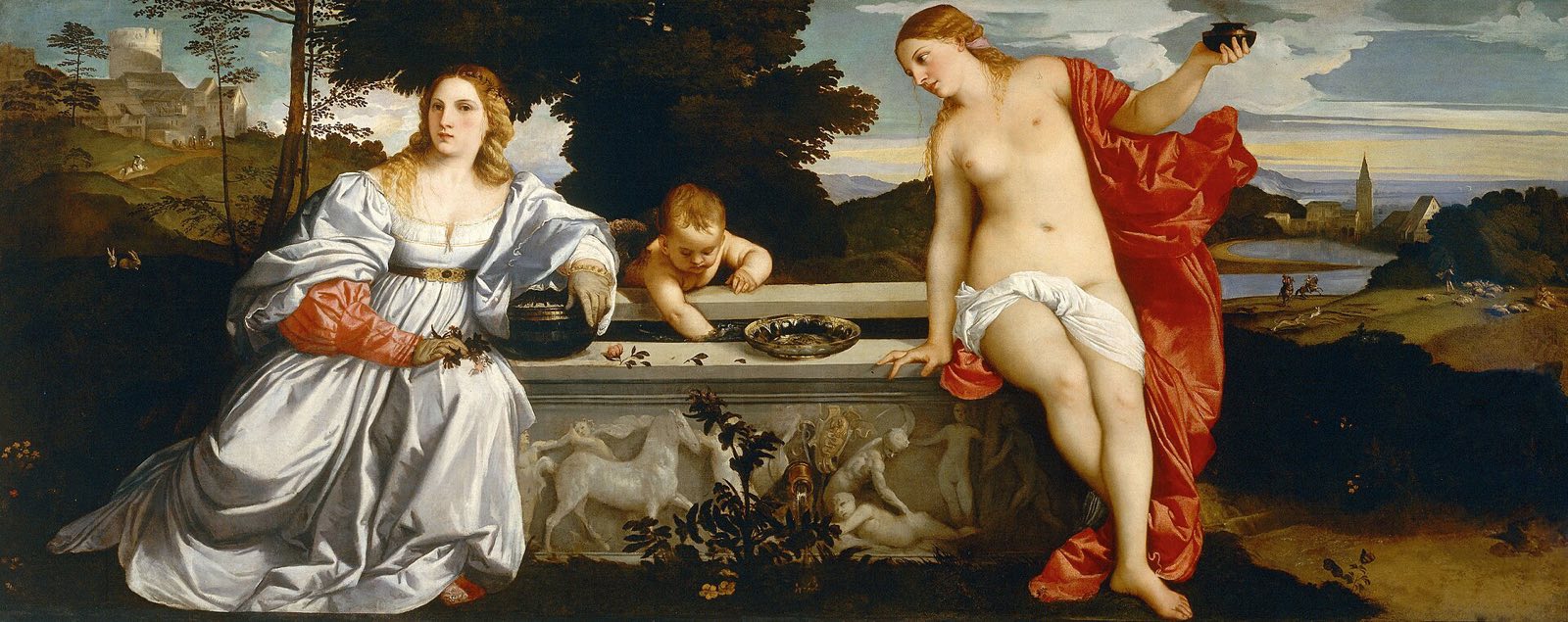
Painter, 1488 to 1576
Titian
The greatest painter of Venice is in Rome through one early masterpiece, Sacred and Profane Love, the most famous painting in the Galleria Borghese.
Venetian Renaissance. 3 works in 2 museums
See the artist
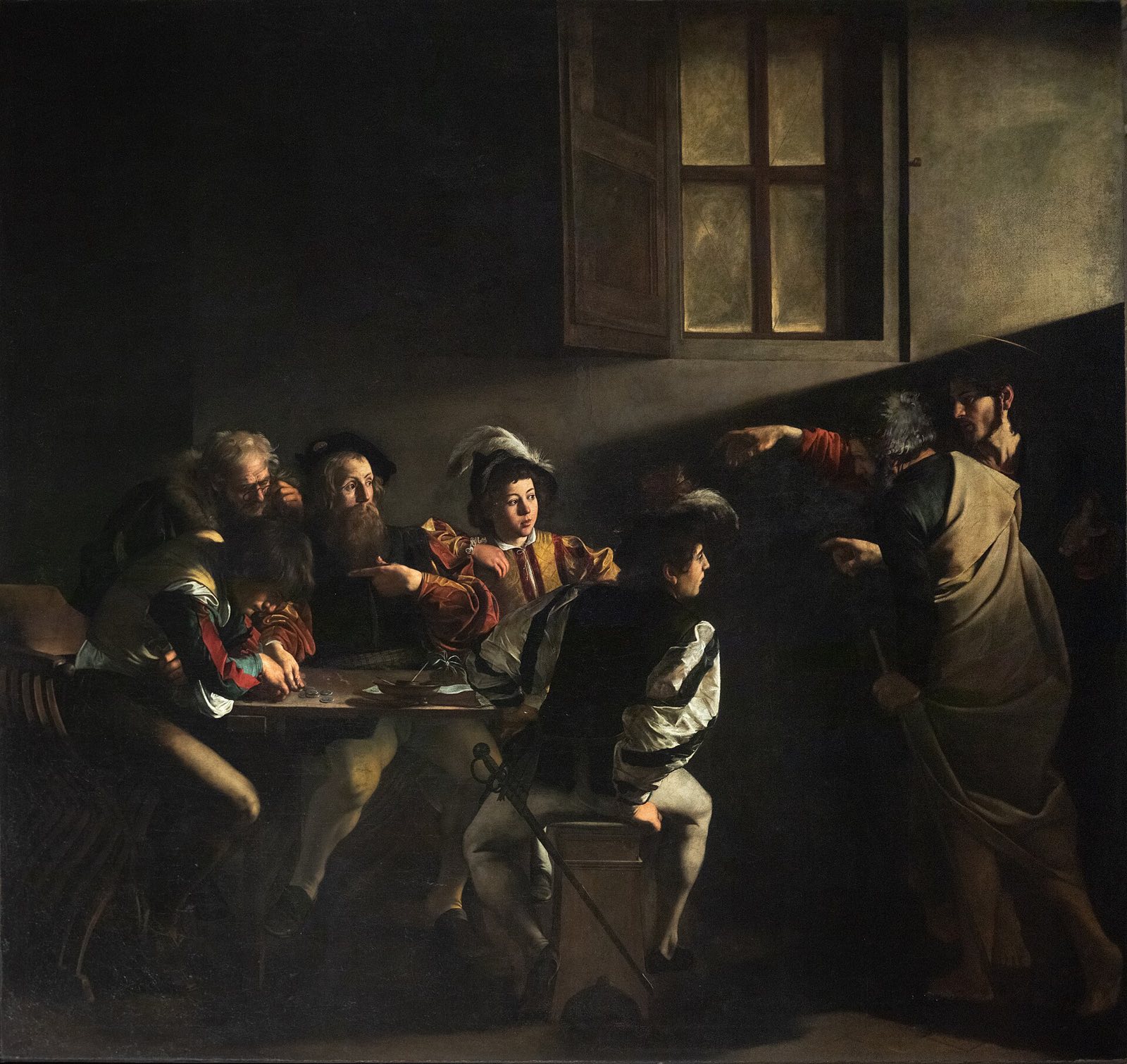
Painter, 1571 to 1610
Caravaggio
No city has more Caravaggio than Rome: more than twenty paintings, six of them still in the churches they were painted for and free to see.
Baroque. 8 works in 7 museums
See the artist
Painter, 1575 to 1642
Guido Reni
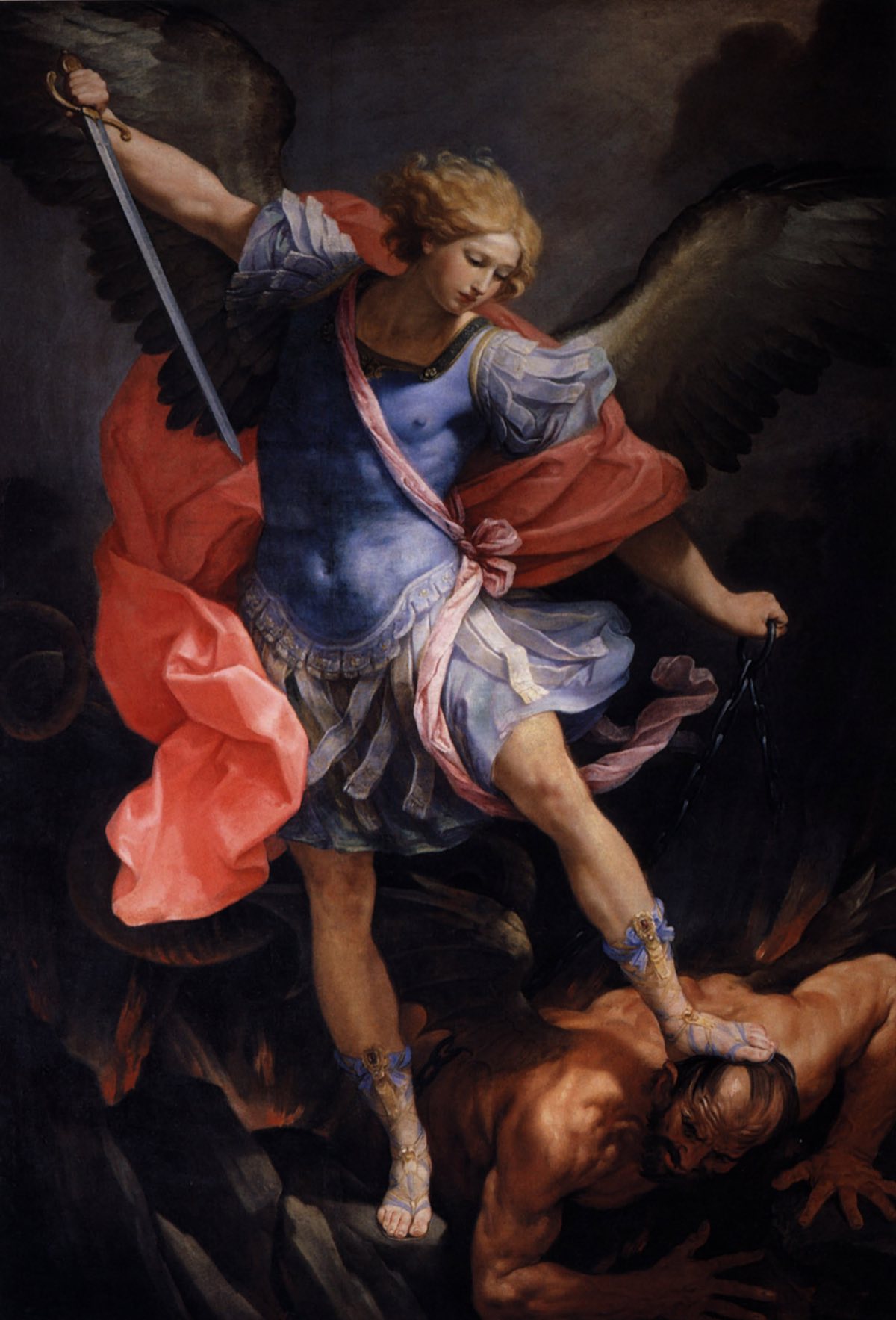
For two hundred years Guido Reni was thought the equal of Raphael. Rome has his Aurora, his St Michael and his Crucifixion of St Peter.
Baroque. 4 works in 4 museums
See the artist