Museums and attractions inRome
The Sistine Chapel, the Colosseum and two thousand years in between.
Rome is the rare city where the museums compete with the streets. The Vatican Museums lead through the Raphael Rooms to the Sistine Chapel; the Galleria Borghese holds Bernini's marble at its most alive and Caravaggio at his darkest; the Capitoline Museums, founded in 1471, look out over the Forum from the hill Michelangelo redesigned.
Outside, the Colosseum, the Pantheon and the Trevi Fountain are all within reach of each other on foot. This guide brings together the museums and attractions of Rome, with what each one holds and how to visit.
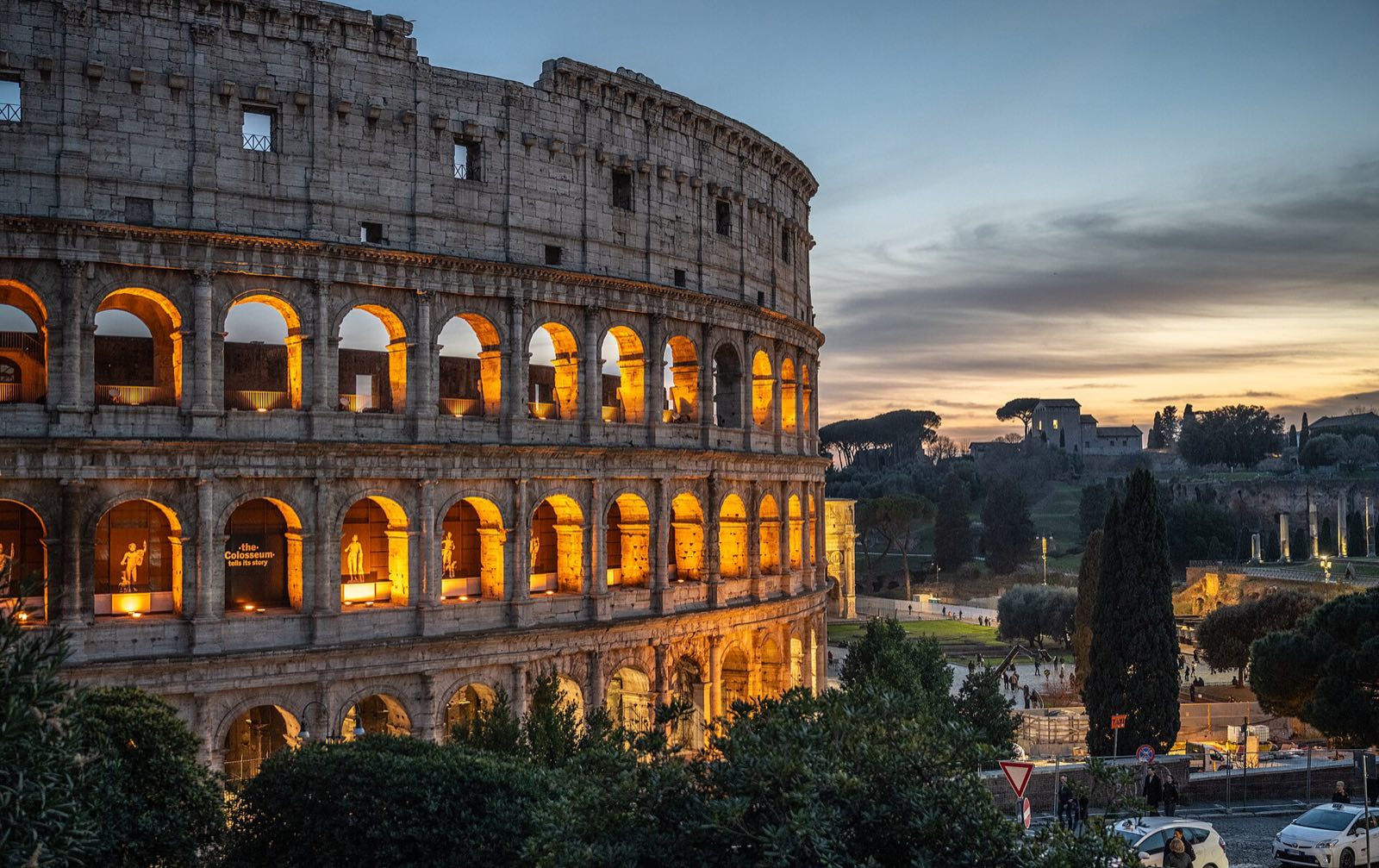
Museums in Rome
Vatican Museums
Founded 1506, Encyclopedic
The papal collections in Vatican City, from classical sculpture to the Raphael Rooms and the Sistine Chapel.
Read more
Galleria Borghese
Founded 1902, Old masters to modern
Bernini's sculpture and paintings by Caravaggio, Raphael and Titian, in a villa in the Borghese gardens.
Read more
Capitoline Museums
Founded 1471, Encyclopedic
Ancient Roman sculpture and painting on the Capitoline Hill, in a collection that goes back to 1471.
Read more
MAXXI
Founded 2010, Modern and contemporary
Italy's national museum of twenty-first-century art and architecture, in a building by Zaha Hadid.
Read more
Attractions in Rome
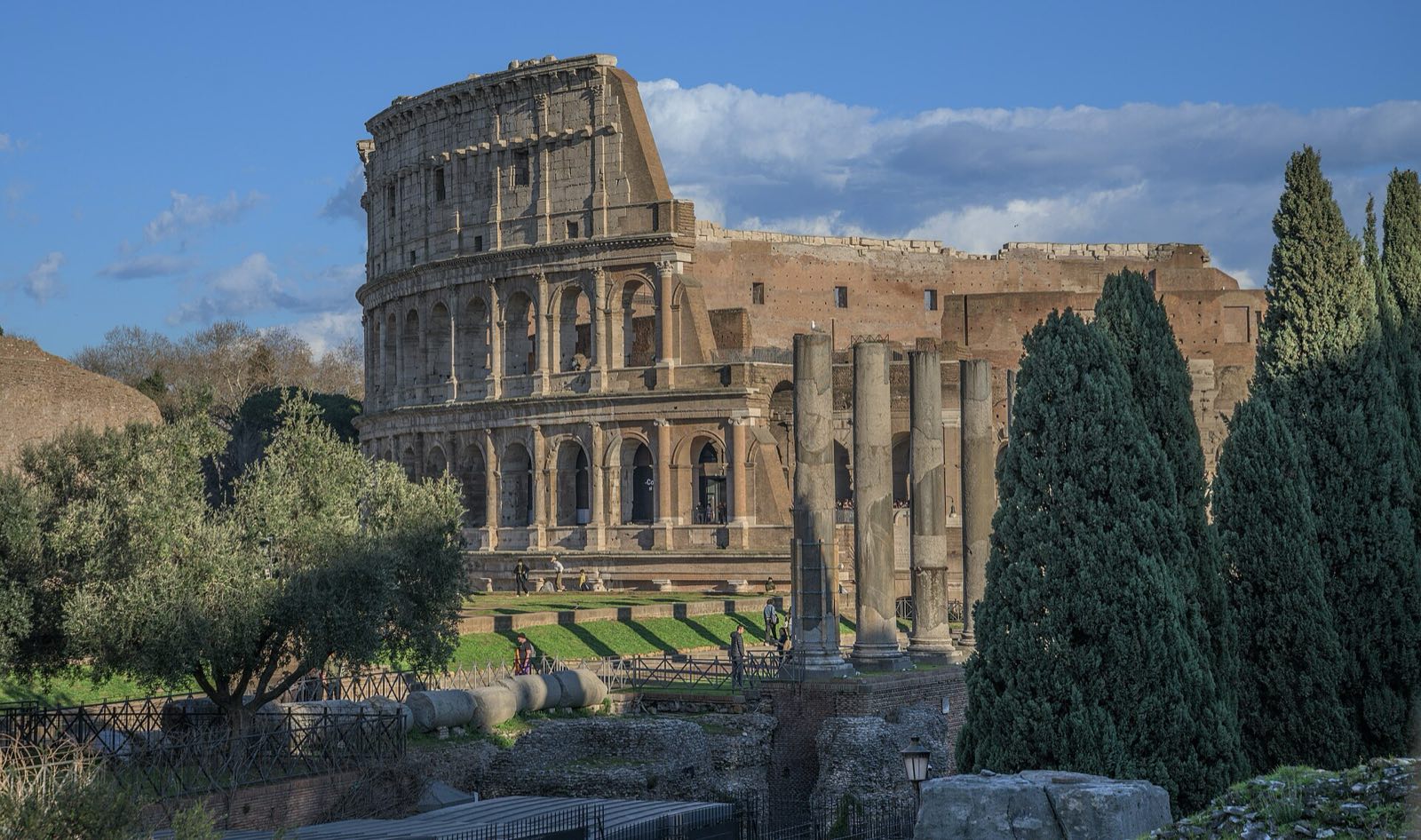
Colosseum
Since 80
The largest amphitheatre of the Roman world, inaugurated in AD 80, at the edge of the Roman Forum.
Read more
Pantheon
Since 126
A Roman temple completed around AD 126, whose concrete dome, open to the sky at its centre, has stood ever since.
Read more
St. Peter's Basilica
Since 1626
The great church of the Vatican, with Michelangelo's dome and his Pietà, and Bernini's colonnade in front of it.
Read more
Trevi Fountain
Since 1762
The Baroque fountain that fills one side of a small square in the centre of Rome, completed in 1762.
Read more
Castel Sant'Angelo
Since 139
Built as the mausoleum of the emperor Hadrian and later a papal fortress, on the Tiber near the Vatican.
Read more