Painter, 1395 to 1455
Fra Angelico
Fra Angelico was a friar before he was a painter, and his pictures have a stillness no one else matched. He died in Rome and is buried there.
- Born
- 1395, Vicchio, Tuscany, Italy
- Died
- 1455, Rome, Italy
- Movement
- Early Renaissance
- In Rome
- 2 works in 1 museum
Where to see Fra Angelico in Rome
Each work with the museum it hangs in. Museums move and lend their works, so check before a special journey.
Vatican Museums2 works
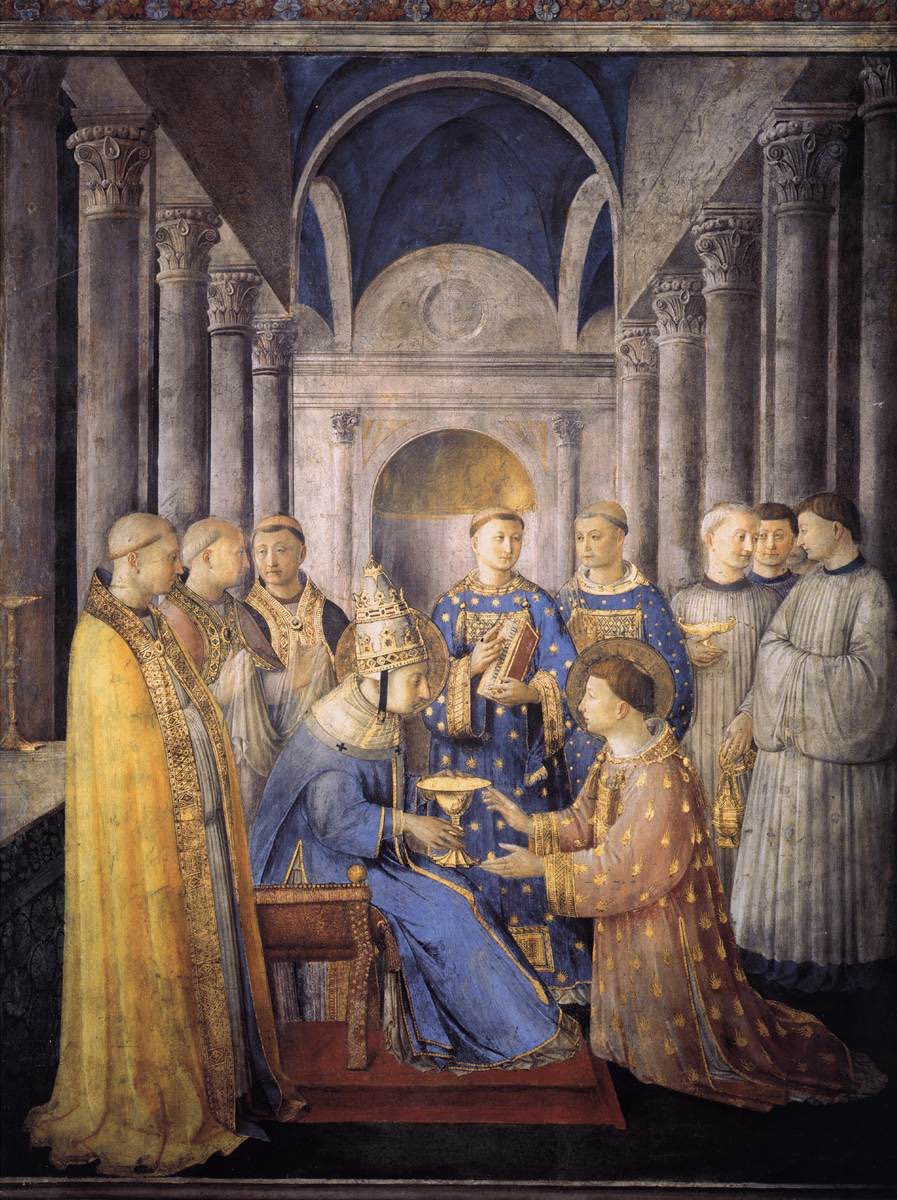
The Niccoline Chapel
1447 to 1449
The small private chapel of Pope Nicholas V, covered with the lives of St Stephen and St Lawrence in clear blues and pinks. It opens off the Raphael Rooms and is easy to miss.
Scenes from the life of St Nicholas of Bari
about 1437
Two small panels from the base of an altarpiece painted for Perugia, in the Pinacoteca.
The life of Fra Angelico
Guido di Pietro was born in Tuscany around 1395 and entered the Dominican order, where he was Fra Giovanni. The name Angelico came after his death. In Florence he painted the convent of San Marco, cell by cell, in the 1440s.
Pope Eugene IV called him to Rome in 1445, and he worked for the next pope, Nicholas V, as well. He died in the Dominican house of Santa Maria sopra Minerva in 1455. His tomb is in that church, behind the Pantheon.
What to know
- Painted the frescoes of the convent of San Marco in Florence
- Frescoed the private chapel of Pope Nicholas V
- Buried in Santa Maria sopra Minerva in Rome
- Born
- About 1395, Vicchio, Tuscany, Italy
- Died
- 18 February 1455, Rome, Italy
Fra Angelico: common questions
- Where can you see Fra Angelico in Rome?
- At the Vatican Museums: The Niccoline Chapel and Scenes from the life of St Nicholas of Bari. Museums move and lend their works, so check before a special journey.
- What is Fra Angelico's most famous work in Rome?
- The Niccoline Chapel, of 1447 to 1449, at the Vatican Museums. The small private chapel of Pope Nicholas V, covered with the lives of St Stephen and St Lawrence in clear blues and pinks. It opens off the Raphael Rooms and is easy to miss.
- When and where was Fra Angelico born?
- About 1395, at Vicchio, Tuscany, Italy. Fra Angelico died on 18 February 1455, at Rome, Italy, aged about 60.
- What is Fra Angelico known for?
- Painted the frescoes of the convent of San Marco in Florence. Frescoed the private chapel of Pope Nicholas V. Buried in Santa Maria sopra Minerva in Rome. Fra Angelico was an Italian painter, of the Early Renaissance.
Tickets and tours: Fra Angelico in Rome
Things to do near the Vatican Museums
The nearest of this site's best things to do in the city. Distances are in a straight line.
- 3Climb the dome of St Peter's500 m awayChurch, 1.5 to 2.5 hours, free, ticket for the dome
- 10Go up Castel Sant'Angelo1.1 km awayMonument, 1.5 to 2 hours, ticket
- 7Walk Piazza Navona and its fountains1.8 km awayWalk, 30 to 60 minutes, free
- 20Find Caravaggio's paintings in three churches1.9 km awayChurch, 1 to 2 hours, free
Where to eat near the Vatican Museums
The nearest of the famous tables this site lists in Rome. Distances are in a straight line.
- Il Matriciano4.1Restaurant, Vatican550 m away
- Pizzarium4.1Pizza by the slice, Vatican550 m away
- La Campana4.3Restaurant, Piazza Navona1.8 km away
- Il Vero Alfredo4.1Restaurant, Piazza Augusto Imperatore2.0 km away
Hotels near the Vatican Museums
The five-star hotels closest to it, of those this site lists in Rome. Distances are in a straight line.
- Rome Cavalieri4.6Five-star hotel, Monte Mario1.5 km away
- Hotel Raphaël4.5Five-star hotel, Piazza Navona1.7 km away
- Bulgari Hotel Roma4.7Five-star hotel, Piazza Augusto Imperatore1.9 km away
- J.K. Place Roma4.8Five-star hotel, Via del Corso1.9 km away
Other artists
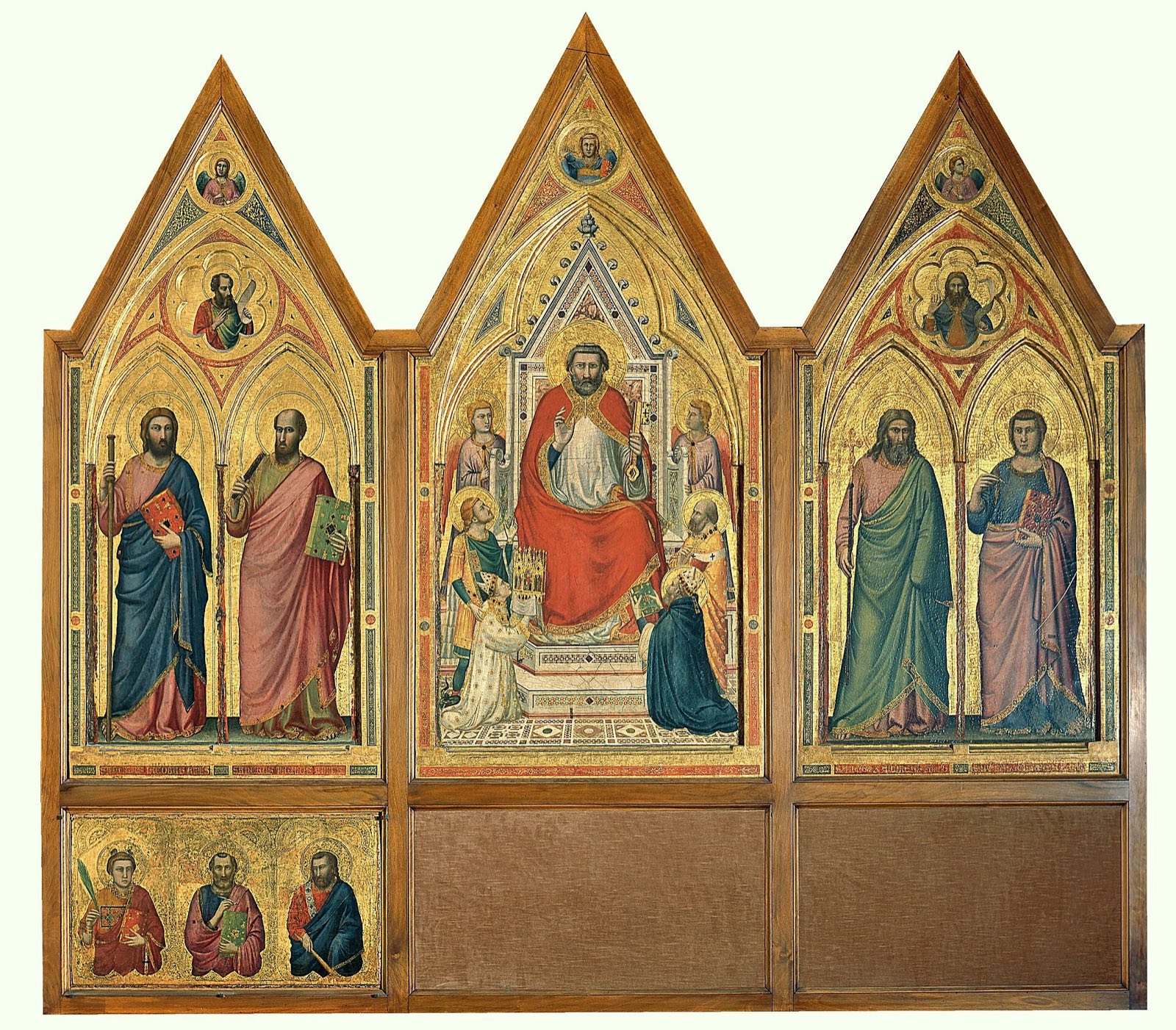
Painter, 1267 to 1337
Giotto
The painter with whom Italian painting begins made an altarpiece for the high altar of old St Peter's. It is in the Vatican picture gallery.
Proto-Renaissance. 2 works in 2 museums
See the artist
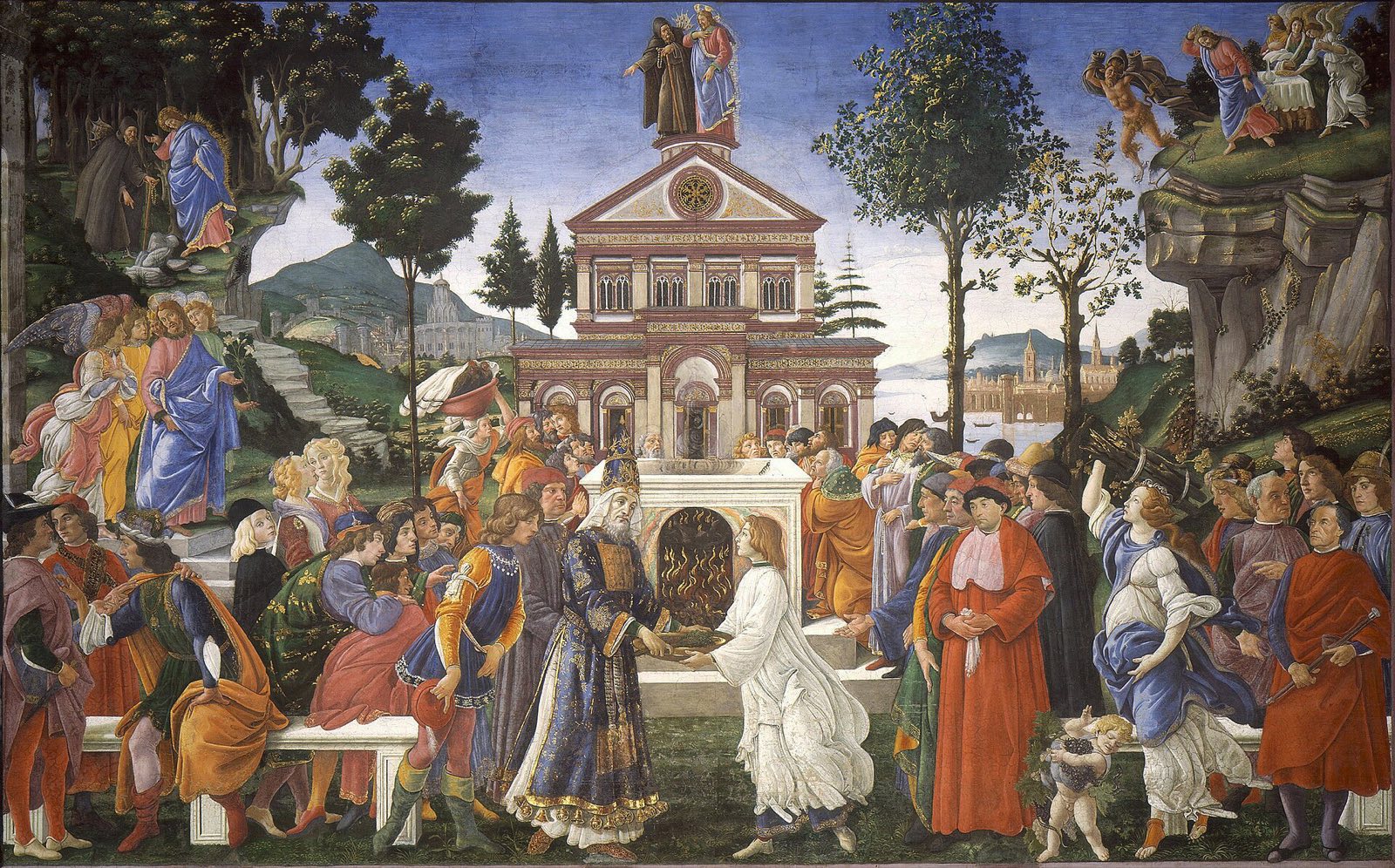
Painter, 1445 to 1510
Sandro Botticelli
The painter of the Birth of Venus left Florence once for a great commission: three of the frescoes on the side walls of the Sistine Chapel.
Early Renaissance. 3 works in 1 museum
See the artist
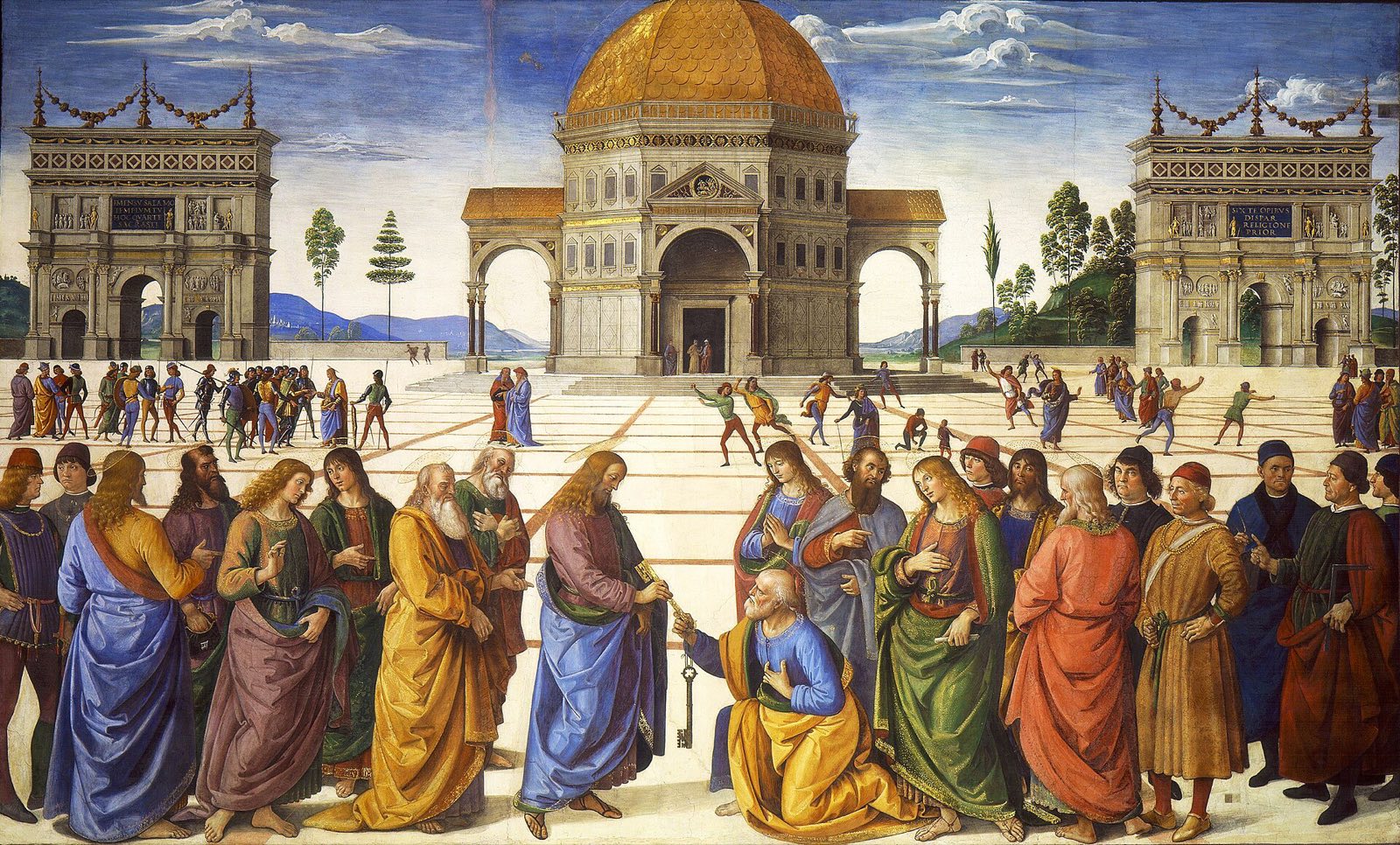
Painter, 1446 to 1523
Pietro Perugino
Raphael's teacher painted the calmest and most admired of the wall frescoes in the Sistine Chapel, the Delivery of the Keys.
Early Renaissance. 2 works in 1 museum
See the artist