Painter, 1445 to 1510
Sandro Botticelli
Everyone in the Sistine Chapel looks up. On the side walls, at eye level, are three large frescoes by Botticelli that most people never notice.
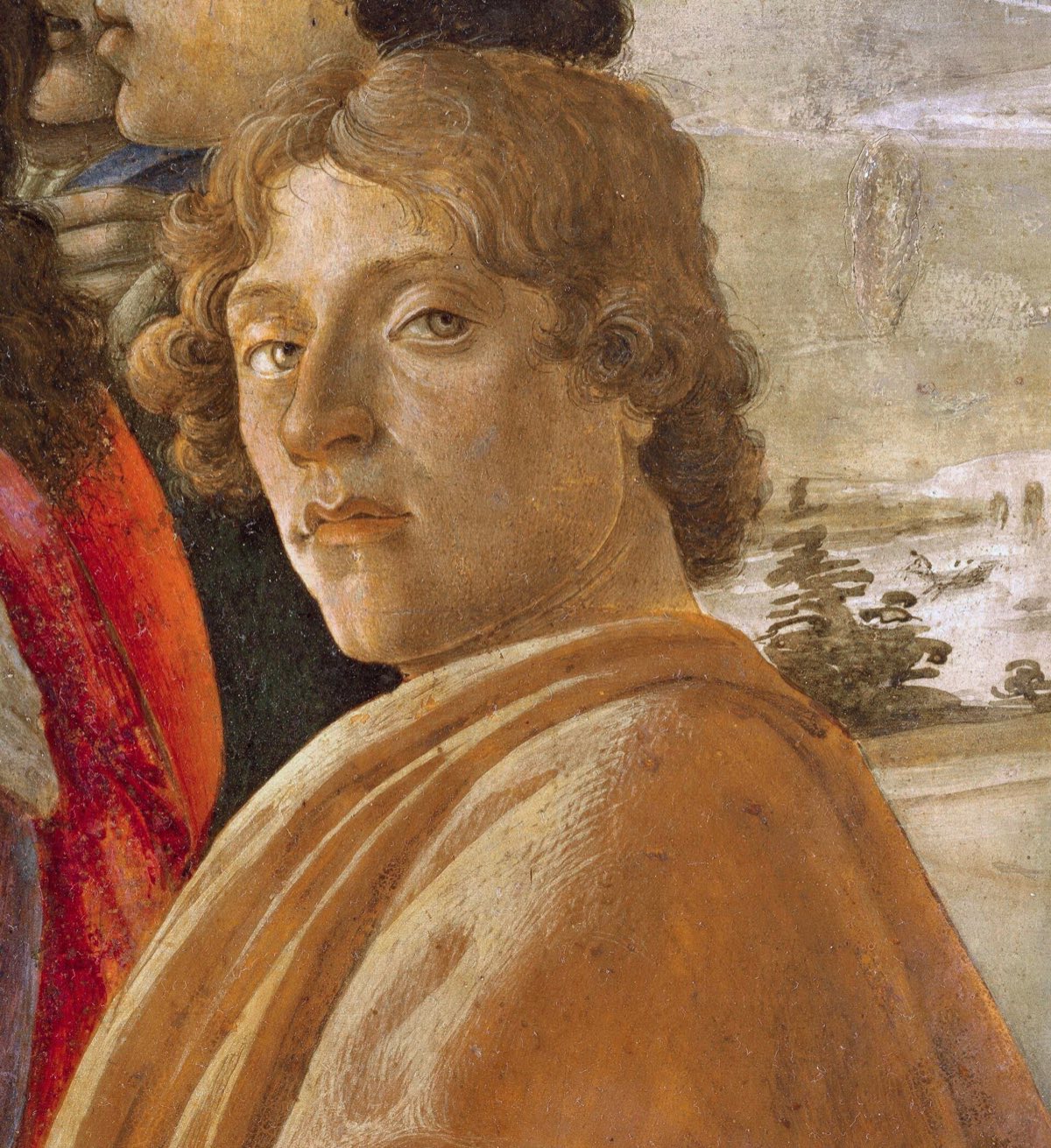
- Born
- 1445, Florence, Italy
- Died
- 1510, Florence, Italy
- Movement
- Early Renaissance
- In Rome
- 3 works in 1 museum
Where to see Sandro Botticelli in Rome
Each work with the museum it hangs in. Museums move and lend their works, so check before a special journey.
Vatican Museums3 works
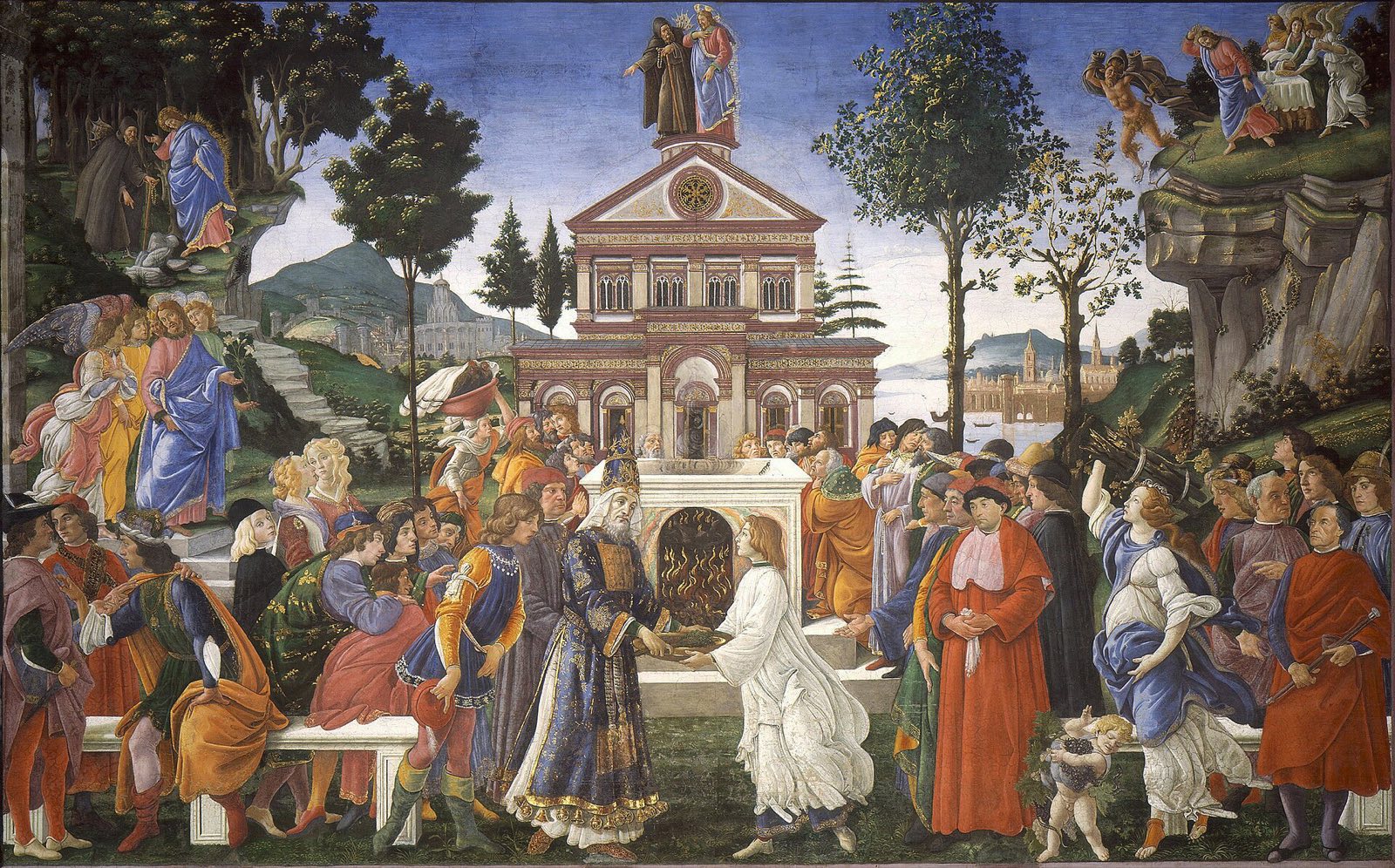
The Temptations of Christ
1481 to 1482
On the right wall of the Sistine Chapel as you face the altar. The three temptations are small scenes at the top. The foreground is a ceremony before a building that is the hospital Sixtus IV had just built in Rome.
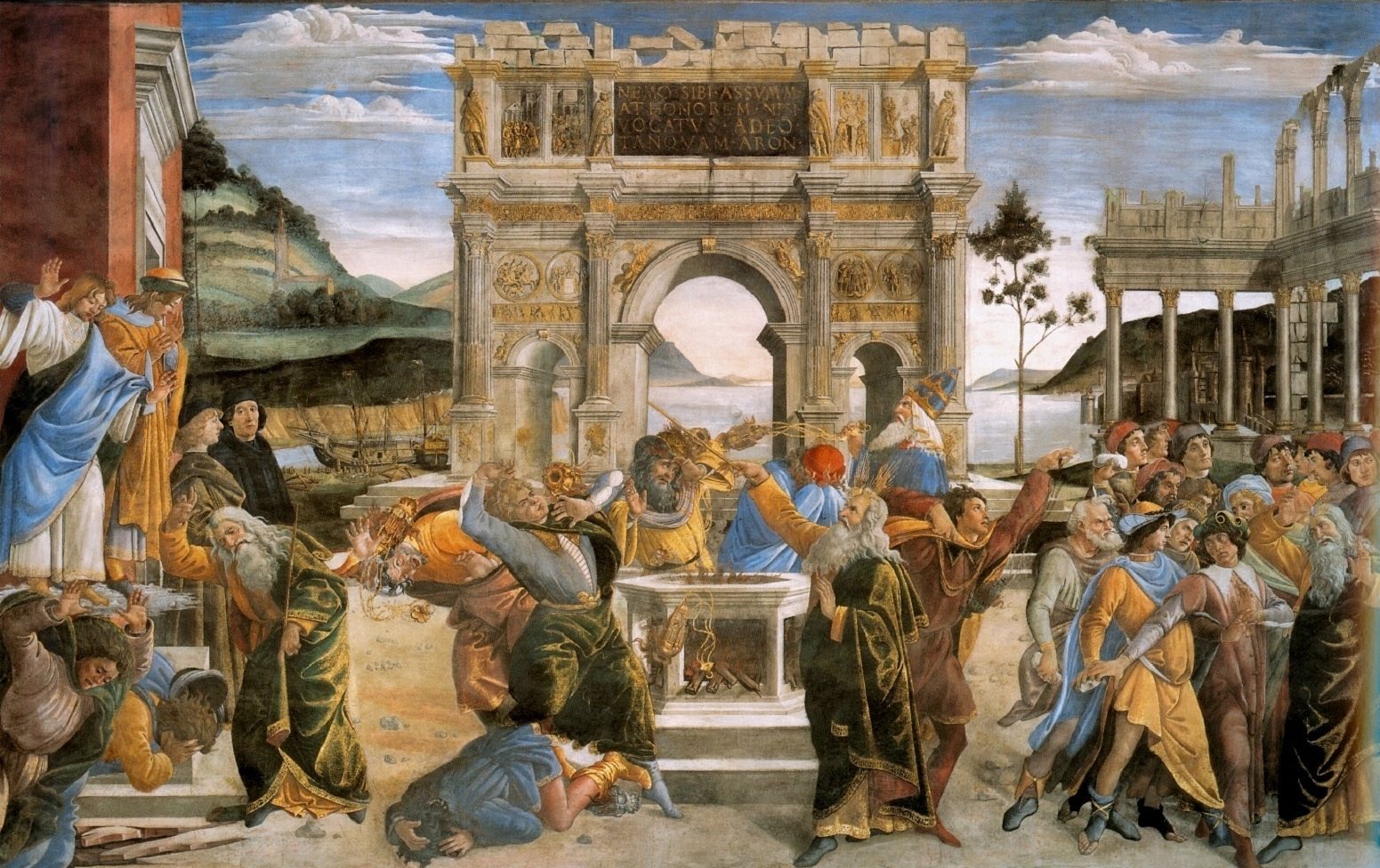
The Punishment of Korah
1481 to 1482
On the left wall: the rebels against Moses are swallowed by the earth, before the Arch of Constantine. It is a warning to anyone who challenges the pope.
The Trials of Moses
1481 to 1482
Seven episodes from the youth of Moses in one picture, with the daughters of Jethro at the well in the middle.
The life of Sandro Botticelli
Alessandro Filipepi, called Botticelli, was born in Florence around 1445 and spent almost all his life there, painting for the Medici and their circle. The Primavera and the Birth of Venus are in the Uffizi.
In 1481 Pope Sixtus IV summoned the best painters of Florence and Umbria to decorate his new chapel. Botticelli painted three of the scenes and several of the popes above them, and was home within a year.
What to know
- Painted the Birth of Venus and the Primavera
- Worked in the Sistine Chapel in 1481 and 1482
- Forgotten for three centuries and rediscovered in the nineteenth
- Born
- About 1445, Florence, Italy
- Died
- 17 May 1510, Florence, Italy
Sandro Botticelli: common questions
- Where can you see Sandro Botticelli in Rome?
- At the Vatican Museums: The Temptations of Christ, The Punishment of Korah and The Trials of Moses. Museums move and lend their works, so check before a special journey.
- What is Sandro Botticelli's most famous work in Rome?
- The Temptations of Christ, of 1481 to 1482, at the Vatican Museums. On the right wall of the Sistine Chapel as you face the altar. The three temptations are small scenes at the top. The foreground is a ceremony before a building that is the hospital Sixtus IV had just built in Rome.
- When and where was Sandro Botticelli born?
- About 1445, at Florence, Italy. Sandro Botticelli died on 17 May 1510, at Florence, Italy, aged about 65.
- What is Sandro Botticelli known for?
- Painted the Birth of Venus and the Primavera. Worked in the Sistine Chapel in 1481 and 1482. Forgotten for three centuries and rediscovered in the nineteenth. Sandro Botticelli was an Italian painter, of the Early Renaissance.
Tickets and tours: Sandro Botticelli in Rome
Things to do near the Vatican Museums
The nearest of this site's best things to do in the city. Distances are in a straight line.
- 3Climb the dome of St Peter's500 m awayChurch, 1.5 to 2.5 hours, free, ticket for the dome
- 10Go up Castel Sant'Angelo1.1 km awayMonument, 1.5 to 2 hours, ticket
- 7Walk Piazza Navona and its fountains1.8 km awayWalk, 30 to 60 minutes, free
- 20Find Caravaggio's paintings in three churches1.9 km awayChurch, 1 to 2 hours, free
Where to eat near the Vatican Museums
The nearest of the famous tables this site lists in Rome. Distances are in a straight line.
- Il Matriciano4.1Restaurant, Vatican550 m away
- Pizzarium4.1Pizza by the slice, Vatican550 m away
- La Campana4.3Restaurant, Piazza Navona1.8 km away
- Il Vero Alfredo4.1Restaurant, Piazza Augusto Imperatore2.0 km away
Hotels near the Vatican Museums
The five-star hotels closest to it, of those this site lists in Rome. Distances are in a straight line.
- Rome Cavalieri4.6Five-star hotel, Monte Mario1.5 km away
- Hotel Raphaël4.5Five-star hotel, Piazza Navona1.7 km away
- Bulgari Hotel Roma4.7Five-star hotel, Piazza Augusto Imperatore1.9 km away
- J.K. Place Roma4.8Five-star hotel, Via del Corso1.9 km away
Other artists
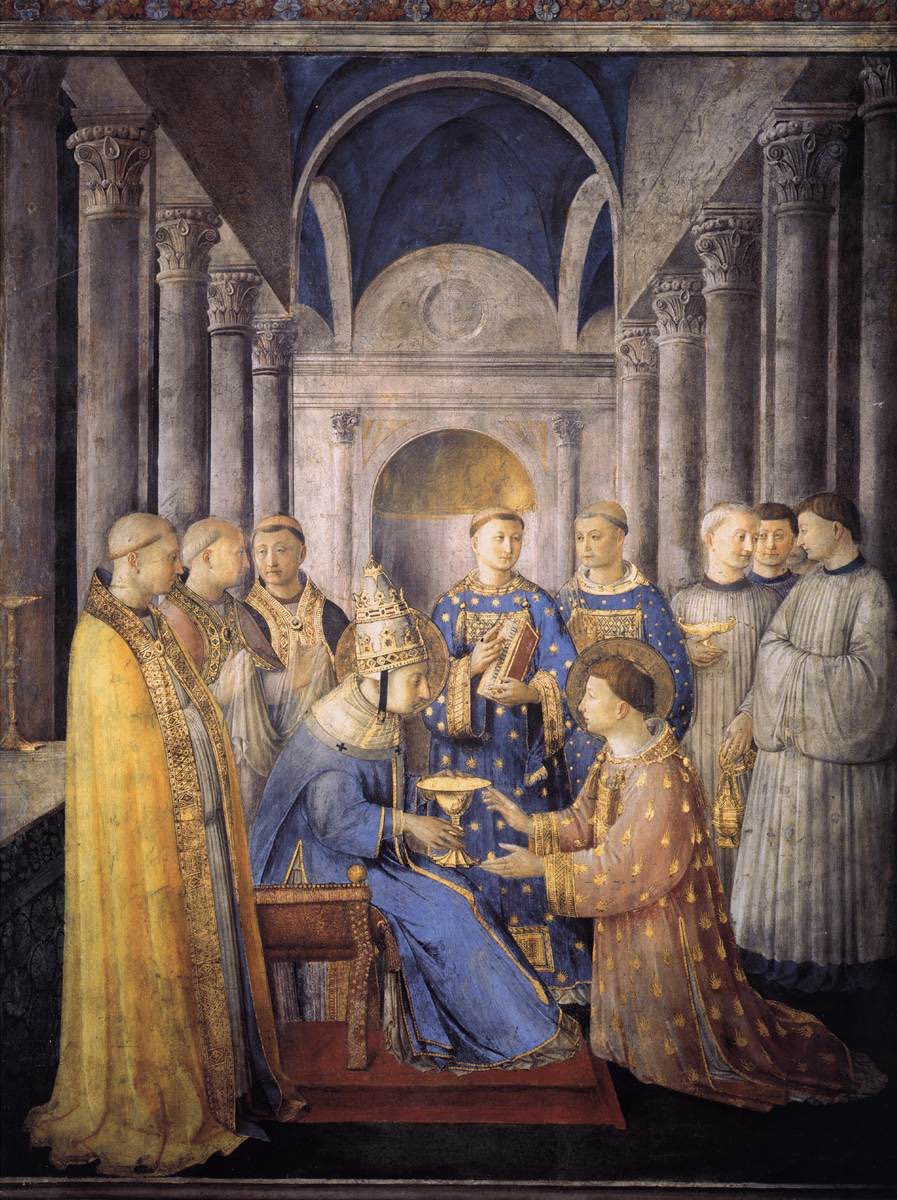
Painter, 1395 to 1455
Fra Angelico
The Dominican friar who painted the cells of San Marco in Florence spent his last years in Rome. A chapel he frescoed for the pope survives in the Vatican.
Early Renaissance. 2 works in 1 museum
See the artist
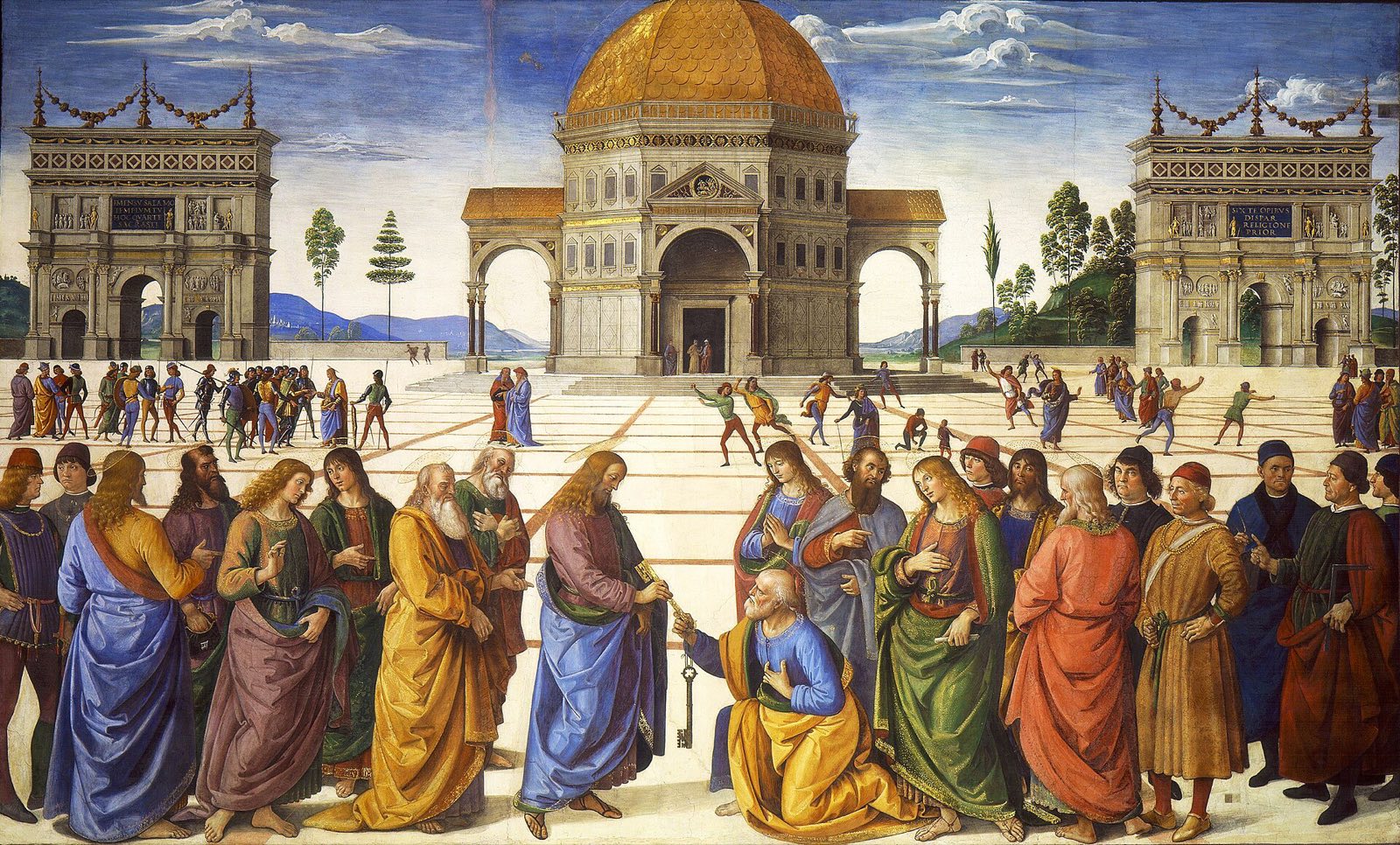
Painter, 1446 to 1523
Pietro Perugino
Raphael's teacher painted the calmest and most admired of the wall frescoes in the Sistine Chapel, the Delivery of the Keys.
Early Renaissance. 2 works in 1 museum
See the artist
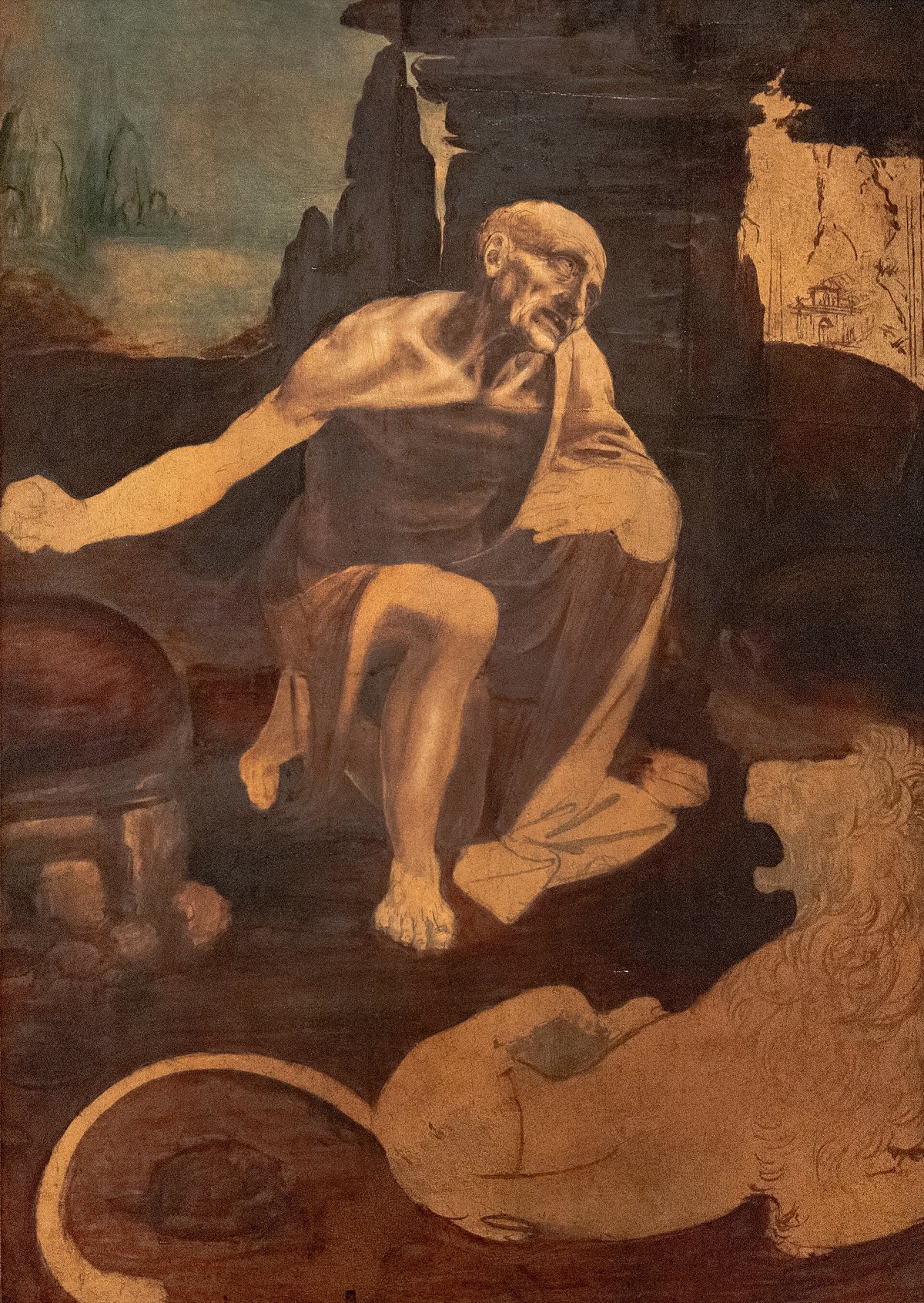
Painter, 1452 to 1519
Leonardo da Vinci
Rome has one painting by Leonardo, and it is unfinished: the Saint Jerome in the Vatican picture gallery, found in pieces in the nineteenth century.
High Renaissance. 1 work in 1 museum
See the artist