Painter, 1452 to 1519
Leonardo da Vinci
Leonardo lived in Rome from 1513 to 1516, in rooms at the Vatican, and painted almost nothing there. The one work of his the city owns came later, by an accident.
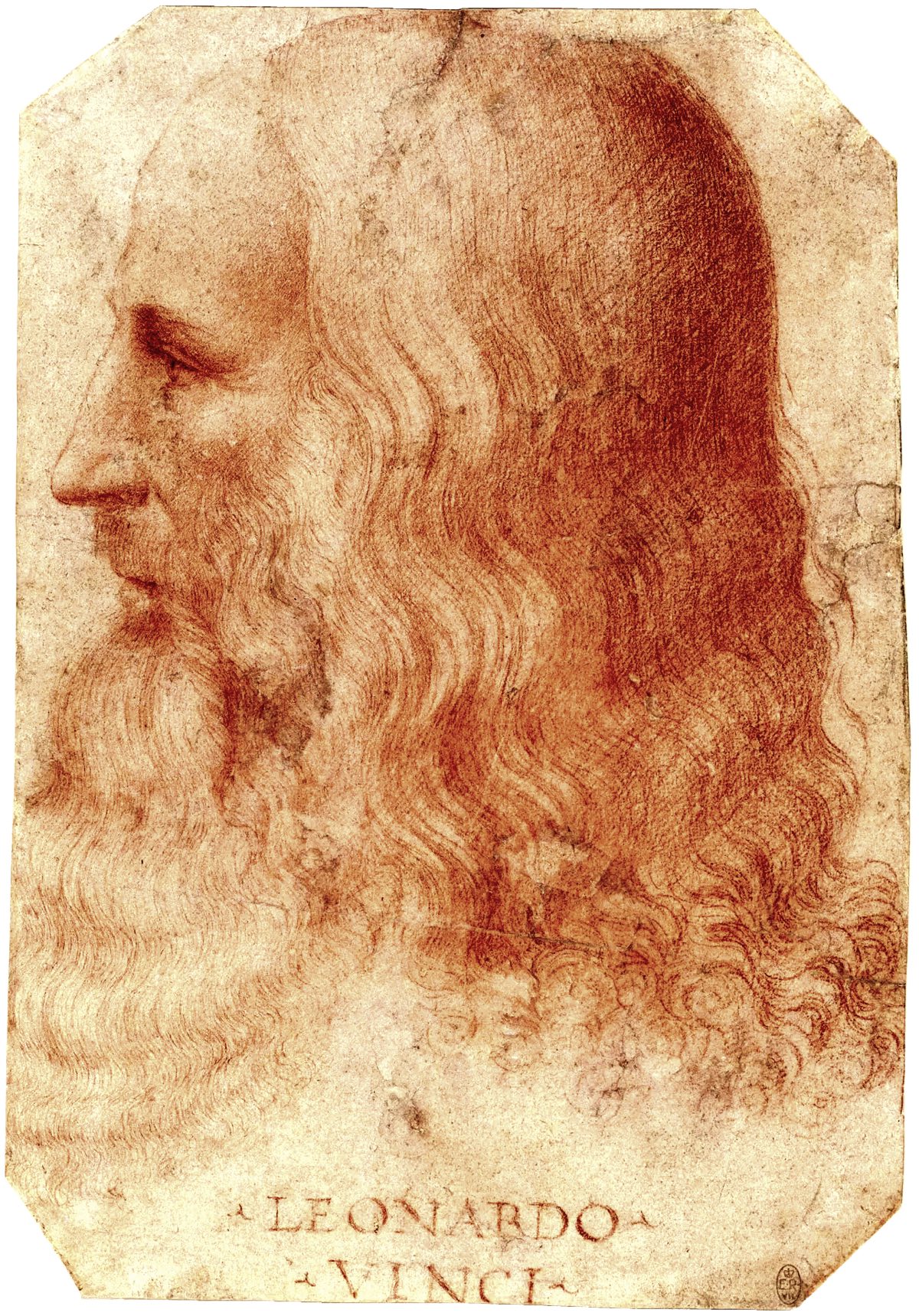
- Born
- 1452, Anchiano, near Vinci, Italy
- Died
- 1519, Amboise, France
- Movement
- High Renaissance
- In Rome
- 1 work in 1 museum
Where to see Leonardo da Vinci in Rome
Each work with the museum it hangs in. Museums move and lend their works, so check before a special journey.
Vatican Museums1 work
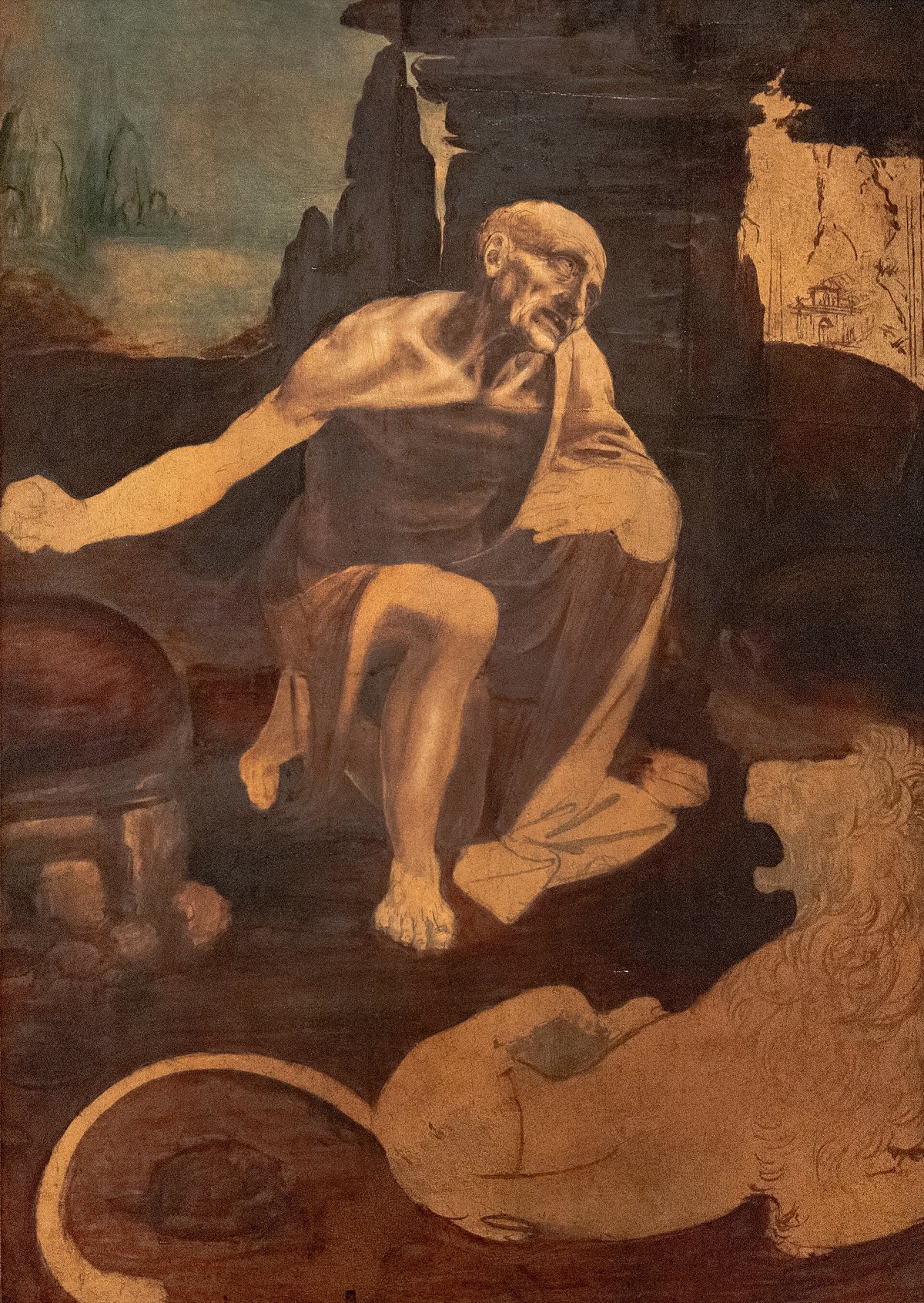
Saint Jerome in the Wilderness
about 1480 to 1490
The saint kneeling in the desert with his lion, left as an underpainting in browns. It shows how Leonardo built a picture before colour. The panel was once sawn in two, and the pieces were found separately in Rome in the nineteenth century.
The life of Leonardo da Vinci
Leonardo was born near the Tuscan town of Vinci in 1452 and trained in Florence. He was a painter, an engineer, an anatomist and a musician, and he filled thousands of pages of notebooks with studies of water, flight and the human body. He painted slowly and abandoned much of what he began, so fewer than twenty paintings are accepted as his.
He came to Rome in 1513, when a Medici was elected pope, and was given rooms in the Belvedere of the Vatican. He spent three years there on mirrors, mathematics and anatomy while Raphael and Michelangelo took the great commissions. In 1516 he left for France, where he died in 1519.
What to know
- Painted the Mona Lisa, the most famous painting in the world
- Lived at the Vatican from 1513 to 1516
- His only painting in Rome, the Saint Jerome, was never finished
- Born
- 15 April 1452, Anchiano, near Vinci, Italy
- Died
- 2 May 1519, Amboise, France
Leonardo da Vinci: common questions
- Where can you see Leonardo da Vinci in Rome?
- At the Vatican Museums: Saint Jerome in the Wilderness. Museums move and lend their works, so check before a special journey.
- What is Leonardo da Vinci's most famous work in Rome?
- Saint Jerome in the Wilderness, of about 1480 to 1490, at the Vatican Museums. The saint kneeling in the desert with his lion, left as an underpainting in browns. It shows how Leonardo built a picture before colour. The panel was once sawn in two, and the pieces were found separately in Rome in the nineteenth century.
- When and where was Leonardo da Vinci born?
- On 15 April 1452, at Anchiano, near Vinci, Italy. Leonardo da Vinci died on 2 May 1519, at Amboise, France, aged about 67.
- What is Leonardo da Vinci known for?
- Painted the Mona Lisa, the most famous painting in the world. Lived at the Vatican from 1513 to 1516. His only painting in Rome, the Saint Jerome, was never finished. Leonardo da Vinci was an Italian painter, of the High Renaissance.
Tickets and tours: Leonardo da Vinci in Rome
Things to do near the Vatican Museums
The nearest of this site's best things to do in the city. Distances are in a straight line.
- 3Climb the dome of St Peter's500 m awayChurch, 1.5 to 2.5 hours, free, ticket for the dome
- 10Go up Castel Sant'Angelo1.1 km awayMonument, 1.5 to 2 hours, ticket
- 7Walk Piazza Navona and its fountains1.8 km awayWalk, 30 to 60 minutes, free
- 20Find Caravaggio's paintings in three churches1.9 km awayChurch, 1 to 2 hours, free
Where to eat near the Vatican Museums
The nearest of the famous tables this site lists in Rome. Distances are in a straight line.
- Il Matriciano4.1Restaurant, Vatican550 m away
- Pizzarium4.1Pizza by the slice, Vatican550 m away
- La Campana4.3Restaurant, Piazza Navona1.8 km away
- Il Vero Alfredo4.1Restaurant, Piazza Augusto Imperatore2.0 km away
Hotels near the Vatican Museums
The five-star hotels closest to it, of those this site lists in Rome. Distances are in a straight line.
- Rome Cavalieri4.6Five-star hotel, Monte Mario1.5 km away
- Hotel Raphaël4.5Five-star hotel, Piazza Navona1.7 km away
- Bulgari Hotel Roma4.7Five-star hotel, Piazza Augusto Imperatore1.9 km away
- J.K. Place Roma4.8Five-star hotel, Via del Corso1.9 km away
Other artists
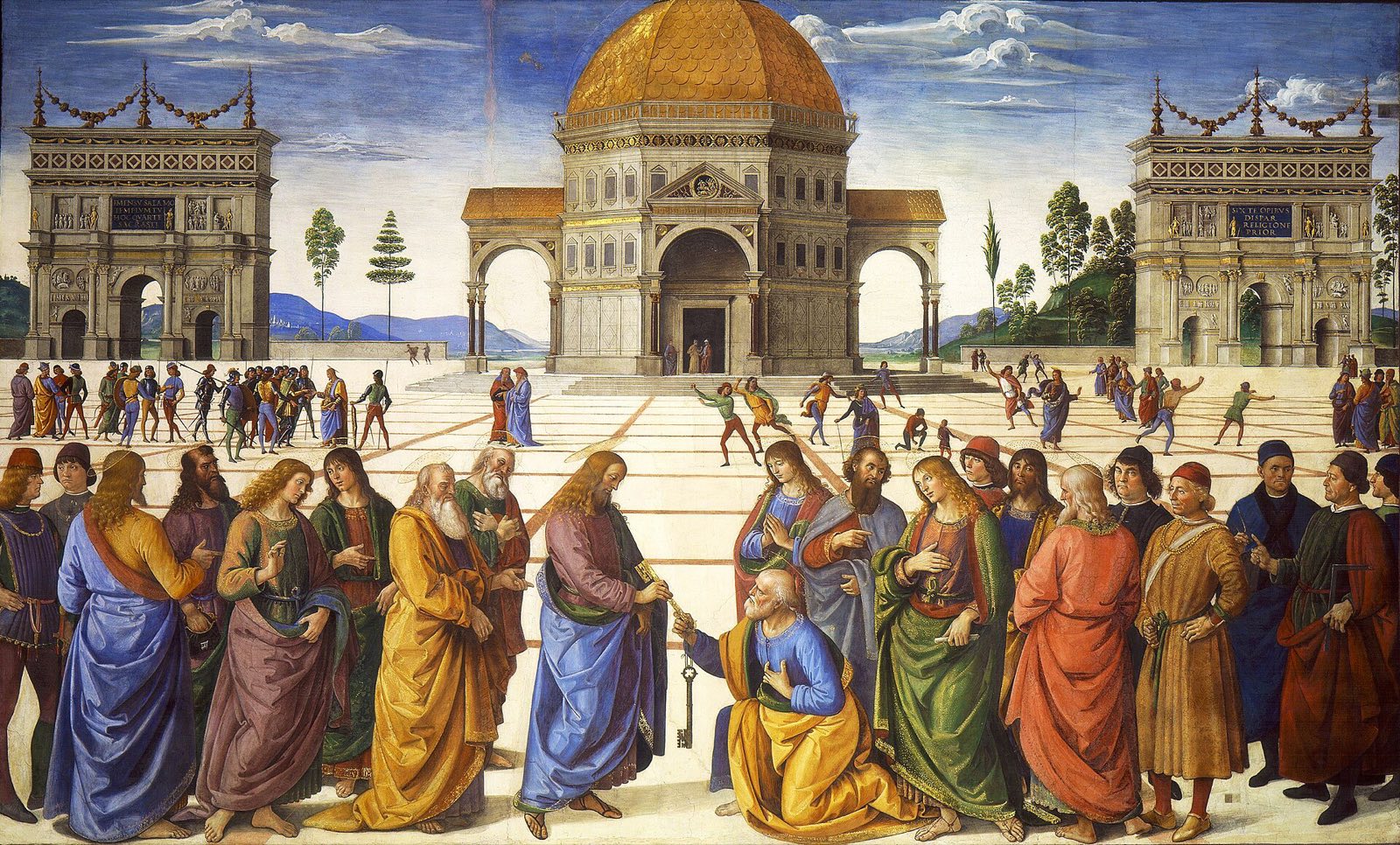
Painter, 1446 to 1523
Pietro Perugino
Raphael's teacher painted the calmest and most admired of the wall frescoes in the Sistine Chapel, the Delivery of the Keys.
Early Renaissance. 2 works in 1 museum
See the artist
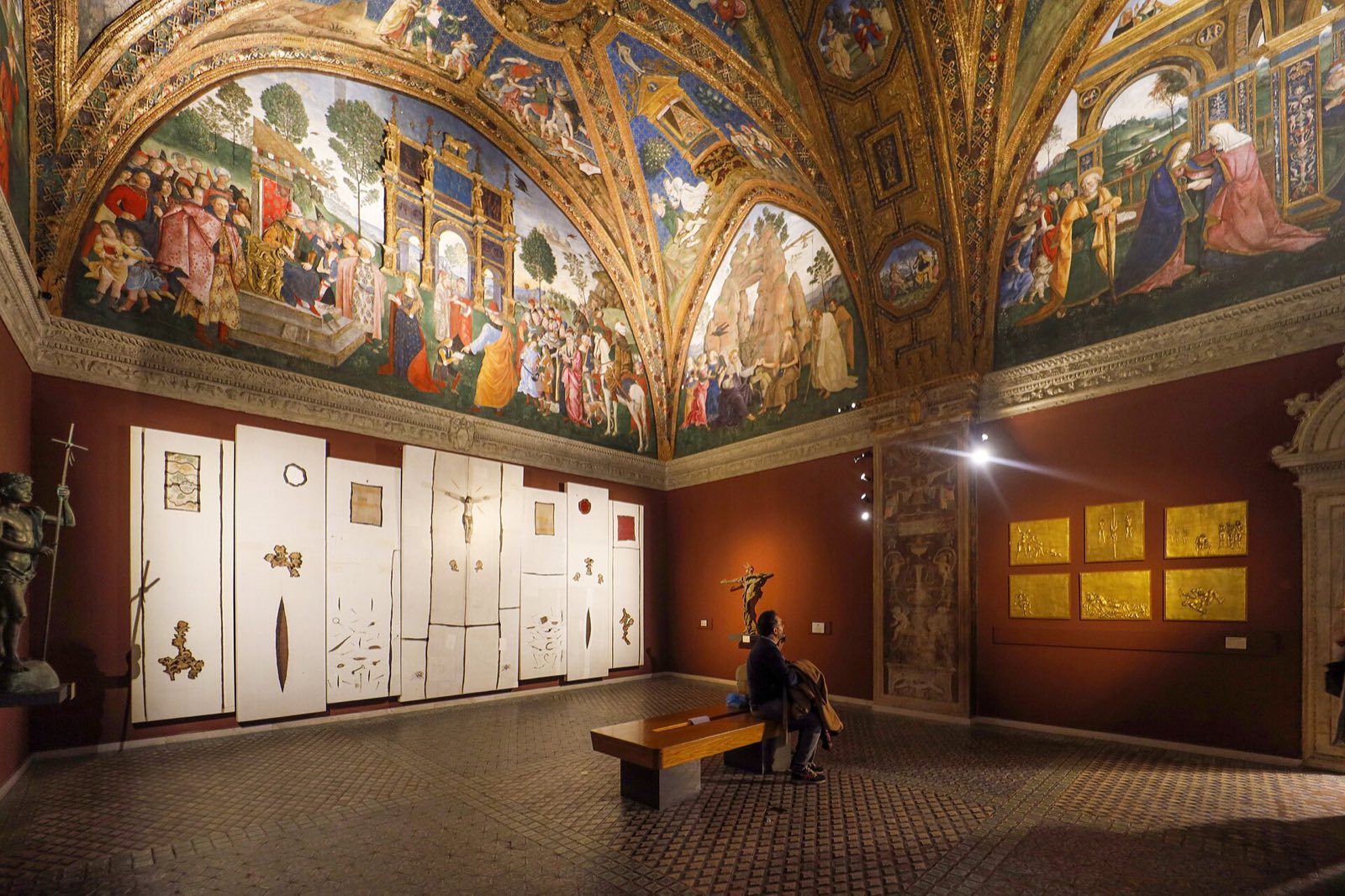
Picture: Fabrizio Garrisi, CC BY-SA 4.0
Painter, 1454 to 1513
Pinturicchio
The most decorative painter of the fifteenth century covered the apartment of the Borgia pope in gold and colour. It is on the visitor's route through the Vatican.
Early Renaissance. 3 works in 3 museums
See the artist
Painter and sculptor, 1475 to 1564
Michelangelo
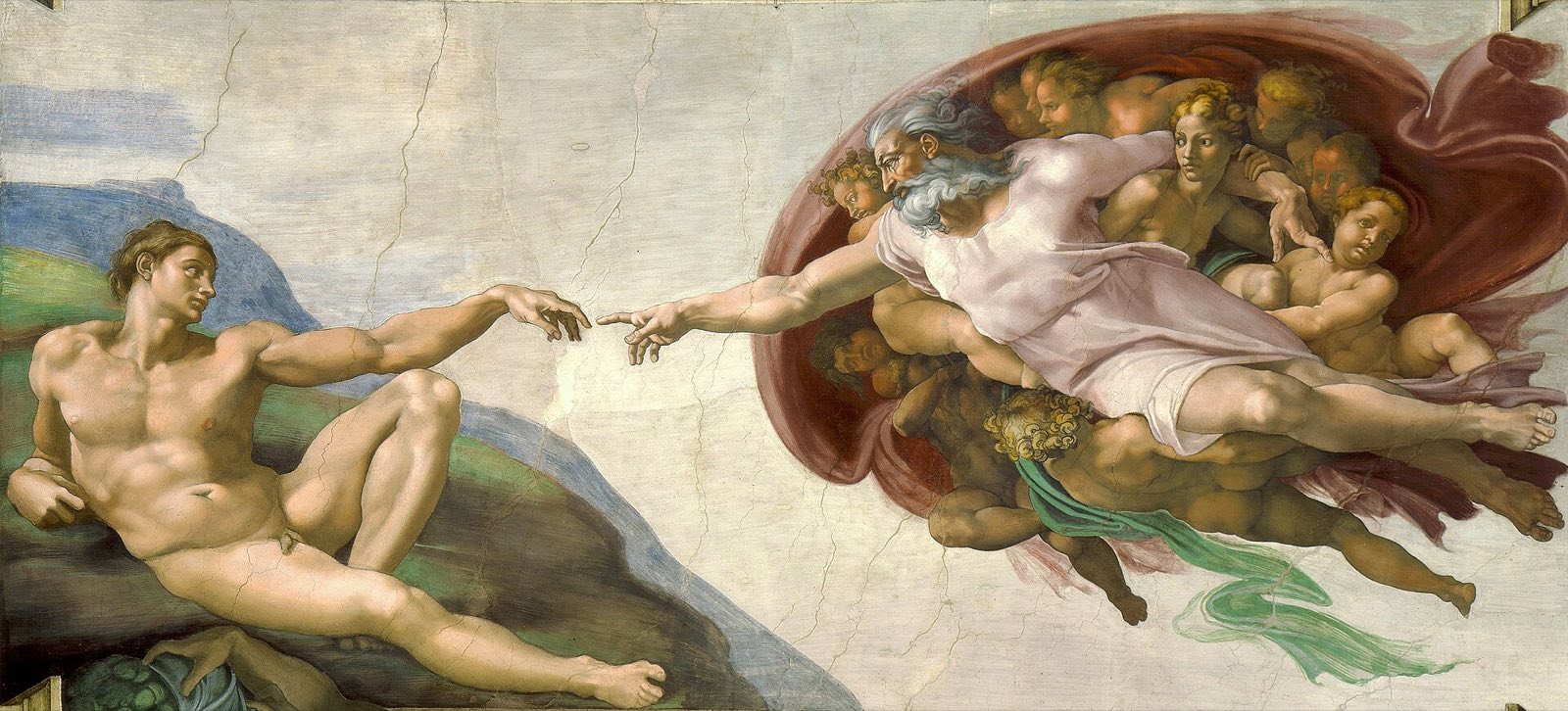
Rome is Michelangelo's city: the Sistine ceiling and the Last Judgment at the Vatican, the Pietà in St Peter's, the Moses in San Pietro in Vincoli, and the dome over them all.
High Renaissance. 5 works in 4 museums
See the artist