Museums and attractions inLondon
Free museums, a fortress on the river and nine centuries of kings.
London's great collections are a short walk from the Thames, and most of them are free. The British Museum holds the Rosetta Stone and the sculptures of the Parthenon; the National Gallery lines Trafalgar Square with European painting from the thirteenth century onwards; Tate Modern fills a power station on the river with the art of the last hundred years; the Victoria and Albert Museum shows five thousand years of things made with skill.
Between them stand the buildings the city is known by: the Tower of London, Westminster Abbey, St Paul's Cathedral, Tower Bridge and the London Eye. This guide lists the museums and attractions of London, with what each one holds, how to visit and where to book.
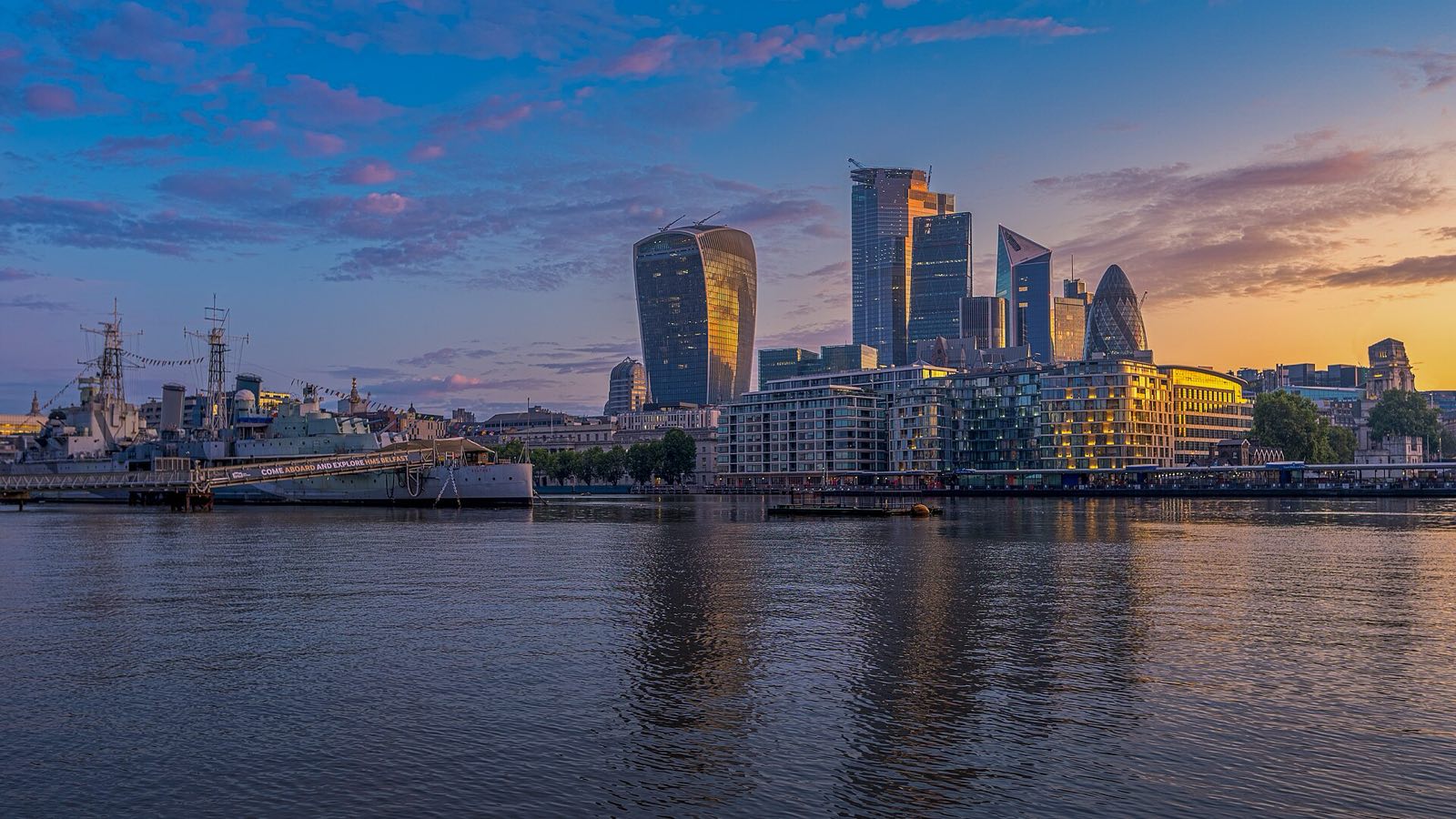
Museums in London
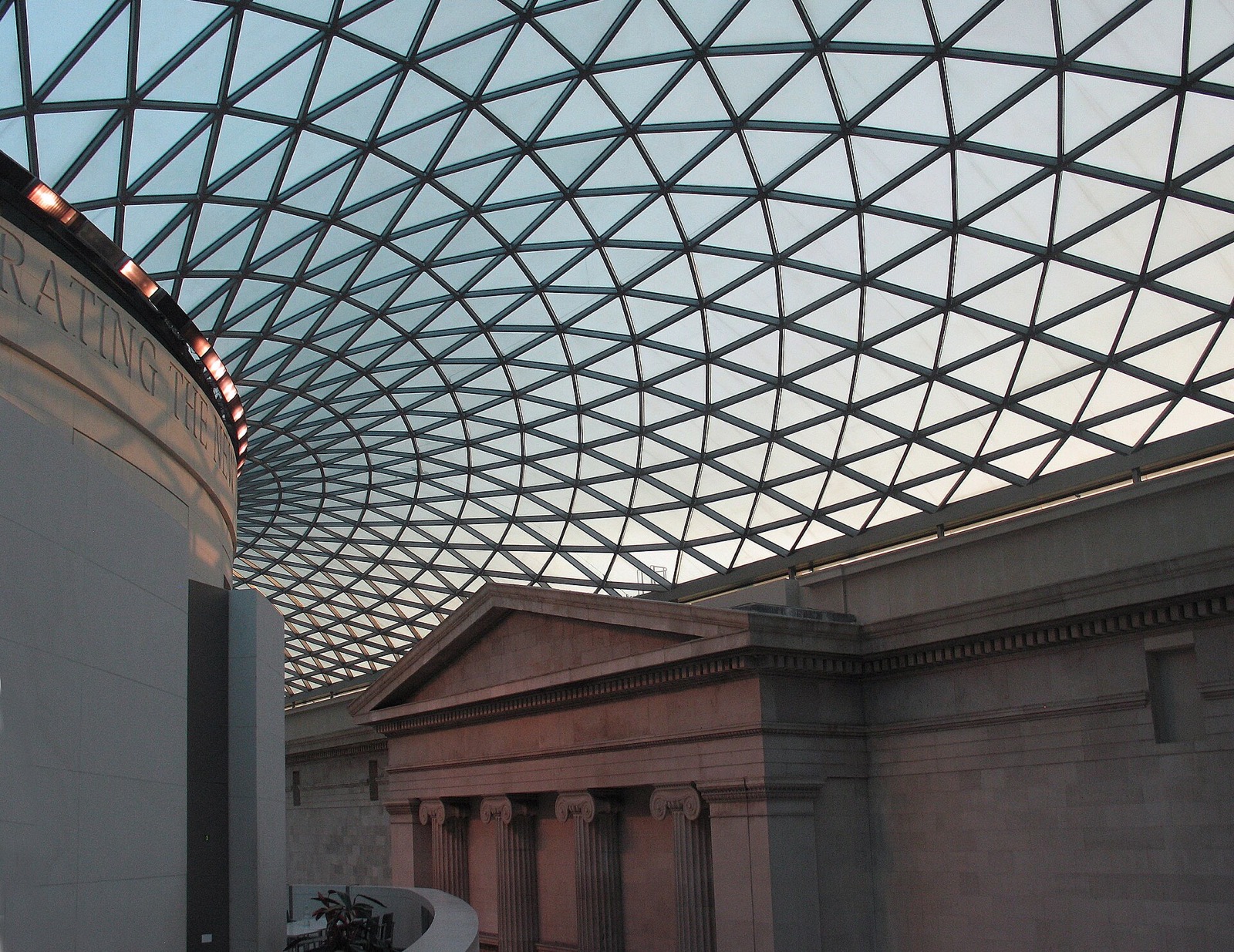
The British Museum
Founded 1753, Encyclopedic
Two million years of human history in Bloomsbury, from the Rosetta Stone to the sculptures of the Parthenon, free to enter.
Read more
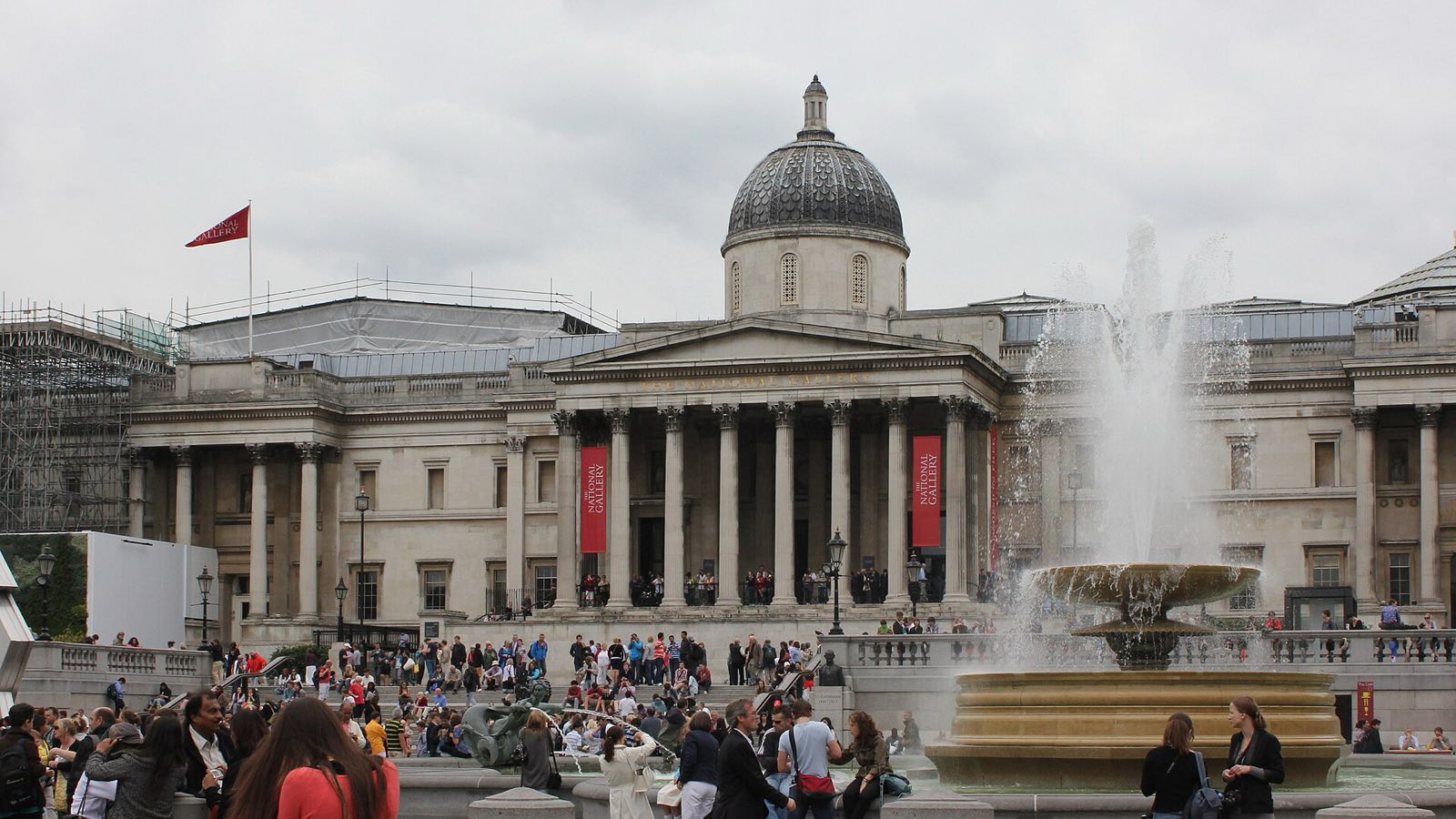
The National Gallery
Founded 1824, Old masters to modern
European painting from the thirteenth century to the early twentieth, on Trafalgar Square.
Read more
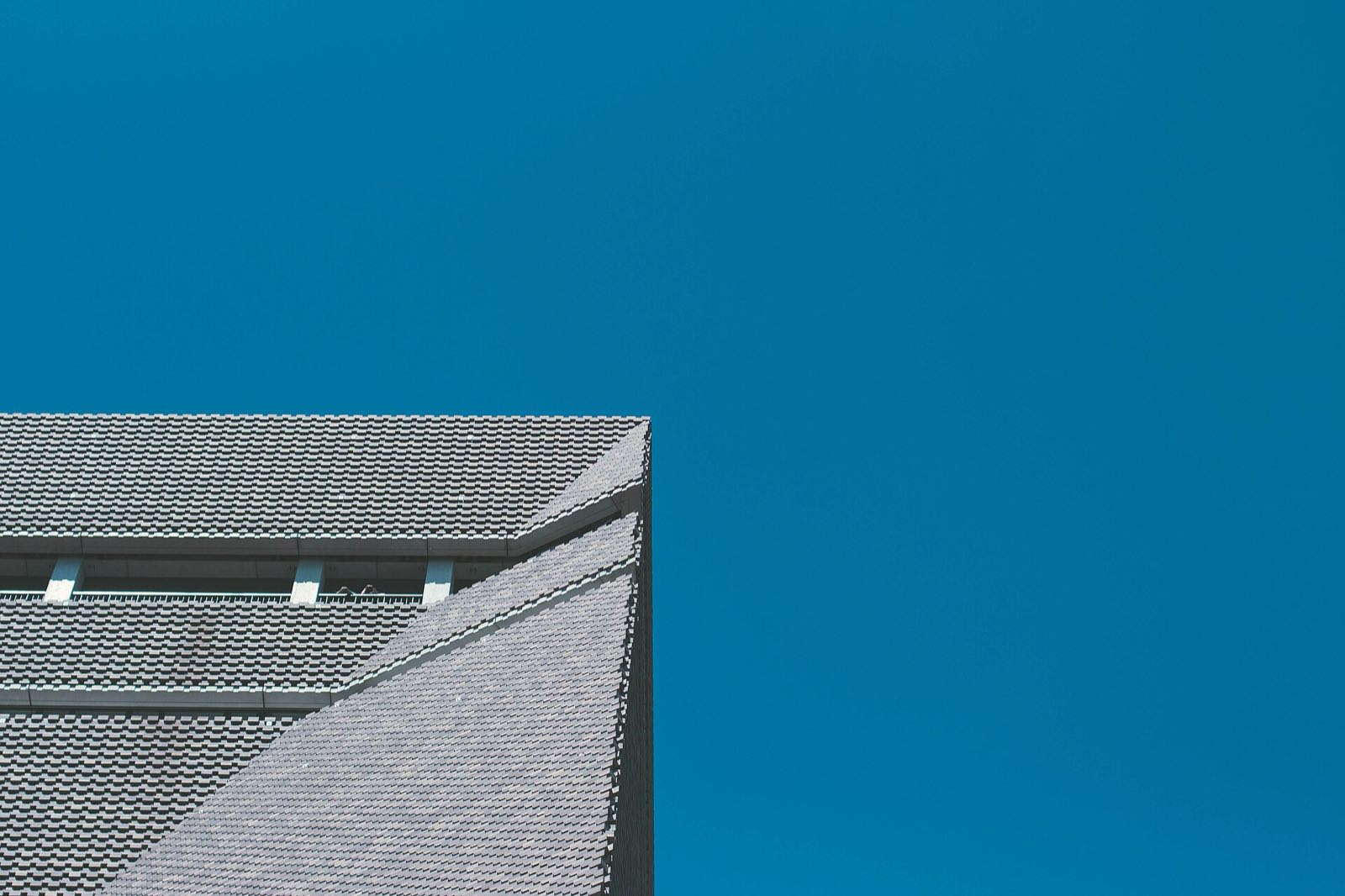
Tate Modern
Founded 2000, Modern and contemporary
International modern and contemporary art in the former Bankside Power Station on the Thames.
Read more
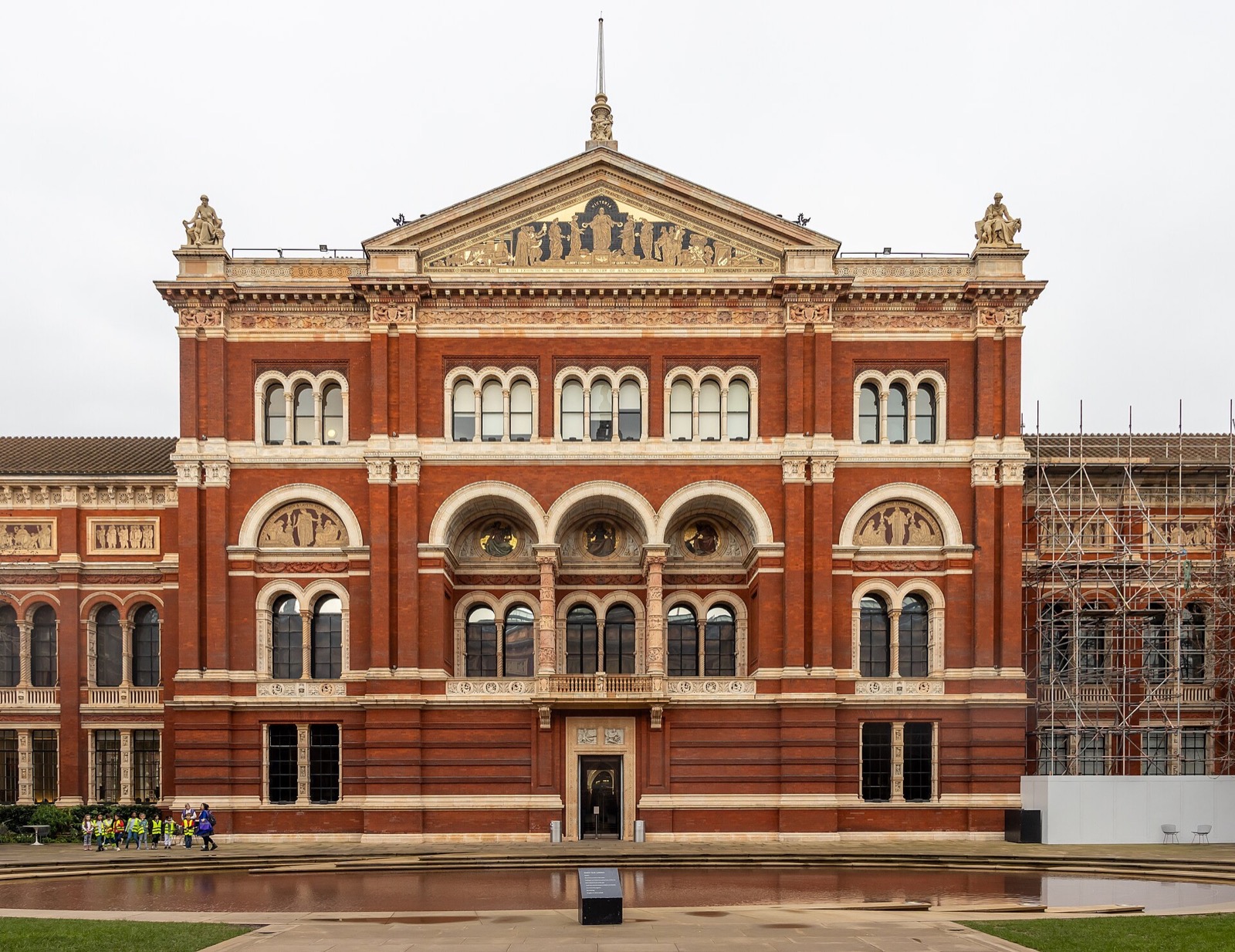
Victoria and Albert Museum
Founded 1852, Encyclopedic
Art, design and performance, in South Kensington.
Read more
Attractions in London
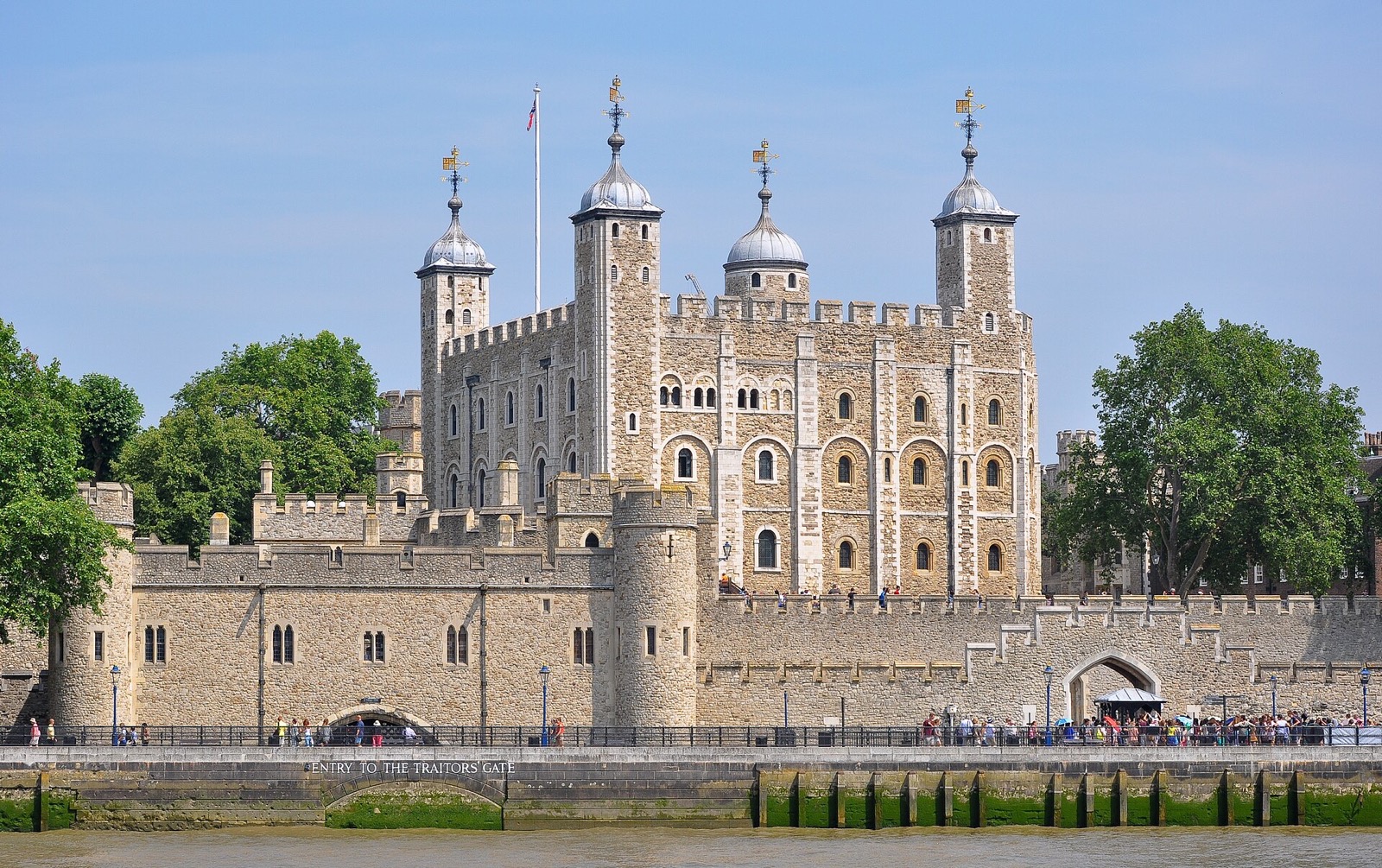
Tower of London
Since 1078
The fortress William the Conqueror began beside the Thames, home of the Crown Jewels, the Yeoman Warders and the ravens.
Tickets from £38
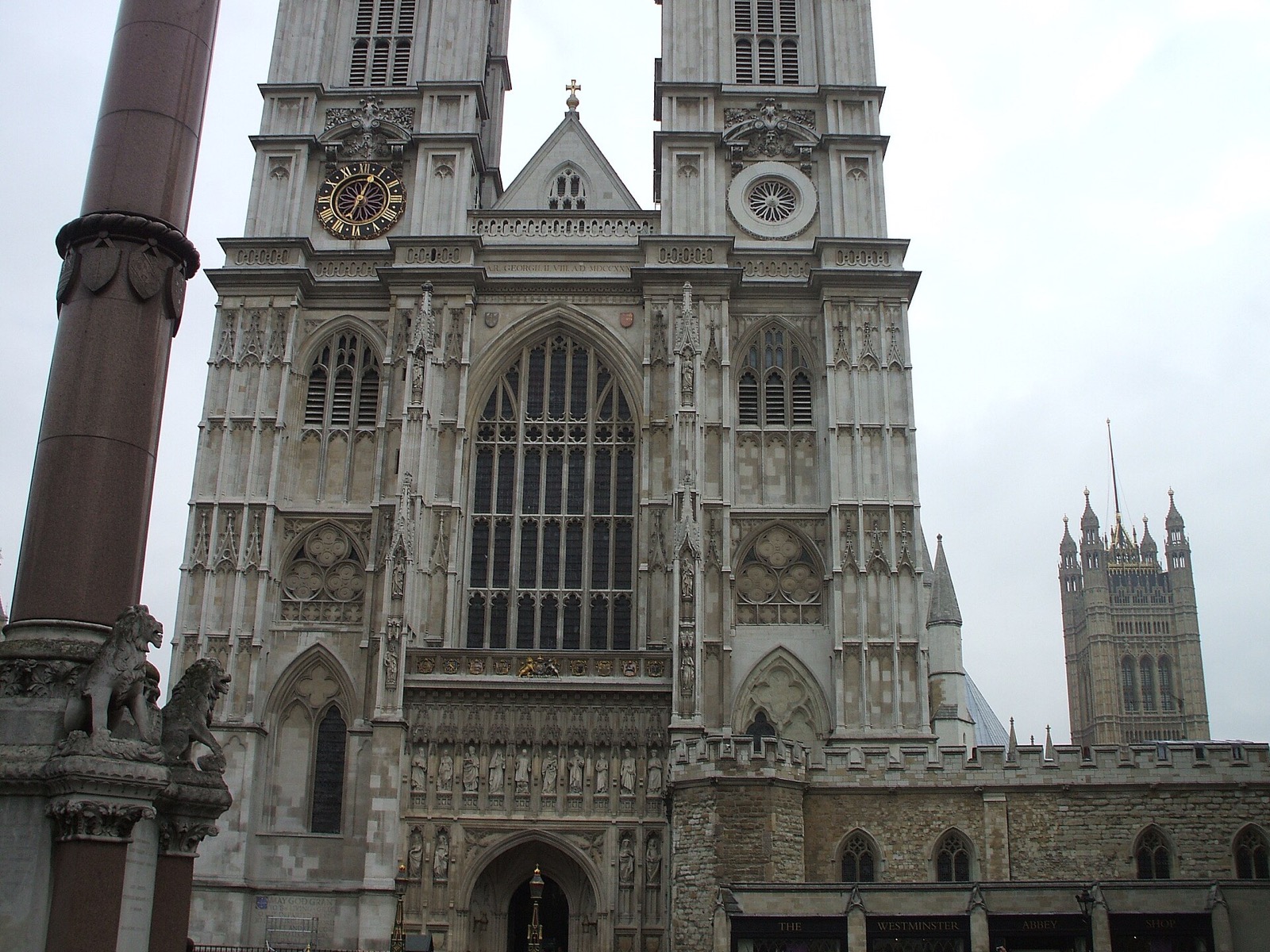
Westminster Abbey
Since 1245
The Gothic church beside Parliament where every monarch since 1066 has been crowned, and where kings, queens and poets are buried.
Tickets from £32
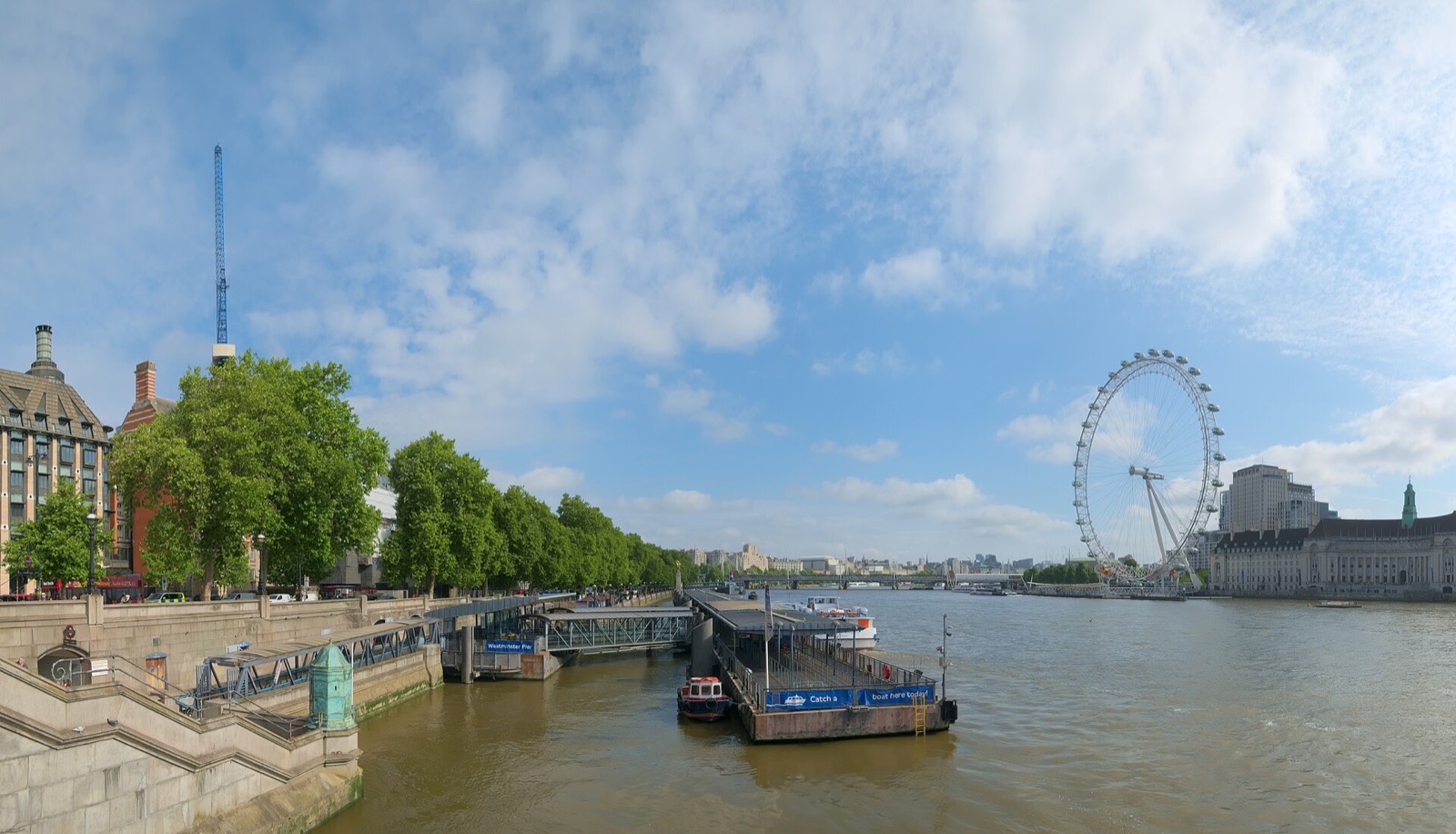
London Eye
Since 2000
The observation wheel 135 metres high on the South Bank of the Thames, opposite the Houses of Parliament.
Tickets from £29
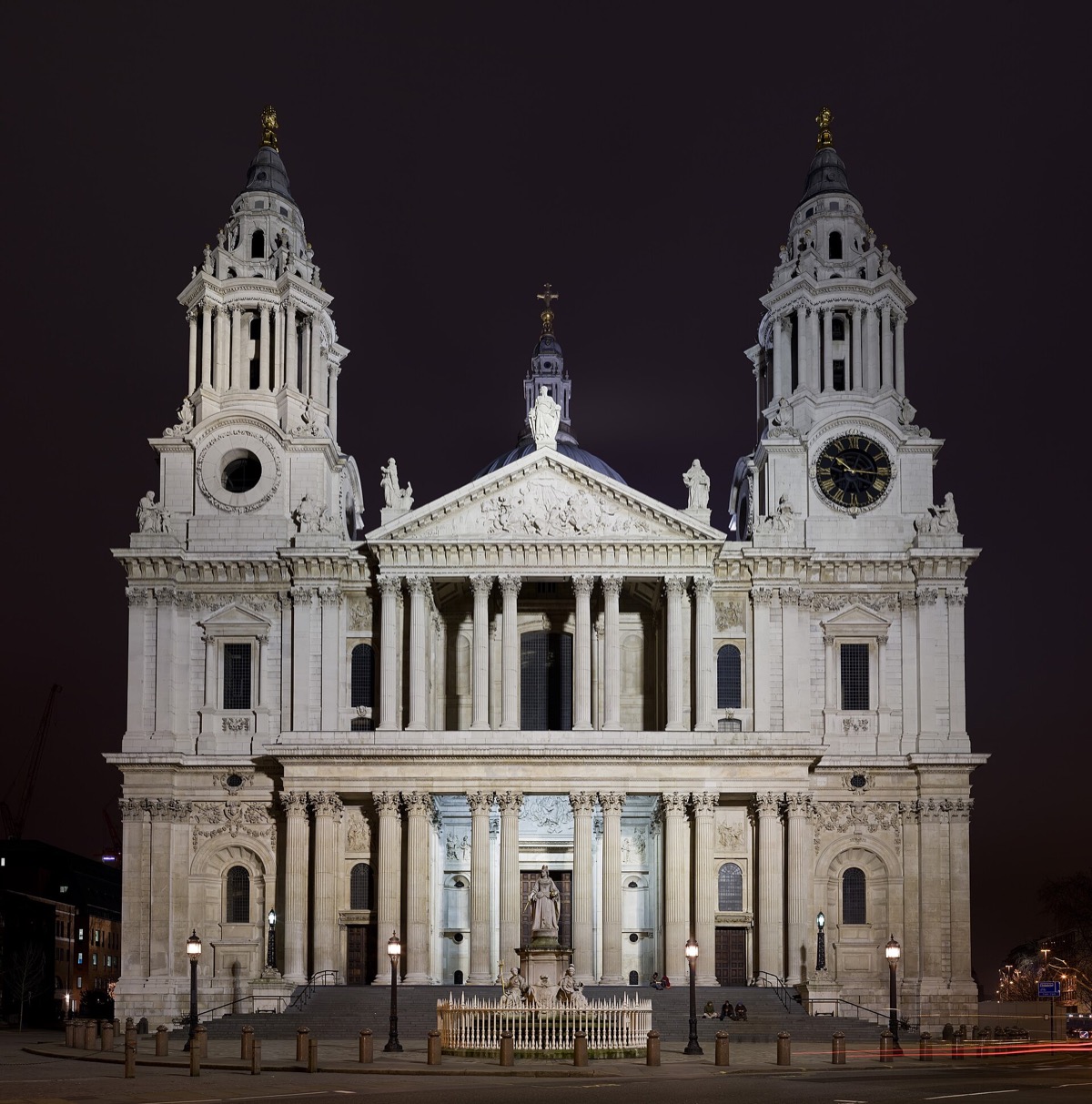
St Paul's Cathedral
Since 1710
Christopher Wren's cathedral in the City of London, built after the Great Fire, with a dome you can climb to the top.
Tickets from £27
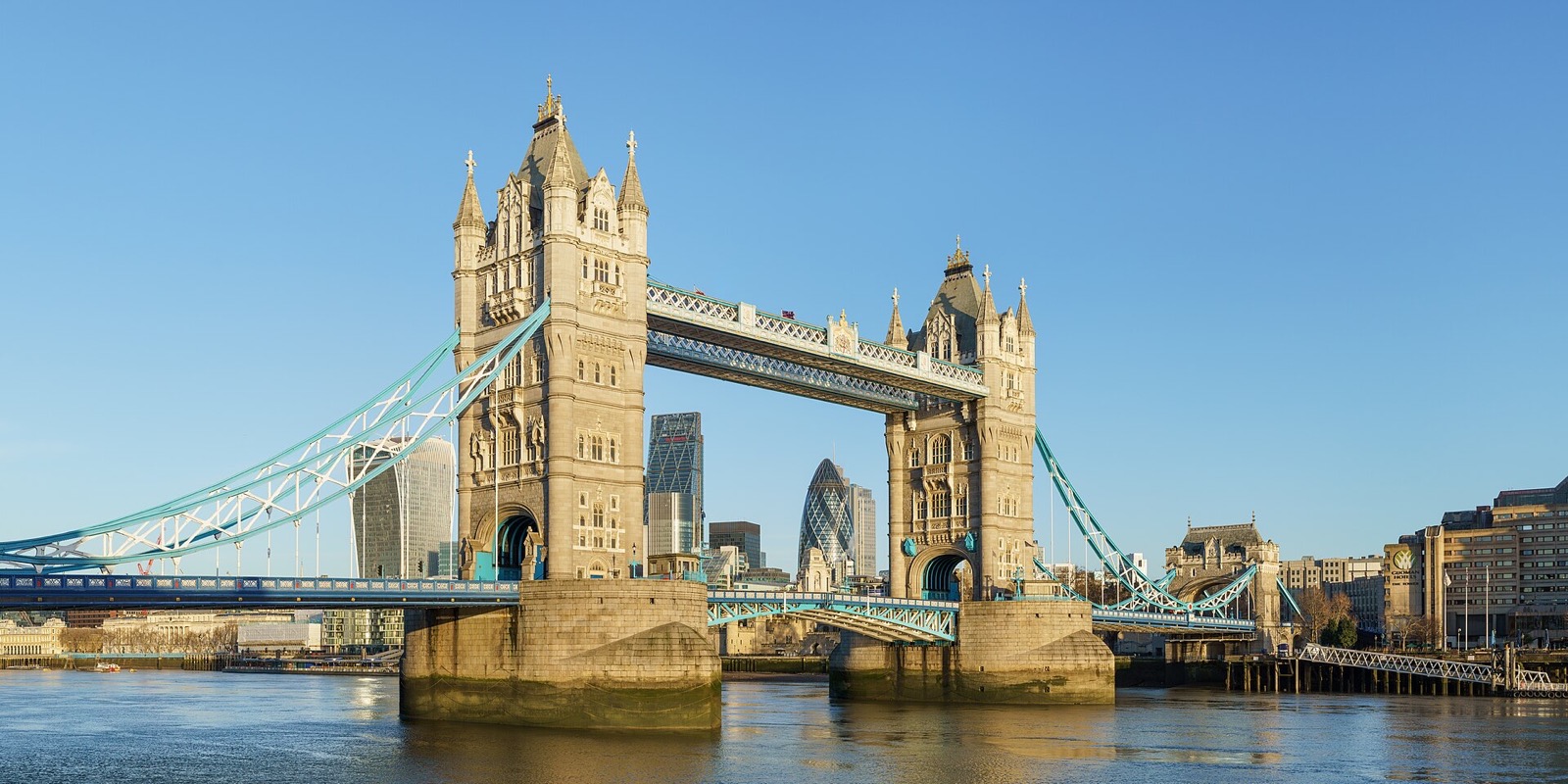
Tower Bridge
Since 1894
The bridge with two towers and a lifting roadway beside the Tower of London, with high walkways and a glass floor above the Thames.
Tickets from £18
Things to do in London
The first 6 of the 20 best things to do in London, in the order this site would do them.
Picture: Bob Collowan, CC BY-SA 3.0
Number 1, Monument
See the Crown Jewels at the Tower of London
A fortress, a palace and a prison beside the Thames, nearly a thousand years old. The Crown Jewels are kept here, the ravens live here, and the guards who show you round live here too.
2.5 to 3.5 hours. Ticket, from £38
Read the guide
Picture: Jim Osley, CC BY-SA 2.0
Number 2, Museum
Walk through two million years at the British Museum
The Rosetta Stone, the sculptures of the Parthenon, the Egyptian mummies and the treasure of Sutton Hoo, under one roof and free to enter. Choose a few rooms and see them properly.
2.5 to 4 hours. Free
Read the guide
Picture: Ozeye, CC BY-SA 3.0
Number 3, Church
Stand where kings are crowned in Westminster Abbey
The church where every English monarch since 1066 has been crowned, and where kings, queens, poets and scientists are buried. Go early: it closes to visitors in mid-afternoon and on Sundays.
1.5 to 2 hours. Ticket, from £32
Read the guide
Number 4, Museum
See Van Gogh's Sunflowers at the National Gallery
Seven centuries of European painting on Trafalgar Square, free to enter: Van Eyck, Leonardo, Holbein, Velázquez, Turner, Constable and Van Gogh, each with the picture everyone knows.
2 to 3 hours. Free
Read the guide
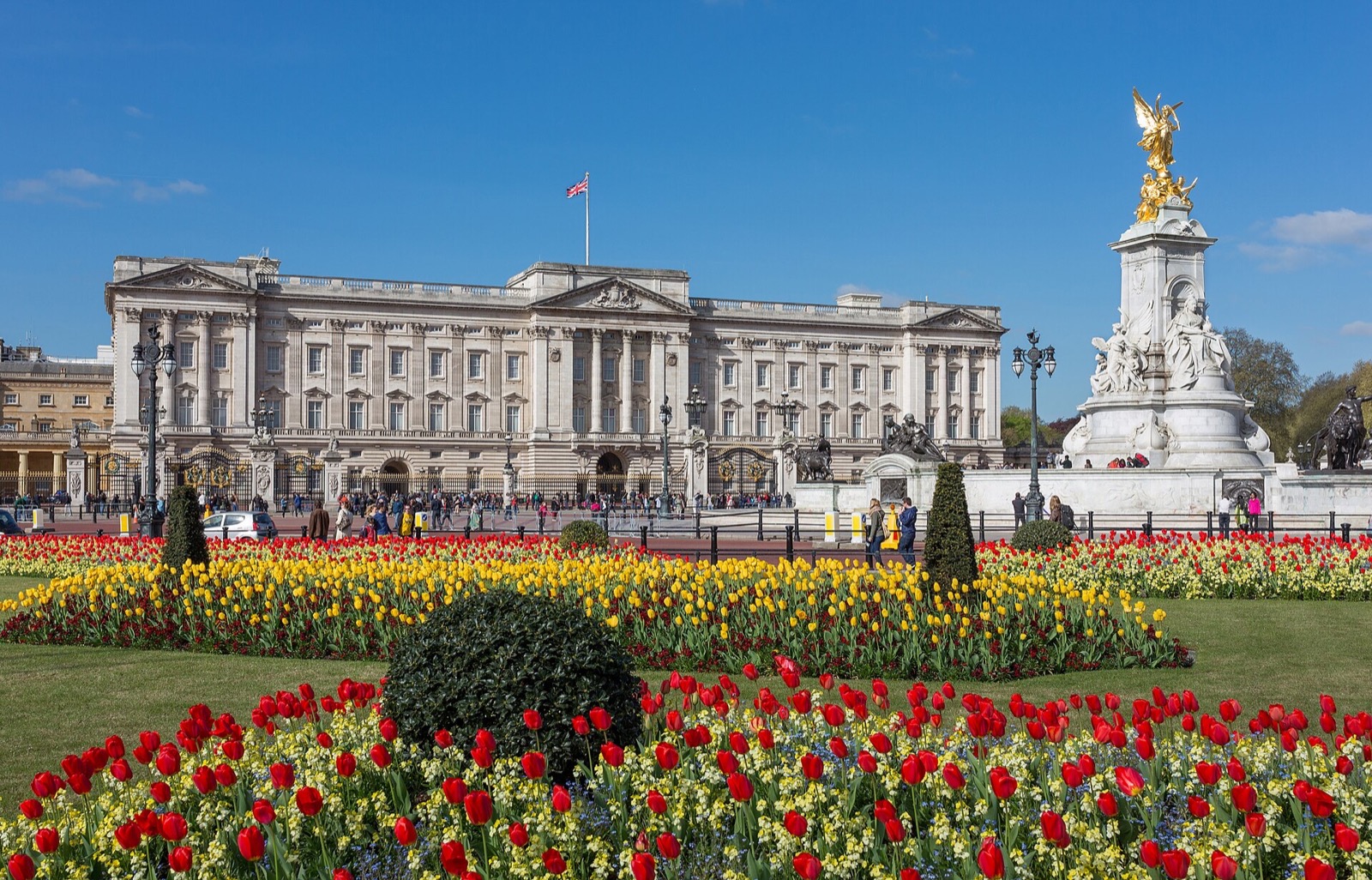
Picture: Diliff, CC BY-SA 3.0
Number 5, Monument
Watch the Changing of the Guard at Buckingham Palace
The King's house in London, at the end of the Mall. The soldiers in red coats and bearskins change guard in its forecourt to a band, and in summer the State Rooms open to visitors.
1 to 2.5 hours. Free to watch, from £15
How to do it
Picture: Domob, CC BY-SA 4.0
Number 6, Monument
Ride the London Eye
A wheel 135 metres high on the bank of the Thames, opposite Big Ben. One slow turn in a glass capsule takes half an hour and shows you the whole city.
1 to 1.5 hours. Ticket, from £29
Read the guide
Artists to see in London
The first 8 of the 31 most famous artists with work in the museums of London, in order of birth. Each page says which works to look for and where they hang.
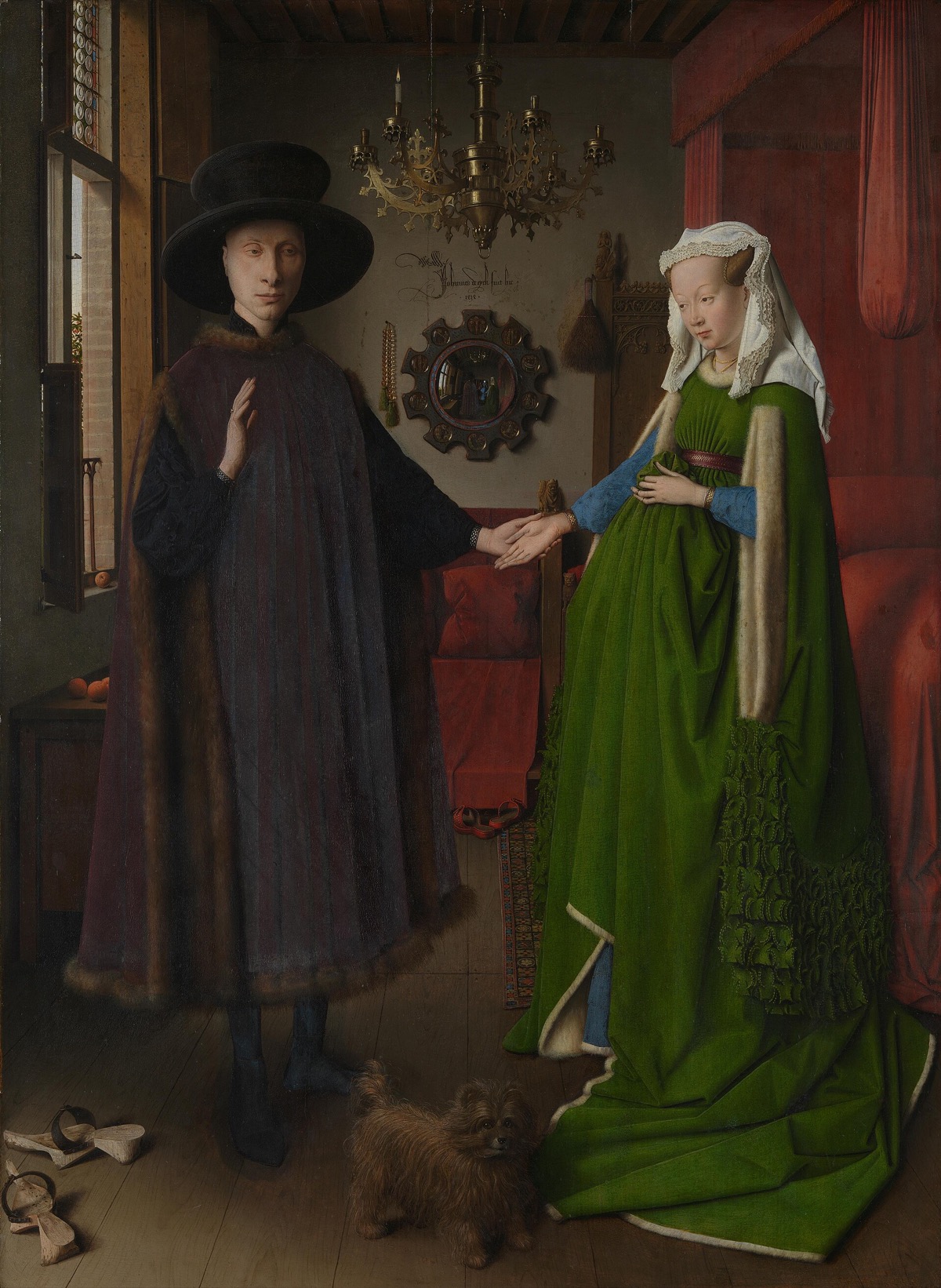
Painter, 1390 to 1441
Jan van Eyck
The National Gallery has The Arnolfini Portrait, the most studied painting in northern Europe, and a head of a man in a red turban that may be Van Eyck himself.
Early Netherlandish painting. 2 works in 1 museum
See the artist
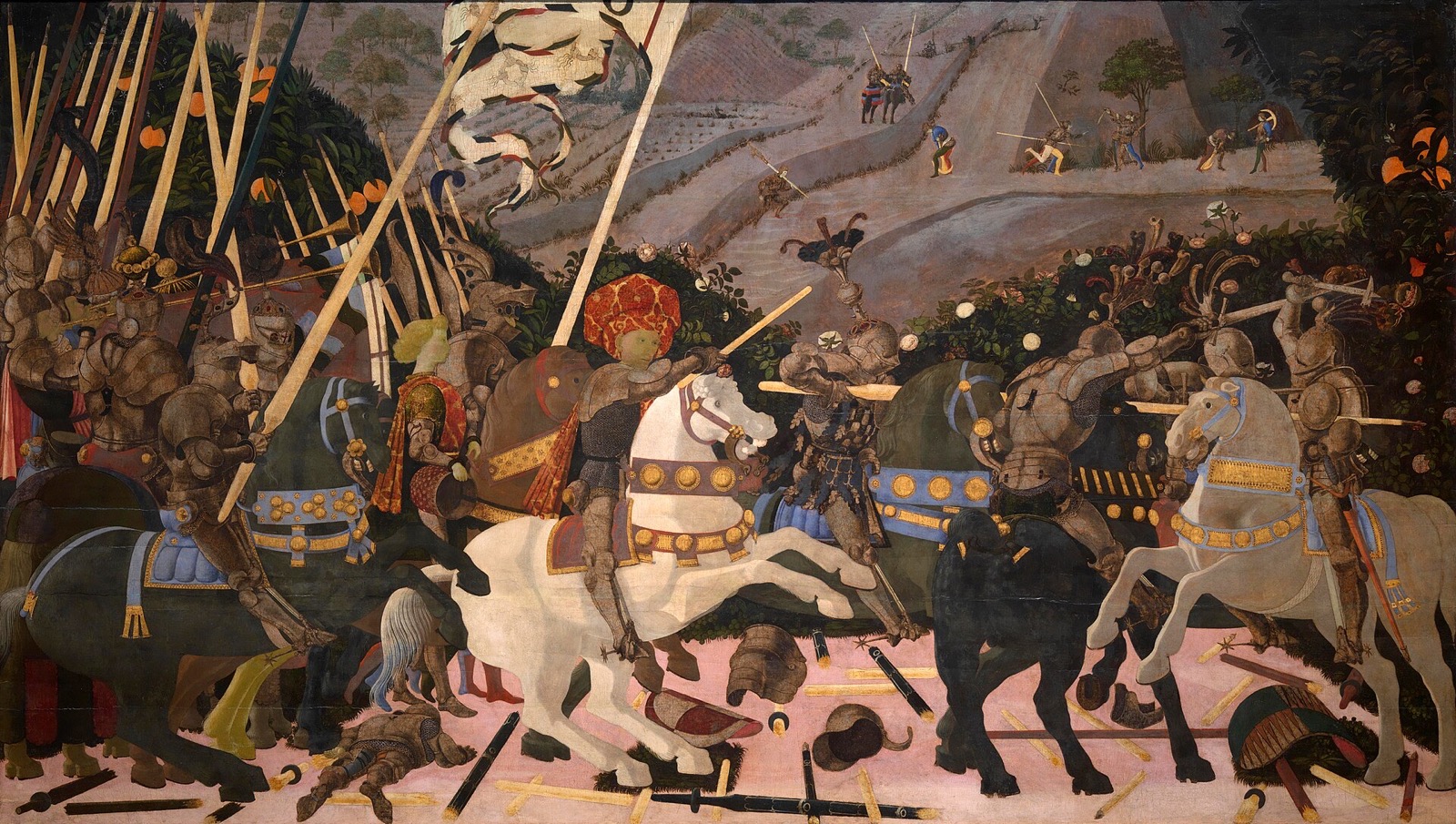
Painter, 1397 to 1475
Paolo Uccello
The National Gallery has one of the three panels of Uccello's Battle of San Romano, a tournament of rocking-horses and broken lances, and his small Saint George and the Dragon.
Early Renaissance. 2 works in 1 museum
See the artist
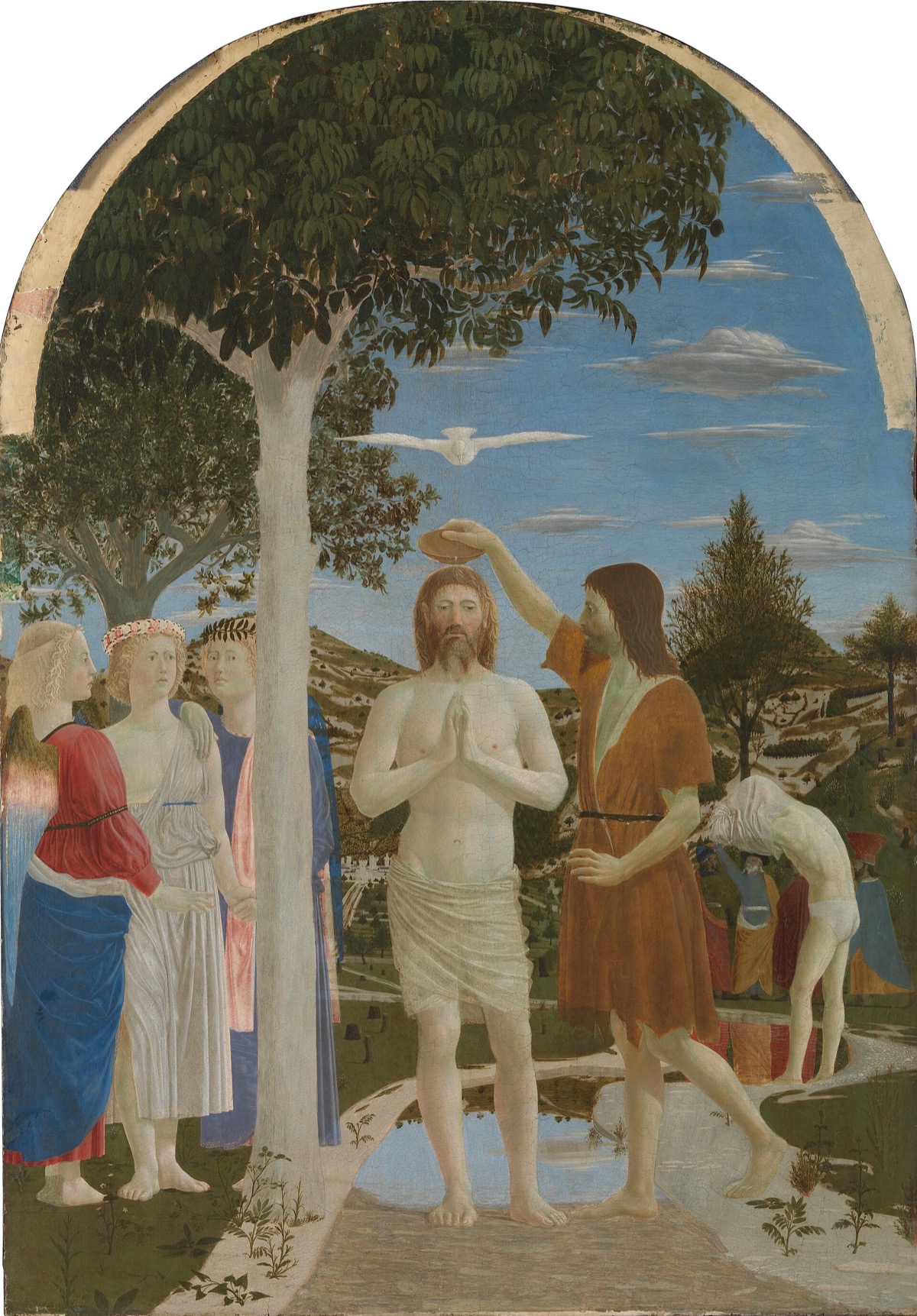
Painter, 1415 to 1492
Piero della Francesca
The National Gallery has Piero's Baptism of Christ, as still and clear as a morning in the hills where he was born, and his late Nativity.
Early Renaissance. 2 works in 1 museum
See the artist
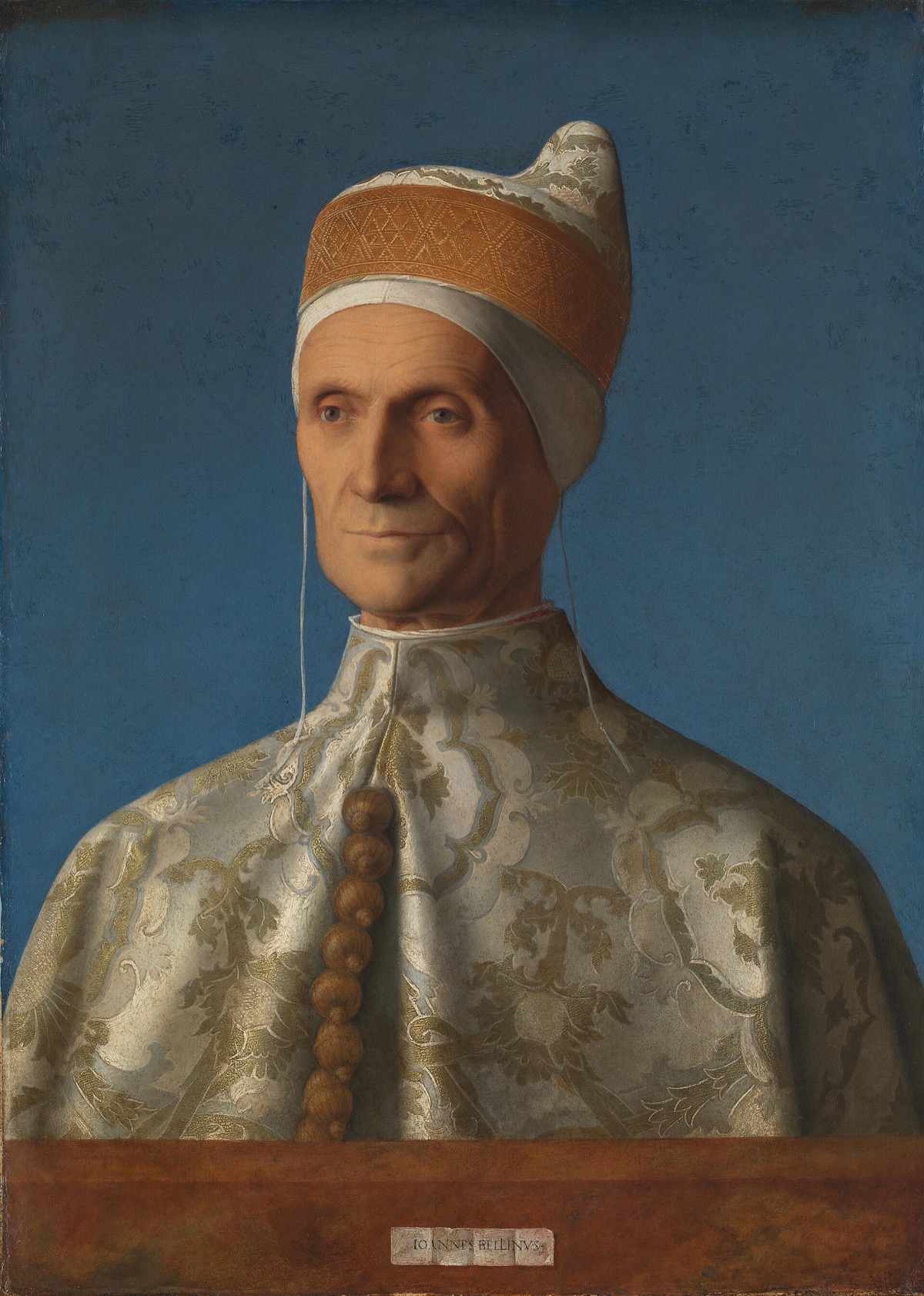
Painter, 1430 to 1516
Giovanni Bellini
The National Gallery has Bellini's portrait of Doge Leonardo Loredan, the face of the Venetian state at its height, and his early Agony in the Garden.
Venetian Renaissance. 2 works in 1 museum
See the artist
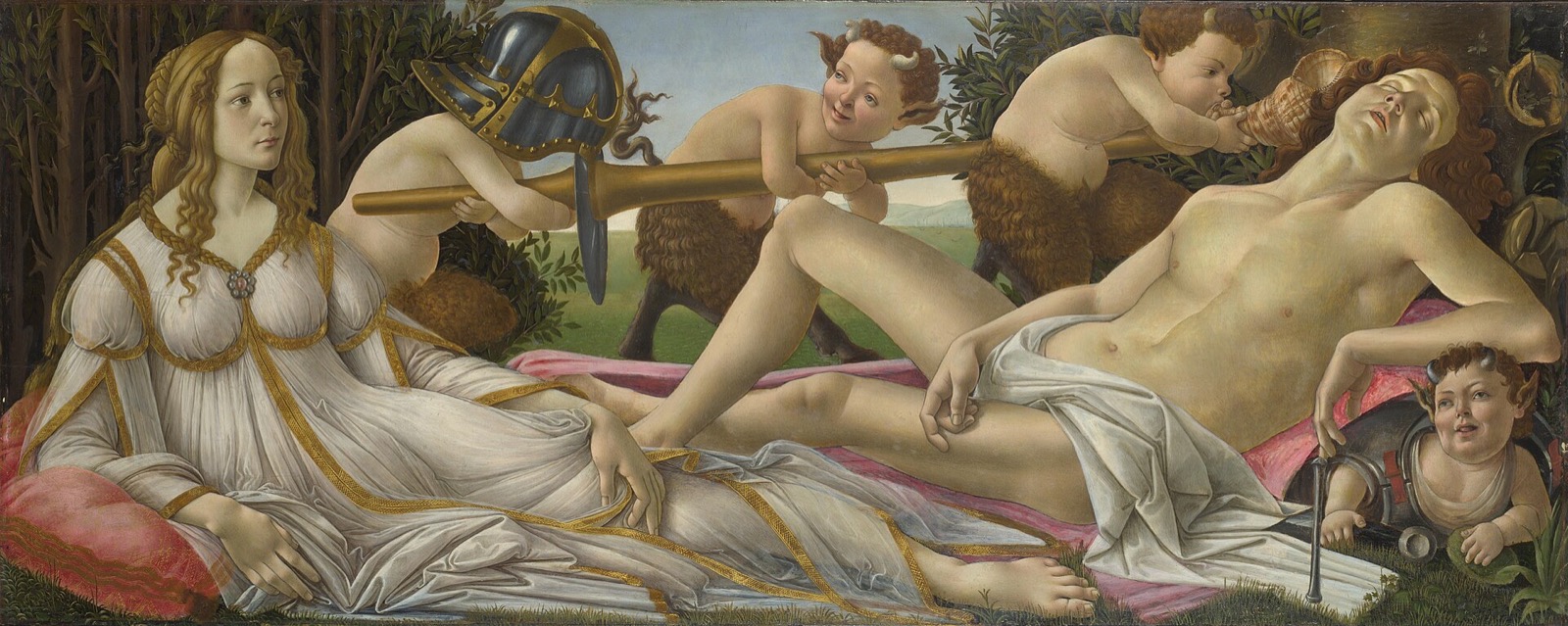
Painter, 1445 to 1510
Sandro Botticelli
The National Gallery has Botticelli's Venus and Mars, the god of war asleep while satyrs play with his armour, and the Mystic Nativity, the only picture he signed.
Early Renaissance. 2 works in 1 museum
See the artist
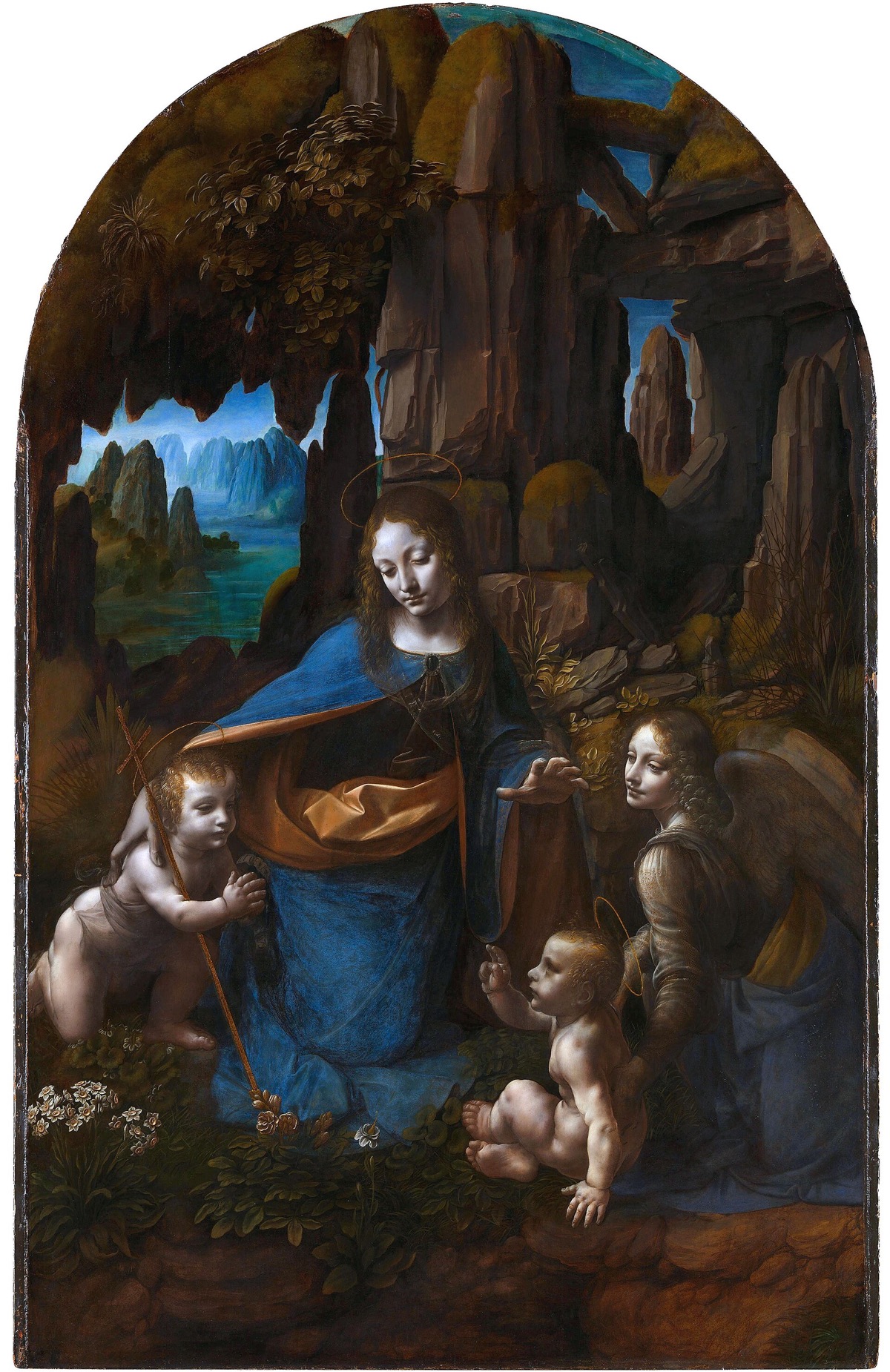
Painter, 1452 to 1519
Leonardo da Vinci
The National Gallery has the second Virgin of the Rocks, which Leonardo worked on for nearly twenty years, and his great chalk drawing of the Virgin and Child with Saint Anne.
High Renaissance. 2 works in 1 museum
See the artist
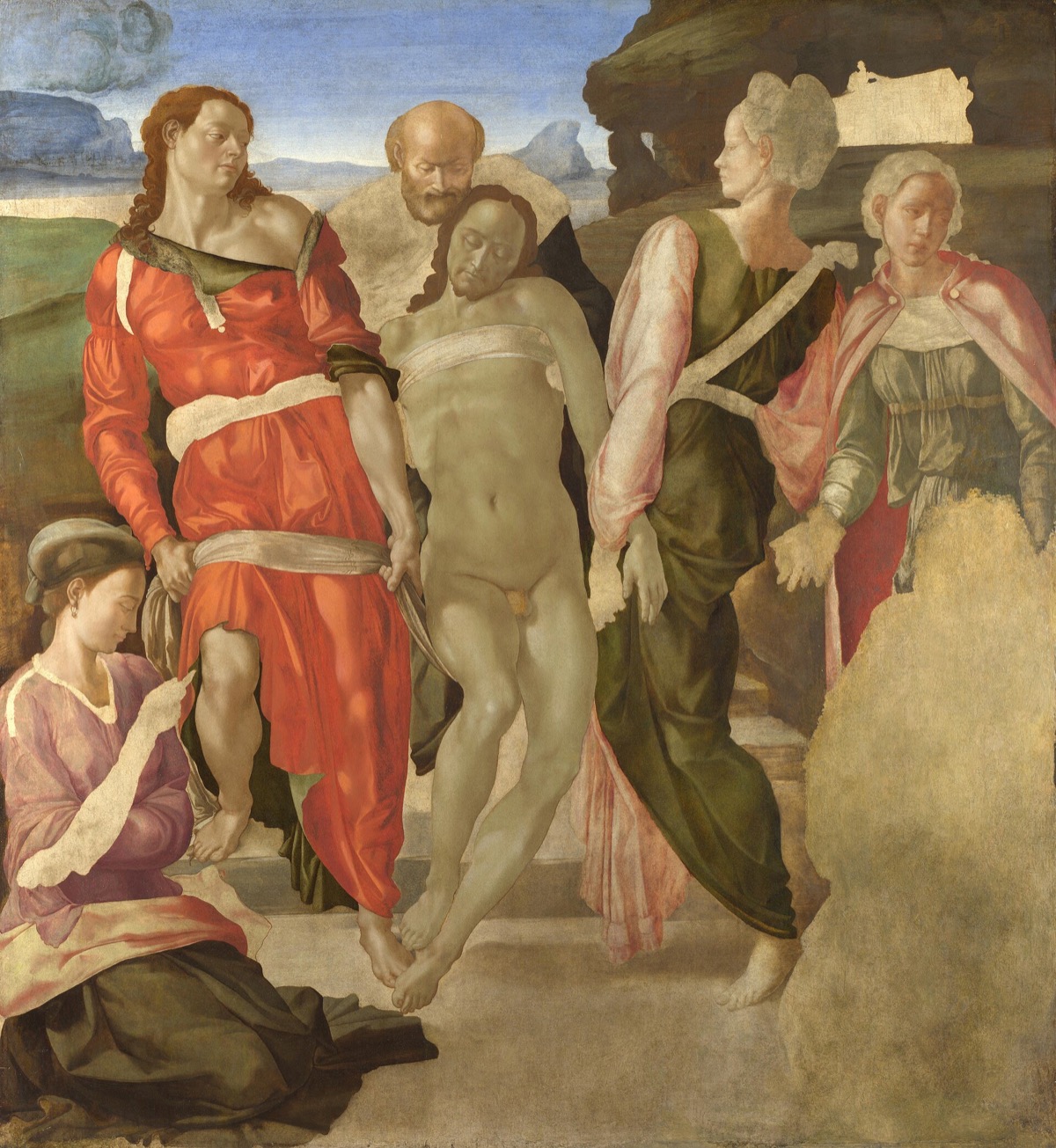
Painter and sculptor, 1475 to 1564
Michelangelo
Michelangelo left few paintings on panel, and two of them, both unfinished, are in the National Gallery. The Royal Academy has the only marble by him in Britain.
High Renaissance. 2 works in 2 museums
See the artist
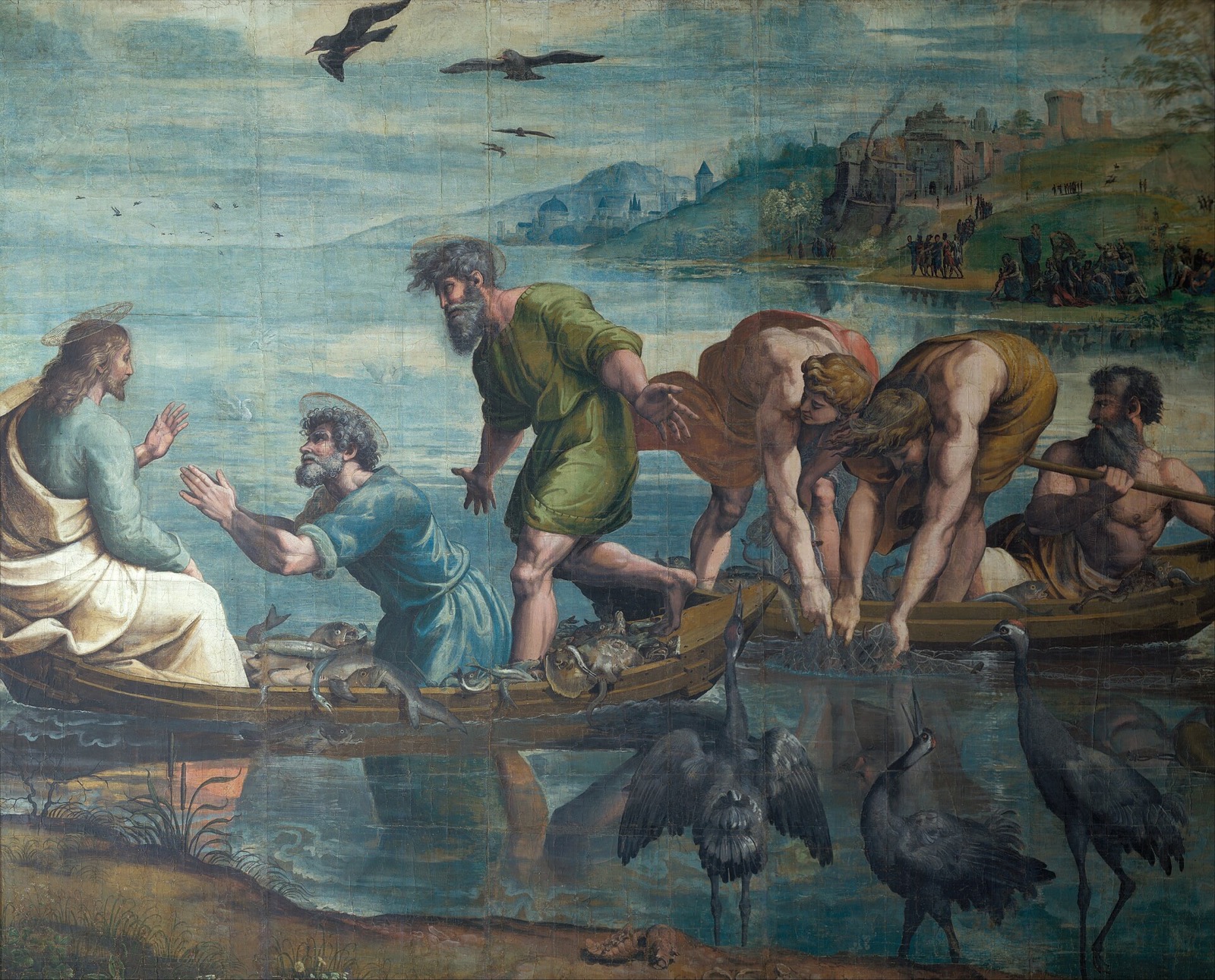
Painter, 1483 to 1520
Raphael
The Victoria and Albert Museum shows the seven great cartoons Raphael made for the tapestries of the Sistine Chapel. The National Gallery has his portrait of Pope Julius II and the tiny Madonna of the Pinks.
High Renaissance. 3 works in 2 museums
See the artist
Where to eat in London
The 6 highest rated of the 20 tables near the museums that this site lists in London: historic cafés, brasseries and grand restaurants, in the order their customers rate them on Google.
Picture: LoopZilla, CC BY-SA 1.0
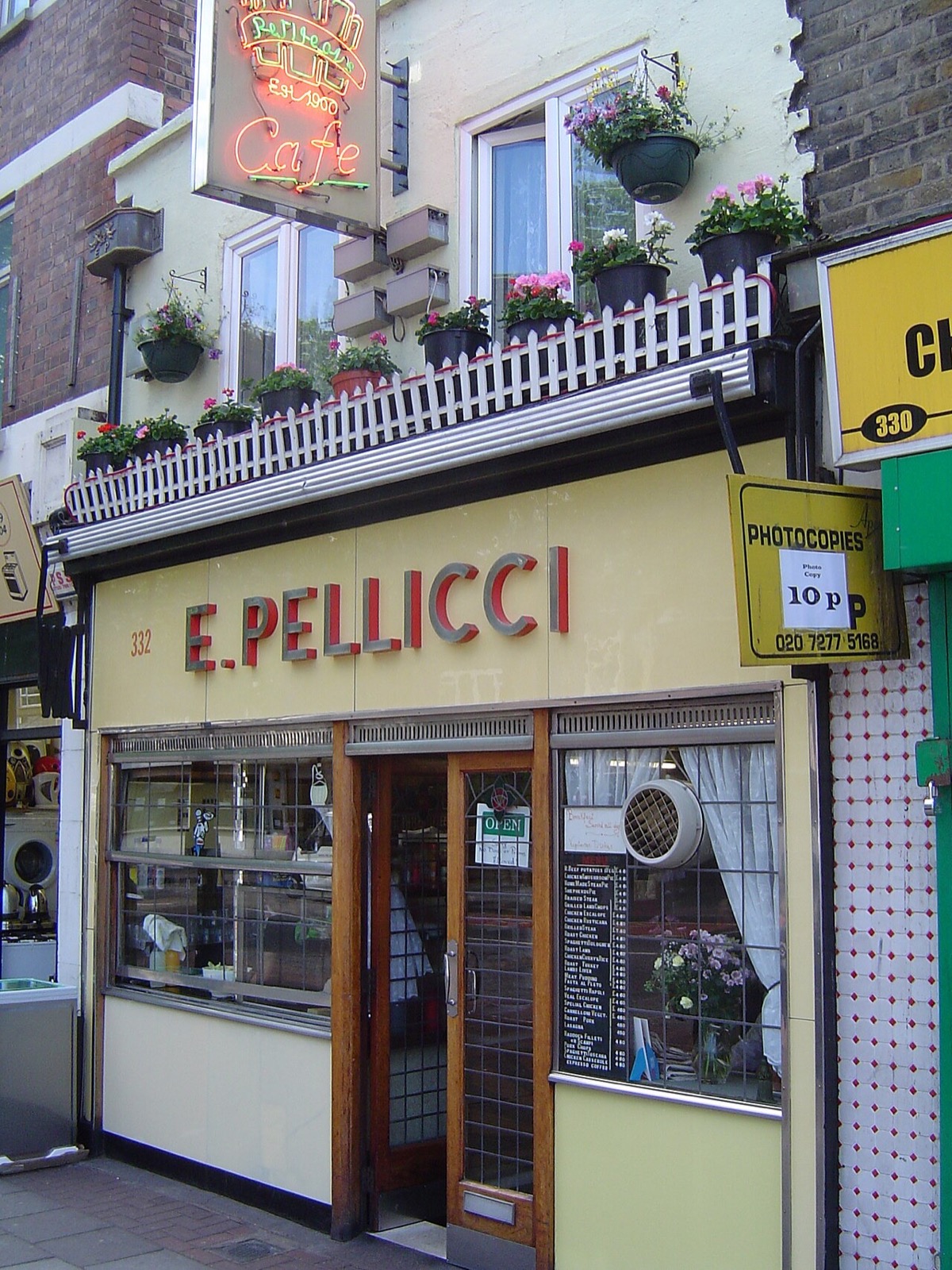
E. Pellicci
Café, Bethnal Green
4.83,179 Google ratings
An East End café run by the same Tuscan family since 1900, behind a front of yellow glass, with an inlaid wooden interior so fine that it is a listed building. Ten minutes on foot from the Young V&A.
See the restaurant
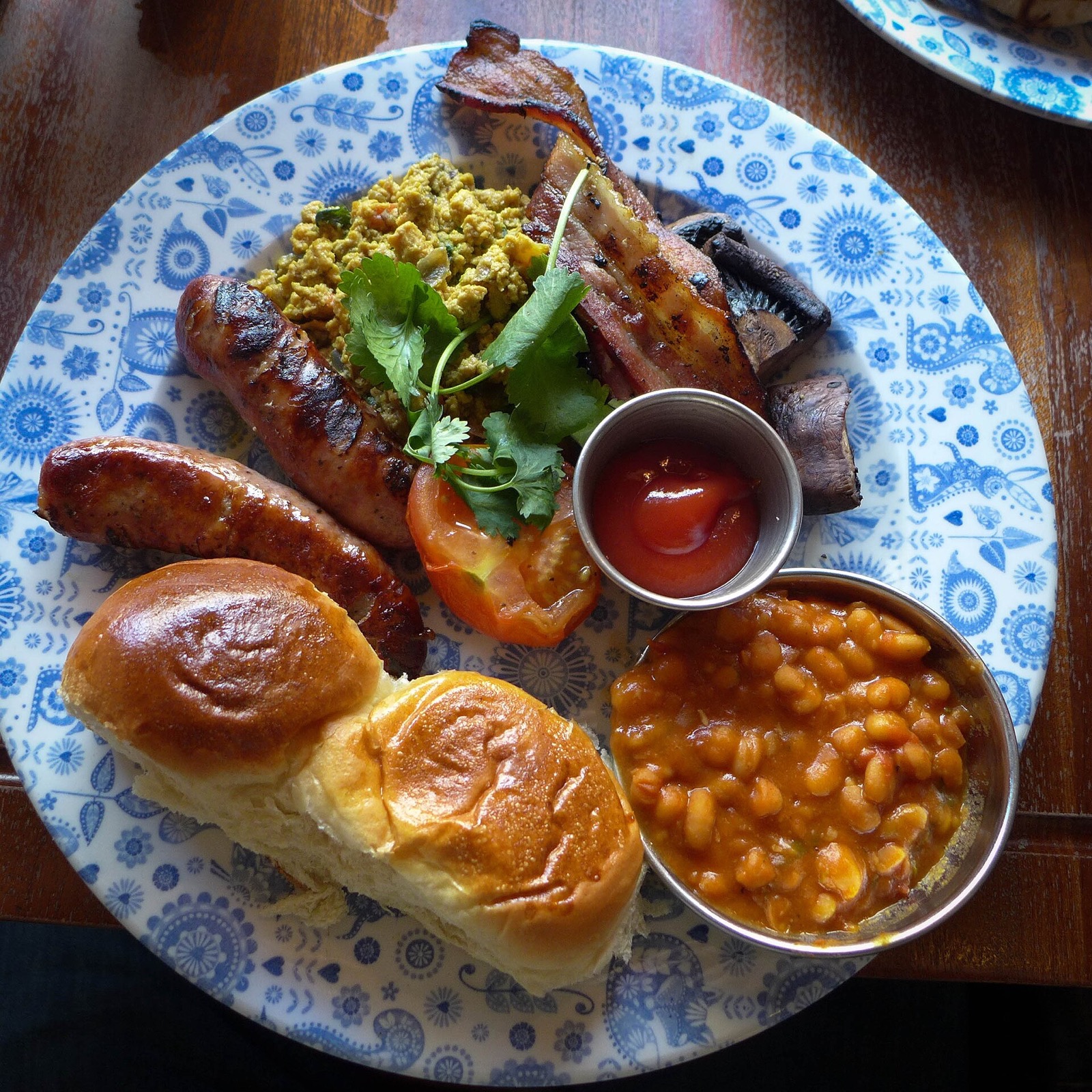
The food, at one of the group's cafés. Picture: Scott Dexter, CC BY-SA 2.0
Dishoom Covent Garden
Bombay café, Covent Garden
4.729,865 Google ratings
The first Dishoom, opened in 2010 in homage to the old Irani cafés of Bombay, and the most rated restaurant on this list by a long way. Five minutes from the National Gallery and from Covent Garden.
See the restaurant
Picture: The wub, CC BY-SA 4.0
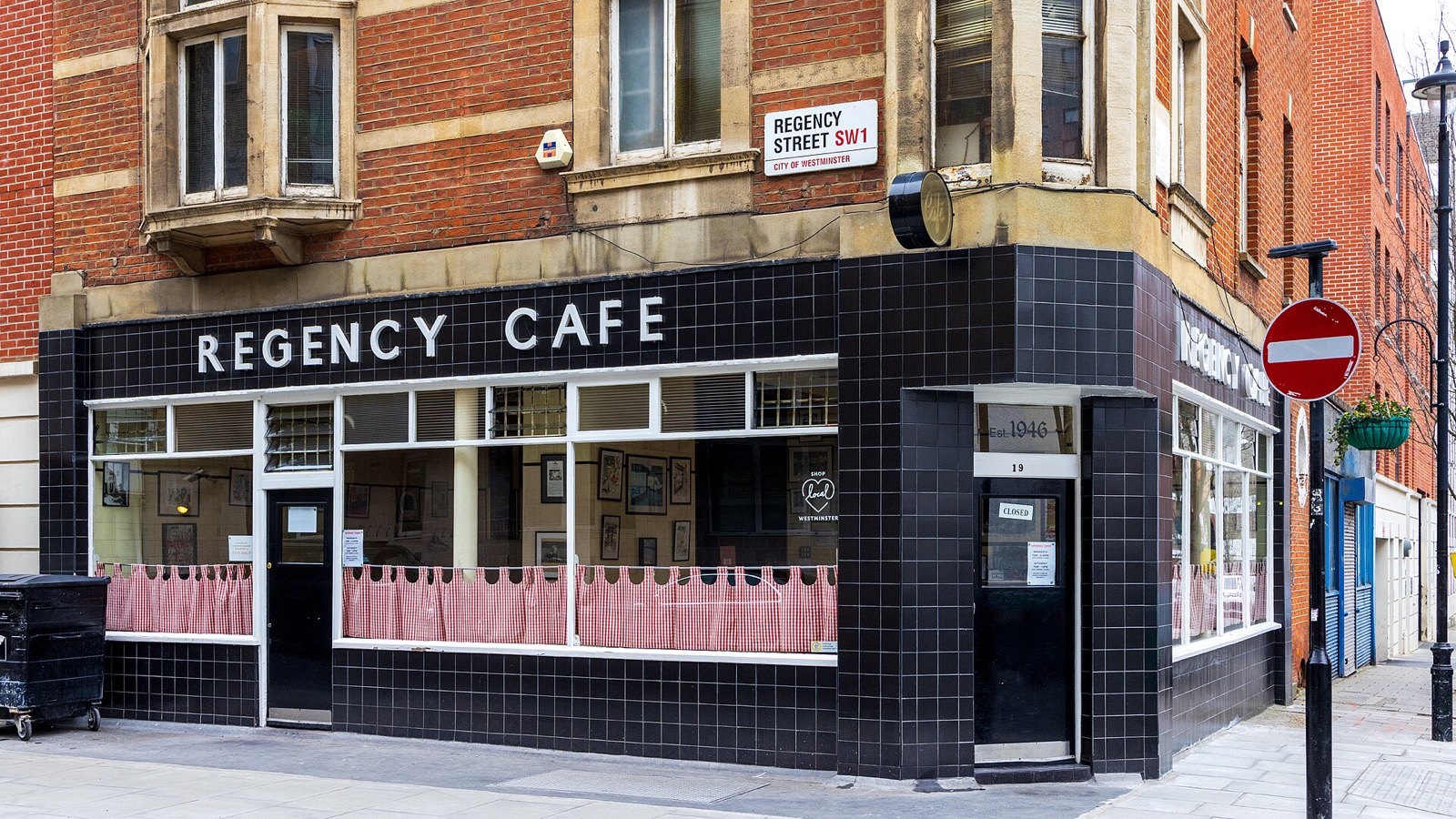
Regency Cafe
Café, Westminster
4.75,169 Google ratings
A workers' café of 1946 behind black tiles in a back street of Westminster, known for its breakfasts and for the voice that calls your order across the room. Ten minutes on foot from Tate Britain.
See the restaurant
Picture: Spudgun67, CC BY-SA 4.0
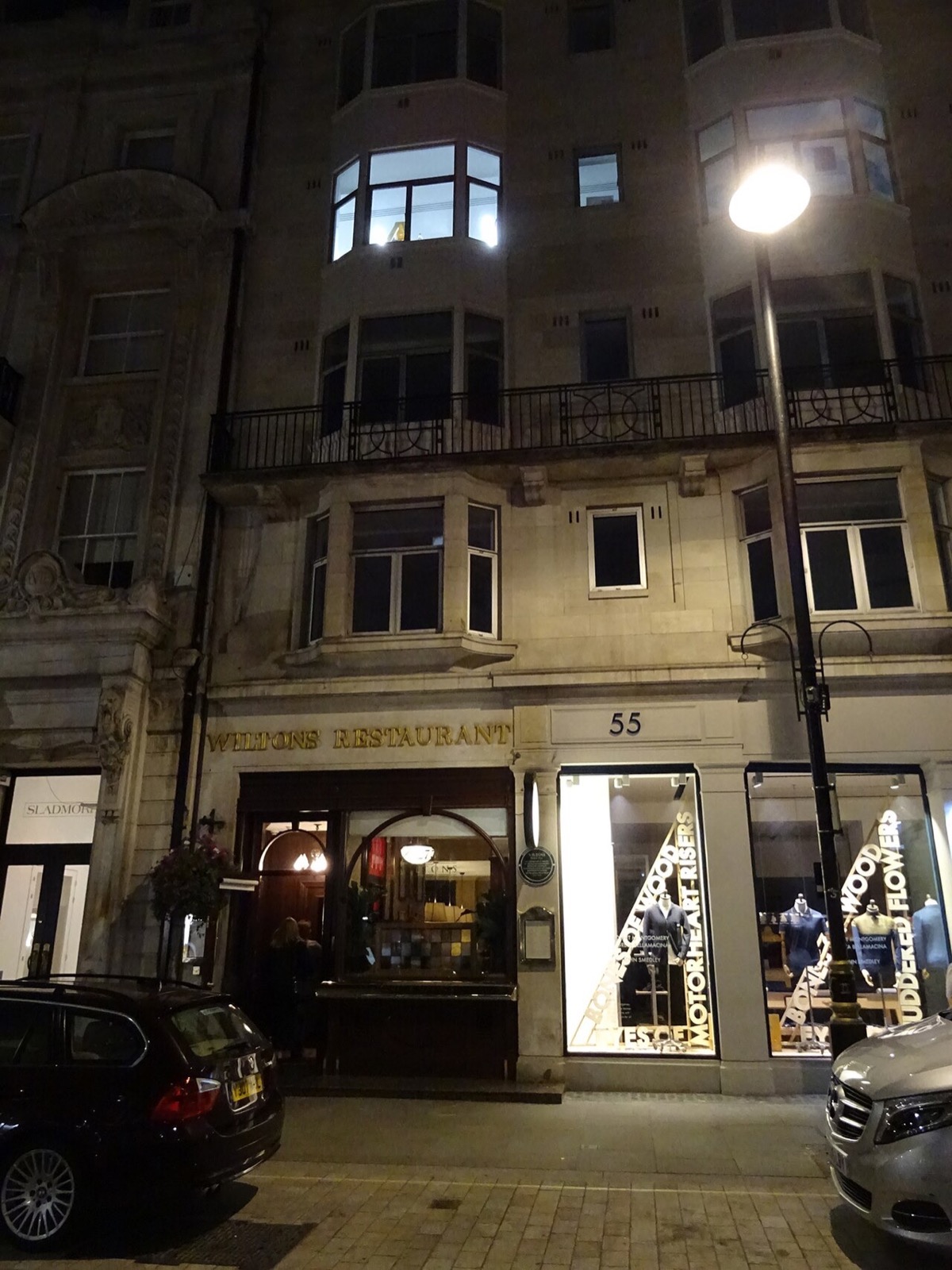
Wiltons
Oyster and game restaurant, St James's
4.7839 Google ratings
Oysters, fish and game in Jermyn Street, from a house that began as a shellfish stall in 1742. Five minutes from the Royal Academy and ten from the National Gallery.
See the restaurant
Picture: Ewan Munro from London, UK, CC BY-SA 2.0
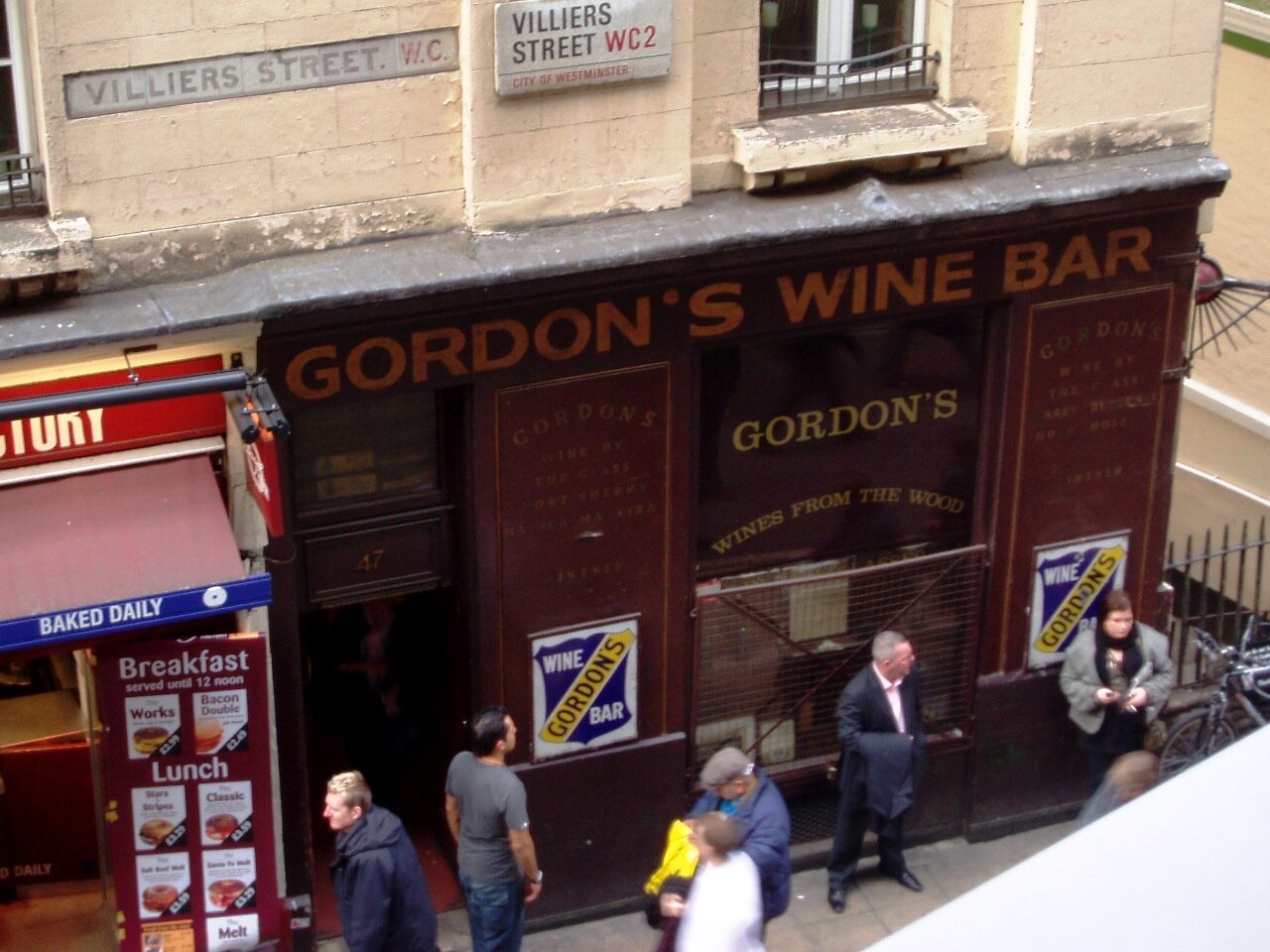
Gordon's Wine Bar
Wine bar, Embankment
4.66,309 Google ratings
The oldest wine bar in London, in a candlelit cellar under a house where Kipling lived, open since 1890. Five minutes from the National Gallery.
See the restaurant
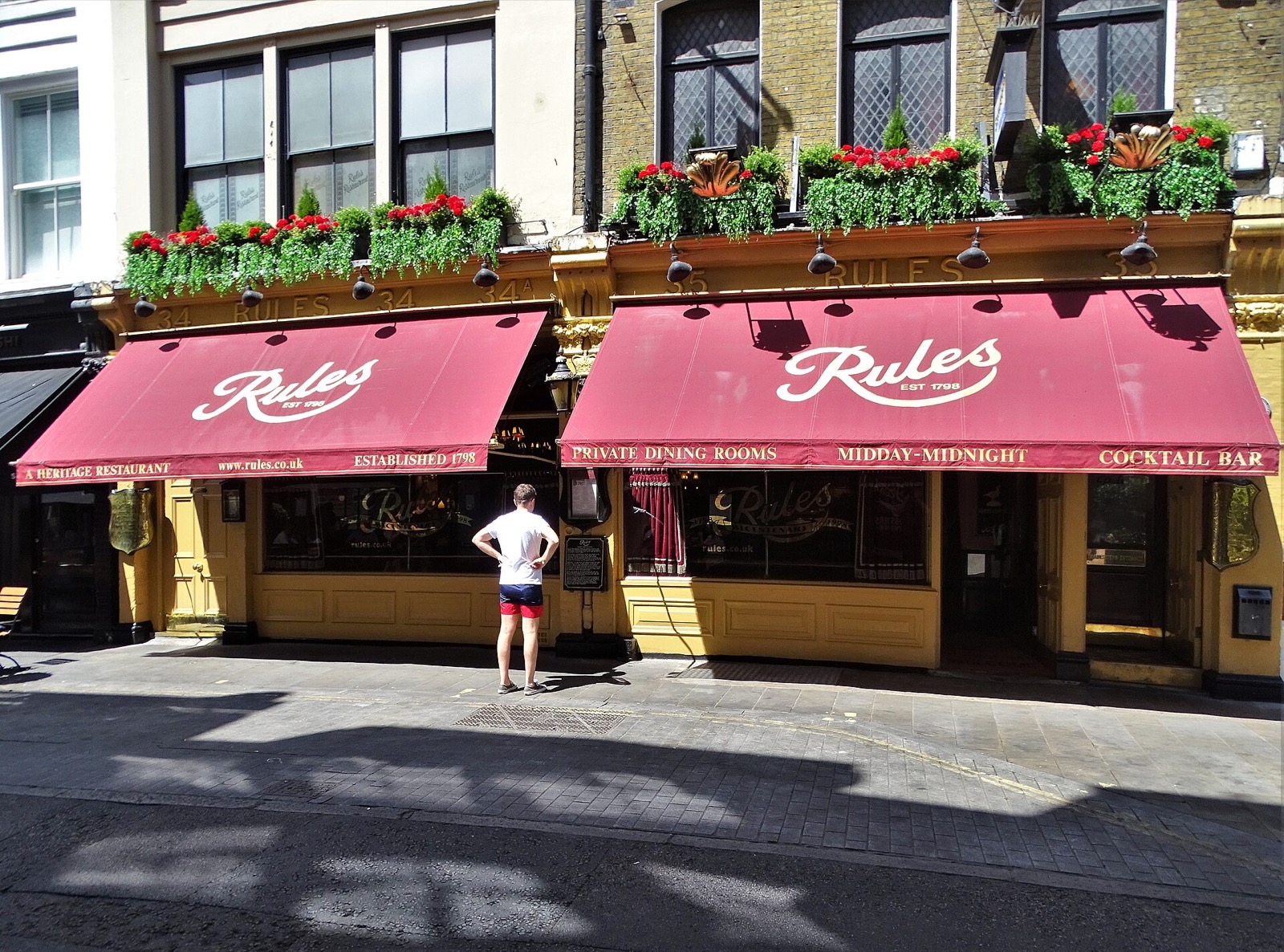
Picture: Neil Theasby, CC BY-SA 2.0
Rules
Grand restaurant, Covent Garden
4.63,811 Google ratings
London's oldest restaurant, serving game, oysters and pies in Maiden Lane since 1798, in rooms of red velvet hung with two centuries of pictures. Five minutes from the Covent Garden piazza.
See the restaurant
Where to stay in London
The 6 highest rated of the 20 five-star hotels this site lists in London, in the order guests rate them on Google.
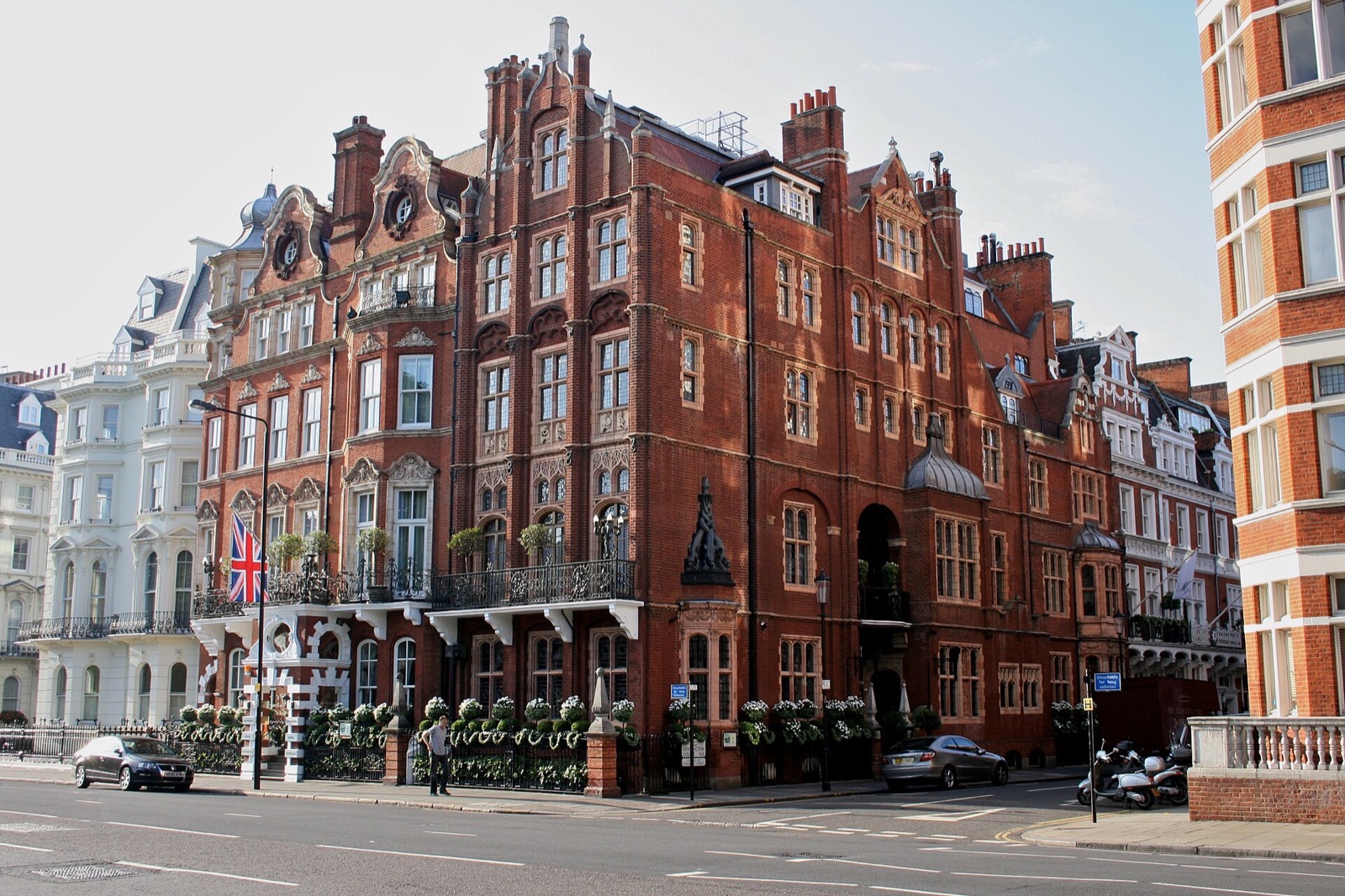
Picture: Photograph by Mike Peel (www.mikepeel.net)., CC BY-SA 4.0
The Milestone Hotel
Five-star hotel, Kensington Court, facing Kensington Palace
4.81,150 Google ratings
Two Victorian mansions of red brick joined into a small hotel, directly opposite Kensington Palace and its gardens. The V&A and the Natural History Museum are fifteen minutes on foot.
See the hotel
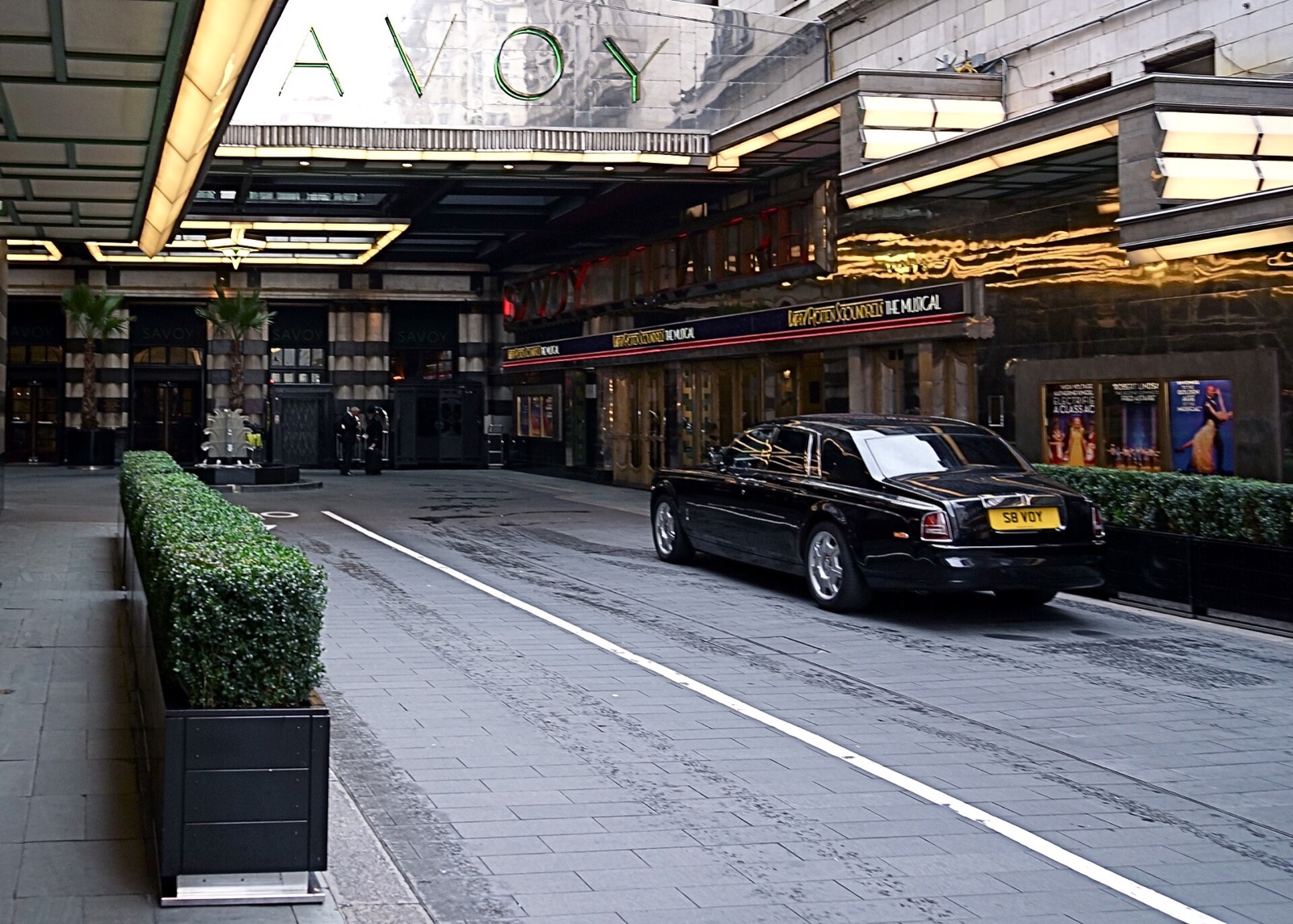
Picture: Anthony O'Neil, CC BY-SA 2.0
The Savoy
Five-star hotel, The Strand, on the Thames
4.711,103 Google ratings
The hotel a theatre impresario built on the Thames in 1889 with the profits of Gilbert and Sullivan: the first in Britain lit by electricity, ten minutes from the National Gallery and Covent Garden.
See the hotel
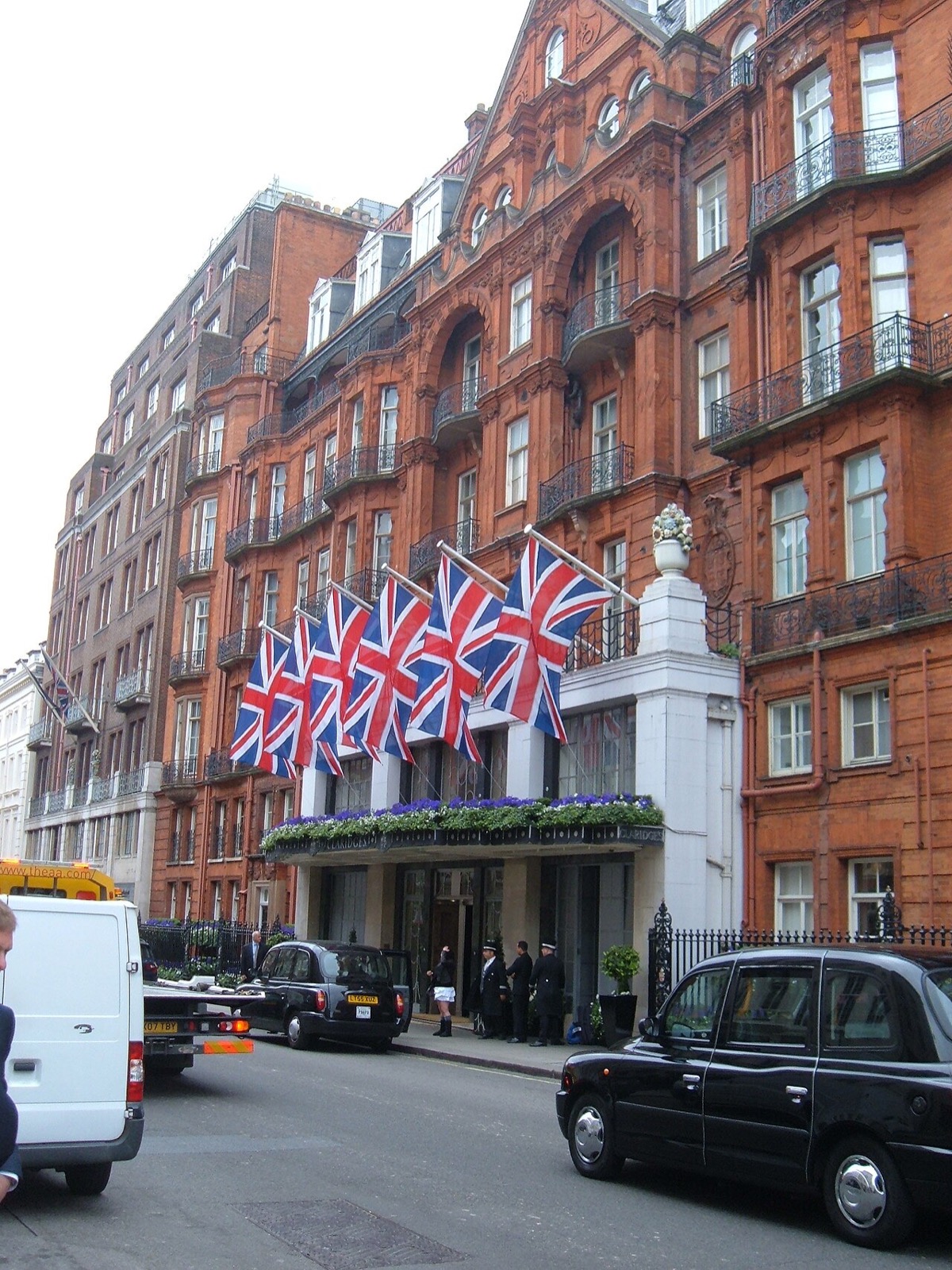
Picture: Mr Biz, CC BY-SA 2.0
Claridge's
Five-star hotel, Brook Street
4.74,215 Google ratings
The red-brick hotel in Mayfair where kings in exile sat out the war, with one of the finest Art Deco interiors in London. Fifteen minutes on foot from the Wallace Collection.
See the hotel
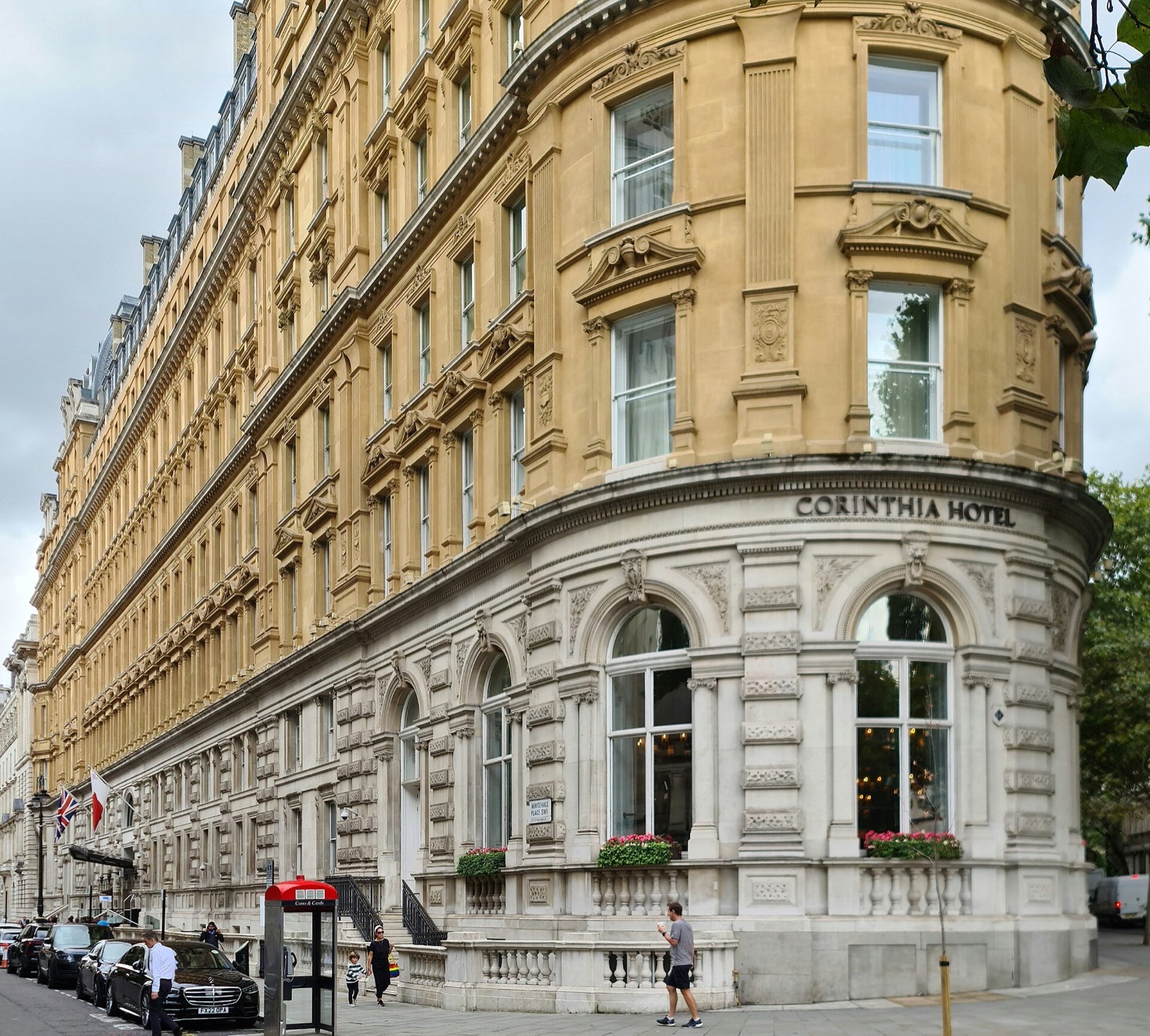
Picture: Ricardalovesmonuments, CC BY-SA 4.0
Corinthia London
Five-star hotel, Whitehall Place, by the Embankment
4.73,787 Google ratings
A Victorian hotel of 1885 between Trafalgar Square and the Thames, used by the government for seventy years and reopened in 2011. Five minutes from the National Gallery.
See the hotel
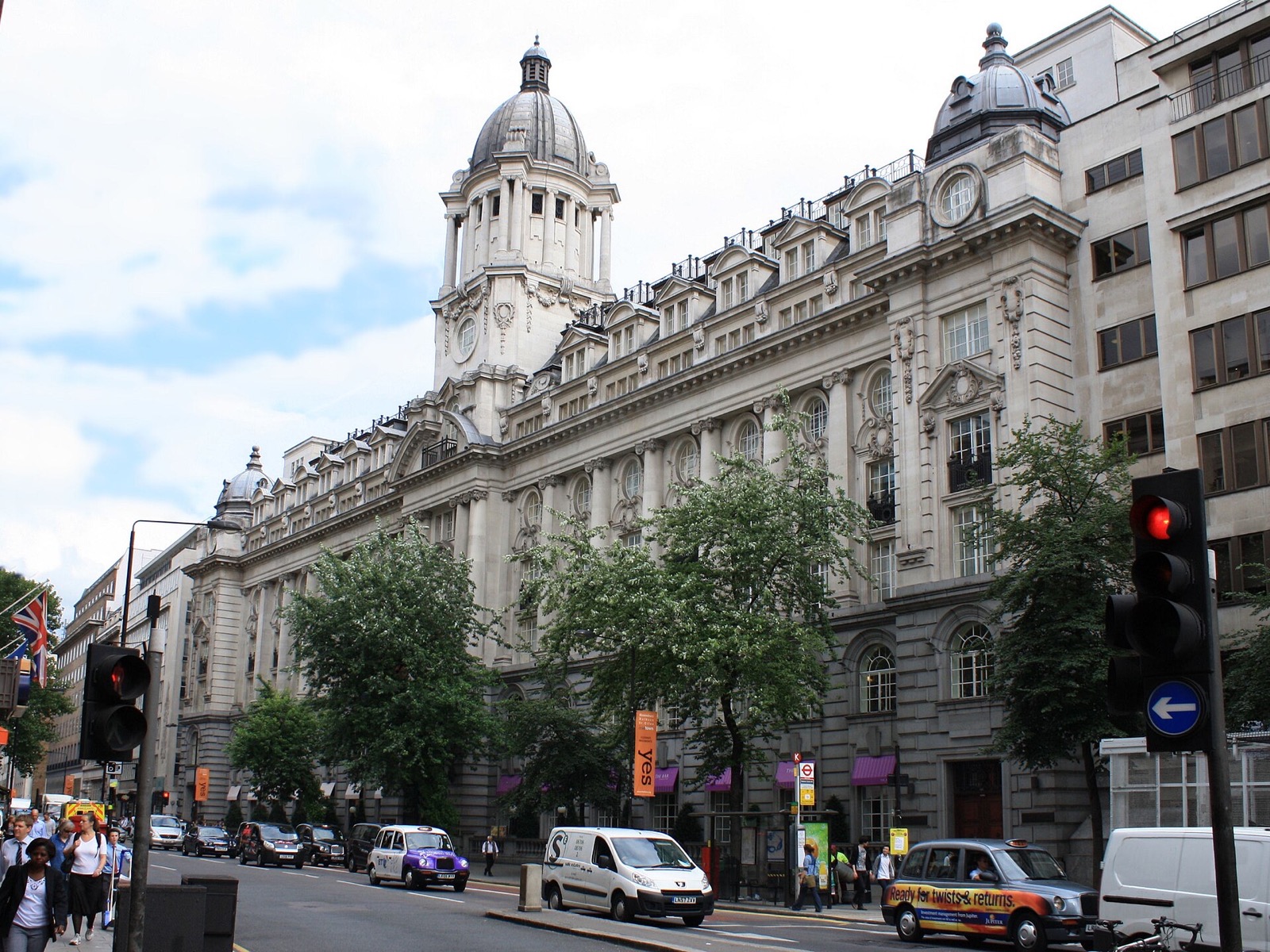
Picture: Robert Cutts, CC BY 2.0
Rosewood London
Five-star hotel, High Holborn
4.73,664 Google ratings
An Edwardian palace of an insurance company on High Holborn, entered through an arch into a courtyard. The British Museum and Sir John Soane's Museum are each ten minutes on foot.
See the hotel
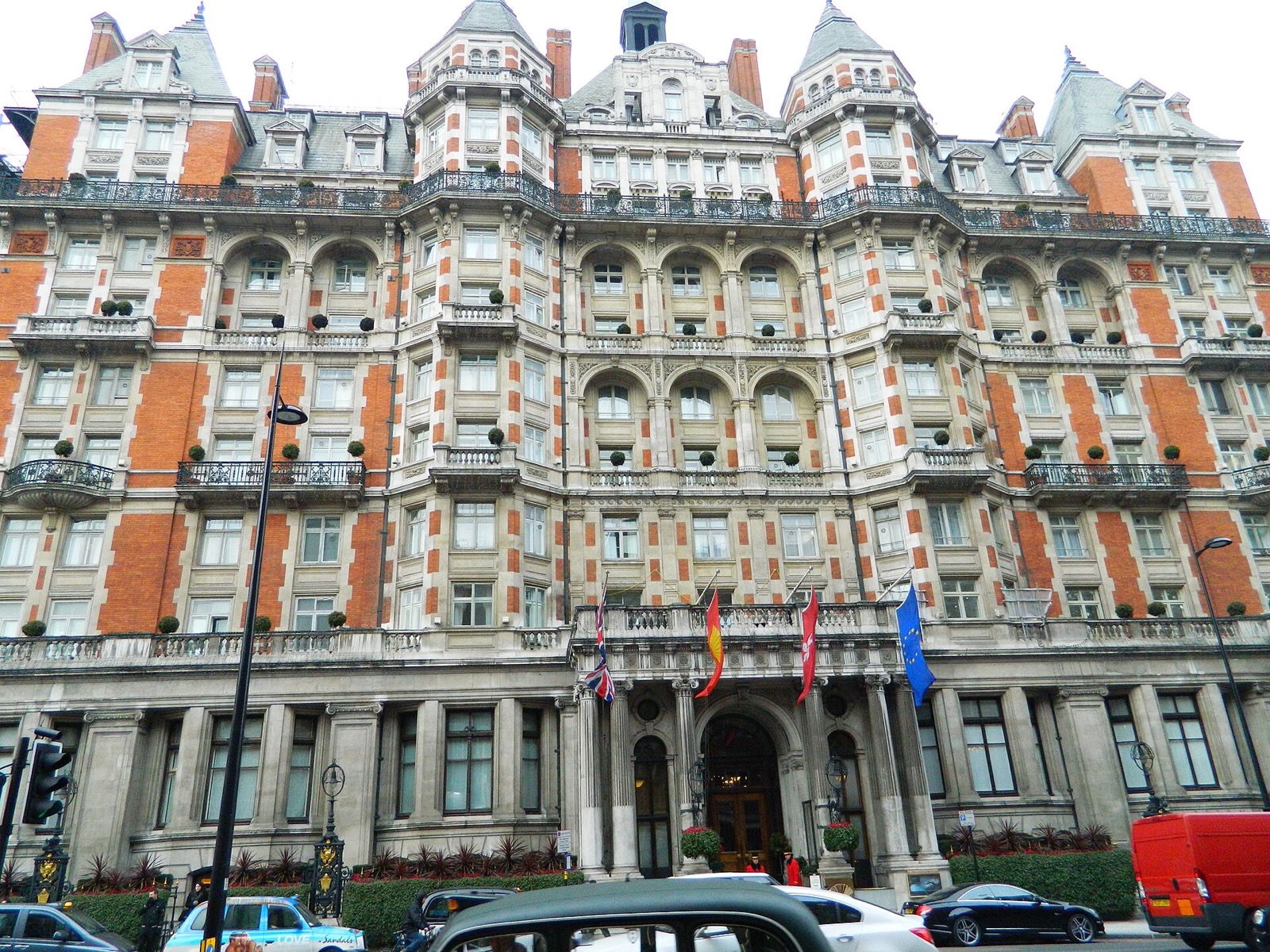
Picture: Freepenguin, CC BY-SA 3.0
Mandarin Oriental Hyde Park
Five-star hotel, Knightsbridge, backing onto Hyde Park
4.72,773 Google ratings
A red-brick and stone hotel of turrets and balconies between Knightsbridge and Hyde Park, a hotel since 1902. The V&A and the Natural History Museum are ten minutes on foot.
See the hotel
Visiting London: common questions
- Which museums in London are free?
- The national museums are free every day they are open: the British Museum, the National Gallery, Tate Modern, Tate Britain, the Victoria and Albert Museum, the Natural History Museum and the Science Museum among them. Only their special exhibitions are charged for. The Tower of London, Westminster Abbey, St Paul's Cathedral and the London Eye all need a ticket.
- Which day are museums closed in London?
- None, as a rule. The large museums are open seven days a week and close only for a few days round Christmas. Westminster Abbey and St Paul's Cathedral are closed to sightseers on Sundays, when they are open for services only.
- Which museums in London stay open late?
- Friday is the evening for museums. The British Museum, the National Gallery and the Victoria and Albert Museum all stay open late on Fridays, and Tate Modern on Fridays and Saturdays. The rooms are quieter then than at any other time of the week.
- Do I need to book the Tower of London in advance?
- It is wise to. A ticket bought ahead lets you walk past the ticket office, and the first hour of the day, before the queue for the Crown Jewels builds, is by far the best time to be there. Westminster Abbey and the Churchill War Rooms are also sold by timed ticket and fill up in summer.
- How many days do I need for the museums of London?
- Three full days cover the essentials at a sensible pace: one for the Tower of London, Tower Bridge and St Paul's, one for Westminster Abbey, the National Gallery and the British Museum, and one for Tate Modern and the South Bank or for the museums of South Kensington. A fourth day allows Greenwich by boat or Windsor Castle by train.