Museums and attractions inGranada
The Alhambra above the city, the tombs of Ferdinand and Isabella below, and the Albaicín between.
Granada was the last Muslim kingdom of Spain, and the palace city of its sultans still stands over it: the Alhambra, with the Court of the Lions, the fortress of the Alcazaba and the gardens of the Generalife. Facing it across the river Darro is the Albaicín, the old Moorish quarter of white lanes, and beyond that the caves of the Sacromonte, where flamenco is danced at night.
Below, the conquerors of 1492 built their own city: the Royal Chapel, where Ferdinand and Isabella are buried among the queen's Flemish paintings, Diego de Siloé's cathedral, and monasteries whose Baroque rooms are among the richest in Spain. This guide lists the monuments and attractions of Granada, with what each one holds, how to visit and where to book, its old taverns, cafés and tapas bars, its five-star hotels, and the days out to the Sierra Nevada, the Alpujarras and Córdoba.
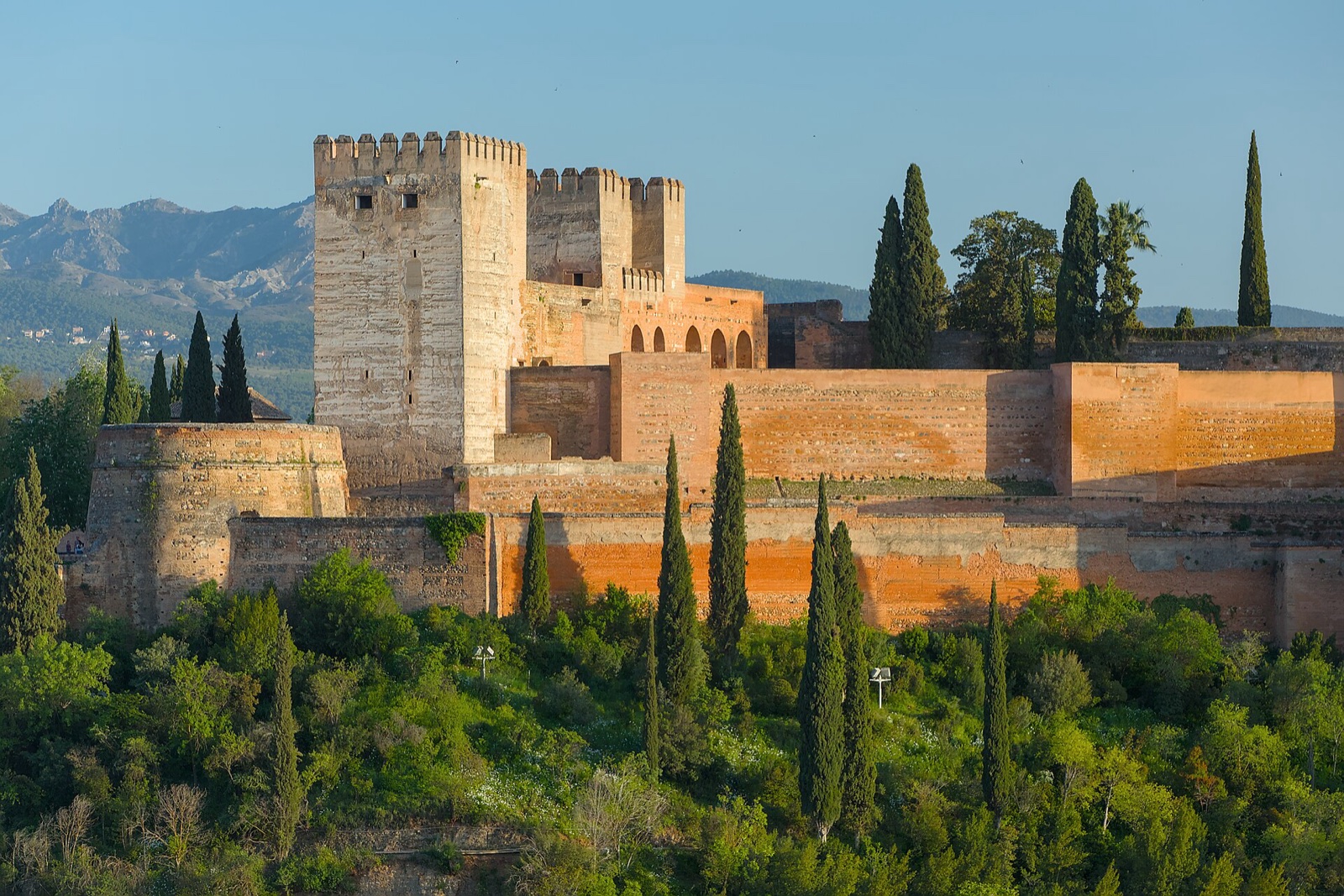
Attractions in Granada
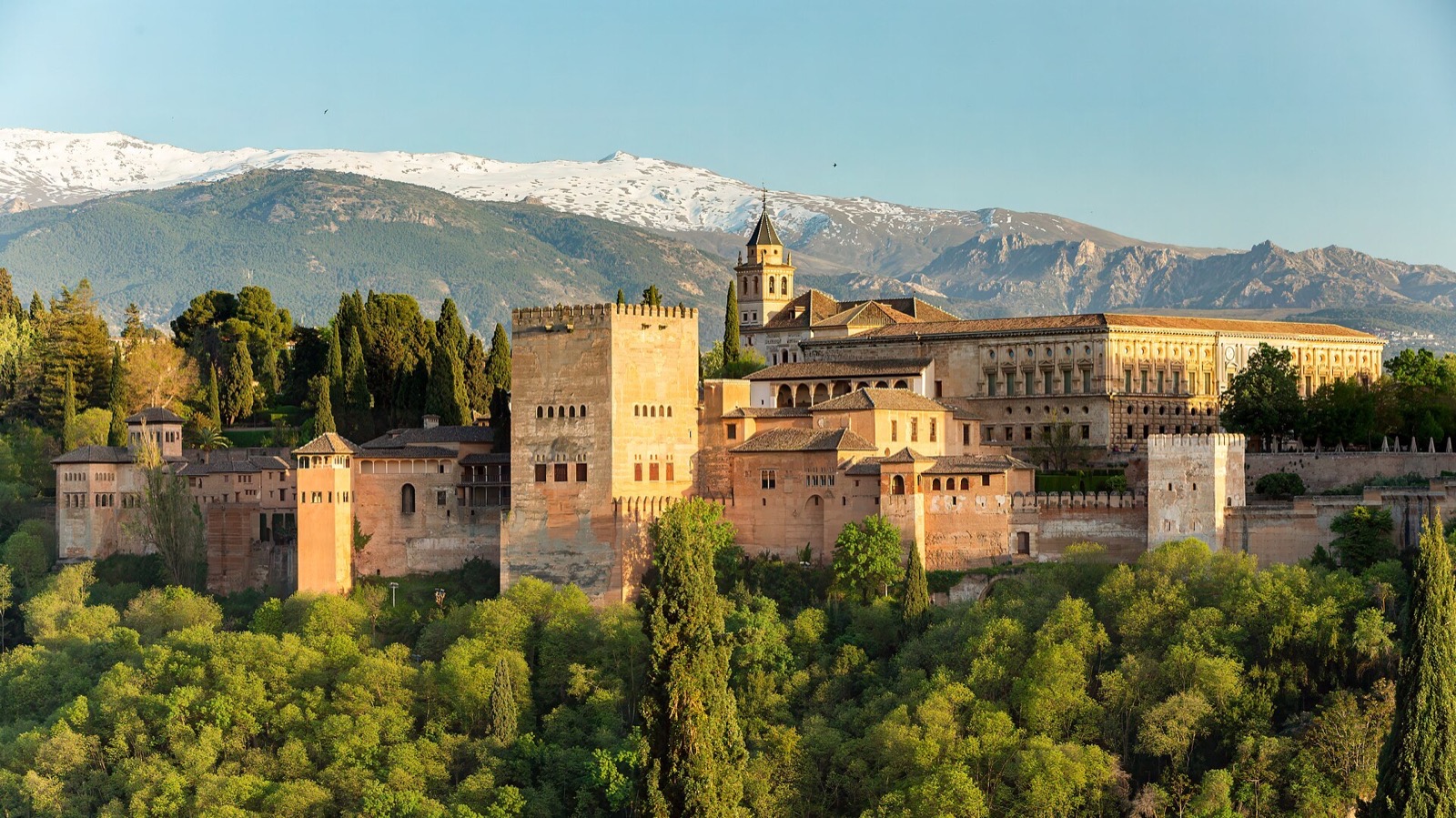
Alhambra
Since 1238
The palace city of the Nasrid sultans, with the Court of the Lions, the Alcazaba and the gardens of the Generalife.
Tickets from €28
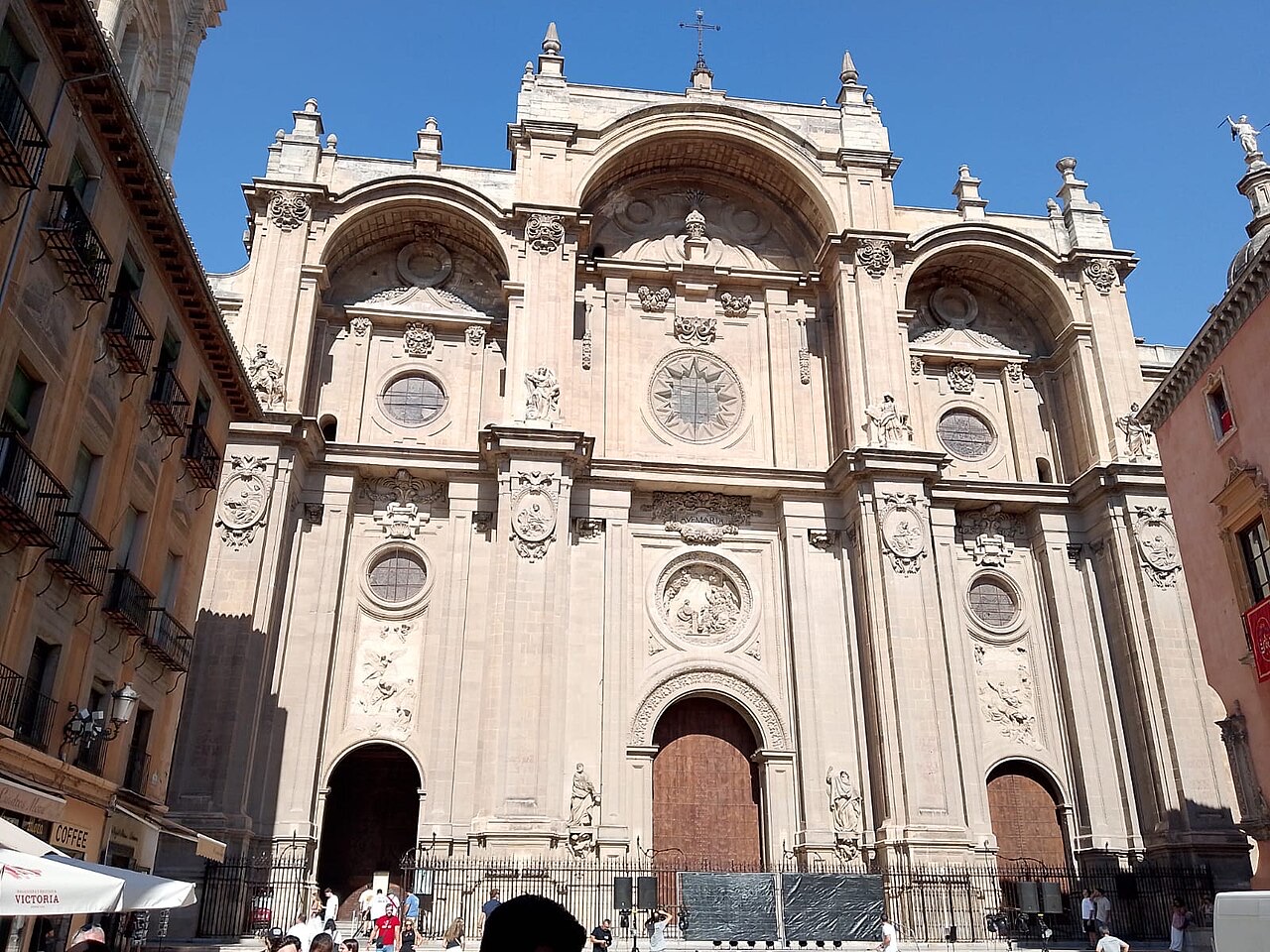
Granada Cathedral
Since 1523
Diego de Siloé's Renaissance cathedral, white and gold, with a front by Alonso Cano.
Tickets from €10
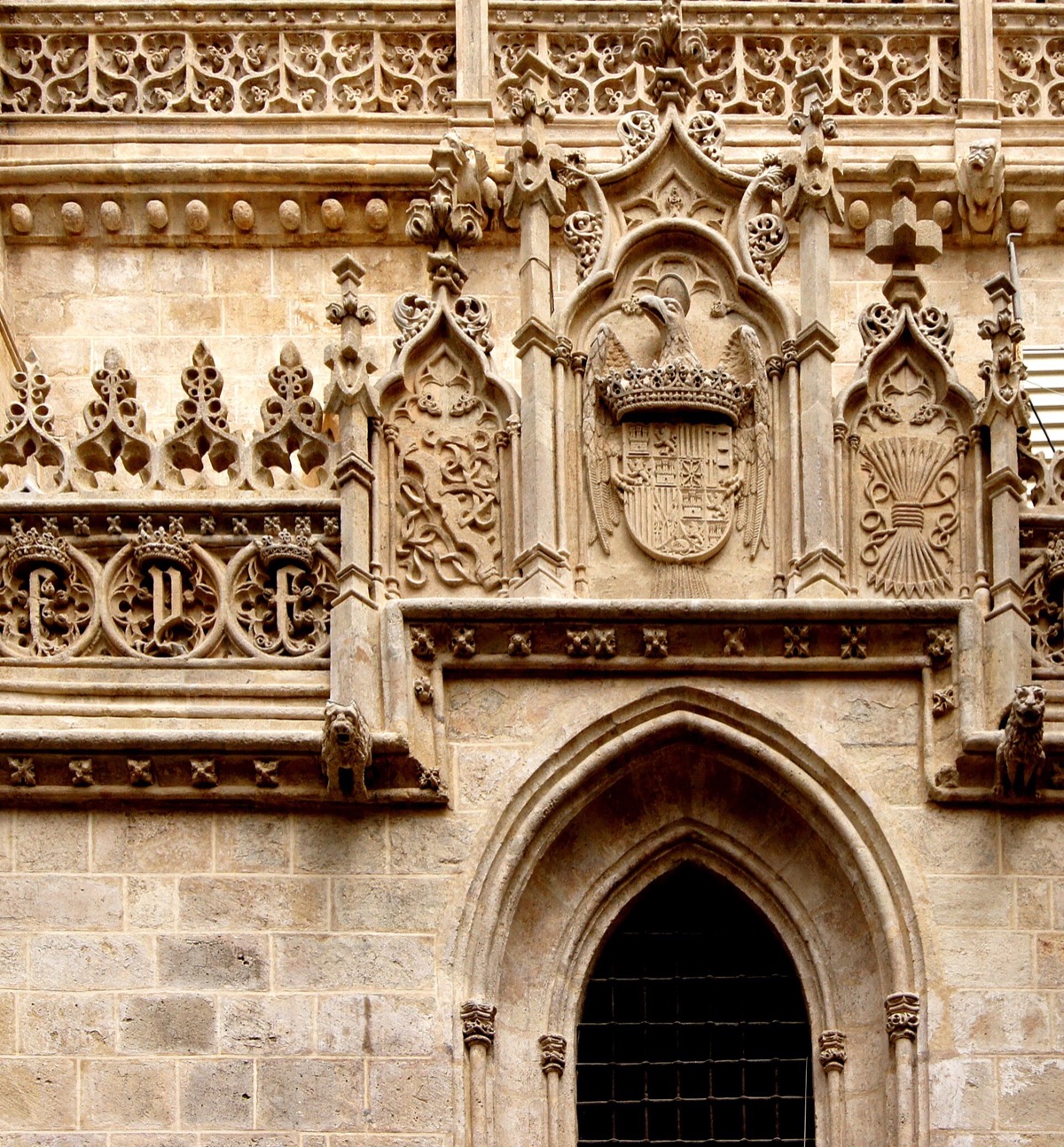
Royal Chapel of Granada
Since 1517
The burial chapel of Ferdinand and Isabella, with their tombs and the queen's Flemish paintings.
Tickets from €10
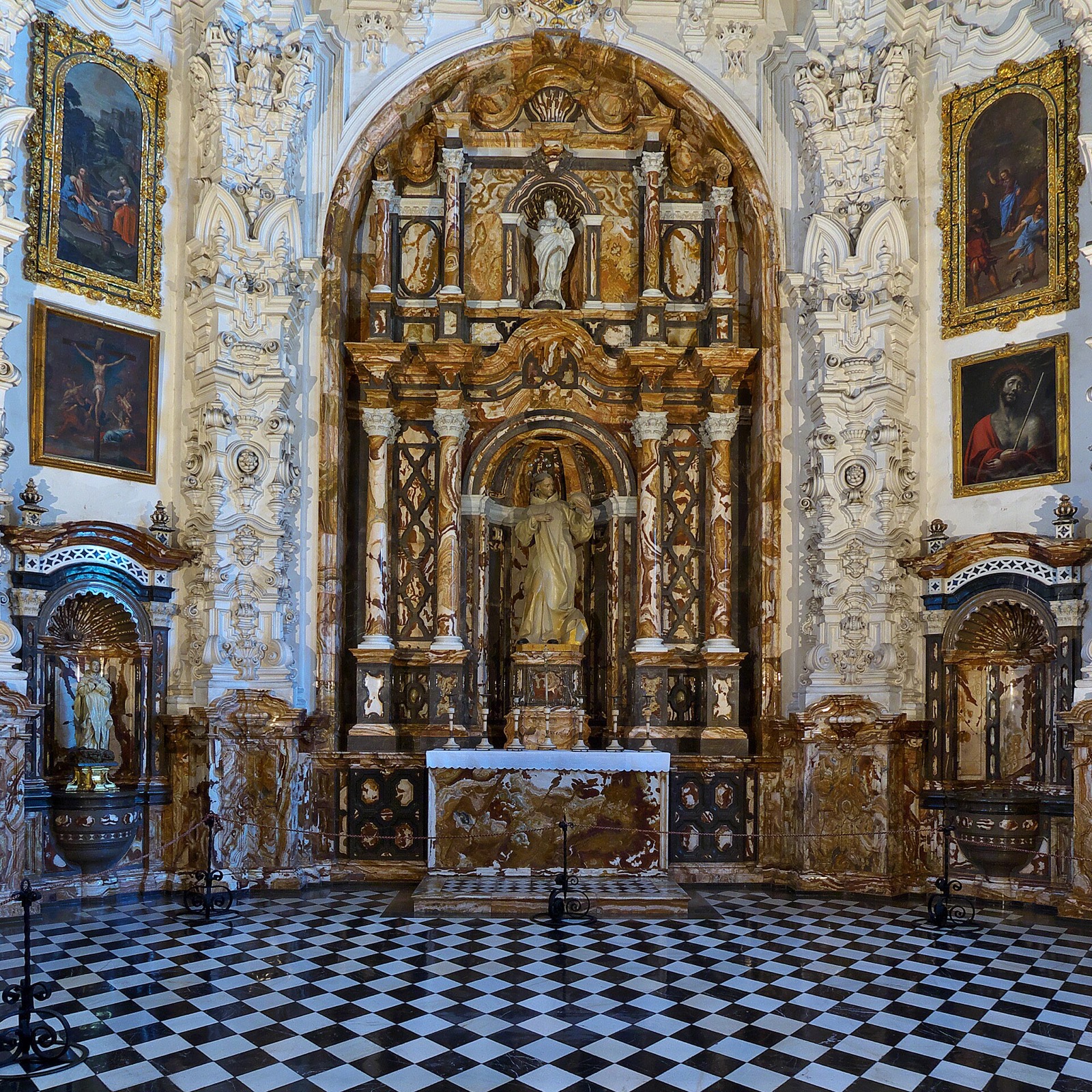
Monastery of La Cartuja
Since 1662
The Charterhouse of Granada, with a sacristy and tabernacle among the richest of the Spanish Baroque.
Tickets from €10
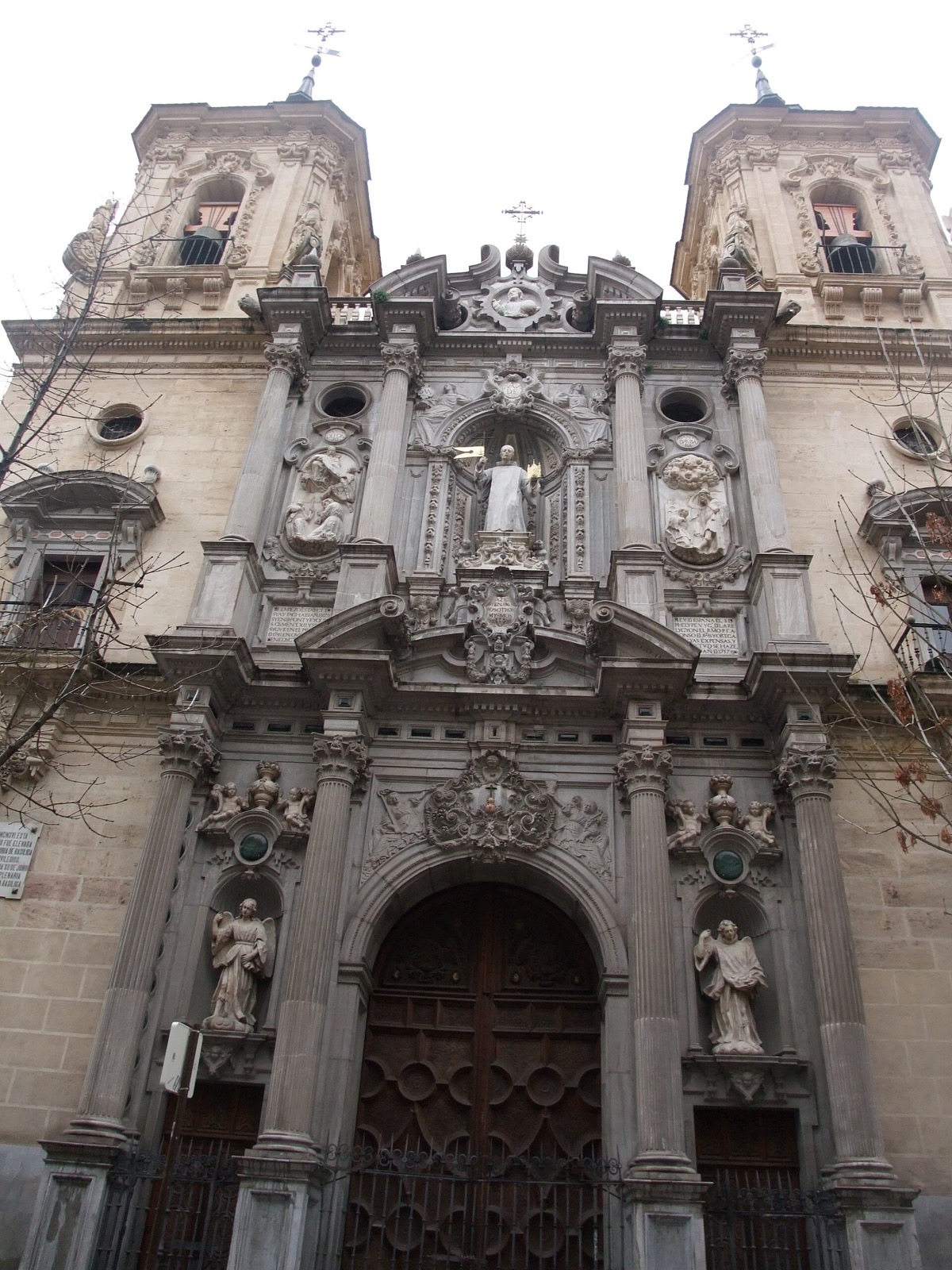
Basilica of San Juan de Dios
Since 1759
A gilded Baroque church built for the relics of St John of God.
Tickets from €10
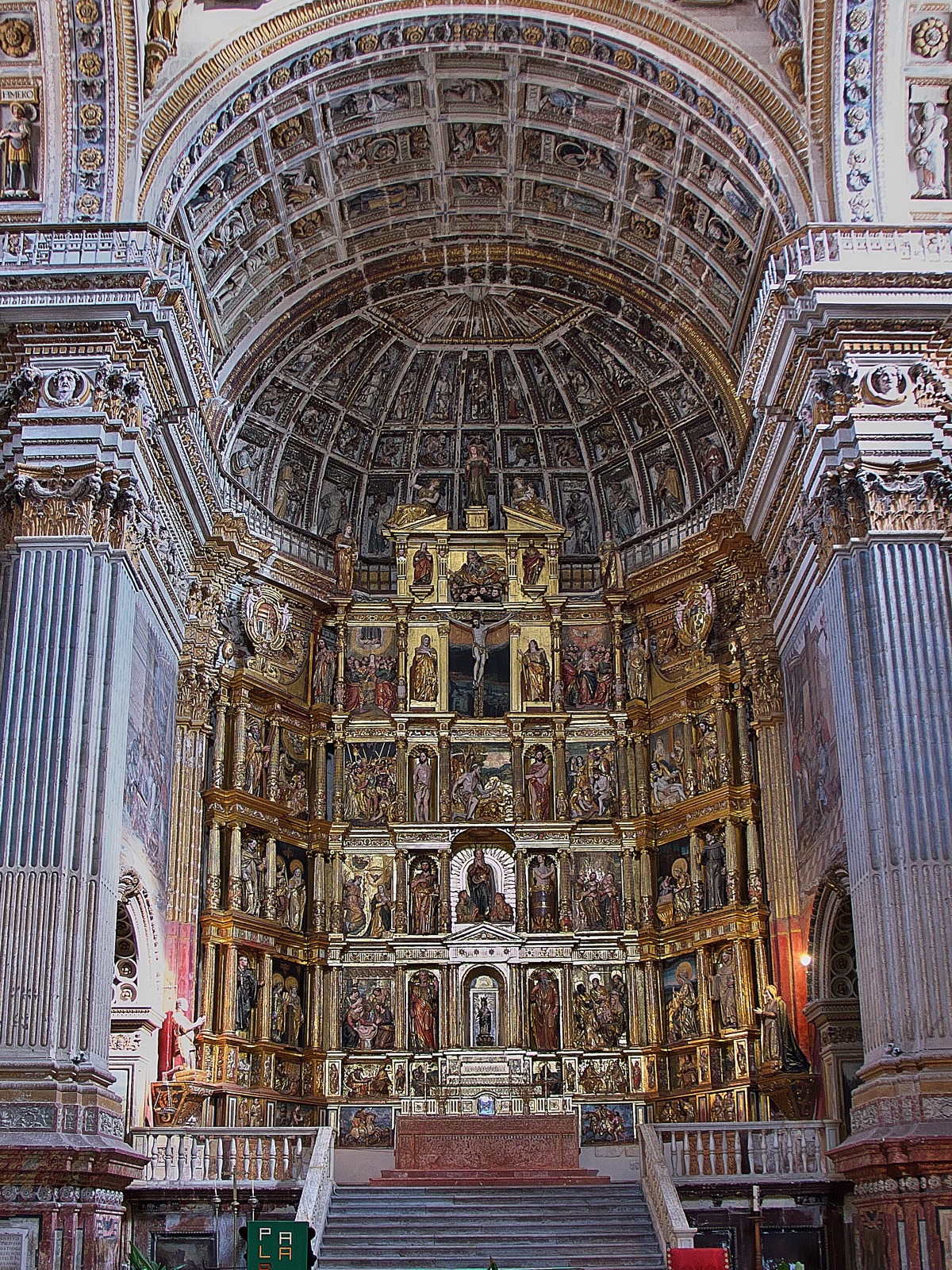
Monastery of San Jerónimo
Since 1521
A Renaissance monastery by Diego de Siloé, burial place of the Great Captain.
Tickets from €10
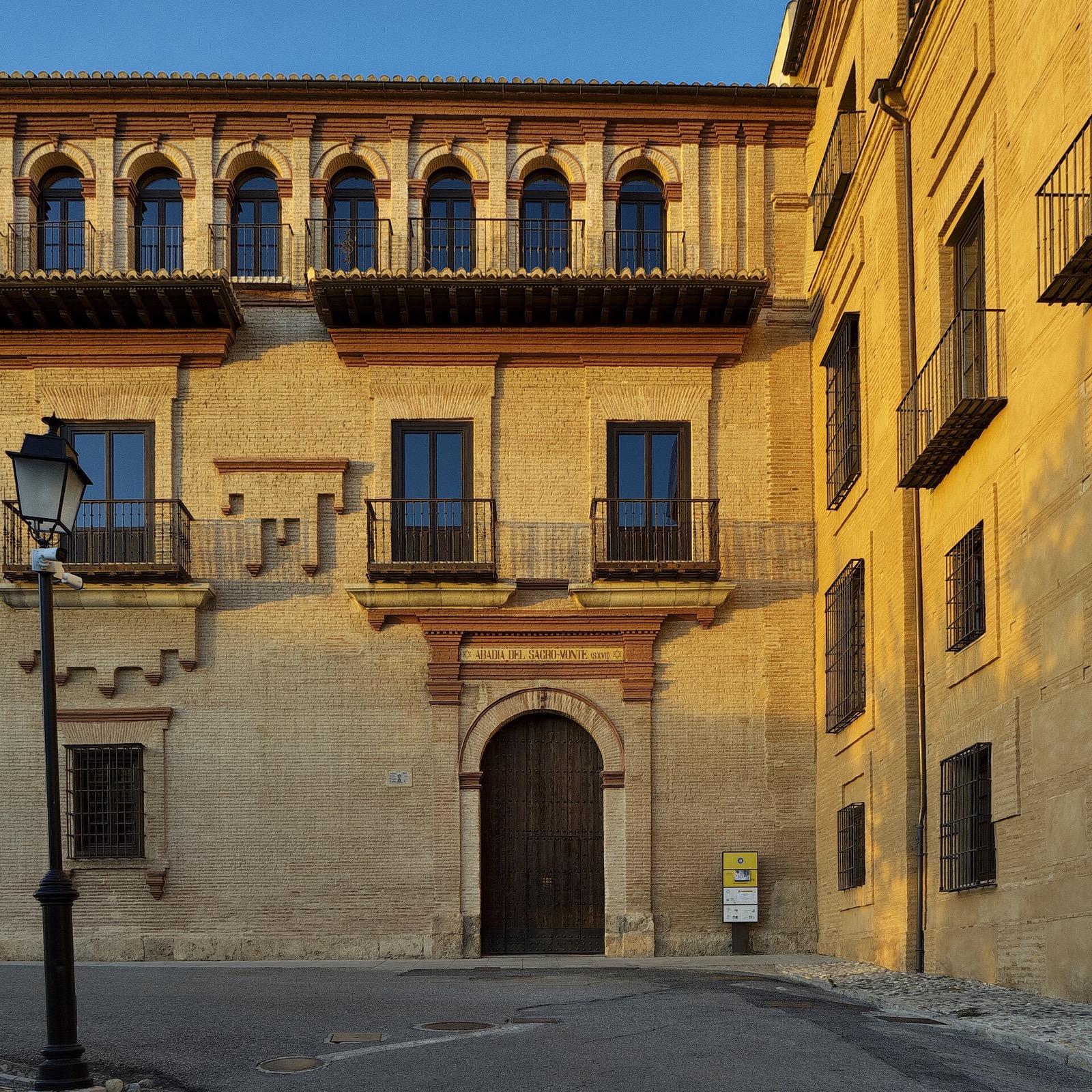
Sacromonte Abbey
Since 1610
A seventeenth-century abbey over the Holy Caves, on the hill above the Darro.
Tickets from €10
Things to do in Granada
The first 6 of the 20 best things to do in Granada, in the order this site would do them.
Picture: Diego Delso, CC BY-SA 4.0
Number 1, Monument
Visit the Alhambra, the Nasrid Palaces and the Generalife
The palace city of the Nasrid sultans on its hill above Granada: the Court of the Lions and the Court of the Myrtles, the fortress of the Alcazaba, the Palace of Charles V and the gardens of the Generalife.
3 to 5 hours. Ticket, booked well ahead, from €28
Read the guide
Number 2, Church
See Diego de Siloé's cathedral
One of the great churches of the Spanish Renaissance, white and gold inside, built on the site of the city's main mosque, with a round main chapel and a front by Alonso Cano.
45 to 90 minutes. Ticket, from €10
Read the guide
Number 3, Church
Stand at the tombs of Ferdinand and Isabella in the Royal Chapel
The burial chapel of the Catholic Monarchs, built from 1505 to 1517 beside the cathedral: their marble tombs behind a great iron screen, and Queen Isabella's own collection of Flemish paintings.
40 to 75 minutes. Ticket, from €10
Read the guide
Picture: Benjamin Smith, CC BY-SA 4.0
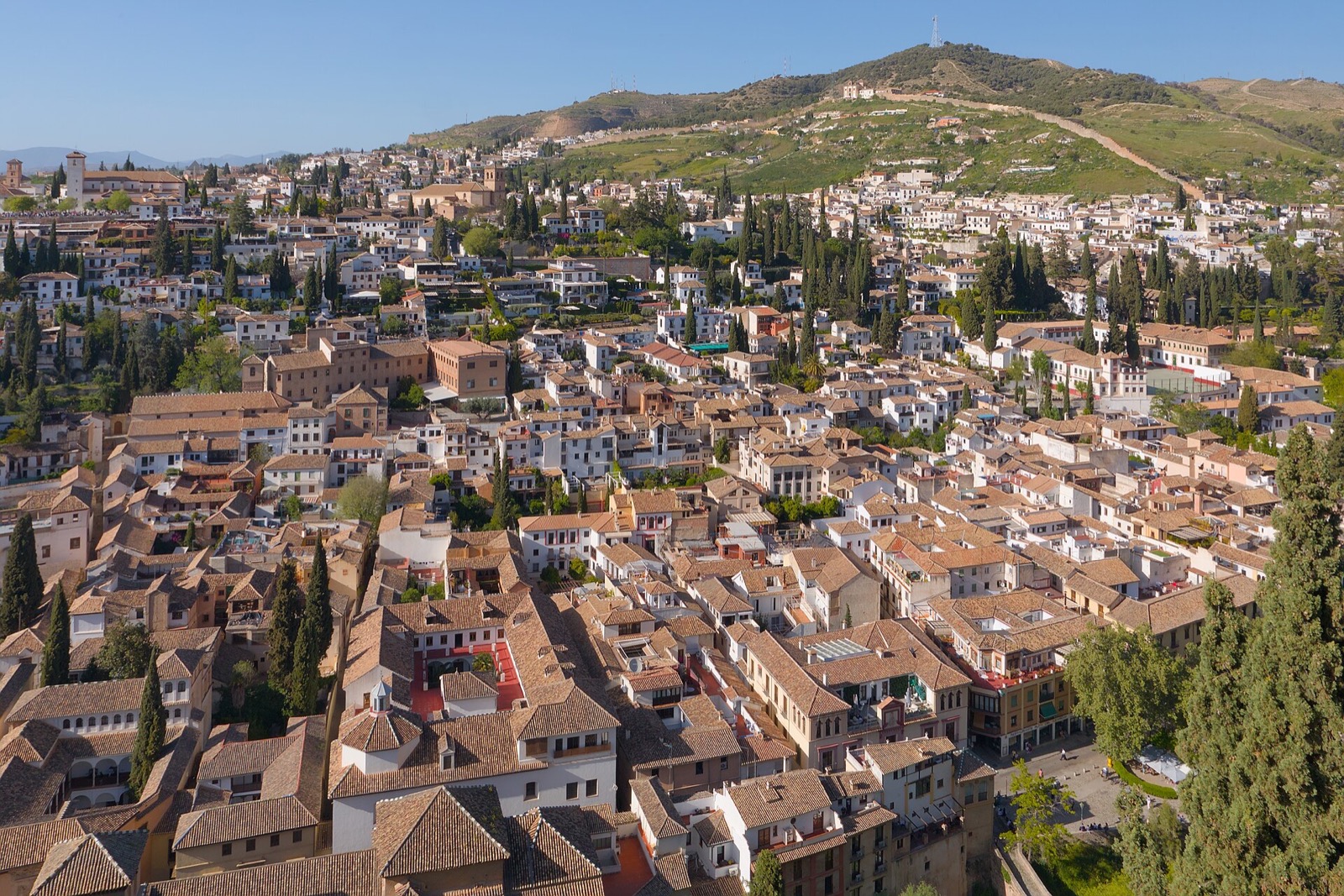
Number 4, Walk
Walk the Albaicín to the Mirador de San Nicolás
The old Moorish quarter on the hill facing the Alhambra, a maze of white lanes and walled gardens, with the most famous view in Granada from the square of San Nicolás.
1.5 to 3 hours. Free; a guided walk, from €15
How to do it
Picture: JopkeB, CC BY-SA 4.0
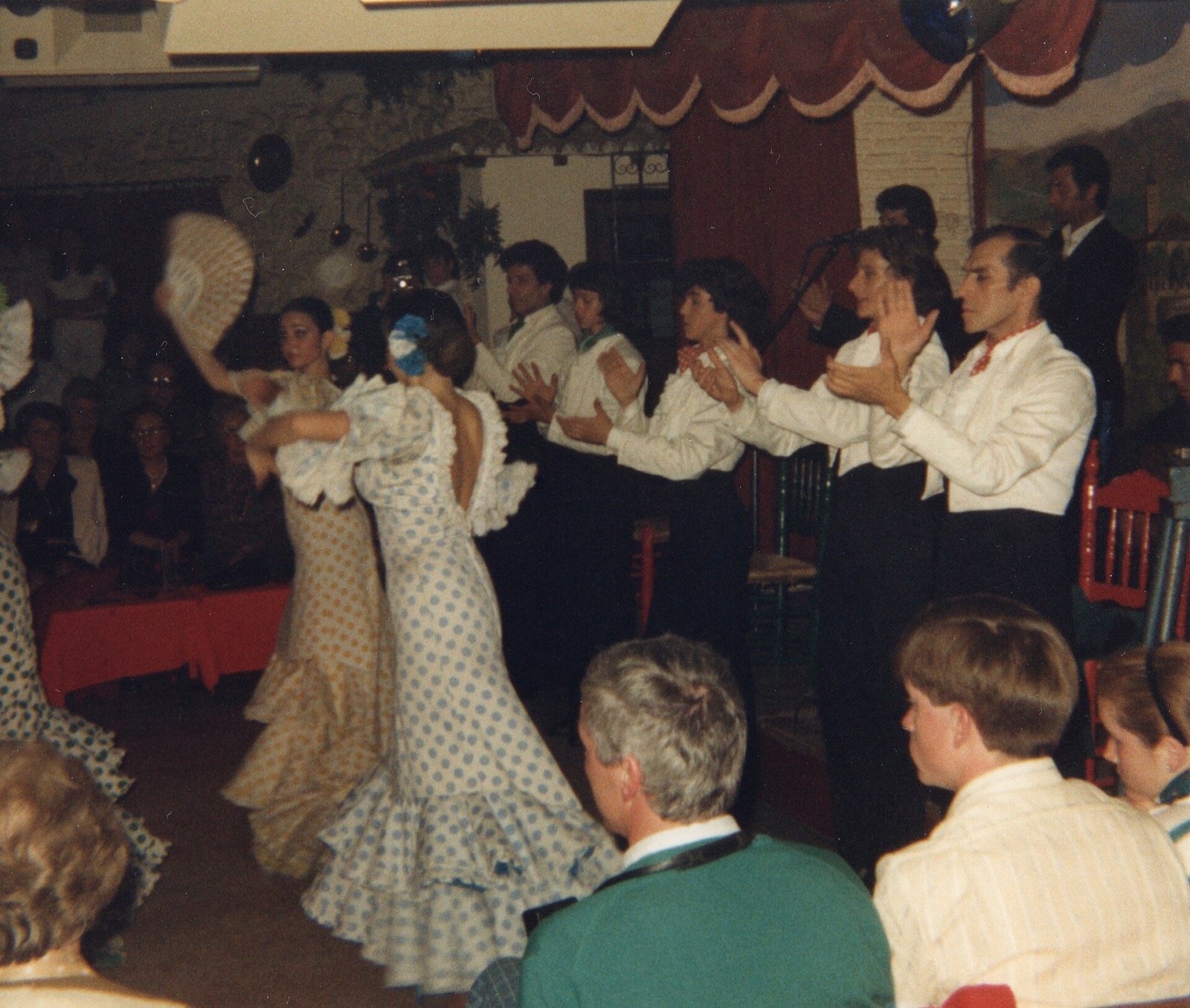
Number 5, Show
See flamenco in a cave of the Sacromonte
The Sacromonte is the hillside of whitewashed caves where Granada's Gitanos settled, and where flamenco is still danced at night in the caves themselves, a few feet from the audience.
1 to 2 hours. Ticket for a show, from €25
How to do it
Picture: José Luis Filpo Cabana, CC BY 3.0
Number 6, Church
See the Baroque sacristy of La Cartuja
The Charterhouse of Granada, plain outside and an explosion of Baroque ornament inside: a church, a tabernacle and a sacristy of white stucco that is one of the masterpieces of Spanish Baroque.
45 to 75 minutes. Ticket, from €10
Read the guide
Artists to see in Granada
The first 6 of the 6 most famous artists with work in the museums of Granada, in order of birth. Each page says which works to look for and where they hang.
Painter, 1415 to 1475
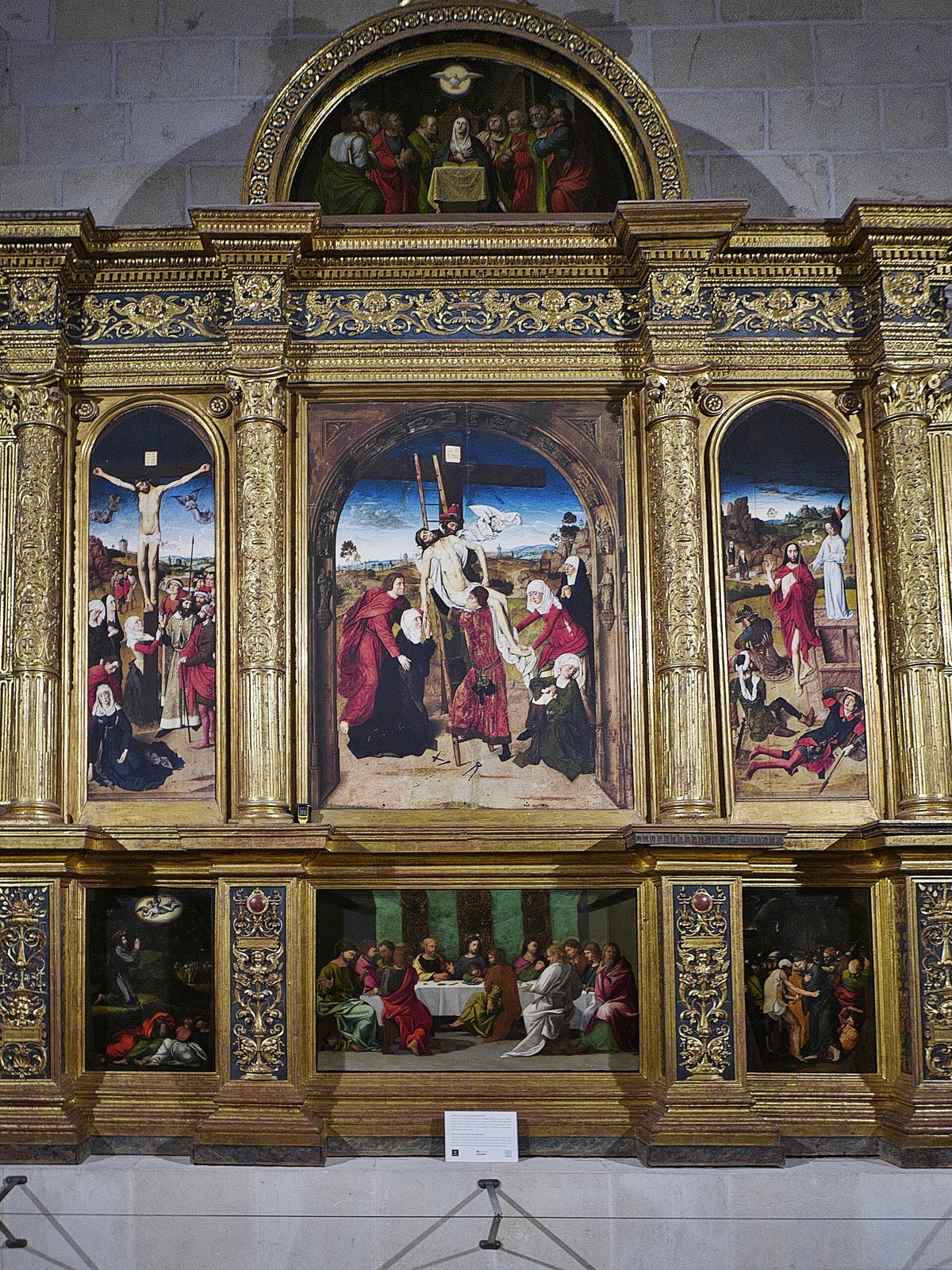
Dieric Bouts
The painter of Leuven, among the first in the north to use a single vanishing point, whose triptych of the Deposition belonged to Queen Isabella and is in the Royal Chapel.
Early Netherlandish painting. 1 work in 1 museum
See the artist
Painter, 1430 to 1494
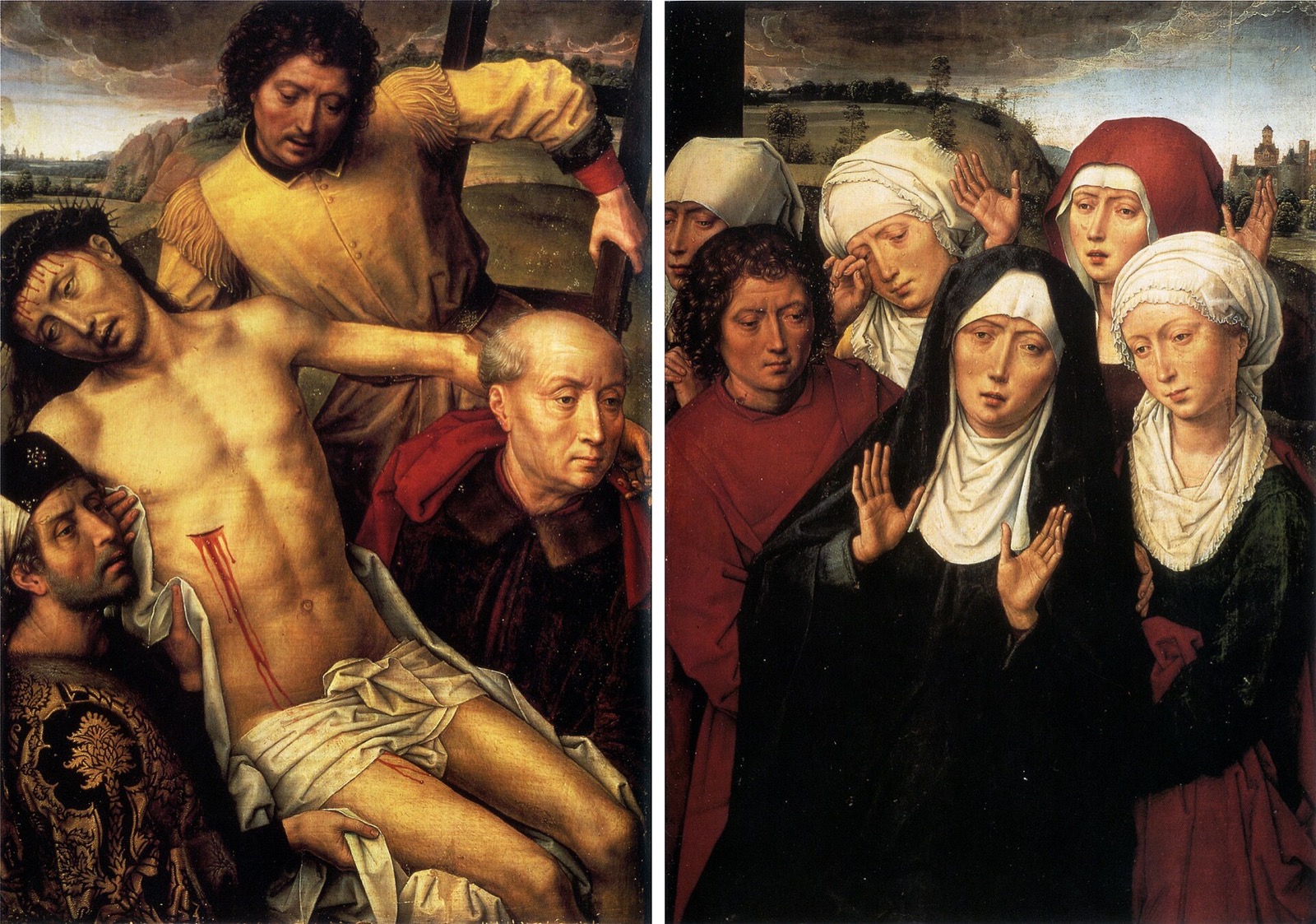
Hans Memling
The leading painter of Bruges in the late fifteenth century, whose diptych of the Descent from the Cross is among Queen Isabella's paintings in the Royal Chapel.
Early Netherlandish painting. 1 work in 1 museum
See the artist
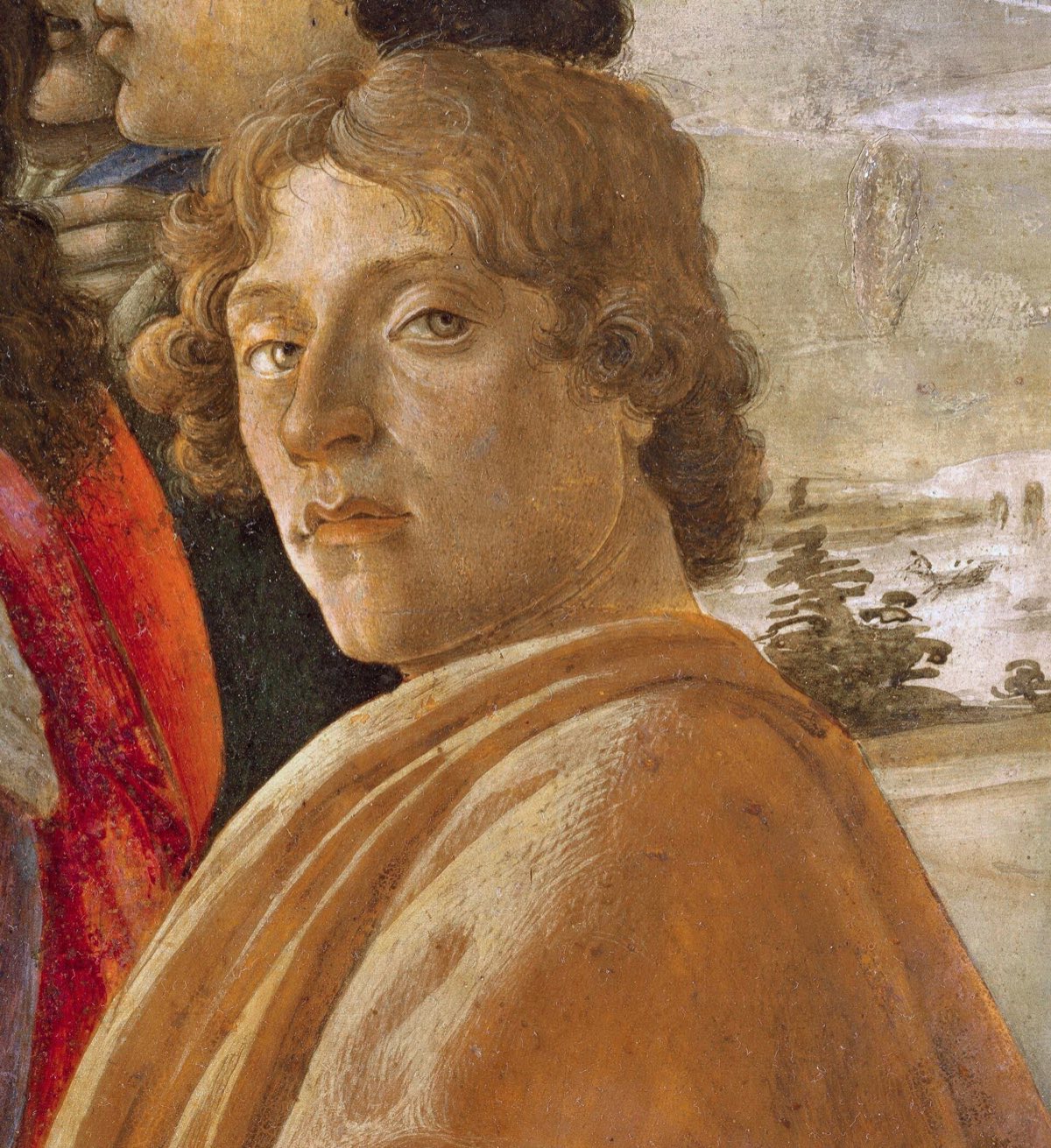
Painter, 1445 to 1510
Sandro Botticelli
The Royal Chapel has Botticelli's Agony in the Garden, which belonged to Queen Isabella: a rare thing, a Botticelli in Spain.
Early Renaissance. 1 work in 1 museum
See the artist
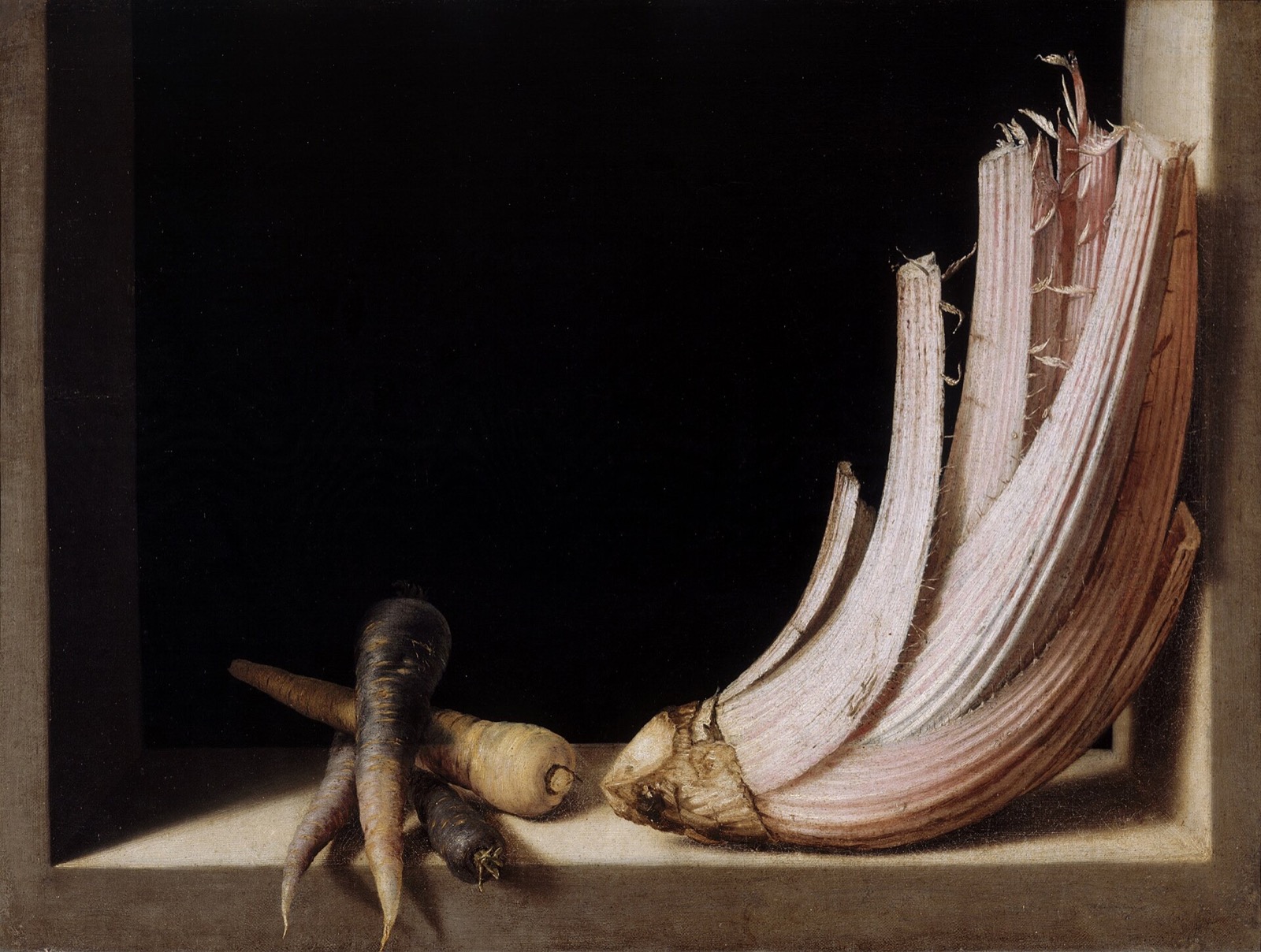
Painter, 1560 to 1627
Juan Sánchez Cotán
The painter of the barest and strangest still lifes in Spanish art, who became a Carthusian lay brother in Granada. His Still Life with Cardoon and Carrots is in the Museum of Fine Arts.
Spanish Baroque. 2 works in 2 museums
See the artist
Picture: Javi Guerra Hernando, CC BY-SA 4.0
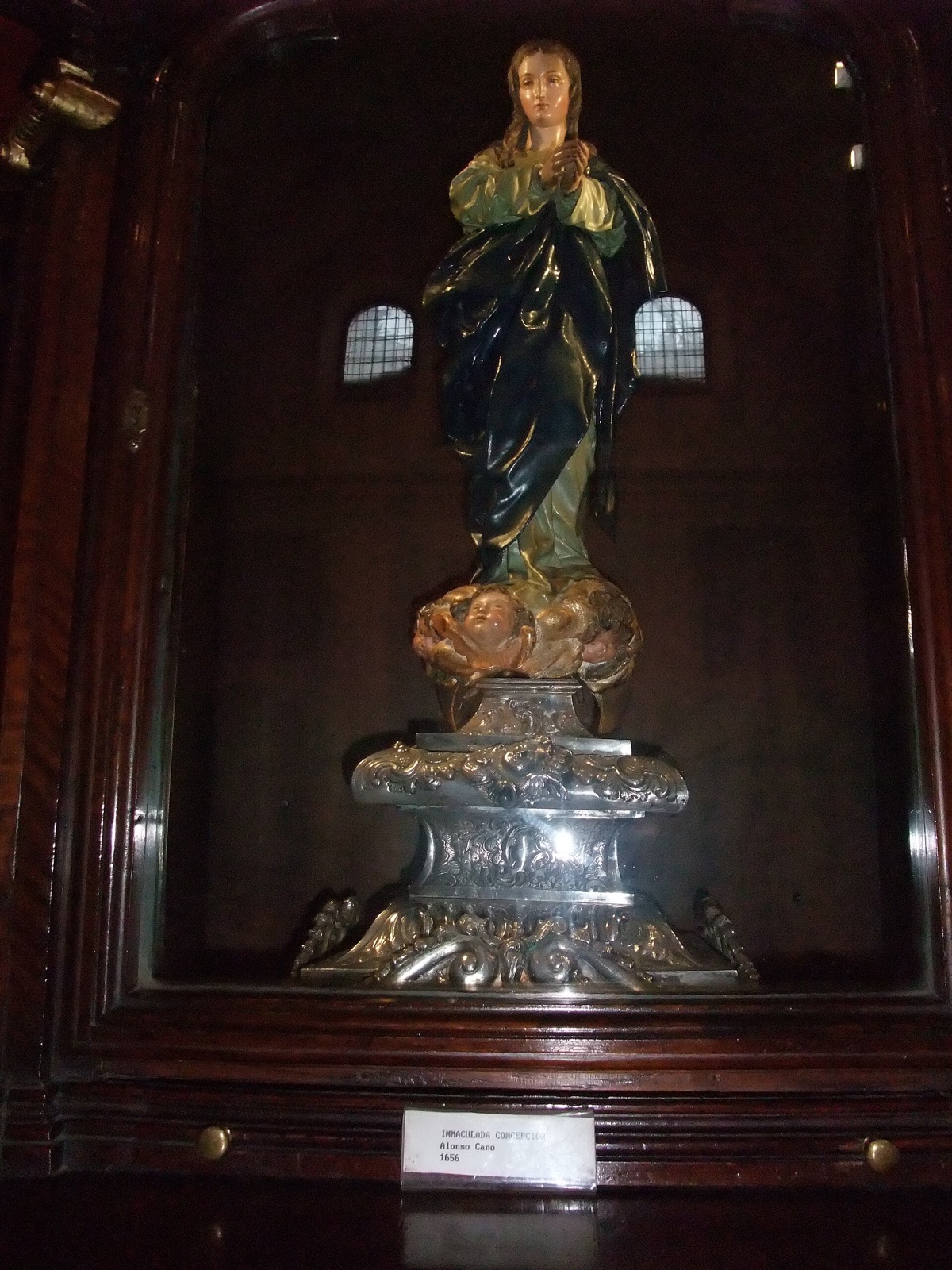
Painter and sculptor, 1601 to 1667
Alonso Cano
Painter, sculptor and architect, born in Granada, who came home as a canon of the cathedral, painted the life of the Virgin in its main chapel and designed its front.
Spanish Baroque. 3 works in 2 museums
See the artist
Picture: Jl FilpoC, CC BY-SA 4.0
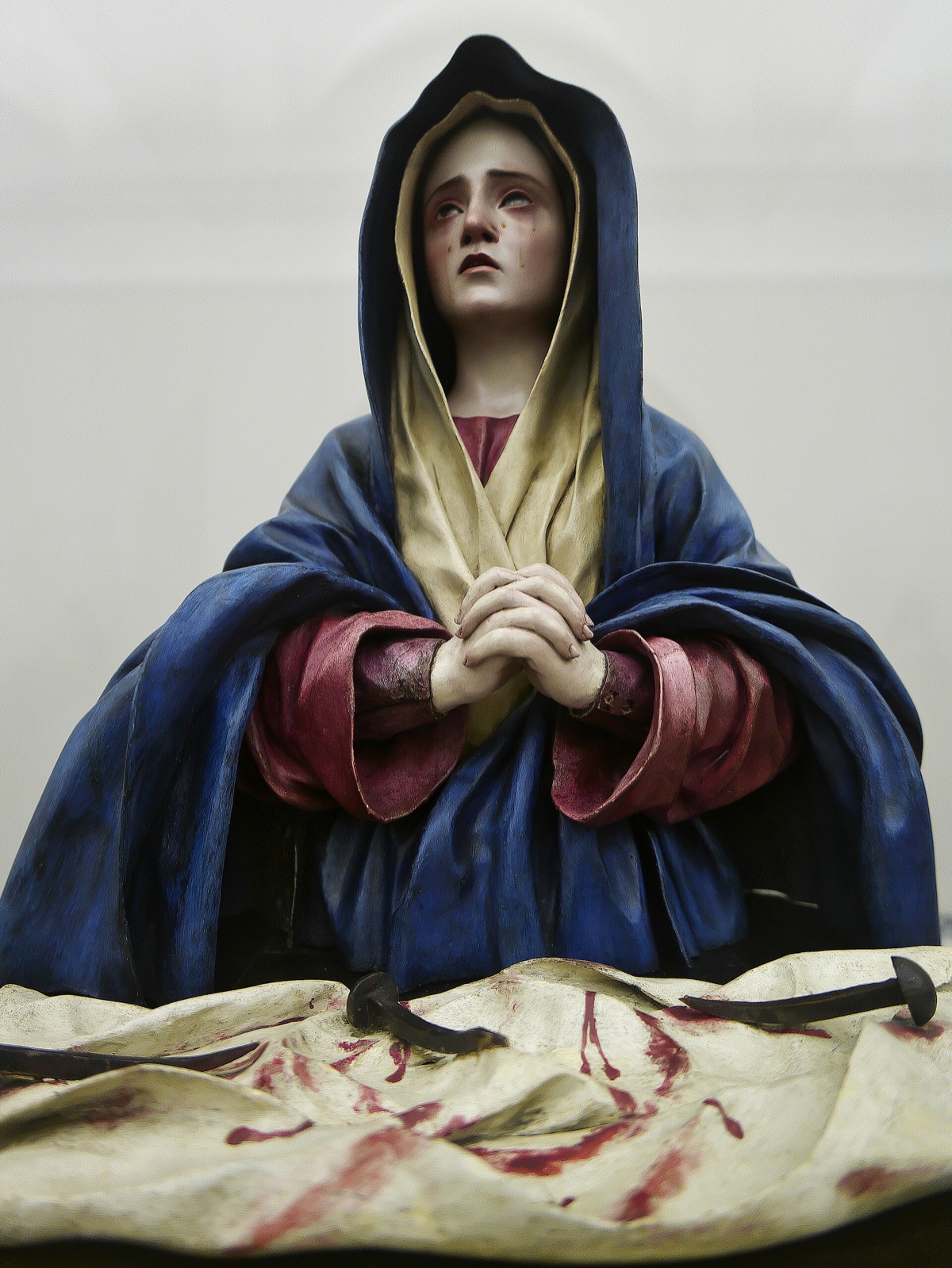
Sculptor, 1628 to 1688
Pedro de Mena
The sculptor of Granada, pupil of his father and of Alonso Cano, known for painted wooden figures of quiet grief. His praying statues of the Catholic Monarchs are in the cathedral.
Spanish Baroque. 2 works in 2 museums
See the artist
Where to eat in Granada
The 6 highest rated of the 10 tables near the museums that this site lists in Granada: historic cafés, brasseries and grand restaurants, in the order their customers rate them on Google.
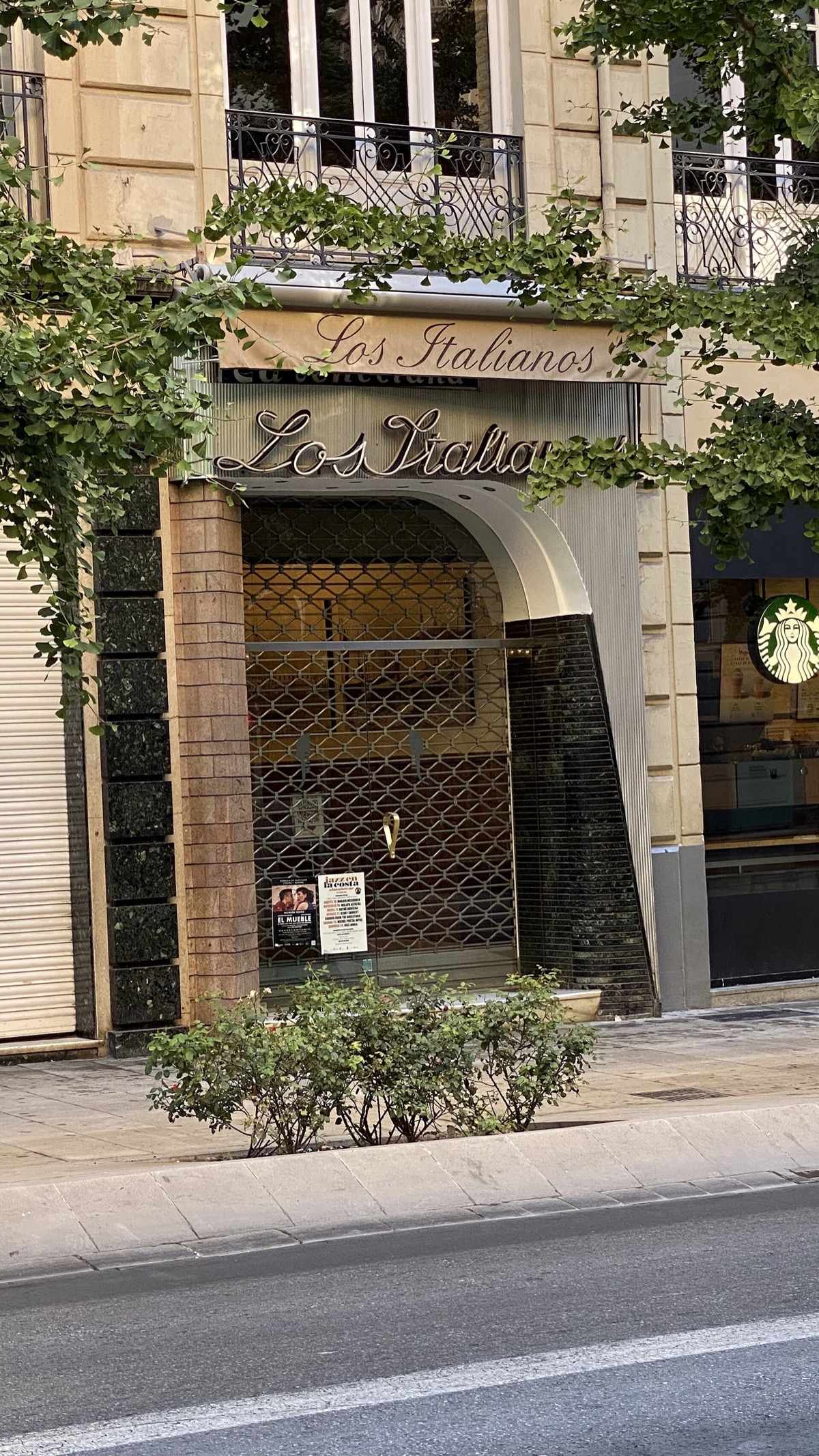
Picture: Iblancasa, CC BY-SA 3.0
Heladería Los Italianos
Ice cream shop, Gran Vía
4.57,536 Google ratings
The ice cream shop of Granada, on the Gran Vía by the cathedral since 1936, known for its cassata and open only in the warm months.
See the restaurant
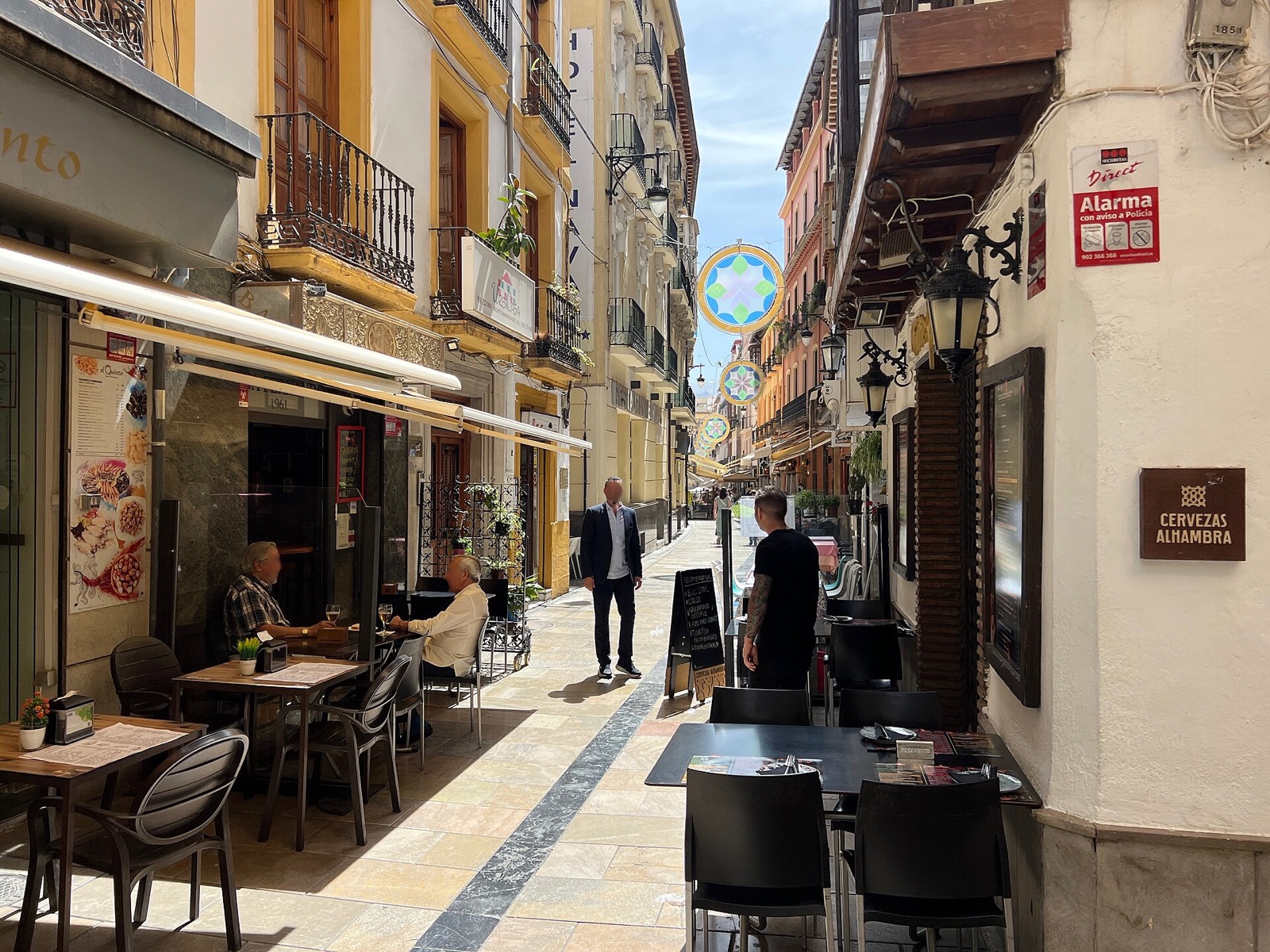
The Calle Navas, where the first Los Diamantes is.. Picture: Chabe01, CC BY-SA 4.0
Los Diamantes
Tapas bar, Calle Navas
4.55,546 Google ratings
The bar of fried fish on the Calle Navas, going since 1942: a plate of seafood with every drink.
See the restaurant
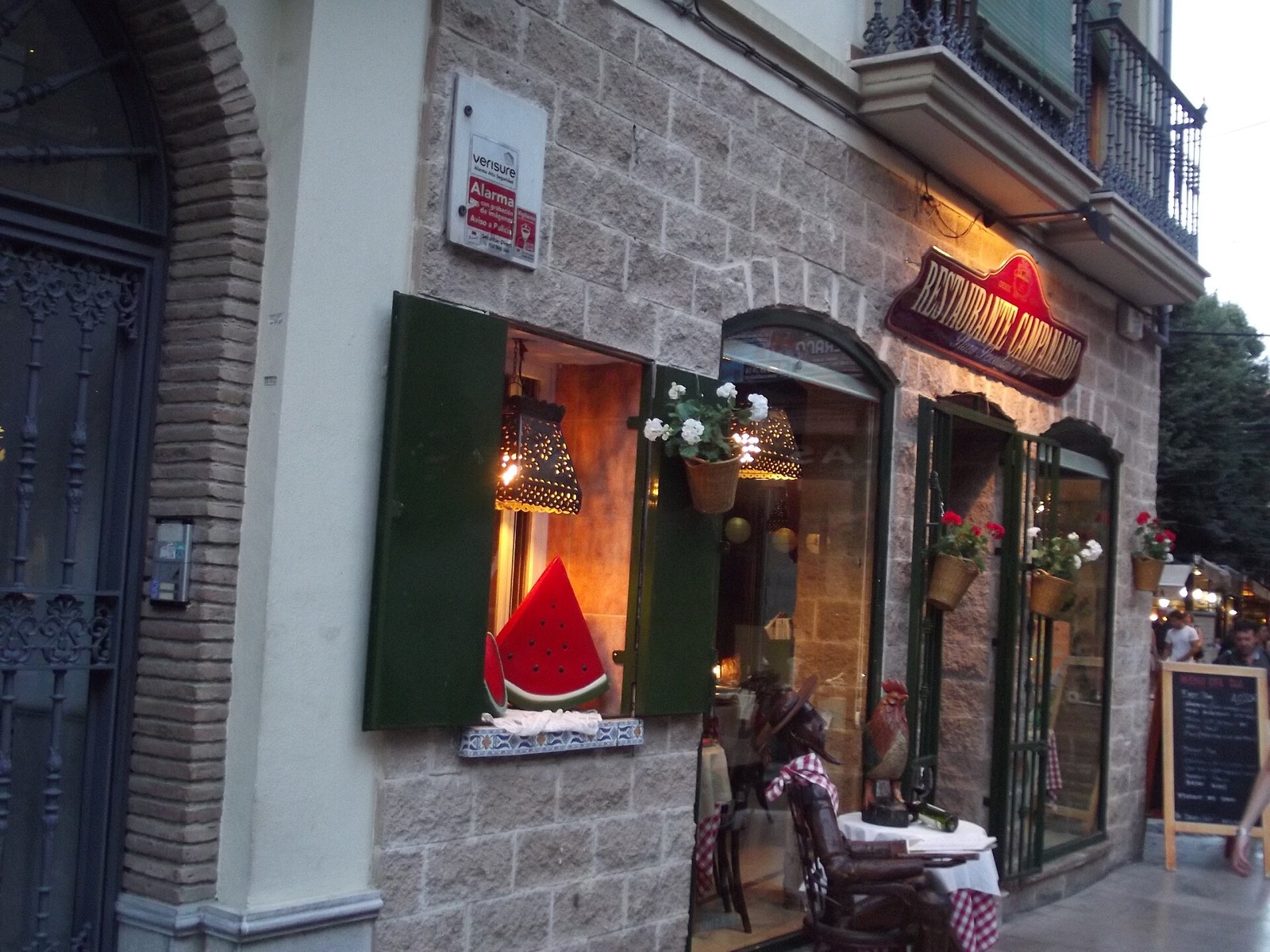
The Plaza de la Pescadería, where the restaurant is.. Picture: Elliott Brown, CC BY-SA 2.0
Restaurante Oliver
Restaurant, Plaza de la Pescadería
4.42,896 Google ratings
A restaurant on the old fish market square that grew out of a grocer's counter of hams and cured meats, part of the city's eating since 1974.
See the restaurant
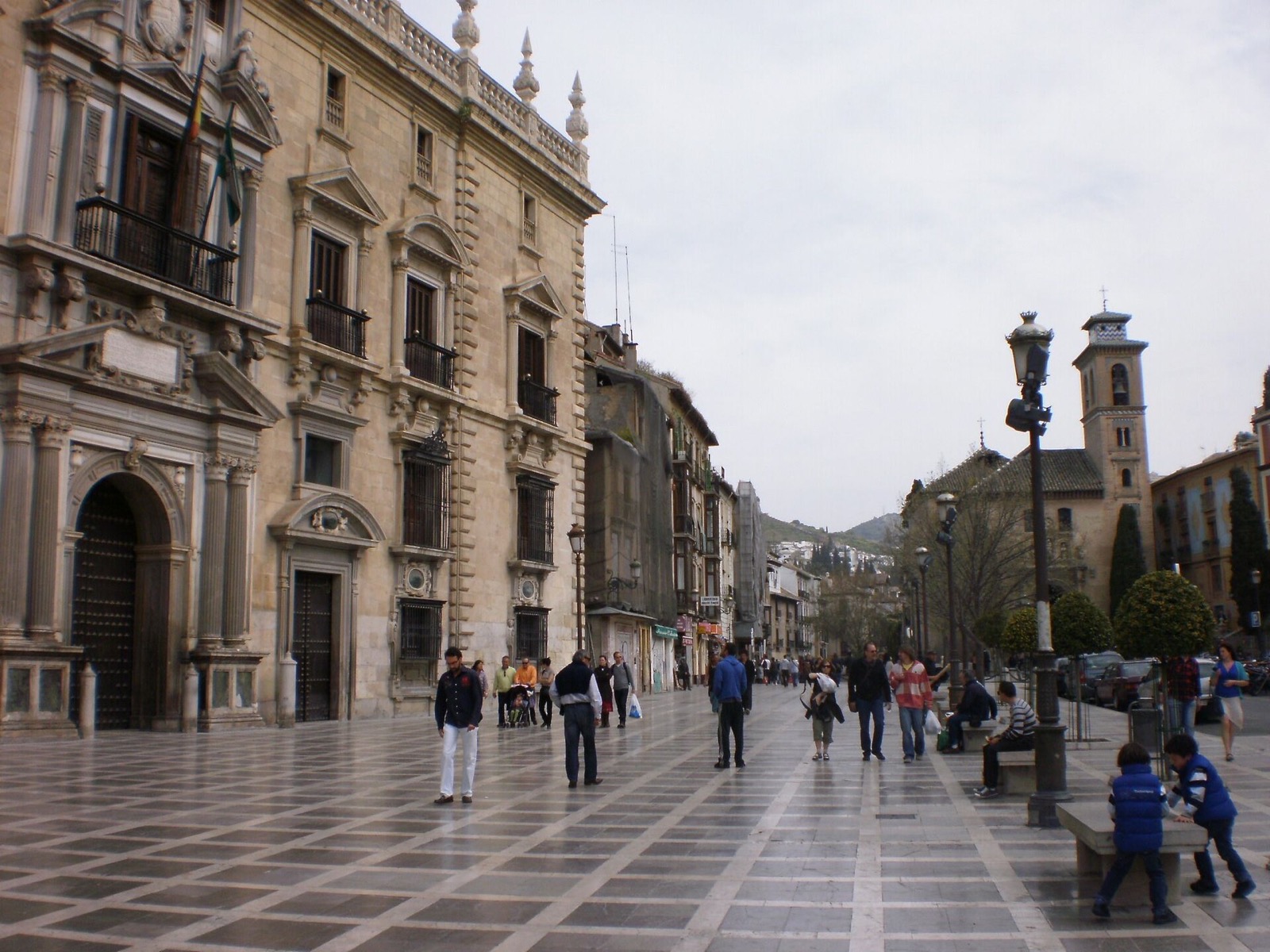
The Plaza Nueva, a few steps from the restaurant.. Picture: Superchilum, CC BY-SA 3.0
Los Manueles
Restaurant, Reyes Católicos
4.321,623 Google ratings
A restaurant of Granada's own cooking in the lane off the Calle Reyes Católicos, by the Plaza Nueva, at work since 1917.
See the restaurant
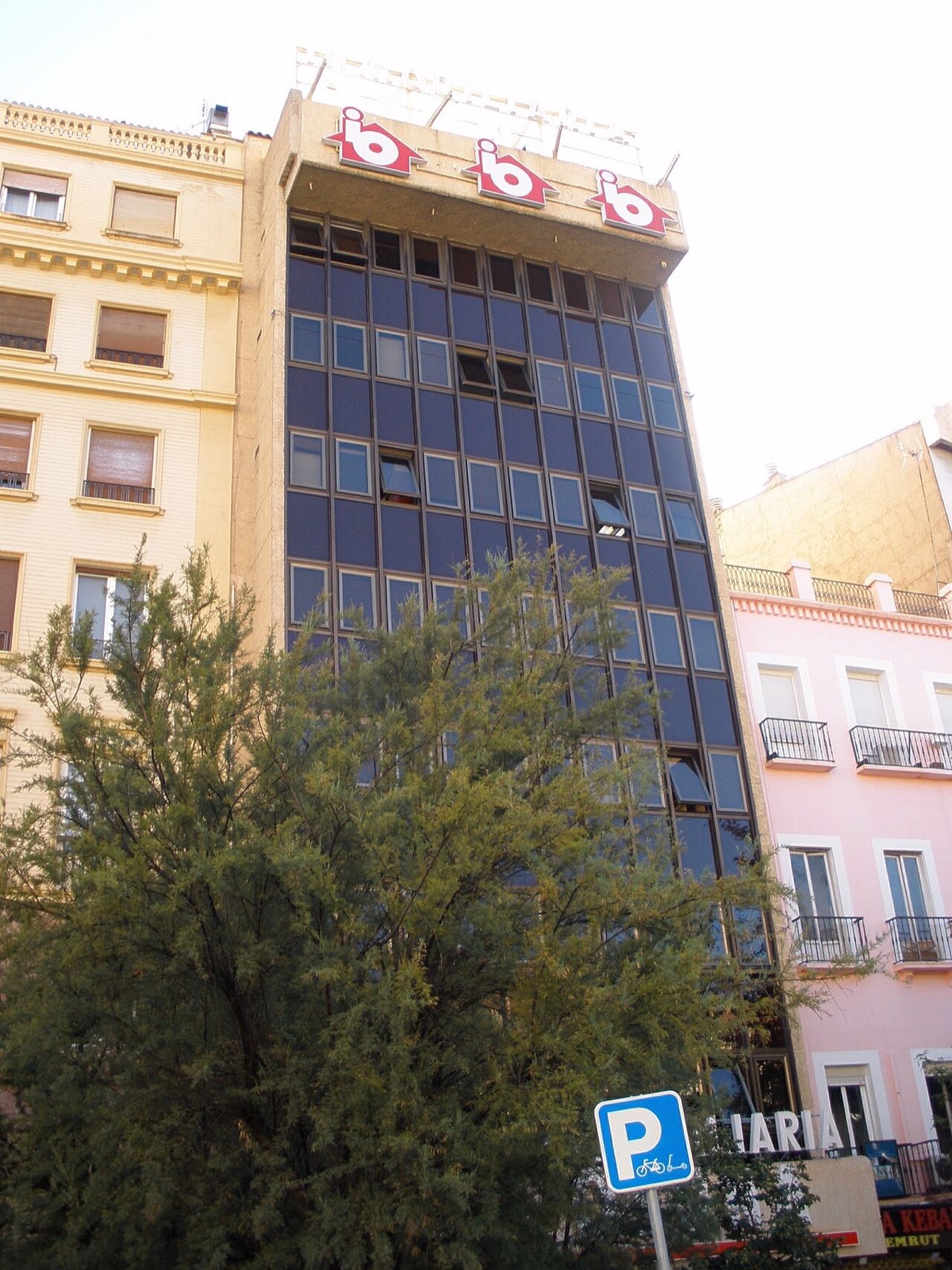
The Acera del Darro, where the tavern is.. Picture: Zarateman, CC0
Taberna Casa Enrique
Tavern, Puerta Real
4.3610 Google ratings
A narrow old tavern by the Puerta Real, founded in 1870 by its own account and, it says, the oldest in Granada.
See the restaurant
Picture: Andy Nash, CC BY-SA 2.0
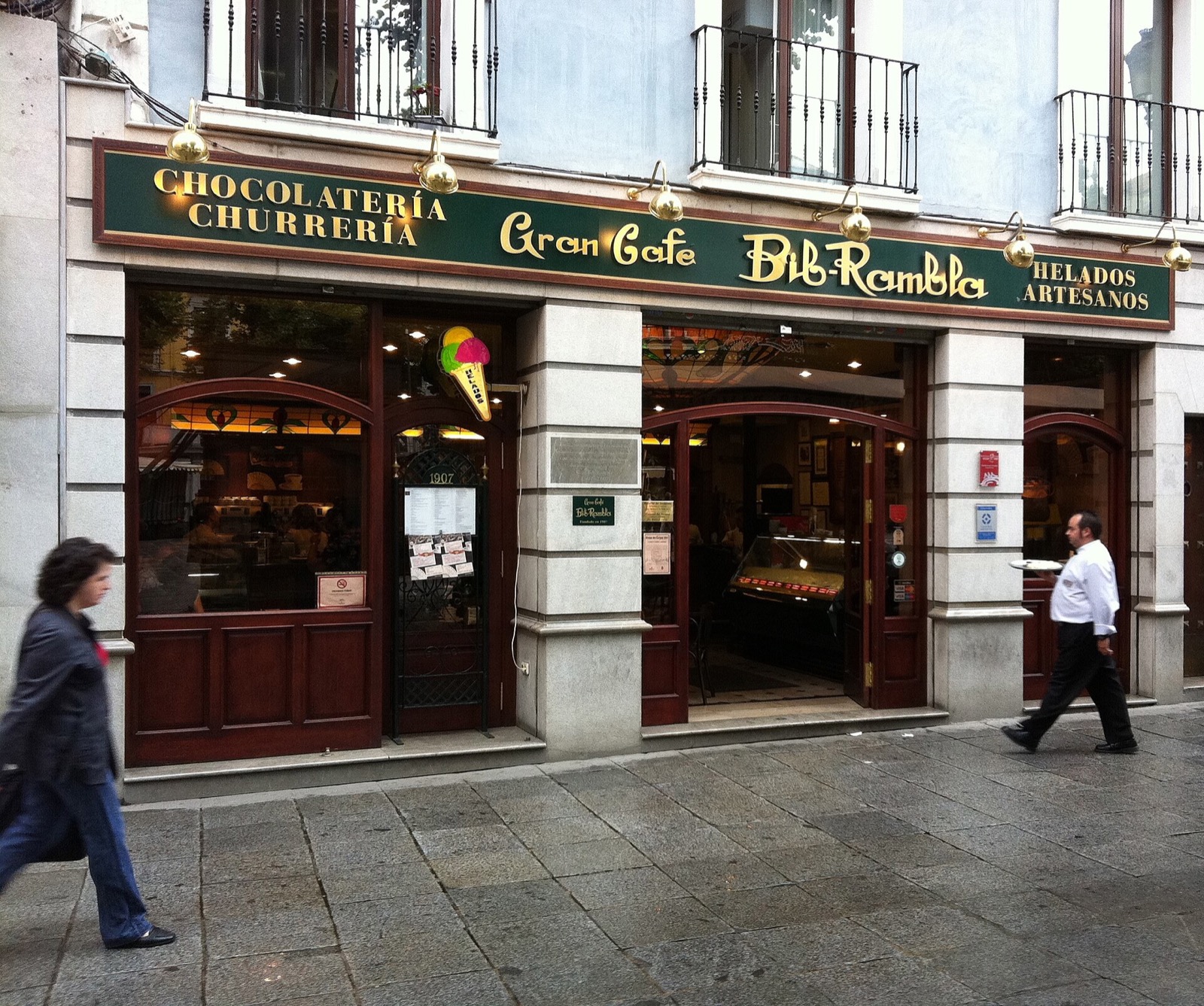
Gran Café Bib-Rambla
Café, Plaza de Bib-Rambla
4.24,201 Google ratings
The old café of the Plaza de Bib-Rambla, usually dated to 1907, where people sit over churros and chocolate in sight of the cathedral tower.
See the restaurant
Where to stay in Granada
The 4 highest rated of the 4 five-star hotels this site lists in Granada, in the order guests rate them on Google.
Picture: Julioo.am, CC BY-SA 4.0
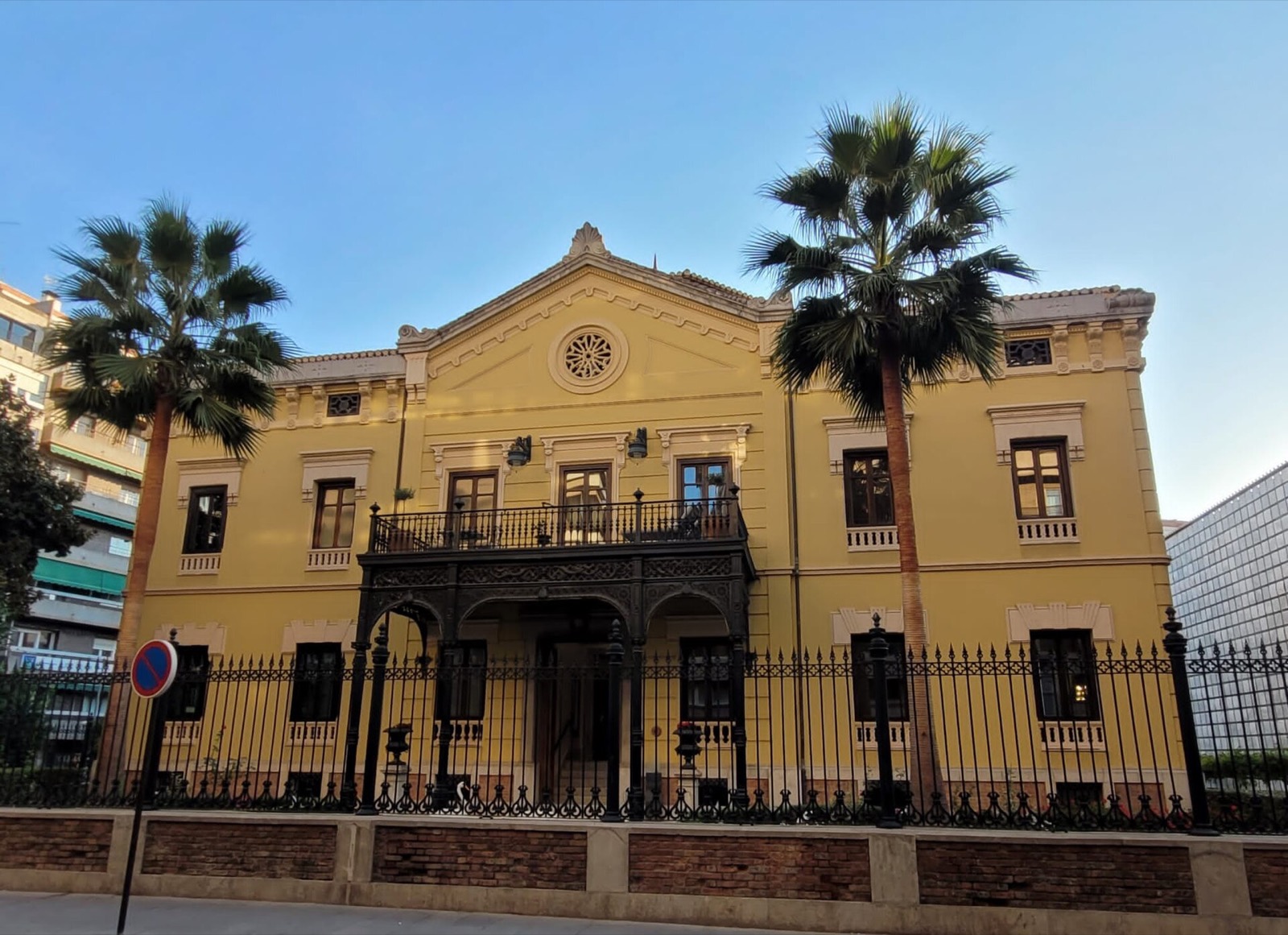
Hospes Palacio de los Patos
Five-star hotel, Recogidas
4.62,508 Google ratings
A town palace of 1890 in the centre of Granada, a listed monument, with a garden and a modern wing beside it.
See the hotel
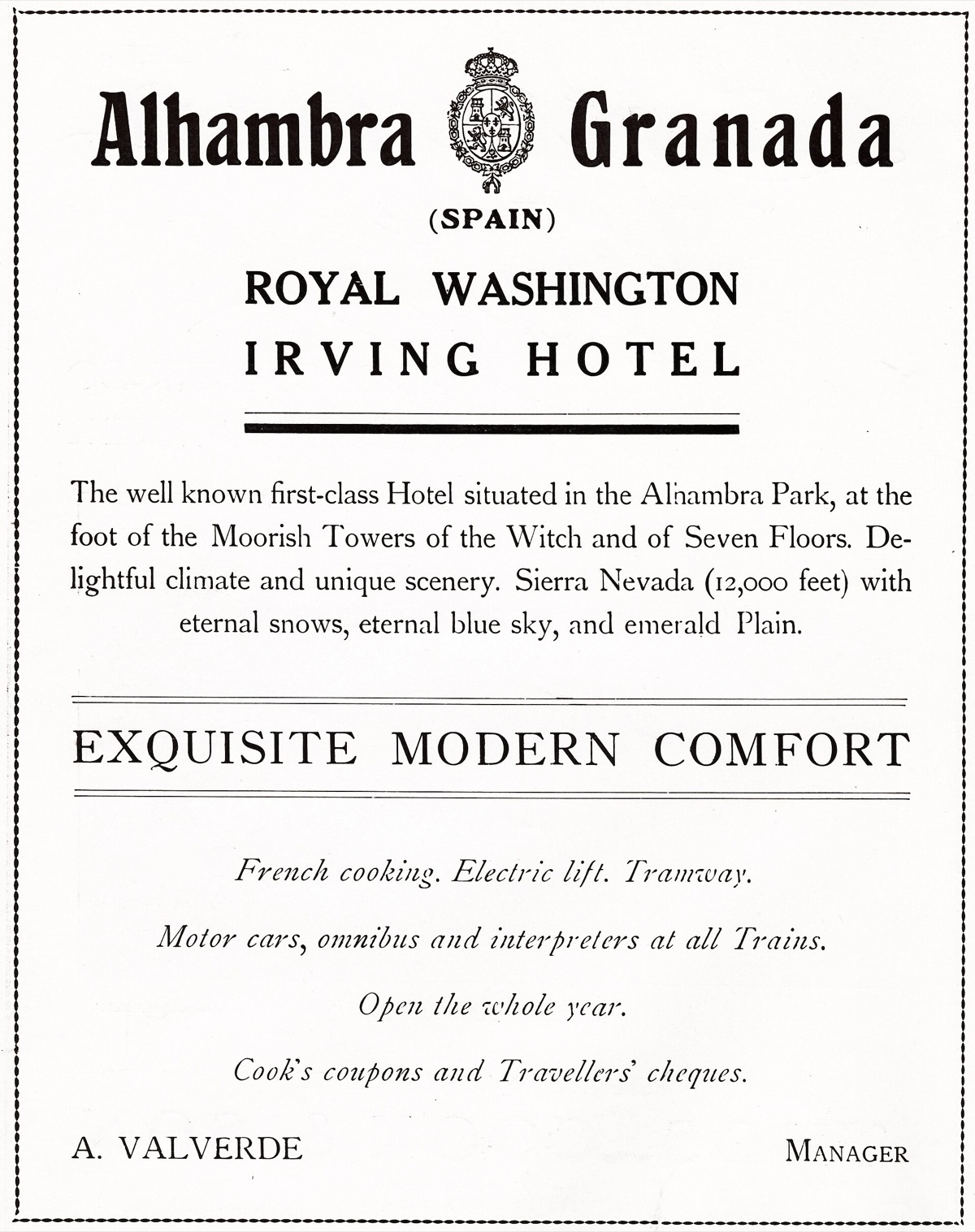
An advertisement for the hotel in a travel magazine of 1925.. Picture: Unknown author, Public domain
Áurea Washington Irving
Five-star hotel, Alhambra hill
4.61,333 Google ratings
The old Washington Irving hotel in the woods of the Alhambra, named after the American writer of the Tales of the Alhambra, restored and reopened in 2016.
See the hotel
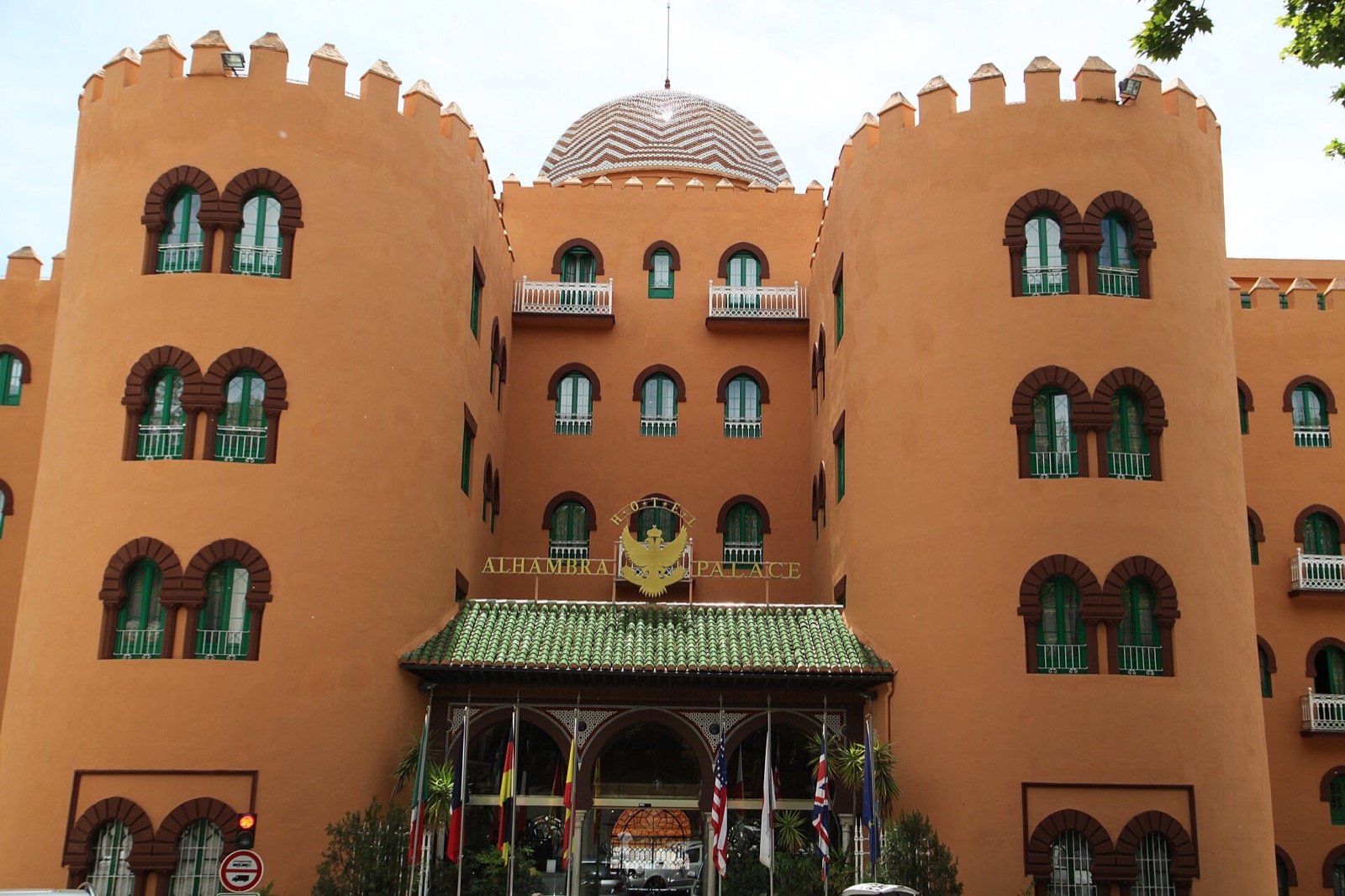
Picture: Jean-Michel Brunet, CC BY 2.0
Hotel Alhambra Palace
Five-star hotel, Alhambra hill
4.52,569 Google ratings
The red, towered hotel on the hill of the Alhambra, opened by King Alfonso XIII in 1910, with the city and the plain at its feet.
See the hotel
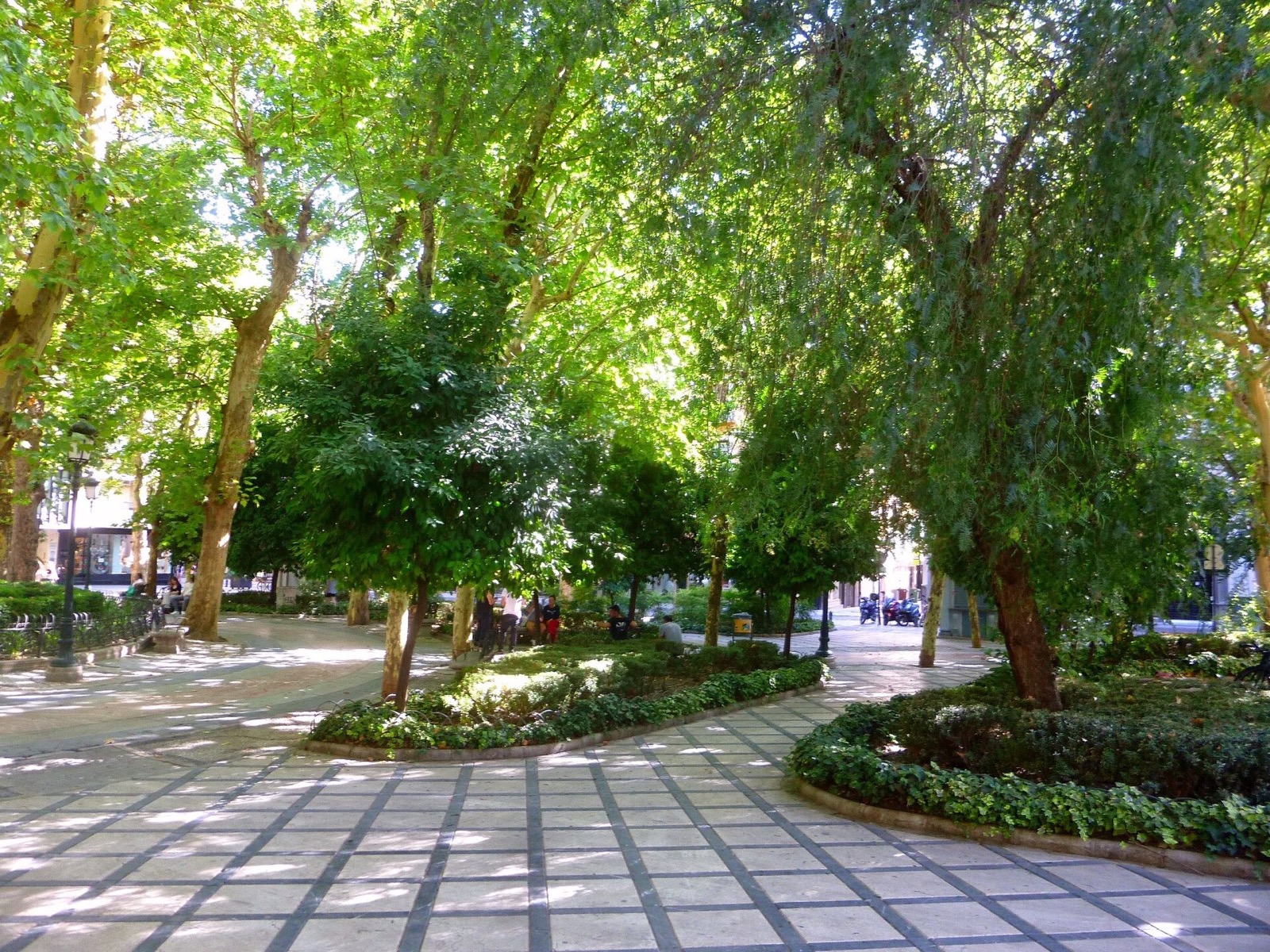
The Plaza de la Trinidad, where the hotel is.. Picture: Zarateman, CC0
Seda Club Hotel
Five-star hotel, Plaza de la Trinidad
4.5371 Google ratings
A small hotel opened in 2023 in a house of the late nineteenth century on the leafy Plaza de la Trinidad, in the centre of Granada.
See the hotel
Visiting Granada: common questions
- How far ahead should I book the Alhambra?
- As far ahead as you can. Entry to the Nasrid Palaces is limited and timed, and in spring and summer tickets sell out weeks before.
- Which day are the monuments closed in Granada?
- Most open every day. The Alhambra closes only on 25 December and 1 January, and the Royal Chapel too. The cathedral opens to visitors only in the afternoon on Sundays, and La Cartuja closes at midday on Saturdays. The monasteries and the abbey close for two or three hours in the middle of the day.
- Is there one ticket for the churches of Granada?
- Yes. The Archdiocese sells a combined ticket for the cathedral, the Royal Chapel, La Cartuja, San Jerónimo and the Abbey of the Sacromonte.
- Can you see the Alhambra at night?
- Yes. The Nasrid Palaces open for night visits on Fridays and Saturdays in winter and from Tuesday to Saturday in summer, with their own ticket.
- How many days do I need for Granada?
- Two days cover the essentials: one for the Alhambra and the Albaicín, one for the cathedral, the Royal Chapel and a monastery, with tapas and flamenco in the evening. A third allows the Sacromonte and La Cartuja, and a fourth a day in the Sierra Nevada or the Alpujarras.