Sculptor, 1628 to 1688
Pedro de Mena
Pedro de Mena was born in Granada and learned to carve from his father, Alonso de Mena, and from Alonso Cano. He made his name with figures of saints for a convent of the city, then went to Málaga to carve the choir stalls of its cathedral. He spent most of his life in Málaga, where he kept a workshop for thirty years.
- Born
- 1628, Granada
- Died
- 1688, Málaga
- Movement
- Spanish Baroque
- In Granada
- 2 works in 2 museums
Where to see Pedro de Mena in Granada
Each work with the museum it hangs in. Museums move and lend their works, so check before a special journey.
Granada Cathedral1 work
Praying statues of the Catholic Monarchs
1675 to 1677
Ferdinand and Isabella kneeling in prayer, in niches on either side of the main chapel.
Museum of Fine Arts of Granada, Palace of Charles V1 work
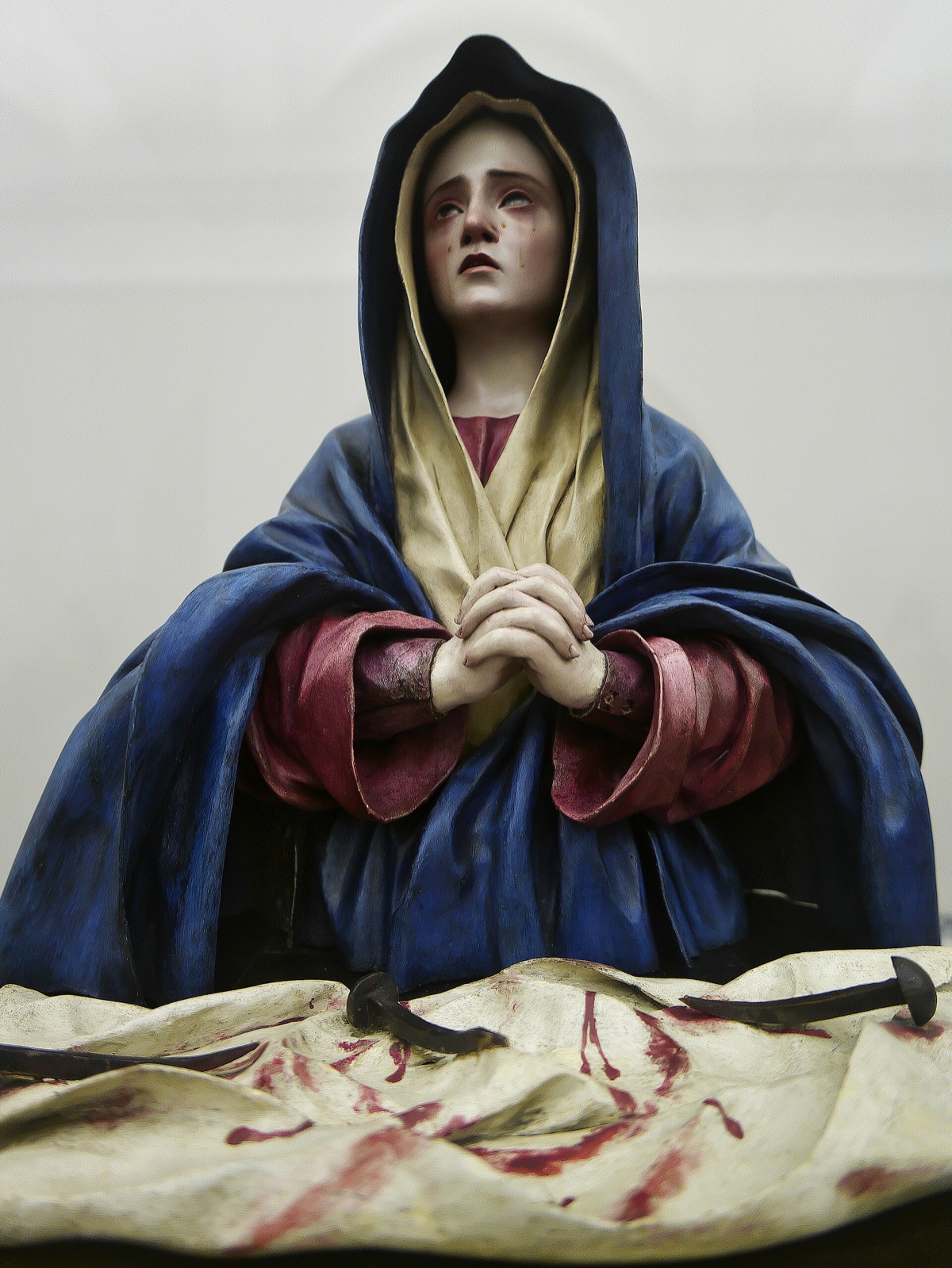
Dolorosa
seventeenth century
A bust of the Virgin of Sorrows in painted wood, her hands crossed.
The life of Pedro de Mena
Between 1675 and 1677 Mena carved the kneeling statues of Ferdinand and Isabella that pray on either side of the main chapel of Granada Cathedral.
The Museum of Fine Arts, in the Palace of Charles V, has a bust of the Virgin of Sorrows by him.
What to know
- Born in Granada, a pupil of Alonso Cano
- Carved the choir stalls of Málaga Cathedral
- His statues of the Catholic Monarchs are in Granada Cathedral
- Born
- August 1628, Granada
- Died
- 13 October 1688, Málaga
Pedro de Mena: common questions
- Where can you see Pedro de Mena in Granada?
- At the Granada Cathedral: Praying statues of the Catholic Monarchs. At the Museum of Fine Arts of Granada, Palace of Charles V: Dolorosa. Museums move and lend their works, so check before a special journey.
- What is Pedro de Mena's most famous work in Granada?
- Praying statues of the Catholic Monarchs, of 1675 to 1677, at the Granada Cathedral. Ferdinand and Isabella kneeling in prayer, in niches on either side of the main chapel.
- When and where was Pedro de Mena born?
- In August 1628, at Granada. Pedro de Mena died on 13 October 1688, at Málaga, aged about 60.
- What is Pedro de Mena known for?
- Born in Granada, a pupil of Alonso Cano. Carved the choir stalls of Málaga Cathedral. His statues of the Catholic Monarchs are in Granada Cathedral. Pedro de Mena was a Spanish sculptor, of the Spanish Baroque.
Tickets and tours: Pedro de Mena in Granada
Things to do near Granada Cathedral
The nearest of this site's best things to do in the city. Distances are in a straight line.
- 3Stand at the tombs of Ferdinand and Isabella in the Royal Chapel50 m awayChurch, 40 to 75 minutes, ticket
- 10Wander the Alcaicería and the Corral del Carbón200 m awayWalk, 45 to 120 minutes, free; a guided walk
- 12Go from bar to bar for tapas300 m awayWalk, 2 to 3 hours, a tapas tour, or what you drink
- 11Bathe in a hammam under the Alhambra450 m awayUnderground, 1.5 to 2 hours, a bath session
Where to eat near Granada Cathedral
The nearest of the famous tables this site lists in Granada. Distances are in a straight line.
- Heladería Los Italianos4.5Ice cream shop, Gran Vía150 m away
- Restaurante Oliver4.4Restaurant, Plaza de la Pescadería150 m away
- Cunini4.2Seafood restaurant, Plaza de la Pescadería150 m away
- Los Manueles4.3Restaurant, Reyes Católicos200 m away
Hotels near Granada Cathedral
The five-star hotels closest to it, of those this site lists in Granada. Distances are in a straight line.
- Seda Club Hotel4.5Five-star hotel, Plaza de la Trinidad250 m away
- Hospes Palacio de los Patos4.6Five-star hotel, Recogidas600 m away
- Hotel Alhambra Palace4.5Five-star hotel, Alhambra hill850 m away
- Áurea Washington Irving4.6Five-star hotel, Alhambra hill1.2 km away
Other artists
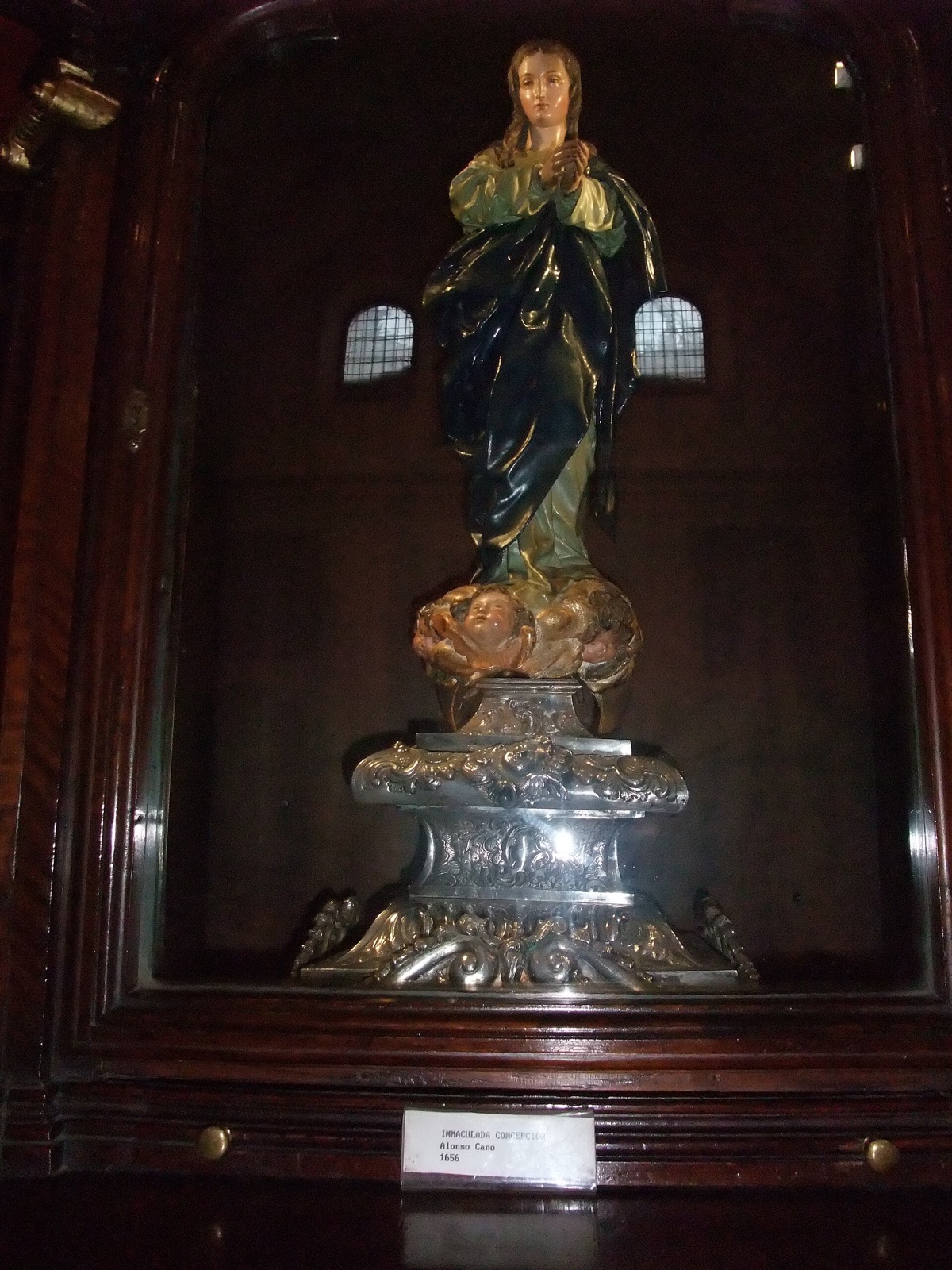
Picture: Javi Guerra Hernando, CC BY-SA 4.0
Painter and sculptor, 1601 to 1667
Alonso Cano
Painter, sculptor and architect, born in Granada, who came home as a canon of the cathedral, painted the life of the Virgin in its main chapel and designed its front.
Spanish Baroque. 3 works in 2 museums
See the artist
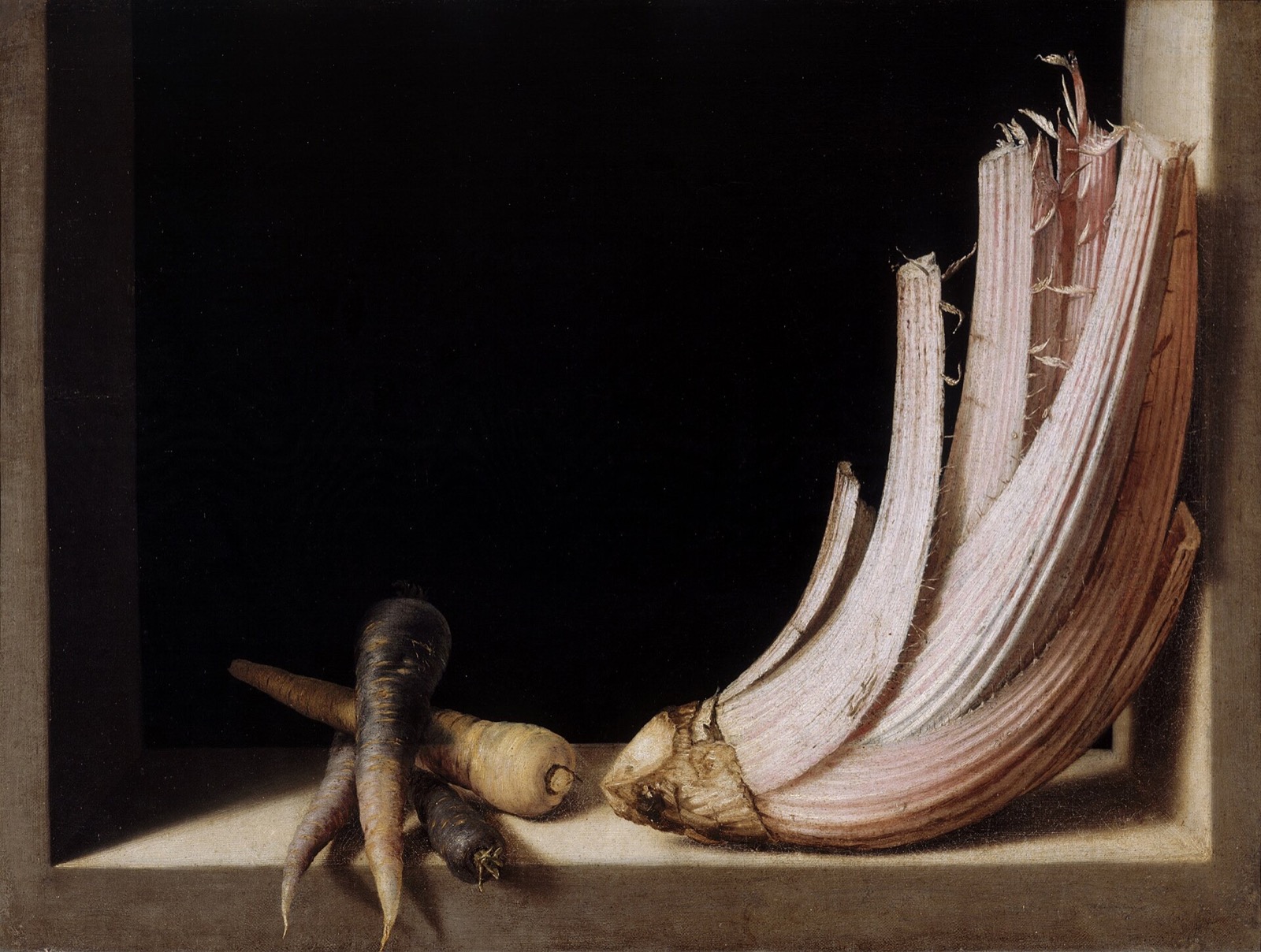
Painter, 1560 to 1627
Juan Sánchez Cotán
The painter of the barest and strangest still lifes in Spanish art, who became a Carthusian lay brother in Granada. His Still Life with Cardoon and Carrots is in the Museum of Fine Arts.
Spanish Baroque. 2 works in 2 museums
See the artist