Painter, 1560 to 1627
Juan Sánchez Cotán
Sánchez Cotán painted for some twenty years in Toledo, where around 1600 he made the handful of still lifes his fame rests on: a few vegetables on a stone ledge against black. Then he gave up the world and entered the Charterhouse of Granada as a lay brother, where he painted only for his monastery until he died in 1627.
- Born
- 1560, Orgaz, near Toledo
- Died
- 1627, Granada
- Movement
- Spanish Baroque
- In Granada
- 2 works in 2 museums
Where to see Juan Sánchez Cotán in Granada
Each work with the museum it hangs in. Museums move and lend their works, so check before a special journey.
Museum of Fine Arts of Granada, Palace of Charles V1 work
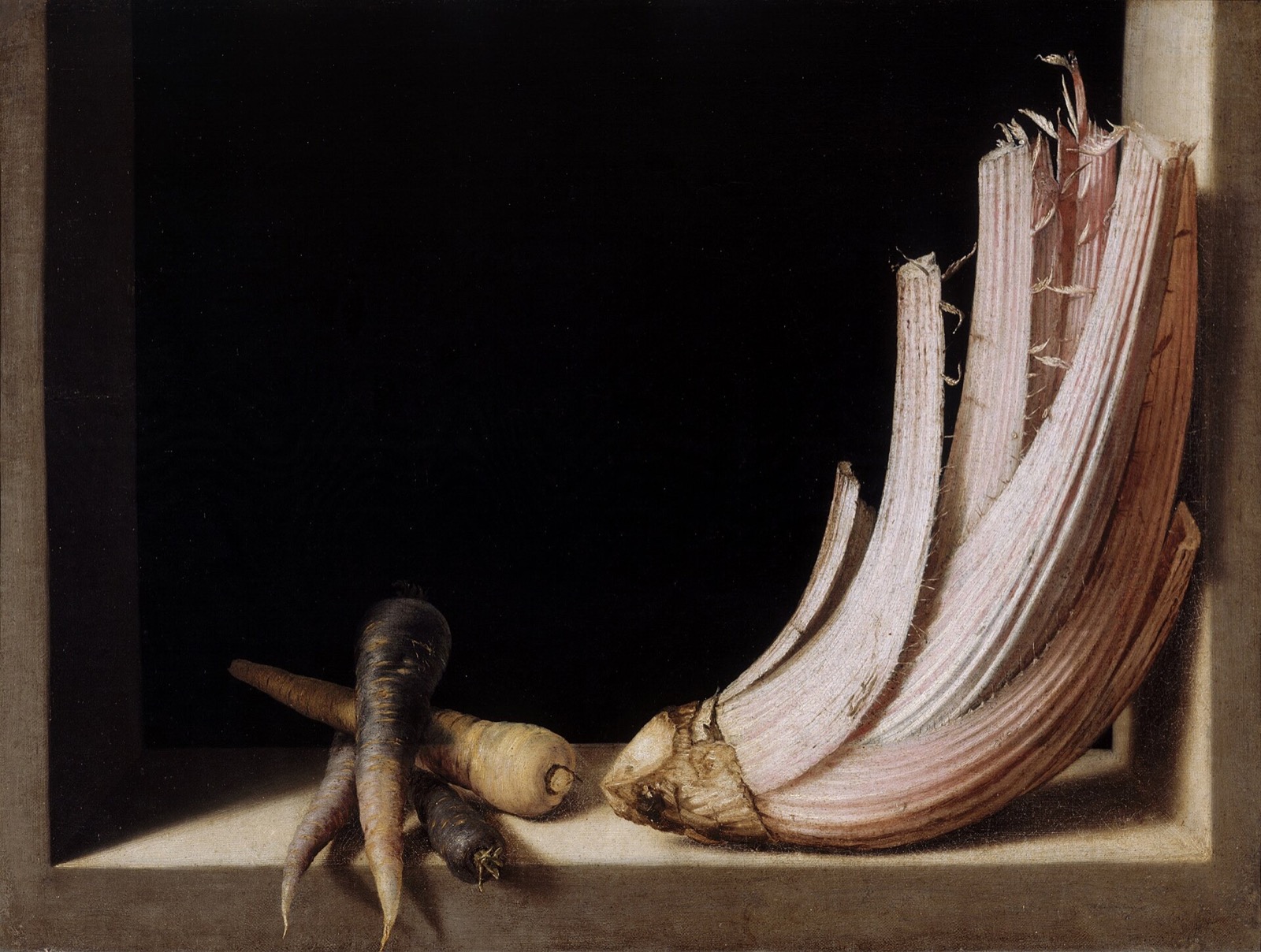
Still Life with Cardoon and Carrots
early seventeenth century
A pale stalk of cardoon and a few carrots on a ledge, lit against black: nothing else.
Monastery of La Cartuja1 work
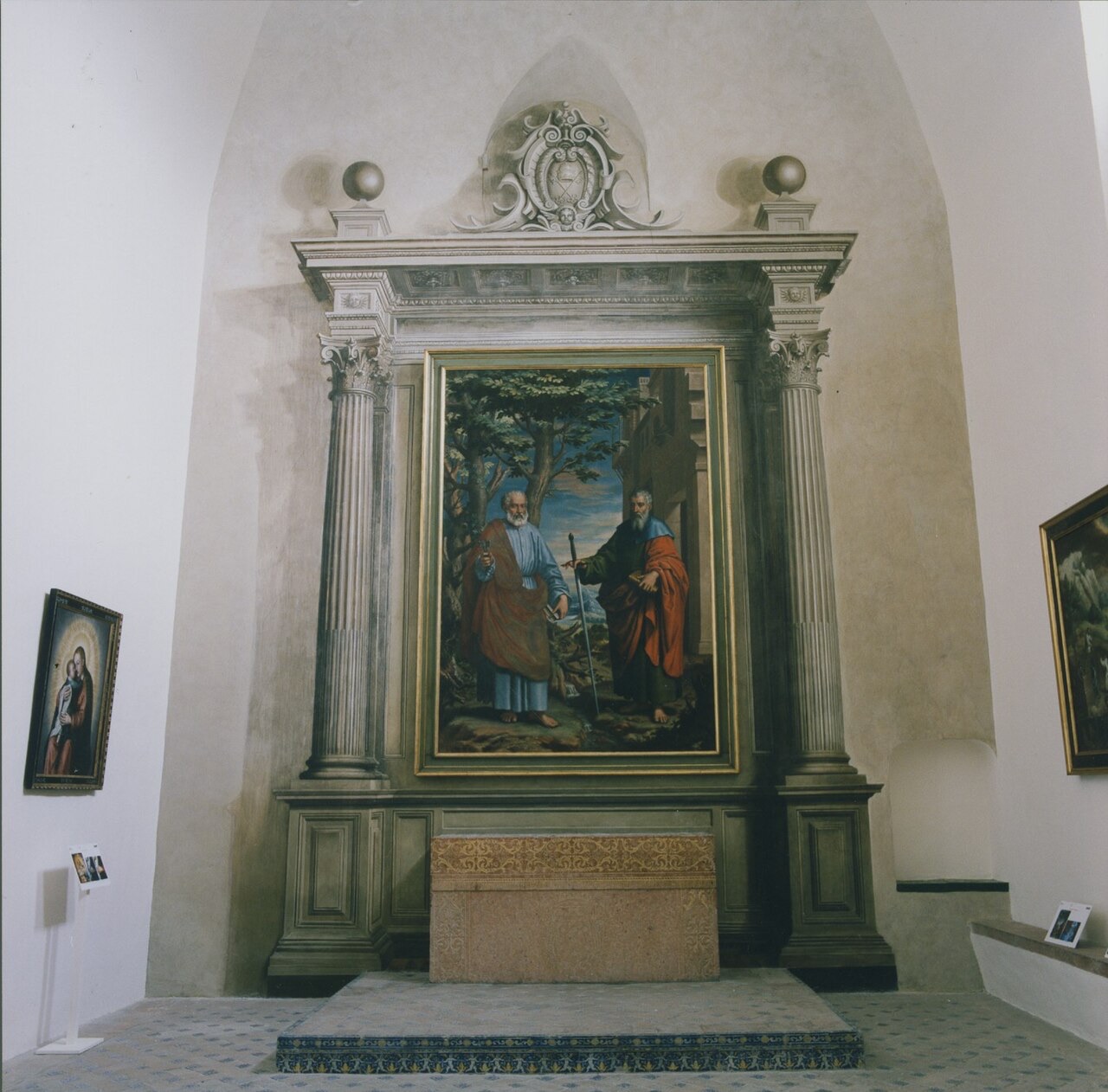
Altarpiece of St Peter and St Paul
after 1603
One of the paintings he made for his own monastery, in the room called De Profundis.
The life of Juan Sánchez Cotán
Only a few of his still lifes are known. They are austere beside the still lifes of Italy and the Netherlands, and some have been read as religious pictures.
The Museum of Fine Arts of Granada, in the Palace of Charles V, has his Still Life with Cardoon and Carrots, perhaps the best work it owns. His religious paintings hang in the Charterhouse he lived in.
What to know
- A pioneer of the Spanish still life
- A Carthusian lay brother in Granada
- His Still Life with Cardoon is in the Museum of Fine Arts
- Born
- 25 June 1560, Orgaz, near Toledo
- Died
- 8 September 1627, Granada
Juan Sánchez Cotán: common questions
- Where can you see Juan Sánchez Cotán in Granada?
- At the Museum of Fine Arts of Granada, Palace of Charles V: Still Life with Cardoon and Carrots. At the Monastery of La Cartuja: Altarpiece of St Peter and St Paul. Museums move and lend their works, so check before a special journey.
- What is Juan Sánchez Cotán's most famous work in Granada?
- Still Life with Cardoon and Carrots, of early seventeenth century, at the Museum of Fine Arts of Granada, Palace of Charles V. A pale stalk of cardoon and a few carrots on a ledge, lit against black: nothing else.
- When and where was Juan Sánchez Cotán born?
- On 25 June 1560, at Orgaz, near Toledo. Juan Sánchez Cotán died on 8 September 1627, at Granada, aged about 67.
- What is Juan Sánchez Cotán known for?
- A pioneer of the Spanish still life. A Carthusian lay brother in Granada. His Still Life with Cardoon is in the Museum of Fine Arts. Juan Sánchez Cotán was a Spanish painter, of the Spanish Baroque.
Tickets and tours: Juan Sánchez Cotán in Granada
Things to do near the Alhambra
The nearest of this site's best things to do in the city. Distances are in a straight line.
- 15Rest in the gardens of the Carmen de los Mártires450 m awayGarden, 45 to 90 minutes, a public garden
- 9Stroll the Carrera del Darro under the Alhambra500 m awayWalk, 30 to 75 minutes, free; a guided walk
- 11Bathe in a hammam under the Alhambra550 m awayUnderground, 1.5 to 2 hours, a bath session
- 5See flamenco in a cave of the Sacromonte600 m awayShow, 1 to 2 hours, ticket for a show
Where to eat near the Alhambra
The nearest of the famous tables this site lists in Granada. Distances are in a straight line.
- Los Manueles4.3Restaurant, Reyes Católicos750 m away
- Heladería Los Italianos4.5Ice cream shop, Gran Vía850 m away
- Café Fútbol4.0Café, Plaza de Mariana Pineda900 m away
- Los Diamantes4.5Tapas bar, Calle Navas950 m away
Hotels near the Alhambra
The five-star hotels closest to it, of those this site lists in Granada. Distances are in a straight line.
- Áurea Washington Irving4.6Five-star hotel, Alhambra hill250 m away
- Hotel Alhambra Palace4.5Five-star hotel, Alhambra hill300 m away
- Seda Club Hotel4.5Five-star hotel, Plaza de la Trinidad1.2 km away
- Hospes Palacio de los Patos4.6Five-star hotel, Recogidas1.4 km away
Other artists
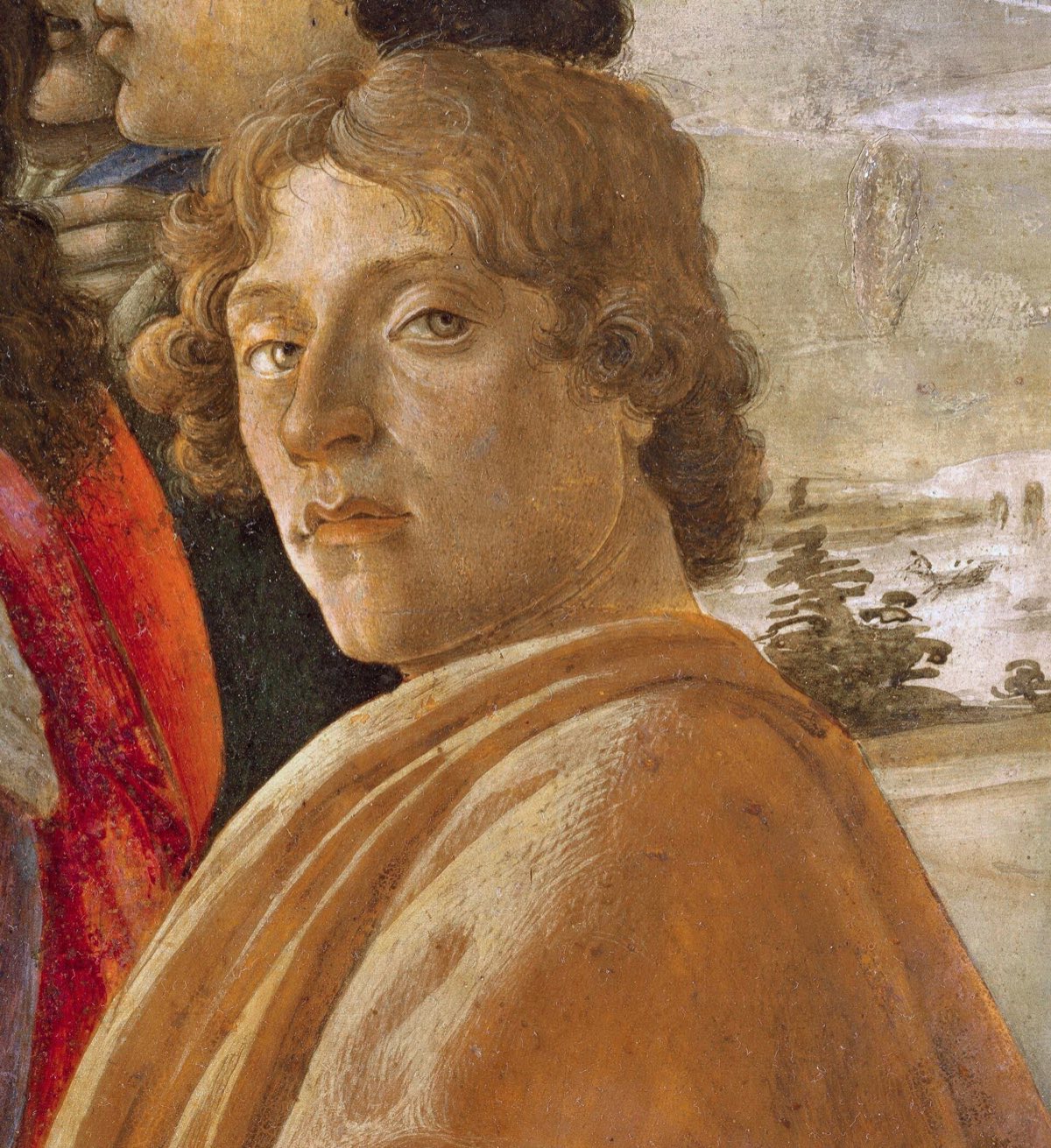
Painter, 1445 to 1510
Sandro Botticelli
The Royal Chapel has Botticelli's Agony in the Garden, which belonged to Queen Isabella: a rare thing, a Botticelli in Spain.
Early Renaissance. 1 work in 1 museum
See the artist
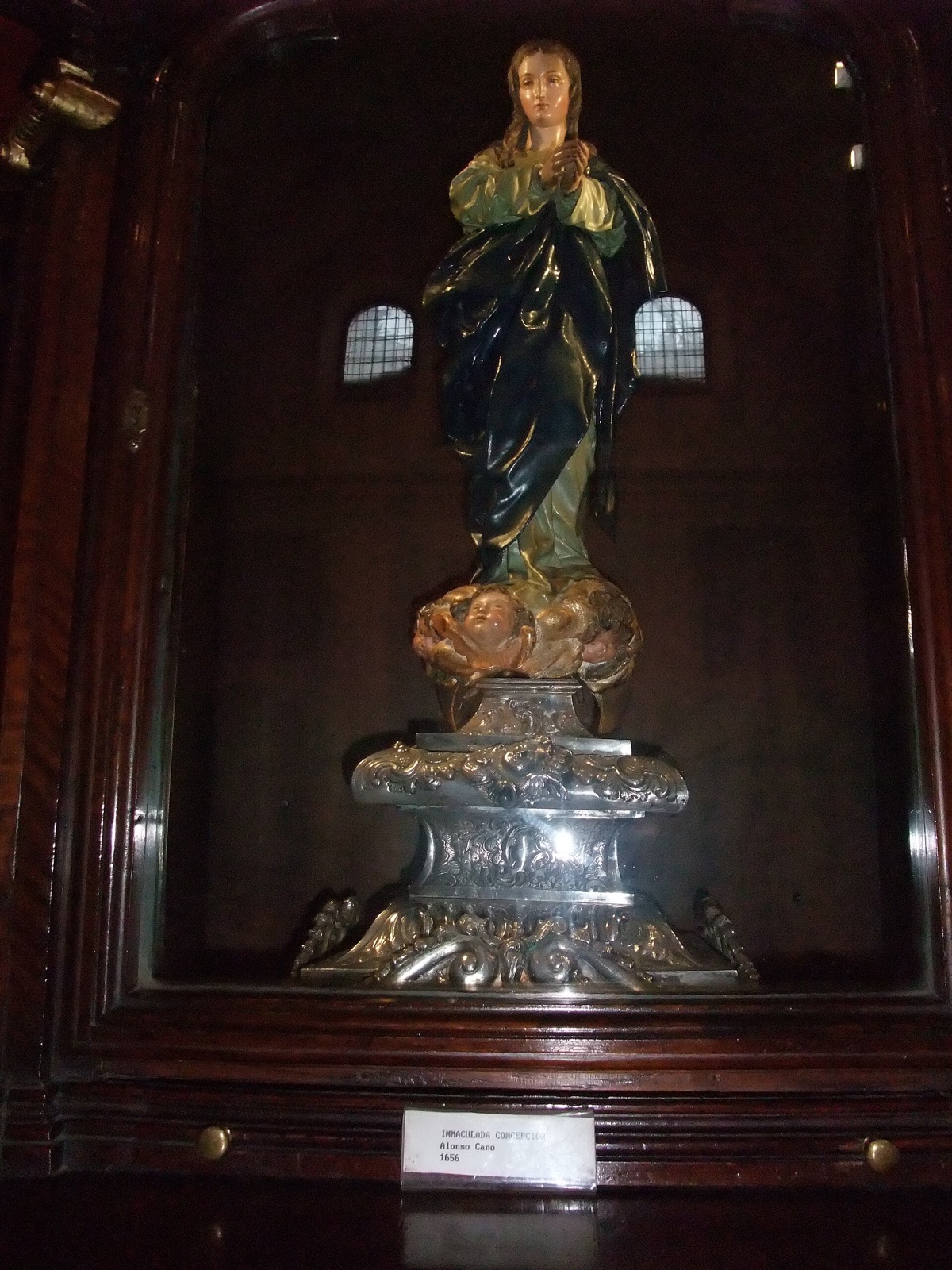
Picture: Javi Guerra Hernando, CC BY-SA 4.0
Painter and sculptor, 1601 to 1667
Alonso Cano
Painter, sculptor and architect, born in Granada, who came home as a canon of the cathedral, painted the life of the Virgin in its main chapel and designed its front.
Spanish Baroque. 3 works in 2 museums
See the artist
Picture: Jl FilpoC, CC BY-SA 4.0
Sculptor, 1628 to 1688
Pedro de Mena
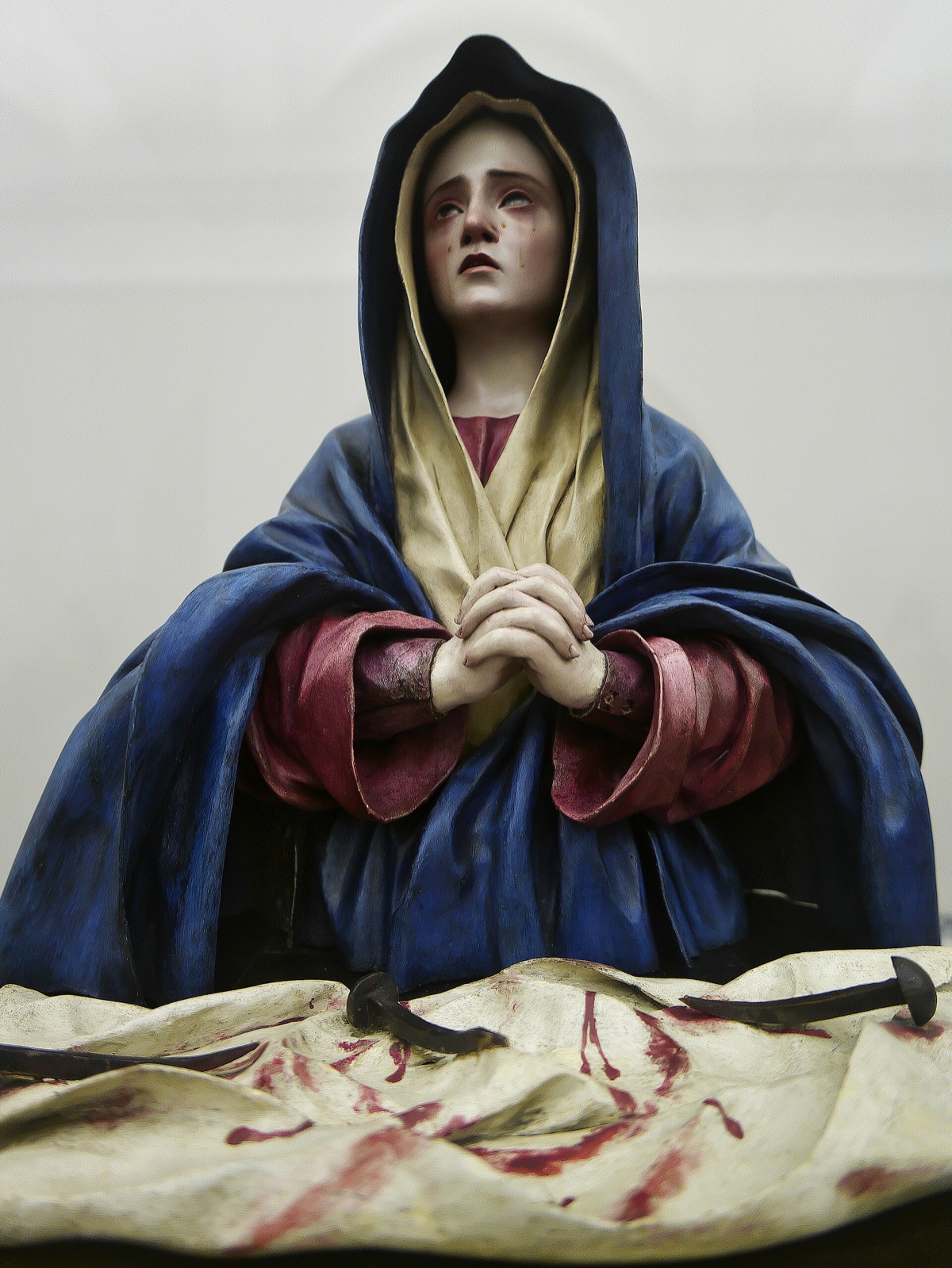
The sculptor of Granada, pupil of his father and of Alonso Cano, known for painted wooden figures of quiet grief. His praying statues of the Catholic Monarchs are in the cathedral.
Spanish Baroque. 2 works in 2 museums
See the artist