Painter, 1430 to 1494
Hans Memling
Memling was born in Germany, trained in the Netherlands, probably in the workshop of Rogier van der Weyden in Brussels, and became a citizen of Bruges in 1465. There he ran a large workshop and grew rich painting altarpieces and portraits for churchmen, bankers and merchants. Queen Isabella owned several of his panels, and the Royal Chapel shows his diptych of the Descent from the Cross.
- Born
- 1430, Seligenstadt, near Frankfurt
- Died
- 1494, Bruges, County of Flanders
- Movement
- Early Netherlandish painting
- In Granada
- 1 work in 1 museum
Where to see Hans Memling in Granada
Each work with the museum it hangs in. Museums move and lend their works, so check before a special journey.
Royal Chapel of Granada1 work
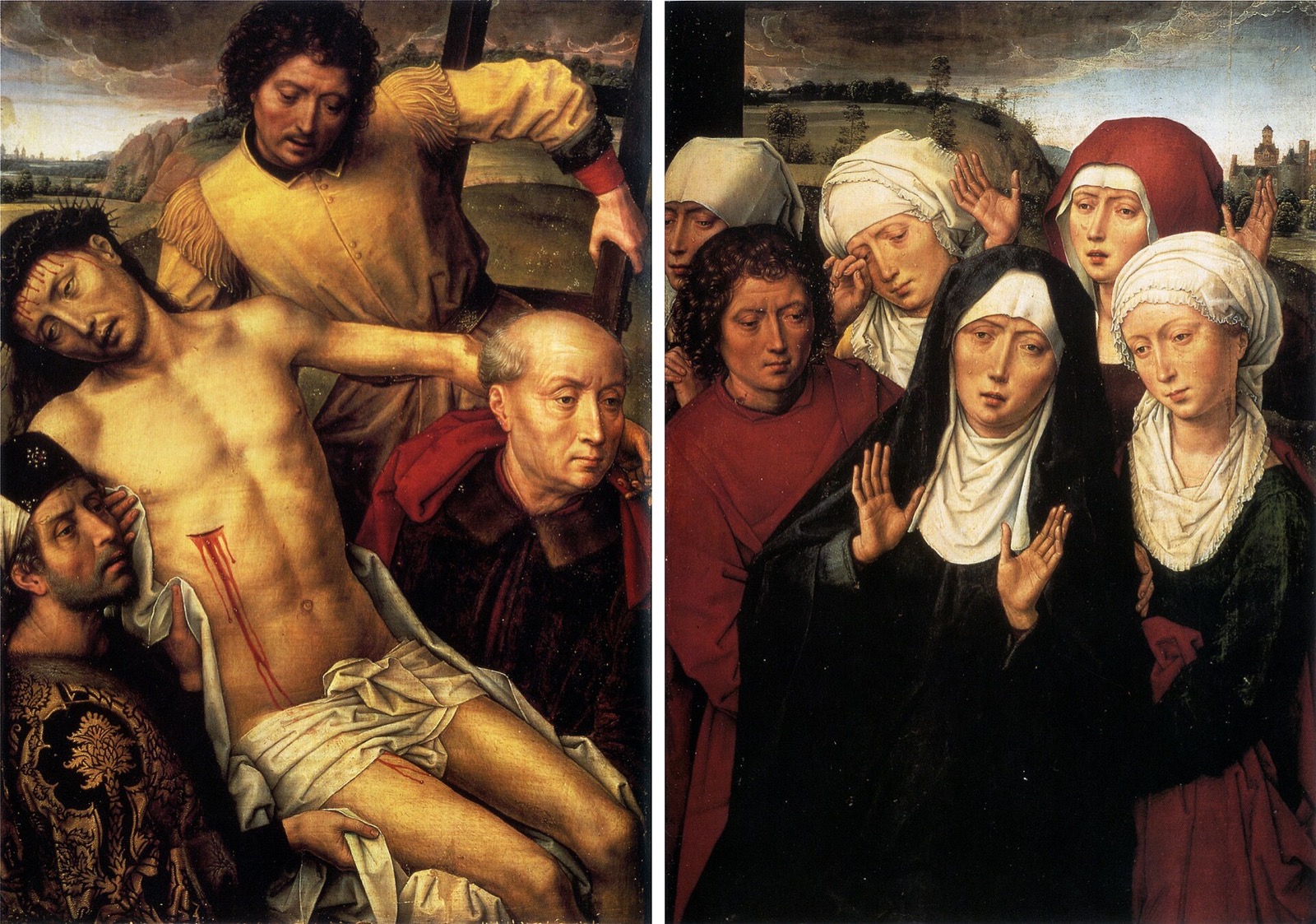
Diptych of the Descent from the Cross
fifteenth century
On one panel the dead Christ is lowered from the cross; on the other the holy women weep.
The life of Hans Memling
His religious works often include portraits of the churchmen, nobles and burghers who paid for them. A tax list of 1480 names him among the wealthiest citizens of Bruges.
His art was rediscovered in the nineteenth century.
What to know
- The leading painter of Bruges
- Probably trained with Rogier van der Weyden
- His diptych of the Descent from the Cross is in the Royal Chapel
- Born
- About 1430, Seligenstadt, near Frankfurt
- Died
- 11 August 1494, Bruges, County of Flanders
Hans Memling: common questions
- Where can you see Hans Memling in Granada?
- At the Royal Chapel of Granada: Diptych of the Descent from the Cross. Museums move and lend their works, so check before a special journey.
- What is Hans Memling's most famous work in Granada?
- Diptych of the Descent from the Cross, of fifteenth century, at the Royal Chapel of Granada. On one panel the dead Christ is lowered from the cross; on the other the holy women weep.
- When and where was Hans Memling born?
- About 1430, at Seligenstadt, near Frankfurt. Hans Memling died on 11 August 1494, at Bruges, County of Flanders, aged about 64.
- What is Hans Memling known for?
- The leading painter of Bruges. Probably trained with Rogier van der Weyden. His diptych of the Descent from the Cross is in the Royal Chapel. Hans Memling was a Netherlandish, born in Germany painter, of Early Netherlandish painting.
Tickets and tours: Hans Memling in Granada
Things to do near the Royal Chapel
The nearest of this site's best things to do in the city. Distances are in a straight line.
- 2See Diego de Siloé's cathedral50 m awayChurch, 45 to 90 minutes, ticket
- 10Wander the Alcaicería and the Corral del Carbón150 m awayWalk, 45 to 120 minutes, free; a guided walk
- 12Go from bar to bar for tapas300 m awayWalk, 2 to 3 hours, a tapas tour, or what you drink
- 11Bathe in a hammam under the Alhambra450 m awayUnderground, 1.5 to 2 hours, a bath session
Where to eat near the Royal Chapel
The nearest of the famous tables this site lists in Granada. Distances are in a straight line.
- Heladería Los Italianos4.5Ice cream shop, Gran Vía100 m away
- Los Manueles4.3Restaurant, Reyes Católicos150 m away
- Restaurante Oliver4.4Restaurant, Plaza de la Pescadería150 m away
- Cunini4.2Seafood restaurant, Plaza de la Pescadería200 m away
Hotels near the Royal Chapel
The five-star hotels closest to it, of those this site lists in Granada. Distances are in a straight line.
- Seda Club Hotel4.5Five-star hotel, Plaza de la Trinidad300 m away
- Hospes Palacio de los Patos4.6Five-star hotel, Recogidas650 m away
- Hotel Alhambra Palace4.5Five-star hotel, Alhambra hill800 m away
- Áurea Washington Irving4.6Five-star hotel, Alhambra hill1.1 km away
Other artists
Painter, 1415 to 1475
Dieric Bouts
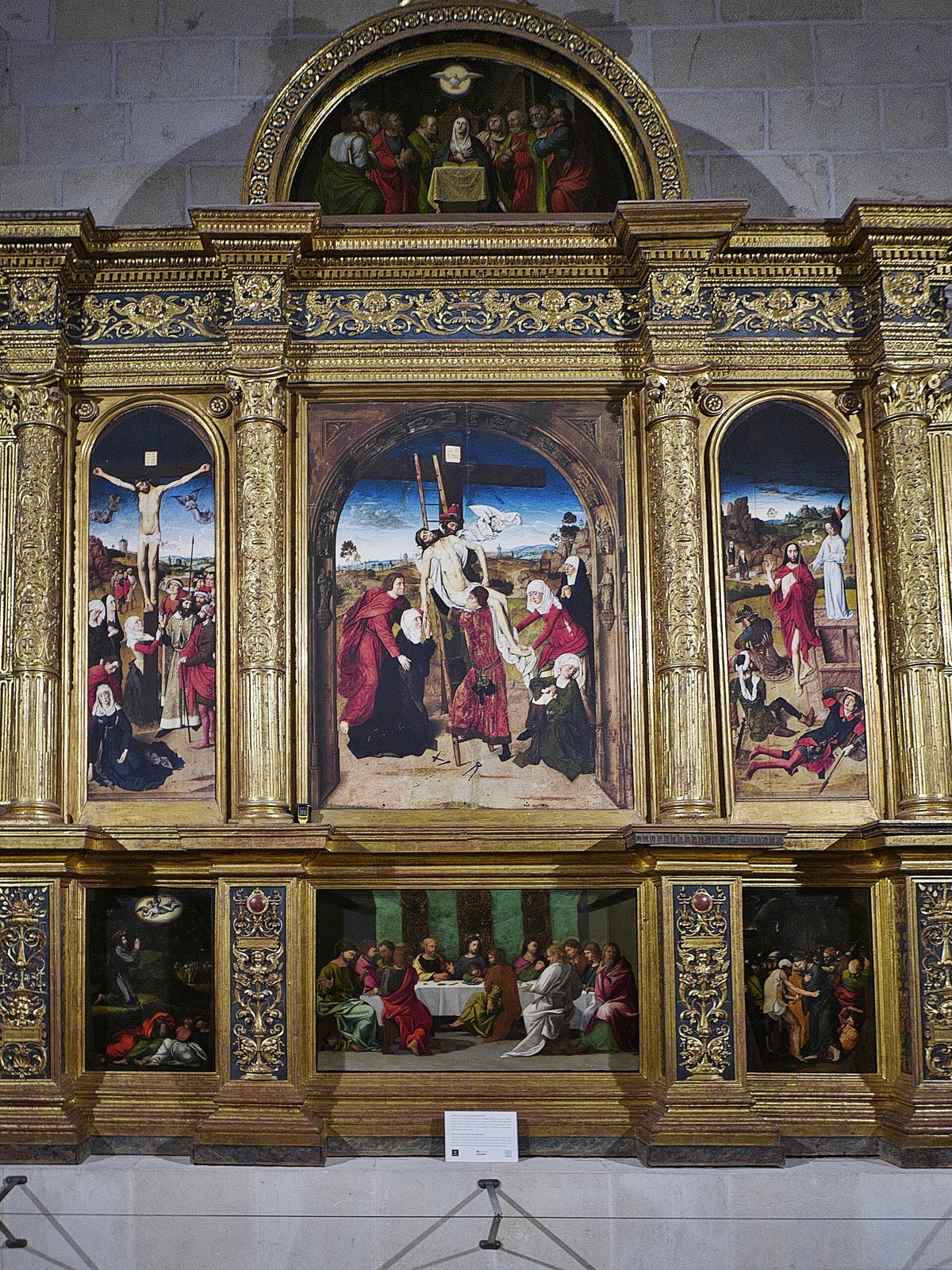
The painter of Leuven, among the first in the north to use a single vanishing point, whose triptych of the Deposition belonged to Queen Isabella and is in the Royal Chapel.
Early Netherlandish painting. 1 work in 1 museum
See the artist
Painter, 1445 to 1510
Sandro Botticelli
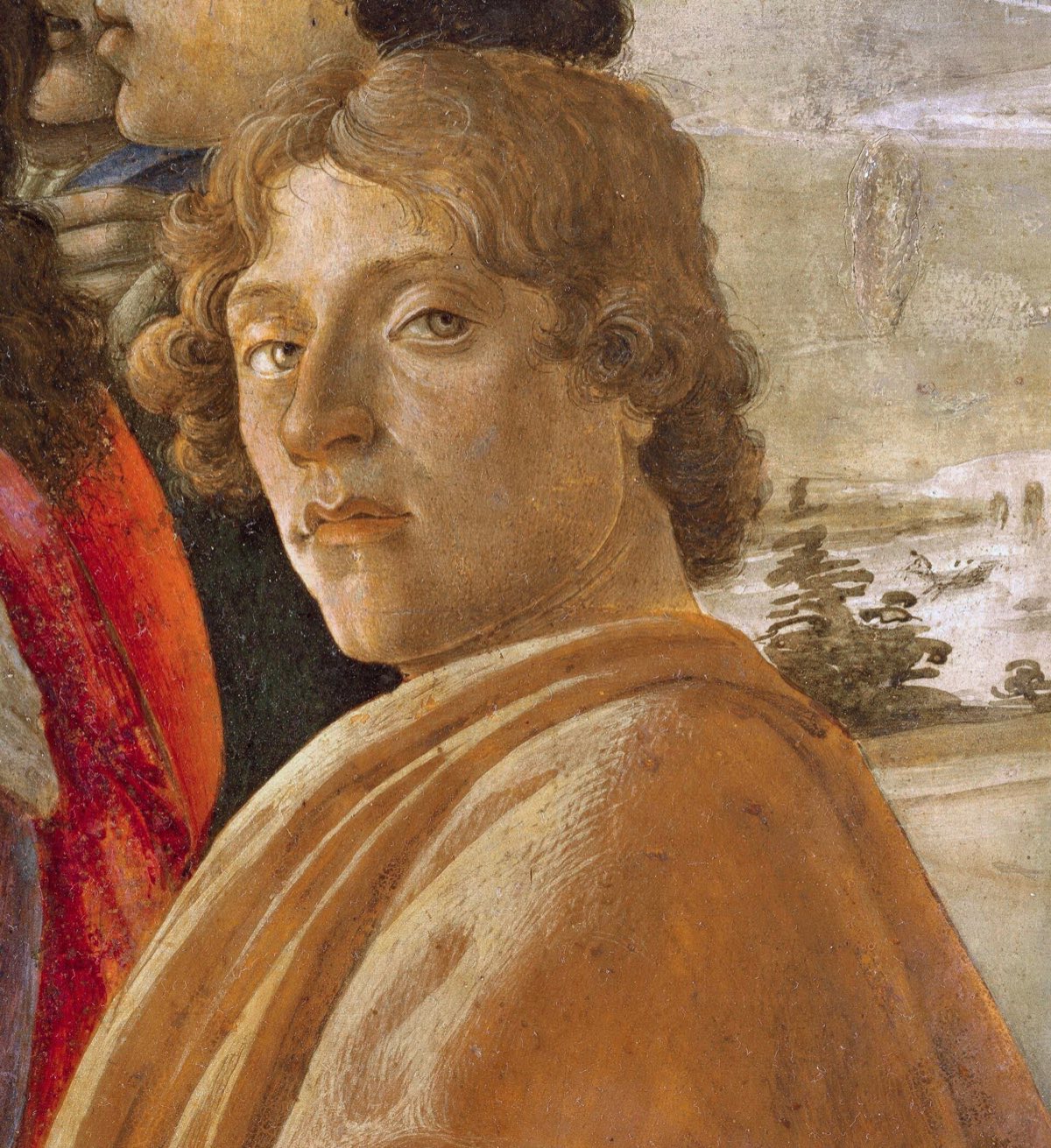
The Royal Chapel has Botticelli's Agony in the Garden, which belonged to Queen Isabella: a rare thing, a Botticelli in Spain.
Early Renaissance. 1 work in 1 museum
See the artist
Painter, 1560 to 1627
Juan Sánchez Cotán
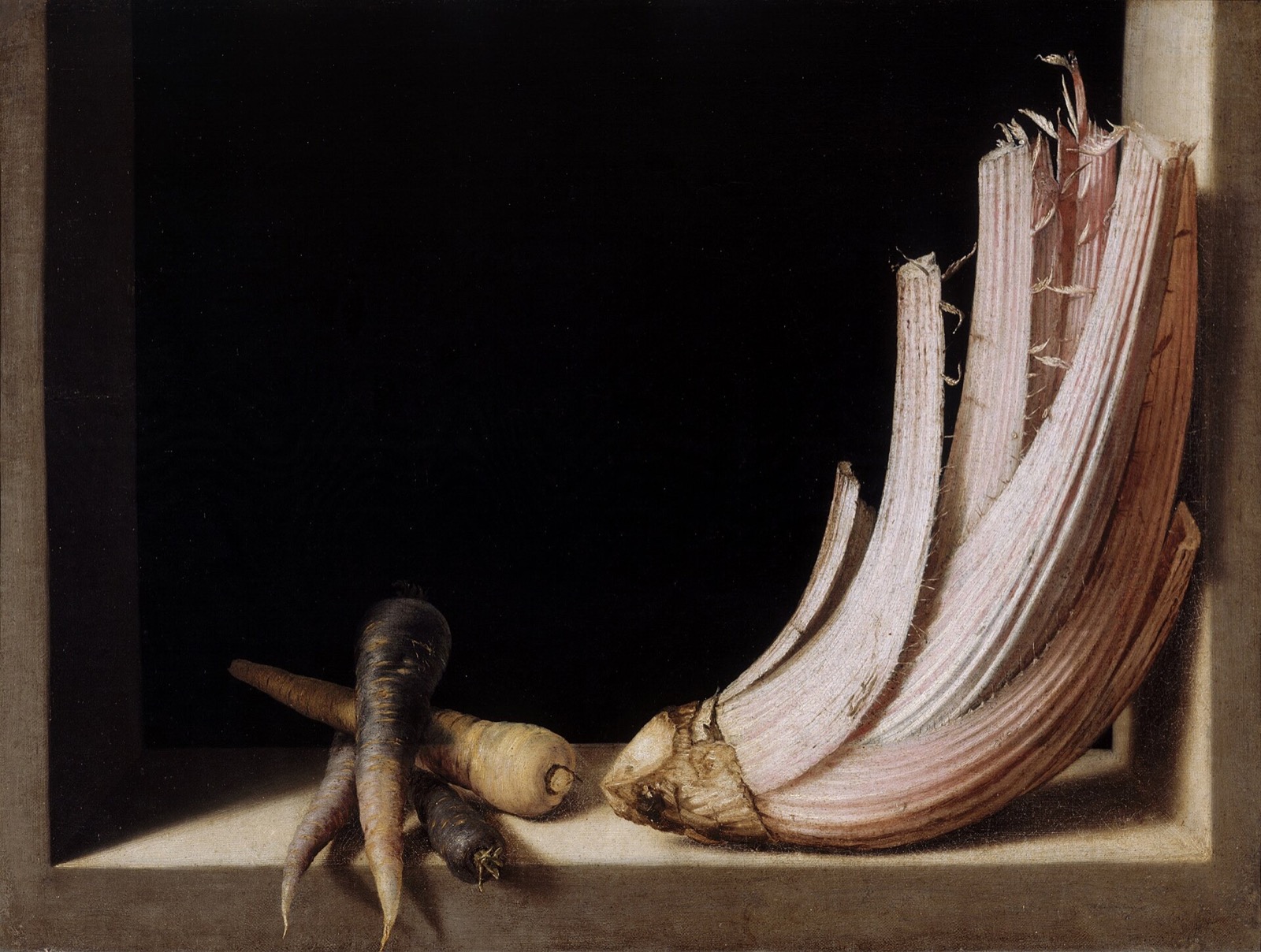
The painter of the barest and strangest still lifes in Spanish art, who became a Carthusian lay brother in Granada. His Still Life with Cardoon and Carrots is in the Museum of Fine Arts.
Spanish Baroque. 2 works in 2 museums
See the artist