Painter, 1267 to 1337
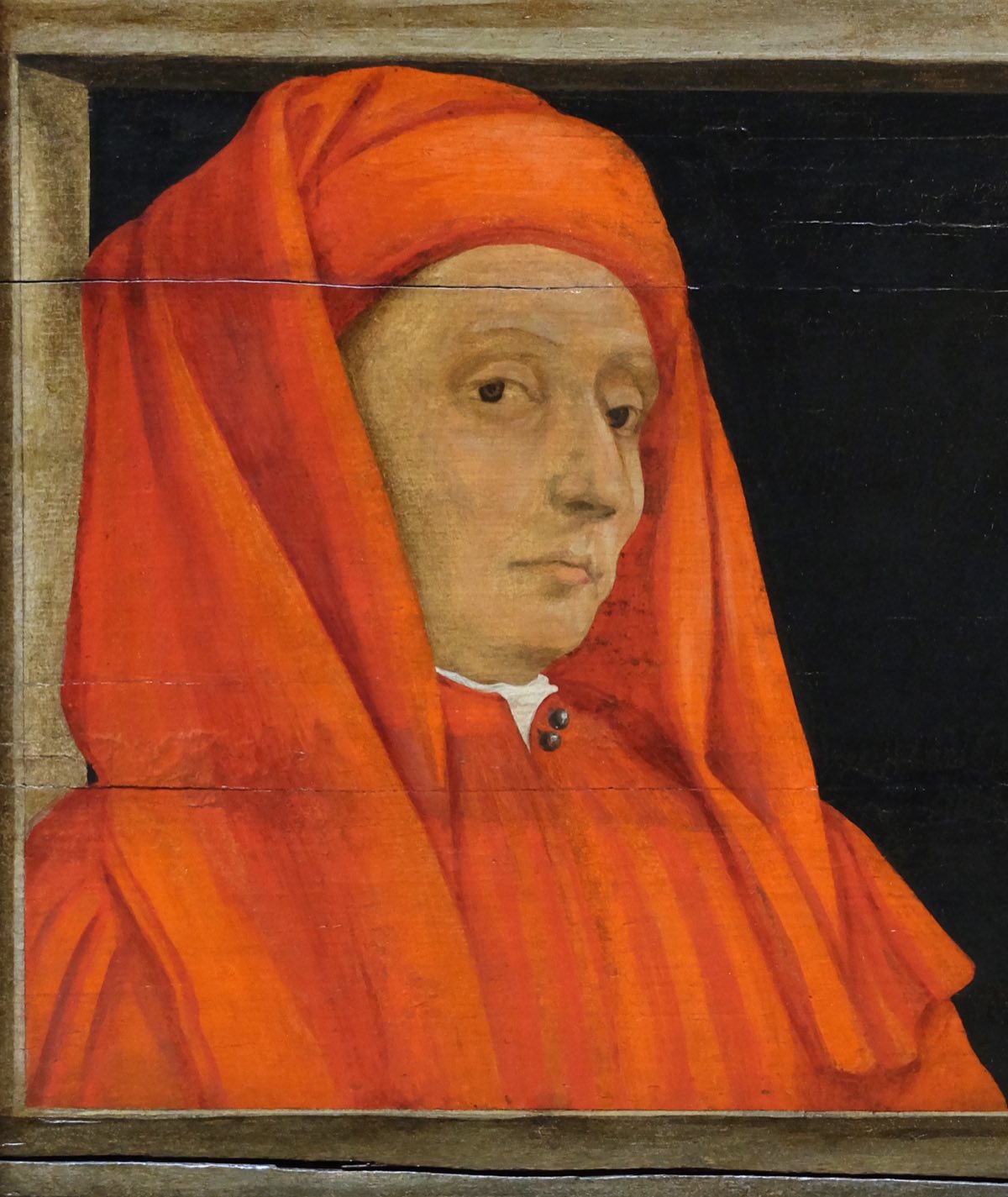
Giotto
Before Giotto, painted figures floated on gold. He gave them weight, a ground to stand on and faces that feel something, and the next two centuries of painting followed from it.
- Born
- 1267, Vespignano, near Florence, Italy
- Died
- 1337, Florence, Italy
- Movement
- Proto-Renaissance
- In Rome
- 2 works in 2 museums
Where to see Giotto in Rome
Each work with the museum it hangs in. Museums move and lend their works, so check before a special journey.
Vatican Museums1 work
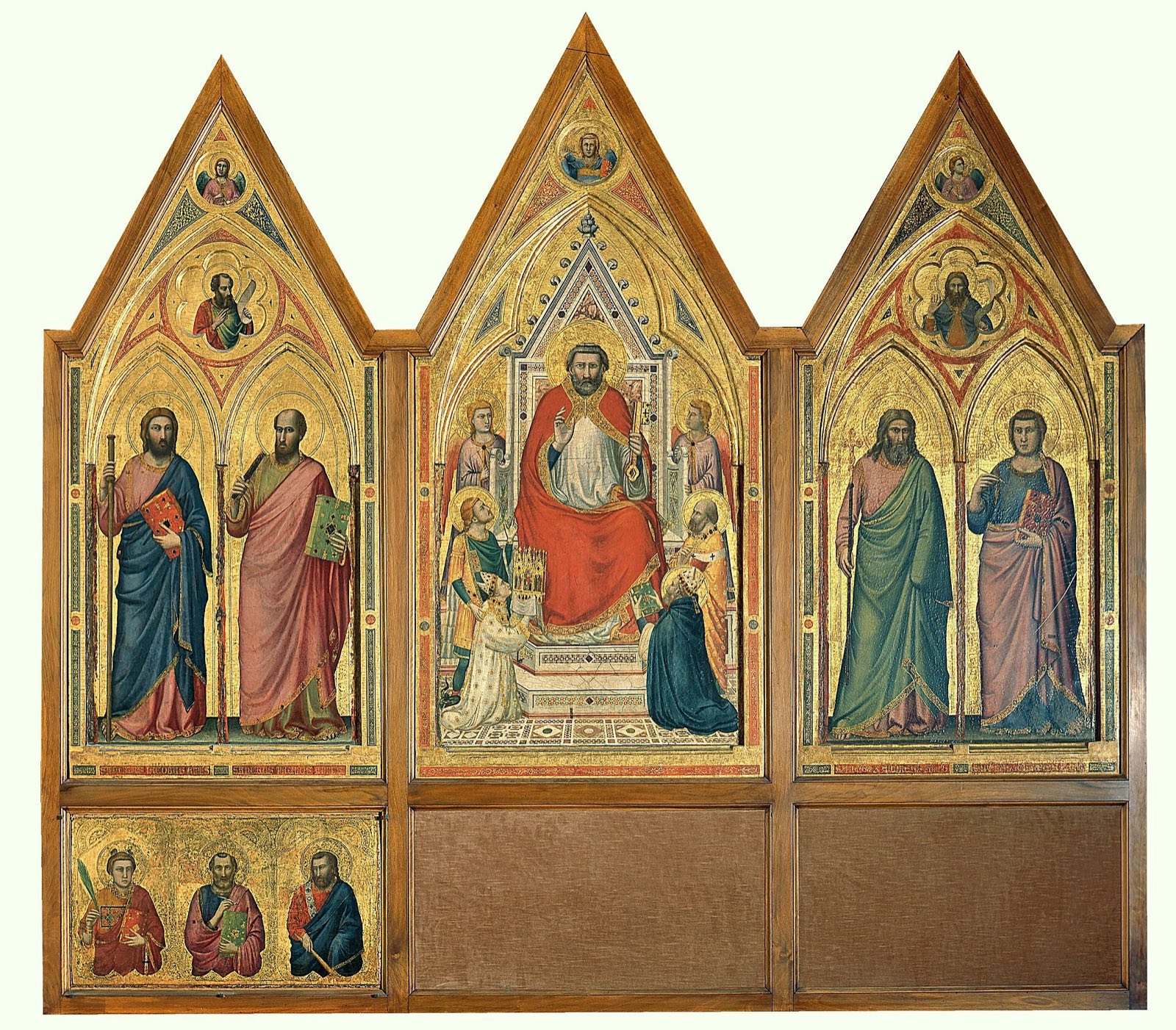
The Stefaneschi Triptych
about 1320 to 1330
An altarpiece painted on both sides for the high altar of old St Peter's, ordered by Cardinal Jacopo Stefaneschi, who is shown kneeling with a model of the altarpiece in his hands. It is in the Pinacoteca.
St Peter's Basilica1 work
The Navicella
about 1305 to 1313
A huge mosaic of Christ walking on the water towards the apostles' boat, made for the old basilica. What you see in the portico today was almost wholly remade in the seventeenth century.
The life of Giotto
Giotto di Bondone was born near Florence around 1267. His best-known work is the chapel he frescoed in Padua around 1305. He was the first painter in Italy whose fame was personal: Dante names him in the Divine Comedy as the man who had taken the field from his master Cimabue.
He was called to Rome more than once to work at St Peter's, the old basilica that stood before the present one. He died in Florence in 1337, in charge of building the bell tower of its cathedral.
What to know
- Frescoed the Scrovegni Chapel in Padua
- Praised by Dante in his own lifetime
- Painted the altarpiece of the high altar of old St Peter's
- Born
- About 1267, Vespignano, near Florence, Italy
- Died
- 8 January 1337, Florence, Italy
Giotto: common questions
- Where can you see Giotto in Rome?
- At the Vatican Museums: The Stefaneschi Triptych. At St Peter's Basilica: The Navicella. Museums move and lend their works, so check before a special journey.
- What is Giotto's most famous work in Rome?
- The Stefaneschi Triptych, of about 1320 to 1330, at the Vatican Museums. An altarpiece painted on both sides for the high altar of old St Peter's, ordered by Cardinal Jacopo Stefaneschi, who is shown kneeling with a model of the altarpiece in his hands. It is in the Pinacoteca.
- When and where was Giotto born?
- About 1267, at Vespignano, near Florence, Italy. Giotto died on 8 January 1337, at Florence, Italy, aged about 70.
- What is Giotto known for?
- Frescoed the Scrovegni Chapel in Padua. Praised by Dante in his own lifetime. Painted the altarpiece of the high altar of old St Peter's. Giotto was an Italian painter, of the Proto-Renaissance.
Tickets and tours: Giotto in Rome
Things to do near the Vatican Museums
The nearest of this site's best things to do in the city. Distances are in a straight line.
- 3Climb the dome of St Peter's500 m awayChurch, 1.5 to 2.5 hours, free, ticket for the dome
- 10Go up Castel Sant'Angelo1.1 km awayMonument, 1.5 to 2 hours, ticket
- 7Walk Piazza Navona and its fountains1.8 km awayWalk, 30 to 60 minutes, free
- 20Find Caravaggio's paintings in three churches1.9 km awayChurch, 1 to 2 hours, free
Where to eat near the Vatican Museums
The nearest of the famous tables this site lists in Rome. Distances are in a straight line.
- Il Matriciano4.1Restaurant, Vatican550 m away
- Pizzarium4.1Pizza by the slice, Vatican550 m away
- La Campana4.3Restaurant, Piazza Navona1.8 km away
- Il Vero Alfredo4.1Restaurant, Piazza Augusto Imperatore2.0 km away
Hotels near the Vatican Museums
The five-star hotels closest to it, of those this site lists in Rome. Distances are in a straight line.
- Rome Cavalieri4.6Five-star hotel, Monte Mario1.5 km away
- Hotel Raphaël4.5Five-star hotel, Piazza Navona1.7 km away
- Bulgari Hotel Roma4.7Five-star hotel, Piazza Augusto Imperatore1.9 km away
- J.K. Place Roma4.8Five-star hotel, Via del Corso1.9 km away
Other artists
Painter, 1395 to 1455
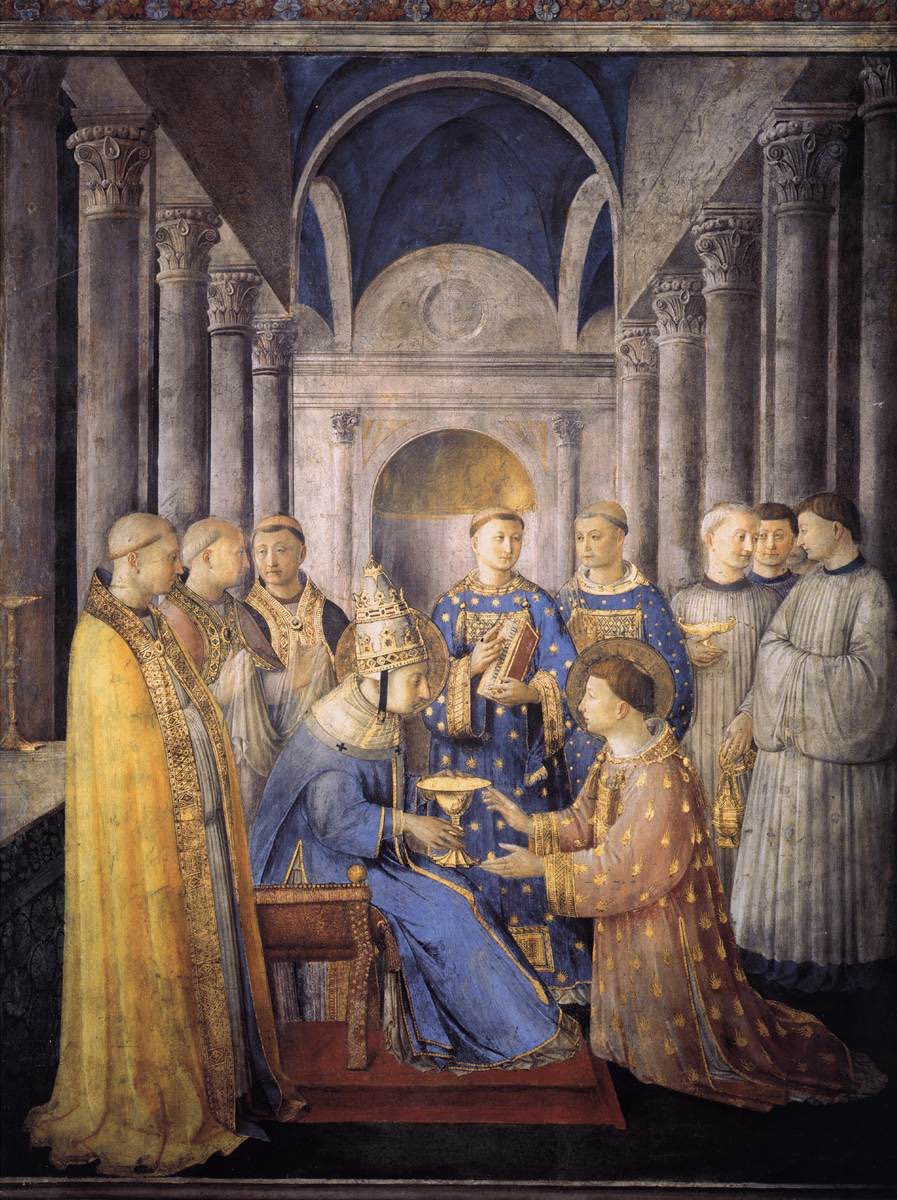
Fra Angelico
The Dominican friar who painted the cells of San Marco in Florence spent his last years in Rome. A chapel he frescoed for the pope survives in the Vatican.
Early Renaissance. 2 works in 1 museum
See the artist
Painter, 1445 to 1510
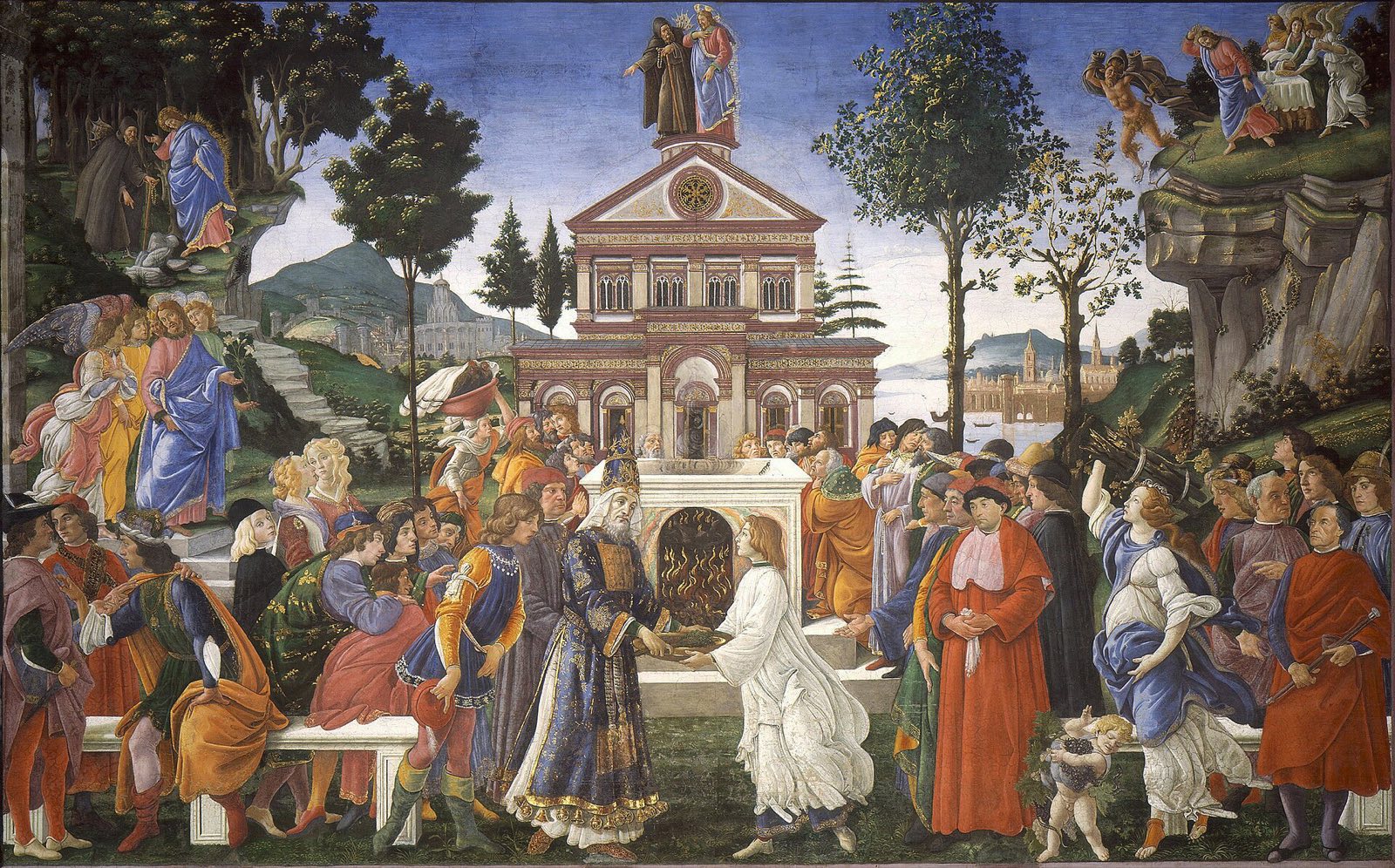
Sandro Botticelli
The painter of the Birth of Venus left Florence once for a great commission: three of the frescoes on the side walls of the Sistine Chapel.
Early Renaissance. 3 works in 1 museum
See the artist