Painter, 1839 to 1906
Paul Cézanne
Cézanne wanted to make of Impressionism something solid and lasting, like the art of the museums. He did it with a few apples on a table, and changed painting for good.
- Born
- 1839, Aix-en-Provence, France
- Died
- 1906, Aix-en-Provence, France
- Movement
- Post-Impressionism
- In Paris
- 3 works in 2 museums
Where to see Paul Cézanne in Paris
Each work with the museum it hangs in. Museums move and lend their works, so check before a special journey.
Musée d'Orsay2 works
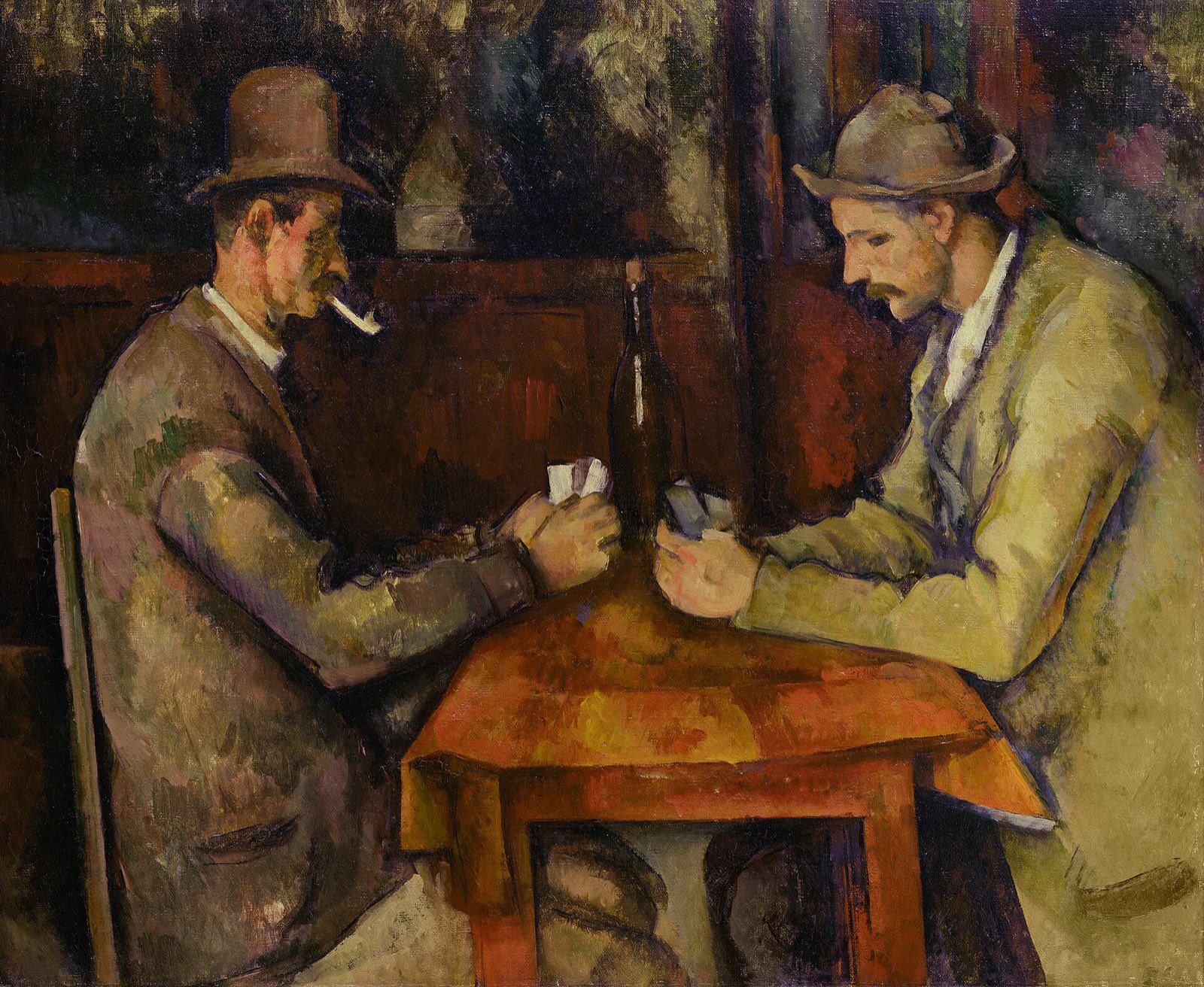
The Card Players
1890 to 1895
Two men of Provence facing each other across a small table, a bottle between them. The last and barest of his five versions.
Apples and Oranges
about 1899
Fruit, a jug and a tumbling cloth, seen from several angles at once. One of the richest of his late still lifes.
Musée de l'Orangerie1 work
Still lifes, landscapes and portraits
1870s to 1890s
The dealer Paul Guillaume bought Cézanne early. Fifteen of his paintings are in the collection on the lower floor, under the Water Lilies.
The life of Paul Cézanne
Cézanne was born in Aix-en-Provence in 1839, the son of a banker, and was at school with Émile Zola. He came to Paris, was refused by the Salon for twenty years, and showed with the Impressionists. Then he went home to Provence and worked alone.
He painted the same things again and again: the Mont Sainte-Victoire, bathers, still lifes, men playing cards. He built them out of small planes of colour, and the Cubists took it from there. He was caught in a storm while painting outdoors in October 1906 and died a week later.
What to know
- The bridge between Impressionism and Cubism
- Painted five versions of The Card Players
- Worked alone in Provence for most of his life
- Born
- 19 January 1839, Aix-en-Provence, France
- Died
- 22 October 1906, Aix-en-Provence, France
Paul Cézanne: common questions
- Where can you see Paul Cézanne in Paris?
- At the Musée d'Orsay: The Card Players and Apples and Oranges. At the Musée de l'Orangerie: Still lifes, landscapes and portraits. Museums move and lend their works, so check before a special journey.
- What is Paul Cézanne's most famous work in Paris?
- The Card Players, of 1890 to 1895, at the Musée d'Orsay. Two men of Provence facing each other across a small table, a bottle between them. The last and barest of his five versions.
- When and where was Paul Cézanne born?
- On 19 January 1839, at Aix-en-Provence, France. Paul Cézanne died on 22 October 1906, at Aix-en-Provence, France, aged about 67.
- What is Paul Cézanne known for?
- The bridge between Impressionism and Cubism. Painted five versions of The Card Players. Worked alone in Provence for most of his life. Paul Cézanne was a French painter, of Post-Impressionism.
Things to do near the Musée d'Orsay
The nearest of this site's best things to do in the city. Distances are in a straight line.
- 13Sit with Monet's Water Lilies at the Orangerie500 m awayMuseum, 1 to 1.5 hours, ticket
- 2See the Mona Lisa at the Louvre800 m awayMuseum, 3 to 4 hours, ticket
- 15Find The Thinker in Rodin's garden950 m awayMuseum, 1.5 to 2 hours, ticket
- 3Cruise the Seine1.1 km awayOn the water, 1 hour, ticket
Hotels near the Musée d'Orsay
The five-star hotels closest to it, of those this site lists in Paris. Distances are in a straight line.
- Hôtel Regina Louvre4.3Five-star hotel, Place des Pyramides, facing the Tuileries600 m away
- Le Meurice4.5Five-star hotel, Palace, Rue de Rivoli, facing the Tuileries600 m away
- Hôtel du Louvre4.6Five-star hotel, Place André-Malraux, facing the Louvre750 m away
- Mandarin Oriental, Paris4.7Five-star hotel, Rue Saint-Honoré, by the Place Vendôme800 m away
Other artists
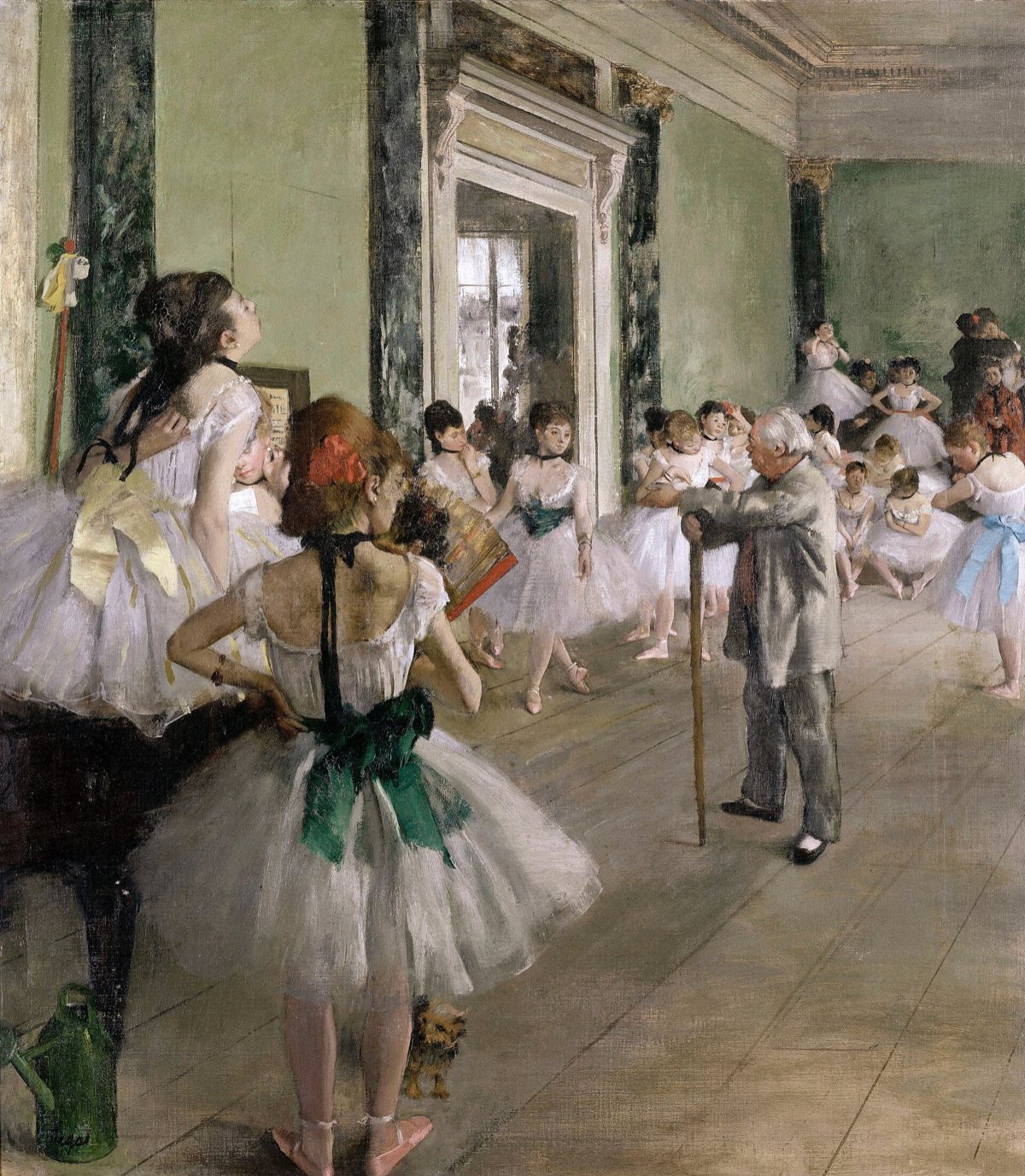
Painter and sculptor, 1834 to 1917
Edgar Degas
The painter of the dancers of the Paris Opera, seen backstage, in rehearsal and from odd angles. The Musée d'Orsay has the largest collection of his work, the Little Dancer among it.
Impressionism. 4 works in 1 museum
See the artist
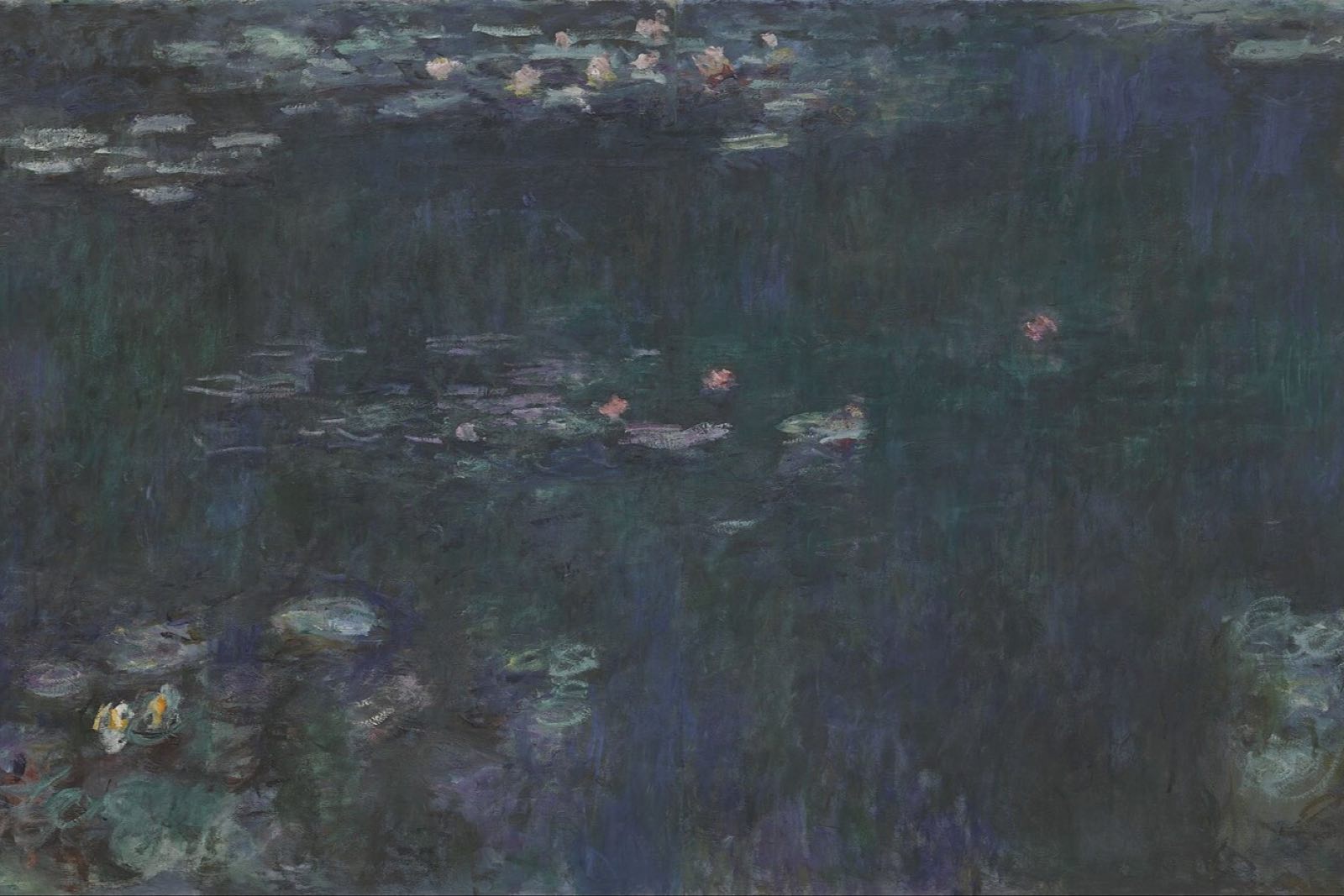
Painter, 1840 to 1926
Claude Monet
The painter who gave Impressionism its name, and its purest form. Paris has him in three museums: the Musée d'Orsay, the Orangerie, built around his Water Lilies, and the Marmottan.
Impressionism. 5 works in 3 museums
See the artist
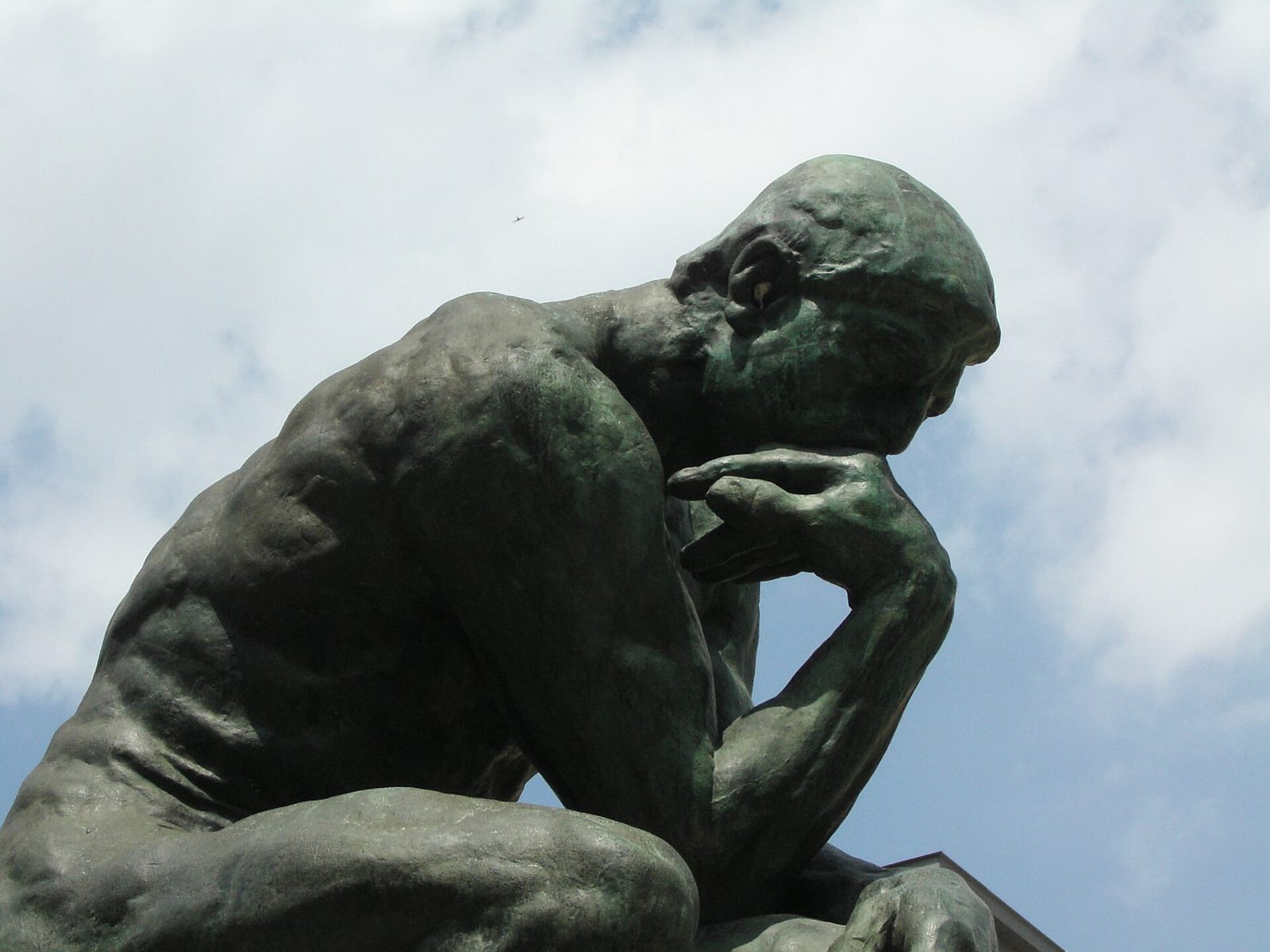
Sculptor, 1840 to 1917
Auguste Rodin
The sculptor of The Thinker and The Kiss. He left everything to France on condition that it became a museum, and it did: the Musée Rodin, in the mansion where he worked.
Modern sculpture. 4 works in 1 museum
See the artist