Sculptor, 1374 to 1438
Jacopo della Quercia
Jacopo della Quercia, a contemporary of Brunelleschi, Ghiberti and Donatello, was born near Siena and trained by his father, a woodcarver and goldsmith. He made the tomb of Ilaria del Carretto in Lucca and the Fonte Gaia in Siena. From 1425 until his death he worked on the Porta Magna, the main door of San Petronio, with reliefs of the stories of Genesis.
- Born
- 1374, Quercegrossa, near Siena
- Died
- 1438, Siena
- Movement
- Early Renaissance
- In Bologna
- 1 work in 1 museum
Where to see Jacopo della Quercia in Bologna
Each work with the museum it hangs in. Museums move and lend their works, so check before a special journey.
Basilica of San Petronio, Bologna1 work
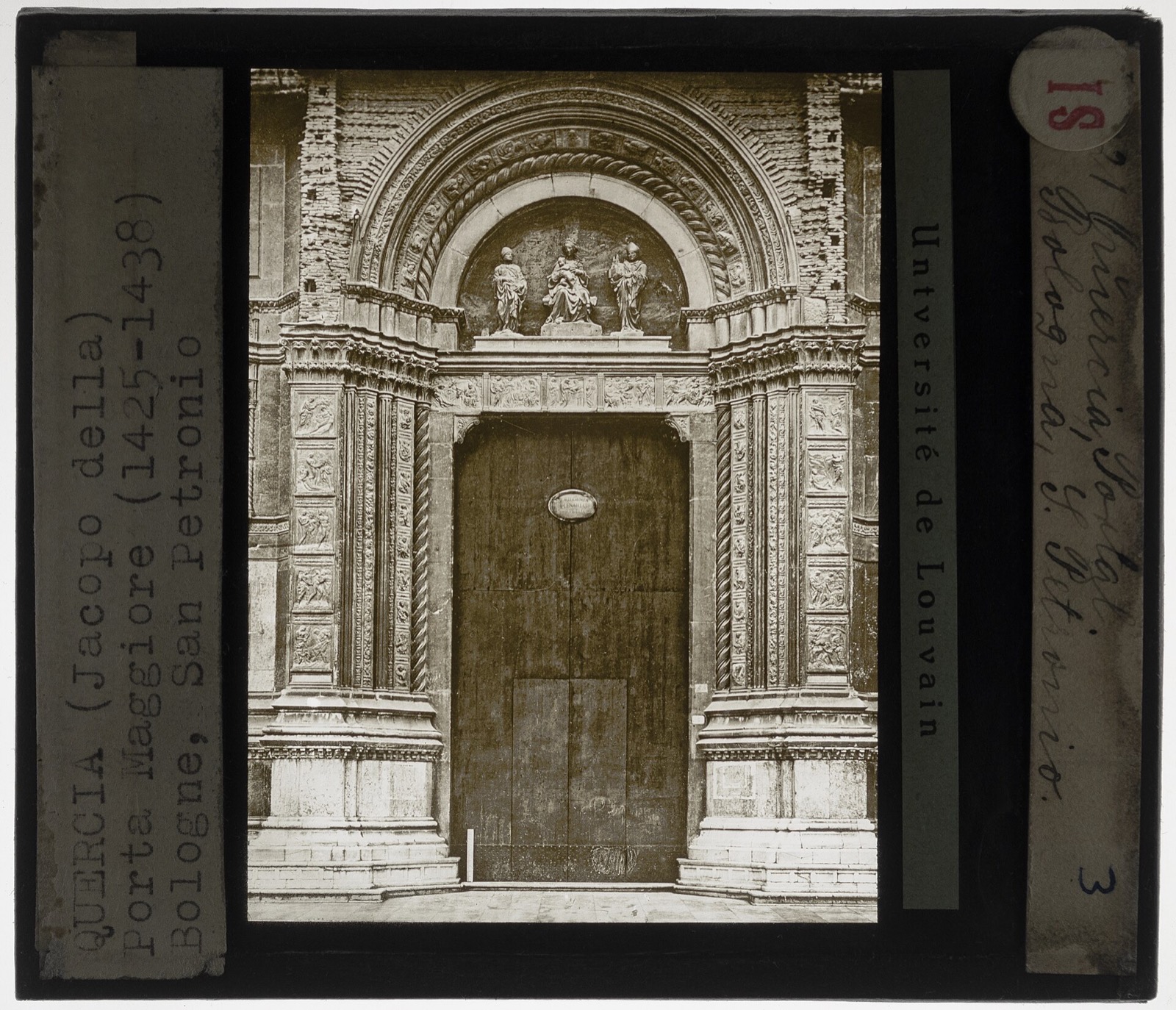
Porta Magna, the reliefs
1425 to 1438
Stories of Genesis round the central door of San Petronio.
The life of Jacopo della Quercia
The reliefs of the Creation of Adam and the Fall on the door of San Petronio are among the most powerful sculptures of the early Renaissance.
What to know
- The Porta Magna of San Petronio
- The Fonte Gaia in Siena
- The tomb of Ilaria del Carretto
- Born
- About 1374, Quercegrossa, near Siena
- Died
- 20 October 1438, Siena
Jacopo della Quercia: common questions
- Where can you see Jacopo della Quercia in Bologna?
- At the Basilica of San Petronio, Bologna: Porta Magna, the reliefs. Museums move and lend their works, so check before a special journey.
- What is Jacopo della Quercia's most famous work in Bologna?
- Porta Magna, the reliefs, of 1425 to 1438, at the Basilica of San Petronio, Bologna. Stories of Genesis round the central door of San Petronio.
- When and where was Jacopo della Quercia born?
- About 1374, at Quercegrossa, near Siena. Jacopo della Quercia died on 20 October 1438, at Siena, aged about 64.
- What is Jacopo della Quercia known for?
- The Porta Magna of San Petronio. The Fonte Gaia in Siena. The tomb of Ilaria del Carretto. Jacopo della Quercia was an Italian sculptor, of the Early Renaissance.
Tickets and tours: Jacopo della Quercia in Bologna
Things to do near San Petronio
The nearest of this site's best things to do in the city. Distances are in a straight line.
- 14Taste tortellini, mortadella and Parmigiano with a local50 m awayWalk, 3 to 4 hours, tour, with tastings
- 16Hear the legends of Bologna on a walk after dark50 m awayWalk, 1.5 to 2 hours, tour
- 10Meet the Etruscans and the pharaohs at the archaeological museum100 m awayMuseum, 1 to 2 hours, ticket
- 5Climb the Clock Tower of Palazzo d'Accursio over Piazza Maggiore100 m awayMuseum, 1 to 2 hours, booked ticket for the tower and the collections
Where to eat near San Petronio
The nearest of the famous tables this site lists in Bologna. Distances are in a straight line.
- Osteria del Sole4.6Osteria, Quadrilatero100 m away
- Trattoria Gianni4.4Trattoria, Quadrilatero150 m away
- Sfoglia Rina4.5Restaurant, Centro250 m away
- Da Cesari4.6Restaurant, Centro300 m away
Hotels near San Petronio
The hotels closest to it, of those this site lists in Bologna. Distances are in a straight line.
- Art Hotel Commercianti4.7Four-star hotel, Centro100 m away
- Art Hotel Orologio4.6Four-star hotel, Centro100 m away
- Phi Hotel Bologna4.5Four-star hotel, Centro150 m away
- Grand Hotel Majestic già Baglioni4.6Five-star hotel, Centro300 m away
Other artists
Painter, 1309 to 1360
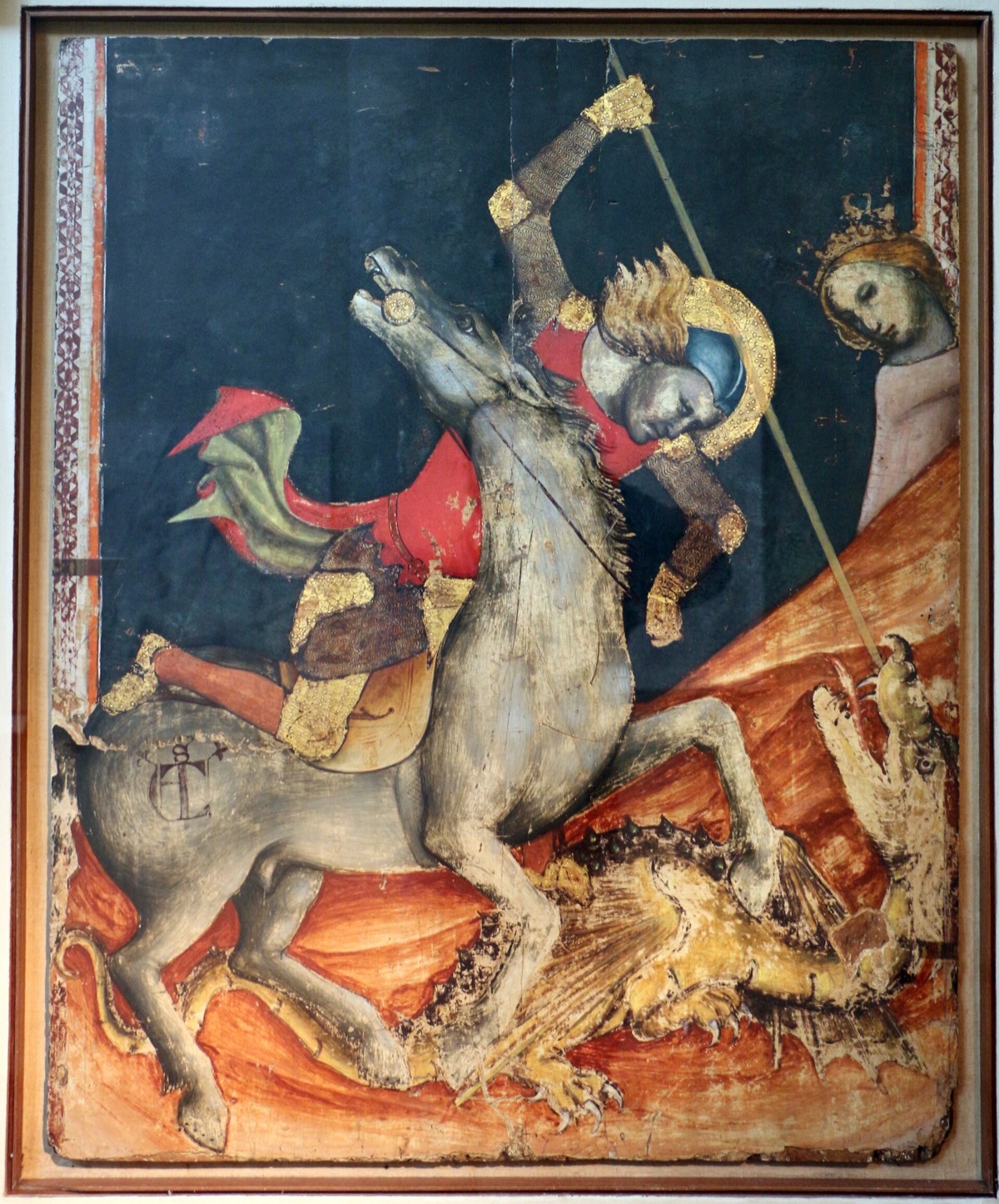
Vitale da Bologna
The great painter of fourteenth-century Bologna, lively and full of movement; his Saint George and the Dragon is in the Pinacoteca Nazionale.
Gothic. 1 work in 1 museum
See the artist
Picture: Joyofmuseums, CC BY-SA 4.0
Sculptor, 1435 to 1494
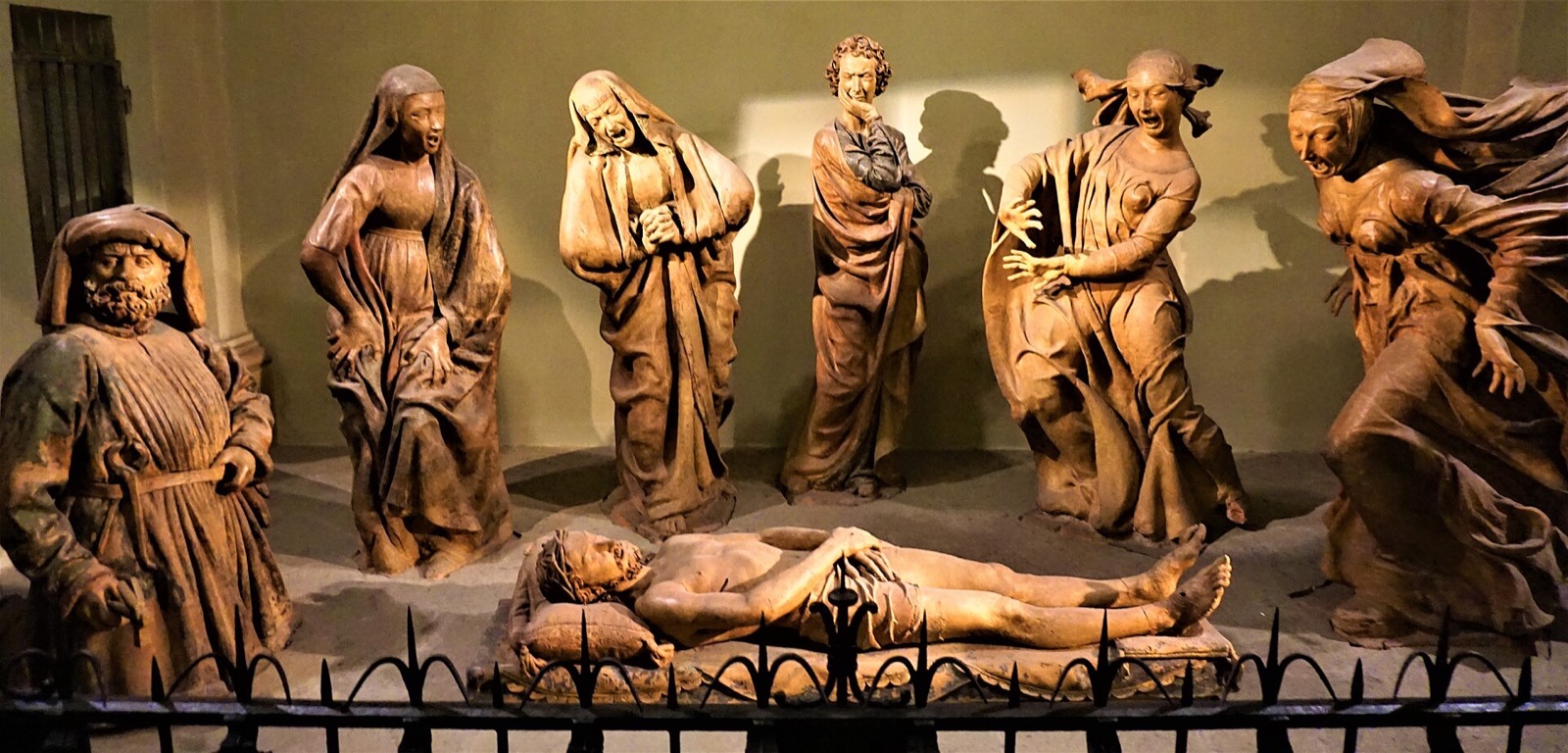
Niccolò dell'Arca
The sculptor of the Lamentation in Santa Maria della Vita, a cry of grief in terracotta, named after the crown he carved for the Arca of Saint Dominic.
Early Renaissance. 2 works in 2 museums
See the artist
Painter, 1446 to 1523
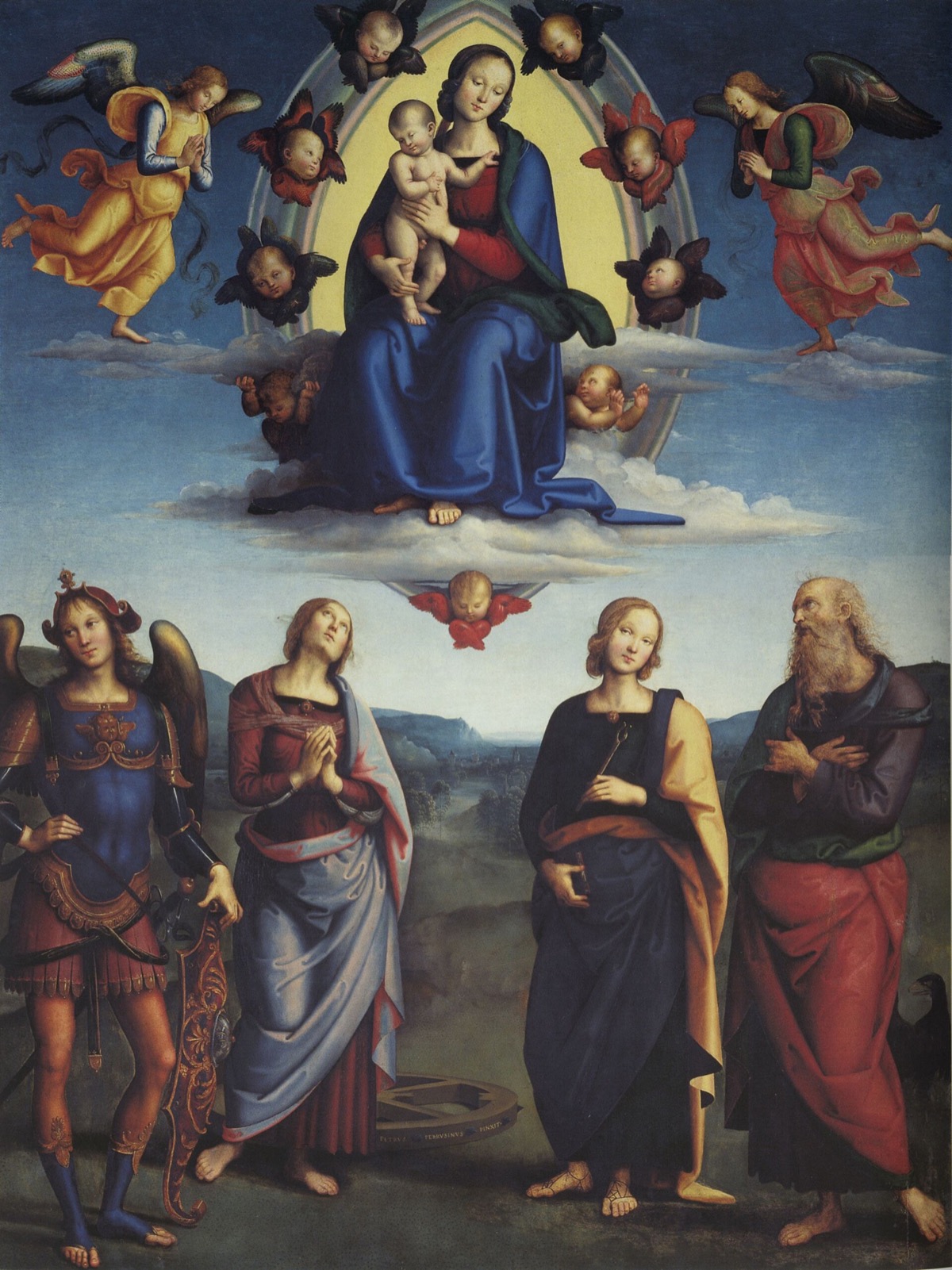
Pietro Perugino
The Pinacoteca Nazionale di Bologna has Perugino's Madonna in Glory with Saints.
Early Renaissance. 1 work in 1 museum
See the artist