Painter, 1832 to 1883
Édouard Manet
Calouste Gulbenkian bought Manet's Boy Blowing Bubbles, painted in 1867: a boy in a pale jacket, a bowl in one hand, blowing a bubble from a pipe against a dark ground. It is in the Gulbenkian Museum.
- Born
- 1832, Paris, France
- Died
- 1883, Paris, France
- Movement
- Realism and Impressionism
- In Lisbon
- 1 work in 1 museum
Where to see Édouard Manet in Lisbon
Each work with the museum it hangs in. Museums move and lend their works, so check before a special journey.
Calouste Gulbenkian Museum1 work
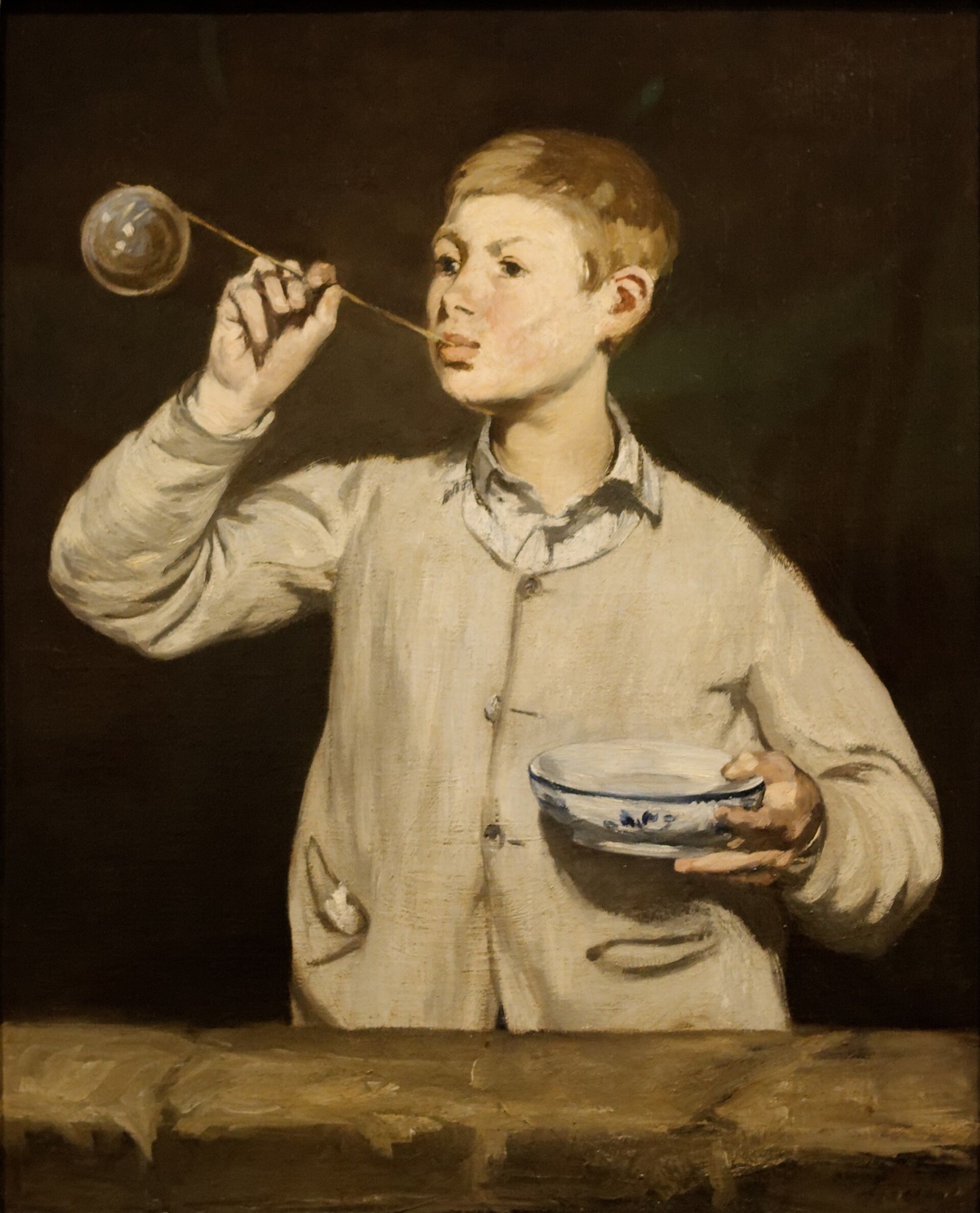
Boy Blowing Bubbles
1867
A boy blowing a bubble from a pipe, a bowl of soapy water in his hand.
The life of Édouard Manet
Manet was born in Paris in 1832, the son of a senior civil servant, and wanted nothing more than official success. He never got it. The jury of the Salon refused the Déjeuner sur l'herbe in 1863, and when Olympia was accepted two years later it had to be hung out of reach of the public's umbrellas.
The younger painters who became the Impressionists treated him as their leader, though he never showed with them. He painted Paris as it was: its cafés, its racecourses, its bars. He died in 1883, at fifty-one.
What to know
- Boy Blowing Bubbles, 1867
- Born
- 23 January 1832, Paris, France
- Died
- 30 April 1883, Paris, France
Édouard Manet: common questions
- Where can you see Édouard Manet in Lisbon?
- At the Calouste Gulbenkian Museum: Boy Blowing Bubbles. Museums move and lend their works, so check before a special journey.
- What is Édouard Manet's most famous work in Lisbon?
- Boy Blowing Bubbles, of 1867, at the Calouste Gulbenkian Museum. A boy blowing a bubble from a pipe, a bowl of soapy water in his hand.
- When and where was Édouard Manet born?
- On 23 January 1832, at Paris, France. Édouard Manet died on 30 April 1883, at Paris, France, aged about 51.
- What is Édouard Manet known for?
- Boy Blowing Bubbles, 1867. Édouard Manet was a French painter, of Realism and Impressionism.
Tickets and tours: Édouard Manet in Lisbon
Things to do near the Gulbenkian
The nearest of this site's best things to do in the city. Distances are in a straight line.
- 6Ride tram 28 through the old quarters2.8 km awayWalk, 45 to 120 minutes, tram fare; a guided ride
- 2Walk the walls of São Jorge Castle3.2 km awayMonument, 1.5 to 2.5 hours, ticket
- 15Taste Lisbon's food and wine3.5 km awayWalk, 2.5 to 4 hours, pay as you eat; a food tour
- 4Get lost in the lanes of the Alfama3.5 km awayWalk, 1.5 to 3 hours, free; a guided walk or a tuk-tuk
Where to eat near the Gulbenkian
The nearest of the famous tables this site lists in Lisbon. Distances are in a straight line.
- Pastelaria Versailles4.4Pastry shop, Avenida da República750 m away
- Solar dos Presuntos4.5Restaurant, Santo António2.4 km away
- A Cevicheria4.7Restaurant, Misericórdia2.5 km away
- Cervejaria Ramiro4.4Seafood restaurant, Arroios2.5 km away
Hotels near the Gulbenkian
The hotels closest to it, of those this site lists in Lisbon. Distances are in a straight line.
- Sheraton Lisboa Hotel & Spa4.6Five-star hotel, Picoas900 m away
- Corinthia Lisbon4.6Five-star hotel, São Domingos de Benfica1.1 km away
- InterContinental Lisbon4.6Five-star hotel, Avenidas Novas1.2 km away
- Four Seasons Hotel Ritz Lisbon4.7Five-star hotel, Marquês de Pombal1.3 km away
Other artists
Painter, 1775 to 1851
J. M. W. Turner
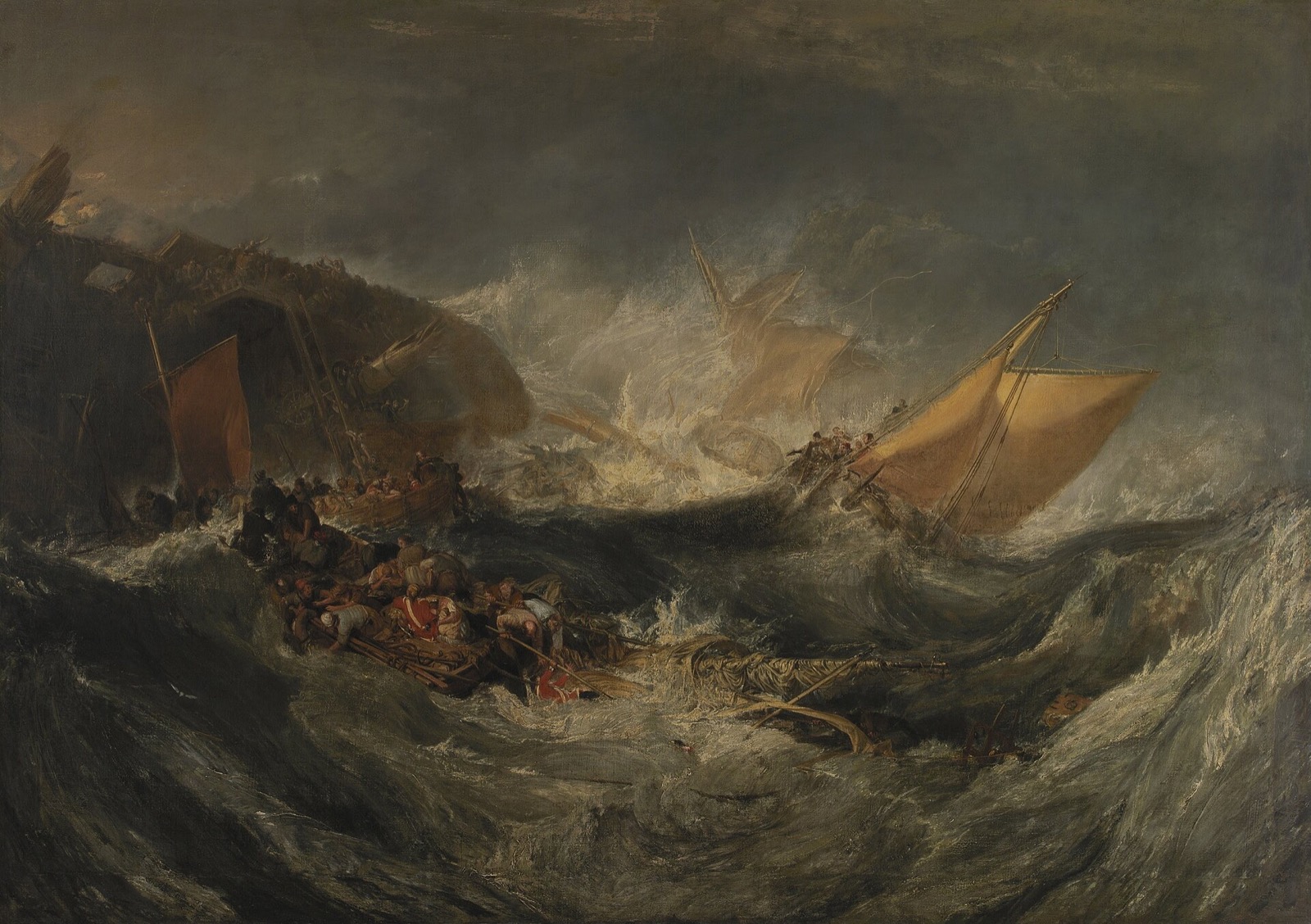
The Gulbenkian has Turner's Wreck of a Transport Ship, a storm at sea in which a ship breaks up among the waves.
Romanticism. 1 work in 1 museum
See the artist
Painter and sculptor, 1834 to 1917
Edgar Degas
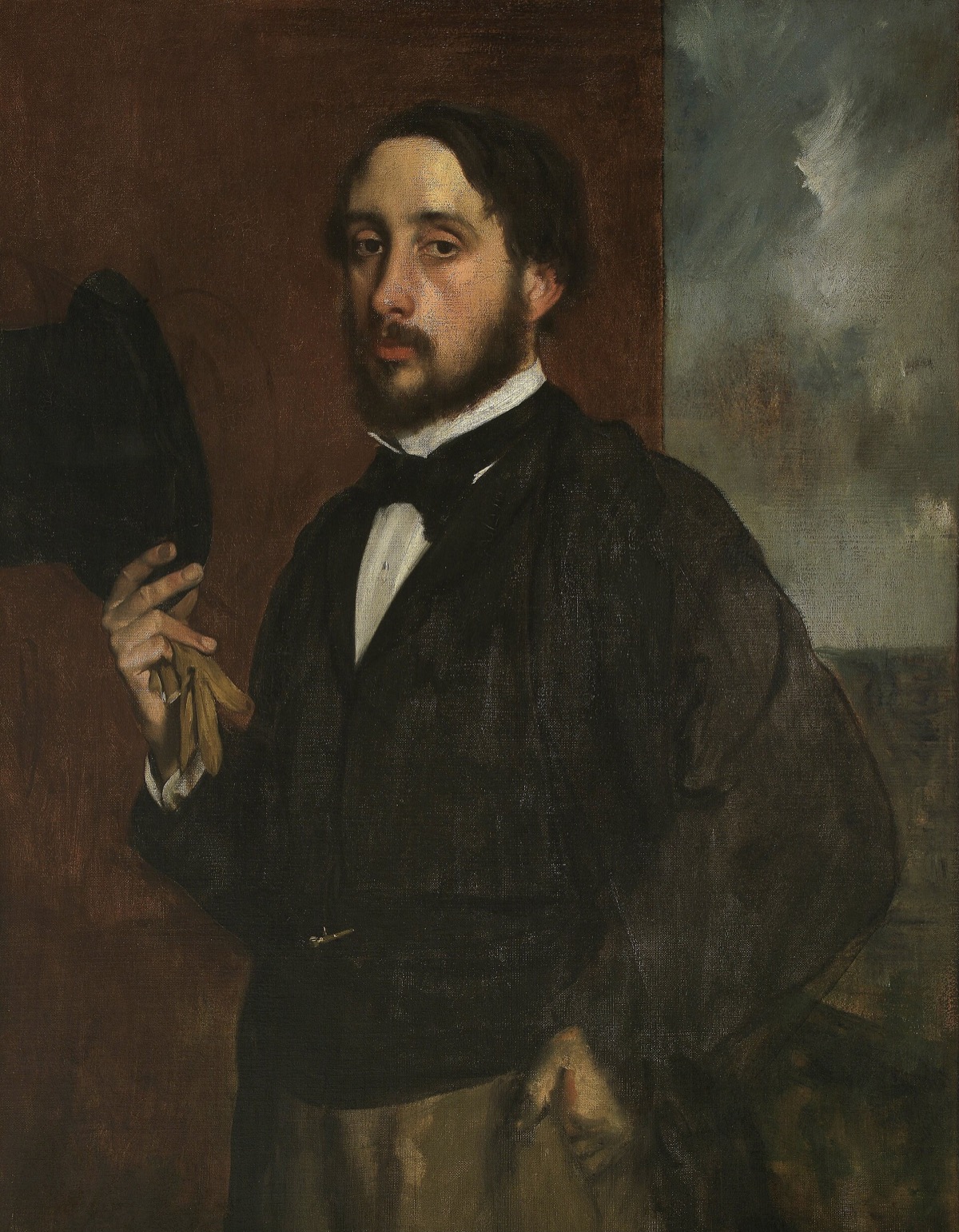
The Gulbenkian has the young Degas's portrait of himself raising his hat, painted in 1863.
Impressionism. 1 work in 1 museum
See the artist
Painter, 1840 to 1926
Claude Monet
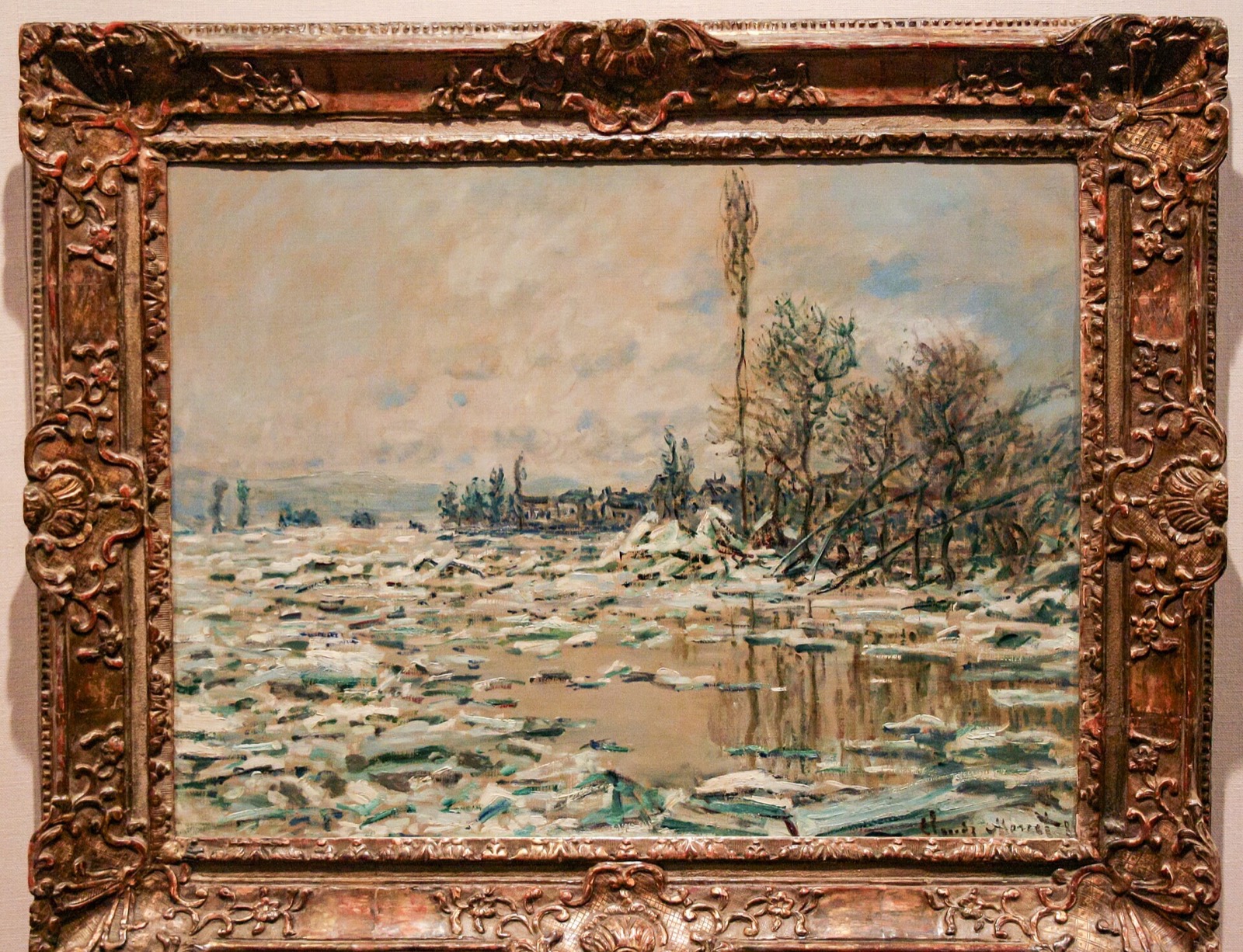
The Gulbenkian has Monet's Breaking-Up of the Ice of 1880.
Impressionism. 1 work in 1 museum
See the artist