Painter, 1577 to 1640
Peter Paul Rubens
In 1630 Rubens, a widower of fifty-three, married Helena Fourment, sixteen, and painted her again and again. The portrait in the Gulbenkian shows her standing in a black gown, painted in the last years of his life.
- Born
- 1577, Siegen, Germany
- Died
- 1640, Antwerp, Belgium
- Movement
- Baroque
- In Lisbon
- 1 work in 1 museum
Where to see Peter Paul Rubens in Lisbon
Each work with the museum it hangs in. Museums move and lend their works, so check before a special journey.
Calouste Gulbenkian Museum1 work
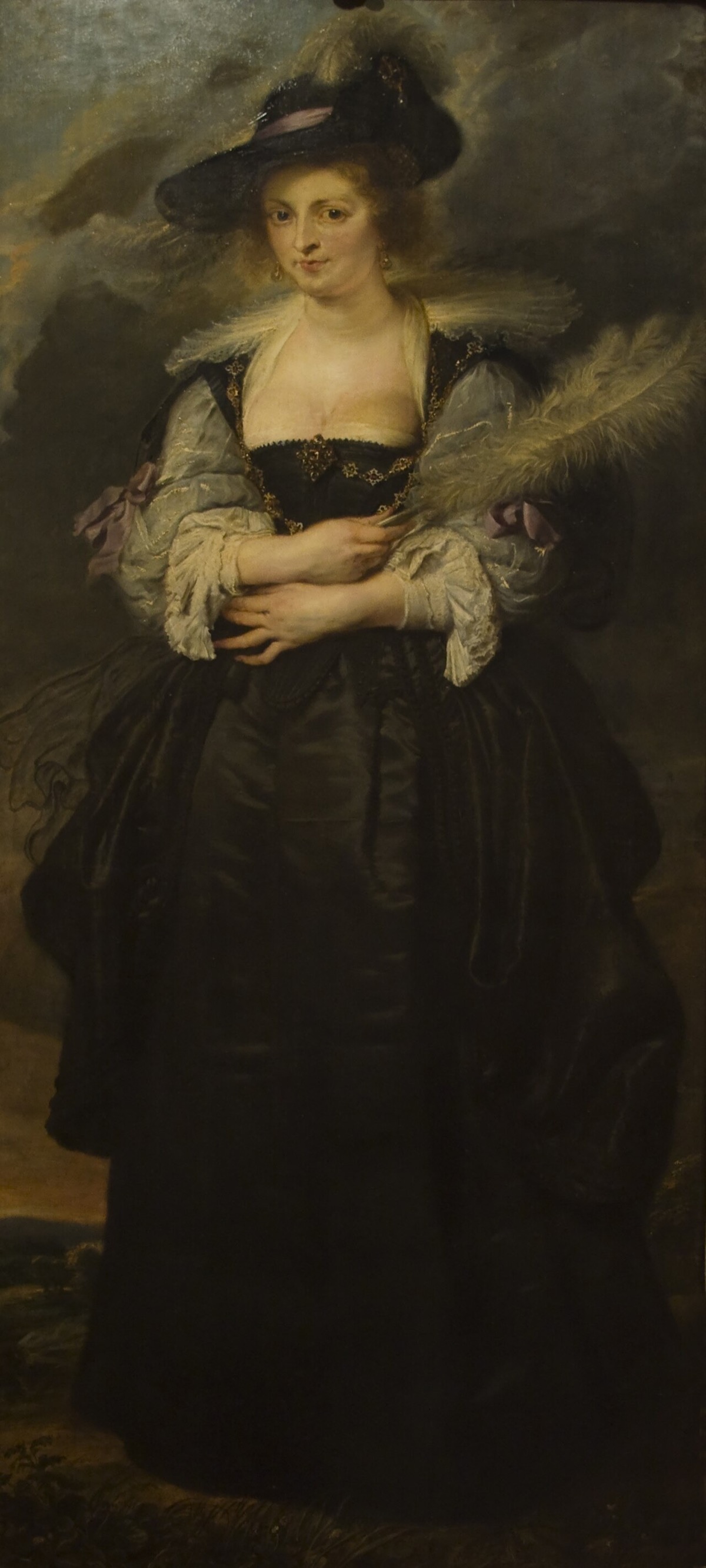
Portrait of Helena Fourment
1630s
The painter's young wife standing in a black dress.
The life of Peter Paul Rubens
Rubens was born in 1577 and grew up in Antwerp. He left for Italy in 1600 and stayed until 1608, in the service of the Duke of Mantua. In Rome he won the most sought-after commission of the day, the high altar of the new church of the Oratorians.
Back in Antwerp he ran the busiest workshop in Europe, served as a diplomat between Spain and England, and was knighted by both. He died in 1640.
What to know
- Portrait of Helena Fourment, 1630s
- Born
- 28 June 1577, Siegen, Germany
- Died
- 30 May 1640, Antwerp, Belgium
Peter Paul Rubens: common questions
- Where can you see Peter Paul Rubens in Lisbon?
- At the Calouste Gulbenkian Museum: Portrait of Helena Fourment. Museums move and lend their works, so check before a special journey.
- What is Peter Paul Rubens's most famous work in Lisbon?
- Portrait of Helena Fourment, of 1630s, at the Calouste Gulbenkian Museum. The painter's young wife standing in a black dress.
- When and where was Peter Paul Rubens born?
- On 28 June 1577, at Siegen, Germany. Peter Paul Rubens died on 30 May 1640, at Antwerp, Belgium, aged about 63.
- What is Peter Paul Rubens known for?
- Portrait of Helena Fourment, 1630s. Peter Paul Rubens was a Flemish painter, of the Baroque.
Tickets and tours: Peter Paul Rubens in Lisbon
Things to do near the Gulbenkian
The nearest of this site's best things to do in the city. Distances are in a straight line.
- 6Ride tram 28 through the old quarters2.8 km awayWalk, 45 to 120 minutes, tram fare; a guided ride
- 2Walk the walls of São Jorge Castle3.2 km awayMonument, 1.5 to 2.5 hours, ticket
- 15Taste Lisbon's food and wine3.5 km awayWalk, 2.5 to 4 hours, pay as you eat; a food tour
- 4Get lost in the lanes of the Alfama3.5 km awayWalk, 1.5 to 3 hours, free; a guided walk or a tuk-tuk
Where to eat near the Gulbenkian
The nearest of the famous tables this site lists in Lisbon. Distances are in a straight line.
- Pastelaria Versailles4.4Pastry shop, Avenida da República750 m away
- Solar dos Presuntos4.5Restaurant, Santo António2.4 km away
- A Cevicheria4.7Restaurant, Misericórdia2.5 km away
- Cervejaria Ramiro4.4Seafood restaurant, Arroios2.5 km away
Hotels near the Gulbenkian
The hotels closest to it, of those this site lists in Lisbon. Distances are in a straight line.
- Sheraton Lisboa Hotel & Spa4.6Five-star hotel, Picoas900 m away
- Corinthia Lisbon4.6Five-star hotel, São Domingos de Benfica1.1 km away
- InterContinental Lisbon4.6Five-star hotel, Avenidas Novas1.2 km away
- Four Seasons Hotel Ritz Lisbon4.7Five-star hotel, Marquês de Pombal1.3 km away
Other artists
Picture: Sailko, CC BY 3.0
Painter, 1471 to 1528
Albrecht Dürer
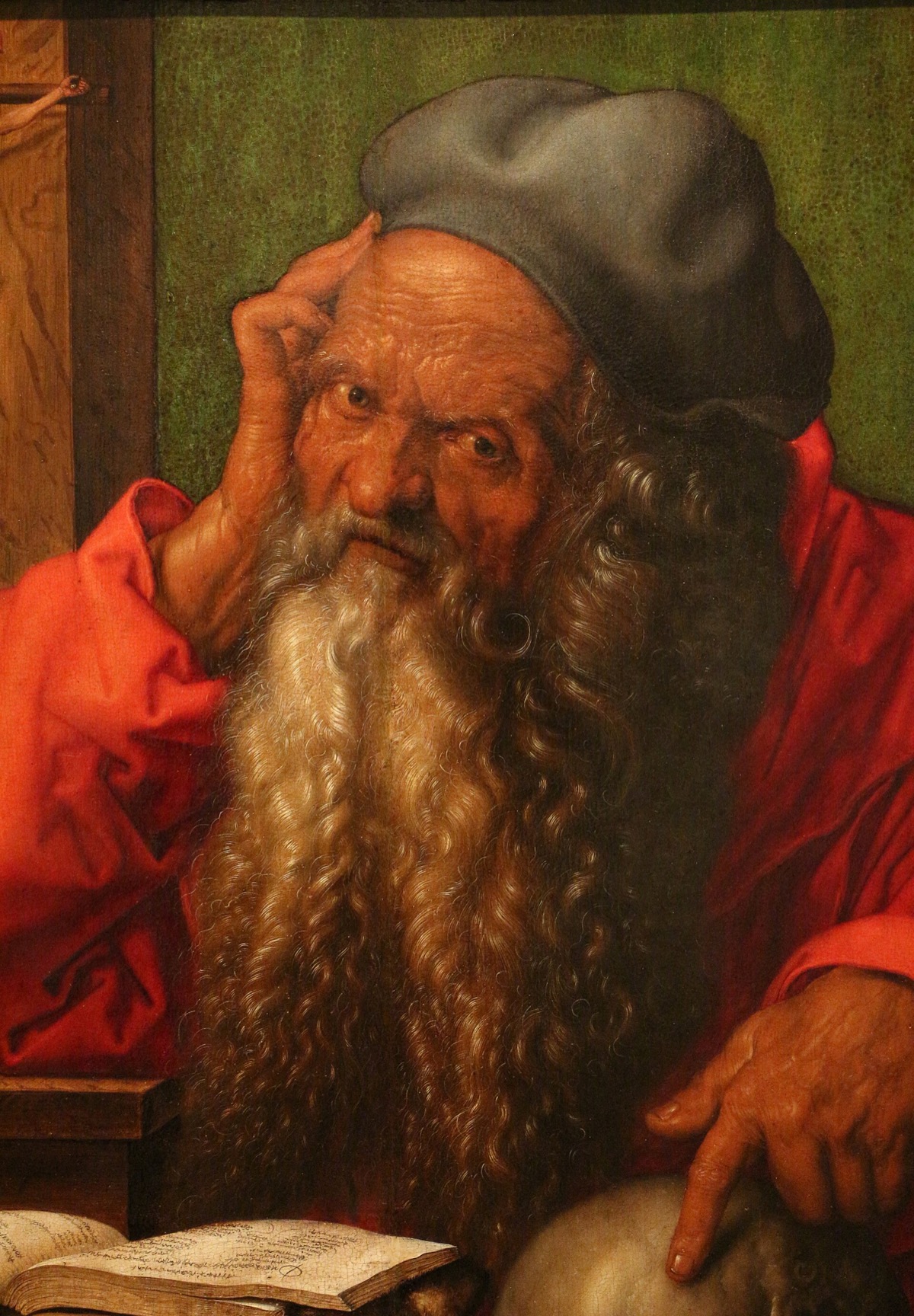
Dürer painted his Saint Jerome in Antwerp in 1521 and gave it to a Portuguese merchant. It is in the National Museum of Ancient Art.
Northern Renaissance. 1 work in 1 museum
See the artist
Painter, 1582 to 1666
Frans Hals
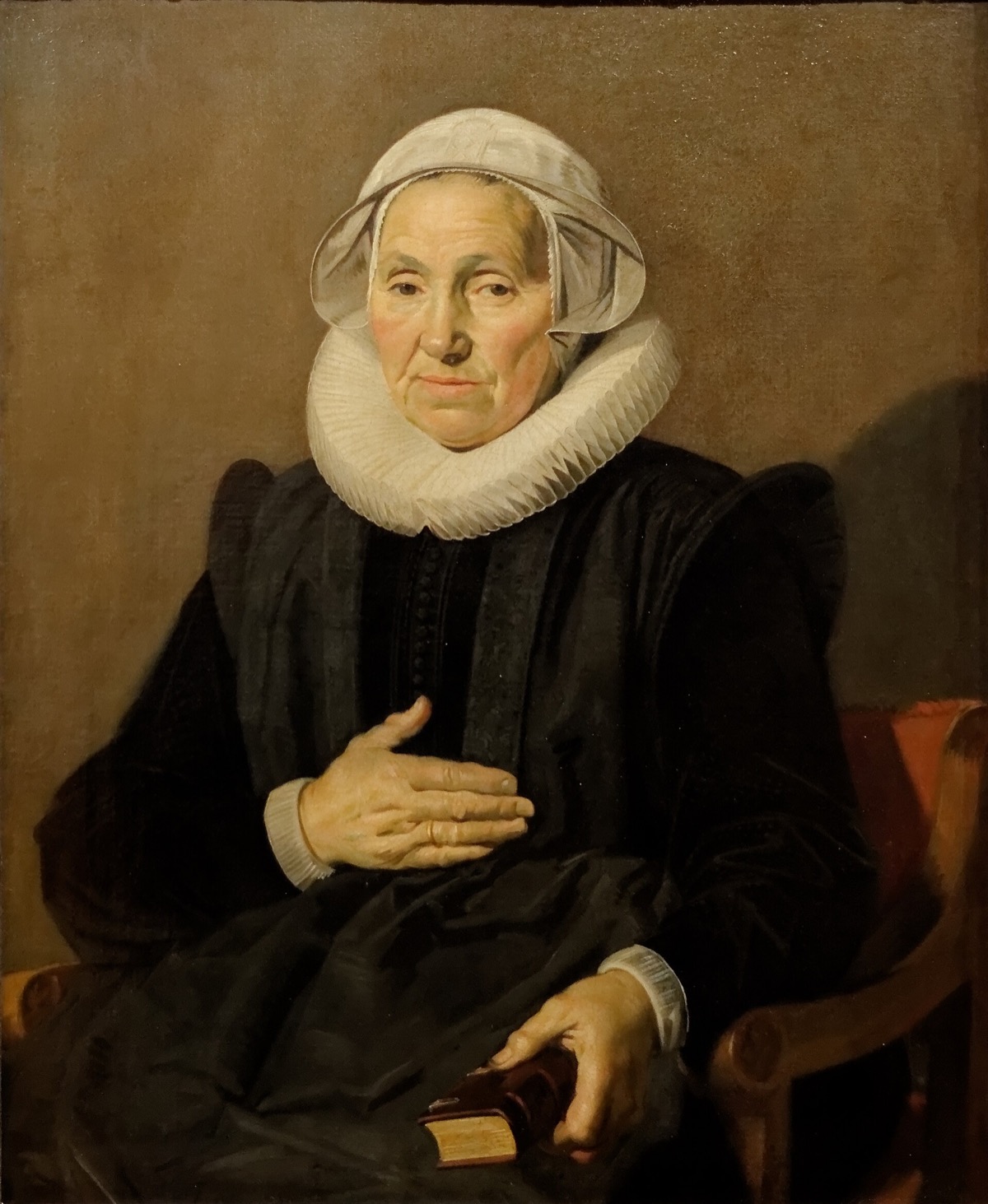
The Gulbenkian has Frans Hals's portrait of Sara Andriesdr Hessix, an old woman, of about 1626.
Dutch Golden Age. 1 work in 1 museum
See the artist
Picture: Vernaccia, CC BY 2.0
Painter, 1598 to 1664
Francisco de Zurbarán
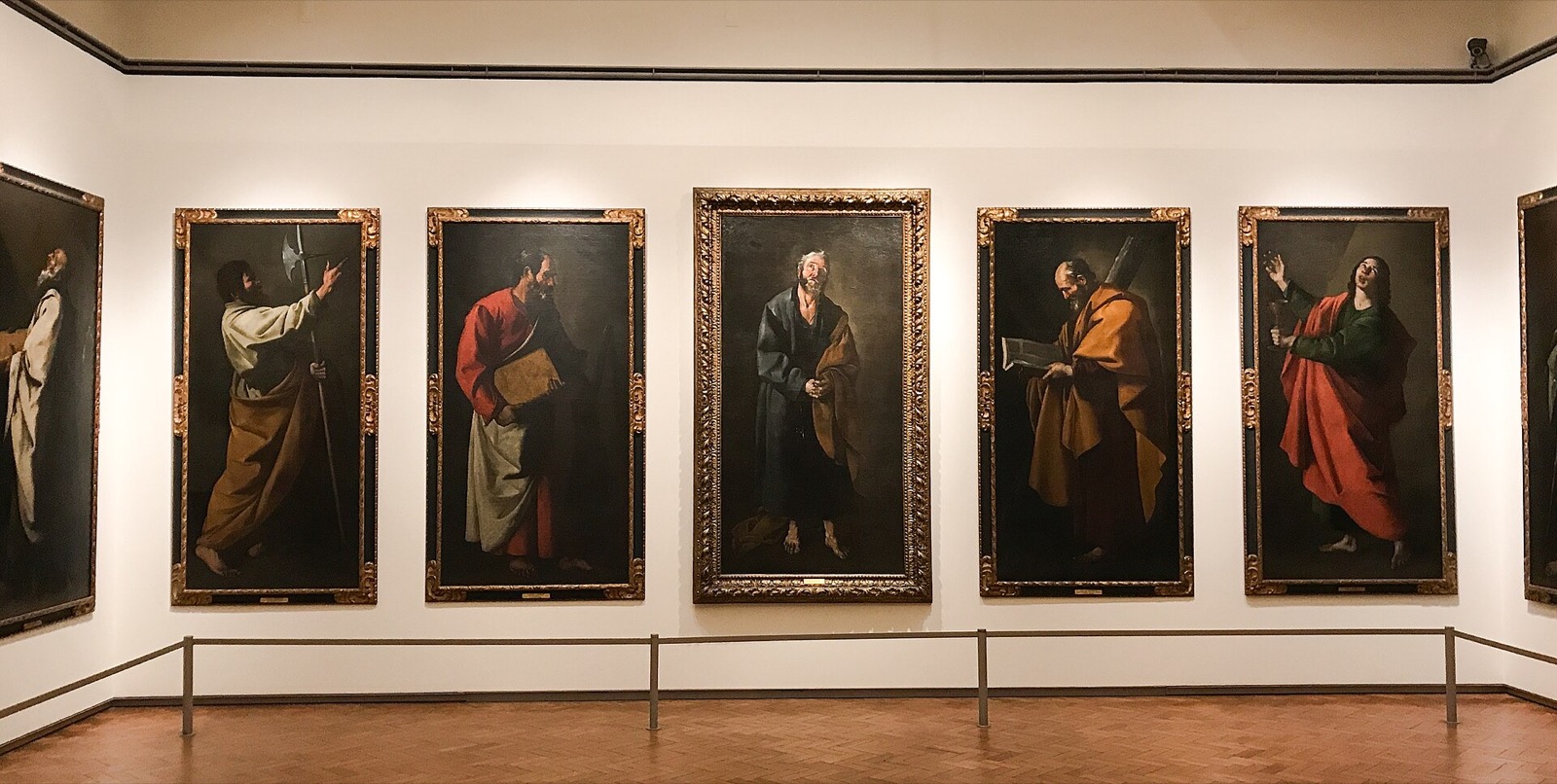
The National Museum of Ancient Art has a series of Zurbarán's apostles.
Baroque. 1 work in 1 museum
See the artist