Painter, 1431 to 1506
Andrea Mantegna
Mantegna learnt in Padua, among the antiquarians of its university, and painted like a sculptor: hard, clear figures and daring views from below. For almost fifty years he was the court painter of the Gonzaga at Mantua. The Brera has his Dead Christ.
- Born
- 1431, Isola di Carturo, Republic of Venice
- Died
- 1506, Mantua, Marquisate of Mantua
- Movement
- Early Renaissance
- In Milan
- 3 works in 1 museum
Where to see Andrea Mantegna in Milan
Each work with the museum it hangs in. Museums move and lend their works, so check before a special journey.
Pinacoteca di Brera3 works
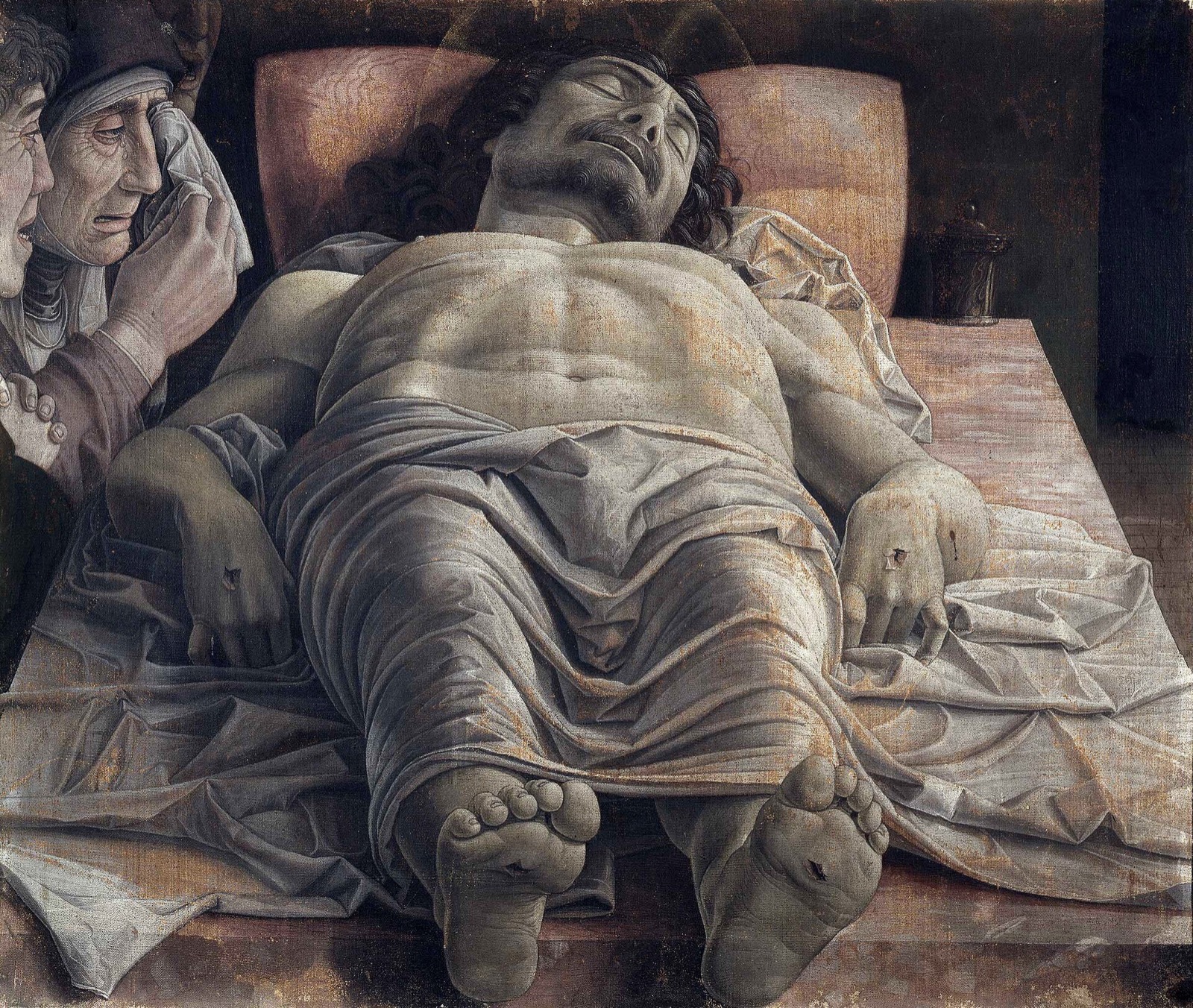
Lamentation over the Dead Christ
about 1480
Christ on the stone of anointing seen from his feet, with the mourners at his side, found in the painter's studio at his death.
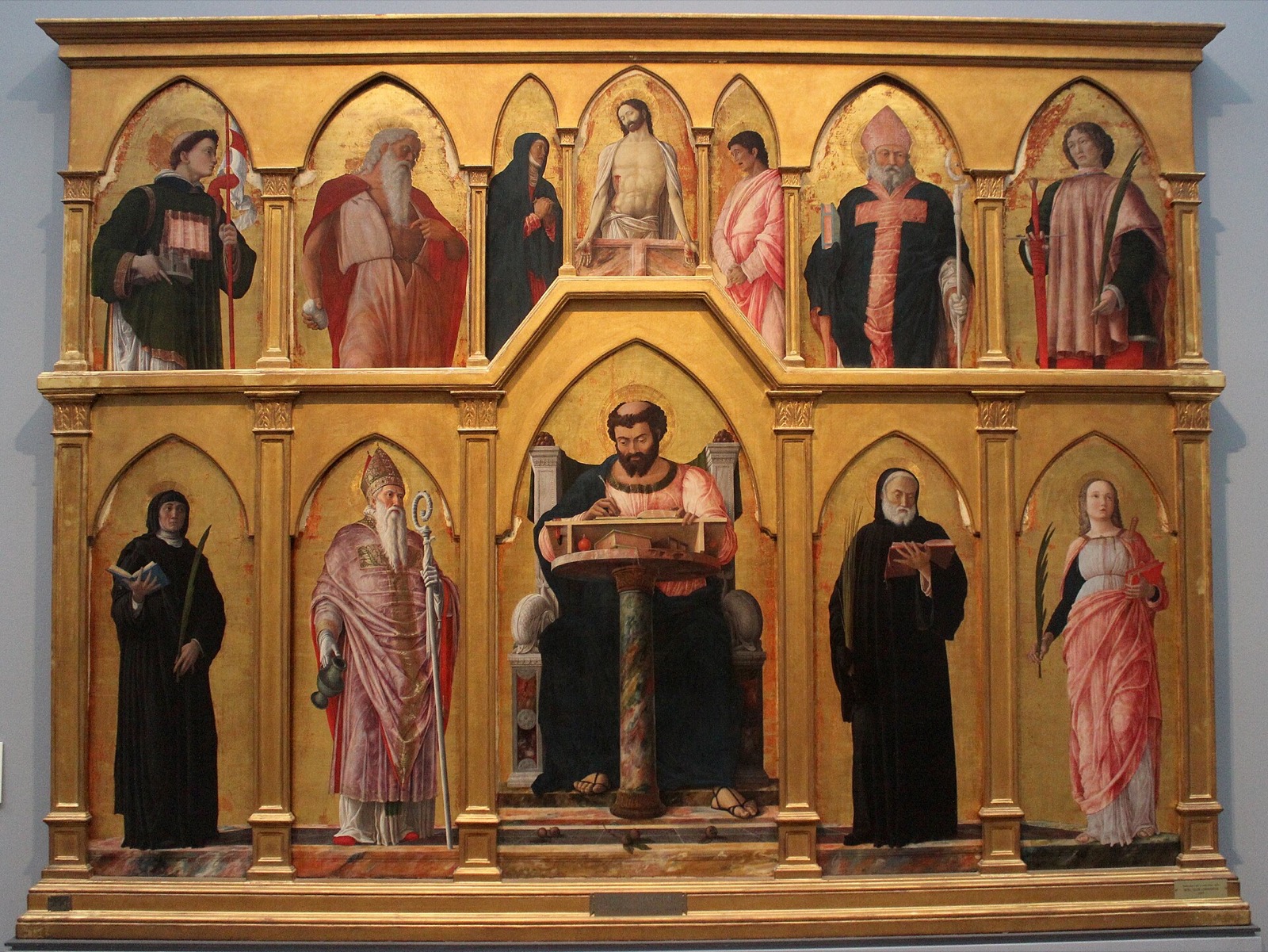
San Luca Altarpiece
1453 to 1454
St Luke writing at his desk among saints in two tiers of gilded arches, his first great altarpiece.
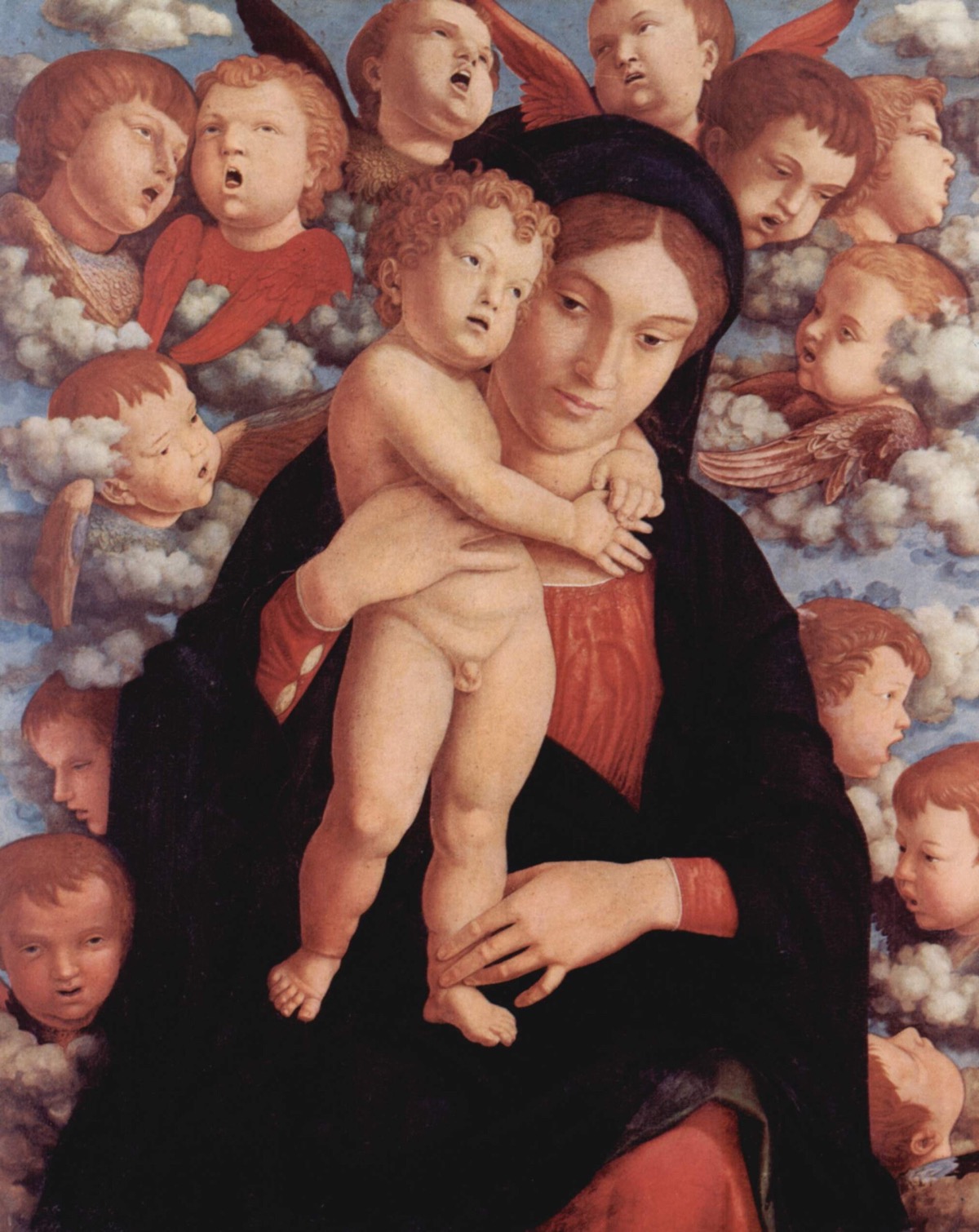
Madonna of the Cherubim
about 1485
The Virgin and Child in a cloud of red and blue cherubs.
The life of Andrea Mantegna
Mantegna was adopted by the Paduan painter Squarcione and had his own workshop at seventeen. His frescoes in the Ovetari Chapel in Padua made his name, and in 1460 he went to Mantua as the painter of the Gonzaga, for whom he painted the Camera degli Sposi.
His sister married Giovanni Bellini, who learnt from him. The Dead Christ was found in his studio when he died in 1506.
What to know
- Painted the Dead Christ, foreshortened from the feet
- Court painter to the Gonzaga in Mantua
- Brother-in-law of Giovanni Bellini
- Born
- About 1431, Isola di Carturo, Republic of Venice
- Died
- 13 September 1506, Mantua, Marquisate of Mantua
Andrea Mantegna: common questions
- Where can you see Andrea Mantegna in Milan?
- At the Pinacoteca di Brera: Lamentation over the Dead Christ, San Luca Altarpiece and Madonna of the Cherubim. Museums move and lend their works, so check before a special journey.
- What is Andrea Mantegna's most famous work in Milan?
- Lamentation over the Dead Christ, of about 1480, at the Pinacoteca di Brera. Christ on the stone of anointing seen from his feet, with the mourners at his side, found in the painter's studio at his death.
- When and where was Andrea Mantegna born?
- About 1431, at Isola di Carturo, Republic of Venice. Andrea Mantegna died on 13 September 1506, at Mantua, Marquisate of Mantua, aged about 75.
- What is Andrea Mantegna known for?
- Painted the Dead Christ, foreshortened from the feet. Court painter to the Gonzaga in Mantua. Brother-in-law of Giovanni Bellini. Andrea Mantegna was an Italian painter, of the Early Renaissance.
Tickets and tours: Andrea Mantegna in Milan
Things to do near the Brera
The nearest of this site's best things to do in the city. Distances are in a straight line.
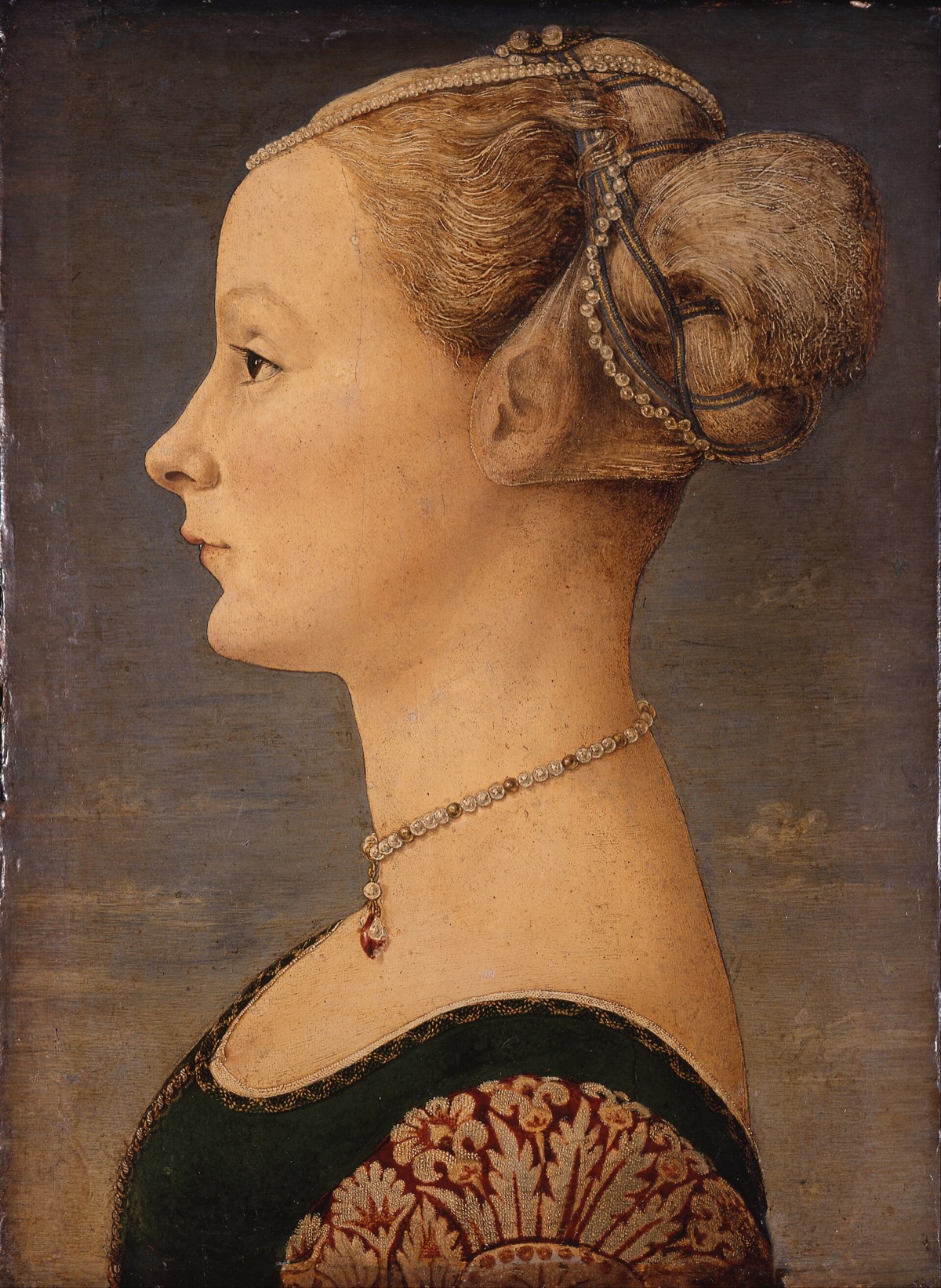
- 10See Pollaiolo's Portrait of a Young Woman at the Poldi Pezzoli500 m awayMuseum, 1 to 1.5 hours, ticket at the door
- 7Look into the auditorium of La Scala from its museum550 m awayMuseum, 45 to 75 minutes, ticket
- 4See Michelangelo's last Pietà at the Sforza Castle700 m awayMuseum, 1.5 to 3 hours, ticket for the museums; the courtyards are free
- 9Walk through the Galleria and up onto its roofs700 m awayMonument, 30 to 90 minutes, free; a ticket for the walkway on the roofs
Where to eat near the Brera
The nearest of the famous tables this site lists in Milan. Distances are in a straight line.
- Al Matarel4.3Trattoria, Corso Garibaldi550 m away
- Bice4.3Restaurant, Via Borgospesso550 m away
- Cova4.4Pastry shop and café, Via Montenapoleone750 m away
- Luini4.5Panzerotti shop, Via Santa Radegonda750 m away
Hotels near the Brera
The five-star hotels closest to it, of those this site lists in Milan. Distances are in a straight line.
- Bulgari Hotel Milano4.6Five-star hotel, Via Privata Fratelli Gabba300 m away
- Palazzo Parigi Hotel & Grand Spa4.7Five-star hotel, Corso di Porta Nuova300 m away
- Mandarin Oriental, Milan4.7Five-star hotel, Via Andegari350 m away
- Armani Hotel Milano4.6Five-star hotel, Via Manzoni450 m away
Other artists
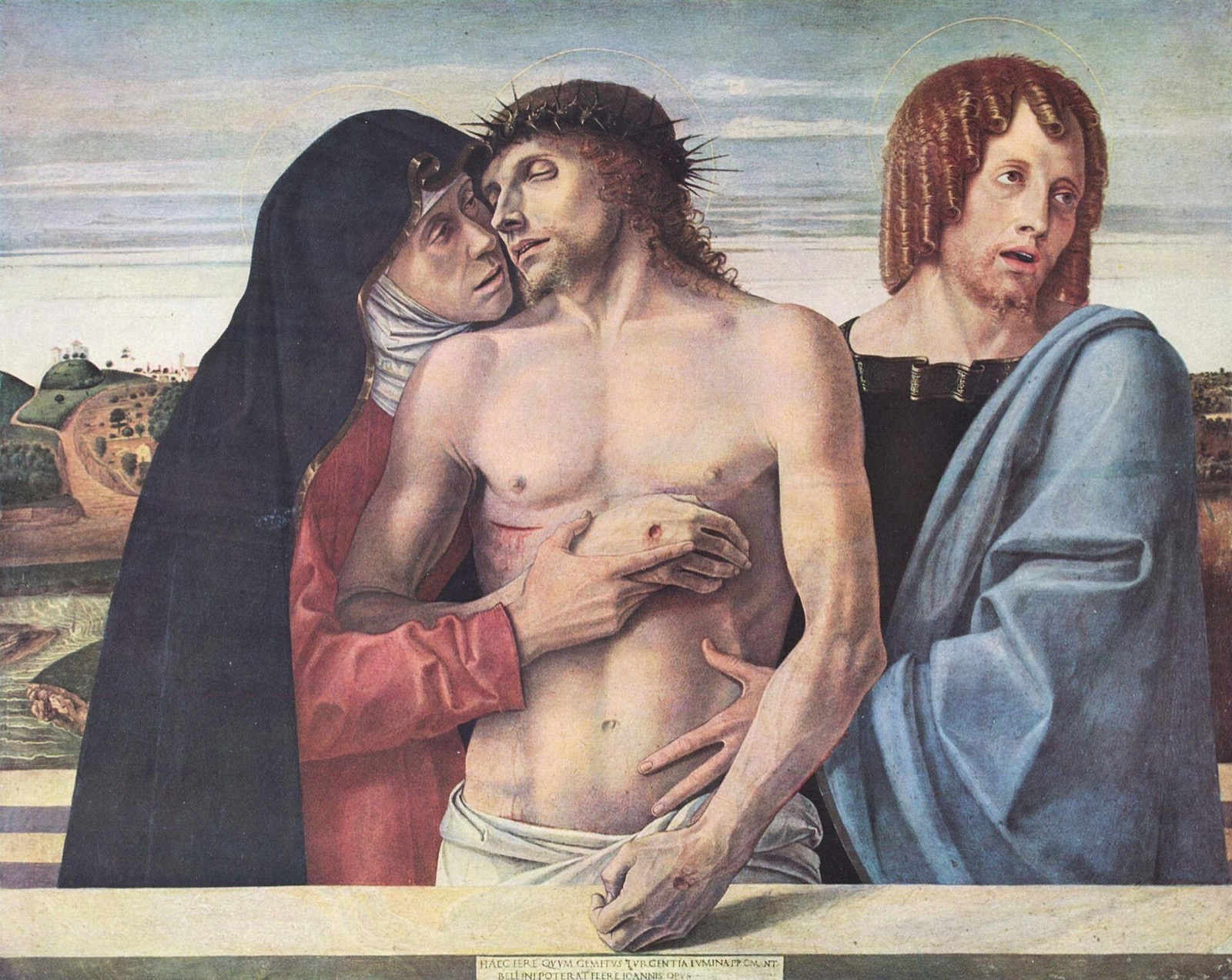
Painter, 1430 to 1516
Giovanni Bellini
In Milan, at the Brera, Giovanni Bellini's Pietà, one of the most moving pictures of the Renaissance.
Venetian Renaissance. 1 work in 1 museum
See the artist
Painter, 1441 to 1496
Piero del Pollaiolo
A Florentine painter of the fifteenth century, brother of Antonio, whose profile of a young woman is the emblem of the Poldi Pezzoli.
Early Renaissance. 1 work in 1 museum
See the artist
Painter, 1445 to 1510
Sandro Botticelli
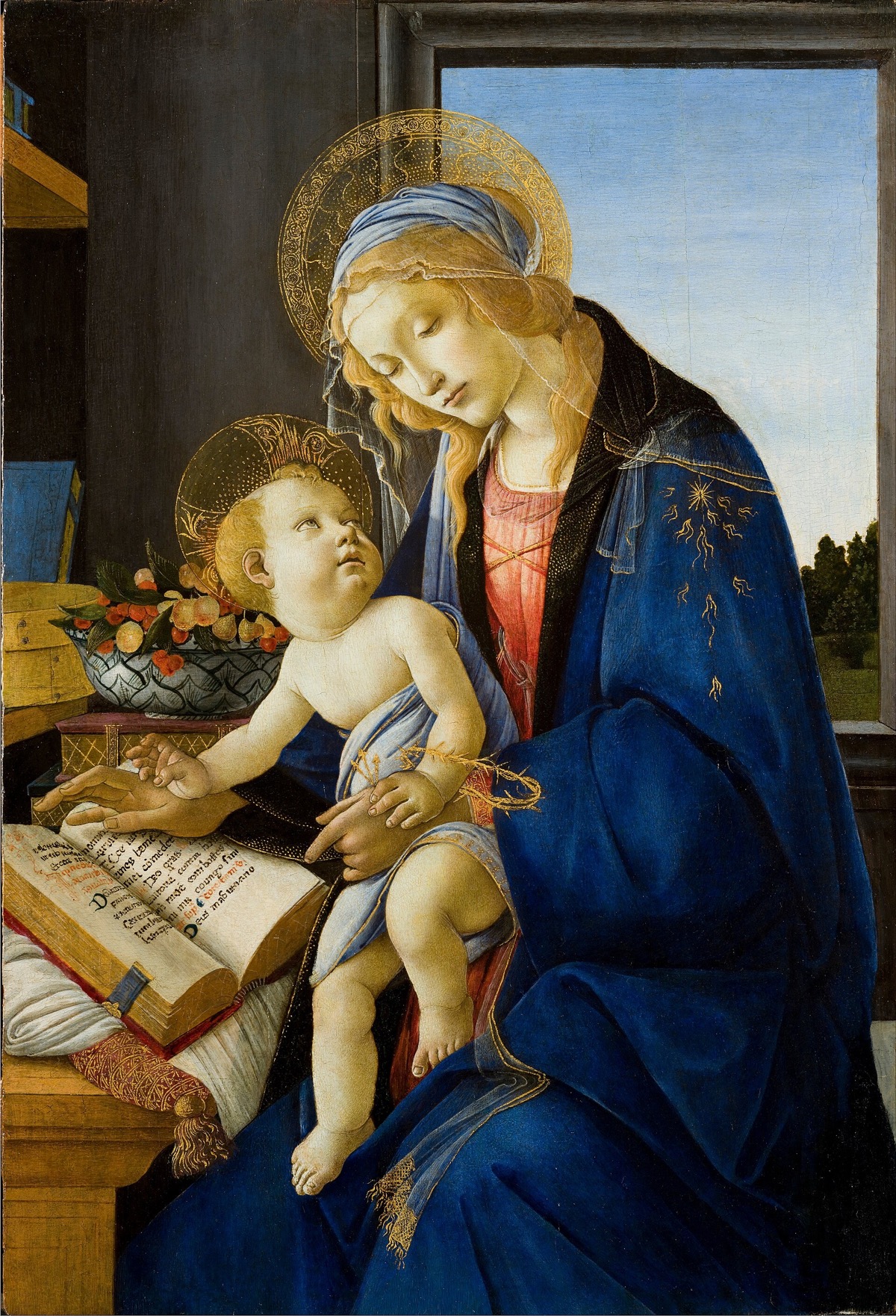
In Milan, at the Museo Poldi Pezzoli, Botticelli's Madonna of the Book.
Early Renaissance. 1 work in 1 museum
See the artist