Painter, 1634 to 1705
Luca Giordano
Luca Giordano, son of a painter, was born and died in Naples. He learned from Ribera, then from the Venetians and Pietro da Cortona, and painted altarpieces, mythologies and great ceilings across Italy and, for ten years, in Spain. He was so quick he was called Luca fa presto, Luca who works fast.
- Born
- 1634, Naples
- Died
- 1705, Naples
- Movement
- Baroque
- In Naples
- 1 work in 1 museum
Where to see Luca Giordano in Naples
Each work with the museum it hangs in. Museums move and lend their works, so check before a special journey.
Certosa di San Martino1 work
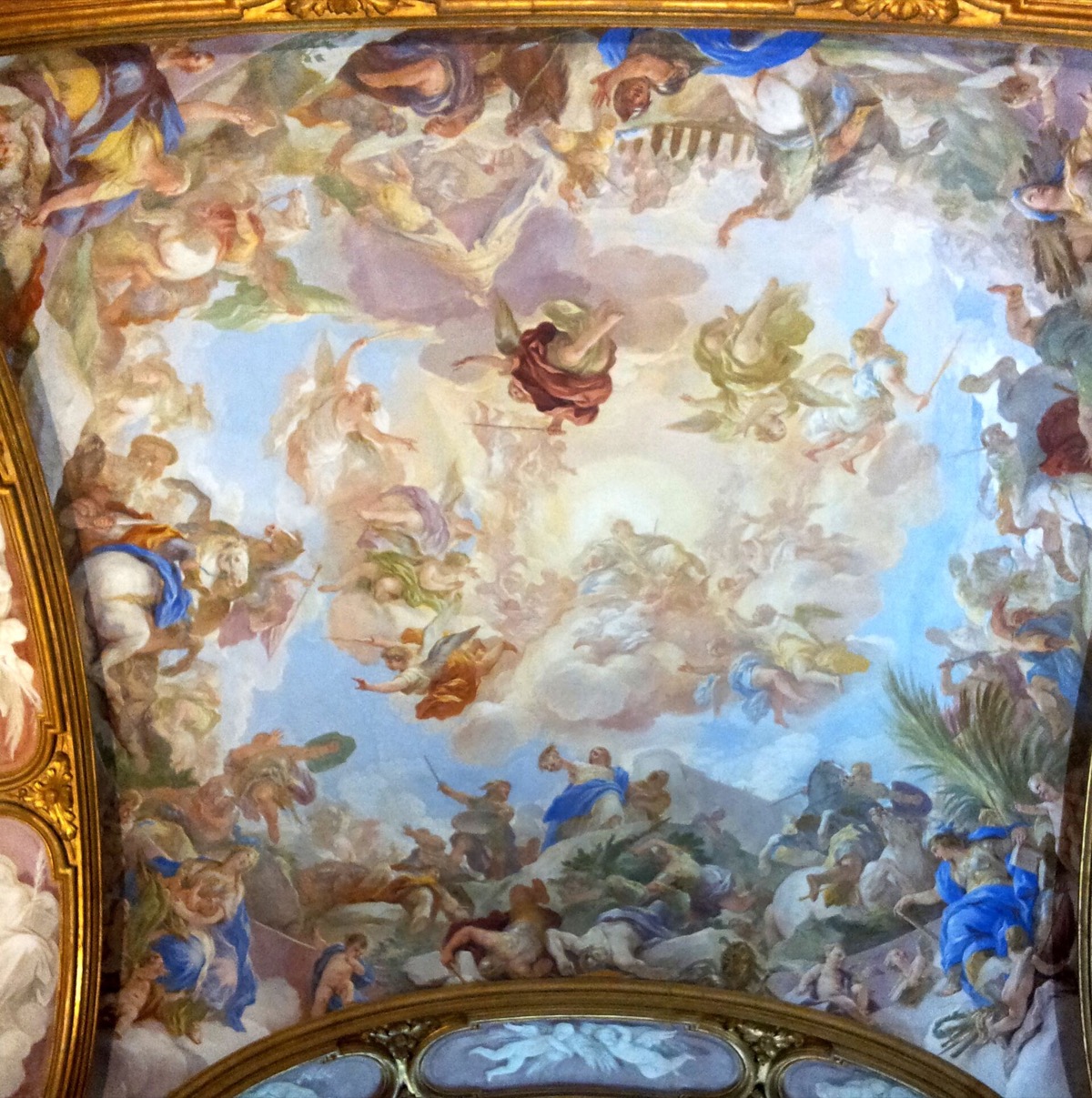
The Triumph of Judith
1704
The ceiling of the Treasury Chapel, Judith showing the head of Holofernes in a sky crowded with figures.
The life of Luca Giordano
His last great work, in the year before he died, was the ceiling of the Treasury Chapel in the Certosa di San Martino, with the Triumph of Judith.
Capodimonte has many of his paintings, and the Pio Monte della Misericordia keeps others in its gallery.
What to know
- The leading painter of Naples after Ribera
- Worked in Florence, Venice and Spain
- Called Luca fa presto, for his speed
- Born
- 18 October 1634, Naples
- Died
- 3 January 1705, Naples
Luca Giordano: common questions
- Where can you see Luca Giordano in Naples?
- At the Certosa di San Martino: The Triumph of Judith. Museums move and lend their works, so check before a special journey.
- What is Luca Giordano's most famous work in Naples?
- The Triumph of Judith, of 1704, at the Certosa di San Martino. The ceiling of the Treasury Chapel, Judith showing the head of Holofernes in a sky crowded with figures.
- When and where was Luca Giordano born?
- On 18 October 1634, at Naples. Luca Giordano died on 3 January 1705, at Naples, aged about 71.
- What is Luca Giordano known for?
- The leading painter of Naples after Ribera. Worked in Florence, Venice and Spain. Called Luca fa presto, for his speed. Luca Giordano was an Italian painter, of the Baroque.
Tickets and tours: Luca Giordano in Naples
Things to do near San Martino
The nearest of this site's best things to do in the city. Distances are in a straight line.
- 11Wander the lanes of the Spanish Quarters550 m awayWalk, 1 to 2 hours, free; a guided walk
- 9Sit in the majolica cloister of Santa Chiara1.1 km awayChurch, 45 to 90 minutes, free church; ticket for the cloister
- 6Walk through the Royal Palace on Piazza del Plebiscito1.1 km awayMonument, 1 to 2 hours, ticket
- 12Go through the marble arch of Castel Nuovo1.2 km awayMonument, 45 to 90 minutes, ticket
Where to eat near San Martino
The nearest of the famous tables this site lists in Naples. Distances are in a straight line.
- Pizzeria Da Attilio4.5Pizzeria, Montecalvario650 m away
- Trattoria da Nennella4.3Trattoria, Montecalvario750 m away
- Pasticceria Pintauro4.2Pastry shop, Via Toledo800 m away
- Osteria della Mattonella4.5Osteria, San Ferdinando850 m away
Hotels near San Martino
The hotels closest to it, of those this site lists in Naples. Distances are in a straight line.
- Hotel San Francesco al Monte4.4Four-star hotel, Montesanto300 m away
- Grand Hotel Oriente4.6Four-star hotel, Toledo800 m away
- Renaissance Naples Hotel Mediterraneo4.4Four-star hotel, Toledo850 m away
- NH Napoli Panorama4.2Four-star hotel, Porto1.0 km away
Other artists
Picture: Sailko, CC BY-SA 3.0
Painter, 1613 to 1699
Mattia Preti
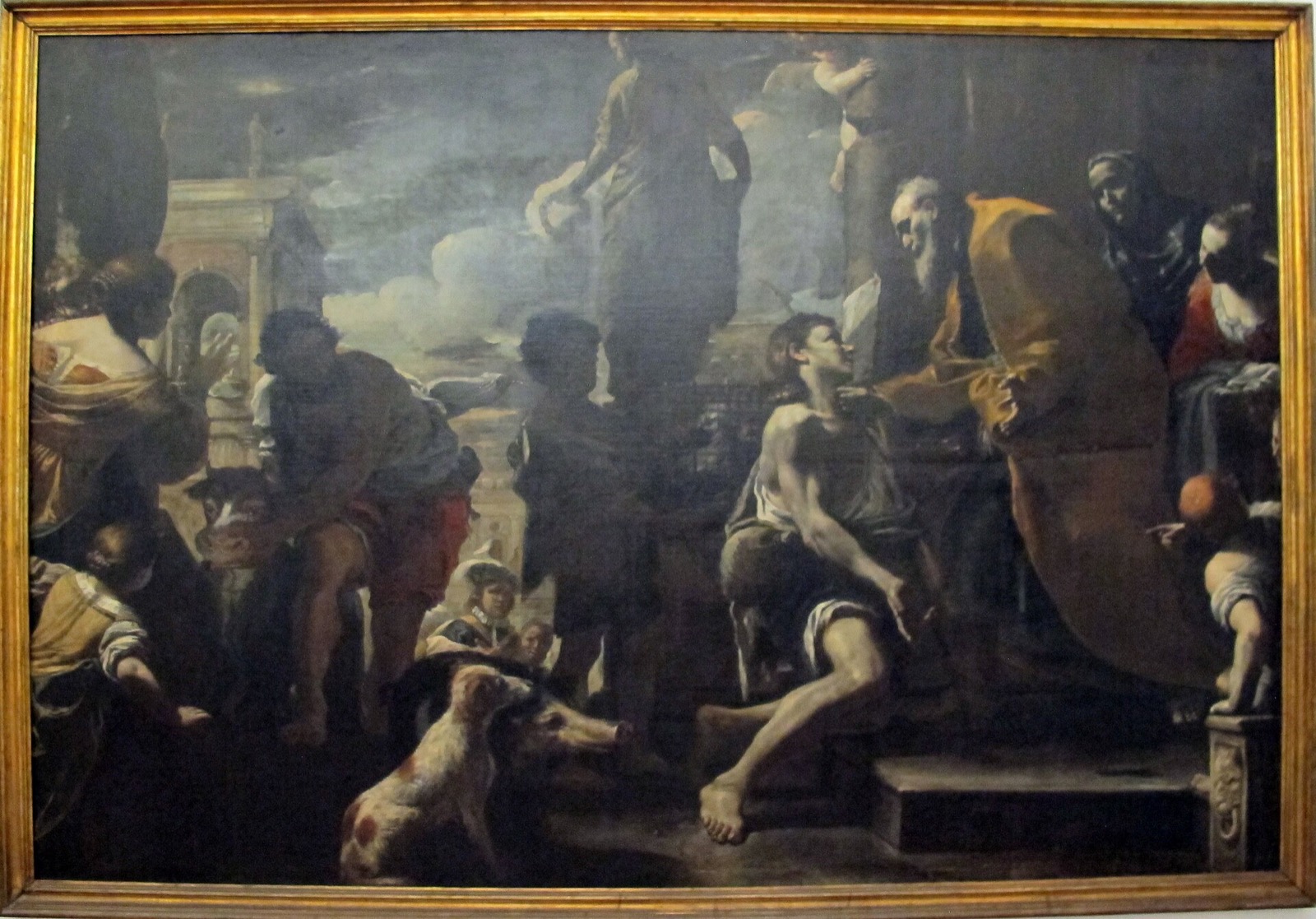
A Baroque painter from Calabria, called the Calabrian Knight, who worked in Naples and Malta; Capodimonte has his Return of the Prodigal Son.
Baroque. 1 work in 1 museum
See the artist
Picture: Francesco Solimena, CC BY-SA 4.0
Painter, 1657 to 1747
Francesco Solimena
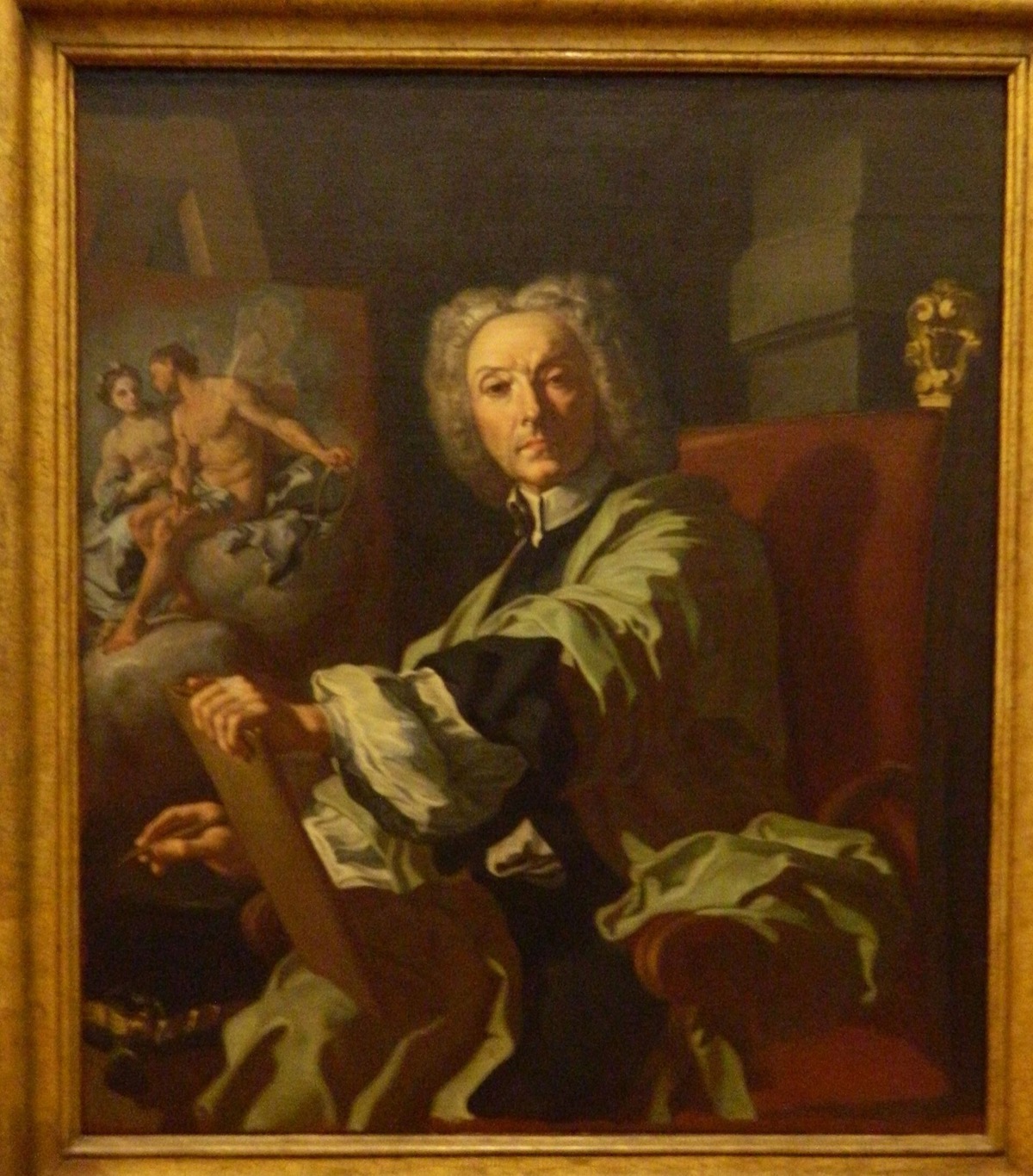
The leading painter of Naples in the early eighteenth century, a pupil in spirit of Luca Giordano and Mattia Preti; Capodimonte has his self-portrait.
Baroque. 1 work in 1 museum
See the artist
Picture: David Sivyer, CC BY-SA 2.0
Sculptor, 1720 to 1793
Giuseppe Sanmartino
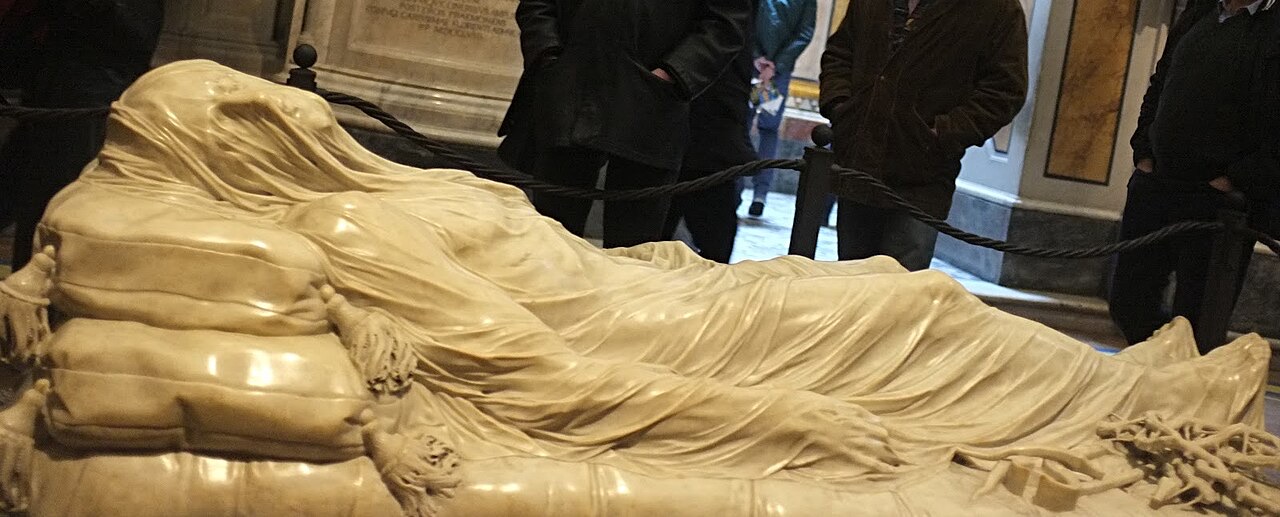
The Neapolitan sculptor of the Veiled Christ in the Sansevero Chapel, a dead Christ under a shroud of marble that seems to be cloth.
Late Baroque. 1 work in 1 museum
See the artist