Painter, 1401 to 1428
Masaccio
In 1426 Masaccio painted a great altarpiece for the Carmelite church of Pisa. It was taken apart and its panels scattered; the Crucifixion from its top is at Capodimonte. Mary Magdalene throws up her arms at the foot of the cross, her back to us.
- Born
- 1401, San Giovanni Valdarno, Italy
- Died
- 1428, Rome, Italy
- Movement
- Early Renaissance
- In Naples
- 1 work in 1 museum
Where to see Masaccio in Naples
Each work with the museum it hangs in. Museums move and lend their works, so check before a special journey.
Museo di Capodimonte1 work
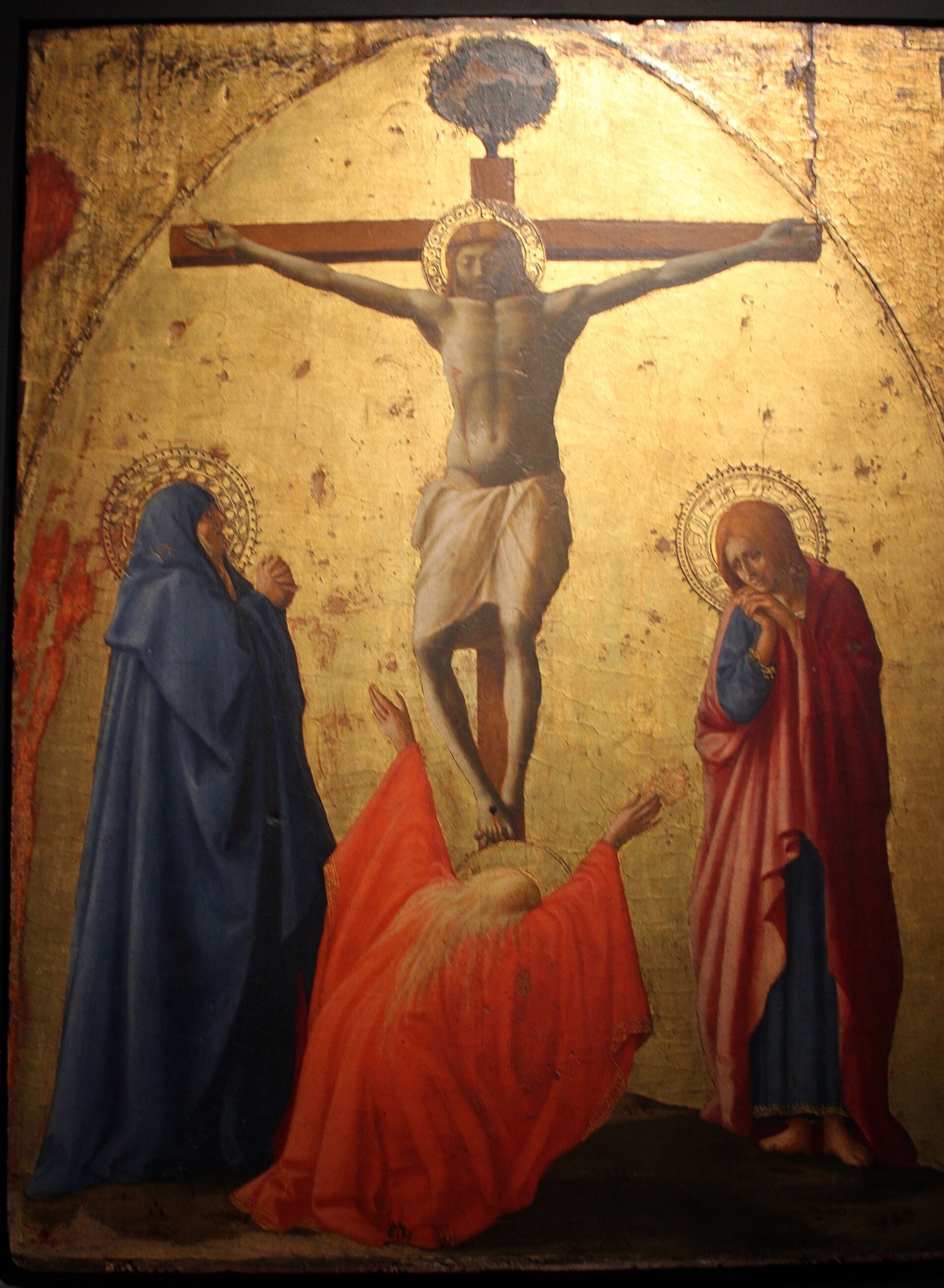
The Crucifixion
1426
Christ on the cross between the Virgin and St John, with the Magdalene at its foot, on a gold ground.
The life of Masaccio
Tommaso di Ser Giovanni, nicknamed Masaccio, was born in the Arno valley in 1401 and was a master in Florence by 1422. He learned perspective from the architect Brunelleschi and the modelling of bodies from the sculptor Donatello, and brought both into painting.
In 1428 he went to Rome and died there within months. Vasari says that every painter of the next century studied his frescoes in the Carmine, Michelangelo among them.
What to know
- The Crucifixion, 1426
- From the Pisa altarpiece
- Born
- 21 December 1401, San Giovanni Valdarno, Italy
- Died
- Summer 1428, Rome, Italy
Masaccio: common questions
- Where can you see Masaccio in Naples?
- At the Museo di Capodimonte: The Crucifixion. Museums move and lend their works, so check before a special journey.
- What is Masaccio's most famous work in Naples?
- The Crucifixion, of 1426, at the Museo di Capodimonte. Christ on the cross between the Virgin and St John, with the Magdalene at its foot, on a gold ground.
- When and where was Masaccio born?
- On 21 December 1401, at San Giovanni Valdarno, Italy. Masaccio died summer 1428, at Rome, Italy, aged about 27.
- What is Masaccio known for?
- The Crucifixion, 1426. From the Pisa altarpiece. Masaccio was an Italian painter, of the Early Renaissance.
Tickets and tours: Masaccio in Naples
Things to do near Capodimonte
The nearest of this site's best things to do in the city. Distances are in a straight line.
- 13Visit the catacombs of San Gennaro350 m awayUnderground, 1 to 2 hours, a guided visit
- 1See the finds of Pompeii at the Archaeological Museum1.5 km awayMuseum, 2.5 to 4 hours, ticket
- 7See the chapel and treasure of San Gennaro in the cathedral1.8 km awayChurch, 45 to 90 minutes, free cathedral; ticket for the treasure
- 2Go down into the tunnels of Naples Underground1.8 km awayUnderground, 1.3 to 2 hours, a guided visit
Where to eat near Capodimonte
The nearest of the famous tables this site lists in Naples. Distances are in a straight line.
- Concettina ai Tre Santi3.9Pizzeria, Sanità1.1 km away
- Pizzeria Starita4.6Pizzeria, Materdei1.3 km away
- Pizzeria Di Matteo4.2Pizzeria, Via dei Tribunali1.9 km away
- Gino e Toto Sorbillo4.4Pizzeria, Via dei Tribunali1.9 km away
Hotels near Capodimonte
The hotels closest to it, of those this site lists in Naples. Distances are in a straight line.
- Palazzo Caracciolo4.4Four-star hotel, San Lorenzo1.6 km away
- Costantinopoli 1044.3Four-star hotel, Centro Storico1.8 km away
- UNAHOTELS Napoli4.4Four-star hotel, Mercato2.2 km away
- Decumani Hotel de Charme4.4Four-star hotel, Centro Storico2.3 km away
Other artists
Painter, 1284 to 1344
Simone Martini
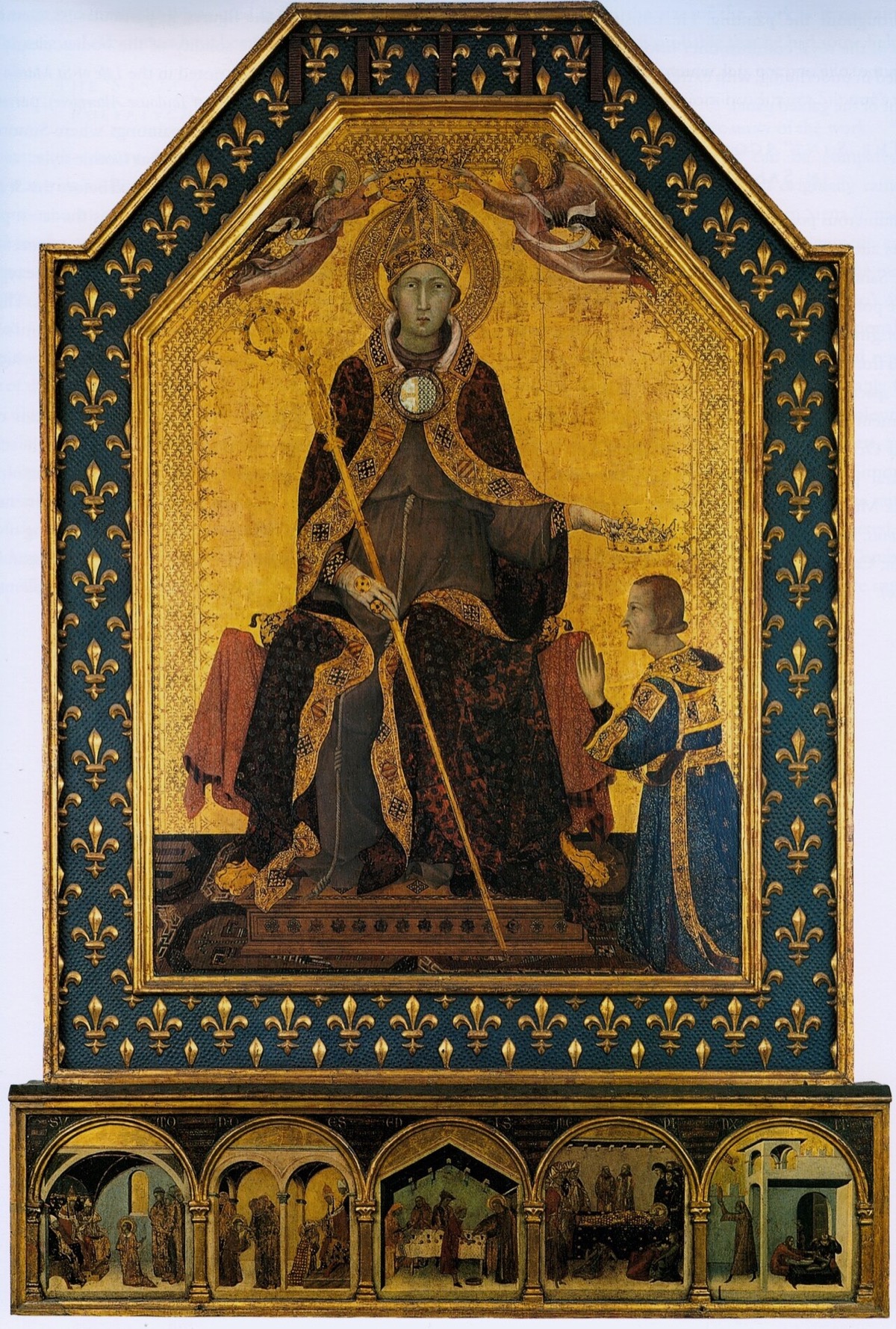
The great painter of fourteenth-century Siena, whose Saint Louis of Toulouse, painted for the Angevin king Robert of Naples, is at Capodimonte.
Sienese school. 1 work in 1 museum
See the artist
Painter, 1430 to 1516
Giovanni Bellini
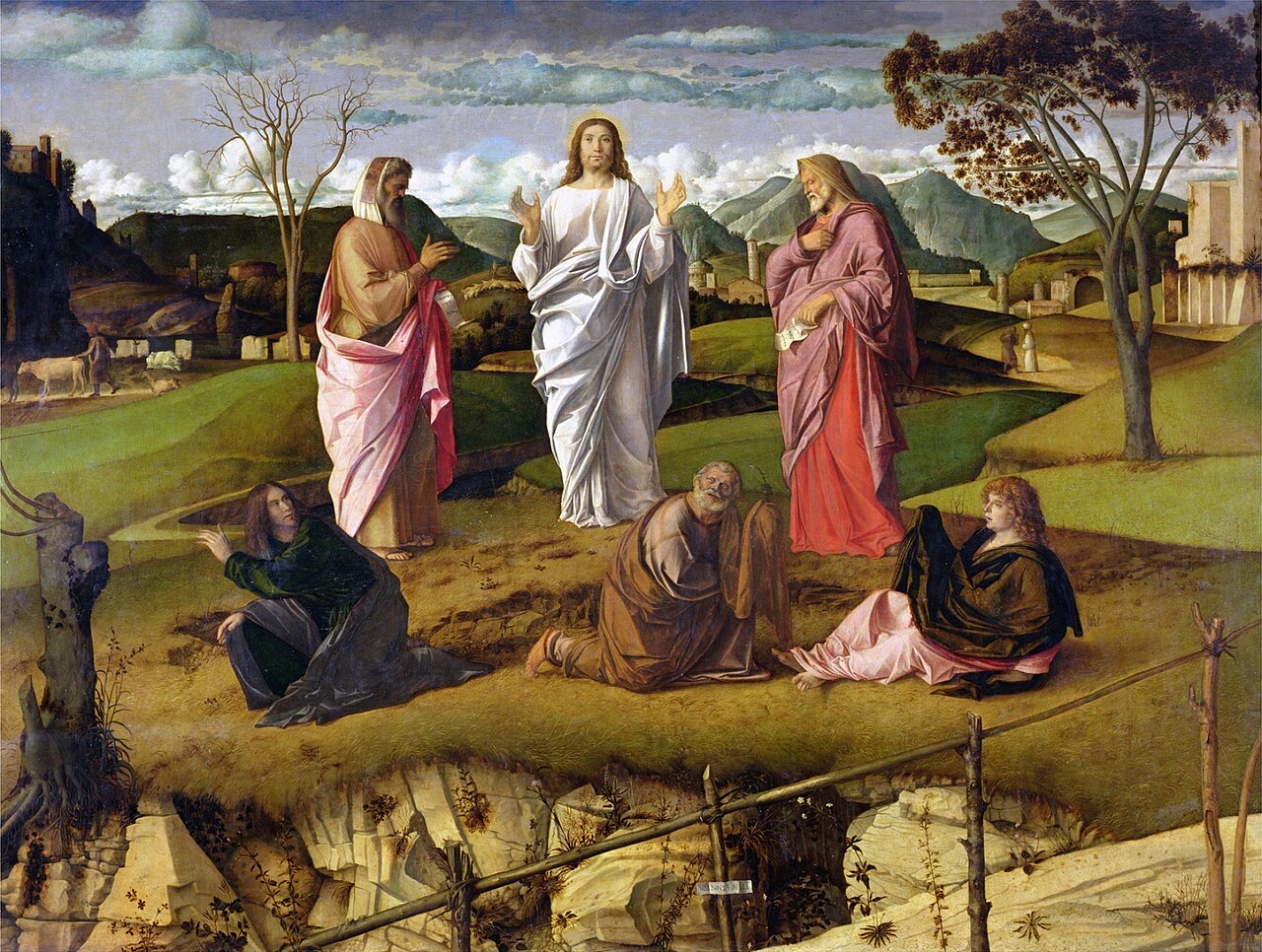
Capodimonte has Bellini's Transfiguration, Christ between Moses and Elijah in an open Venetian landscape.
Venetian Renaissance. 1 work in 1 museum
See the artist
Picture: Sailko, CC BY 3.0
Painter, 1431 to 1506
Andrea Mantegna
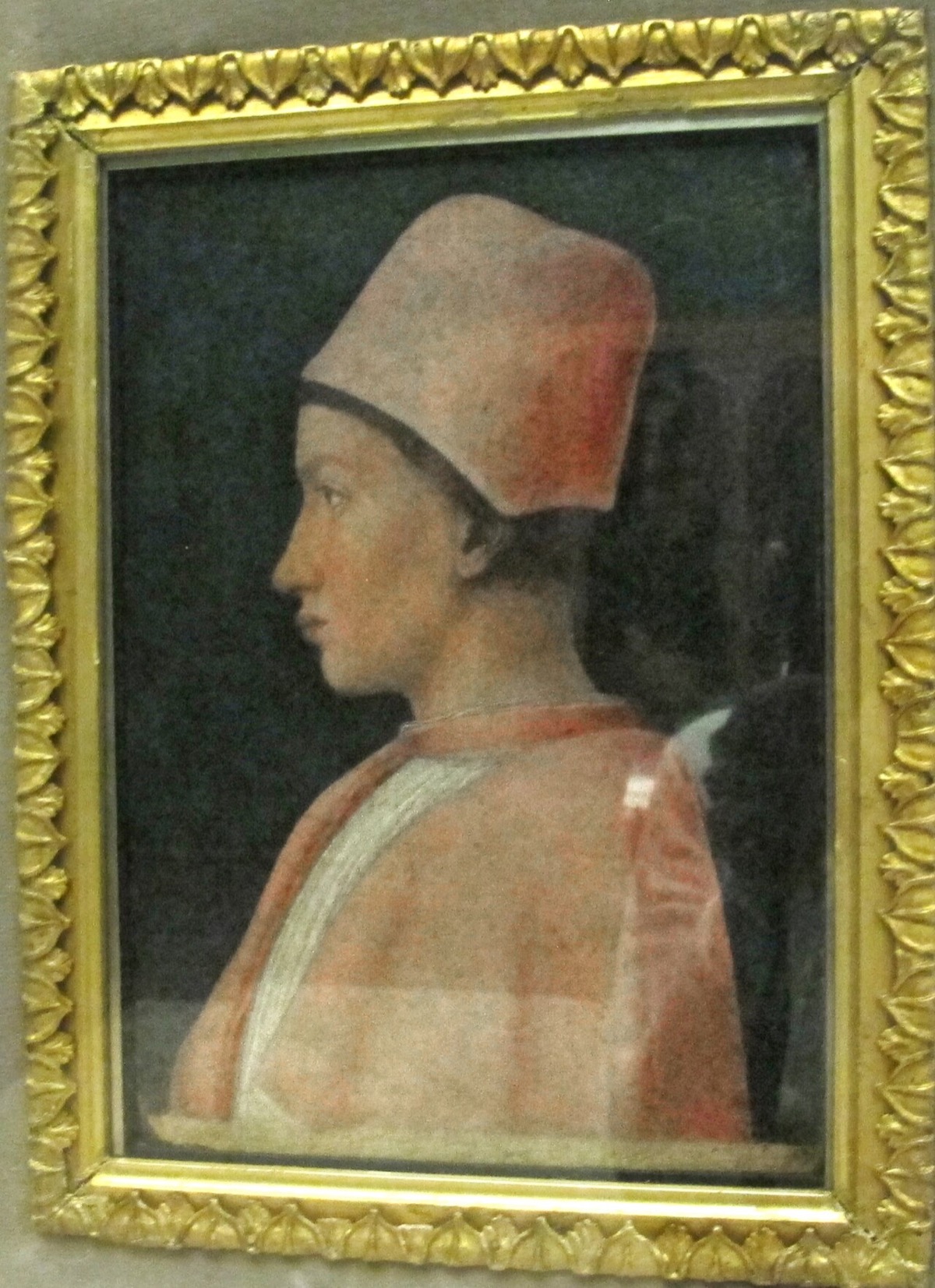
Capodimonte has Mantegna's portrait of the young Francesco Gonzaga.
Early Renaissance. 1 work in 1 museum
See the artist