Painter, 1477 to 1510
Giorgione
Giorgione's Three Philosophers shows three men of different ages in a landscape, before a dark cave, with instruments of measurement; what they stand for has been argued over for centuries. The painting is in the Kunsthistorisches Museum.
- Born
- 1477, Castelfranco Veneto, Republic of Venice
- Died
- 1510, Venice, Republic of Venice
- Movement
- Venetian Renaissance
- In Vienna
- 1 work in 1 museum
Where to see Giorgione in Vienna
Each work with the museum it hangs in. Museums move and lend their works, so check before a special journey.
Kunsthistorisches Museum1 work
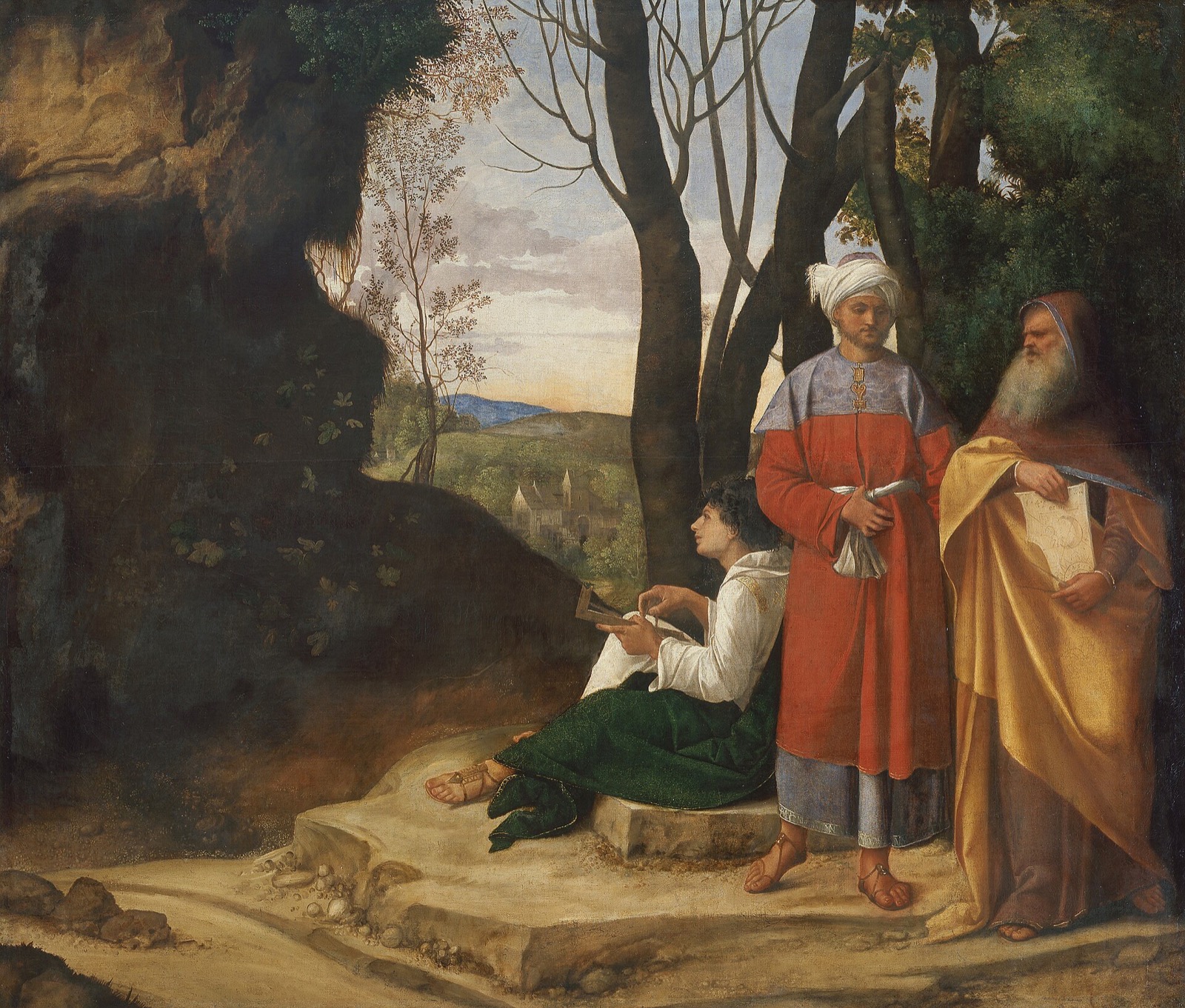
The Three Philosophers
about 1508 to 1509
Three men of three ages in a landscape, by a dark cave.
The life of Giorgione
Giorgione came from Castelfranco, on the mainland, and trained in Venice, perhaps with Giovanni Bellini. He painted for private collectors small pictures whose meaning was meant for them alone, and frescoes on the fronts of Venetian buildings, now almost gone.
He died of the plague in 1510, in his early thirties. The Tempest and the Old Woman in the Accademia are among the few pictures every scholar gives him.
What to know
- The Three Philosophers, about 1508 to 1509
- In the Kunsthistorisches Museum
- Born
- About 1477 to 1478, Castelfranco Veneto, Republic of Venice
- Died
- 1510, Venice, Republic of Venice
Giorgione: common questions
- Where can you see Giorgione in Vienna?
- At the Kunsthistorisches Museum: The Three Philosophers. Museums move and lend their works, so check before a special journey.
- What is Giorgione's most famous work in Vienna?
- The Three Philosophers, of about 1508 to 1509, at the Kunsthistorisches Museum. Three men of three ages in a landscape, by a dark cave.
- When and where was Giorgione born?
- About 1477 to 1478, at Castelfranco Veneto, Republic of Venice. Giorgione died in 1510, at Venice, Republic of Venice, aged about 33.
- What is Giorgione known for?
- The Three Philosophers, about 1508 to 1509. In the Kunsthistorisches Museum. Giorgione was a Venetian painter, of the Venetian Renaissance.
Tickets and tours: Giorgione in Vienna
Things to do near the Kunsthistorisches Museum
The nearest of this site's best things to do in the city. Distances are in a straight line.
- 7See Schiele and Klimt at the Leopold Museum250 m awayMuseum, 1.5 to 2.5 hours, ticket
- 8See the crown of the Holy Roman Empire in the Imperial Treasury450 m awayMuseum, 1 to 1.5 hours, ticket with a time
- 10See Klimt's Beethoven Frieze at the Secession450 m awayMuseum, 45 to 75 minutes, ticket at the door
- 6See Dürer's Hare and the Monets of the Albertina500 m awayMuseum, 1.5 to 2.5 hours, ticket
Where to eat near the Kunsthistorisches Museum
The nearest of the famous tables this site lists in Vienna. Distances are in a straight line.
- Café Sperl4.0Café, Gumpendorfer Straße450 m away
- Café Museum4.3Café, Karlsplatz500 m away
- Café Mozart4.1Café, Albertinaplatz600 m away
- Café Sacher3.9Café, State Opera600 m away
Hotels near the Kunsthistorisches Museum
The hotels closest to it, of those this site lists in Vienna. Distances are in a straight line.
- Hotel Sacher Wien4.5Five-star hotel, State Opera600 m away
- The Amauris Vienna4.9Five-star hotel, Innere Stadt700 m away
- Grand Hotel Wien4.6Five-star hotel, Kärntner Ring800 m away
- Hotel Kaiserin Elisabeth4.6Four-star hotel, Innere Stadt850 m away
Other artists
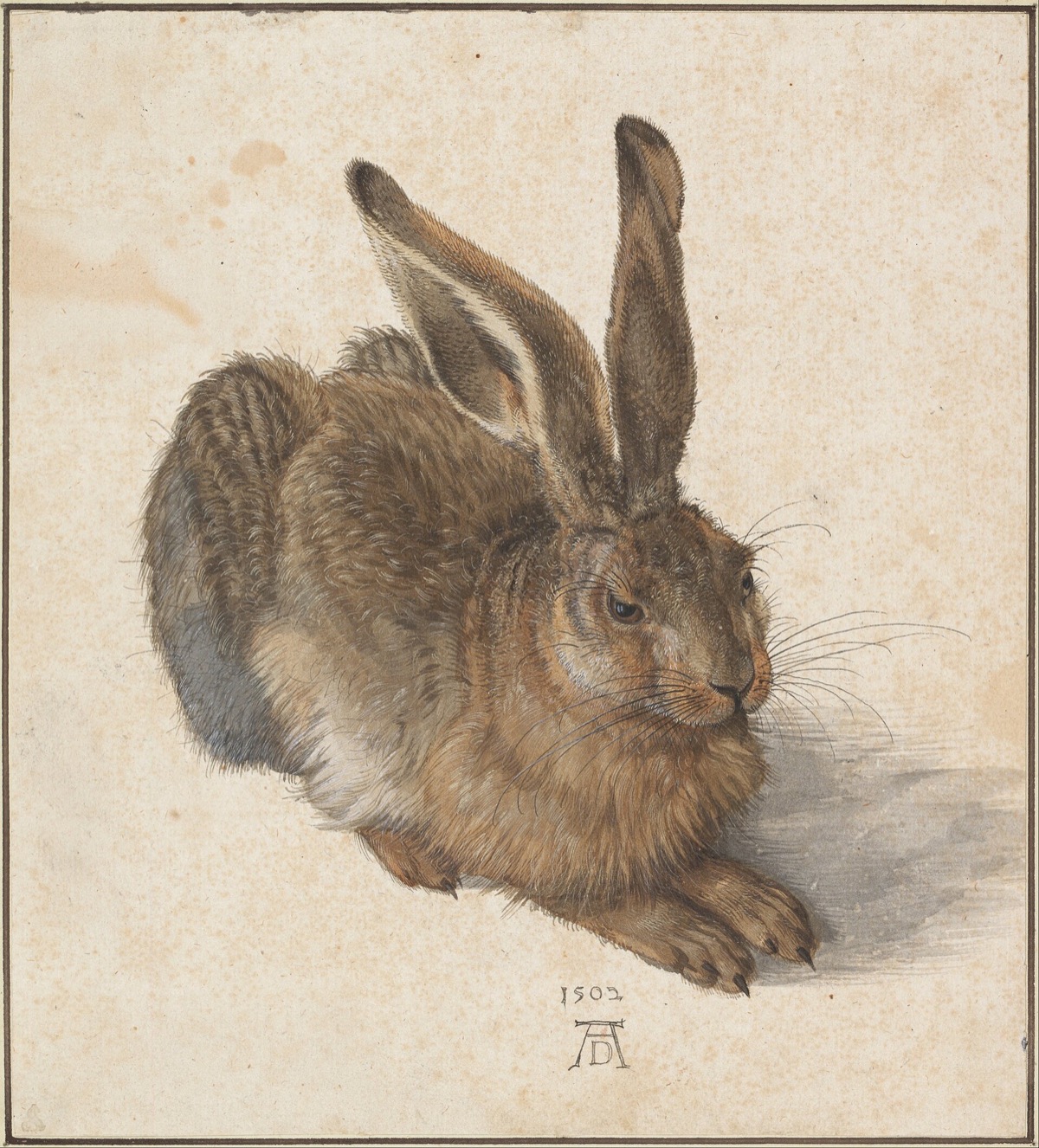
Painter, 1471 to 1528
Albrecht Dürer
Vienna has Dürer's most famous drawings, the Young Hare and the Great Piece of Turf, at the Albertina, and his Adoration of the Trinity at the Kunsthistorisches Museum.
Northern Renaissance. 3 works in 2 museums
See the artist
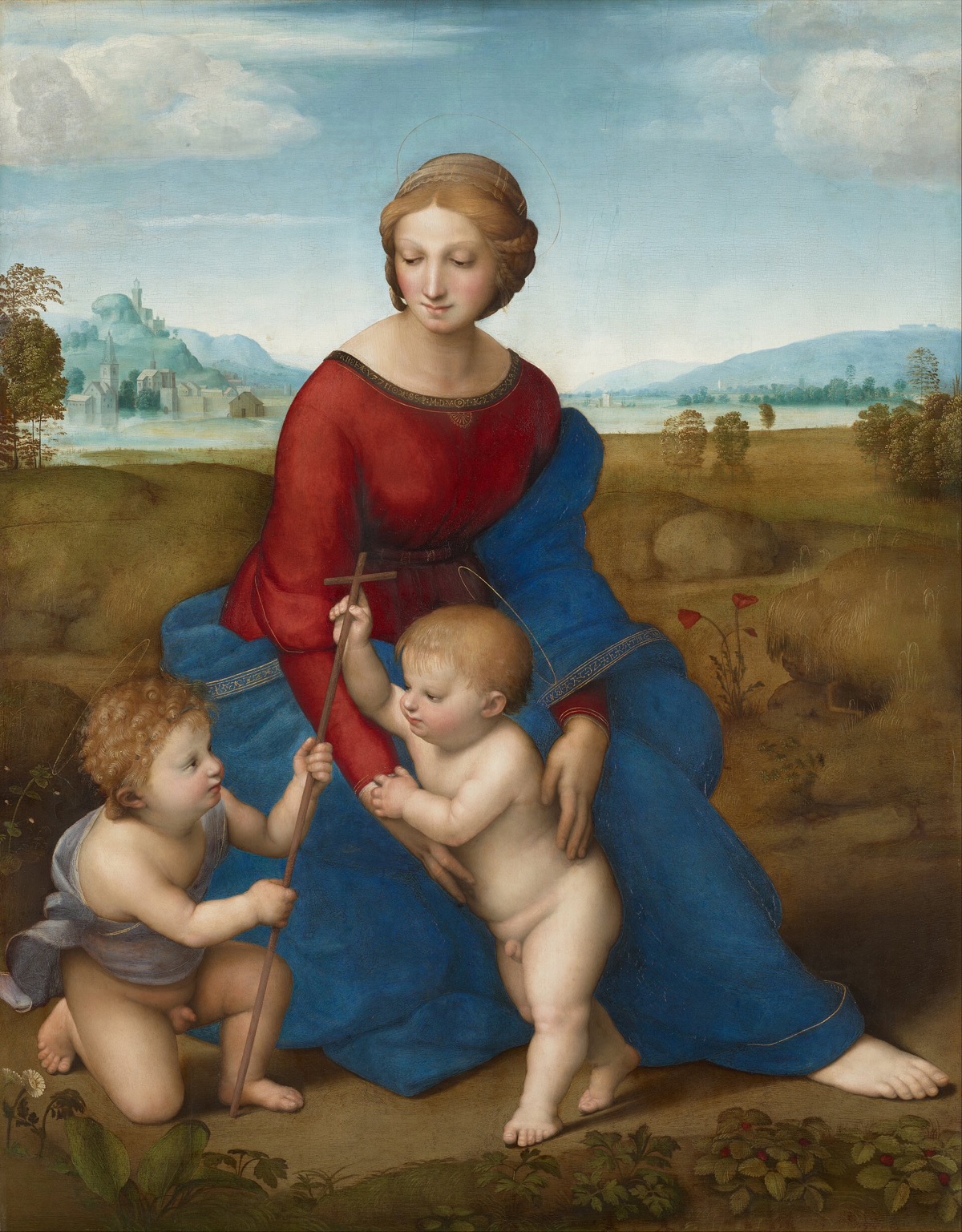
Painter, 1483 to 1520
Raphael
In Vienna, at the Kunsthistorisches Museum, Raphael's Madonna of the Meadow, painted in Florence.
High Renaissance. 1 work in 1 museum
See the artist
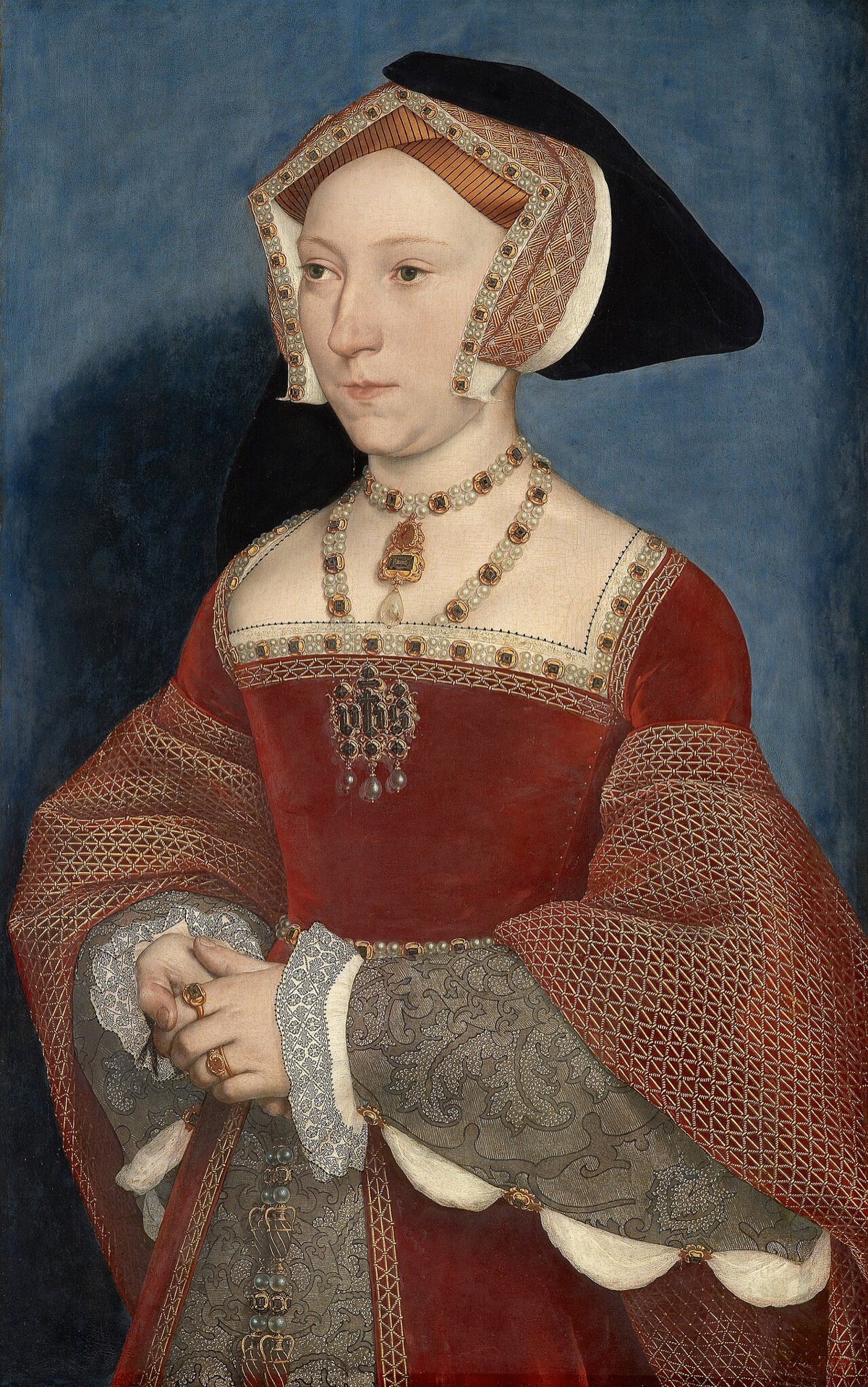
Painter, 1497 to 1543
Hans Holbein the Younger
The Kunsthistorisches Museum has Holbein's portrait of Jane Seymour, Henry VIII's third queen, of 1536 to 1537.
Northern Renaissance. 1 work in 1 museum
See the artist