Painter, 1862 to 1918
Gustav Klimt
Klimt was born near Vienna, worked there all his life and led the Secession. The Belvedere has the largest collection of his paintings, with The Kiss, and the frieze he painted for the Secession in 1902 is still in its basement.
- Born
- 1862, Baumgarten, near Vienna, Austria
- Died
- 1918, Vienna, Austria
- Movement
- Vienna Secession
- In Vienna
- 4 works in 3 museums
Where to see Gustav Klimt in Vienna
Each work with the museum it hangs in. Museums move and lend their works, so check before a special journey.
Upper Belvedere2 works
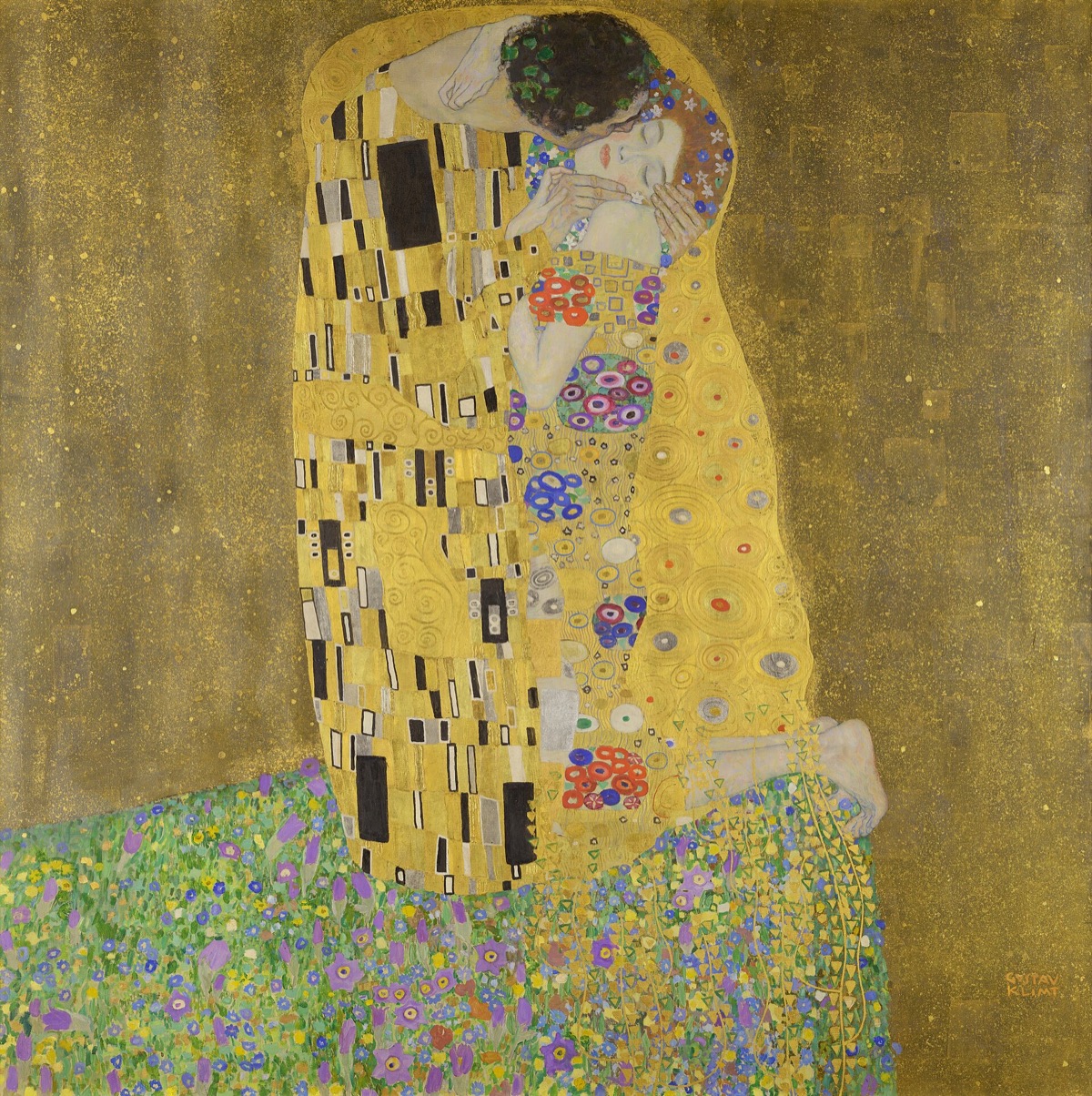
The Kiss
1907 to 1908
A couple embracing on a bank of flowers, wrapped in robes of gold leaf, bought by the state the year it was shown.
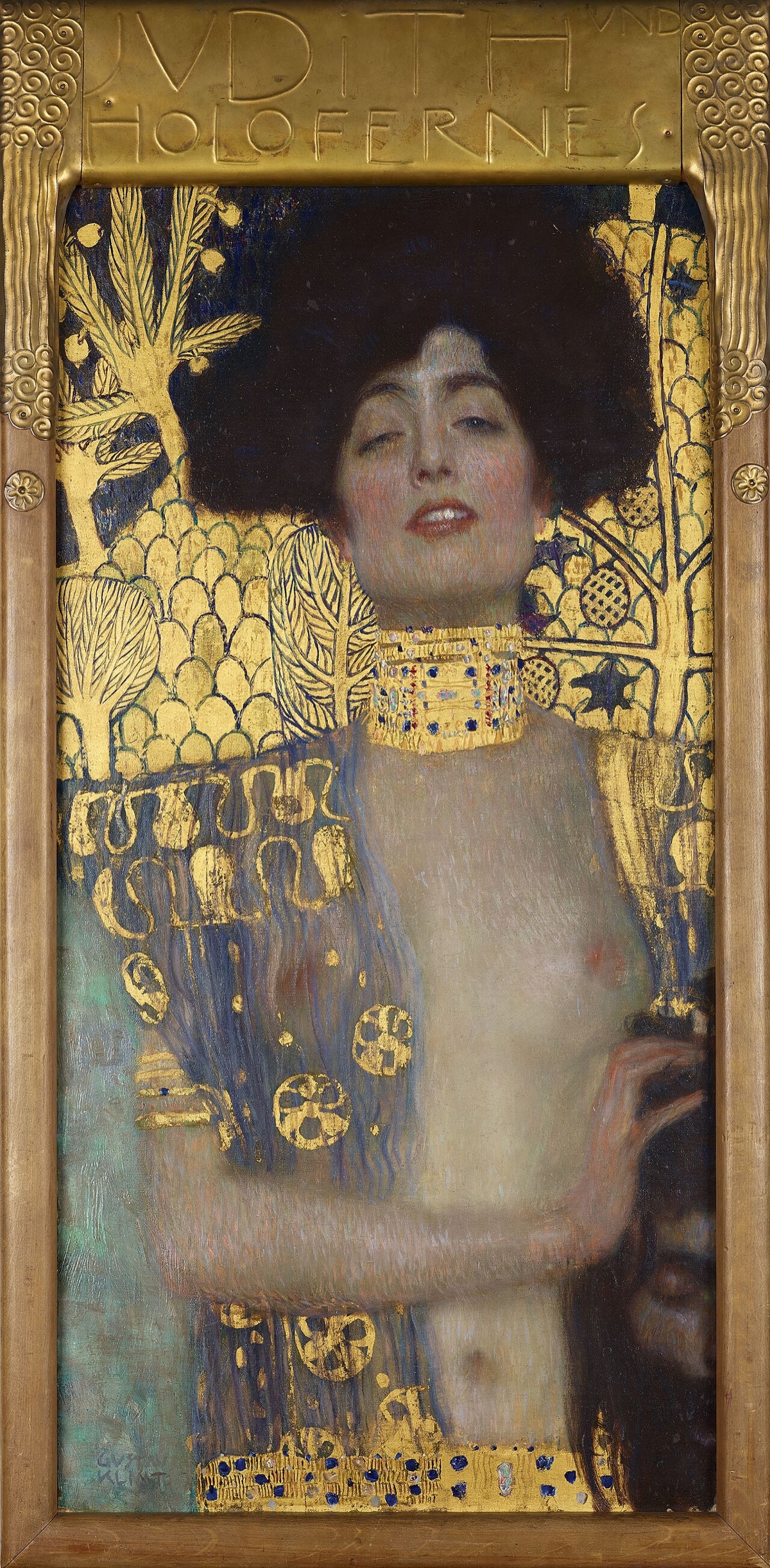
Judith I
1901
Judith with the head of Holofernes, half-closed eyes and a high collar of gold, in a frame of beaten metal.
Secession1 work
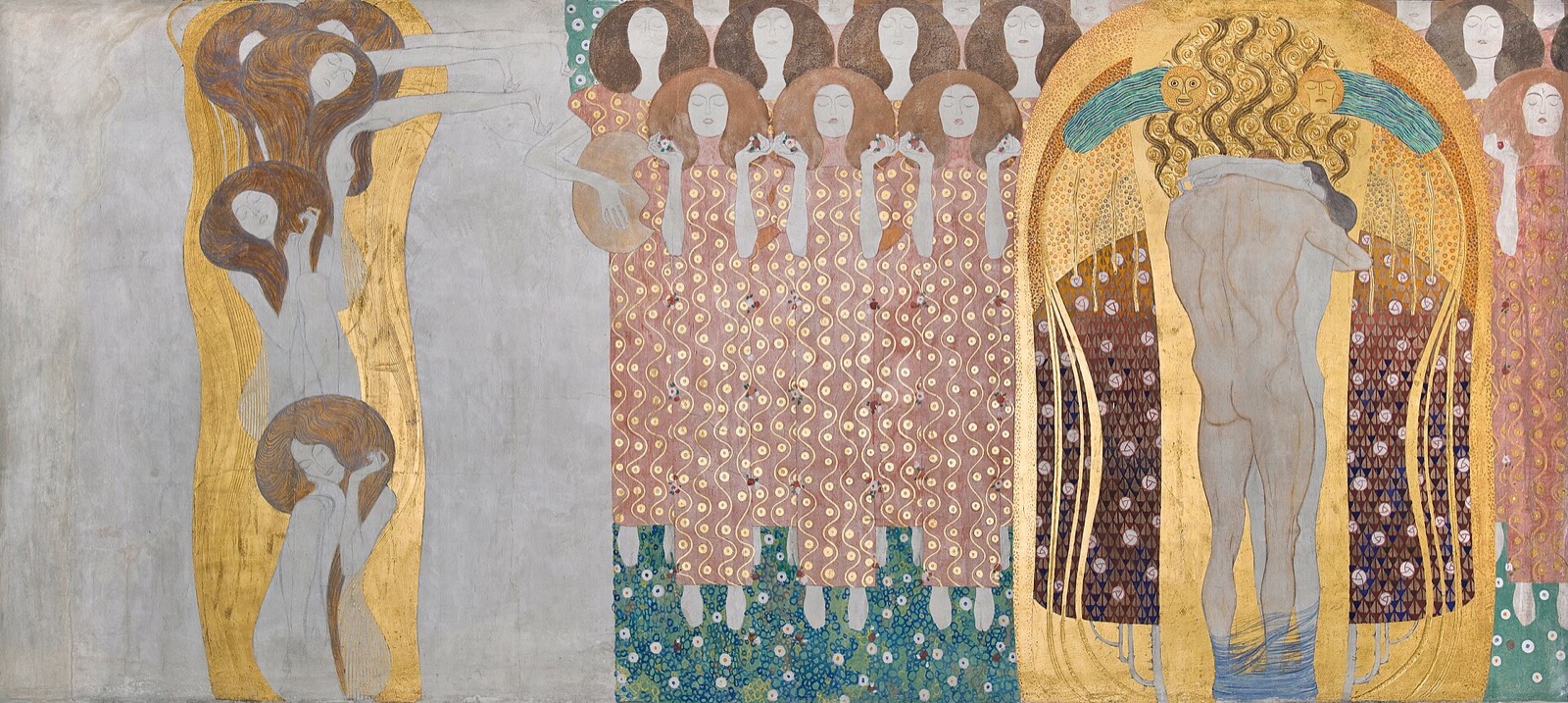
Beethoven Frieze
1902
A frieze running round three walls, painted for the Secession's exhibition on Beethoven, from the longing for happiness to the kiss of the Ninth Symphony.
Leopold Museum1 work
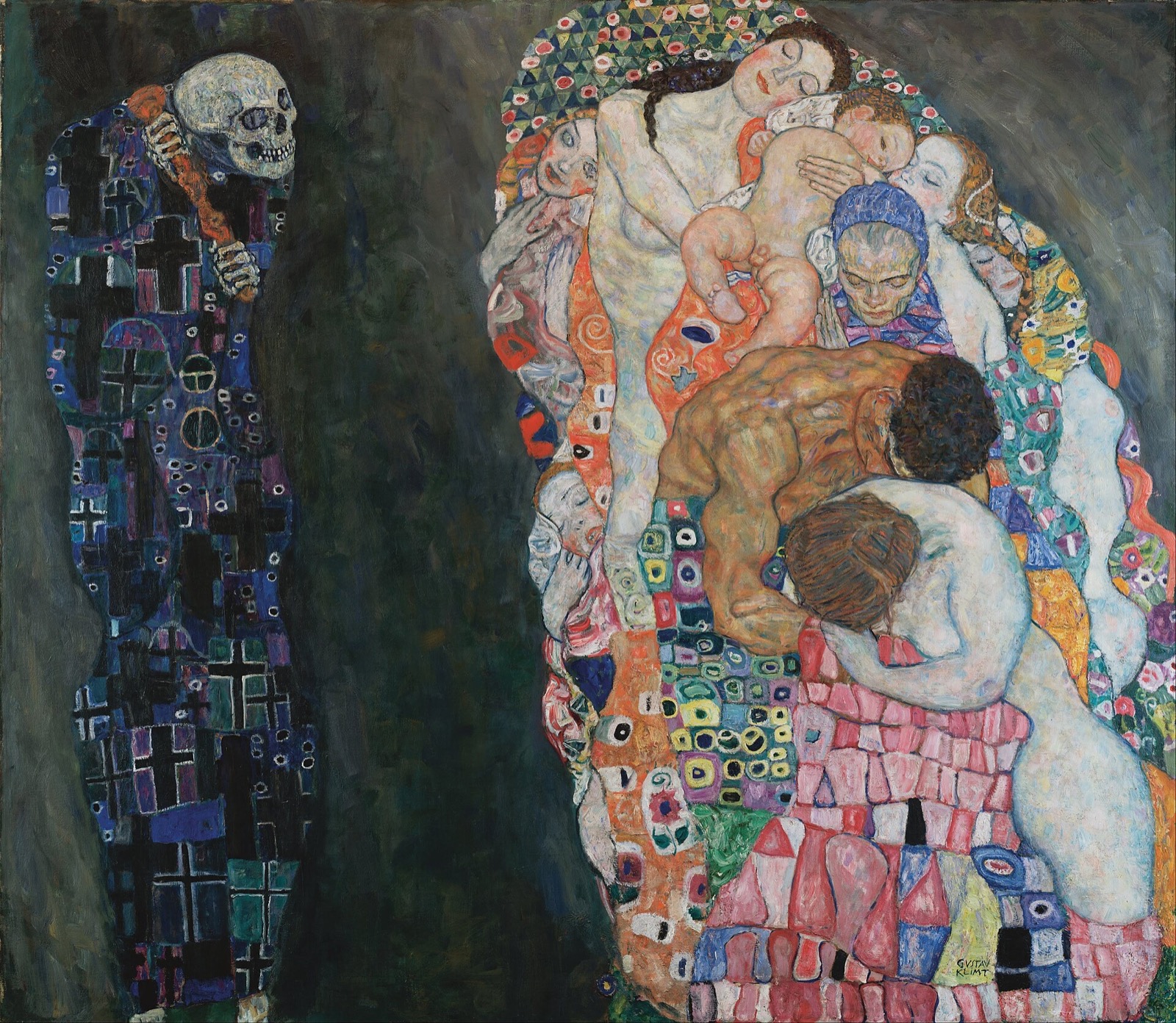
Death and Life
1910 to 1915
Death in a robe of crosses watching a tangle of sleeping people, from babies to the old, which he repainted after it was first shown.
The life of Gustav Klimt
Klimt was born near Vienna in 1862, the son of a gold engraver. In 1897 he led the artists who broke with the official academy and founded the Vienna Secession.
In the first decade of the new century he painted with gold leaf and flat pattern, in pictures such as The Kiss. He died in Vienna in 1918.
What to know
- The Belvedere has the largest collection of his paintings
- The Beethoven Frieze is still in the Secession
- He was the first president of the Vienna Secession
- Born
- 14 July 1862, Baumgarten, near Vienna, Austria
- Died
- 6 February 1918, Vienna, Austria
Gustav Klimt: common questions
- Where can you see Gustav Klimt in Vienna?
- At the Upper Belvedere: The Kiss and Judith I. At the Secession: Beethoven Frieze. At the Leopold Museum: Death and Life. Museums move and lend their works, so check before a special journey.
- What is Gustav Klimt's most famous work in Vienna?
- The Kiss, of 1907 to 1908, at the Upper Belvedere. A couple embracing on a bank of flowers, wrapped in robes of gold leaf, bought by the state the year it was shown.
- When and where was Gustav Klimt born?
- On 14 July 1862, at Baumgarten, near Vienna, Austria. Gustav Klimt died on 6 February 1918, at Vienna, Austria, aged about 56.
- What is Gustav Klimt known for?
- The Belvedere has the largest collection of his paintings. The Beethoven Frieze is still in the Secession. He was the first president of the Vienna Secession. Gustav Klimt was an Austrian painter, of the Vienna Secession.
Tickets and tours: Gustav Klimt in Vienna
Things to do near the Belvedere
The nearest of this site's best things to do in the city. Distances are in a straight line.
- 11Ride the lift into the dome of the Karlskirche1.0 km awayChurch, 45 to 60 minutes, ticket
- 13Hear a concert in the Golden Hall of the Musikverein1.2 km awayShow, 1.5 to 2.5 hours, concert ticket
- 10See Klimt's Beethoven Frieze at the Secession1.5 km awayMuseum, 45 to 75 minutes, ticket at the door
- 15Eat your way along the Naschmarkt1.5 km awayWalk, 1 to 2 hours, free to walk
Where to eat near the Belvedere
The nearest of the famous tables this site lists in Vienna. Distances are in a straight line.
- Café Schwarzenberg4.2Café, Kärntner Ring1.3 km away
- Café Museum4.3Café, Karlsplatz1.5 km away
- Gerstner4.3Confectioner and café, Kärntner Straße1.5 km away
- Café Sacher3.9Café, State Opera1.6 km away
Hotels near the Belvedere
The five-star hotels closest to it, of those this site lists in Vienna. Distances are in a straight line.
- Hotel Imperial4.7Five-star hotel, Kärntner Ring1.2 km away
- Grand Hotel Wien4.6Five-star hotel, Kärntner Ring1.4 km away
- Hotel Sacher Wien4.5Five-star hotel, State Opera1.6 km away
- Mandarin Oriental, Vienna4.4Five-star hotel, Riemergasse1.8 km away
Other artists
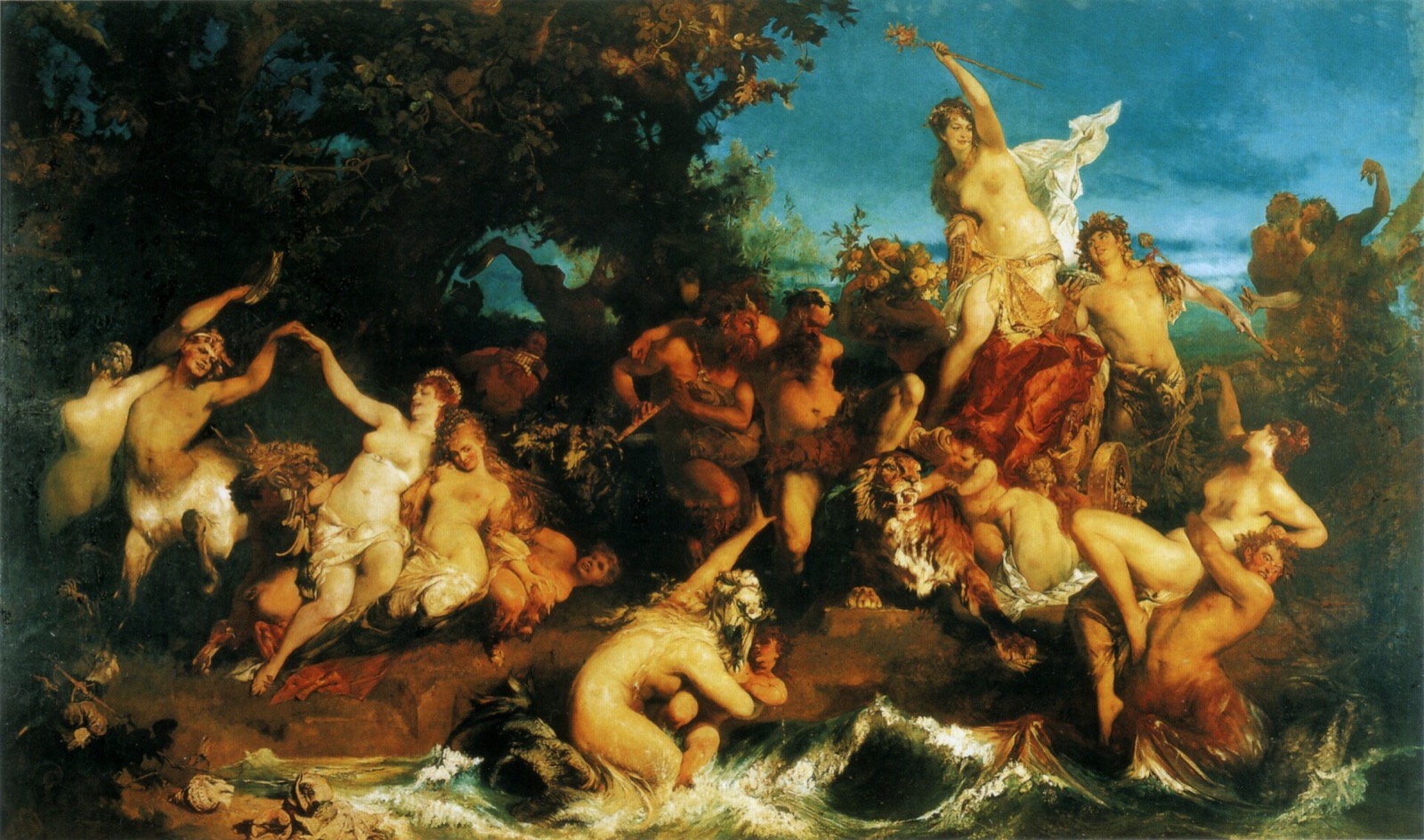
Painter, 1840 to 1884
Hans Makart
The painter of the Ringstrasse age, whose vast, sumptuous canvases and studio set the taste of Vienna in the 1870s.
Historicism. 3 works in 1 museum
See the artist
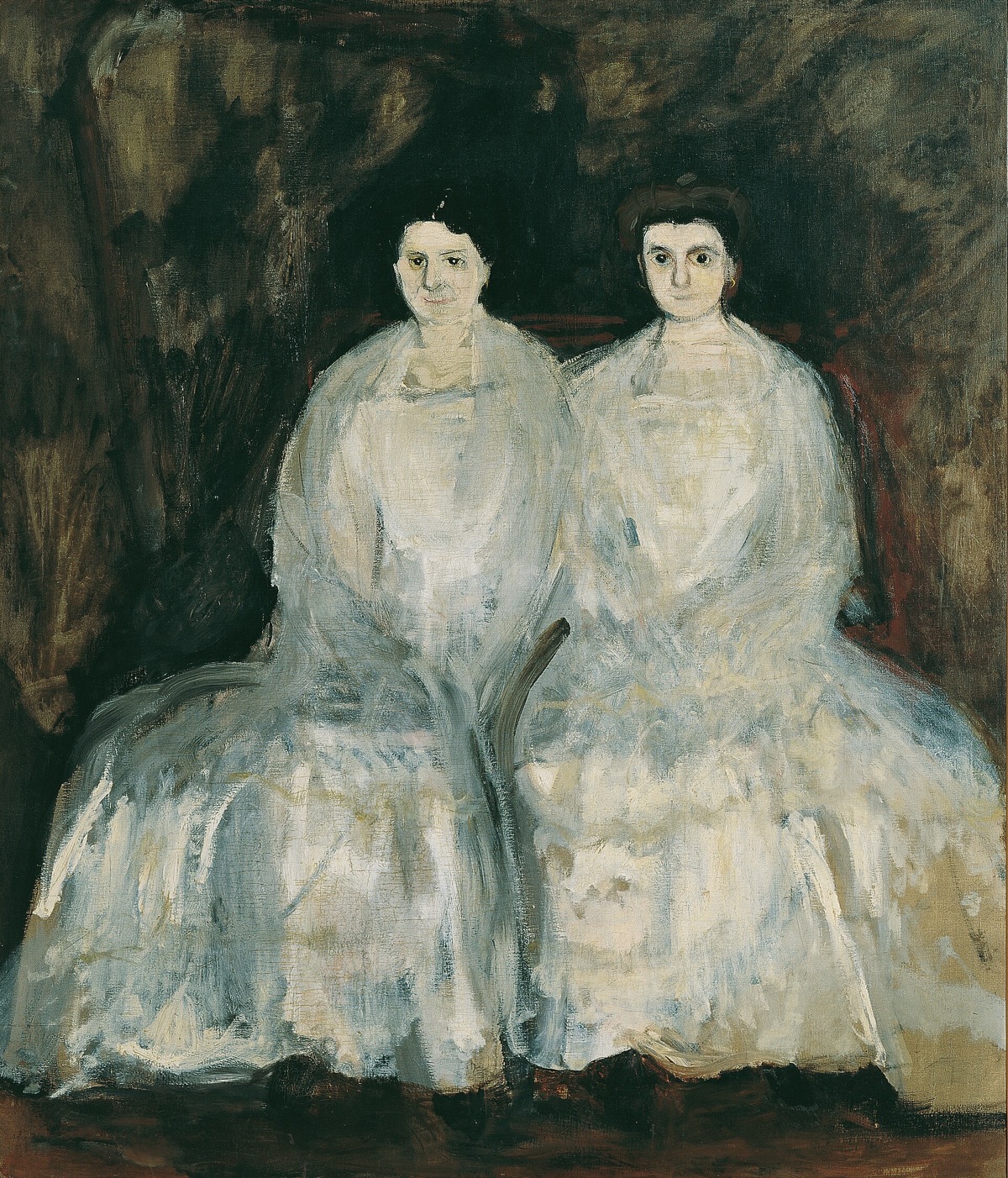
Painter, 1883 to 1908
Richard Gerstl
A young Viennese painter who worked alone, ahead of his time, and died at twenty-five; his work was found and shown only in the 1930s.
Expressionism. 3 works in 2 museums
See the artist
Painter, 1886 to 1980
Oskar Kokoschka
The Austrian Expressionist who scandalised Vienna before the First World War with portraits that seemed to show the sitter's nerves.
Expressionism. 3 works in 1 museum
See the artist