Painter, 1858 to 1899
Giovanni Segantini
Giovanni Segantini was born in Arco in 1858 and grew up poor and alone in Milan, stateless all his life. He became famous for his great pastoral landscapes of the Alps, painted in the Engadine in short strokes of pure colour, the Divisionist manner, and later filled with Symbolist images of nature.
- Born
- 1858, Arco, Trentino
- Died
- 1899, Schafberg, Engadine
- Movement
- Divisionism
- In Zurich
- 2 works in 1 museum
Where to see Giovanni Segantini in Zurich
Each work with the museum it hangs in. Museums move and lend their works, so check before a special journey.
Kunsthaus Zürich2 works
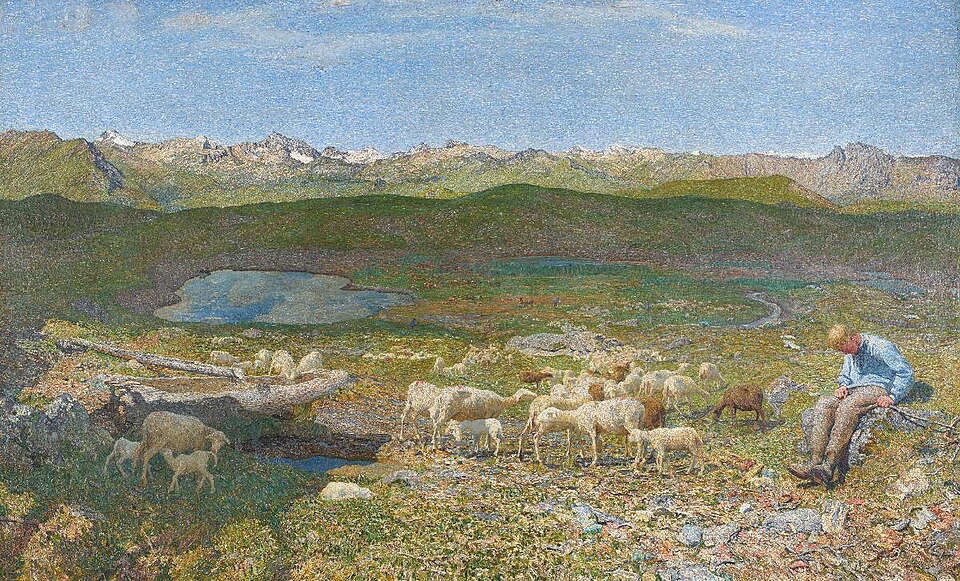
Alpine Pastures
1893
Sheep and a shepherd on a high meadow in full sun.
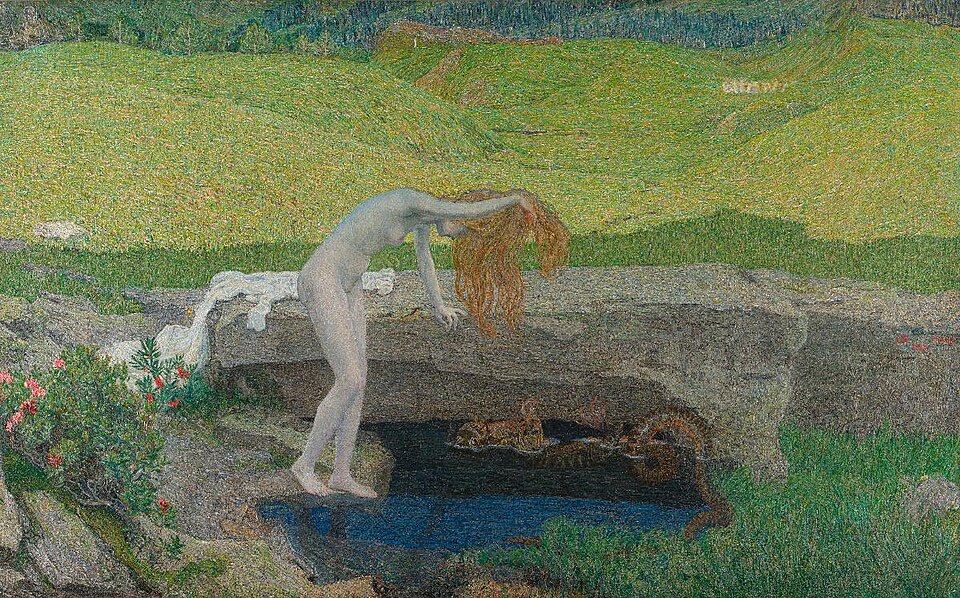
Vanity
1897
A naked young woman looking into a mountain pool.
The life of Giovanni Segantini
Switzerland offered him its citizenship more than once; he refused, calling Italy his homeland, and was made a citizen only after his death.
He died in 1899 on the Schafberg above Pontresina, where he was painting.
What to know
- The Alps of the Engadine
- Divisionism
- Symbolism
- Born
- 15 January 1858, Arco, Trentino
- Died
- 28 September 1899, Schafberg, Engadine
Giovanni Segantini: common questions
- Where can you see Giovanni Segantini in Zurich?
- At the Kunsthaus Zürich: Alpine Pastures and Vanity. Museums move and lend their works, so check before a special journey.
- What is Giovanni Segantini's most famous work in Zurich?
- Alpine Pastures, of 1893, at the Kunsthaus Zürich. Sheep and a shepherd on a high meadow in full sun.
- When and where was Giovanni Segantini born?
- On 15 January 1858, at Arco, Trentino. Giovanni Segantini died on 28 September 1899, at Schafberg, Engadine, aged about 41.
- What is Giovanni Segantini known for?
- The Alps of the Engadine. Divisionism. Symbolism. Giovanni Segantini was an Italian painter, of Divisionism.
Tickets and tours: Giovanni Segantini in Zurich
Things to do near the Kunsthaus
The nearest of this site's best things to do in the city. Distances are in a straight line.
- 14Visit the Cabaret Voltaire, where Dada began400 m awayShow, 30 to 90 minutes, free to enter the bar; events vary
- 3See the twin towers of the Grossmünster, where Zwingli preached400 m awayChurch, 30 to 60 minutes, free to enter
- 5Walk the old town to the Lindenhof600 m awayWalk, 1.5 to 2.5 hours, free; a guided walk with a ticket
- 13See the largest church clock face in Europe at St. Peter650 m awayChurch, 20 to 40 minutes, free
Where to eat near the Kunsthaus
The nearest of the famous tables this site lists in Zurich. Distances are in a straight line.
- Bodega Española4.3Bodega, old town350 m away
- Rechberg 18374.6Restaurant, old town400 m away
- Zunfthaus zur Schmiden4.7Guild house, old town400 m away
- Zunfthaus zur Zimmerleuten4.3Guild house, old town450 m away
Hotels near the Kunsthaus
The hotels closest to it, of those this site lists in Zurich. Distances are in a straight line.
- Hotel Helmhaus4.7Four-star hotel, old town450 m away
- Storchen Zürich4.6Five-star hotel, old town550 m away
- Widder Hotel4.7Five-star hotel, old town700 m away
- Mandarin Oriental Savoy, Zurich4.6Five-star hotel, City quarter700 m away
Other artists
Painter, 1853 to 1890
Vincent van Gogh
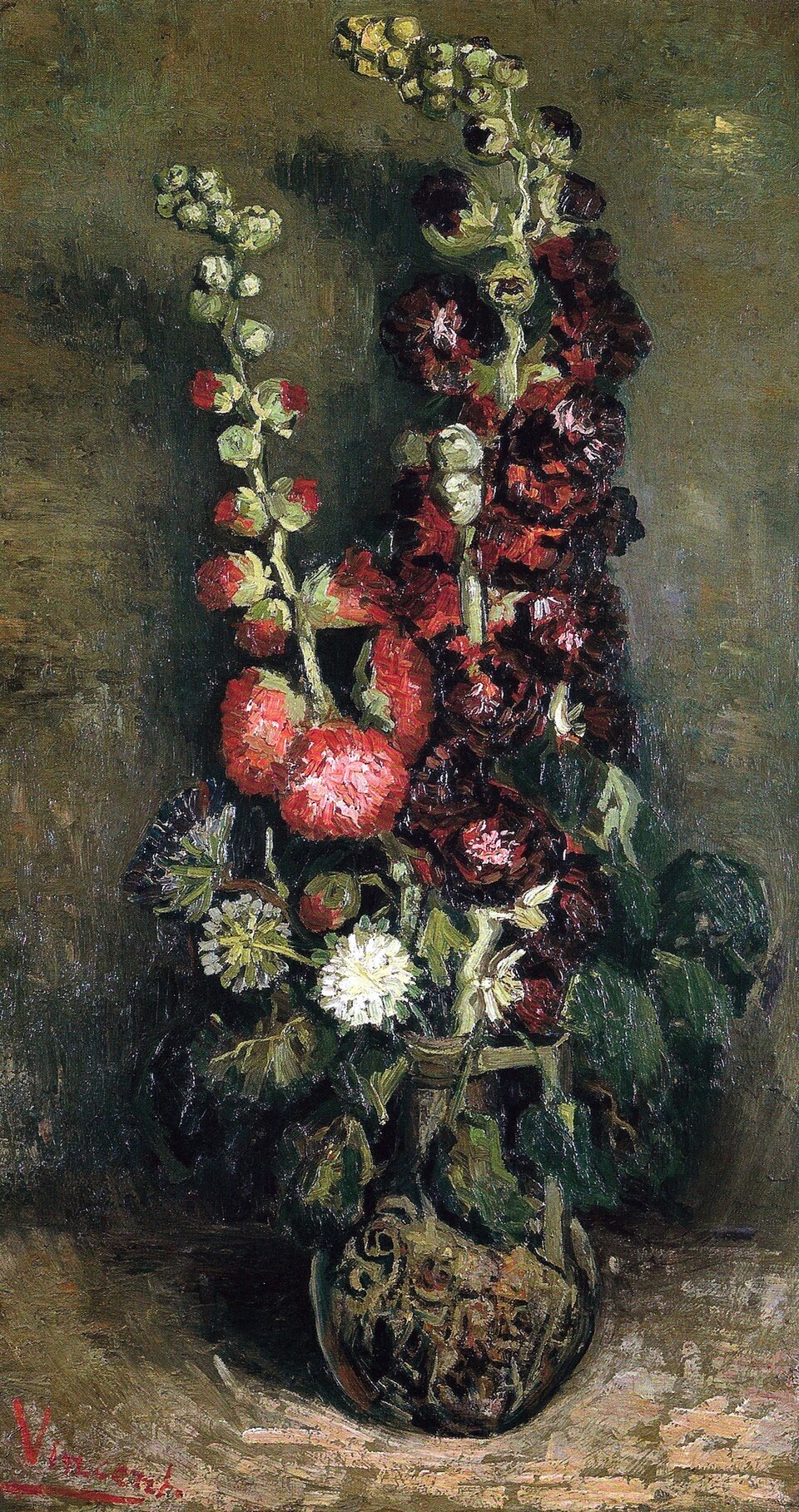
In Zurich: Van Gogh's Vase with Hollyhocks in the Kunsthaus, and his Sower at sunset, of the Bührle collection, shown there.
Post-Impressionism. 2 works in 2 museums
See the artist
Painter, 1863 to 1944
Edvard Munch
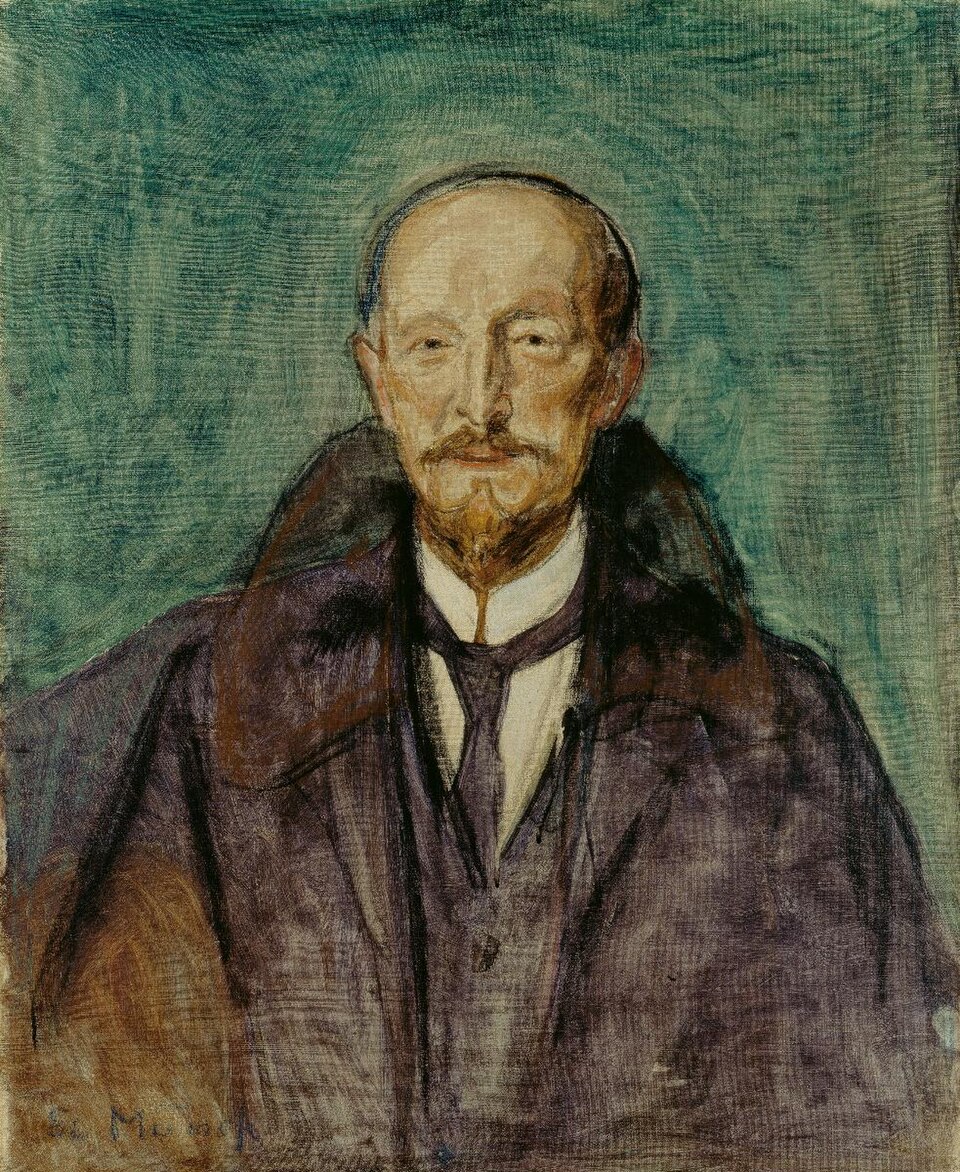
The Kunsthaus Zürich has a large group of Munch's paintings, among them his portrait of Albert Kollmann.
Expressionism. 2 works in 1 museum
See the artist
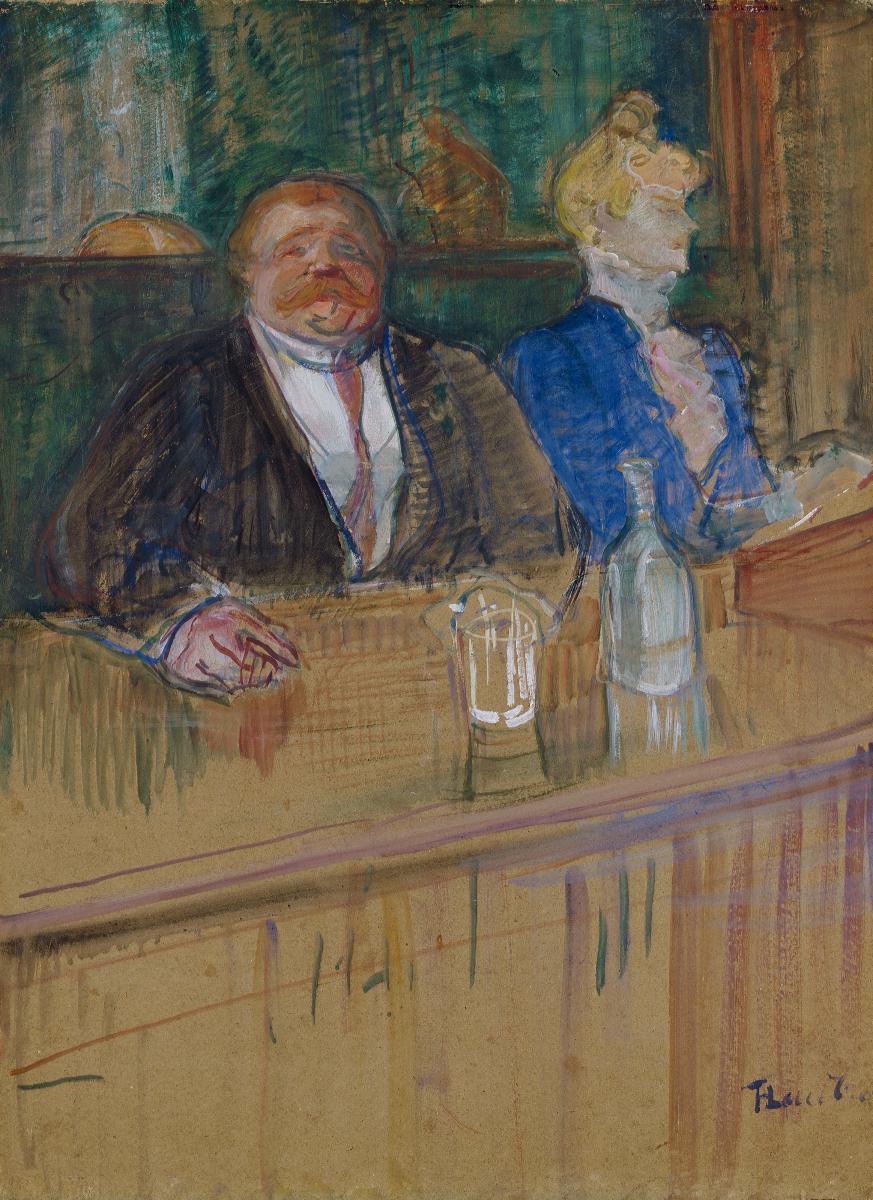
Painter, 1864 to 1901
Henri de Toulouse-Lautrec
The Kunsthaus Zürich has Toulouse-Lautrec's At the Café: the Patron and the Anaemic Cashier.
Post-Impressionism. 1 work in 1 museum
See the artist