Painter, 1828 to 1905
Rudolf Koller
Rudolf Koller was born in Zurich in 1828, the son of an innkeeper whose guests were waggoners and cattle dealers, so he grew up among horses and cows. He trained in Zurich, Stuttgart and Düsseldorf and became the finest animal painter of Switzerland, often called the painter of the Swiss national animal, the cow.
- Born
- 1828, Zurich
- Died
- 1905, Zurich
- Movement
- Realism
- In Zurich
- 2 works in 1 museum
Where to see Rudolf Koller in Zurich
Each work with the museum it hangs in. Museums move and lend their works, so check before a special journey.
Kunsthaus Zürich2 works
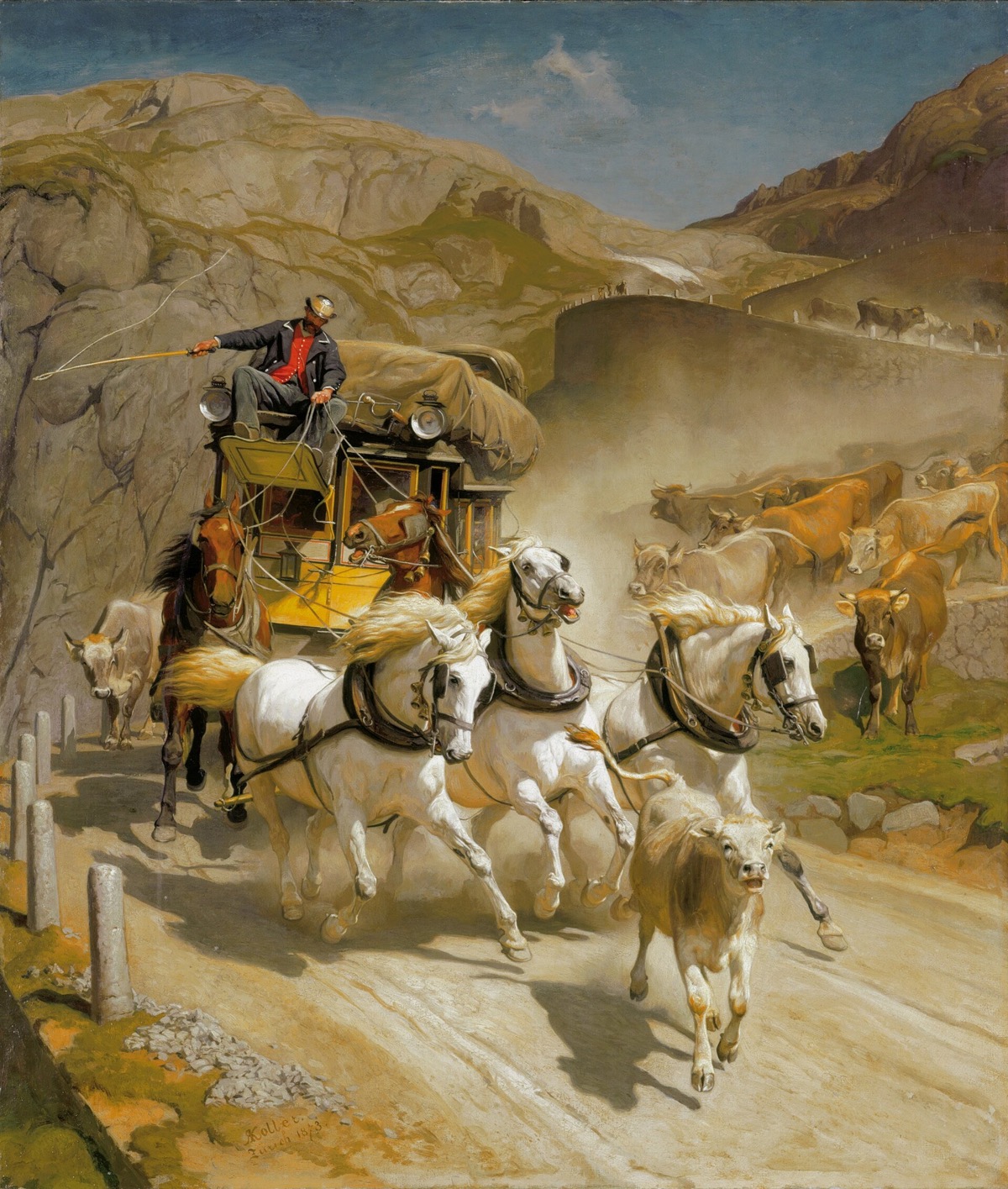
The Gotthard Post
1873
A mail coach and its horses racing down the Gotthard road, cattle scattering.
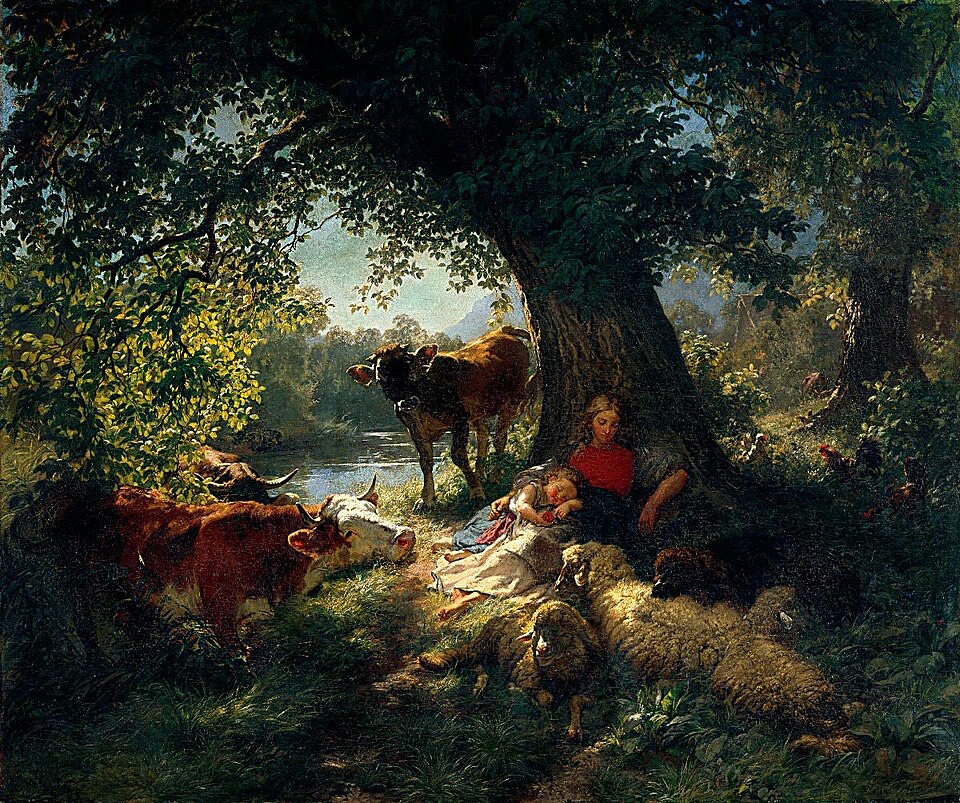
Midday Rest
1860
Cattle resting in the shade of trees.
The life of Rudolf Koller
His Gotthard Post, a mail coach racing down the mountain road, is among the most famous Swiss paintings.
He also painted the Swiss Alps in the open air.
What to know
- The Gotthard Post
- Cows and horses
- Swiss landscapes
- Born
- 21 May 1828, Zurich
- Died
- 5 January 1905, Zurich
Rudolf Koller: common questions
- Where can you see Rudolf Koller in Zurich?
- At the Kunsthaus Zürich: The Gotthard Post and Midday Rest. Museums move and lend their works, so check before a special journey.
- What is Rudolf Koller's most famous work in Zurich?
- The Gotthard Post, of 1873, at the Kunsthaus Zürich. A mail coach and its horses racing down the Gotthard road, cattle scattering.
- When and where was Rudolf Koller born?
- On 21 May 1828, at Zurich. Rudolf Koller died on 5 January 1905, at Zurich, aged about 77.
- What is Rudolf Koller known for?
- The Gotthard Post. Cows and horses. Swiss landscapes. Rudolf Koller was a Swiss painter, of Realism.
Tickets and tours: Rudolf Koller in Zurich
Things to do near the Kunsthaus
The nearest of this site's best things to do in the city. Distances are in a straight line.
- 14Visit the Cabaret Voltaire, where Dada began400 m awayShow, 30 to 90 minutes, free to enter the bar; events vary
- 3See the twin towers of the Grossmünster, where Zwingli preached400 m awayChurch, 30 to 60 minutes, free to enter
- 5Walk the old town to the Lindenhof600 m awayWalk, 1.5 to 2.5 hours, free; a guided walk with a ticket
- 13See the largest church clock face in Europe at St. Peter650 m awayChurch, 20 to 40 minutes, free
Where to eat near the Kunsthaus
The nearest of the famous tables this site lists in Zurich. Distances are in a straight line.
- Bodega Española4.3Bodega, old town350 m away
- Rechberg 18374.6Restaurant, old town400 m away
- Zunfthaus zur Schmiden4.7Guild house, old town400 m away
- Zunfthaus zur Zimmerleuten4.3Guild house, old town450 m away
Hotels near the Kunsthaus
The hotels closest to it, of those this site lists in Zurich. Distances are in a straight line.
- Hotel Helmhaus4.7Four-star hotel, old town450 m away
- Storchen Zürich4.6Five-star hotel, old town550 m away
- Widder Hotel4.7Five-star hotel, old town700 m away
- Mandarin Oriental Savoy, Zurich4.6Five-star hotel, City quarter700 m away
Other artists
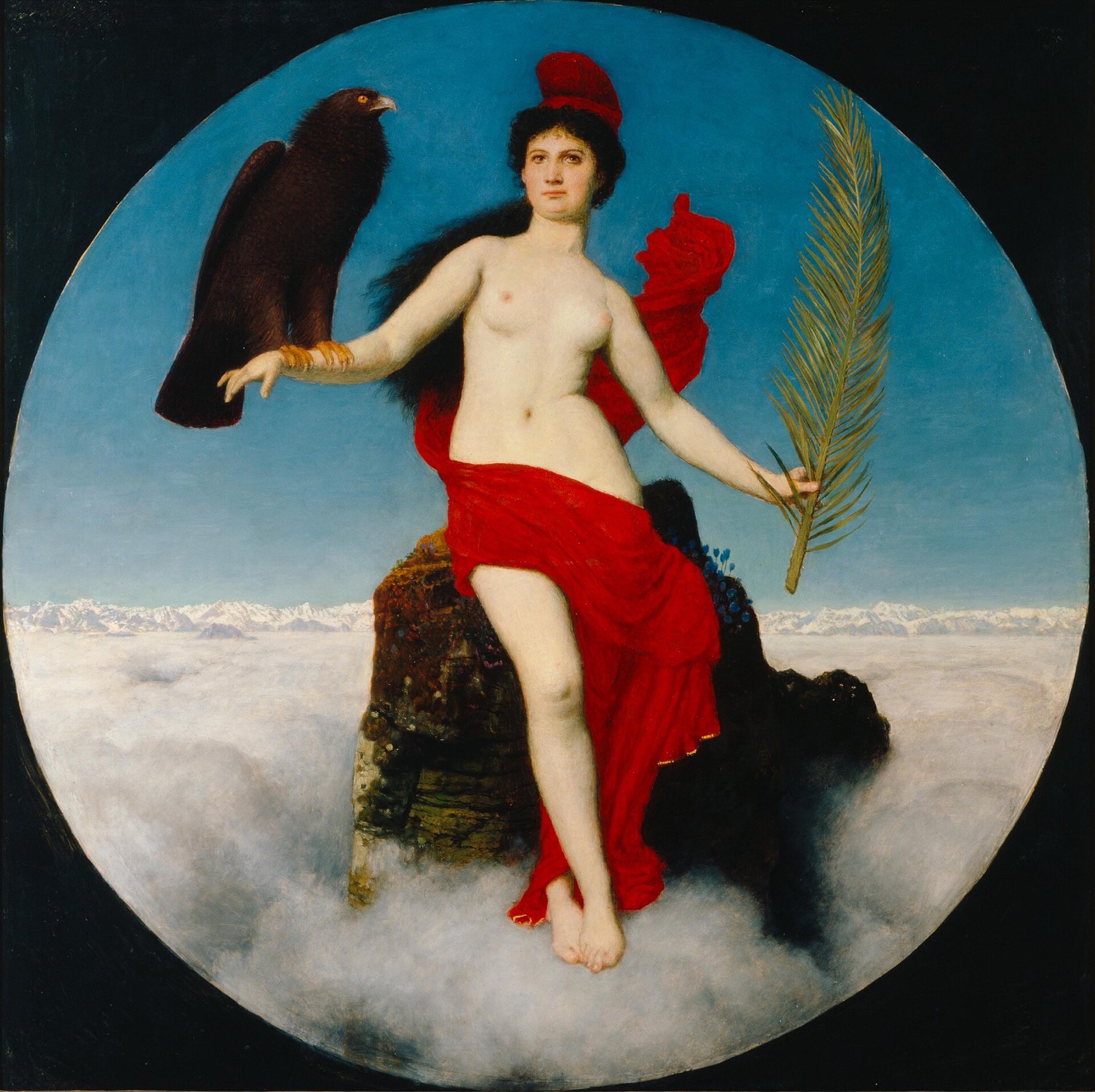
Painter, 1827 to 1901
Arnold Böcklin
The Kunsthaus Zürich has Böcklin's Freedom (Helvetia) and his portrait of the writer Gottfried Keller.
Symbolism. 2 works in 1 museum
See the artist
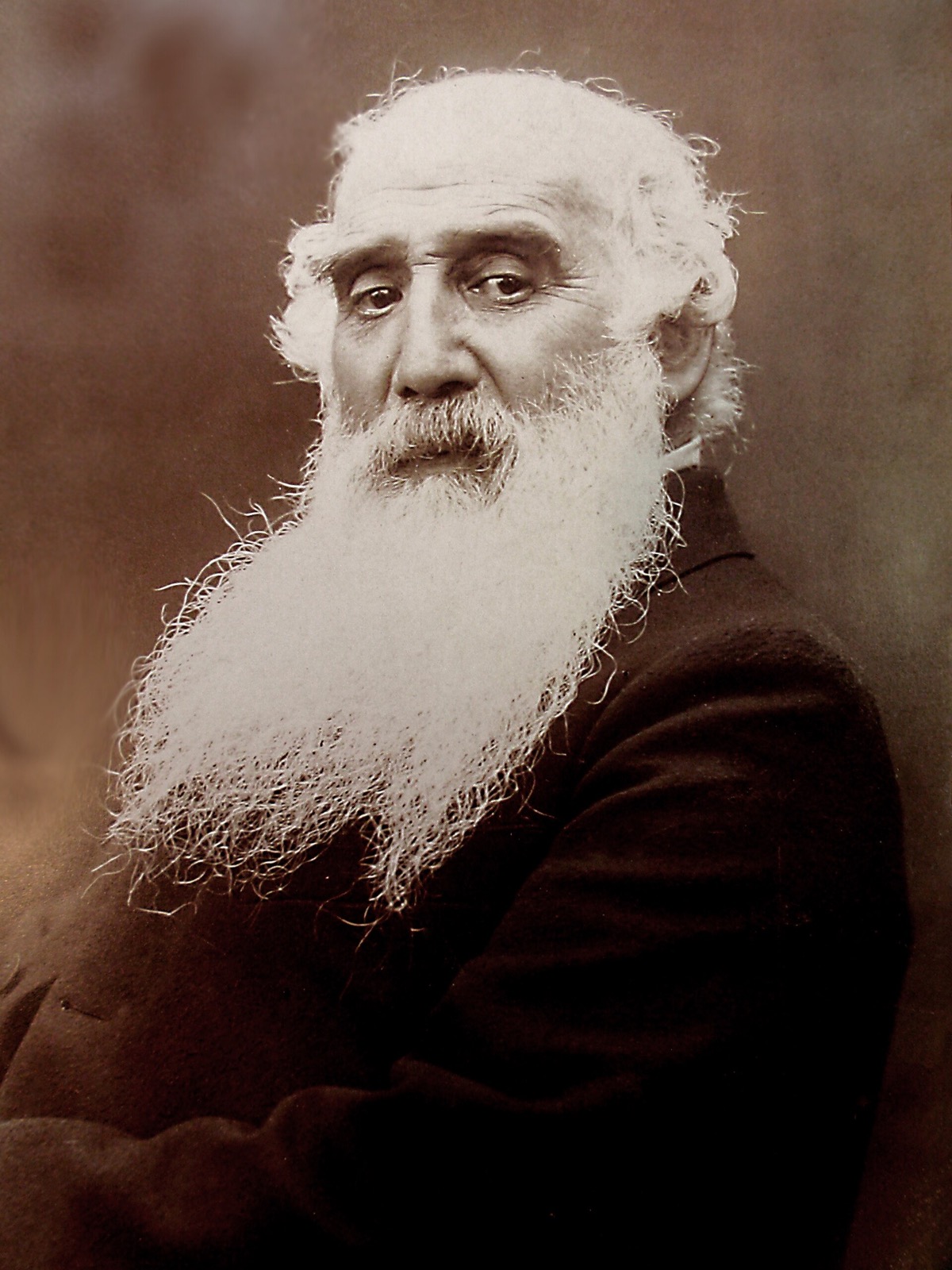
Painter, 1830 to 1903
Camille Pissarro
The eldest of the Impressionists, who held the group together; the Kunsthaus Zürich and the Kunstmuseum Basel have his landscapes.
Impressionism. 1 work in 1 museum
See the artist
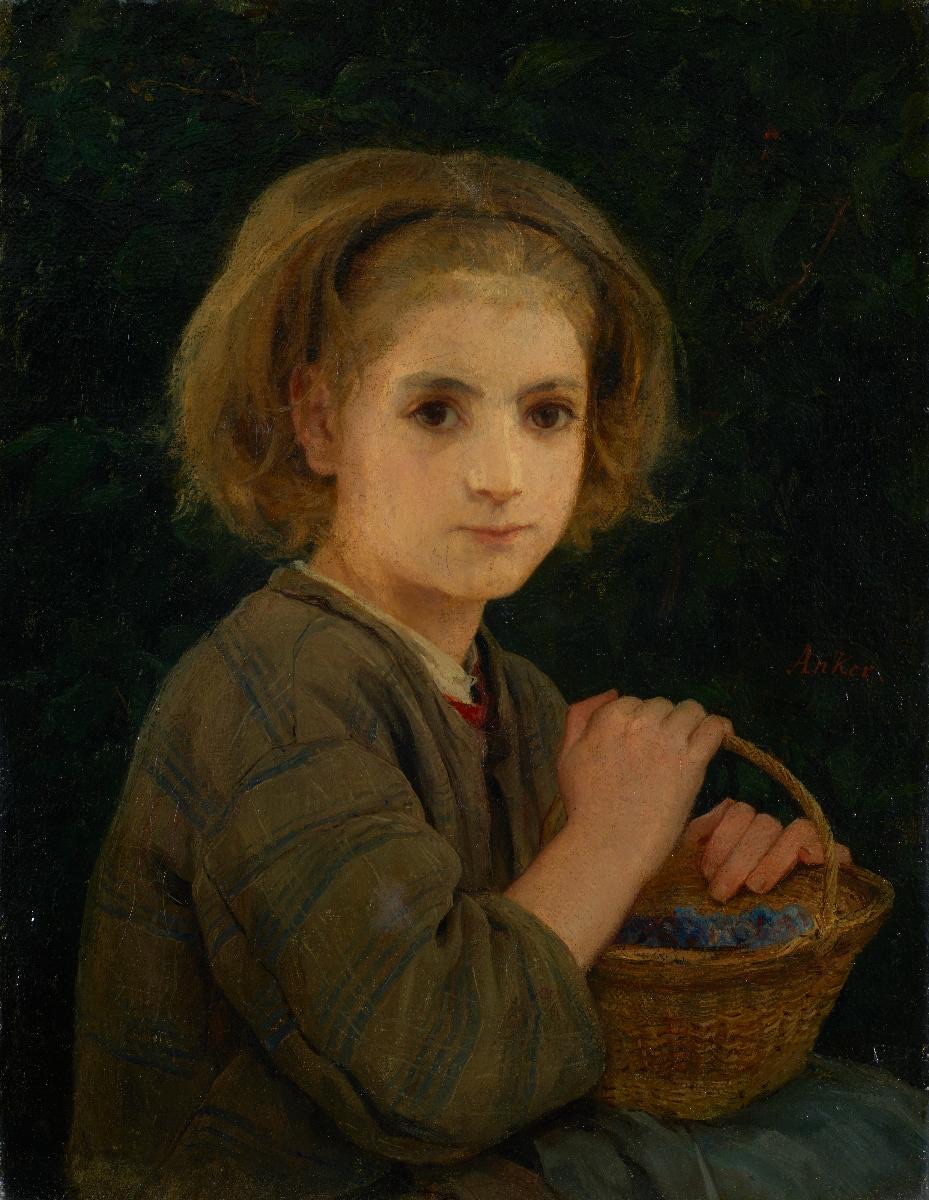
Painter, 1831 to 1910
Albert Anker
The painter of Swiss village life, called the national painter of Switzerland; the Kunsthaus Zürich and the Kunstmuseum Basel have his paintings.
Realism. 2 works in 1 museum
See the artist