Painter, 1819 to 1877
Gustave Courbet
Courbet painted a village funeral on the scale reserved for kings and battles, and the critics were appalled. That canvas, nearly seven metres wide, is on the ground floor of the Musée d'Orsay.
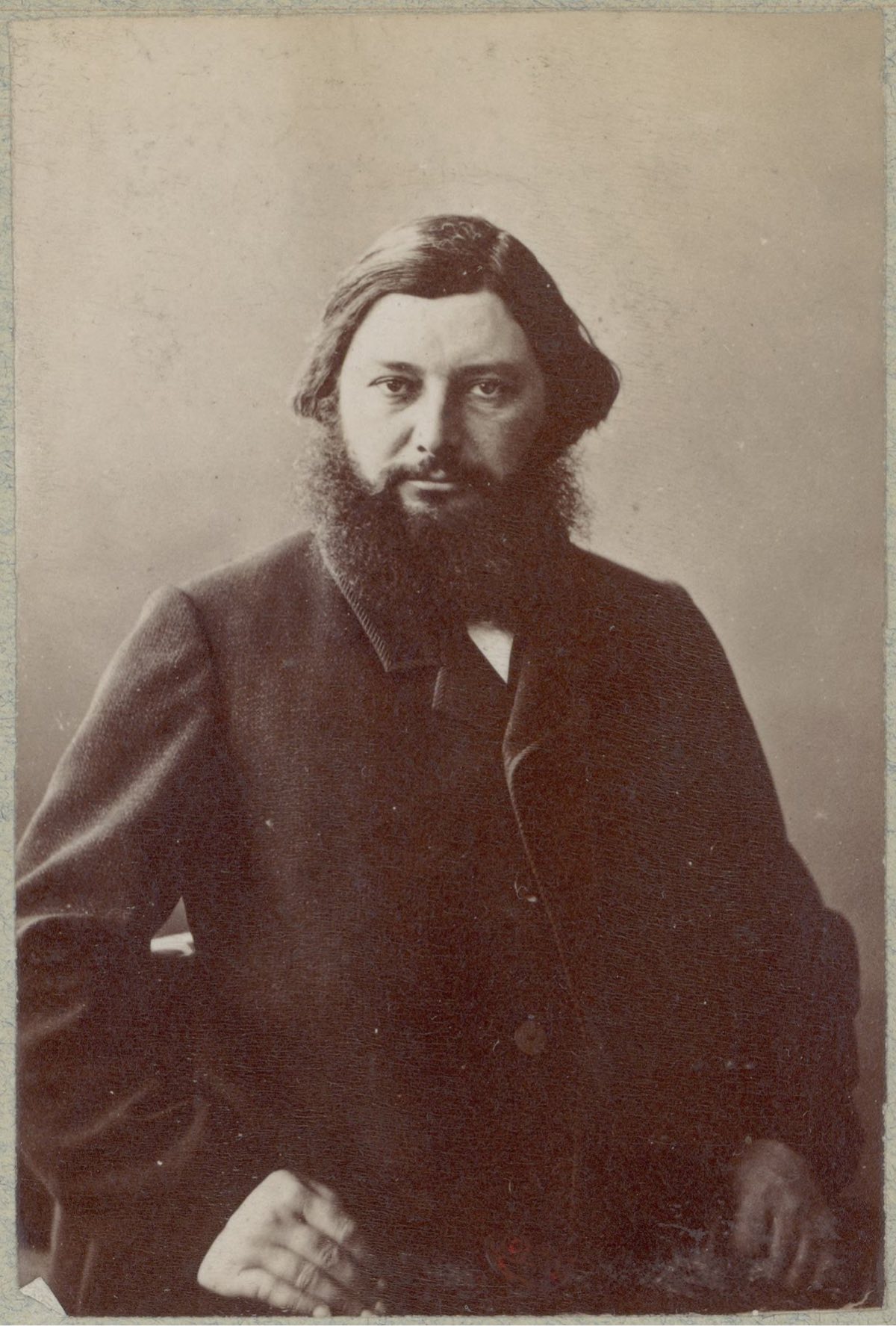
- Born
- 1819, Ornans, France
- Died
- 1877, La Tour-de-Peilz, Switzerland
- Movement
- Realism
- In Paris
- 3 works in 1 museum
Where to see Gustave Courbet in Paris
Each work with the museum it hangs in. Museums move and lend their works, so check before a special journey.
Musée d'Orsay3 works
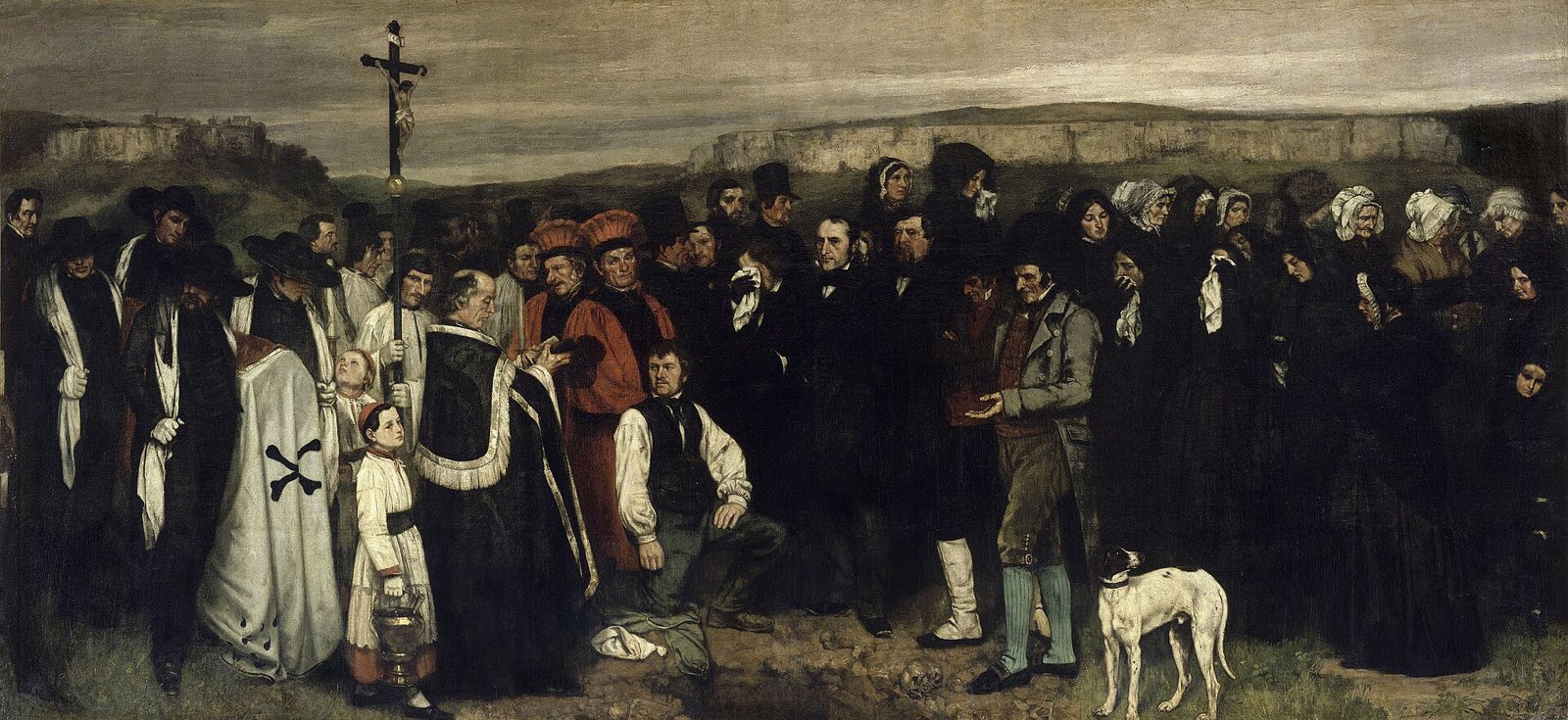
A Burial at Ornans
1849 to 1850
Some fifty of his neighbours, life-size, around an open grave. Nobody is idealised and nothing is explained.
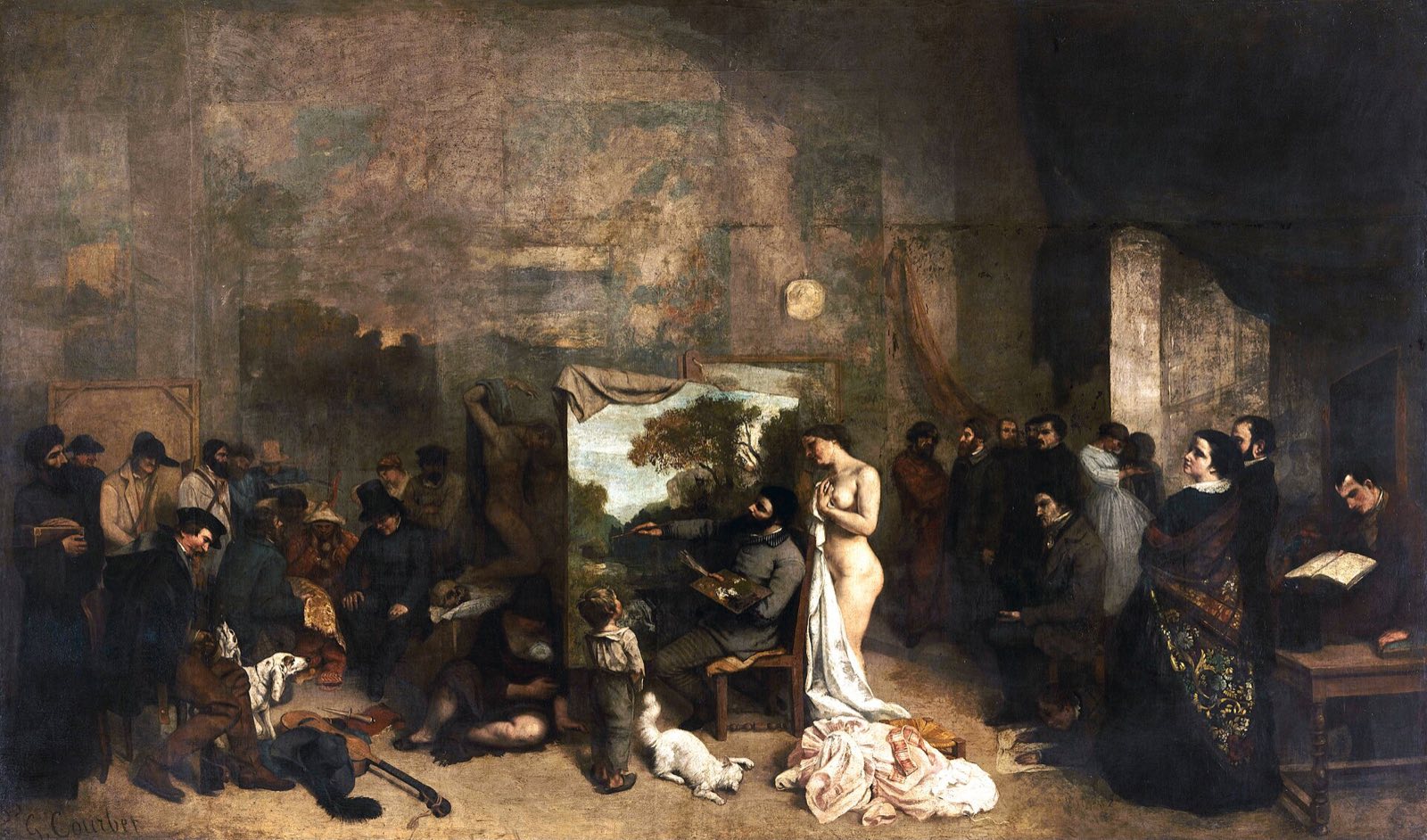
The Painter's Studio
1855
Courbet at his easel between two crowds: on one side the people he painted, on the other his friends, Baudelaire among them. He called it a real allegory of seven years of his life.
The Origin of the World
1866
A woman's body, from thigh to breast, painted without evasion for a private collector. It was hidden for more than a century and has been shown at the Orsay since 1995.
The life of Gustave Courbet
Courbet was born in 1819 at Ornans, in the hills near the Swiss border, and never stopped painting its people and its rocks. He taught himself in the Louvre. In 1850 he showed A Burial at Ornans, and gave the name Realism to what he did: painting only what he could see.
He was loud, vain and a republican. During the Paris Commune of 1871 he was blamed for the pulling down of the column in the Place Vendôme, imprisoned and ordered to pay for its rebuilding. He fled to Switzerland and died there in 1877.
What to know
- The founder of Realism in painting
- A Burial at Ornans is nearly seven metres wide
- Died in exile after the Paris Commune
- Born
- 10 June 1819, Ornans, France
- Died
- 31 December 1877, La Tour-de-Peilz, Switzerland
Gustave Courbet: common questions
- Where can you see Gustave Courbet in Paris?
- At the Musée d'Orsay: A Burial at Ornans, The Painter's Studio and The Origin of the World. Museums move and lend their works, so check before a special journey.
- What is Gustave Courbet's most famous work in Paris?
- A Burial at Ornans, of 1849 to 1850, at the Musée d'Orsay. Some fifty of his neighbours, life-size, around an open grave. Nobody is idealised and nothing is explained.
- When and where was Gustave Courbet born?
- On 10 June 1819, at Ornans, France. Gustave Courbet died on 31 December 1877, at La Tour-de-Peilz, Switzerland, aged about 58.
- What is Gustave Courbet known for?
- The founder of Realism in painting. A Burial at Ornans is nearly seven metres wide. Died in exile after the Paris Commune. Gustave Courbet was a French painter, of Realism.
Things to do near the Musée d'Orsay
The nearest of this site's best things to do in the city. Distances are in a straight line.
- 13Sit with Monet's Water Lilies at the Orangerie500 m awayMuseum, 1 to 1.5 hours, ticket
- 2See the Mona Lisa at the Louvre800 m awayMuseum, 3 to 4 hours, ticket
- 15Find The Thinker in Rodin's garden950 m awayMuseum, 1.5 to 2 hours, ticket
- 3Cruise the Seine1.1 km awayOn the water, 1 hour, ticket
Hotels near the Musée d'Orsay
The five-star hotels closest to it, of those this site lists in Paris. Distances are in a straight line.
- Hôtel Regina Louvre4.3Five-star hotel, Place des Pyramides, facing the Tuileries600 m away
- Le Meurice4.5Five-star hotel, Palace, Rue de Rivoli, facing the Tuileries600 m away
- Hôtel du Louvre4.6Five-star hotel, Place André-Malraux, facing the Louvre750 m away
- Mandarin Oriental, Paris4.7Five-star hotel, Rue Saint-Honoré, by the Place Vendôme800 m away
Other artists
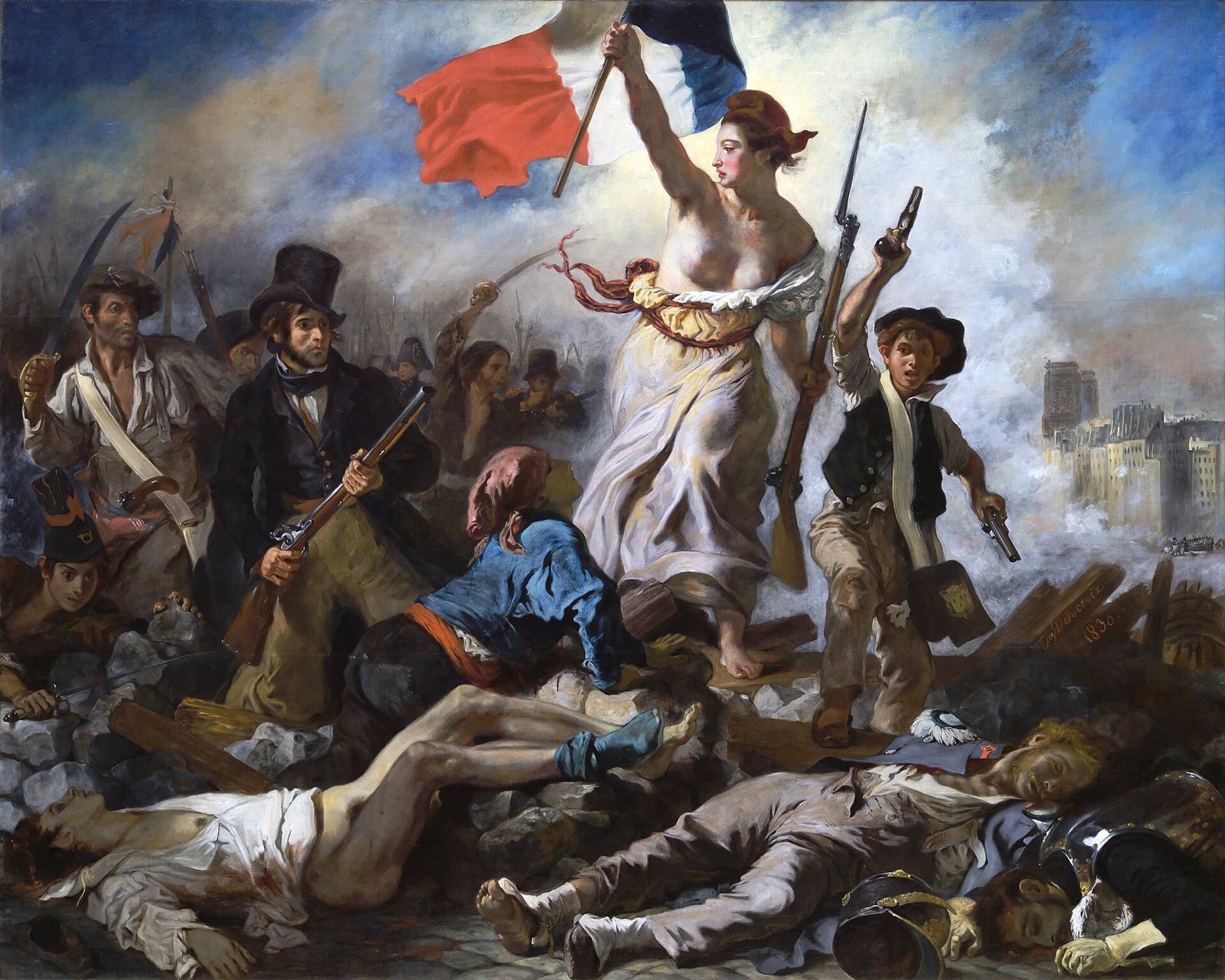
Painter, 1798 to 1863
Eugène Delacroix
The leader of the French Romantics, all colour and movement. His Liberty Leading the People, bare-breasted on a barricade with the tricolour, has become the image of France itself.
Romanticism. 4 works in 1 museum
See the artist
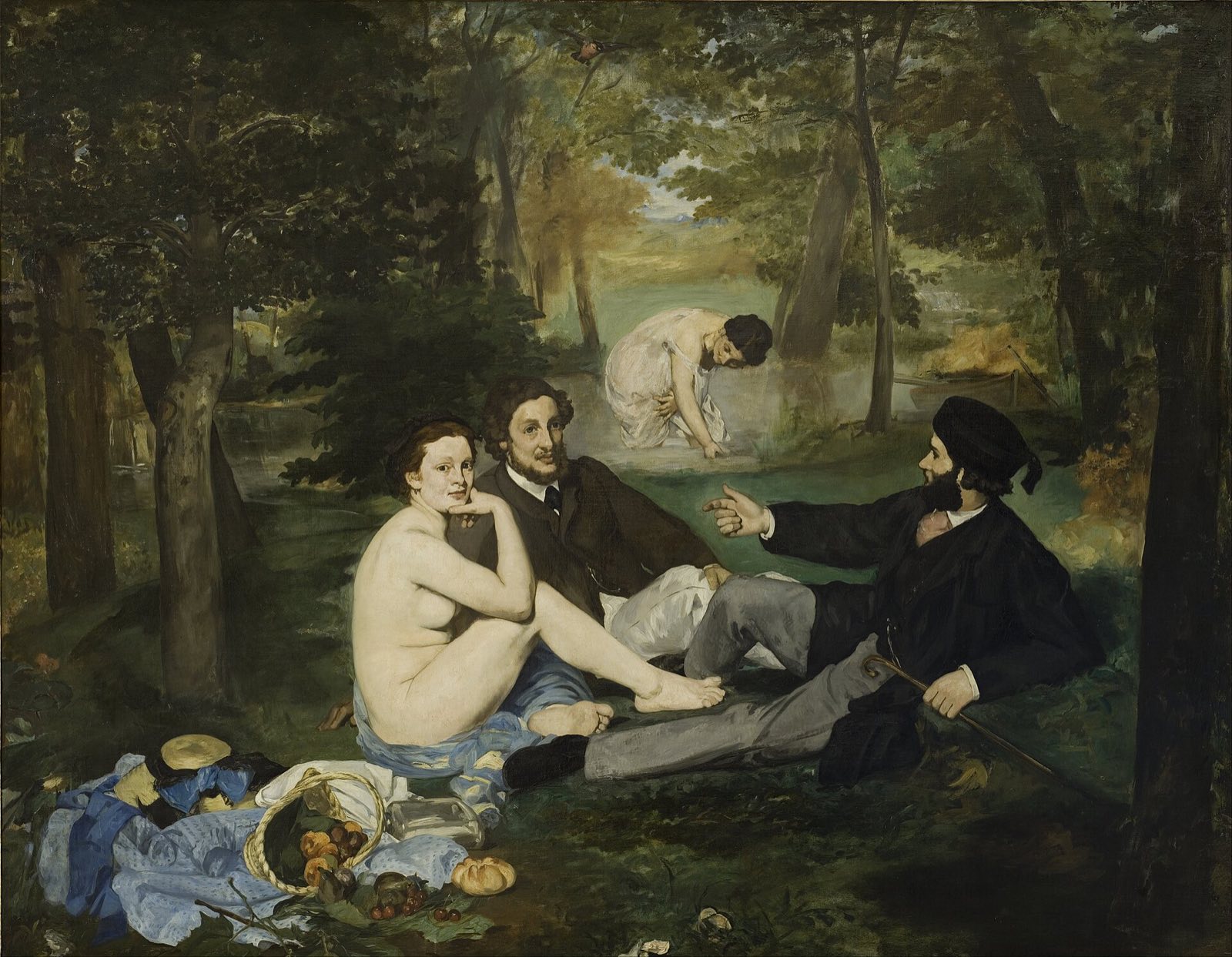
Painter, 1832 to 1883
Édouard Manet
The painter of two scandals, Le Déjeuner sur l'herbe and Olympia, both now at the Musée d'Orsay. Modern painting is usually said to begin with them.
Realism and Impressionism. 4 works in 1 museum
See the artist
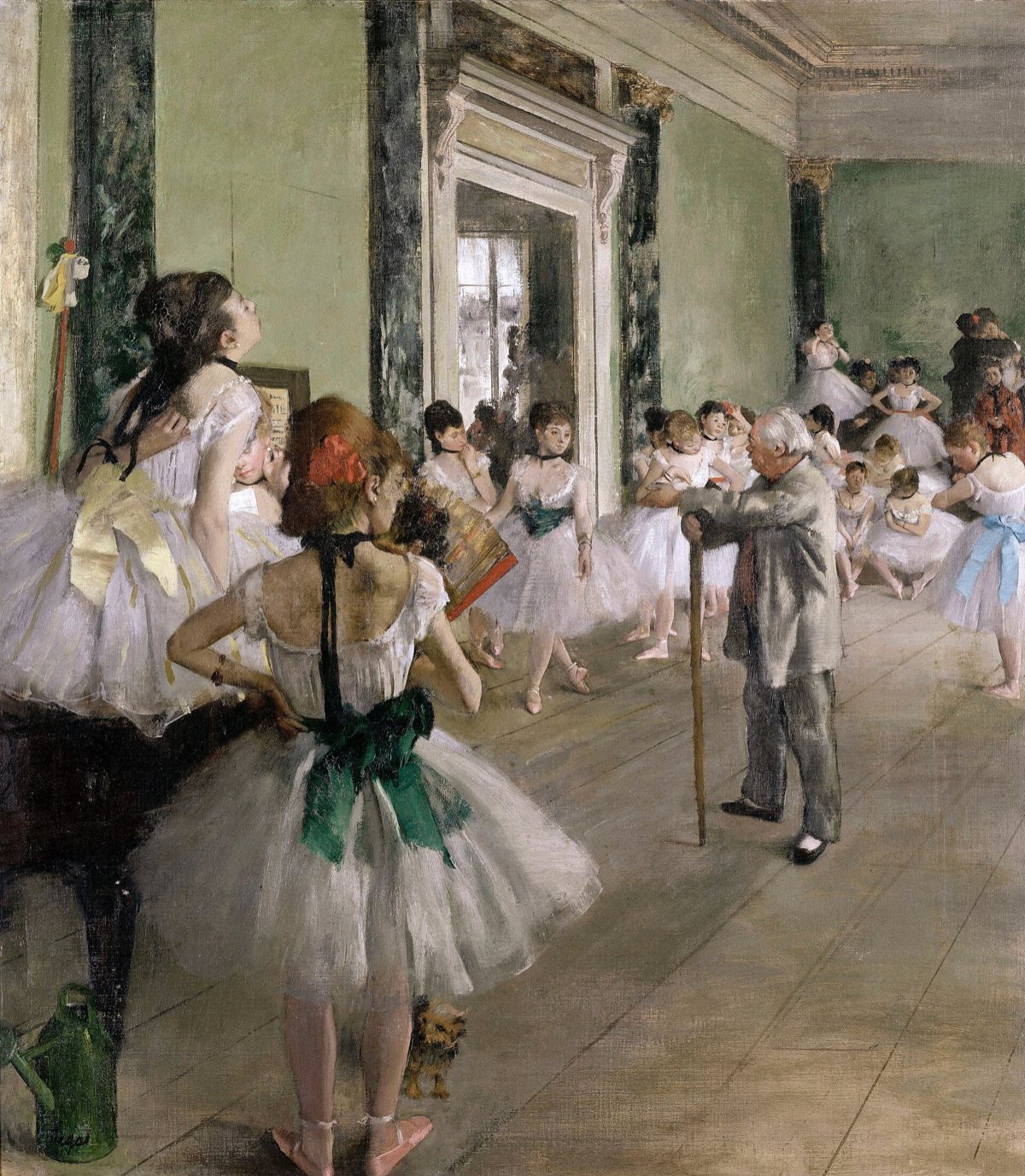
Painter and sculptor, 1834 to 1917
Edgar Degas
The painter of the dancers of the Paris Opera, seen backstage, in rehearsal and from odd angles. The Musée d'Orsay has the largest collection of his work, the Little Dancer among it.
Impressionism. 4 works in 1 museum
See the artist