Painter, 1606 to 1669
Rembrandt
Rembrandt painted people as they are, in a light that seems to come from inside them. The Louvre's Rembrandts are on its quietest floor, and you may have them to yourself.
- Born
- 1606, Leiden, Netherlands
- Died
- 1669, Amsterdam, Netherlands
- Movement
- Dutch Golden Age
- In Paris
- 3 works in 1 museum
Where to see Rembrandt in Paris
Each work with the museum it hangs in. Museums move and lend their works, so check before a special journey.
Louvre Museum3 works
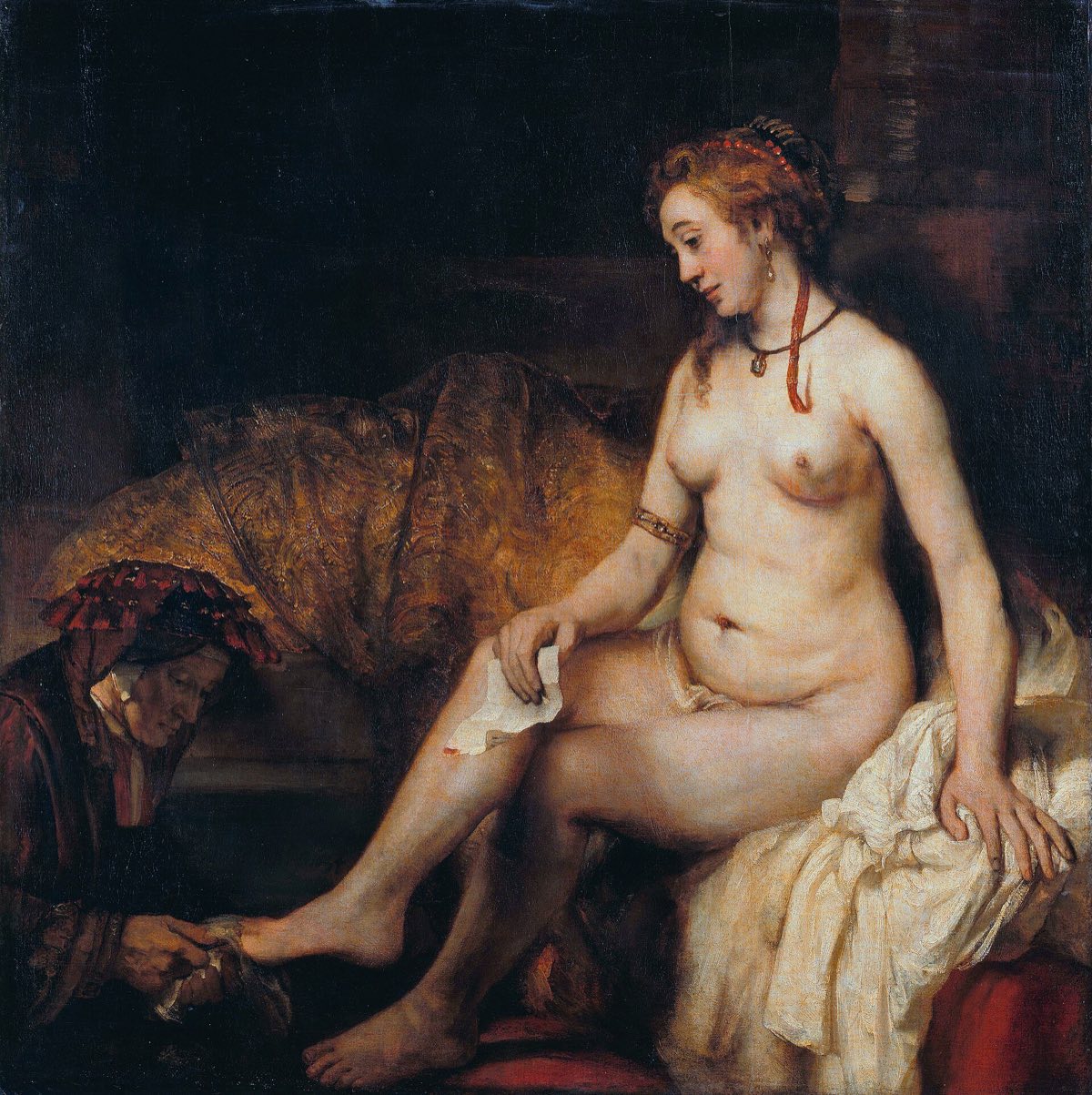
Bathsheba at Her Bath
1654
Bathsheba holds King David's letter and thinks about what it asks of her. One of the great nudes in art, and one of the saddest. It is on the second floor of the Richelieu wing.
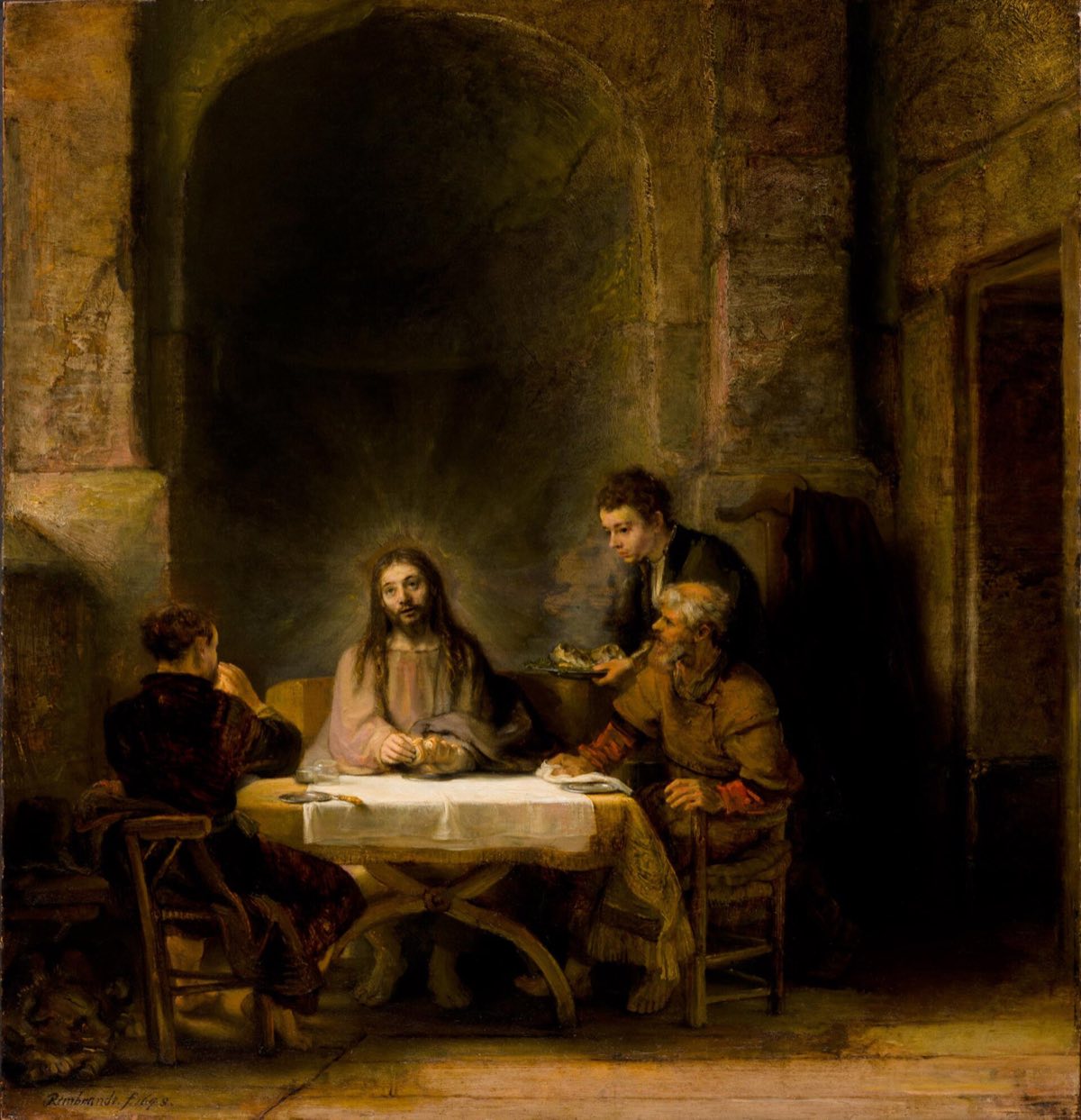
The Supper at Emmaus
1648
The moment two disciples recognise the risen Christ at an inn table, in a great empty niche of stone.
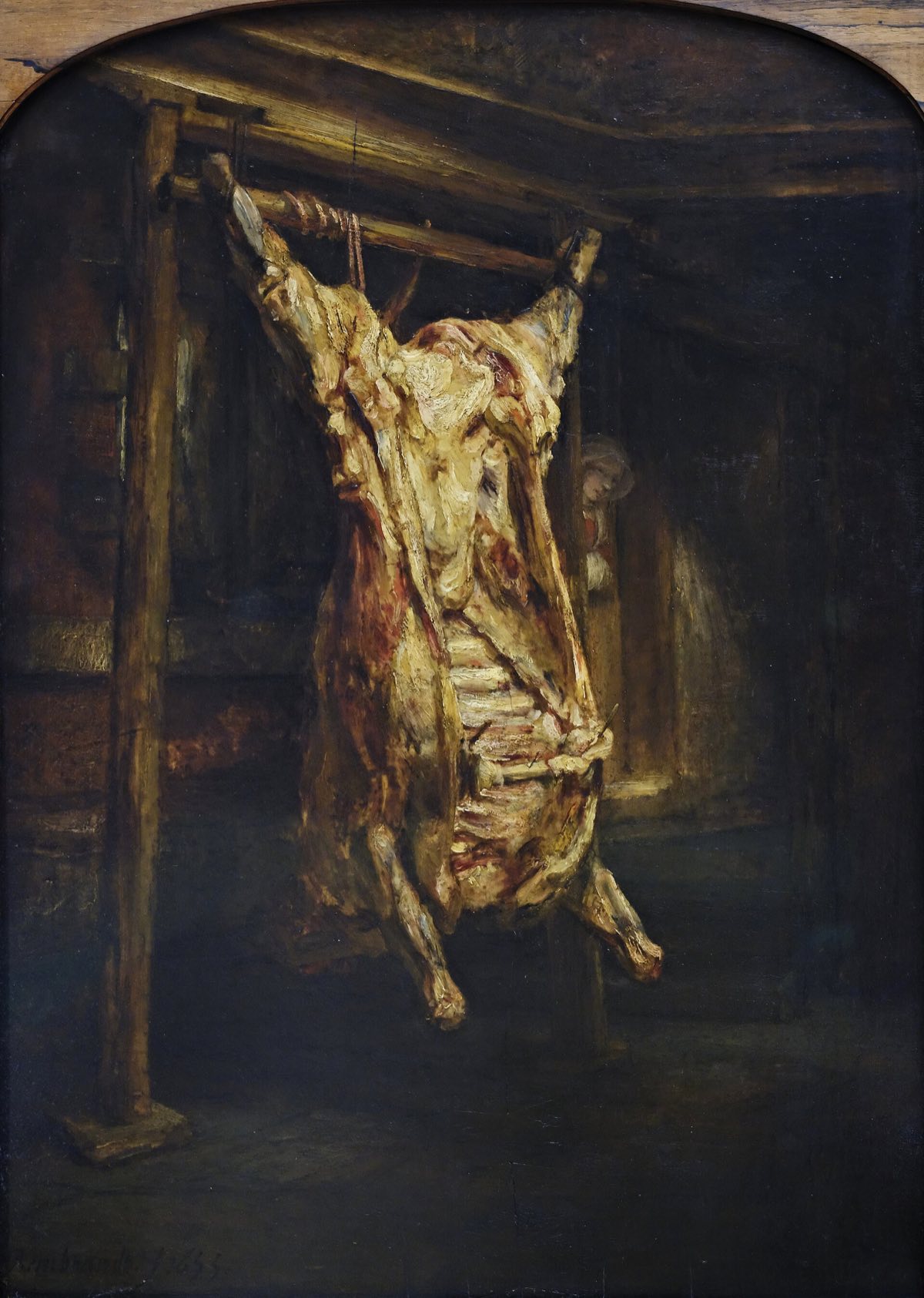
The Slaughtered Ox
1655
A carcass hung in a cellar, painted in thick strokes with as much care as a portrait. Soutine and Francis Bacon both painted their answers to it.
The life of Rembrandt
Rembrandt van Rijn was born in Leiden in 1606 and moved to Amsterdam, where he became the most sought-after portrait painter in the richest city in Europe. He painted, drew and etched without stopping, and made dozens of portraits of himself, from a confident young man to a ruined old one.
His wife Saskia died young, his spending outran his income, and in 1656 he was declared insolvent and his house and collection were sold. The paintings of his last years, darker and rougher, are the ones later centuries came to value most. He died in Amsterdam in 1669.
What to know
- Painted The Night Watch, in Amsterdam
- Made dozens of self-portraits over forty years
- Went bankrupt in 1656 and painted his best work after it
- Born
- 15 July 1606, Leiden, Netherlands
- Died
- 4 October 1669, Amsterdam, Netherlands
Rembrandt: common questions
- Where can you see Rembrandt in Paris?
- At the Louvre Museum: Bathsheba at Her Bath, The Supper at Emmaus and The Slaughtered Ox. Museums move and lend their works, so check before a special journey.
- What is Rembrandt's most famous work in Paris?
- Bathsheba at Her Bath, of 1654, at the Louvre Museum. Bathsheba holds King David's letter and thinks about what it asks of her. One of the great nudes in art, and one of the saddest. It is on the second floor of the Richelieu wing.
- When and where was Rembrandt born?
- On 15 July 1606, at Leiden, Netherlands. Rembrandt died on 4 October 1669, at Amsterdam, Netherlands, aged about 63.
- What is Rembrandt known for?
- Painted The Night Watch, in Amsterdam. Made dozens of self-portraits over forty years. Went bankrupt in 1656 and painted his best work after it. Rembrandt was a Dutch painter, of the Dutch Golden Age.
Things to do near the Louvre
The nearest of this site's best things to do in the city. Distances are in a straight line.
- 3Cruise the Seine450 m awayOn the water, 1 hour, ticket
- 19Explore the covered passages650 m awayWalk, 1.5 to 2 hours, free
- 8Stand inside the stained glass of the Sainte-Chapelle800 m awayChurch, 45 to 60 minutes, ticket
- 6See the Impressionists at the Musée d'Orsay800 m awayMuseum, 2 to 3 hours, ticket
Hotels near the Louvre
The five-star hotels closest to it, of those this site lists in Paris. Distances are in a straight line.
- Hôtel du Louvre4.6Five-star hotel, Place André-Malraux, facing the Louvre300 m away
- Cheval Blanc Paris4.5Five-star hotel, Palace, Quai du Louvre, by the Pont Neuf350 m away
- Hôtel Regina Louvre4.3Five-star hotel, Place des Pyramides, facing the Tuileries500 m away
- Le Meurice4.5Five-star hotel, Palace, Rue de Rivoli, facing the Tuileries900 m away
Other artists
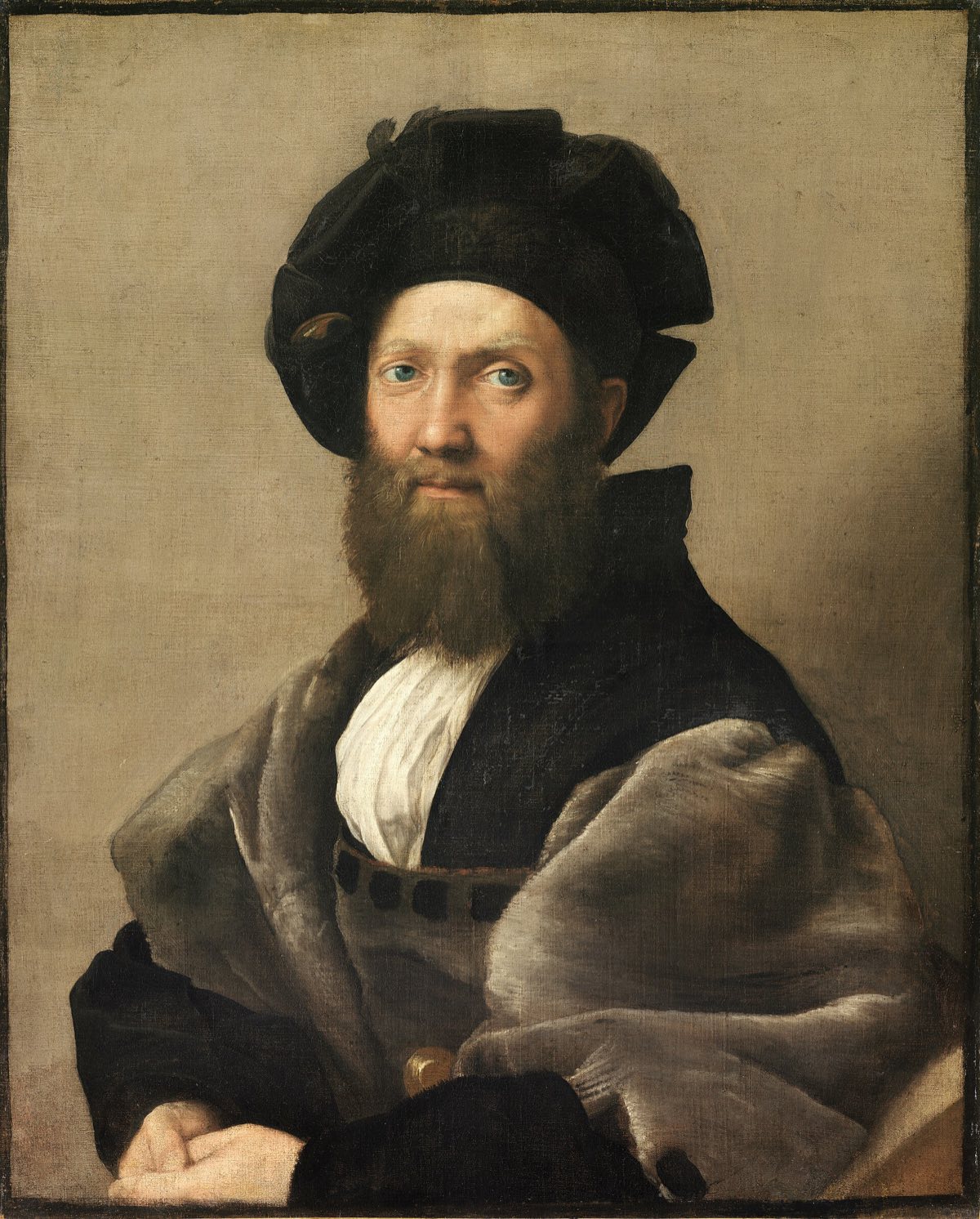
Painter, 1483 to 1520
Raphael
The painter of grace and balance, dead at thirty-seven. The Louvre has one of the great portraits of the Renaissance and a Madonna that was the model for centuries of others.
High Renaissance. 3 works in 1 museum
See the artist
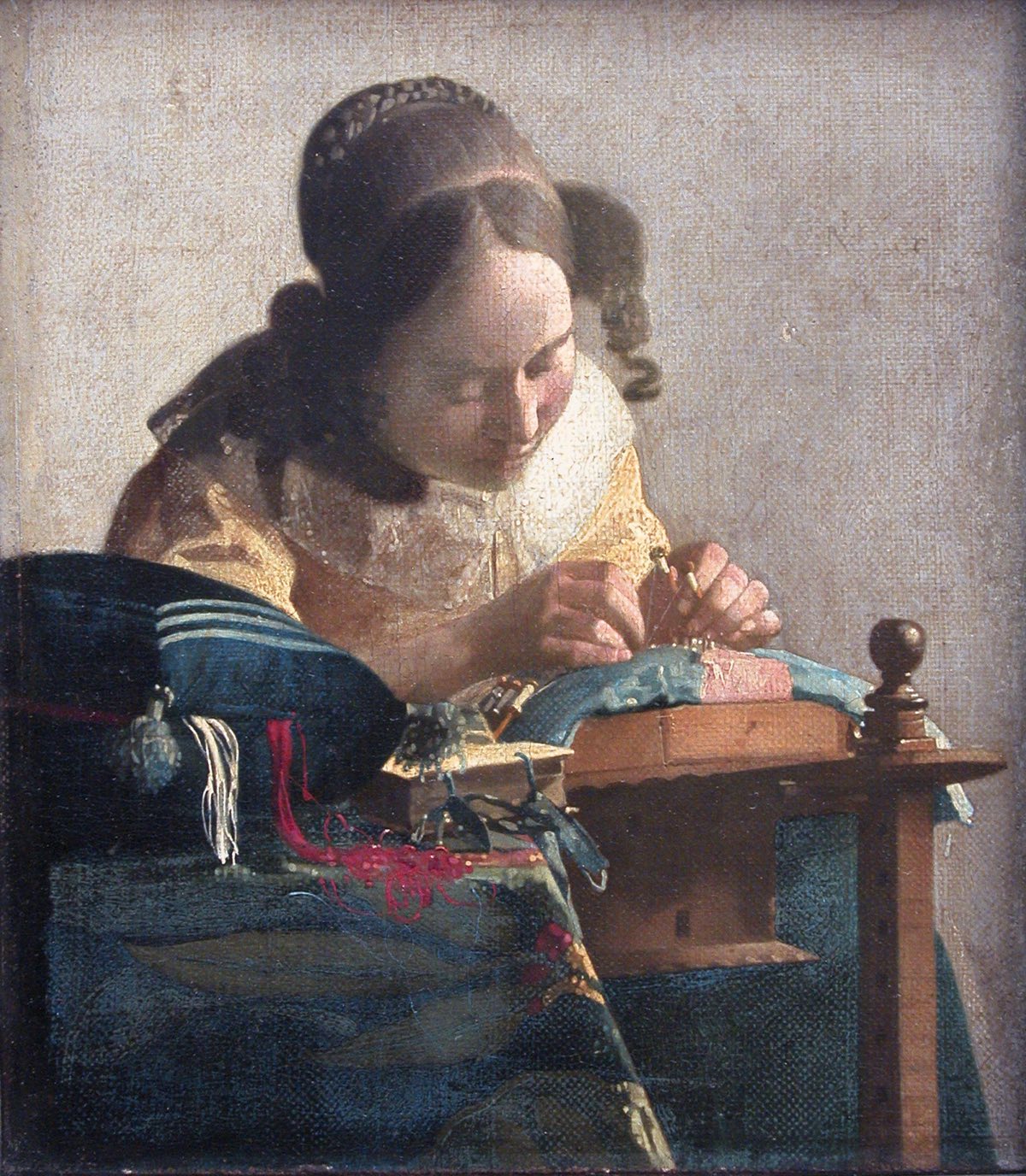
Painter, 1632 to 1675
Johannes Vermeer
The painter of quiet rooms and falling light left fewer than forty pictures. Two of them are in the Louvre, one of them the smallest he ever made.
Dutch Golden Age. 2 works in 1 museum
See the artist
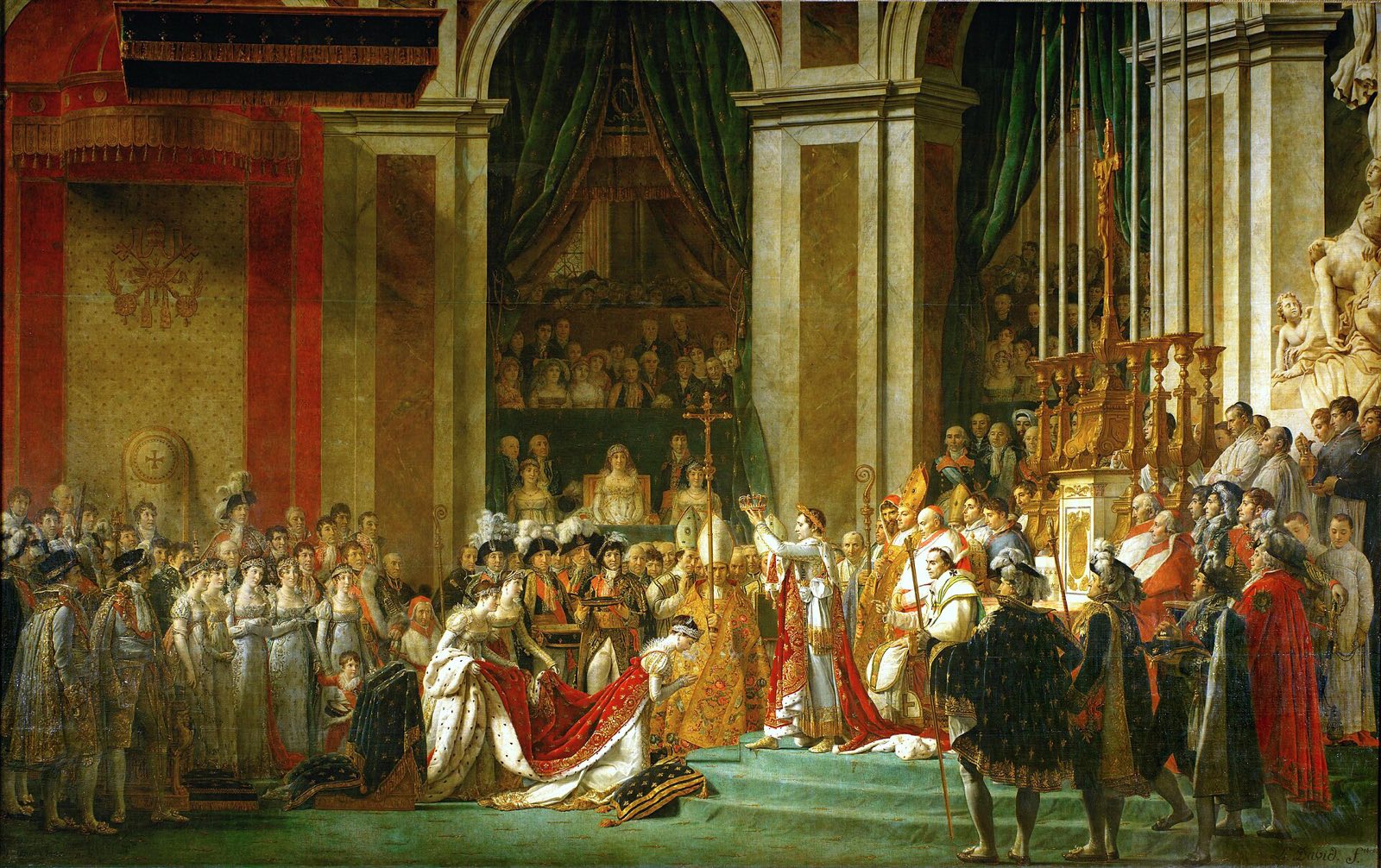
Painter, 1748 to 1825
Jacques-Louis David
The painter of the French Revolution and then of Napoleon. His Coronation, nearly ten metres wide, fills a wall of the Louvre.
Neoclassicism. 4 works in 1 museum
See the artist