Painter, 1748 to 1825
Jacques-Louis David
David painted for a king, voted for that king's death, painted the Revolution and then became first painter to the emperor. His largest canvases have never left Paris.
- Born
- 1748, Paris, France
- Died
- 1825, Brussels, Belgium
- Movement
- Neoclassicism
- In Paris
- 4 works in 1 museum
Where to see Jacques-Louis David in Paris
Each work with the museum it hangs in. Museums move and lend their works, so check before a special journey.
Louvre Museum4 works
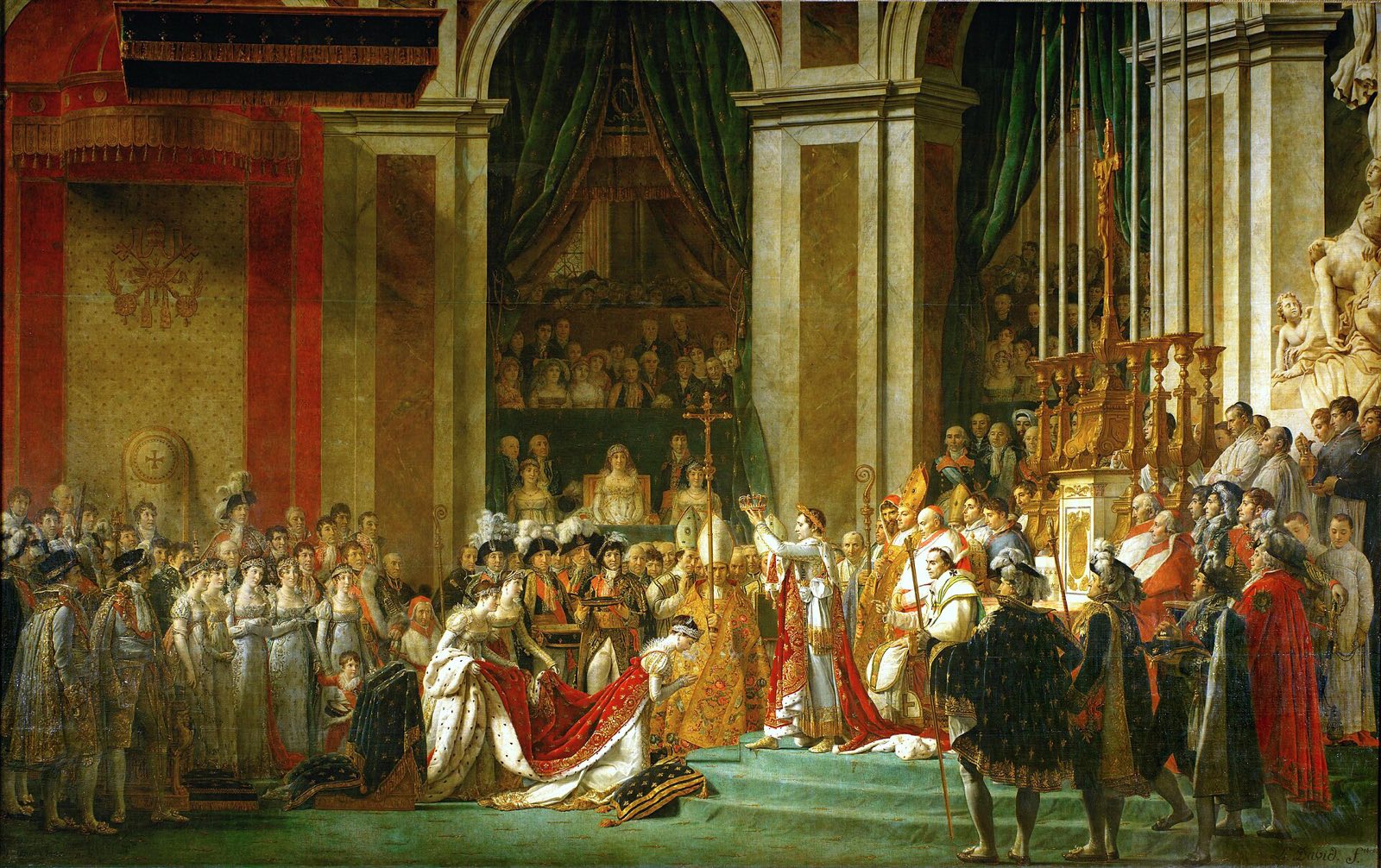
The Coronation of Napoleon
1805 to 1807
Notre-Dame, 2 December 1804: Napoleon, already crowned, crowns Josephine. More than six metres high and nearly ten wide, with over a hundred portraits. It is in the great red rooms of French painting in the Denon wing.
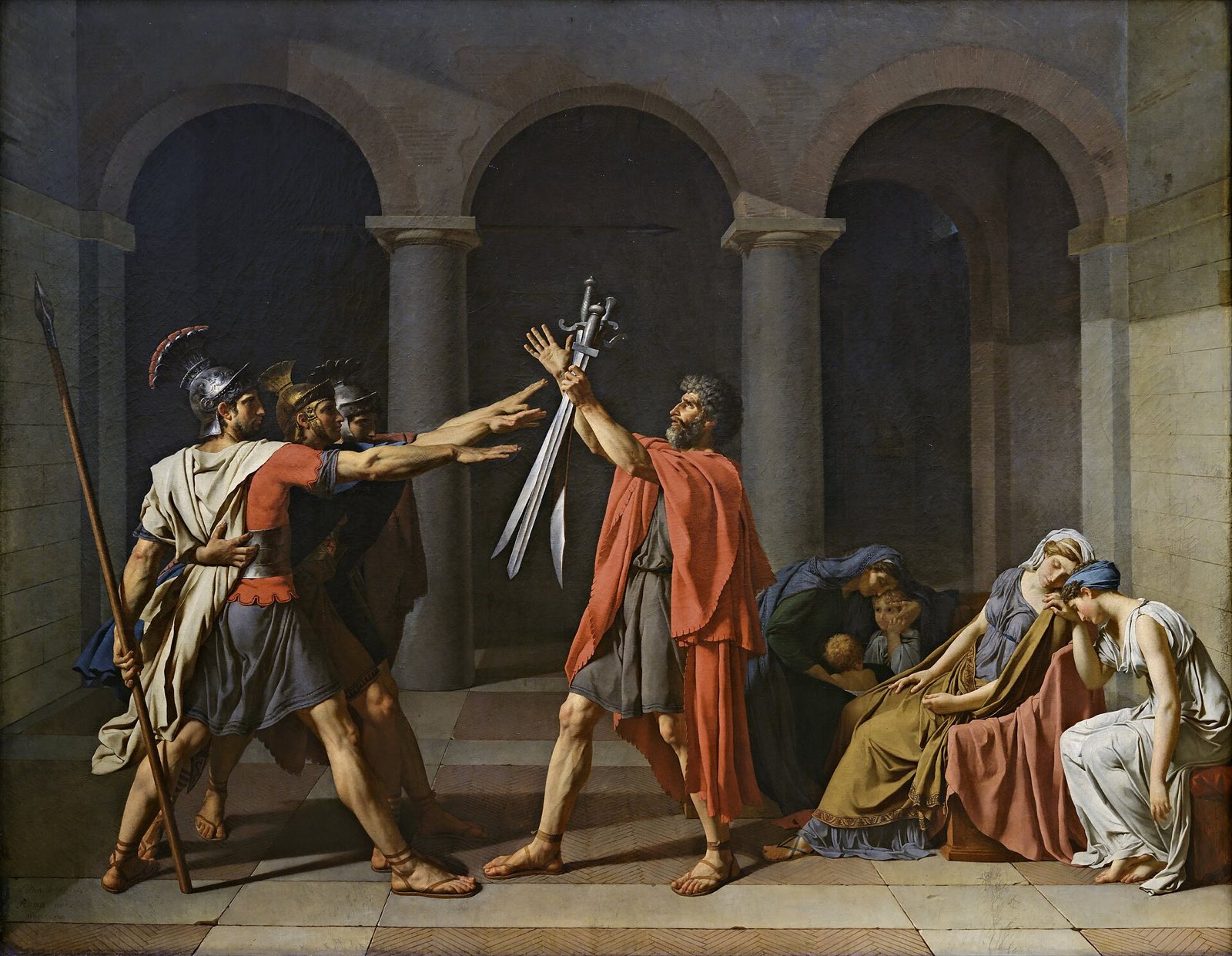
The Oath of the Horatii
1784
Three Roman brothers swear to their father to fight to the death for the city. The picture that made neoclassicism the style of a generation.
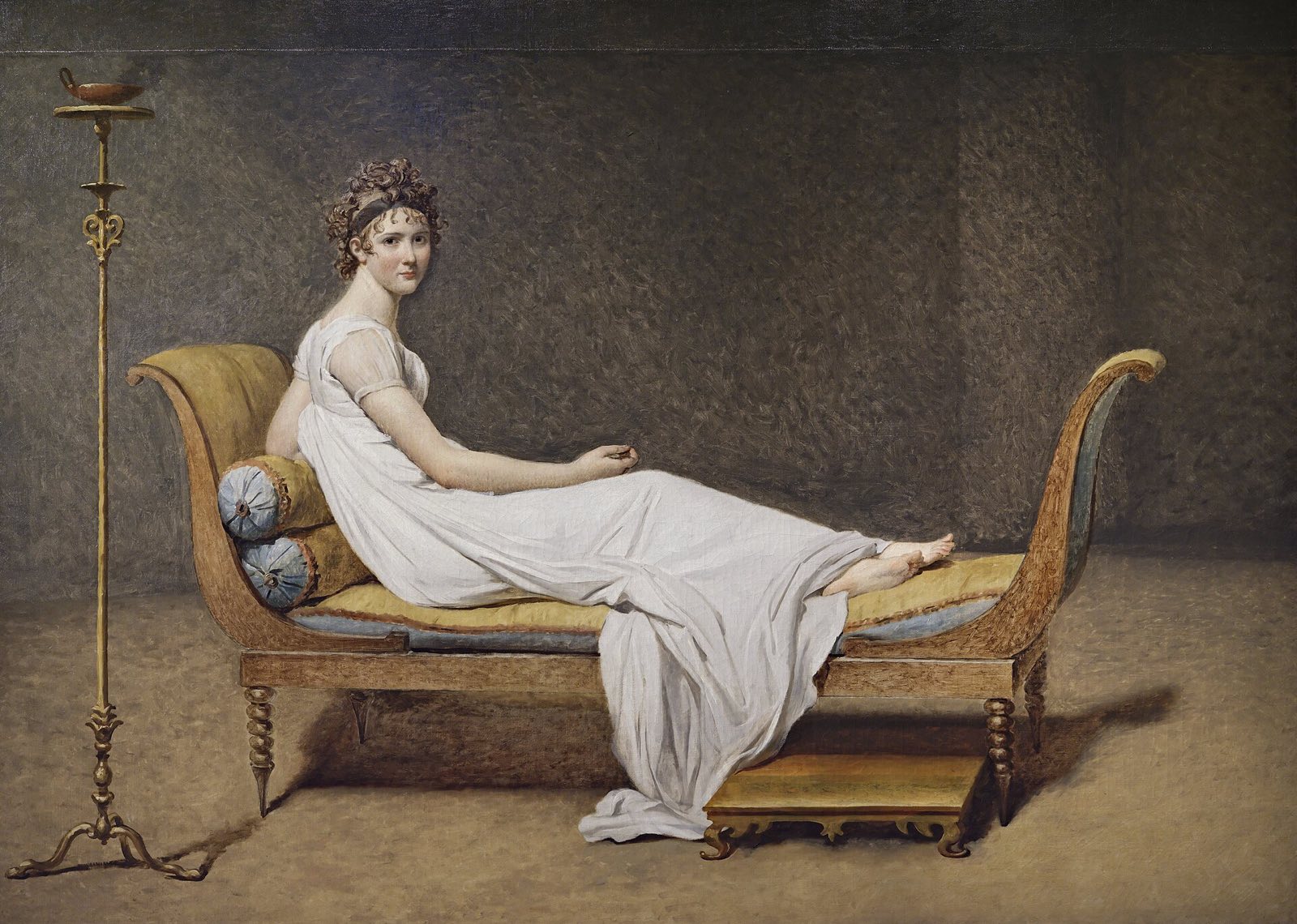
Portrait of Madame Récamier
1800
The most admired hostess in Paris, barefoot on an antique couch in a bare room. David never finished it, and the kind of sofa has been called a récamier ever since.
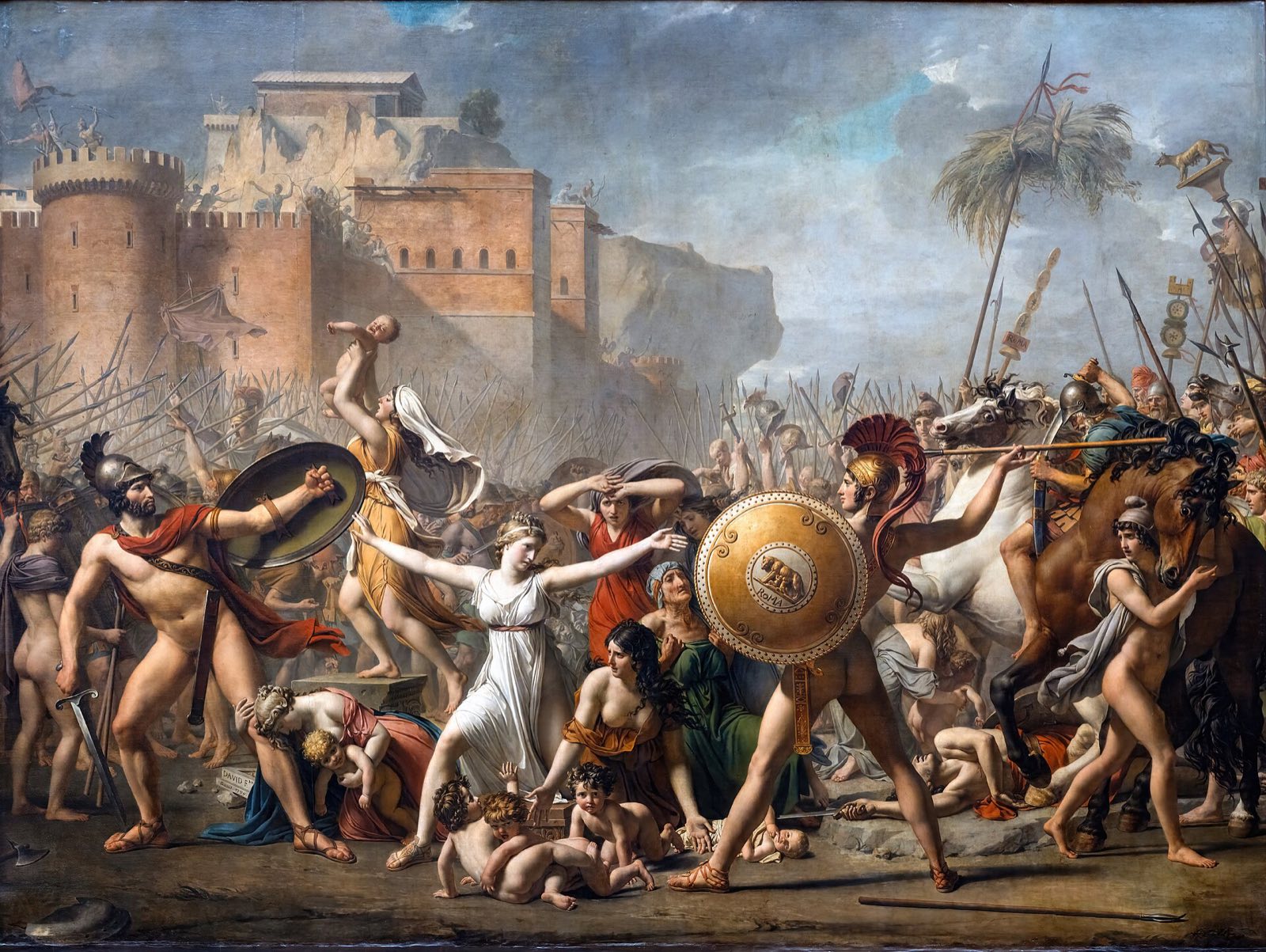
The Intervention of the Sabine Women
1799
The Sabine women throw themselves between their Roman husbands and their own fathers and brothers. David painted it after his release from prison, as a plea for reconciliation.
The life of Jacques-Louis David
David was born in Paris in 1748 and made his name in 1784 with the Oath of the Horatii, a picture of Roman severity that read, five years later, like a call to revolution. He sat in the revolutionary Convention, voted for the execution of Louis XVI, and organised the festivals of the Republic. When Robespierre fell he was imprisoned.
Napoleon made him his first painter, and David gave the Empire its image. After Waterloo he was banished as a regicide and died in exile in Brussels in 1825. His pupils, Ingres among them, dominated French painting for a generation.
What to know
- First painter to Napoleon
- Voted for the execution of Louis XVI
- The Coronation of Napoleon is nearly ten metres wide
- Born
- 30 August 1748, Paris, France
- Died
- 29 December 1825, Brussels, Belgium
Jacques-Louis David: common questions
- Where can you see Jacques-Louis David in Paris?
- At the Louvre Museum: The Coronation of Napoleon, The Oath of the Horatii, Portrait of Madame Récamier and The Intervention of the Sabine Women. Museums move and lend their works, so check before a special journey.
- What is Jacques-Louis David's most famous work in Paris?
- The Coronation of Napoleon, of 1805 to 1807, at the Louvre Museum. Notre-Dame, 2 December 1804: Napoleon, already crowned, crowns Josephine. More than six metres high and nearly ten wide, with over a hundred portraits. It is in the great red rooms of French painting in the Denon wing.
- When and where was Jacques-Louis David born?
- On 30 August 1748, at Paris, France. Jacques-Louis David died on 29 December 1825, at Brussels, Belgium, aged about 77.
- What is Jacques-Louis David known for?
- First painter to Napoleon. Voted for the execution of Louis XVI. The Coronation of Napoleon is nearly ten metres wide. Jacques-Louis David was a French painter, of Neoclassicism.
Things to do near the Louvre
The nearest of this site's best things to do in the city. Distances are in a straight line.
- 3Cruise the Seine450 m awayOn the water, 1 hour, ticket
- 19Explore the covered passages650 m awayWalk, 1.5 to 2 hours, free
- 8Stand inside the stained glass of the Sainte-Chapelle800 m awayChurch, 45 to 60 minutes, ticket
- 6See the Impressionists at the Musée d'Orsay800 m awayMuseum, 2 to 3 hours, ticket
Hotels near the Louvre
The five-star hotels closest to it, of those this site lists in Paris. Distances are in a straight line.
- Hôtel du Louvre4.6Five-star hotel, Place André-Malraux, facing the Louvre300 m away
- Cheval Blanc Paris4.5Five-star hotel, Palace, Quai du Louvre, by the Pont Neuf350 m away
- Hôtel Regina Louvre4.3Five-star hotel, Place des Pyramides, facing the Tuileries500 m away
- Le Meurice4.5Five-star hotel, Palace, Rue de Rivoli, facing the Tuileries900 m away
Other artists
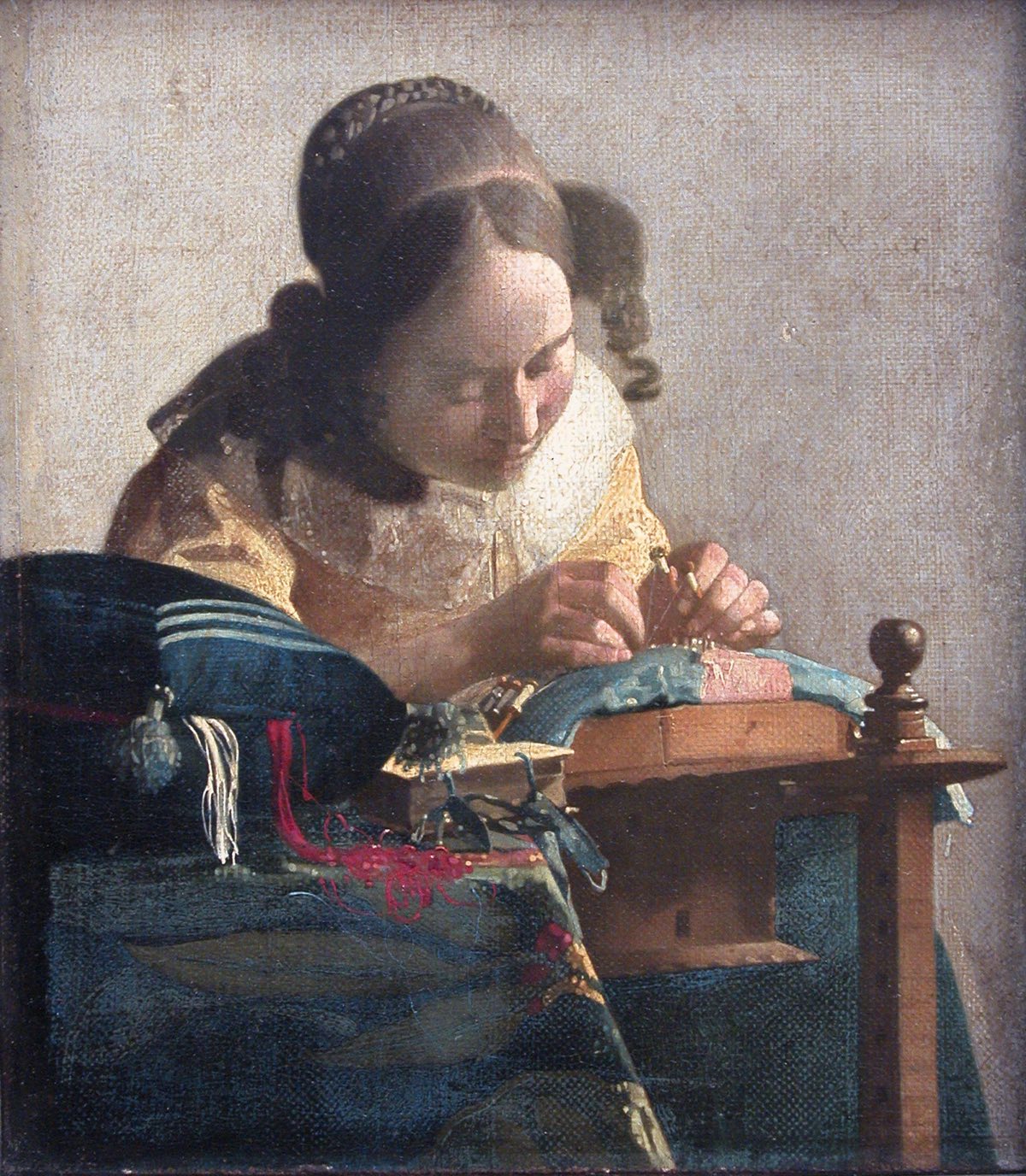
Painter, 1632 to 1675
Johannes Vermeer
The painter of quiet rooms and falling light left fewer than forty pictures. Two of them are in the Louvre, one of them the smallest he ever made.
Dutch Golden Age. 2 works in 1 museum
See the artist
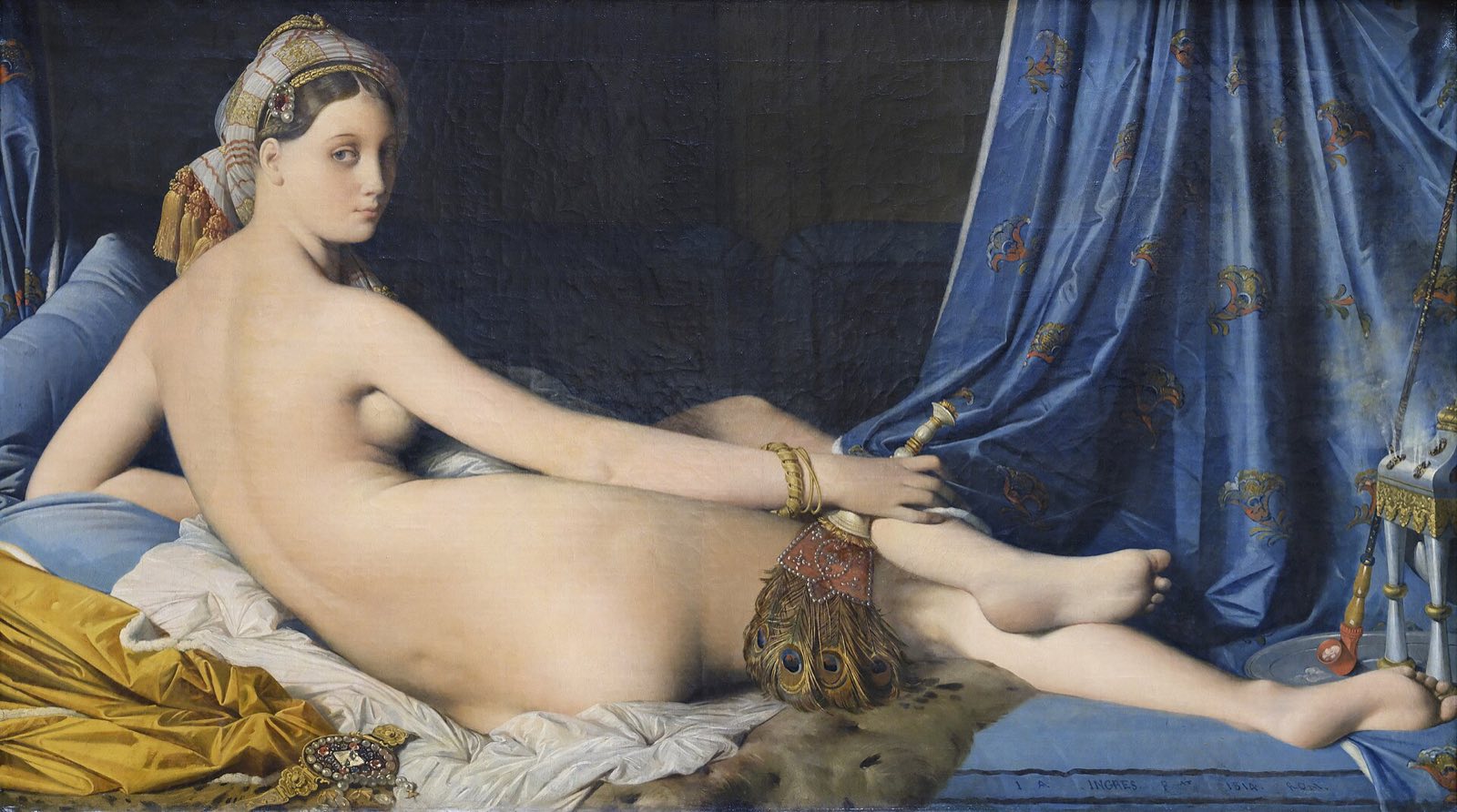
Painter, 1780 to 1867
Jean-Auguste-Dominique Ingres
The master of the perfect line, and of the female nude. The Grande Odalisque, with her impossibly long back, is one of the most recognised paintings in the Louvre.
Neoclassicism. 4 works in 2 museums
See the artist
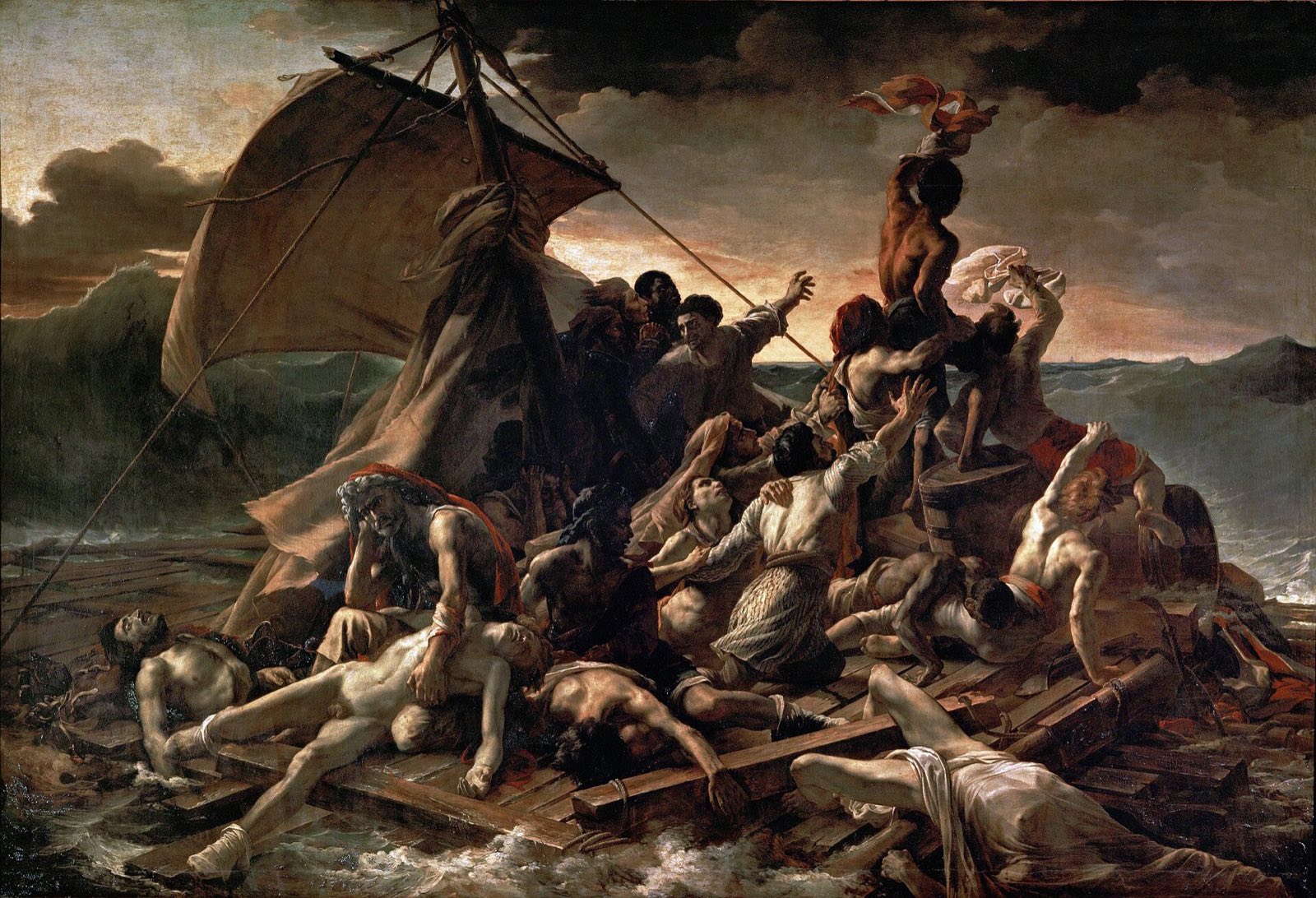
Painter, 1791 to 1824
Théodore Géricault
He died at thirty-two, having painted one of the largest and most shocking pictures in the Louvre: The Raft of the Medusa, a shipwreck that was a national scandal.
Romanticism. 2 works in 1 museum
See the artist