Painter, 1780 to 1867
Jean-Auguste-Dominique Ingres
Ingres believed drawing was everything, and bent anatomy to suit it. His odalisque has several vertebrae too many, and nobody has ever minded.
- Born
- 1780, Montauban, France
- Died
- 1867, Paris, France
- Movement
- Neoclassicism
- In Paris
- 4 works in 2 museums
Where to see Jean-Auguste-Dominique Ingres in Paris
Each work with the museum it hangs in. Museums move and lend their works, so check before a special journey.
Louvre Museum3 works
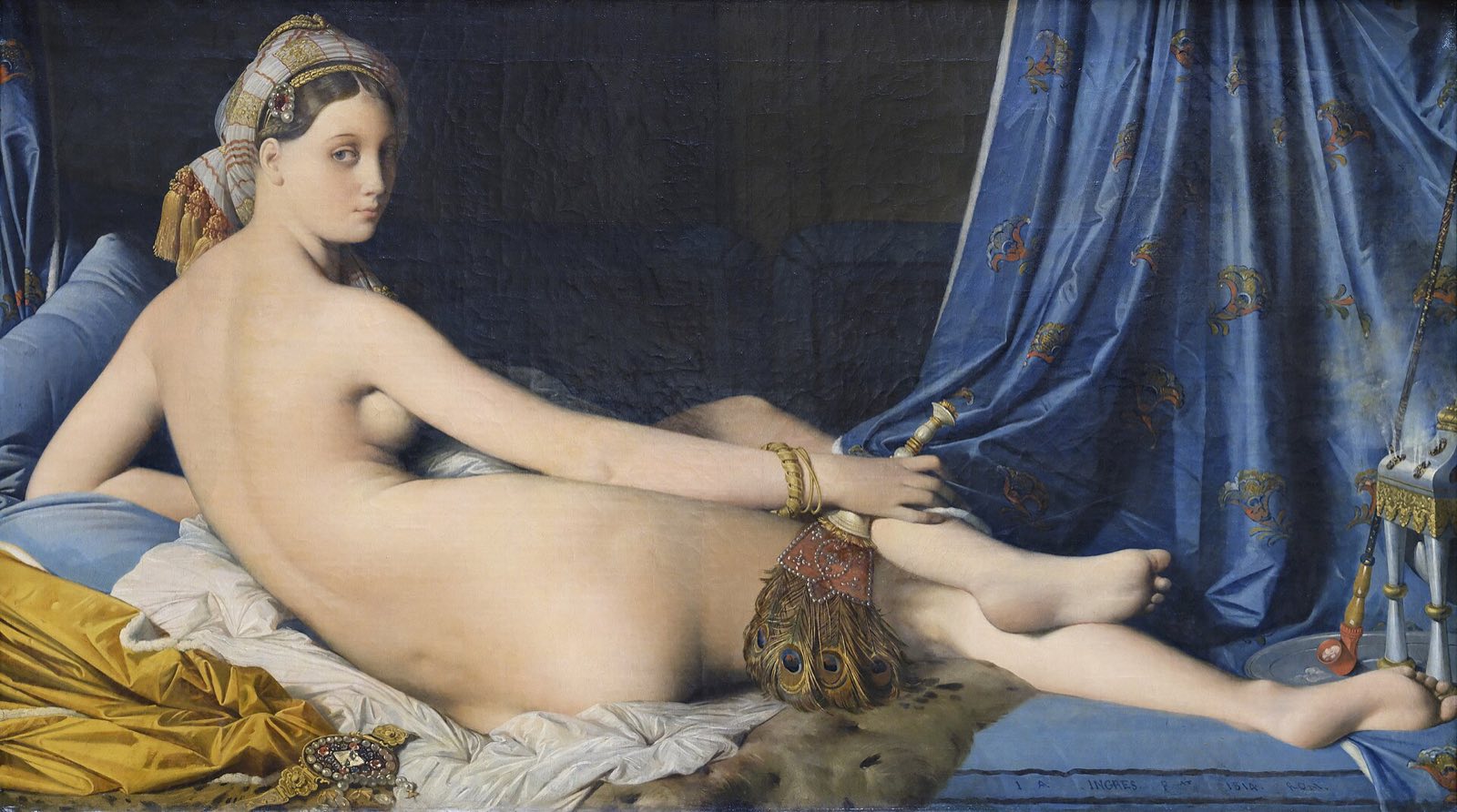
La Grande Odalisque
1814
A woman of the harem seen from behind, turning to look at you. Painted for Caroline Murat, Queen of Naples and sister of Napoleon, and mocked at the time for its anatomy.
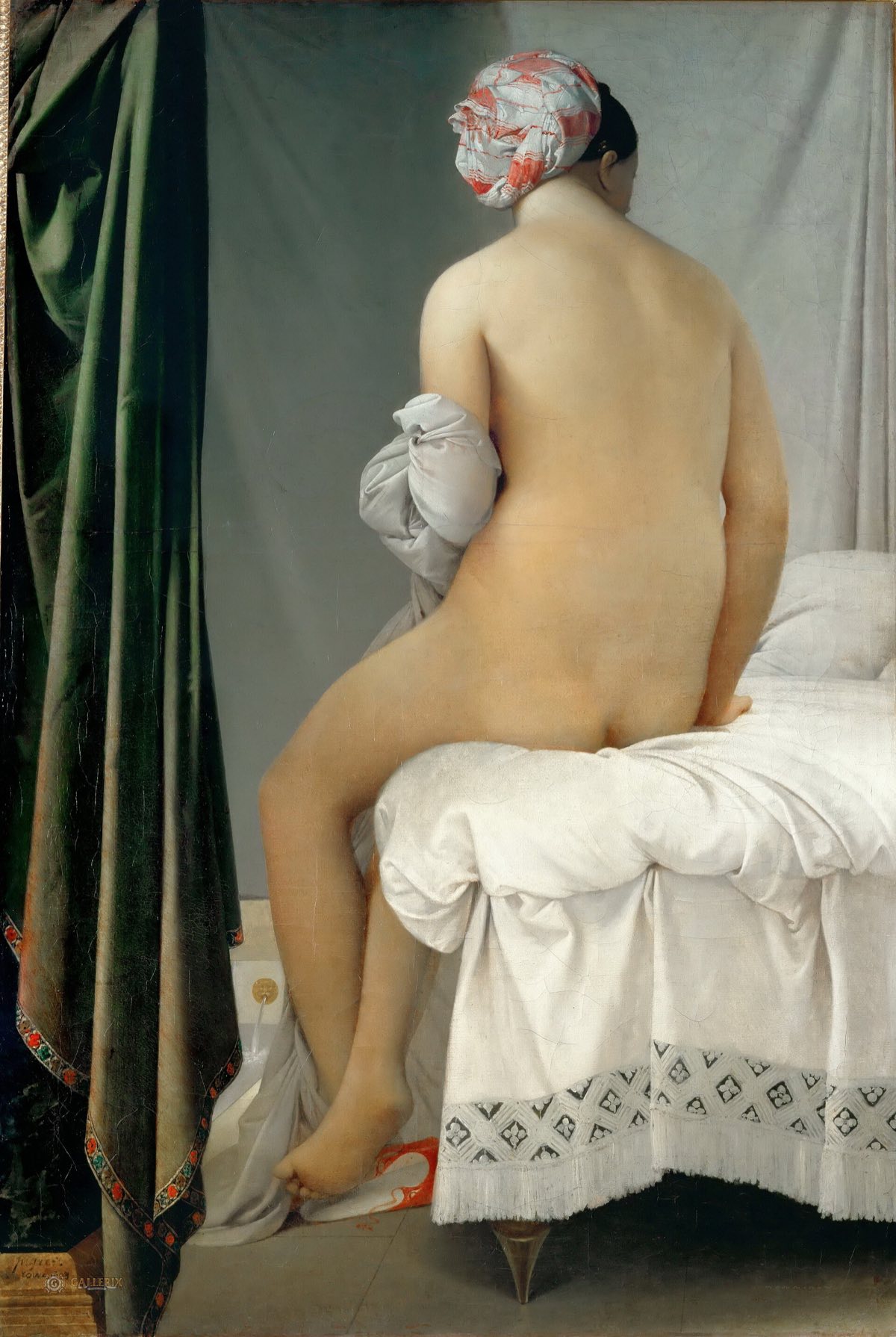
The Valpinçon Bather
1808
A seated nude, her back to the viewer, in a room of white linen and green curtain. Ingres returned to this back for the rest of his life.
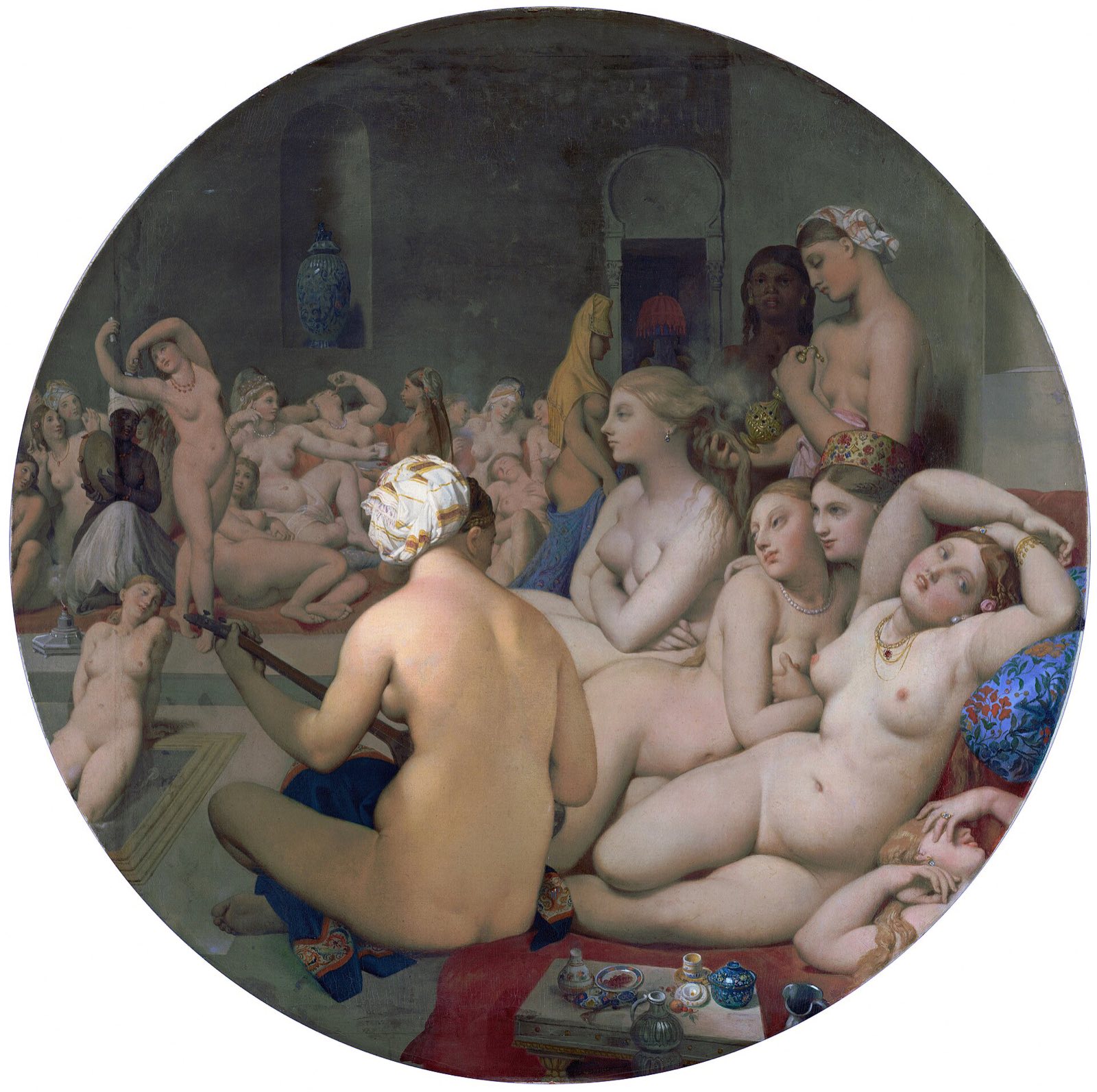
The Turkish Bath
1862
A round canvas crowded with bathers, the Valpinçon back among them, painted when he was eighty-two.
Musée d'Orsay1 work
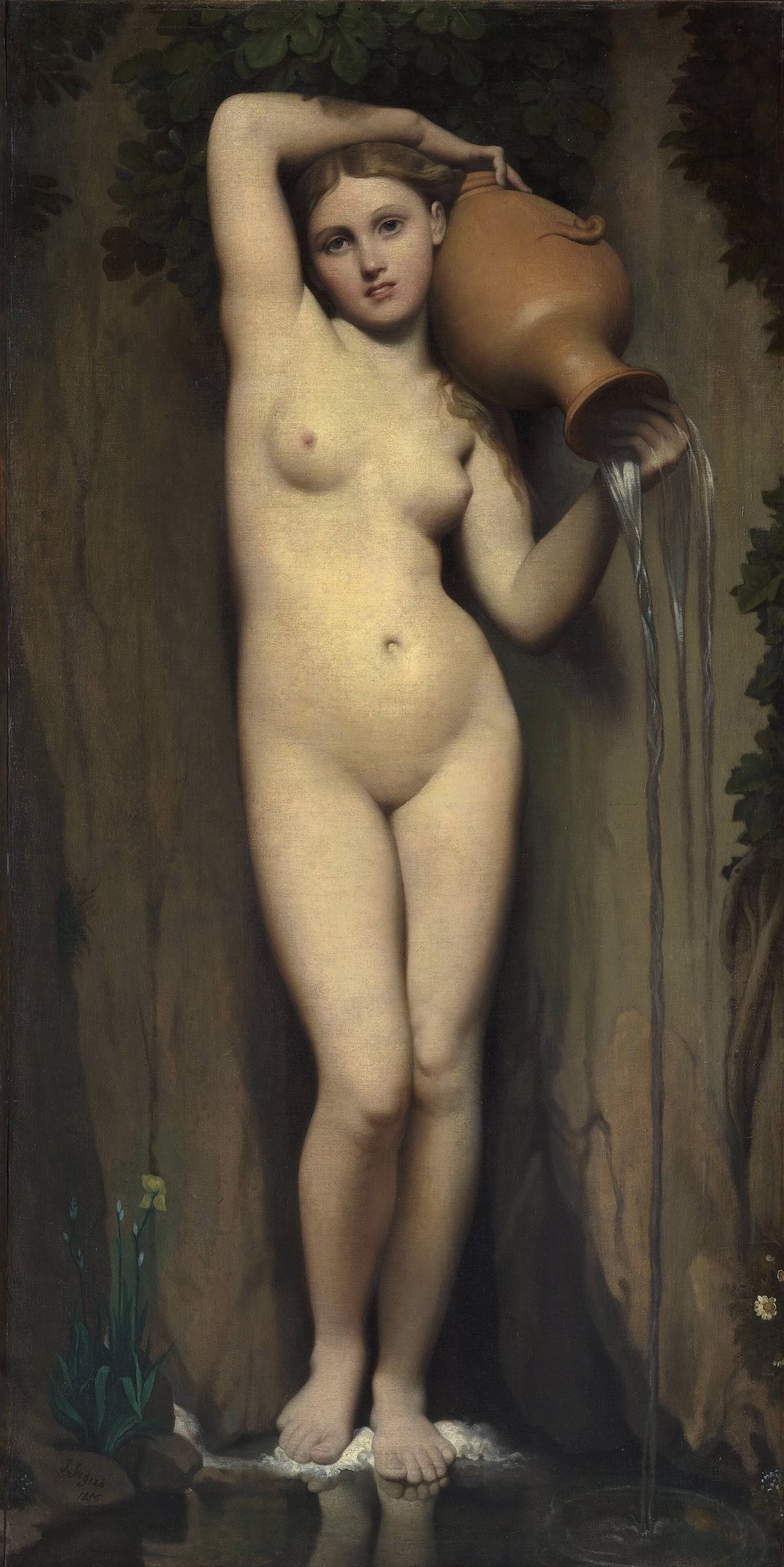
The Source
1856
A standing girl pouring water from a jar, begun in Florence in 1820 and finished thirty-six years later. It was one of the most admired pictures of its century.
The life of Jean-Auguste-Dominique Ingres
Ingres was born in Montauban in 1780 and was a pupil of David. He spent much of his life in Rome and thought of himself as the guardian of the classical tradition against the Romantics, with Delacroix as his opposite. His portraits, drawn and painted, are among the finest of the century.
He painted the Turkish Bath at the age of eighty-two, and signed it with his age. He died in Paris in 1867. The painters who learned most from his line were the ones he would have understood least: Degas, Matisse and Picasso.
What to know
- Painted the Grande Odalisque in 1814
- The great rival of Delacroix
- Finished the Turkish Bath at eighty-two
- Born
- 29 August 1780, Montauban, France
- Died
- 14 January 1867, Paris, France
Jean-Auguste-Dominique Ingres: common questions
- Where can you see Jean-Auguste-Dominique Ingres in Paris?
- At the Louvre Museum: La Grande Odalisque, The Valpinçon Bather and The Turkish Bath. At the Musée d'Orsay: The Source. Museums move and lend their works, so check before a special journey.
- What is Jean-Auguste-Dominique Ingres's most famous work in Paris?
- La Grande Odalisque, of 1814, at the Louvre Museum. A woman of the harem seen from behind, turning to look at you. Painted for Caroline Murat, Queen of Naples and sister of Napoleon, and mocked at the time for its anatomy.
- When and where was Jean-Auguste-Dominique Ingres born?
- On 29 August 1780, at Montauban, France. Jean-Auguste-Dominique Ingres died on 14 January 1867, at Paris, France, aged about 87.
- What is Jean-Auguste-Dominique Ingres known for?
- Painted the Grande Odalisque in 1814. The great rival of Delacroix. Finished the Turkish Bath at eighty-two. Jean-Auguste-Dominique Ingres was a French painter, of Neoclassicism.
Things to do near the Louvre
The nearest of this site's best things to do in the city. Distances are in a straight line.
- 3Cruise the Seine450 m awayOn the water, 1 hour, ticket
- 19Explore the covered passages650 m awayWalk, 1.5 to 2 hours, free
- 8Stand inside the stained glass of the Sainte-Chapelle800 m awayChurch, 45 to 60 minutes, ticket
- 6See the Impressionists at the Musée d'Orsay800 m awayMuseum, 2 to 3 hours, ticket
Hotels near the Louvre
The five-star hotels closest to it, of those this site lists in Paris. Distances are in a straight line.
- Hôtel du Louvre4.6Five-star hotel, Place André-Malraux, facing the Louvre300 m away
- Cheval Blanc Paris4.5Five-star hotel, Palace, Quai du Louvre, by the Pont Neuf350 m away
- Hôtel Regina Louvre4.3Five-star hotel, Place des Pyramides, facing the Tuileries500 m away
- Le Meurice4.5Five-star hotel, Palace, Rue de Rivoli, facing the Tuileries900 m away
Other artists
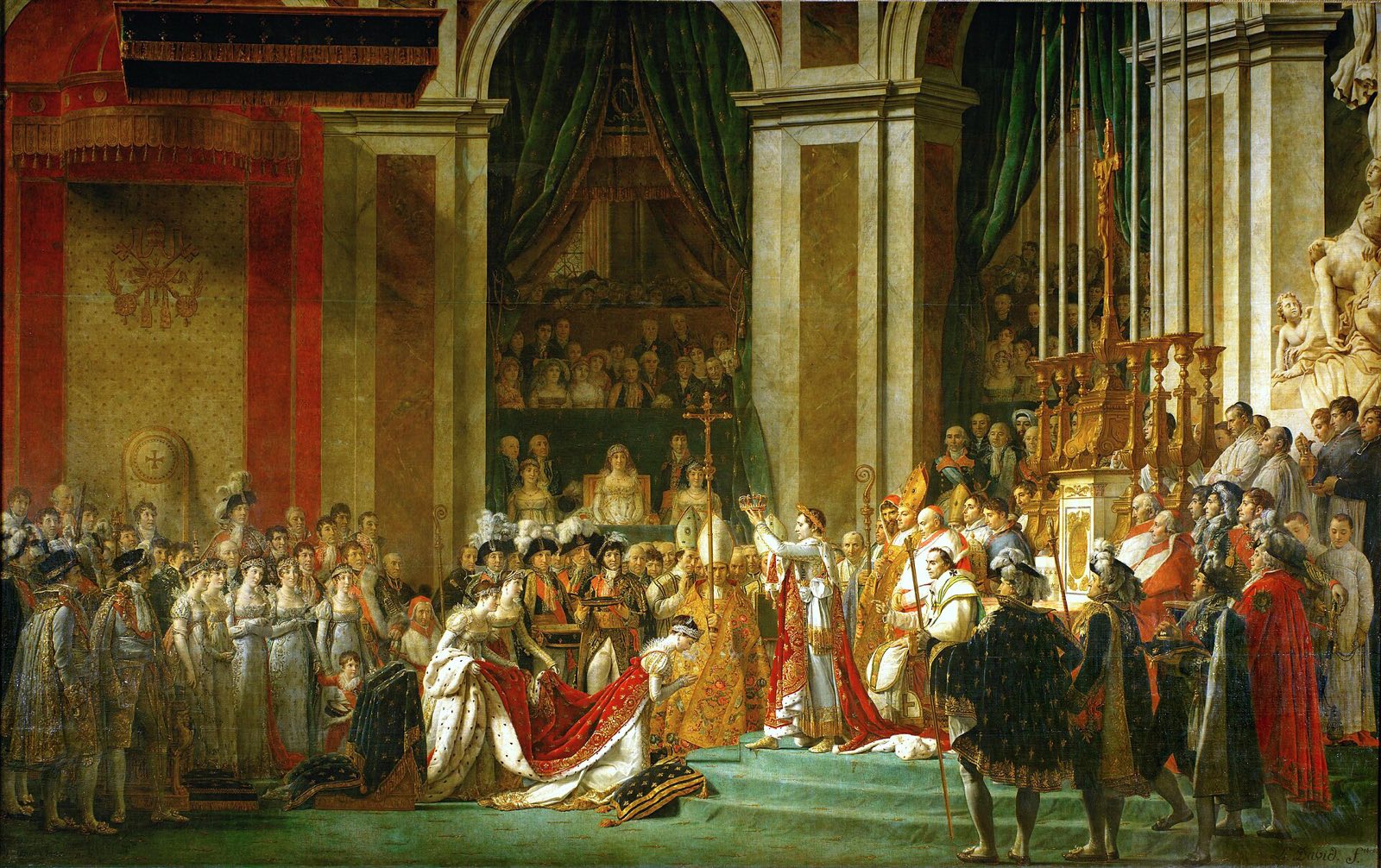
Painter, 1748 to 1825
Jacques-Louis David
The painter of the French Revolution and then of Napoleon. His Coronation, nearly ten metres wide, fills a wall of the Louvre.
Neoclassicism. 4 works in 1 museum
See the artist
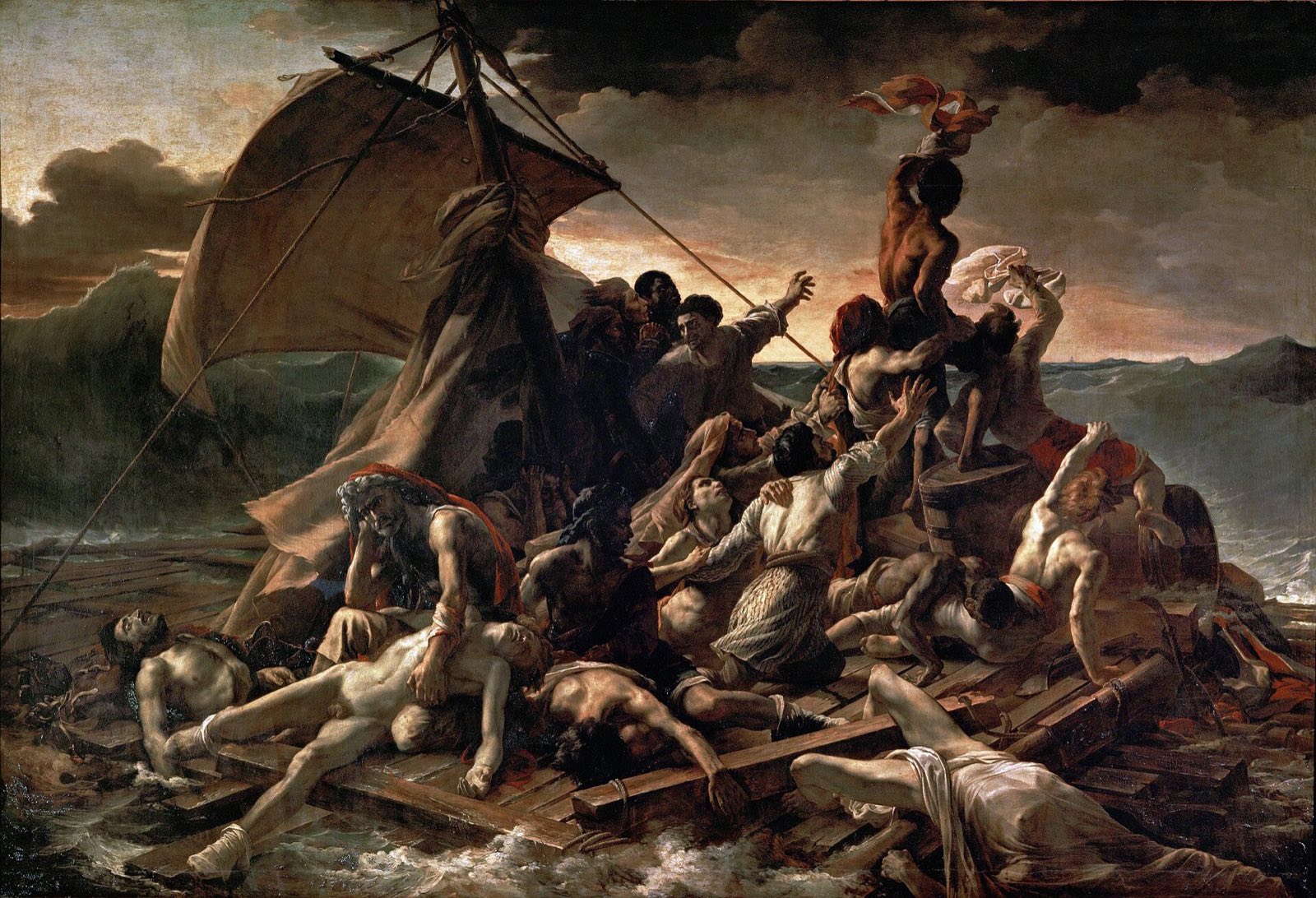
Painter, 1791 to 1824
Théodore Géricault
He died at thirty-two, having painted one of the largest and most shocking pictures in the Louvre: The Raft of the Medusa, a shipwreck that was a national scandal.
Romanticism. 2 works in 1 museum
See the artist
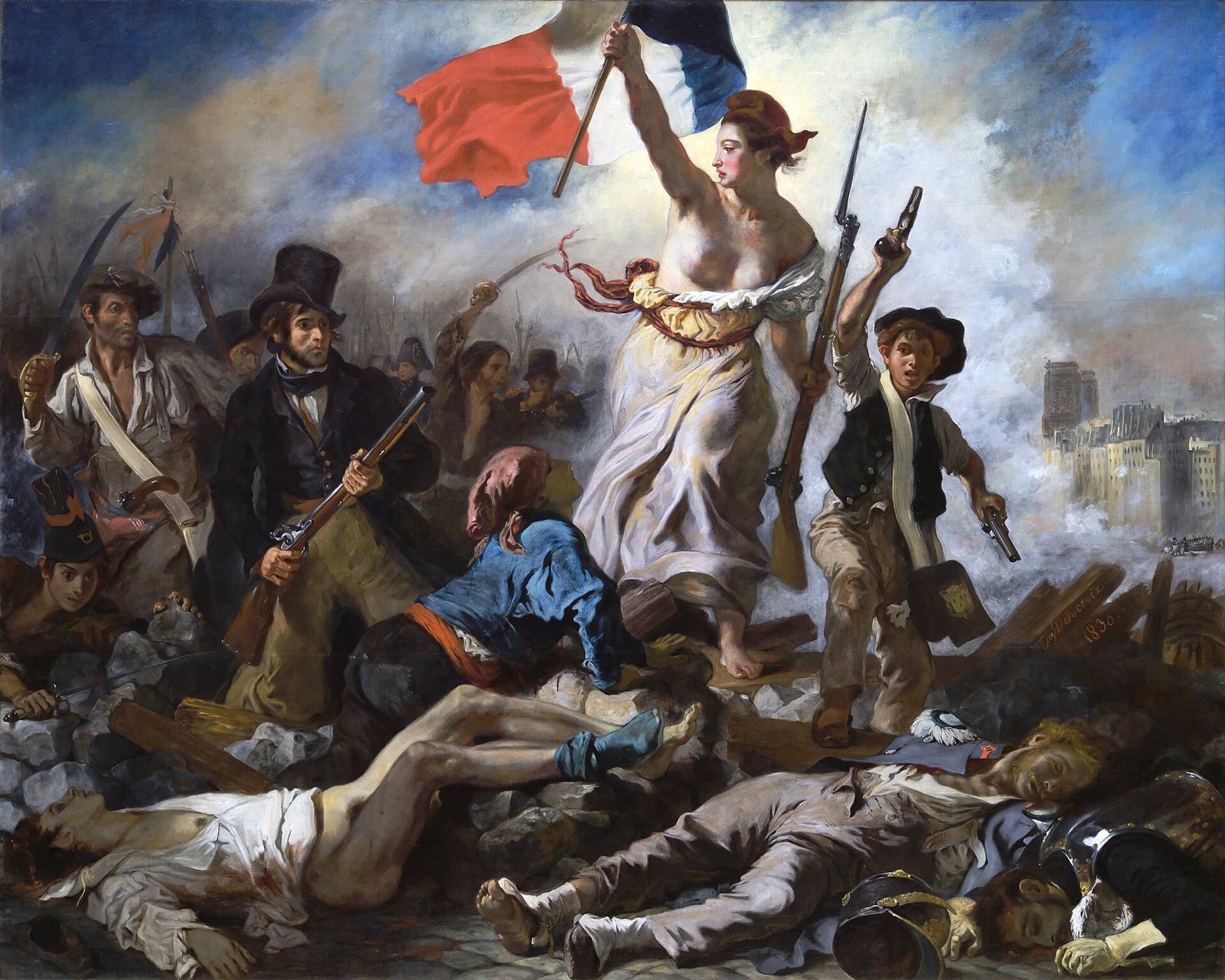
Painter, 1798 to 1863
Eugène Delacroix
The leader of the French Romantics, all colour and movement. His Liberty Leading the People, bare-breasted on a barricade with the tricolour, has become the image of France itself.
Romanticism. 4 works in 1 museum
See the artist