Painter, 1791 to 1824
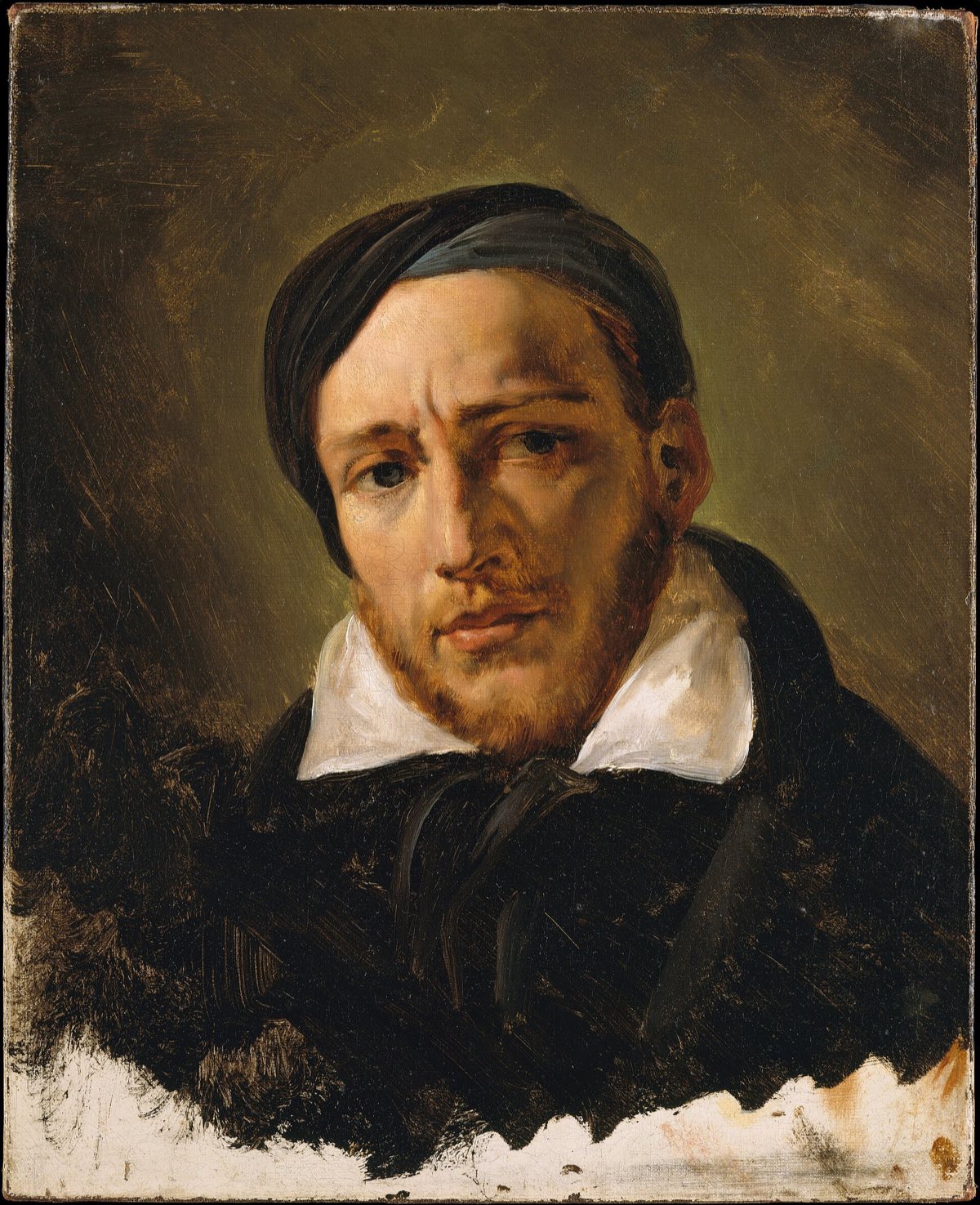
Théodore Géricault
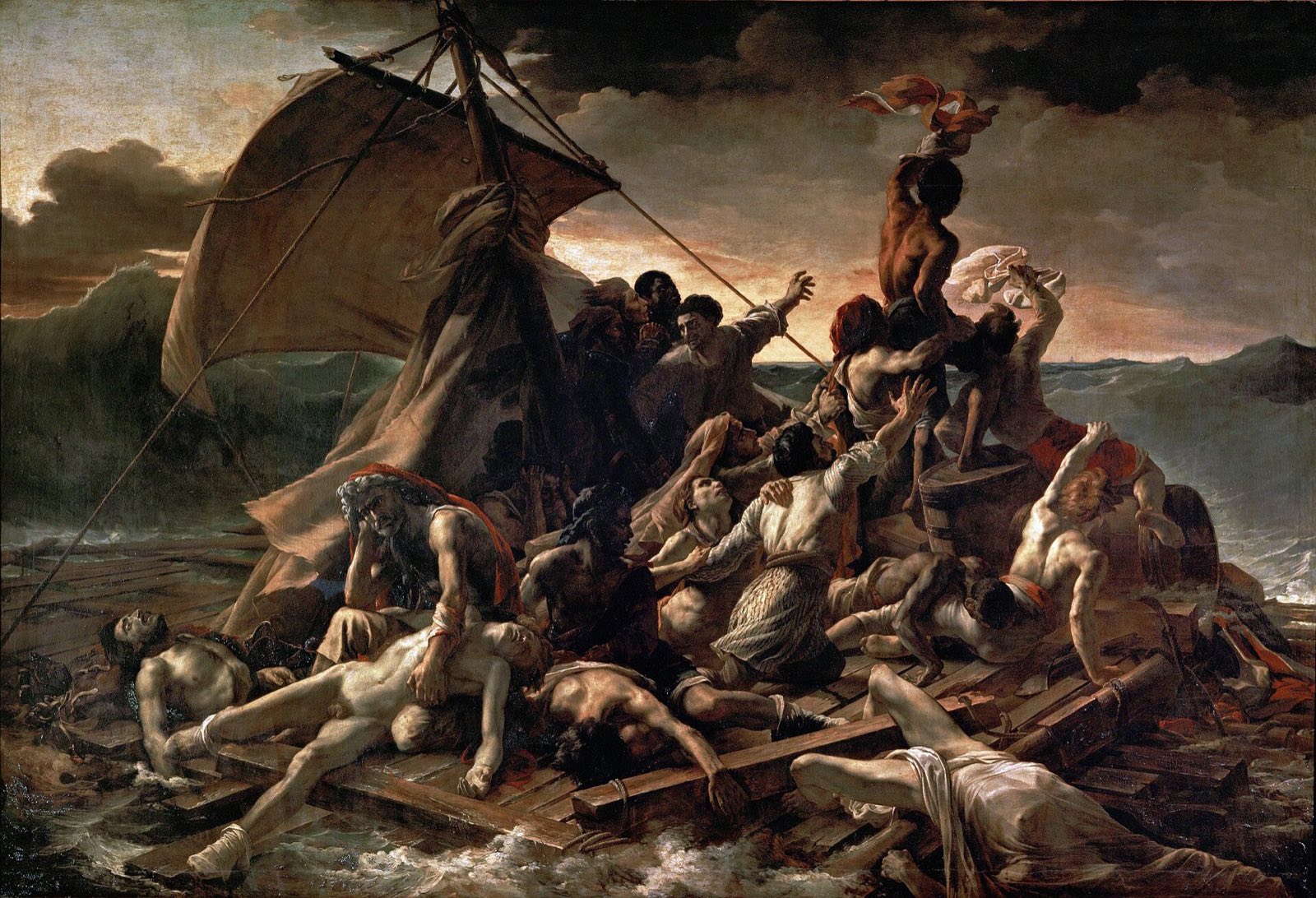
Géricault interviewed survivors, studied corpses in a hospital morgue and built a model of the raft in his studio. Then he painted it, seven metres wide.
- Born
- 1791, Rouen, France
- Died
- 1824, Paris, France
- Movement
- Romanticism
- In Paris
- 2 works in 1 museum
Where to see Théodore Géricault in Paris
Each work with the museum it hangs in. Museums move and lend their works, so check before a special journey.
Louvre Museum2 works
The Raft of the Medusa
1818 to 1819
The survivors sight a ship on the horizon, a pyramid of bodies rising from the dead to a man waving a cloth. Nearly five metres high and more than seven wide. The young Delacroix posed for one of the figures. It hangs in the red rooms of the Denon wing.
The Charging Chasseur
1812
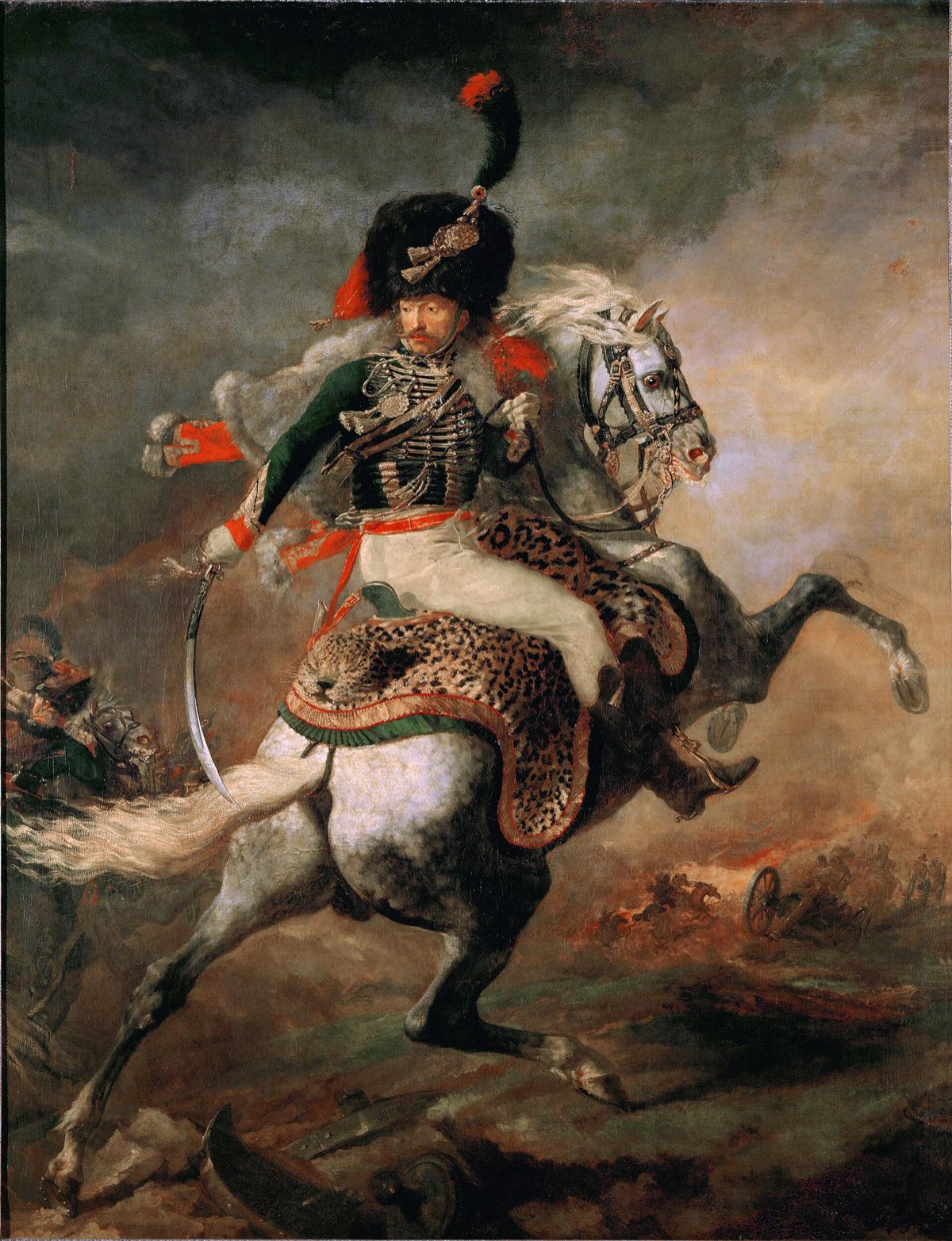
An officer of Napoleon's cavalry twisting in the saddle of a rearing horse. Géricault painted it at twenty-one.
The life of Théodore Géricault
Géricault was born in Rouen in 1791 into a wealthy family and was largely self-taught, copying Rubens and Michelangelo. He loved horses and painted them all his life. He showed The Charging Chasseur at the Salon when he was twenty-one.
In 1816 the frigate Méduse ran aground off West Africa. Its officers took the boats and left about 150 people on a raft. After thirteen days, fifteen were alive. Géricault spent more than a year on the picture and showed it in 1819. It was the first great painting of Romanticism. He died five years later, after a fall from a horse.
What to know
- Painted The Raft of the Medusa at twenty-seven
- A pioneer of Romanticism, and a friend of the young Delacroix
- Died at thirty-two after a riding accident
- Born
- 26 September 1791, Rouen, France
- Died
- 26 January 1824, Paris, France
Théodore Géricault: common questions
- Where can you see Théodore Géricault in Paris?
- At the Louvre Museum: The Raft of the Medusa and The Charging Chasseur. Museums move and lend their works, so check before a special journey.
- What is Théodore Géricault's most famous work in Paris?
- The Raft of the Medusa, of 1818 to 1819, at the Louvre Museum. The survivors sight a ship on the horizon, a pyramid of bodies rising from the dead to a man waving a cloth. Nearly five metres high and more than seven wide. The young Delacroix posed for one of the figures. It hangs in the red rooms of the Denon wing.
- When and where was Théodore Géricault born?
- On 26 September 1791, at Rouen, France. Théodore Géricault died on 26 January 1824, at Paris, France, aged about 33.
- What is Théodore Géricault known for?
- Painted The Raft of the Medusa at twenty-seven. A pioneer of Romanticism, and a friend of the young Delacroix. Died at thirty-two after a riding accident. Théodore Géricault was a French painter, of Romanticism.
Things to do near the Louvre
The nearest of this site's best things to do in the city. Distances are in a straight line.
- 3Cruise the Seine450 m awayOn the water, 1 hour, ticket
- 19Explore the covered passages650 m awayWalk, 1.5 to 2 hours, free
- 8Stand inside the stained glass of the Sainte-Chapelle800 m awayChurch, 45 to 60 minutes, ticket
- 6See the Impressionists at the Musée d'Orsay800 m awayMuseum, 2 to 3 hours, ticket
Hotels near the Louvre
The five-star hotels closest to it, of those this site lists in Paris. Distances are in a straight line.
- Hôtel du Louvre4.6Five-star hotel, Place André-Malraux, facing the Louvre300 m away
- Cheval Blanc Paris4.5Five-star hotel, Palace, Quai du Louvre, by the Pont Neuf350 m away
- Hôtel Regina Louvre4.3Five-star hotel, Place des Pyramides, facing the Tuileries500 m away
- Le Meurice4.5Five-star hotel, Palace, Rue de Rivoli, facing the Tuileries900 m away
Other artists
Painter, 1780 to 1867
Jean-Auguste-Dominique Ingres
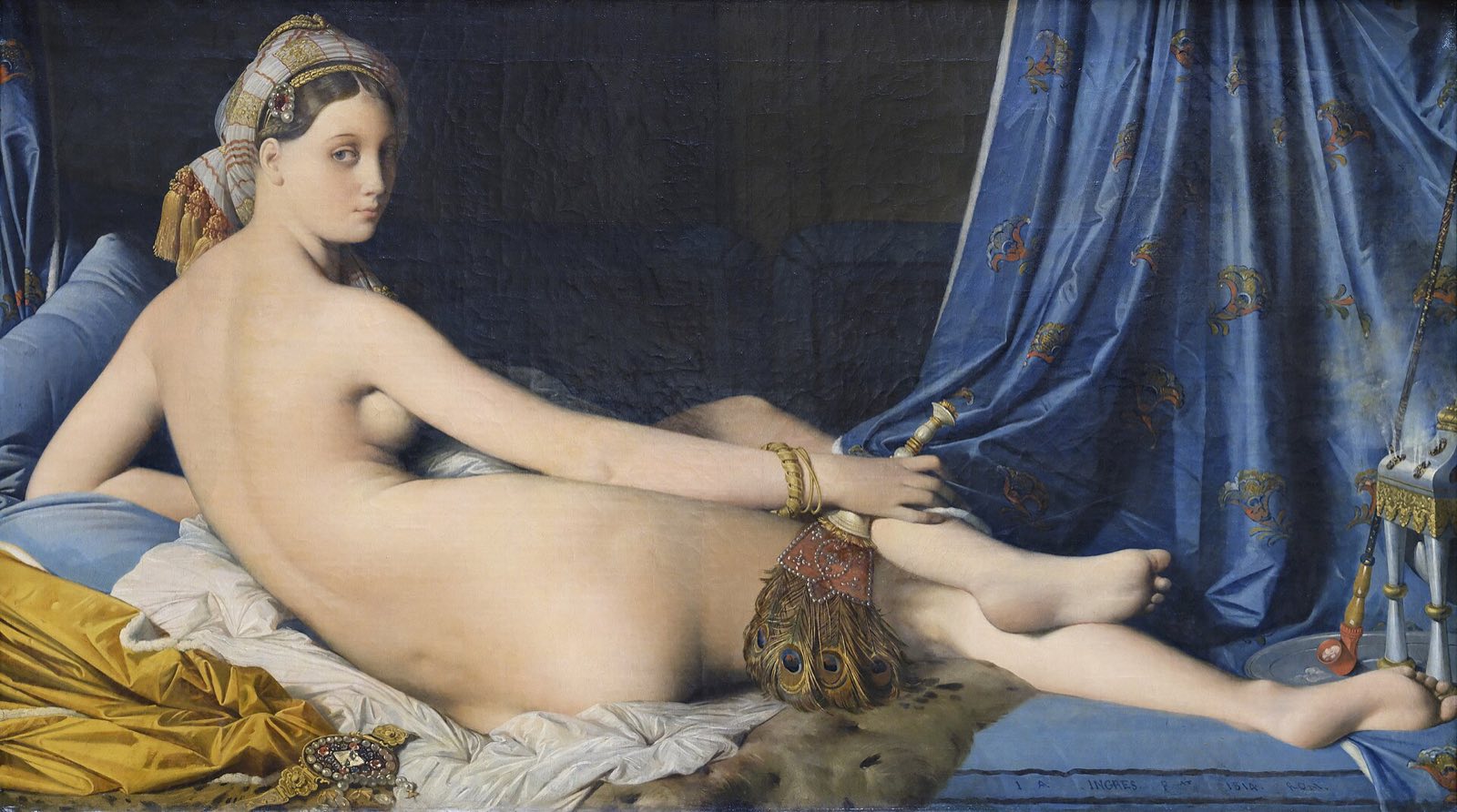
The master of the perfect line, and of the female nude. The Grande Odalisque, with her impossibly long back, is one of the most recognised paintings in the Louvre.
Neoclassicism. 4 works in 2 museums
See the artist
Painter, 1798 to 1863
Eugène Delacroix
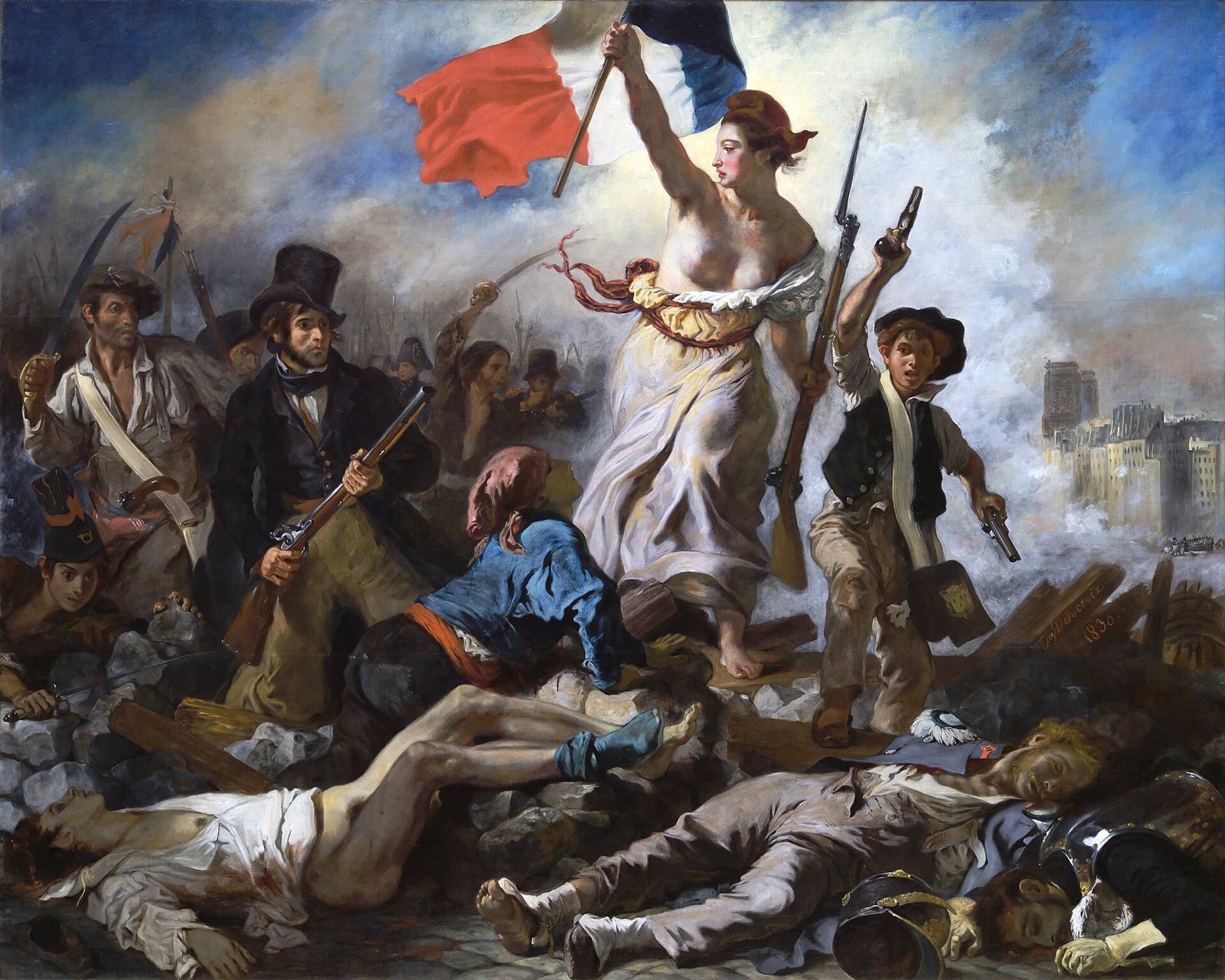
The leader of the French Romantics, all colour and movement. His Liberty Leading the People, bare-breasted on a barricade with the tricolour, has become the image of France itself.
Romanticism. 4 works in 1 museum
See the artist
Painter, 1819 to 1877
Gustave Courbet
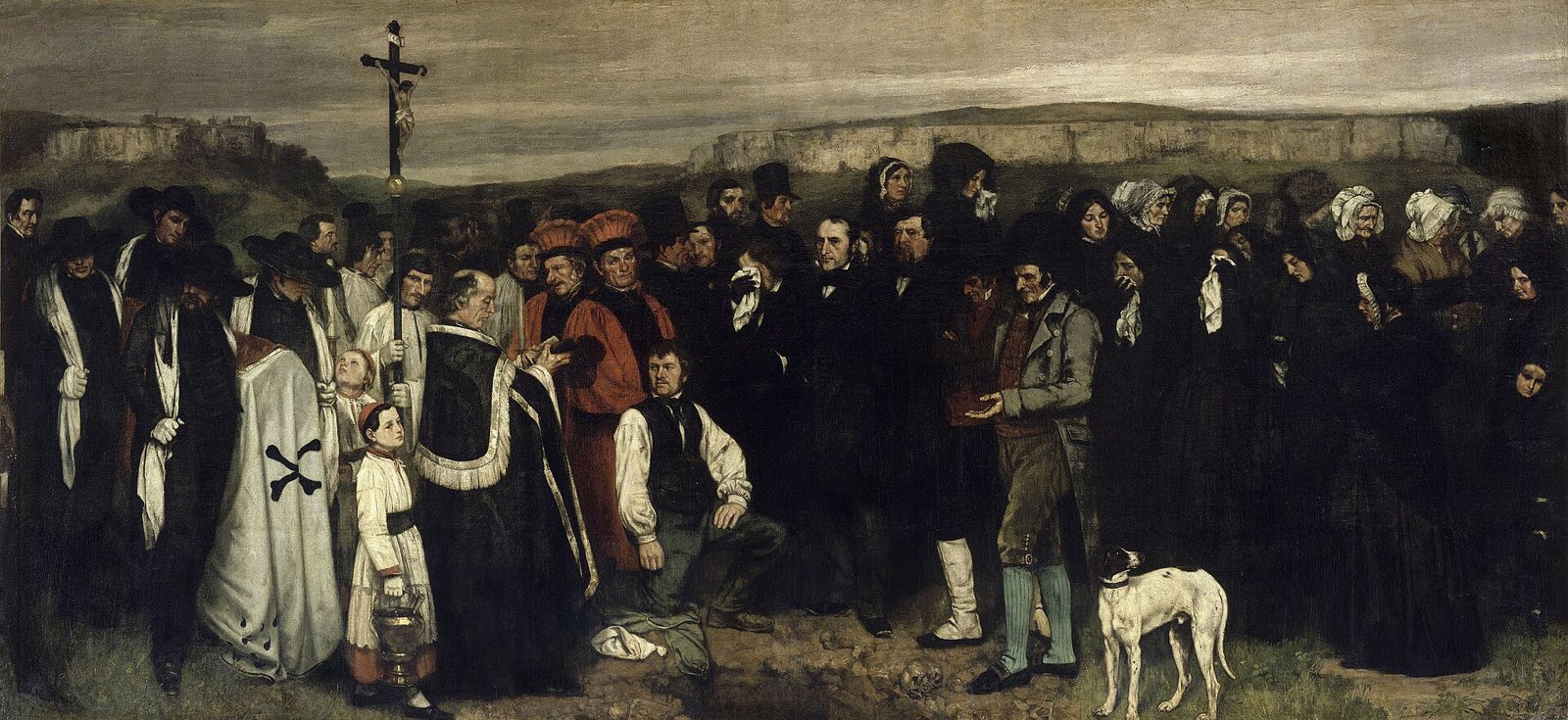
The man who said he could not paint an angel because he had never seen one. His huge canvases of ordinary country people, at the Musée d'Orsay, began modern painting.
Realism. 3 works in 1 museum
See the artist