Painter, 1465 to 1526
Vittore Carpaccio
Calouste Gulbenkian's collection of Venetian painting includes Carpaccio's Adoration of the Child, with the donors who paid for it kneeling in the scene. It is in the Gulbenkian Museum.
- Born
- 1465, Venice, Republic of Venice
- Died
- 1526, probably Venice, Republic of Venice
- Movement
- Venetian Renaissance
- In Lisbon
- 1 work in 1 museum
Where to see Vittore Carpaccio in Lisbon
Each work with the museum it hangs in. Museums move and lend their works, so check before a special journey.
Calouste Gulbenkian Museum1 work
Adoration of the Child with Donors
late fifteenth or early sixteenth century
The Child adored, with the donors kneeling.
The life of Vittore Carpaccio
Little is known of Carpaccio's life. He worked in Venice from the 1490s, painting large narrative cycles for the scuole, the city's brotherhoods: the legend of St Ursula for the Scuola di Sant'Orsola, and later the stories of St George and St Jerome for the Scuola di San Giorgio degli Schiavoni, still in place.
The St Ursula cycle and his canvas of the miracle at the old wooden Rialto Bridge are in the Accademia. The raw beef dish carpaccio was named after him at Harry's Bar, for the reds of his paintings.
What to know
- Adoration of the Child with donors
- Born
- About 1465, Venice, Republic of Venice
- Died
- About 1525 to 1526, probably Venice, Republic of Venice
Vittore Carpaccio: common questions
- Where can you see Vittore Carpaccio in Lisbon?
- At the Calouste Gulbenkian Museum: Adoration of the Child with Donors. Museums move and lend their works, so check before a special journey.
- What is Vittore Carpaccio's most famous work in Lisbon?
- Adoration of the Child with Donors, of late fifteenth or early sixteenth century, at the Calouste Gulbenkian Museum. The Child adored, with the donors kneeling.
- When and where was Vittore Carpaccio born?
- About 1465, at Venice, Republic of Venice. Vittore Carpaccio died about 1525 to 1526, at probably Venice, Republic of Venice, aged about 61.
- What is Vittore Carpaccio known for?
- Adoration of the Child with donors. Vittore Carpaccio was a Venetian painter, of the Venetian Renaissance.
Tickets and tours: Vittore Carpaccio in Lisbon
Things to do near the Gulbenkian
The nearest of this site's best things to do in the city. Distances are in a straight line.
- 6Ride tram 28 through the old quarters2.8 km awayWalk, 45 to 120 minutes, tram fare; a guided ride
- 2Walk the walls of São Jorge Castle3.2 km awayMonument, 1.5 to 2.5 hours, ticket
- 15Taste Lisbon's food and wine3.5 km awayWalk, 2.5 to 4 hours, pay as you eat; a food tour
- 4Get lost in the lanes of the Alfama3.5 km awayWalk, 1.5 to 3 hours, free; a guided walk or a tuk-tuk
Where to eat near the Gulbenkian
The nearest of the famous tables this site lists in Lisbon. Distances are in a straight line.
- Pastelaria Versailles4.4Pastry shop, Avenida da República750 m away
- Solar dos Presuntos4.5Restaurant, Santo António2.4 km away
- A Cevicheria4.7Restaurant, Misericórdia2.5 km away
- Cervejaria Ramiro4.4Seafood restaurant, Arroios2.5 km away
Hotels near the Gulbenkian
The hotels closest to it, of those this site lists in Lisbon. Distances are in a straight line.
- Sheraton Lisboa Hotel & Spa4.6Five-star hotel, Picoas900 m away
- Corinthia Lisbon4.6Five-star hotel, São Domingos de Benfica1.1 km away
- InterContinental Lisbon4.6Five-star hotel, Avenidas Novas1.2 km away
- Four Seasons Hotel Ritz Lisbon4.7Five-star hotel, Marquês de Pombal1.3 km away
Other artists
Picture: Dguendel, CC BY 4.0
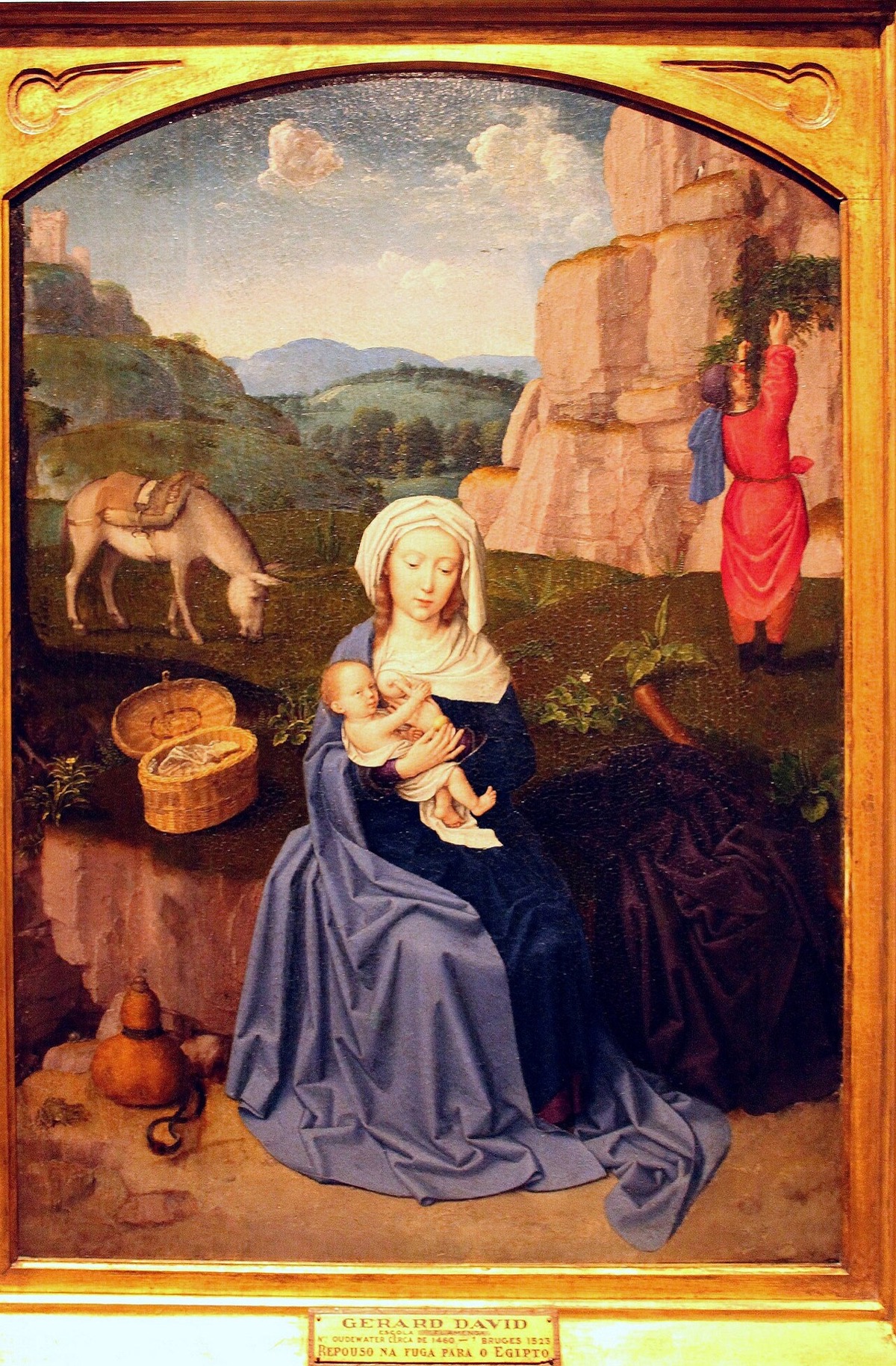
Painter, 1460 to 1523
Gerard David
An Early Netherlandish painter of Bruges, known for his brilliant colour; the National Museum of Ancient Art has his Rest on the Flight into Egypt.
Early Netherlandish painting. 1 work in 1 museum
See the artist
Picture: Sailko, CC BY 3.0
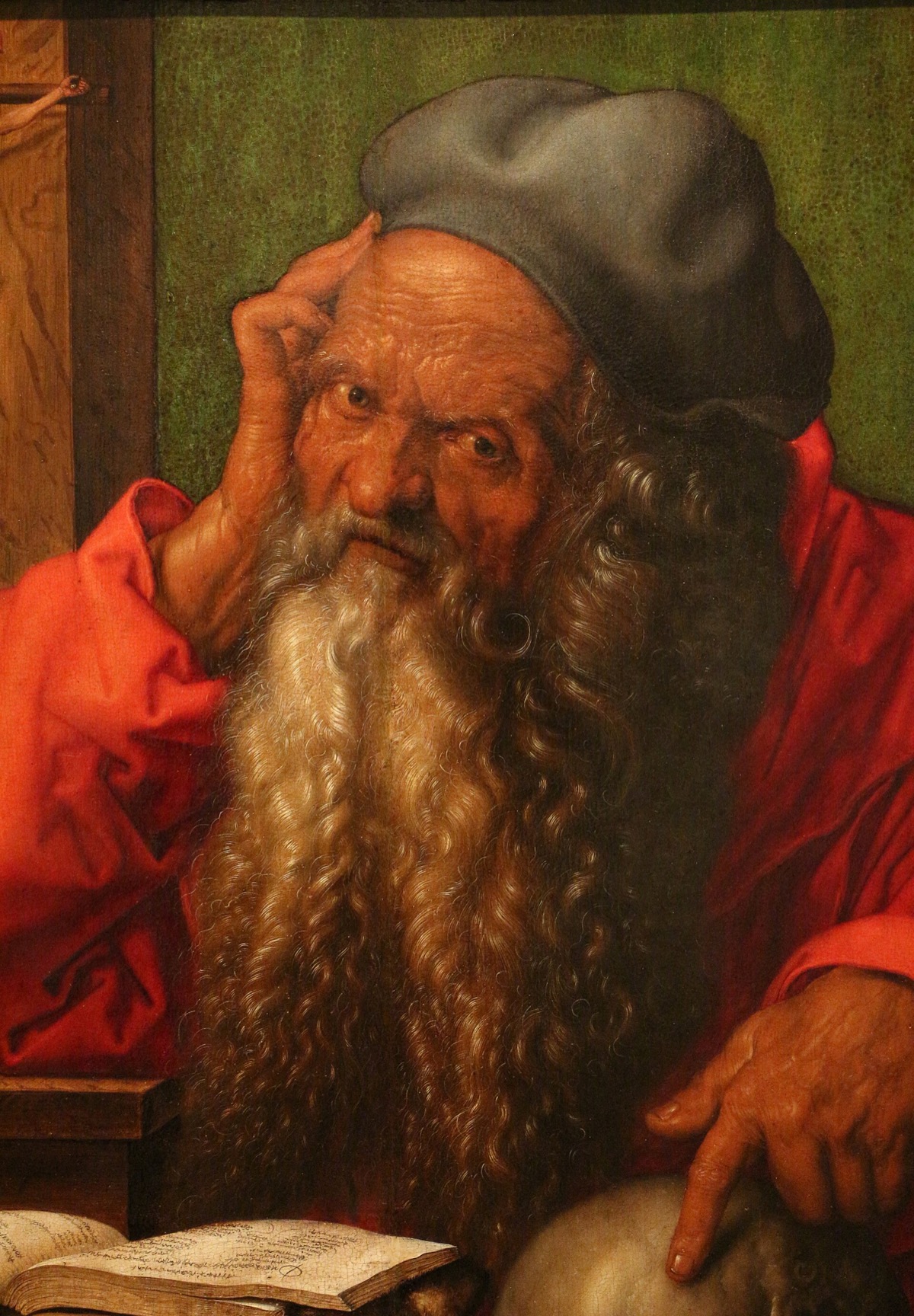
Painter, 1471 to 1528
Albrecht Dürer
Dürer painted his Saint Jerome in Antwerp in 1521 and gave it to a Portuguese merchant. It is in the National Museum of Ancient Art.
Northern Renaissance. 1 work in 1 museum
See the artist
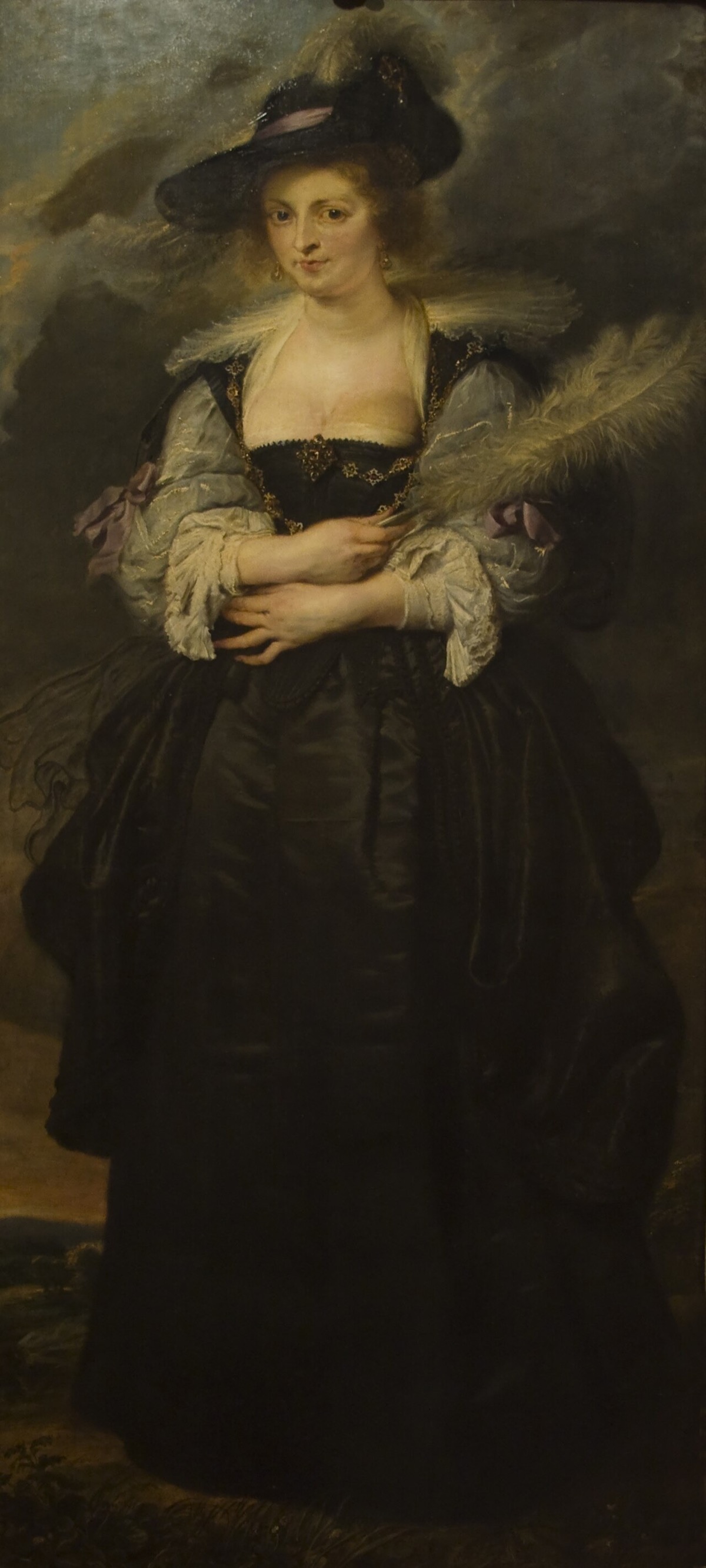
Painter, 1577 to 1640
Peter Paul Rubens
The Gulbenkian has Rubens's portrait of Helena Fourment, his young second wife, in a black dress.
Baroque. 1 work in 1 museum
See the artist