Painter, 1868 to 1907
Giuseppe Pellizza da Volpedo
Pellizza worked for ten years on The Fourth Estate, a crowd of farm workers walking towards us in the sun, painted in small strokes of pure colour. It is now at the foot of the ramp of the Museo del Novecento.
- Born
- 1868, Volpedo, Kingdom of Italy
- Died
- 1907, Volpedo, Kingdom of Italy
- Movement
- Divisionism
- In Milan
- 1 work in 1 museum
Where to see Giuseppe Pellizza da Volpedo in Milan
Each work with the museum it hangs in. Museums move and lend their works, so check before a special journey.
Museo del Novecento1 work
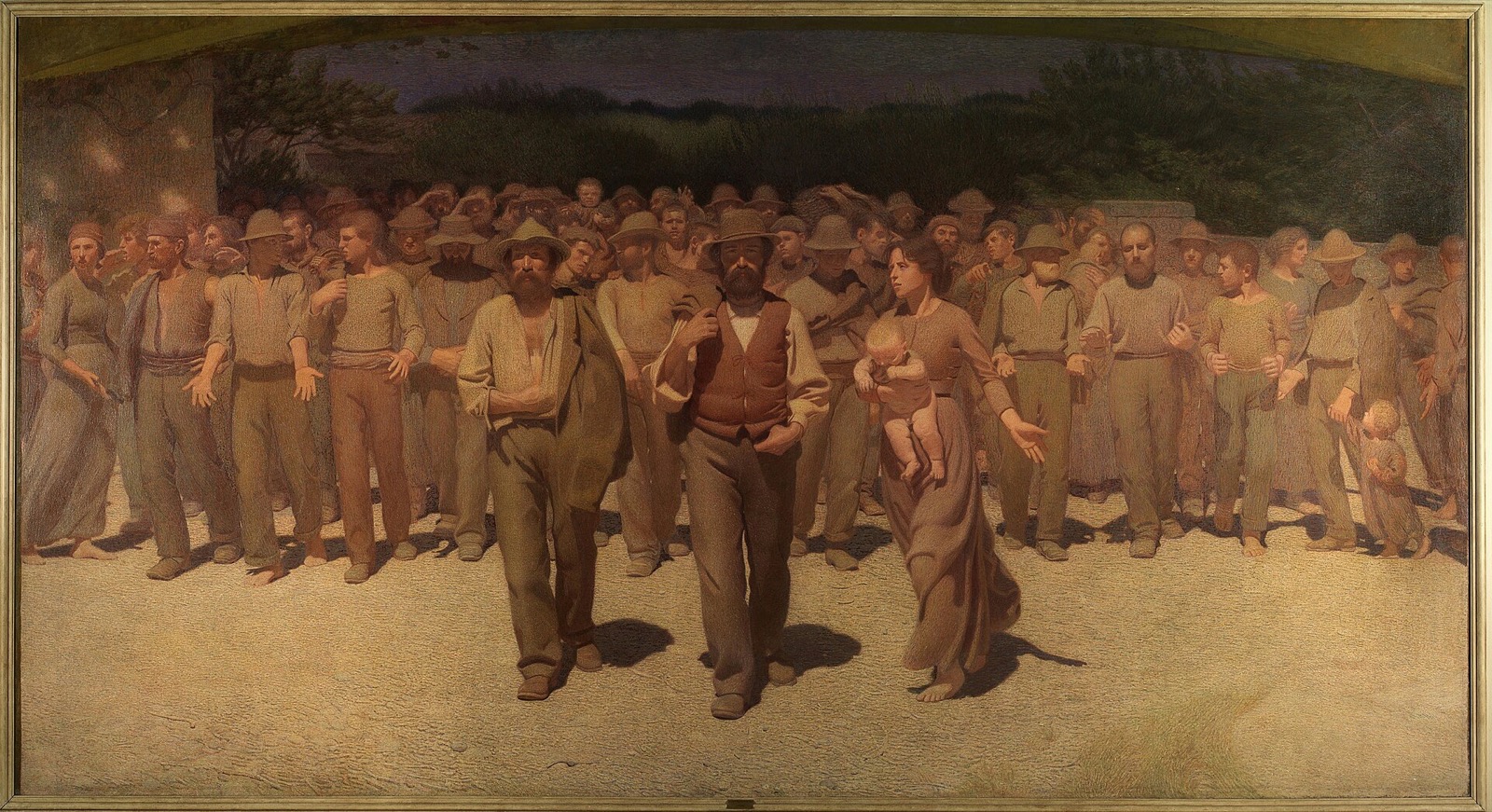
The Fourth Estate
1898 to 1901
Farm workers marching towards us in the sun, led by two men and a woman with a child, almost three metres by five.
The life of Giuseppe Pellizza da Volpedo
Pellizza was the son of farmers in Volpedo, in Piedmont, and studied in Milan, Rome, Florence and Bergamo. He took up the divided brushwork of the Divisionists, laying colours side by side.
He finished The Fourth Estate in 1901, after several versions over ten years. He died in his village in 1907, a few weeks after his wife.
What to know
- Painted The Fourth Estate over ten years
- A Divisionist, painting in small strokes of pure colour
- Lived and worked in his village of Volpedo
- Born
- 28 July 1868, Volpedo, Kingdom of Italy
- Died
- 14 June 1907, Volpedo, Kingdom of Italy
Giuseppe Pellizza da Volpedo: common questions
- Where can you see Giuseppe Pellizza da Volpedo in Milan?
- At the Museo del Novecento: The Fourth Estate. Museums move and lend their works, so check before a special journey.
- What is Giuseppe Pellizza da Volpedo's most famous work in Milan?
- The Fourth Estate, of 1898 to 1901, at the Museo del Novecento. Farm workers marching towards us in the sun, led by two men and a woman with a child, almost three metres by five.
- When and where was Giuseppe Pellizza da Volpedo born?
- On 28 July 1868, at Volpedo, Kingdom of Italy. Giuseppe Pellizza da Volpedo died on 14 June 1907, at Volpedo, Kingdom of Italy, aged about 39.
- What is Giuseppe Pellizza da Volpedo known for?
- Painted The Fourth Estate over ten years. A Divisionist, painting in small strokes of pure colour. Lived and worked in his village of Volpedo. Giuseppe Pellizza da Volpedo was an Italian painter, of Divisionism.
Tickets and tours: Giuseppe Pellizza da Volpedo in Milan
Things to do near the Museo del Novecento
The nearest of this site's best things to do in the city. Distances are in a straight line.
- 15Taste panzerotti, risotto and the aperitivo on a food walk100 m awayWalk, 2.5 to 3.5 hours, ticket for a walk with tastings
- 1Climb to the roof of the Duomo among its marble spires150 m awayChurch, 1.5 to 2.5 hours, ticket for the cathedral, more for the terraces
- 16Find Bramante's false choir in Santa Maria presso San Satiro200 m awayChurch, 15 to 30 minutes, free
- 9Walk through the Galleria and up onto its roofs250 m awayMonument, 30 to 90 minutes, free; a ticket for the walkway on the roofs
Where to eat near the Museo del Novecento
The nearest of the famous tables this site lists in Milan. Distances are in a straight line.
- Camparino in Galleria4.4Bar, Galleria Vittorio Emanuele II150 m away
- Biffi3.5Café and restaurant, Galleria Vittorio Emanuele II200 m away
- Peck4.4Delicatessen, Via Spadari250 m away
- Luini4.5Panzerotti shop, Via Santa Radegonda300 m away
Hotels near the Museo del Novecento
The five-star hotels closest to it, of those this site lists in Milan. Distances are in a straight line.
- Mandarin Oriental, Milan4.7Five-star hotel, Via Andegari700 m away
- Bulgari Hotel Milano4.6Five-star hotel, Via Privata Fratelli Gabba700 m away
- Grand Hotel et de Milan4.7Five-star hotel, Via Manzoni750 m away
- Four Seasons Hotel Milano4.7Five-star hotel, Via Gesù750 m away
Other artists
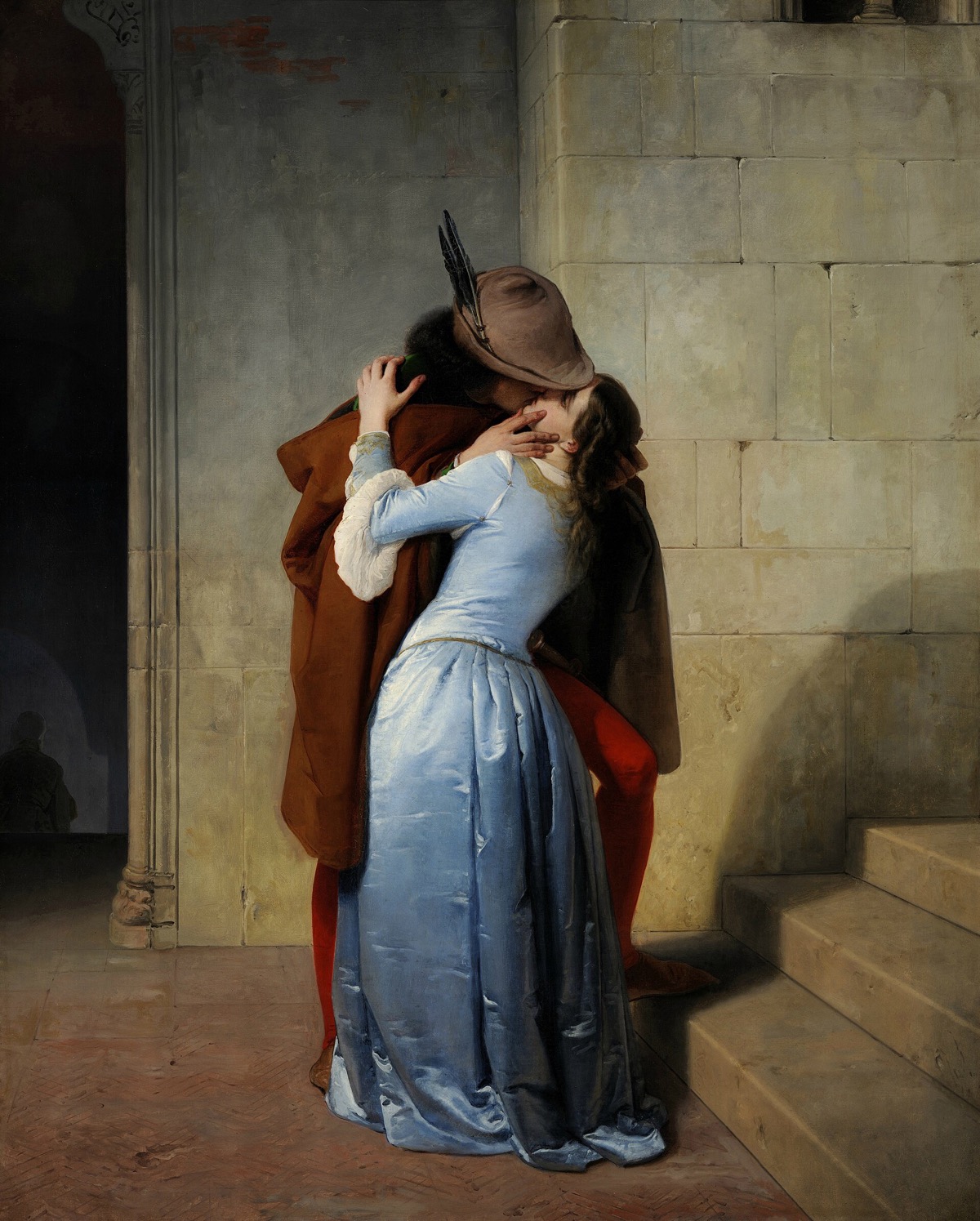
Painter, 1791 to 1882
Francesco Hayez
The great painter of Italian Romanticism, Venetian by birth and Milanese by choice, whose Kiss became the image of the Risorgimento.
Romanticism. 3 works in 1 museum
See the artist
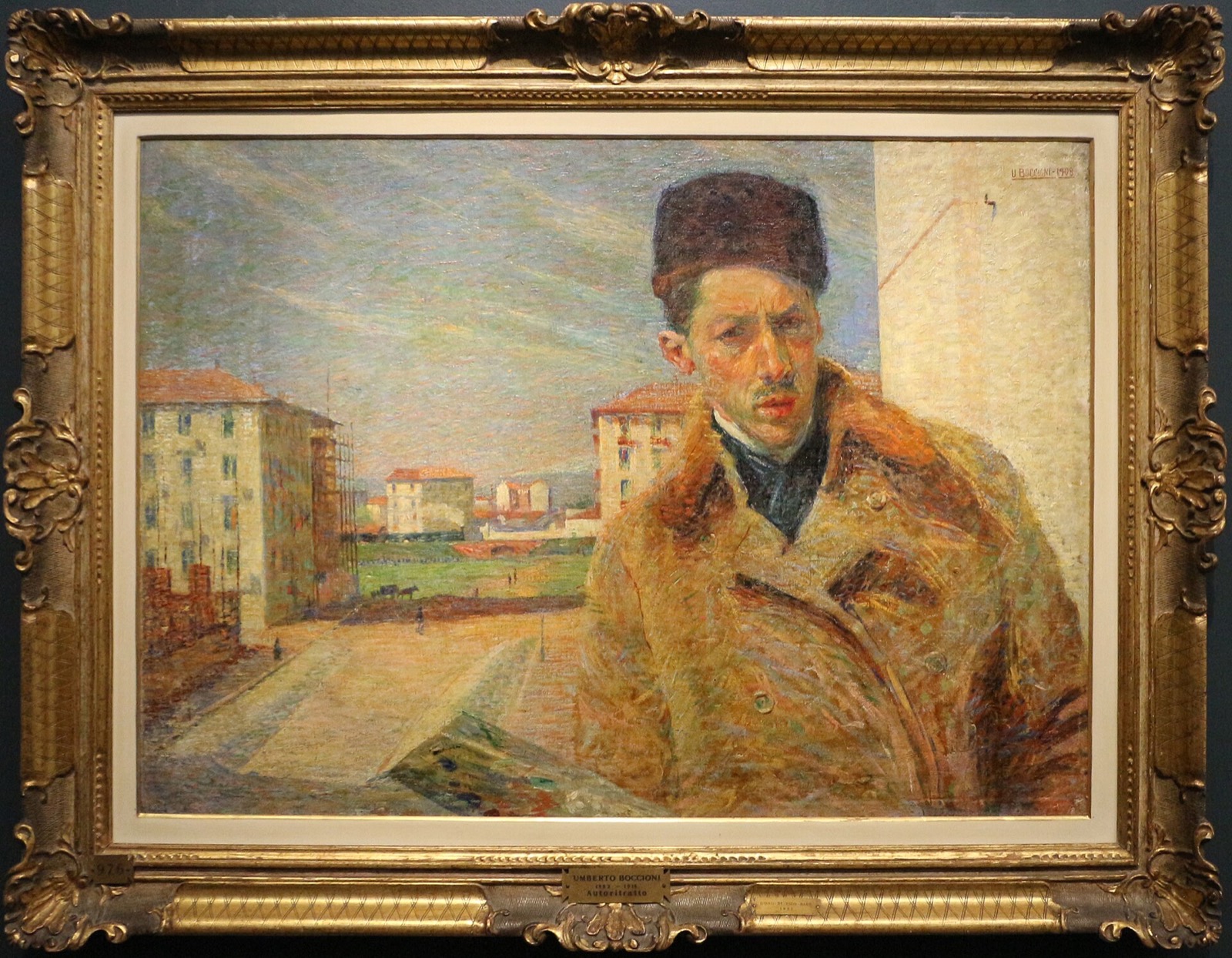
Picture: Francesco Bini, CC BY-SA 4.0
Painter and sculptor, 1882 to 1916
Umberto Boccioni
The leading painter and sculptor of Futurism, who tried to put speed and the modern city into art, and died at thirty-three.
Futurism. 3 works in 2 museums
See the artist
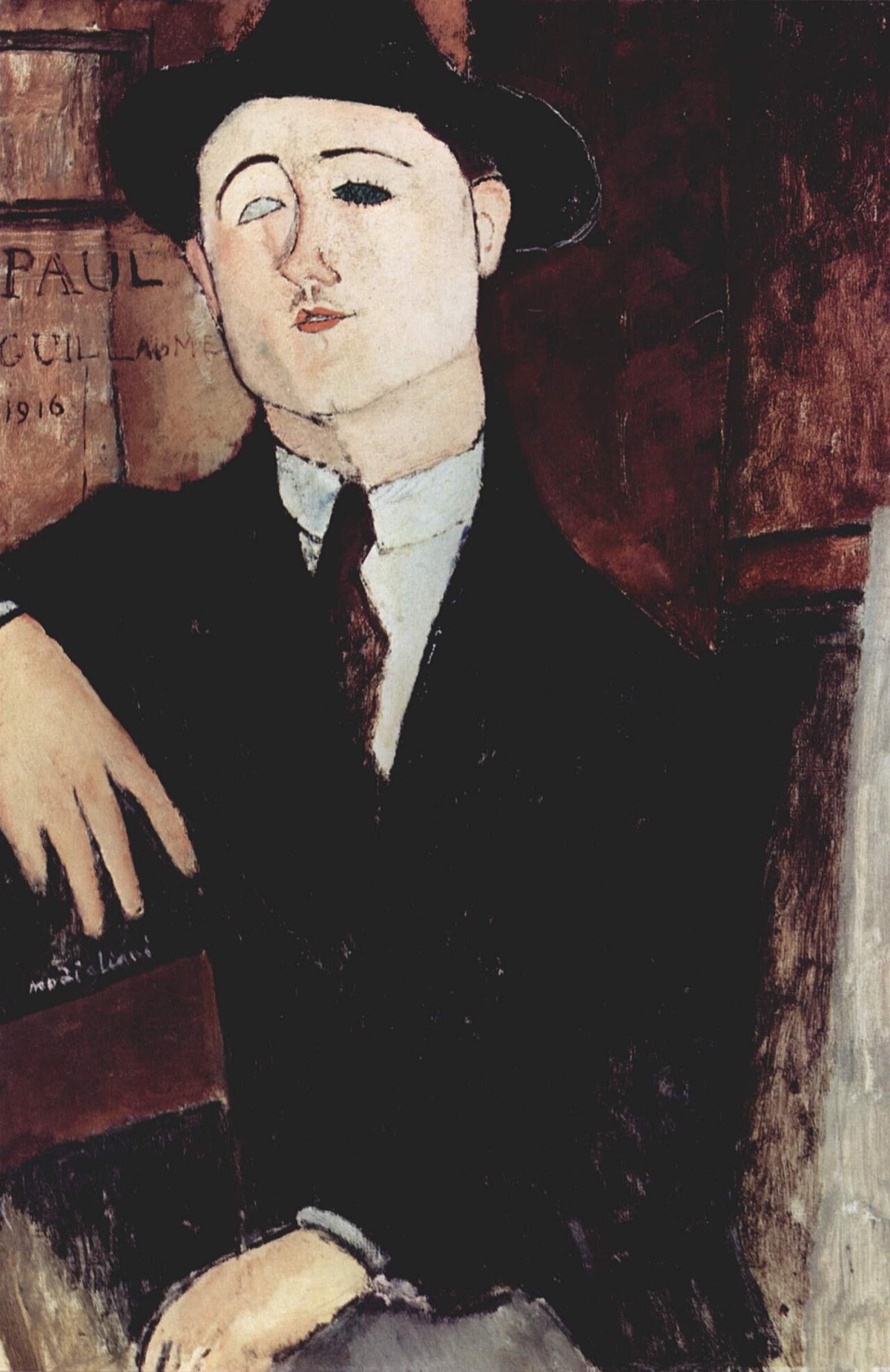
Painter and sculptor, 1884 to 1920
Amedeo Modigliani
The Italian painter of Montparnasse, of long necks and almond eyes, who died poor at thirty-five and became one of the most famous artists of his time.
Modernism. 2 works in 2 museums
See the artist