Painter and sculptor, 1882 to 1916
Umberto Boccioni
Boccioni came to Milan in 1907 and found in its new suburbs, factories and crowds his subject. With Marinetti he made Futurism, and his bronze Unique Forms of Continuity in Space, a striding figure torn by speed, is its emblem. He died in 1916 after a fall from a horse in the army.
- Born
- 1882, Reggio Calabria, Kingdom of Italy
- Died
- 1916, Verona, Kingdom of Italy
- Movement
- Futurism
- In Milan
- 3 works in 2 museums
Where to see Umberto Boccioni in Milan
Each work with the museum it hangs in. Museums move and lend their works, so check before a special journey.
Pinacoteca di Brera2 works
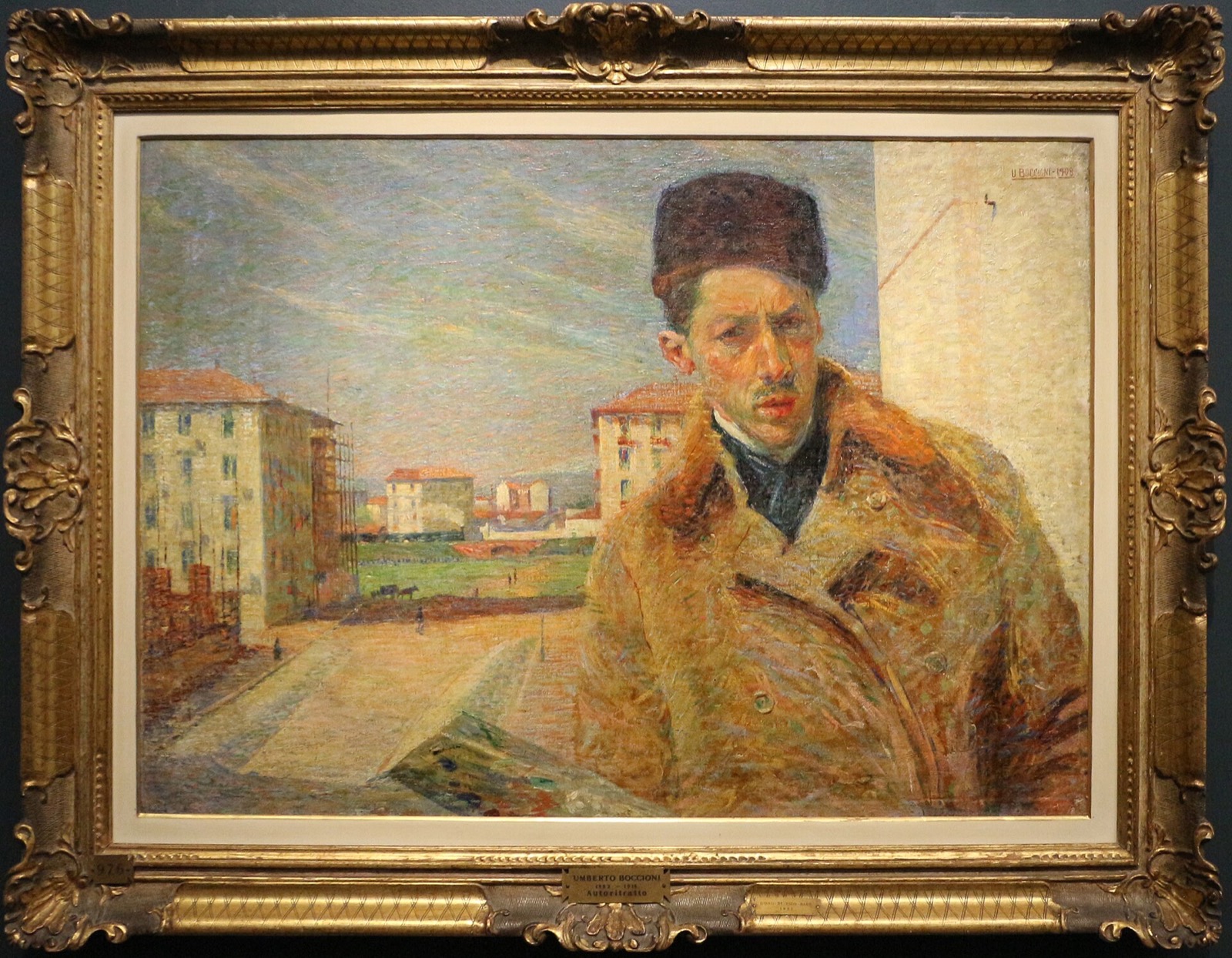
Self-portrait
1908
The painter in a heavy coat, with the new houses of the Milan suburbs behind him.
Riot in the Galleria
1910
A brawl among women outside a café in the Galleria, lit by electric light, one of his first Futurist paintings.
Museo del Novecento1 work
Unique Forms of Continuity in Space
1913
A striding figure in bronze, its body drawn out into flowing planes by its own motion.
The life of Umberto Boccioni
Boccioni was born in Reggio Calabria and trained in Rome with Balla. In Milan he signed the manifestos of Futurist painting in 1910 and of Futurist sculpture in 1912, and painted the city's crowds and building sites.
He volunteered in 1915, and died the next summer near Verona, thrown from his horse in a cavalry exercise.
What to know
- A founder of Futurist painting and sculpture
- Made Unique Forms of Continuity in Space in 1913
- Died at thirty-three after a fall from a horse
- Born
- 19 October 1882, Reggio Calabria, Kingdom of Italy
- Died
- 17 August 1916, Verona, Kingdom of Italy
Umberto Boccioni: common questions
- Where can you see Umberto Boccioni in Milan?
- At the Pinacoteca di Brera: Self-portrait and Riot in the Galleria. At the Museo del Novecento: Unique Forms of Continuity in Space. Museums move and lend their works, so check before a special journey.
- What is Umberto Boccioni's most famous work in Milan?
- Self-portrait, of 1908, at the Pinacoteca di Brera. The painter in a heavy coat, with the new houses of the Milan suburbs behind him.
- When and where was Umberto Boccioni born?
- On 19 October 1882, at Reggio Calabria, Kingdom of Italy. Umberto Boccioni died on 17 August 1916, at Verona, Kingdom of Italy, aged about 34.
- What is Umberto Boccioni known for?
- A founder of Futurist painting and sculpture. Made Unique Forms of Continuity in Space in 1913. Died at thirty-three after a fall from a horse. Umberto Boccioni was an Italian painter and sculptor, of Futurism.
Tickets and tours: Umberto Boccioni in Milan
Things to do near the Brera
The nearest of this site's best things to do in the city. Distances are in a straight line.
- 10See Pollaiolo's Portrait of a Young Woman at the Poldi Pezzoli500 m awayMuseum, 1 to 1.5 hours, ticket at the door
- 7Look into the auditorium of La Scala from its museum550 m awayMuseum, 45 to 75 minutes, ticket
- 4See Michelangelo's last Pietà at the Sforza Castle700 m awayMuseum, 1.5 to 3 hours, ticket for the museums; the courtyards are free
- 9Walk through the Galleria and up onto its roofs700 m awayMonument, 30 to 90 minutes, free; a ticket for the walkway on the roofs
Where to eat near the Brera
The nearest of the famous tables this site lists in Milan. Distances are in a straight line.
- Al Matarel4.3Trattoria, Corso Garibaldi550 m away
- Bice4.3Restaurant, Via Borgospesso550 m away
- Cova4.4Pastry shop and café, Via Montenapoleone750 m away
- Luini4.5Panzerotti shop, Via Santa Radegonda750 m away
Hotels near the Brera
The five-star hotels closest to it, of those this site lists in Milan. Distances are in a straight line.
- Bulgari Hotel Milano4.6Five-star hotel, Via Privata Fratelli Gabba300 m away
- Palazzo Parigi Hotel & Grand Spa4.7Five-star hotel, Corso di Porta Nuova300 m away
- Mandarin Oriental, Milan4.7Five-star hotel, Via Andegari350 m away
- Armani Hotel Milano4.6Five-star hotel, Via Manzoni450 m away
Other artists
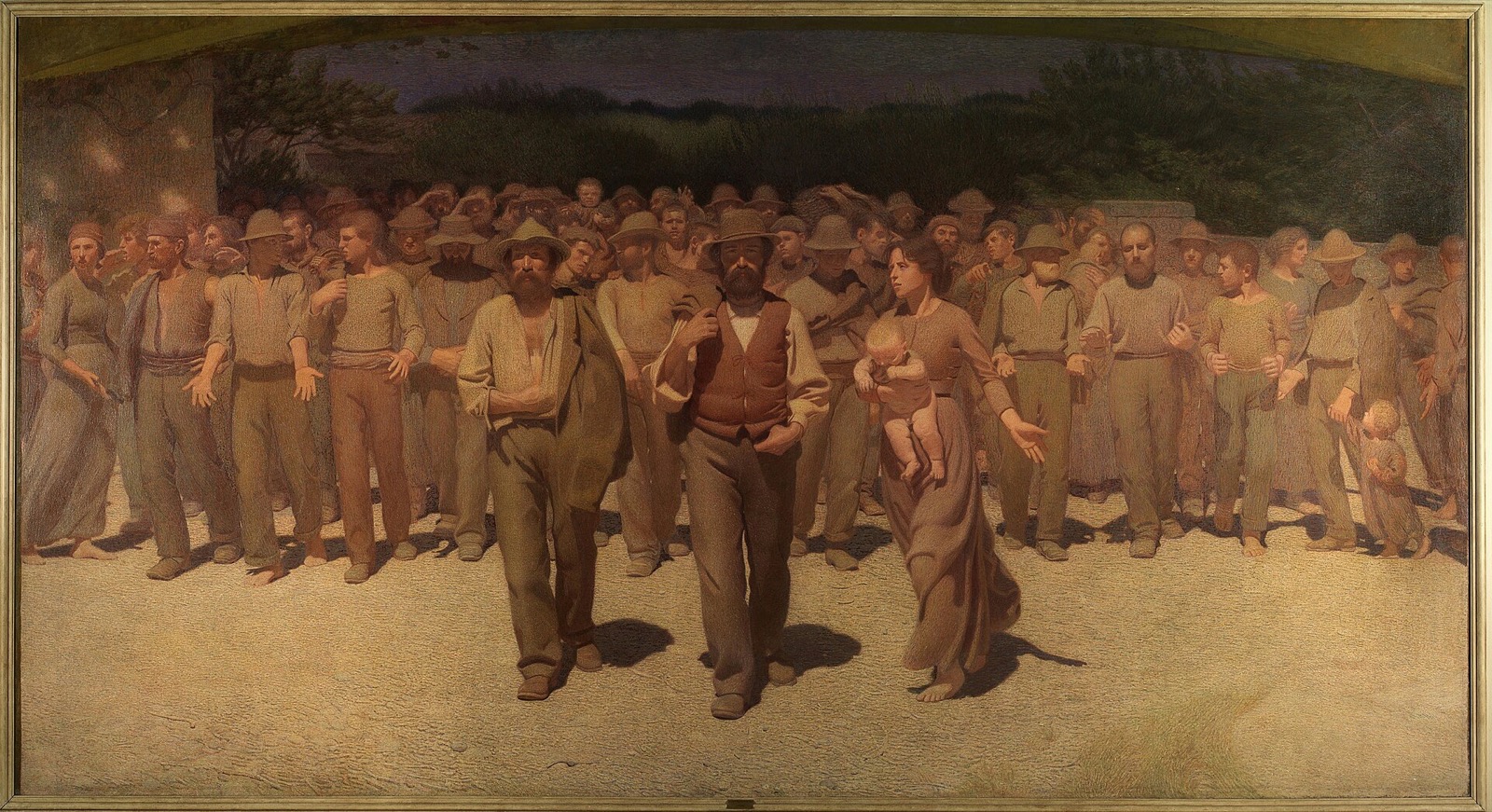
Painter, 1868 to 1907
Giuseppe Pellizza da Volpedo
The Piedmontese painter of The Fourth Estate, a march of farm workers that became the image of the Italian labour movement.
Divisionism. 1 work in 1 museum
See the artist
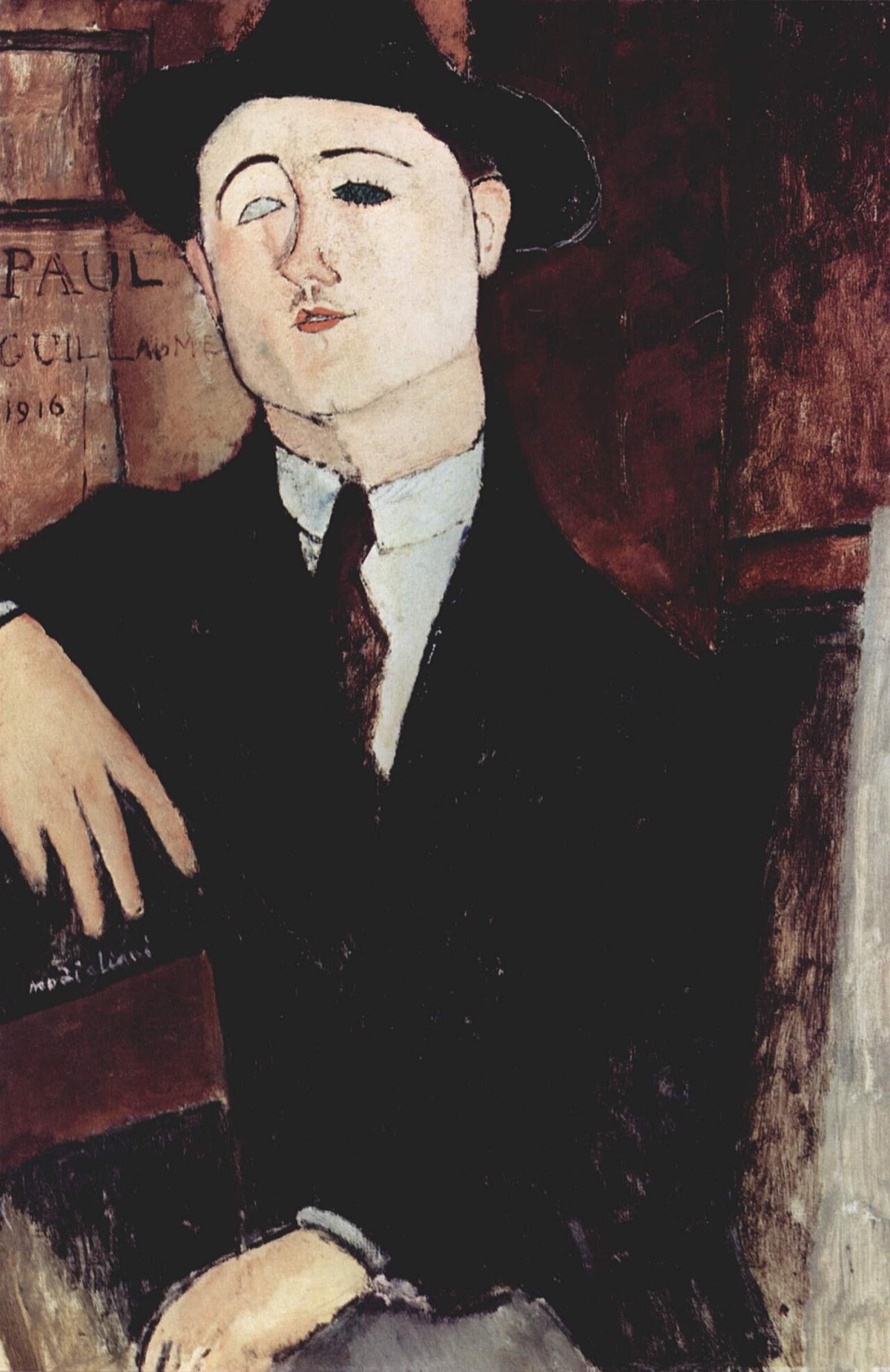
Painter and sculptor, 1884 to 1920
Amedeo Modigliani
The Italian painter of Montparnasse, of long necks and almond eyes, who died poor at thirty-five and became one of the most famous artists of his time.
Modernism. 2 works in 2 museums
See the artist
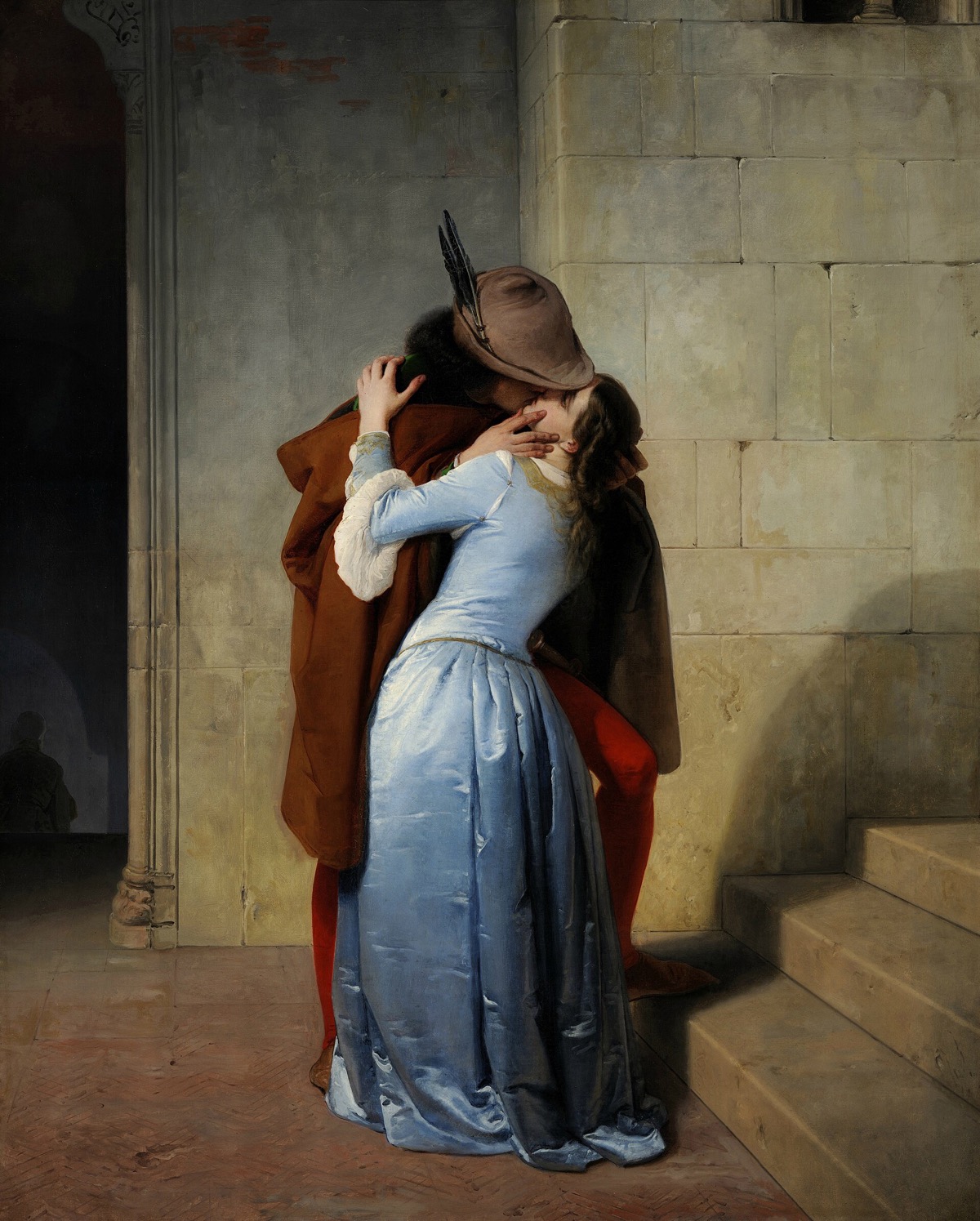
Painter, 1791 to 1882
Francesco Hayez
The great painter of Italian Romanticism, Venetian by birth and Milanese by choice, whose Kiss became the image of the Risorgimento.
Romanticism. 3 works in 1 museum
See the artist