Painter, 1879 to 1940
Paul Klee
Paul Klee was born near Bern and came to Munich in 1898 to study art. He lived there for most of the next twenty years, showed with the Blue Rider and later taught at the Bauhaus. His Swamp Legend of 1919, one of the cosmic landscapes he painted at the end of the First World War, has been in the Lenbachhaus since 1982.
- Born
- 1879, Münchenbuchsee, Switzerland
- Died
- 1940, Muralto, Switzerland
- Movement
- Modernism, the Blue Rider
- In Munich
- 1 work in 1 museum
Where to see Paul Klee in Munich
Each work with the museum it hangs in. Museums move and lend their works, so check before a special journey.
Lenbachhaus1 work
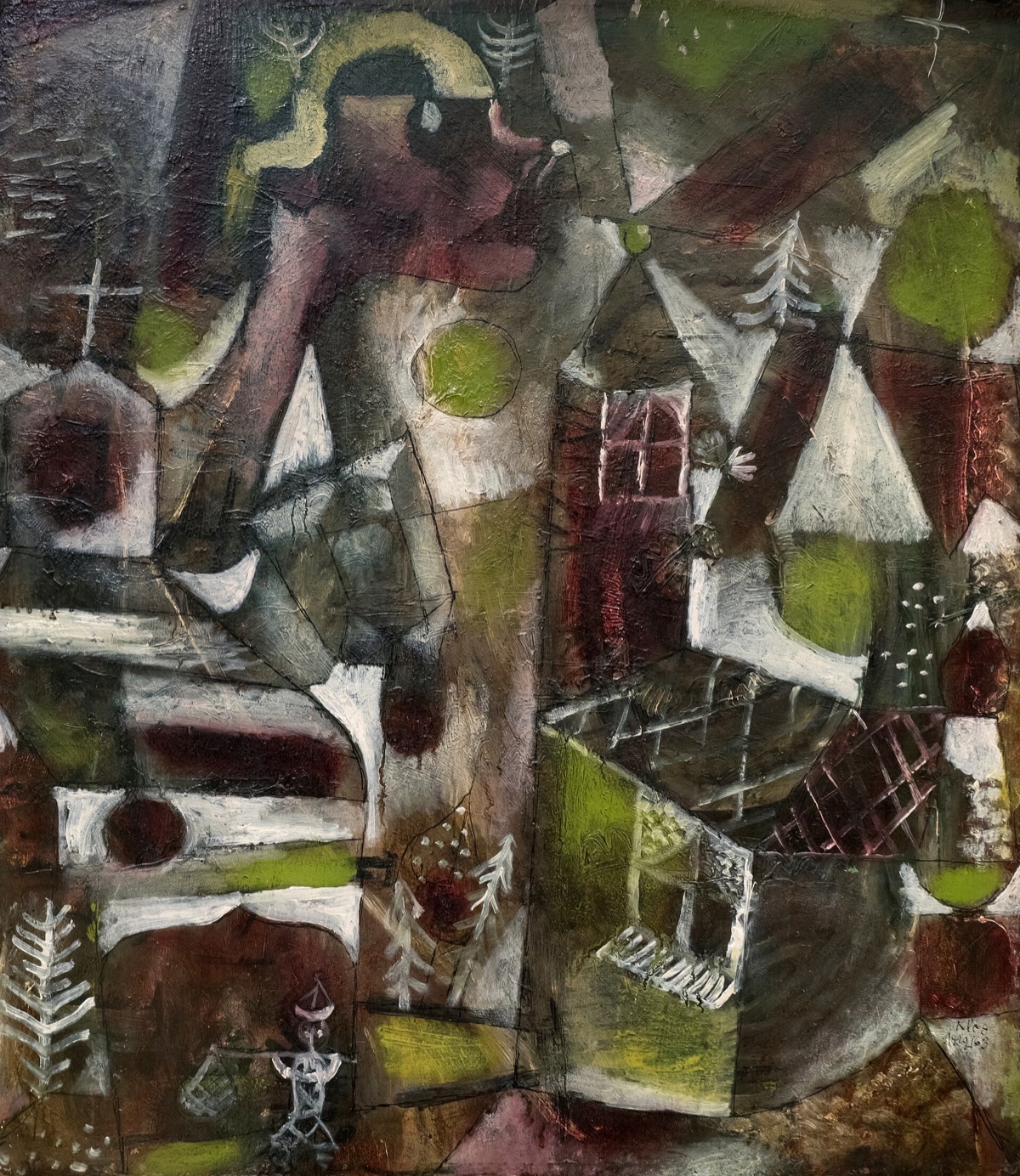
Swamp Legend
1919
A dreamlike landscape of houses, eyes and crosses, in which a small human figure becomes a piece of nature.
The life of Paul Klee
Klee was a draughtsman before he was a painter; colour came to him on a journey to Tunisia in 1914. His lectures on form and colour at the Bauhaus are still read.
The Nazis seized Swamp Legend as degenerate art in 1937. Its ownership was disputed for years, until the city of Munich and the heirs of its owner agreed in 2017.
What to know
- Studied and lived in Munich
- Showed with the Blue Rider and taught at the Bauhaus
- His Swamp Legend is in the Lenbachhaus
- Born
- 18 December 1879, Münchenbuchsee, Switzerland
- Died
- 29 June 1940, Muralto, Switzerland
Paul Klee: common questions
- Where can you see Paul Klee in Munich?
- At the Lenbachhaus: Swamp Legend. Museums move and lend their works, so check before a special journey.
- What is Paul Klee's most famous work in Munich?
- Swamp Legend, of 1919, at the Lenbachhaus. A dreamlike landscape of houses, eyes and crosses, in which a small human figure becomes a piece of nature.
- When and where was Paul Klee born?
- On 18 December 1879, at Münchenbuchsee, Switzerland. Paul Klee died on 29 June 1940, at Muralto, Switzerland, aged about 61.
- What is Paul Klee known for?
- Studied and lived in Munich. Showed with the Blue Rider and taught at the Bauhaus. His Swamp Legend is in the Lenbachhaus. Paul Klee was a German painter, of Modernism, the Blue Rider.
Tickets and tours: Paul Klee in Munich
Things to do near the Lenbachhaus
The nearest of this site's best things to do in the city. Distances are in a straight line.
- 12See Ludwig I's Greek and Roman sculpture at the Glyptothek150 m awayMuseum, 1 to 2 hours, ticket
- 17Learn how Nazism began at the NS-Documentation Centre300 m awayMuseum, 1.5 to 2.5 hours, free; a guided walk
- 1See Dürer, Rubens and Leonardo at the Alte Pinakothek500 m awayMuseum, 2 to 3.5 hours, ticket, or a guided tour
- 11See modern art and design at the Pinakothek der Moderne600 m awayMuseum, 1.5 to 3 hours, ticket
Where to eat near the Lenbachhaus
The nearest of the famous tables this site lists in Munich. Distances are in a straight line.
- Löwenbräukeller4.4Beer hall, Stiglmaierplatz450 m away
- Café Luitpold3.8Café, Brienner Strasse900 m away
- Augustiner-Keller4.4Beer garden, Arnulfstrasse1.0 km away
- Augustiner Stammhaus4.2Beer hall, Neuhauser Strasse1.0 km away
Hotels near the Lenbachhaus
The five-star hotels closest to it, of those this site lists in Munich. Distances are in a straight line.
- The Charles Hotel4.7Five-star hotel, Old Botanical Garden450 m away
- Hotel Koenigshof4.4Five-star hotel, Karlsplatz800 m away
- Sofitel Munich Bayerpost4.5Five-star hotel, Bayerstrasse1.0 km away
- Rosewood Munich4.4Five-star hotel, Kardinal-Faulhaber-Strasse1.0 km away
Other artists
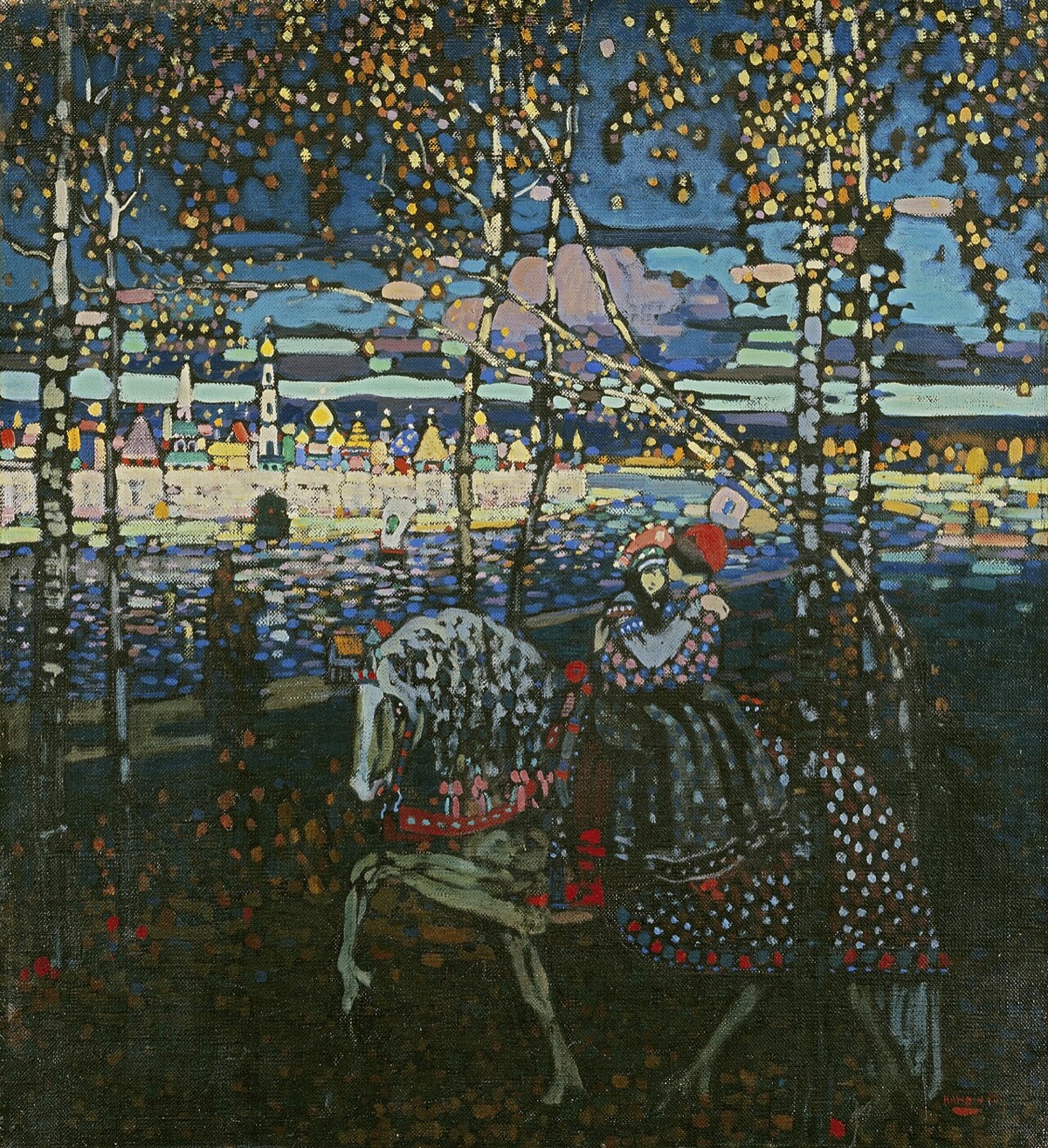
Painter, 1866 to 1944
Wassily Kandinsky
The Lenbachhaus has the largest collection of Kandinsky's Munich years, from the bright early pictures to the first abstractions, given by Gabriele Münter.
Abstract art. 2 works in 1 museum
See the artist
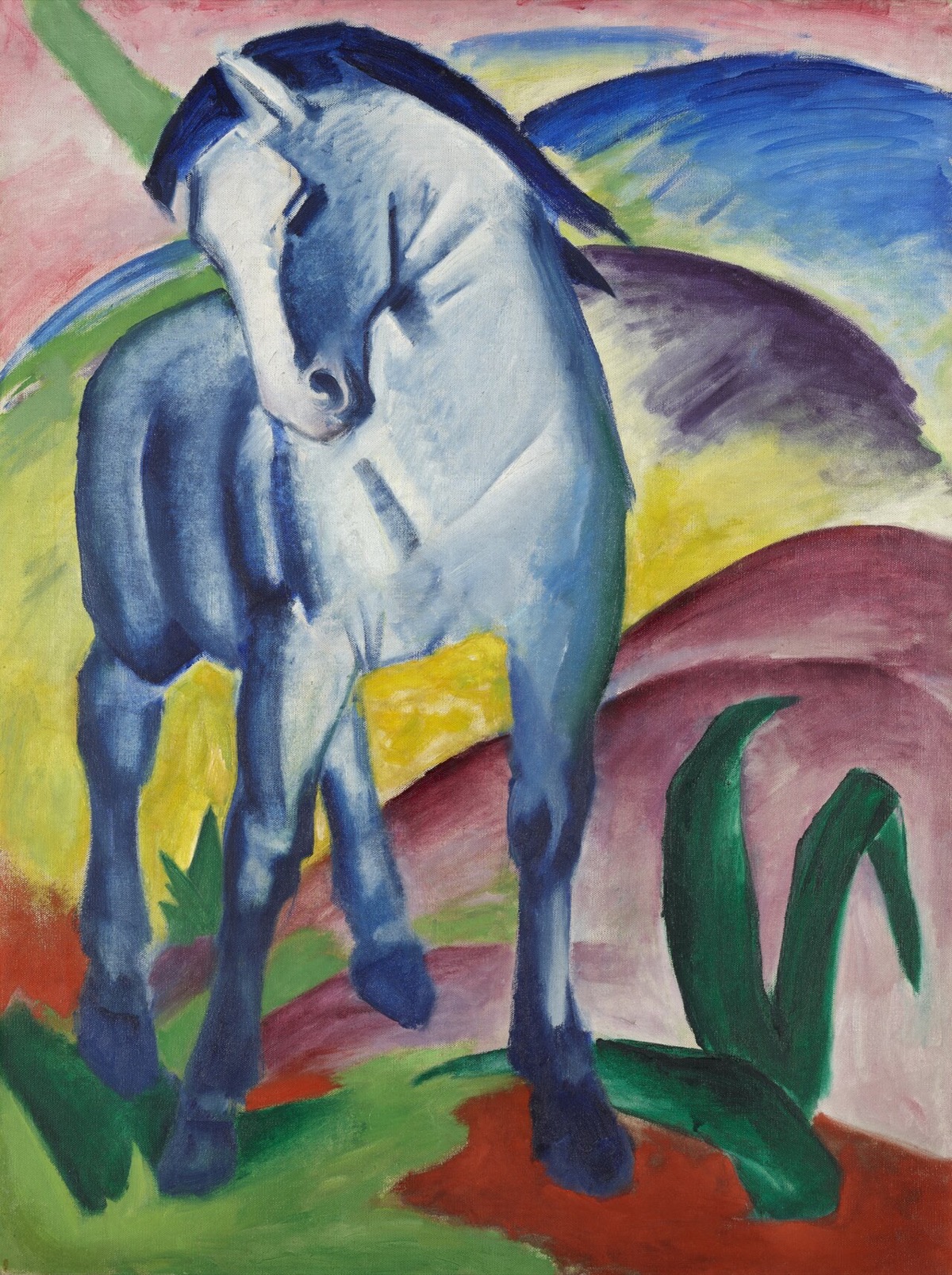
Painter, 1880 to 1916
Franz Marc
The Munich painter of blue horses and yellow cows, founder of the Blue Rider with Kandinsky, killed at Verdun at thirty-six. His Blue Horse I is in the Lenbachhaus.
Expressionism, the Blue Rider. 1 work in 1 museum
See the artist
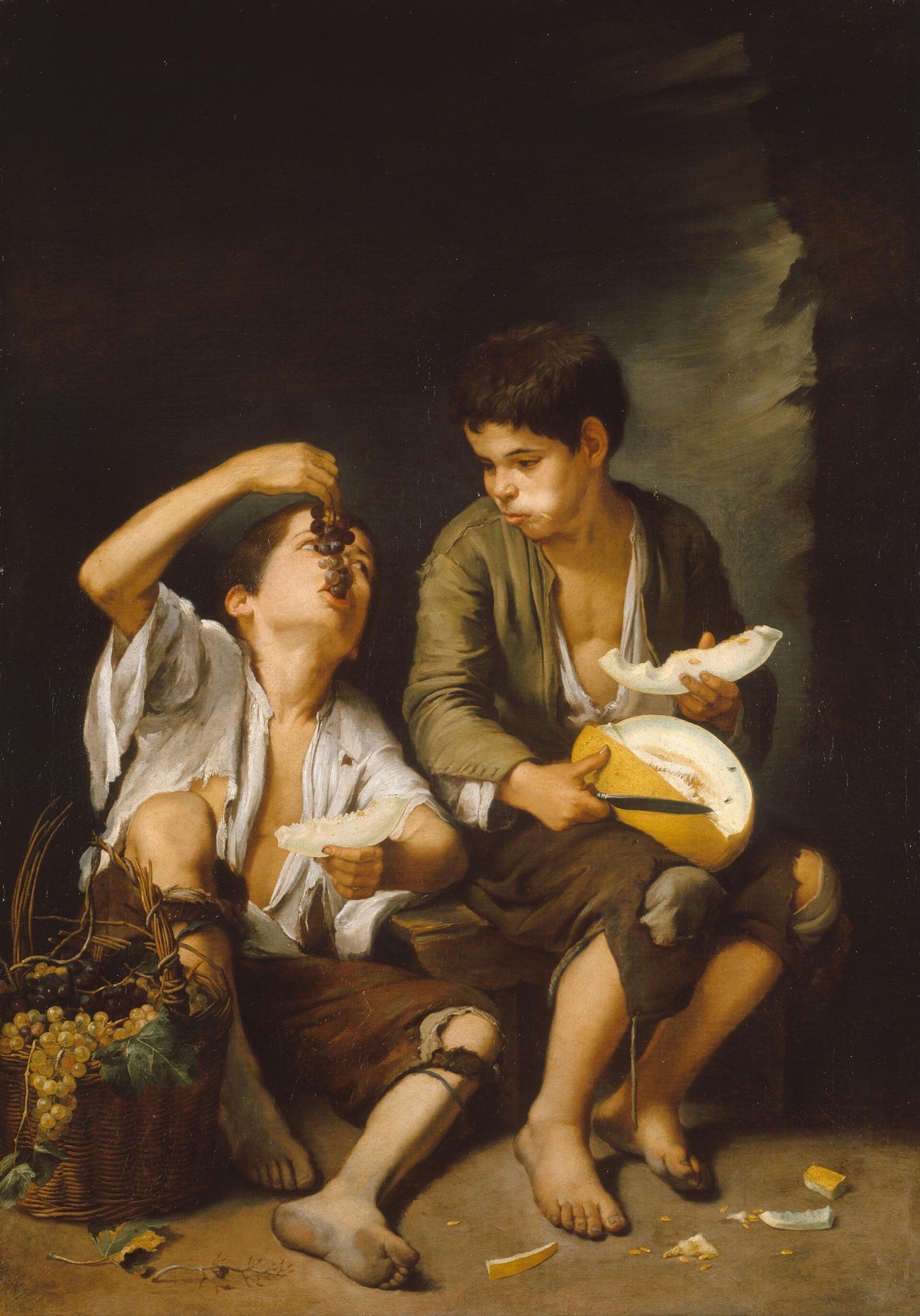
Painter, 1617 to 1682
Bartolomé Esteban Murillo
The Alte Pinakothek has Murillo's Grape and Melon Eaters, one of his pictures of the street children of Seville.
Baroque. 1 work in 1 museum
See the artist