Painter, 1560 to 1609
Annibale Carracci
Annibale Carracci came to Rome in the 1590s to decorate the Palazzo Farnese. His first work there was a canvas for the ceiling of a small room: the young Hercules choosing between Virtue and Vice. It was taken down and came to Naples with the rest of the Farnese collection.
- Born
- 1560, Bologna, Italy
- Died
- 1609, Rome, Italy
- Movement
- Baroque
- In Naples
- 1 work in 1 museum
Where to see Annibale Carracci in Naples
Each work with the museum it hangs in. Museums move and lend their works, so check before a special journey.
Museo di Capodimonte1 work
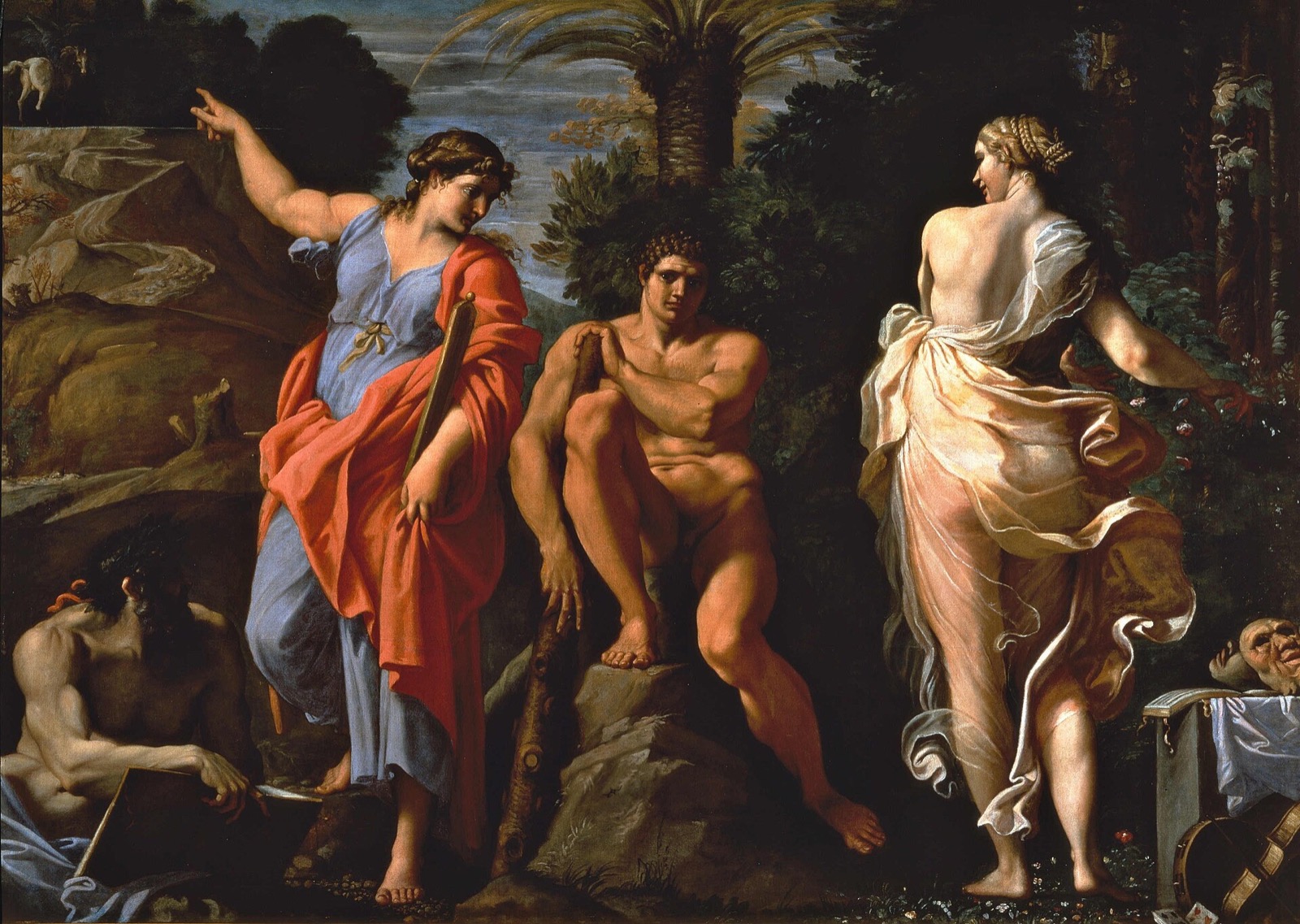
Hercules at the Crossroads
1596
The hero seated between Virtue, who points up the hard path, and Vice, who offers pleasure.
The life of Annibale Carracci
Annibale Carracci was born in Bologna in 1560 and, with his brother and his cousin, founded an academy there that taught painters to draw from life again. In 1595 Cardinal Odoardo Farnese called him to Rome to decorate his palace.
The ceiling he painted there, the loves of the gods of antiquity, was for two centuries the model of what a great decoration should be. He was poorly paid for it, fell into a depression and painted little afterwards. He died in Rome in 1609 and was buried in the Pantheon.
What to know
- Hercules at the Crossroads, 1596
- From the Palazzo Farnese in Rome
- Born
- 3 November 1560, Bologna, Italy
- Died
- 15 July 1609, Rome, Italy
Annibale Carracci: common questions
- Where can you see Annibale Carracci in Naples?
- At the Museo di Capodimonte: Hercules at the Crossroads. Museums move and lend their works, so check before a special journey.
- What is Annibale Carracci's most famous work in Naples?
- Hercules at the Crossroads, of 1596, at the Museo di Capodimonte. The hero seated between Virtue, who points up the hard path, and Vice, who offers pleasure.
- When and where was Annibale Carracci born?
- On 3 November 1560, at Bologna, Italy. Annibale Carracci died on 15 July 1609, at Rome, Italy, aged about 49.
- What is Annibale Carracci known for?
- Hercules at the Crossroads, 1596. From the Palazzo Farnese in Rome. Annibale Carracci was an Italian painter, of the Baroque.
Tickets and tours: Annibale Carracci in Naples
Things to do near Capodimonte
The nearest of this site's best things to do in the city. Distances are in a straight line.
- 13Visit the catacombs of San Gennaro350 m awayUnderground, 1 to 2 hours, a guided visit
- 1See the finds of Pompeii at the Archaeological Museum1.5 km awayMuseum, 2.5 to 4 hours, ticket
- 7See the chapel and treasure of San Gennaro in the cathedral1.8 km awayChurch, 45 to 90 minutes, free cathedral; ticket for the treasure
- 2Go down into the tunnels of Naples Underground1.8 km awayUnderground, 1.3 to 2 hours, a guided visit
Where to eat near Capodimonte
The nearest of the famous tables this site lists in Naples. Distances are in a straight line.
- Concettina ai Tre Santi3.9Pizzeria, Sanità1.1 km away
- Pizzeria Starita4.6Pizzeria, Materdei1.3 km away
- Pizzeria Di Matteo4.2Pizzeria, Via dei Tribunali1.9 km away
- Gino e Toto Sorbillo4.4Pizzeria, Via dei Tribunali1.9 km away
Hotels near Capodimonte
The hotels closest to it, of those this site lists in Naples. Distances are in a straight line.
- Palazzo Caracciolo4.4Four-star hotel, San Lorenzo1.6 km away
- Costantinopoli 1044.3Four-star hotel, Centro Storico1.8 km away
- UNAHOTELS Napoli4.4Four-star hotel, Mercato2.2 km away
- Decumani Hotel de Charme4.4Four-star hotel, Centro Storico2.3 km away
Other artists
Painter, 1541 to 1614
El Greco
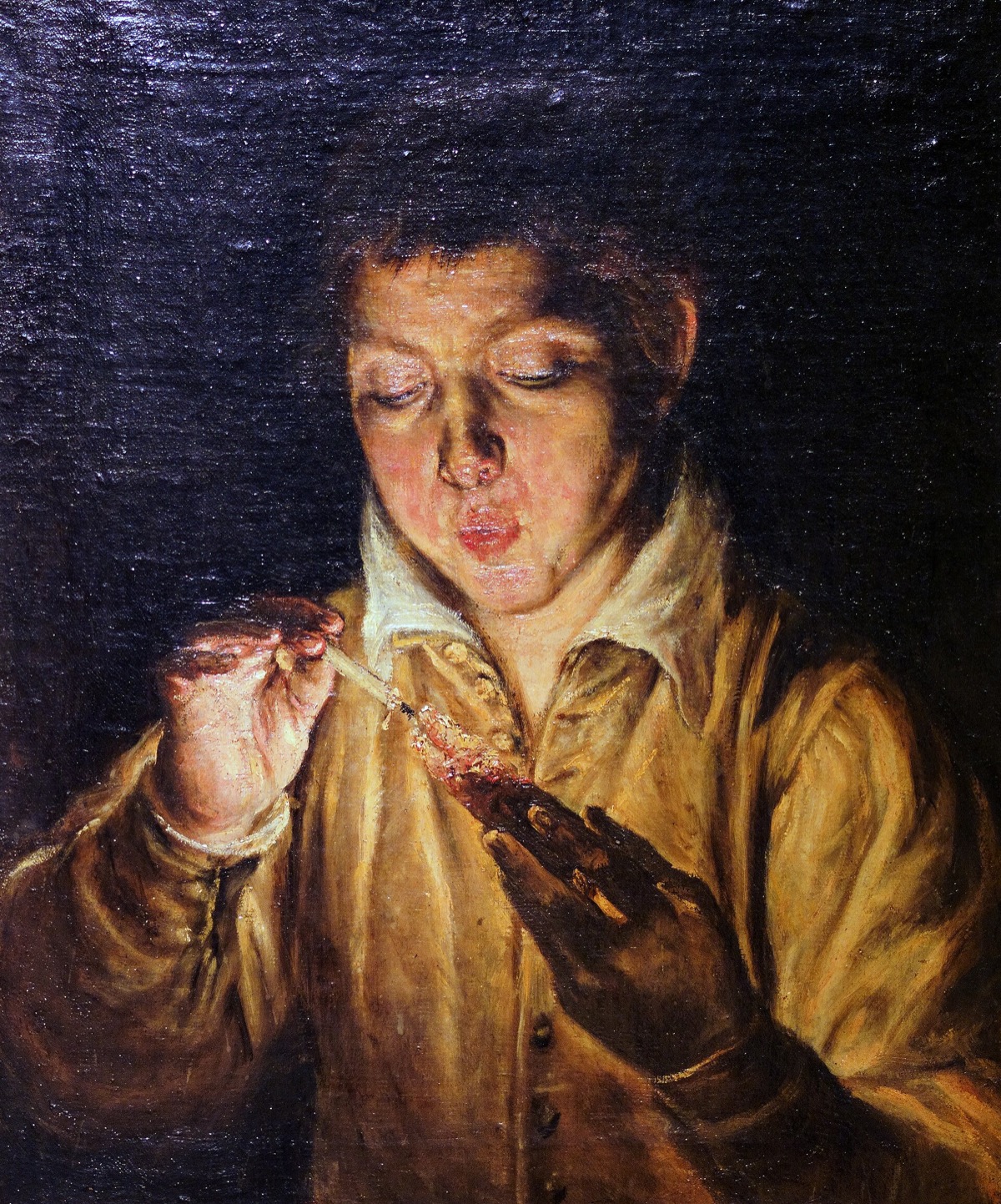
Capodimonte has El Greco's Boy Blowing on an Ember, painted in Rome, a study of firelight on a face.
Mannerism. 1 work in 1 museum
See the artist
Painter, 1571 to 1610
Caravaggio
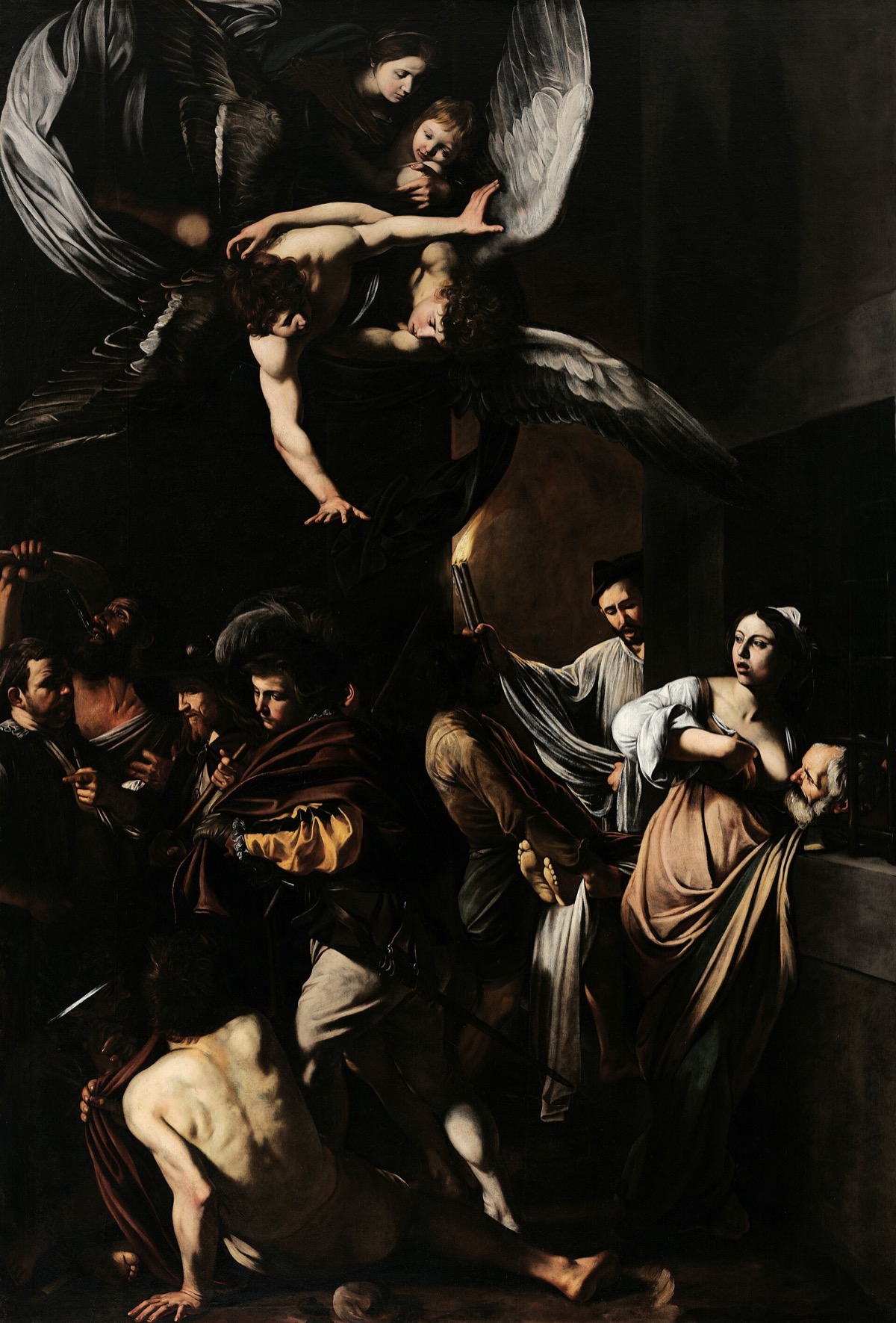
Caravaggio fled to Naples in 1606 with a price on his head. The Seven Works of Mercy is still on the altar it was painted for, and his Flagellation is at Capodimonte.
Baroque. 2 works in 2 museums
See the artist
Painter, 1575 to 1642
Guido Reni
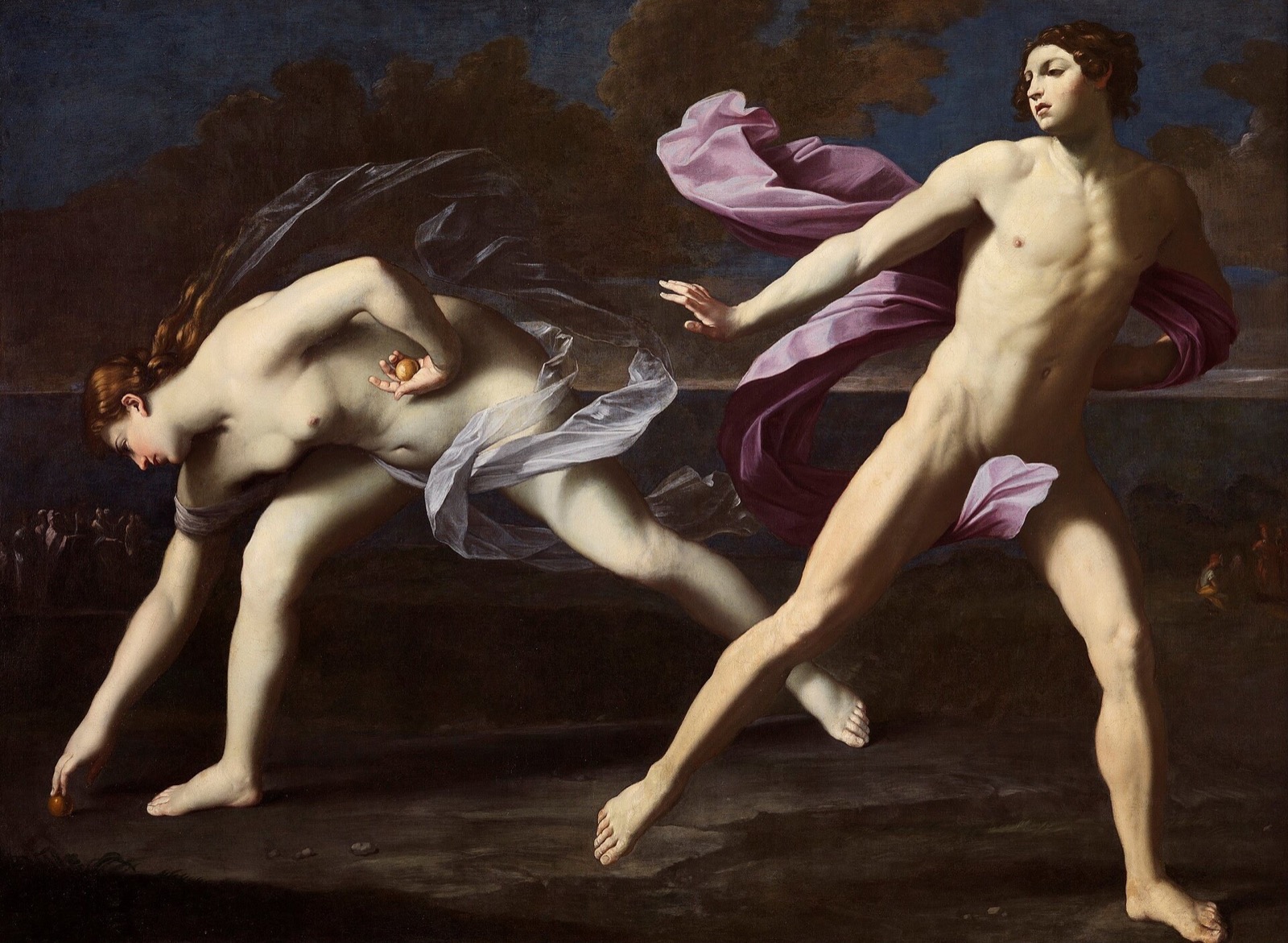
Capodimonte has Guido Reni's Atalanta and Hippomenes, the race in which a golden apple decides the winner.
Baroque. 1 work in 1 museum
See the artist