Painter, 1541 to 1614
El Greco
Before he went to Spain, El Greco spent some years in Rome, in the circle of Cardinal Alessandro Farnese. There he painted a boy blowing on a burning coal to light a candle, a study of a face lit from below. It stayed with the Farnese pictures and came with them to Naples.
- Born
- 1541, Candia, now Heraklion, Crete
- Died
- 1614, Toledo, Spain
- Movement
- Mannerism
- In Naples
- 1 work in 1 museum
Where to see El Greco in Naples
Each work with the museum it hangs in. Museums move and lend their works, so check before a special journey.
Museo di Capodimonte1 work
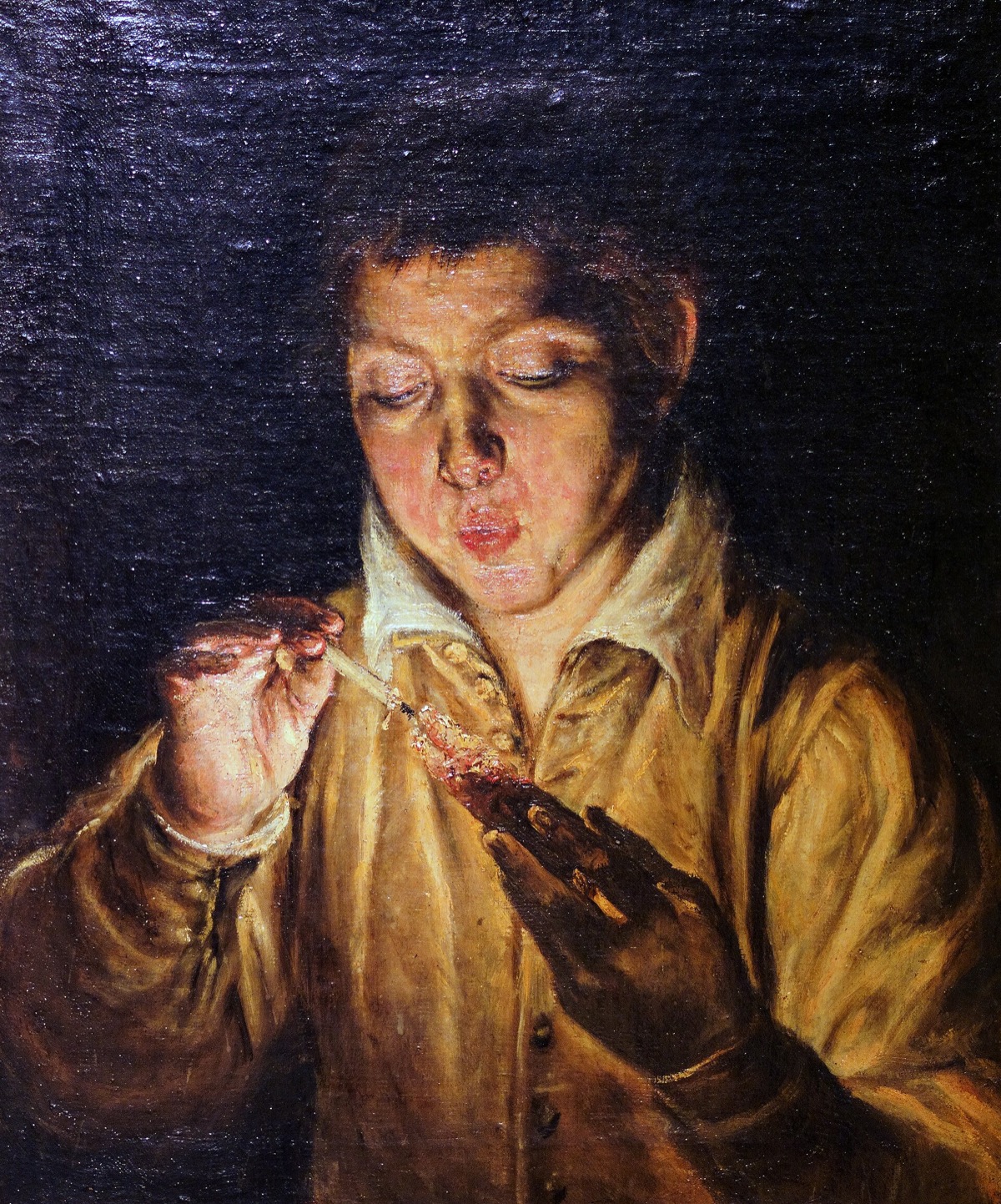
Boy Blowing on an Ember
about 1570
A boy's face lit by the coal he blows on, against the dark.
The life of El Greco
Doménikos Theotokópoulos was born in Crete in 1541 and trained there as a painter of icons. He went to Venice, where he studied Titian and Tintoretto, then to Rome, and in 1577 to Toledo, where he lived for the rest of his life. The Spanish called him the Greek, and he signed his pictures in Greek letters to the end.
His stretched figures and acid colours fell out of favour after his death and were taken up again three hundred years later by the modern painters. American collectors bought him at just that moment. Louisine Havemeyer, who left View of Toledo and the Portrait of a Cardinal to the Met in 1929, was among the first.
What to know
- Boy Blowing on an Ember, about 1570
- Born
- 1541, Candia, now Heraklion, Crete
- Died
- 7 April 1614, Toledo, Spain
El Greco: common questions
- Where can you see El Greco in Naples?
- At the Museo di Capodimonte: Boy Blowing on an Ember. Museums move and lend their works, so check before a special journey.
- What is El Greco's most famous work in Naples?
- Boy Blowing on an Ember, of about 1570, at the Museo di Capodimonte. A boy's face lit by the coal he blows on, against the dark.
- When and where was El Greco born?
- In 1541, at Candia, now Heraklion, Crete. El Greco died on 7 April 1614, at Toledo, Spain, aged about 73.
- What is El Greco known for?
- Boy Blowing on an Ember, about 1570. El Greco was a Greek painter, of Mannerism.
Tickets and tours: El Greco in Naples
Things to do near Capodimonte
The nearest of this site's best things to do in the city. Distances are in a straight line.
- 13Visit the catacombs of San Gennaro350 m awayUnderground, 1 to 2 hours, a guided visit
- 1See the finds of Pompeii at the Archaeological Museum1.5 km awayMuseum, 2.5 to 4 hours, ticket
- 7See the chapel and treasure of San Gennaro in the cathedral1.8 km awayChurch, 45 to 90 minutes, free cathedral; ticket for the treasure
- 2Go down into the tunnels of Naples Underground1.8 km awayUnderground, 1.3 to 2 hours, a guided visit
Where to eat near Capodimonte
The nearest of the famous tables this site lists in Naples. Distances are in a straight line.
- Concettina ai Tre Santi3.9Pizzeria, Sanità1.1 km away
- Pizzeria Starita4.6Pizzeria, Materdei1.3 km away
- Pizzeria Di Matteo4.2Pizzeria, Via dei Tribunali1.9 km away
- Gino e Toto Sorbillo4.4Pizzeria, Via dei Tribunali1.9 km away
Hotels near Capodimonte
The hotels closest to it, of those this site lists in Naples. Distances are in a straight line.
- Palazzo Caracciolo4.4Four-star hotel, San Lorenzo1.6 km away
- Costantinopoli 1044.3Four-star hotel, Centro Storico1.8 km away
- UNAHOTELS Napoli4.4Four-star hotel, Mercato2.2 km away
- Decumani Hotel de Charme4.4Four-star hotel, Centro Storico2.3 km away
Other artists
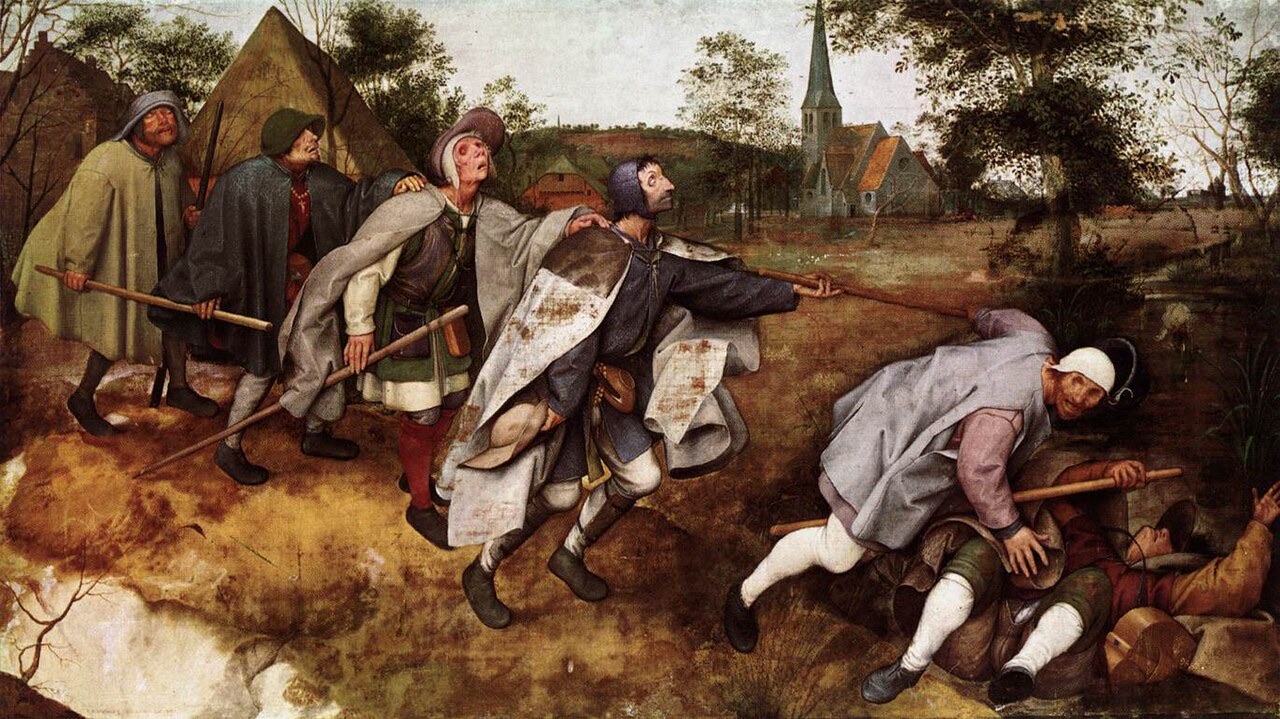
Painter, 1525 to 1569
Pieter Bruegel the Elder
Two of Bruegel's last paintings, The Parable of the Blind and The Misanthrope, both of 1568, came to Naples with the Farnese collection and are at Capodimonte.
Northern Renaissance. 2 works in 1 museum
See the artist
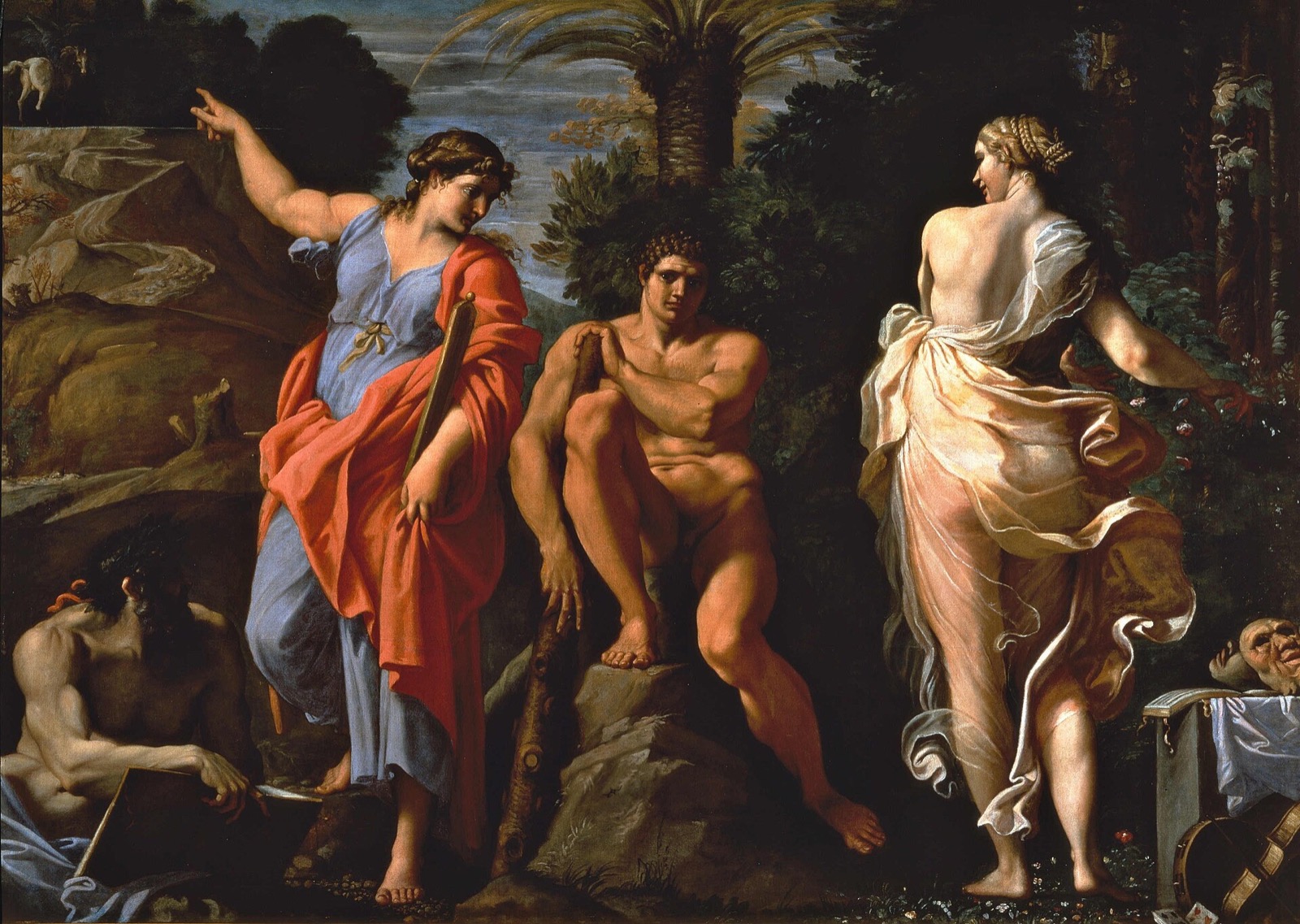
Painter, 1560 to 1609
Annibale Carracci
Capodimonte has Annibale Carracci's Hercules at the Crossroads, painted for the Palazzo Farnese in Rome.
Baroque. 1 work in 1 museum
See the artist
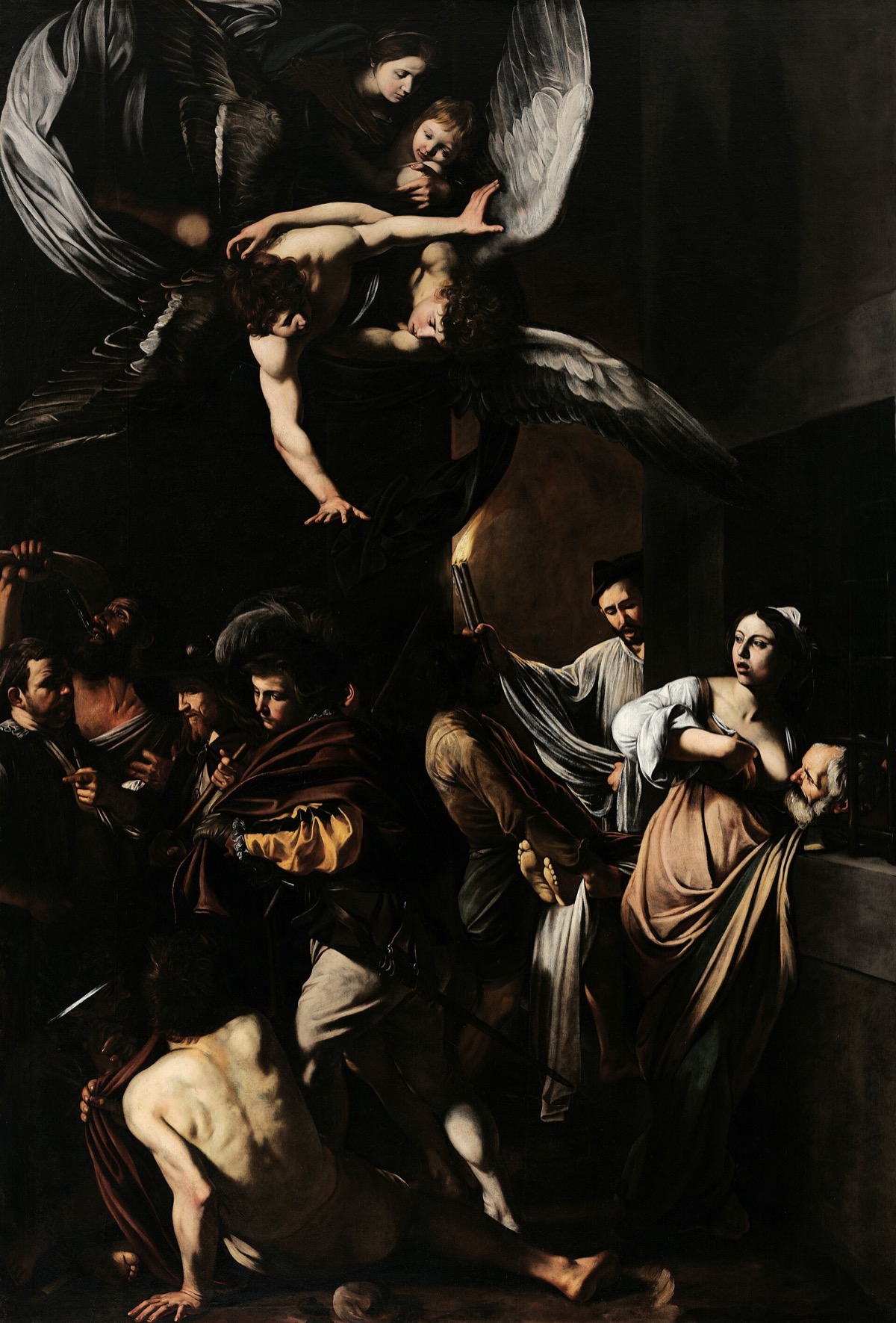
Painter, 1571 to 1610
Caravaggio
Caravaggio fled to Naples in 1606 with a price on his head. The Seven Works of Mercy is still on the altar it was painted for, and his Flagellation is at Capodimonte.
Baroque. 2 works in 2 museums
See the artist