Painter, 1593 to 1654
Artemisia Gentileschi
Artemisia Gentileschi settled in Naples around 1630 and worked there, with a stay in London, until her death. Capodimonte has the first of her two versions of Judith Slaying Holofernes, painted in Rome around 1612 to 1613.
- Born
- 1593, Rome, Italy
- Died
- 1654, Naples, Italy
- Movement
- Baroque
- In Naples
- 1 work in 1 museum
Where to see Artemisia Gentileschi in Naples
Each work with the museum it hangs in. Museums move and lend their works, so check before a special journey.
Museo di Capodimonte1 work
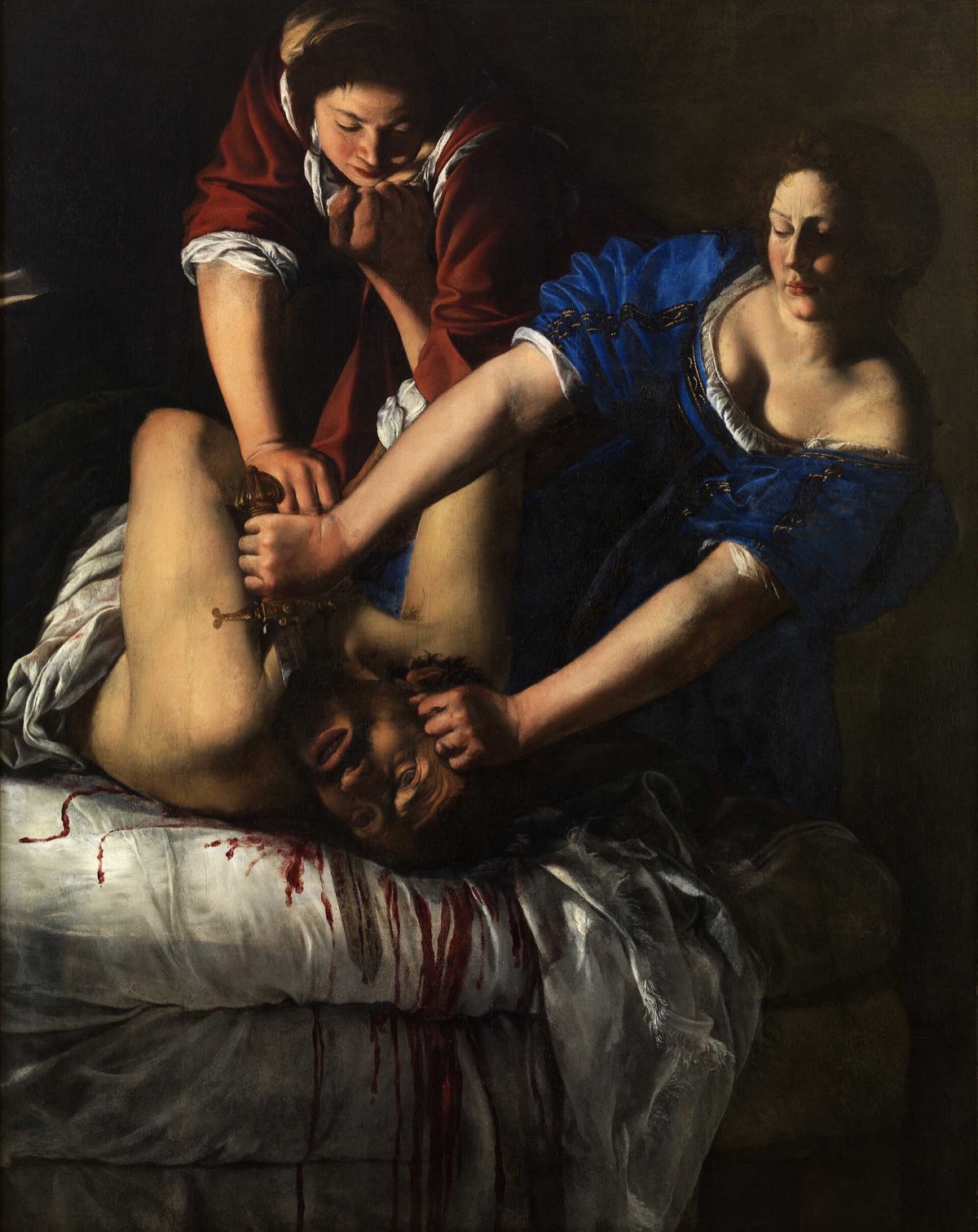
Judith Slaying Holofernes
about 1612 to 1613
Judith and her maid hold down the general and cut off his head; the later version is in the Uffizi.
The life of Artemisia Gentileschi
She was born in Rome in 1593, the daughter of the painter Orazio Gentileschi, a follower of Caravaggio, and was painting professionally in her teens. In 1611 she was raped by a painter her father had engaged to teach her, and the trial that followed is recorded in full.
She married and moved to Florence, where she worked for the Grand Duke Cosimo II and for Michelangelo's great-nephew. Later she lived in Rome, Venice, London and Naples, where she died.
What to know
- Judith Slaying Holofernes, about 1612 to 1613
- Lived in Naples from about 1630
- Born
- 8 July 1593, Rome, Italy
- Died
- After January 1654, Naples, Italy
Artemisia Gentileschi: common questions
- Where can you see Artemisia Gentileschi in Naples?
- At the Museo di Capodimonte: Judith Slaying Holofernes. Museums move and lend their works, so check before a special journey.
- What is Artemisia Gentileschi's most famous work in Naples?
- Judith Slaying Holofernes, of about 1612 to 1613, at the Museo di Capodimonte. Judith and her maid hold down the general and cut off his head; the later version is in the Uffizi.
- When and where was Artemisia Gentileschi born?
- On 8 July 1593, at Rome, Italy. Artemisia Gentileschi died after January 1654, at Naples, Italy, aged about 61.
- What is Artemisia Gentileschi known for?
- Judith Slaying Holofernes, about 1612 to 1613. Lived in Naples from about 1630. Artemisia Gentileschi was an Italian painter, of the Baroque.
Tickets and tours: Artemisia Gentileschi in Naples
Things to do near Capodimonte
The nearest of this site's best things to do in the city. Distances are in a straight line.
- 13Visit the catacombs of San Gennaro350 m awayUnderground, 1 to 2 hours, a guided visit
- 1See the finds of Pompeii at the Archaeological Museum1.5 km awayMuseum, 2.5 to 4 hours, ticket
- 7See the chapel and treasure of San Gennaro in the cathedral1.8 km awayChurch, 45 to 90 minutes, free cathedral; ticket for the treasure
- 2Go down into the tunnels of Naples Underground1.8 km awayUnderground, 1.3 to 2 hours, a guided visit
Where to eat near Capodimonte
The nearest of the famous tables this site lists in Naples. Distances are in a straight line.
- Concettina ai Tre Santi3.9Pizzeria, Sanità1.1 km away
- Pizzeria Starita4.6Pizzeria, Materdei1.3 km away
- Pizzeria Di Matteo4.2Pizzeria, Via dei Tribunali1.9 km away
- Gino e Toto Sorbillo4.4Pizzeria, Via dei Tribunali1.9 km away
Hotels near Capodimonte
The hotels closest to it, of those this site lists in Naples. Distances are in a straight line.
- Palazzo Caracciolo4.4Four-star hotel, San Lorenzo1.6 km away
- Costantinopoli 1044.3Four-star hotel, Centro Storico1.8 km away
- UNAHOTELS Napoli4.4Four-star hotel, Mercato2.2 km away
- Decumani Hotel de Charme4.4Four-star hotel, Centro Storico2.3 km away
Other artists
Picture: Sailko, CC BY 3.0
Painter, 1591 to 1652
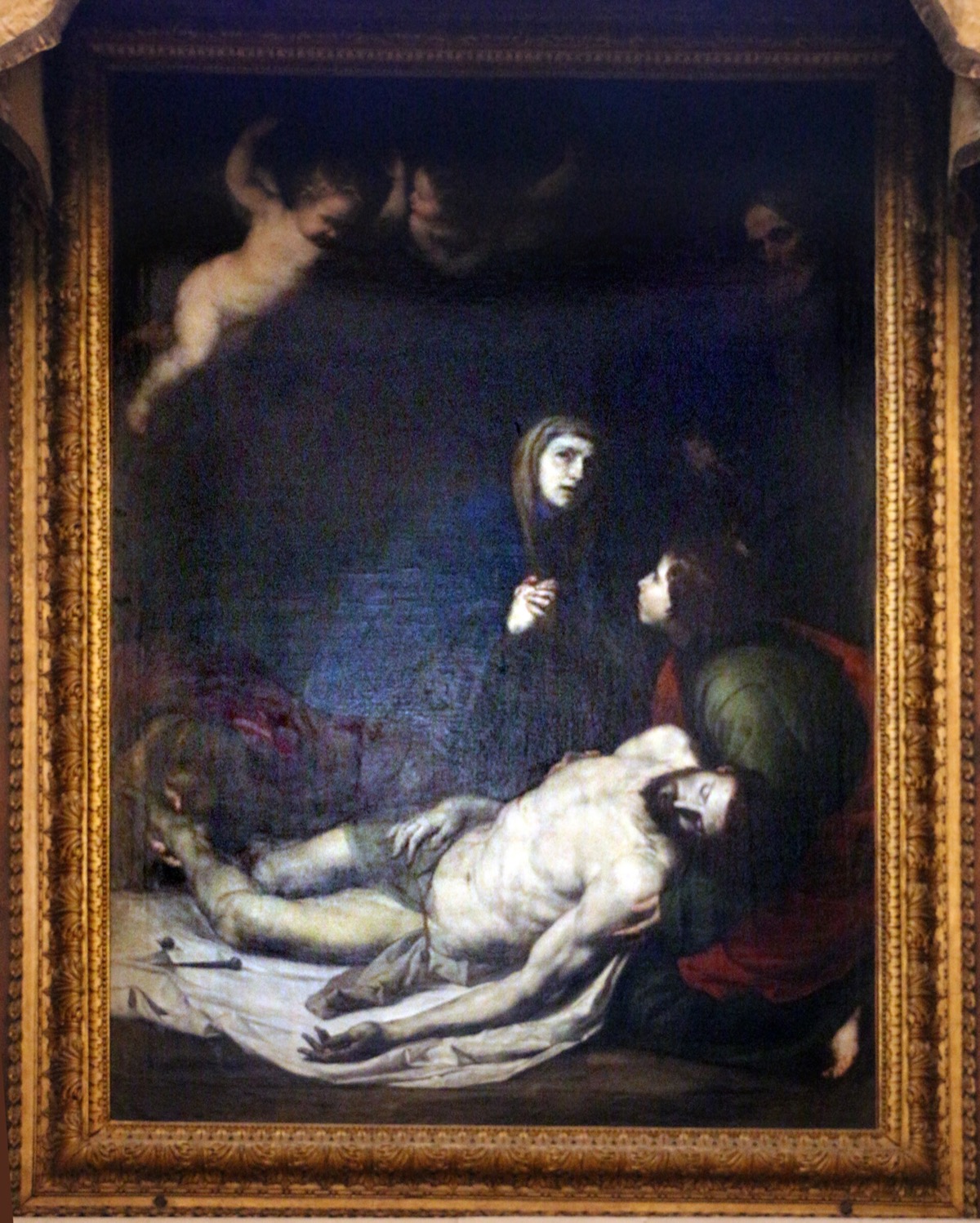
Jusepe de Ribera
Ribera spent his whole working life in Naples. His Drunken Silenus is at Capodimonte, his Deposition and his Prophets in the church of San Martino.
Baroque. 2 works in 2 museums
See the artist
Picture: Sailko, CC BY-SA 3.0
Painter, 1613 to 1699
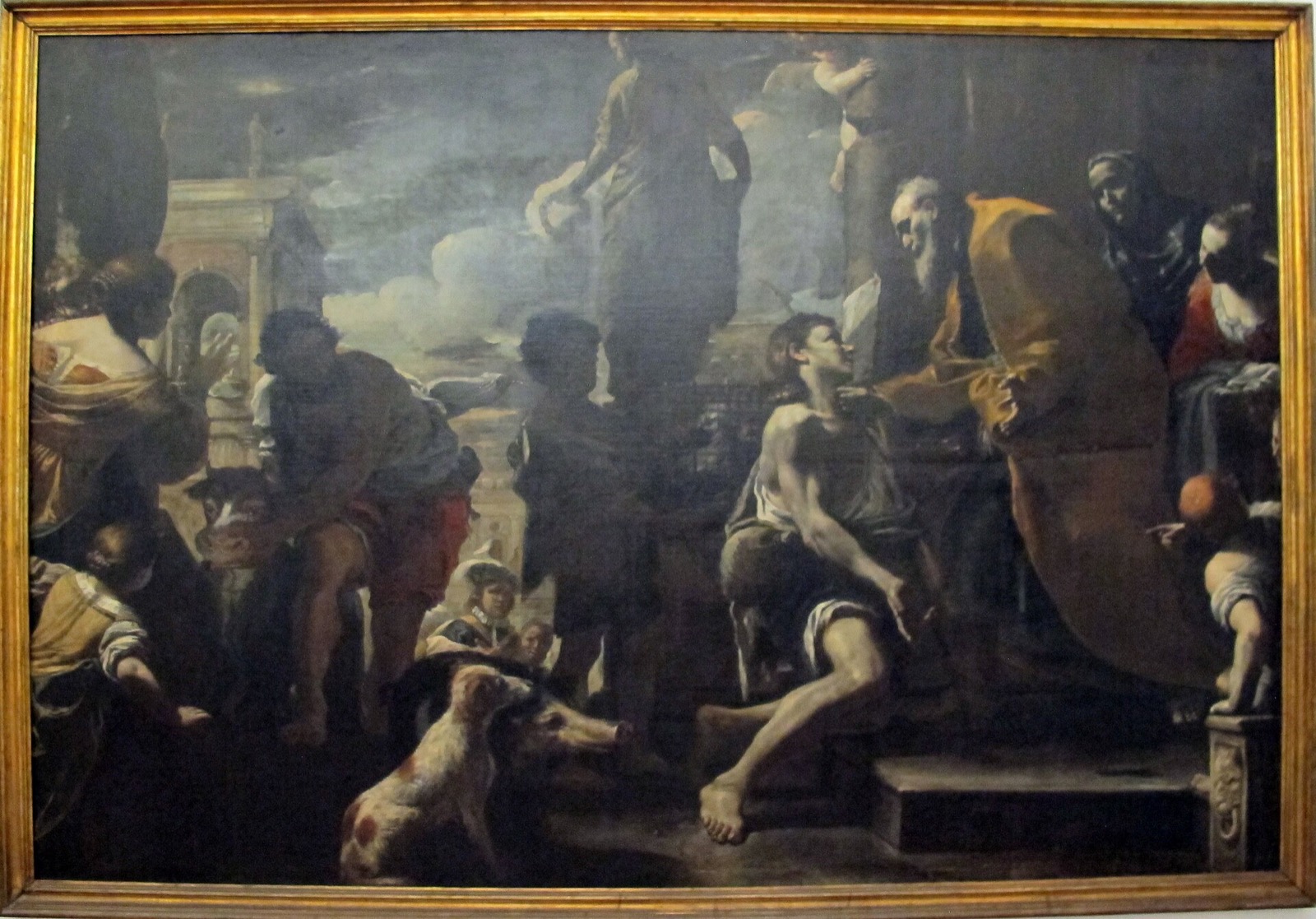
Mattia Preti
A Baroque painter from Calabria, called the Calabrian Knight, who worked in Naples and Malta; Capodimonte has his Return of the Prodigal Son.
Baroque. 1 work in 1 museum
See the artist
Picture: IlSistemone, CC BY-SA 3.0
Painter, 1634 to 1705
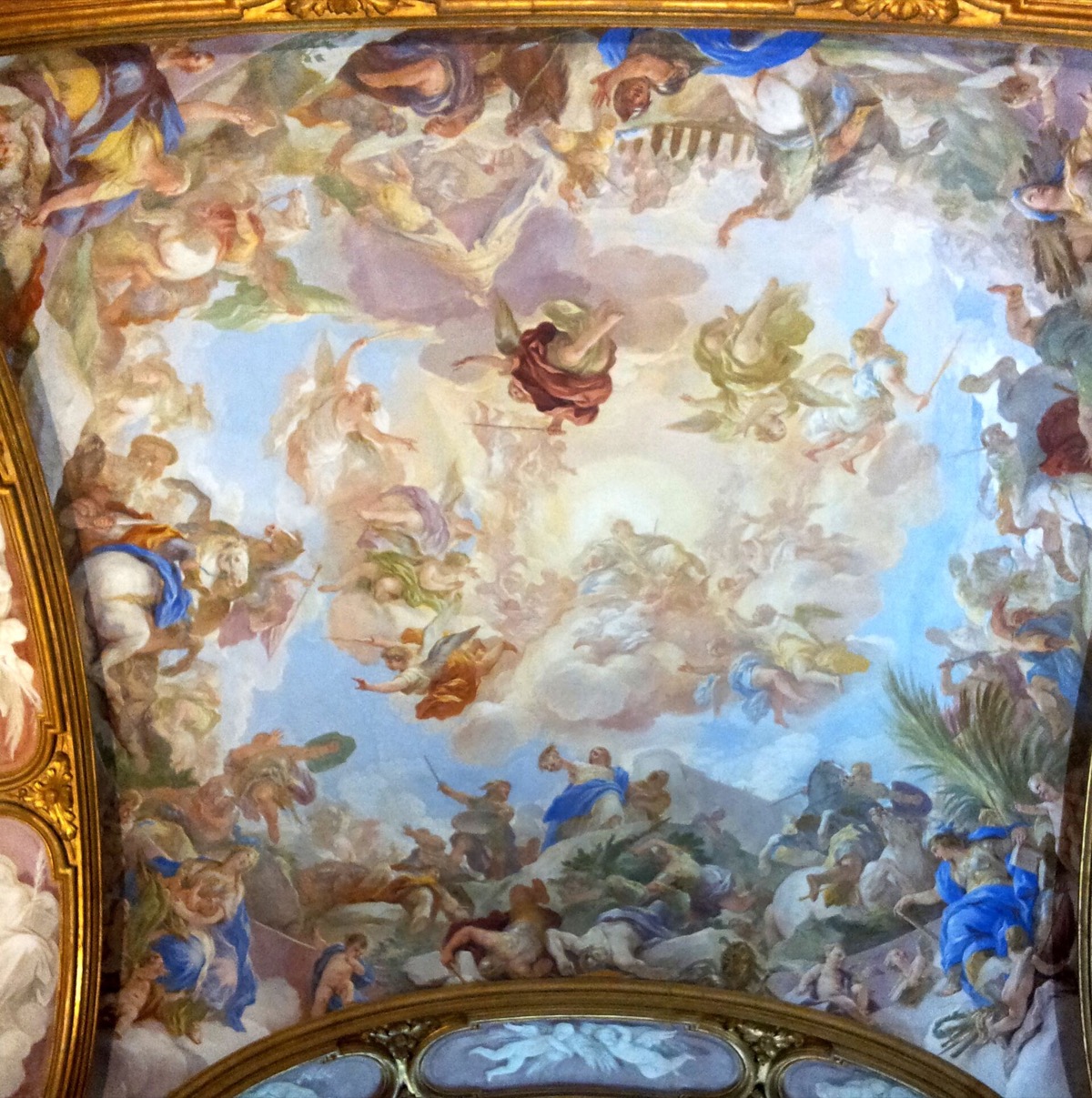
Luca Giordano
The fast and endlessly productive painter of Neapolitan Baroque, who brought light and colour back to the dark manner of Caravaggio's followers. His work is in Capodimonte and in the churches of the city.
Baroque. 1 work in 1 museum
See the artist