Painter, 1200 to 1240
Berlinghiero
Berlinghiero, long called Berlinghiero Berlinghieri, is known from the inscription Berlingerius me pinxit, Berlinghiero painted me, on a crucifix. He worked at Lucca in the early thirteenth century in the Italo-Byzantine manner, and was the father of three painters, among them Bonaventura Berlinghieri.
- Born
- 1200, Lucca
- Died
- 1240, Lucca
- Movement
- Italo-Byzantine
- In Pisa
- 1 work in 1 museum
Where to see Berlinghiero in Pisa
Each work with the museum it hangs in. Museums move and lend their works, so check before a special journey.
Museo Nazionale di San Matteo, Pisa1 work
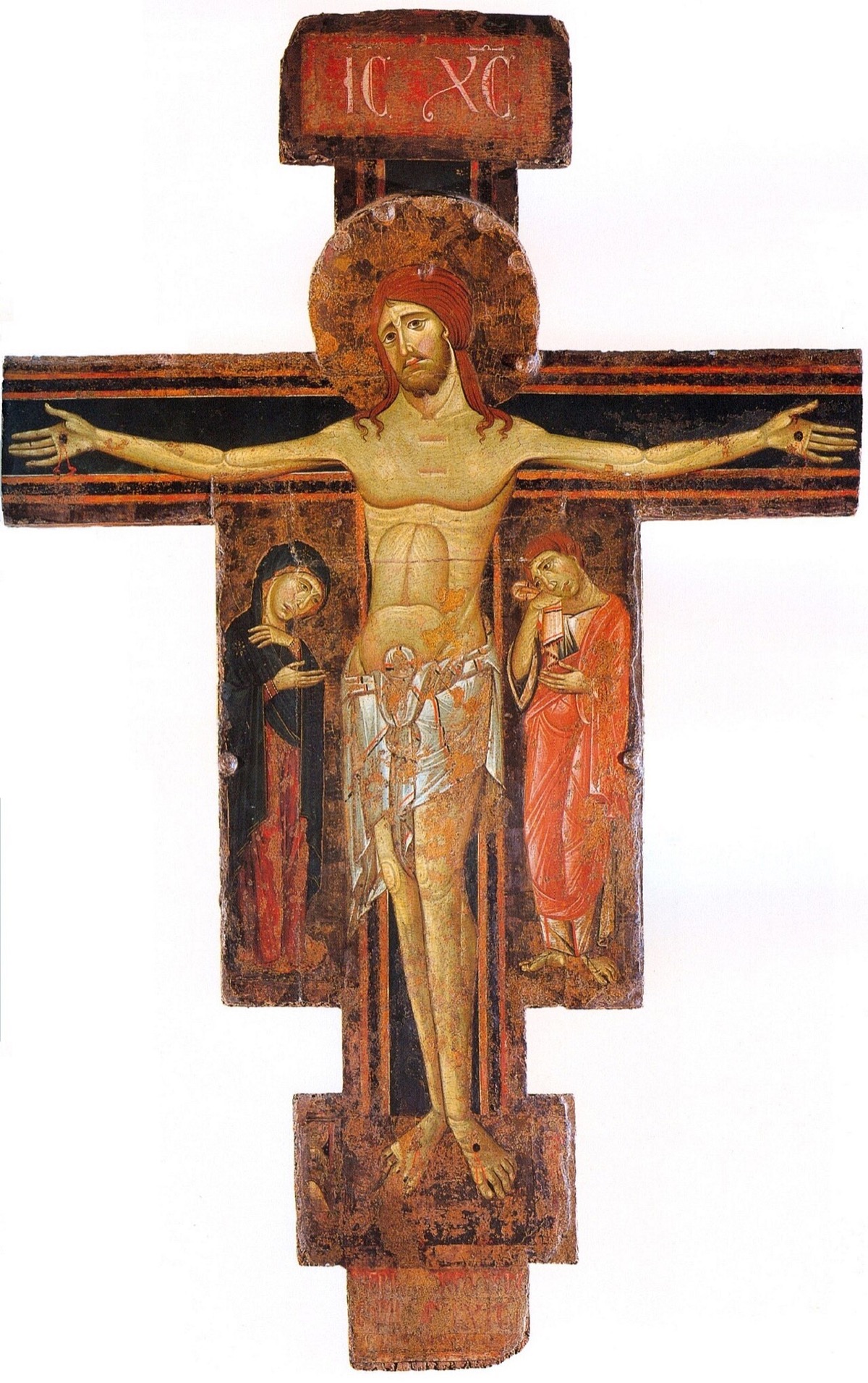
Crucifix of Fucecchio
about 1230
A painted cross from the church of Fucecchio.
The life of Berlinghiero
A document of 1228 names him among the men of Lucca who swore to keep the peace with Pisa after a five-year war.
What to know
- Painted crucifixes
- Lucca
- Italo-Byzantine painting
- Born
- Active from 1228, Lucca
- Died
- Between 1236 and 1242, Lucca
Berlinghiero: common questions
- Where can you see Berlinghiero in Pisa?
- At the Museo Nazionale di San Matteo, Pisa: Crucifix of Fucecchio. Museums move and lend their works, so check before a special journey.
- What is Berlinghiero's most famous work in Pisa?
- Crucifix of Fucecchio, of about 1230, at the Museo Nazionale di San Matteo, Pisa. A painted cross from the church of Fucecchio.
- When and where was Berlinghiero born?
- Active from 1228, at Lucca. Berlinghiero died between 1236 and 1242, at Lucca, aged about 40.
- What is Berlinghiero known for?
- Painted crucifixes. Lucca. Italo-Byzantine painting. Berlinghiero was an Italian painter, of Italo-Byzantine.
Tickets and tours: Berlinghiero in Pisa
Other artists
Painter, 1180 to 1258
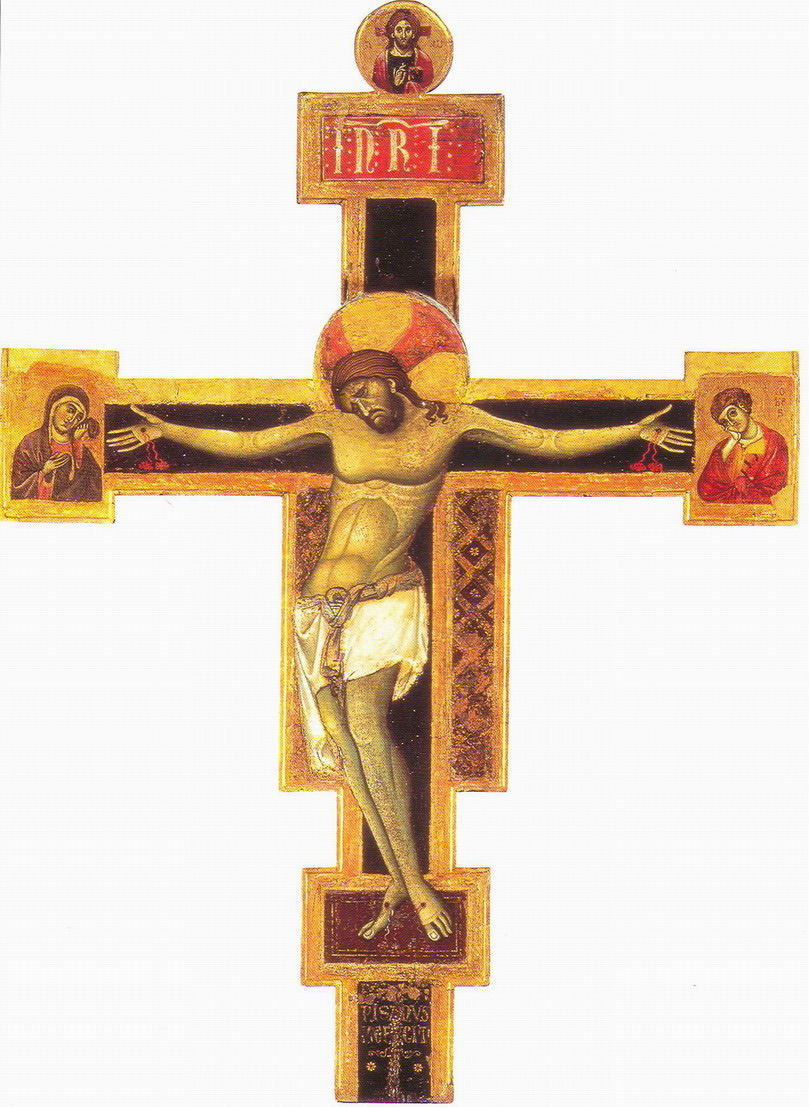
Giunta Pisano
The earliest Italian painter whose name is written on a surviving work, famous for his painted crucifixes; the Museo di San Matteo has his cross of San Ranieri.
Italo-Byzantine. 2 works in 1 museum
See the artist
Picture: Gianni Careddu, CC BY-SA 4.0
Sculptor, 1220 to 1257
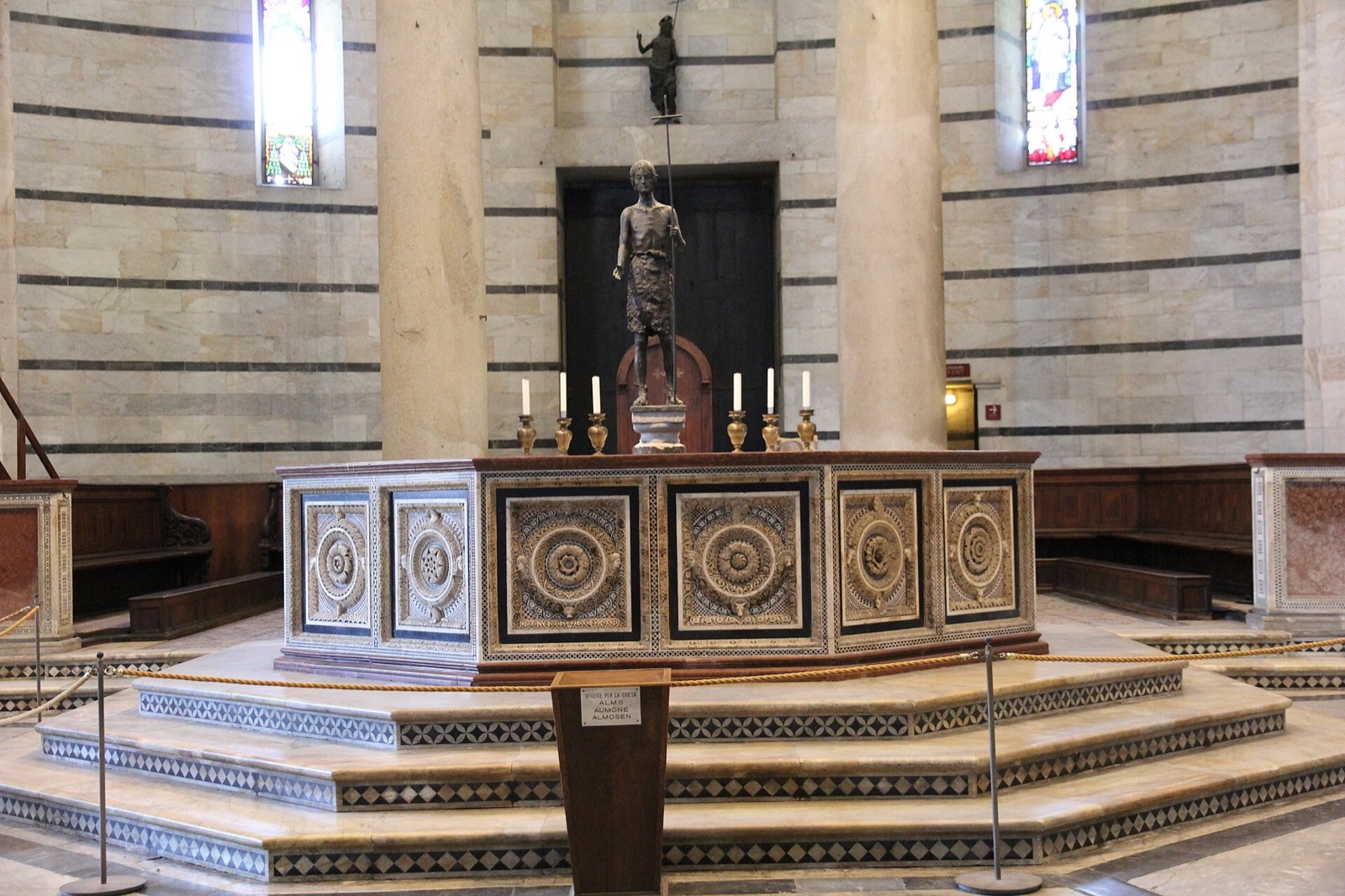
Guido Bigarelli
The sculptor from Arogno, called Guido da Como, who made the octagonal font of the Baptistery of Pisa in 1246.
Romanesque. 1 work in 1 museum
See the artist
Picture: Holger Uwe Schmitt, CC BY-SA 4.0
Sculptor, 1220 to 1284
Nicola Pisano
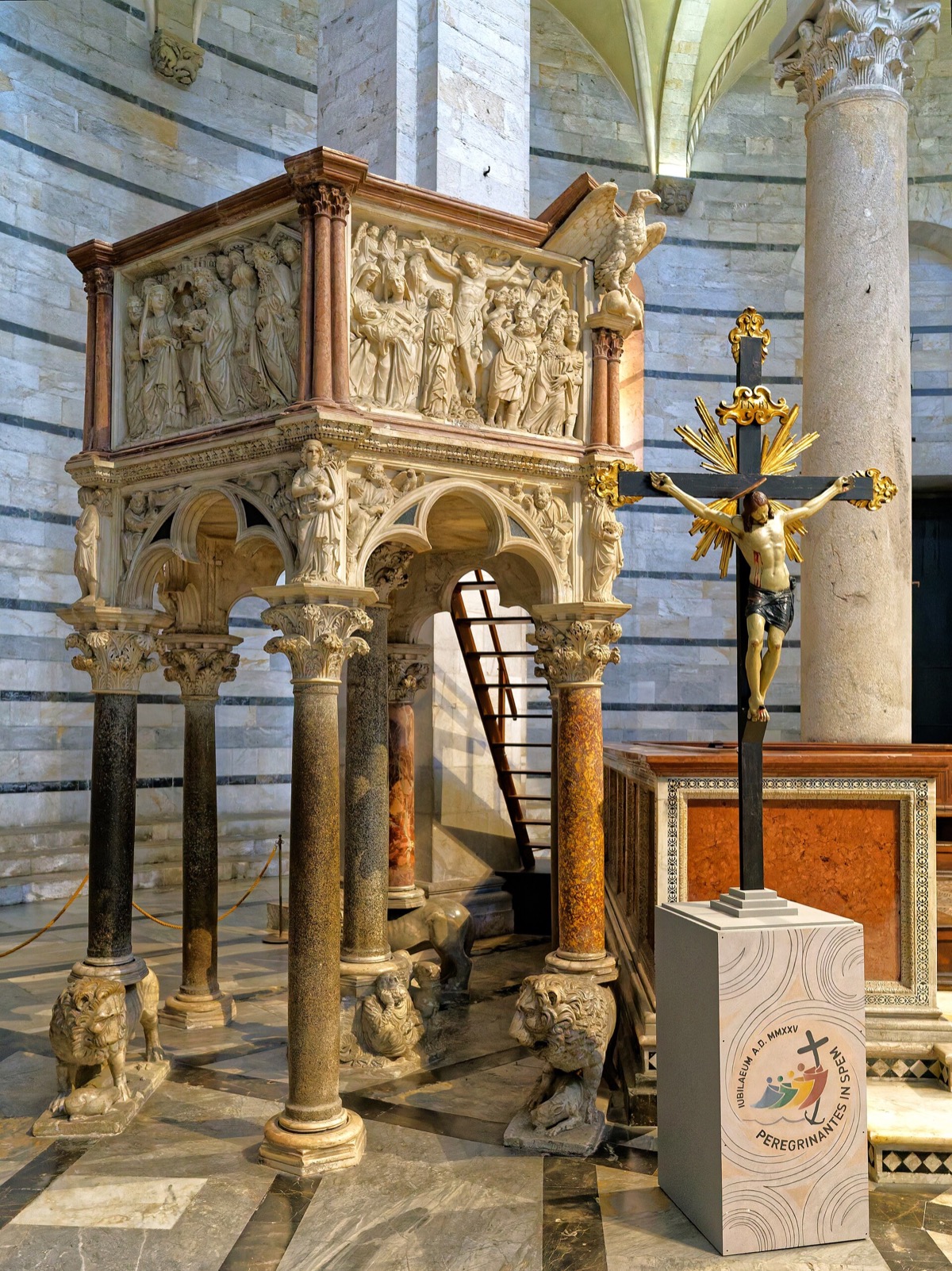
The sculptor from Apulia whose pulpit in the Baptistery of Pisa, of 1260, brought the forms of Roman sculpture back into Italian art.
Gothic. 1 work in 1 museum
See the artist