Painter, 1180 to 1258
Giunta Pisano
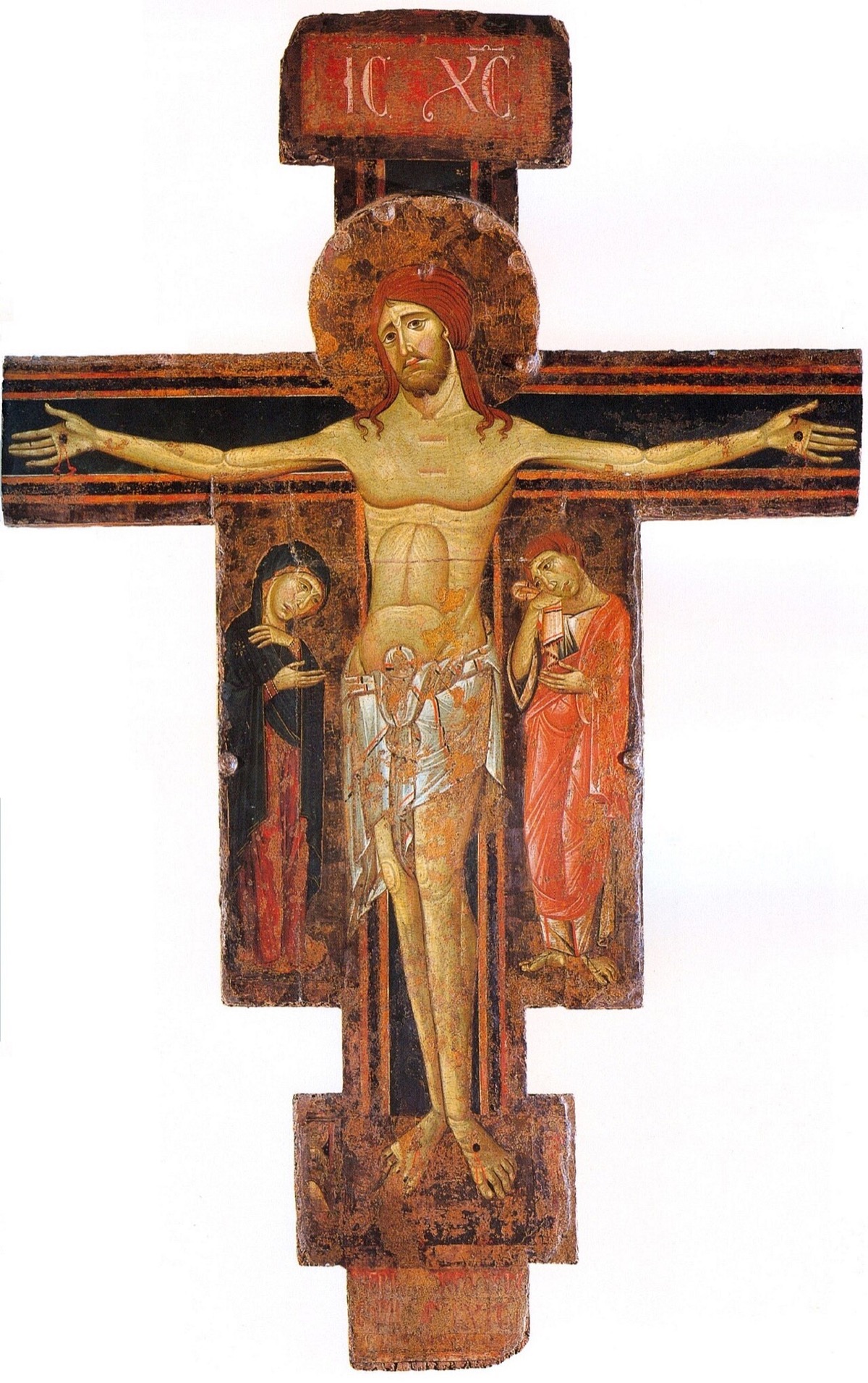
Giunta Pisano is the earliest Italian painter whose name is found on a surviving work: the crucifix of San Ranieri, which hung for a long time in the kitchen of the convent of Sant'Anna in Pisa. He painted on cloth stretched over wood and prepared with plaster, and is best known for his crucifixes.
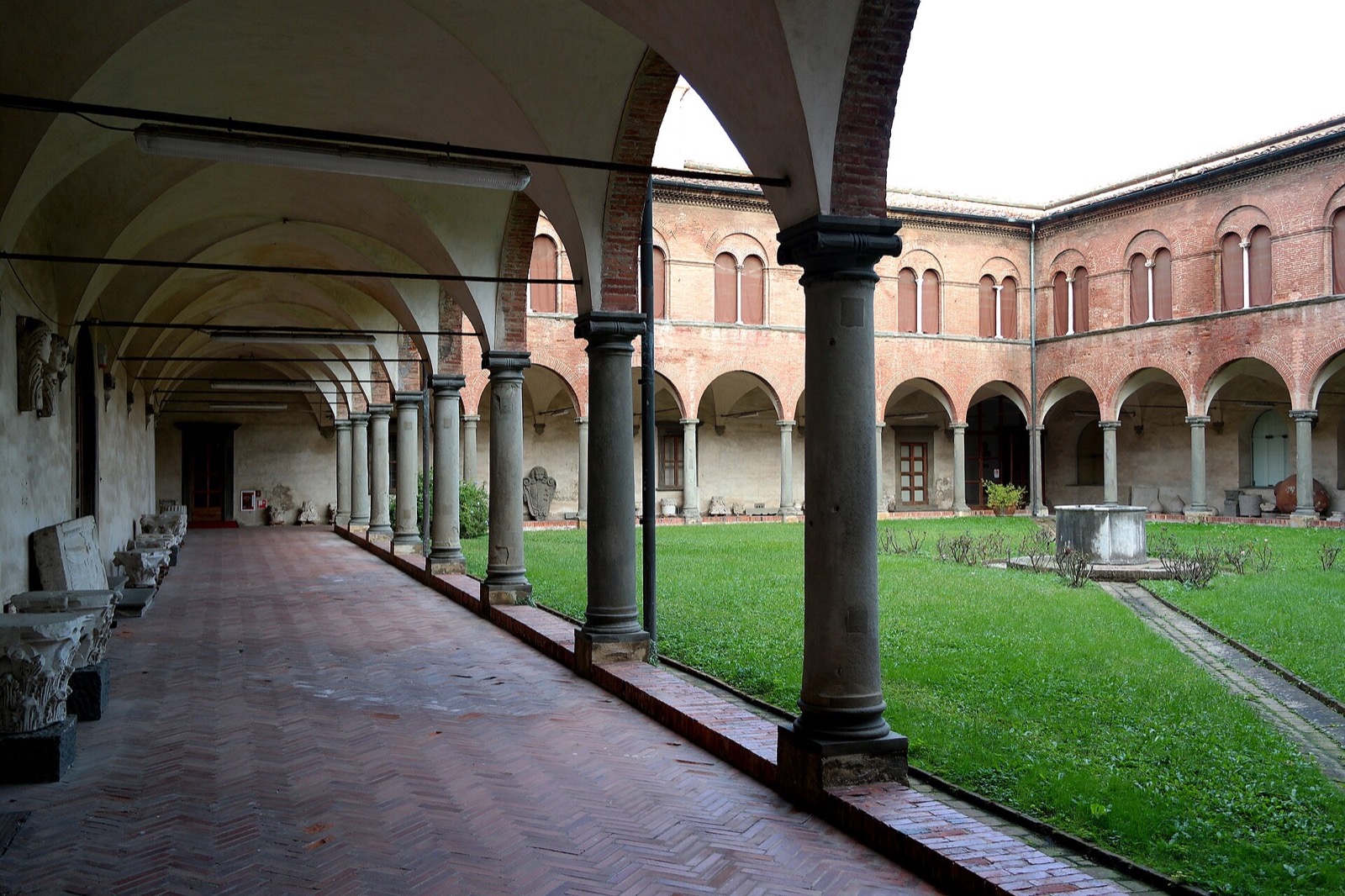
- Born
- 1180, Pisa
- Died
- 1258, Pisa
- Movement
- Italo-Byzantine
- In Pisa
- 2 works in 1 museum
Where to see Giunta Pisano in Pisa
Each work with the museum it hangs in. Museums move and lend their works, so check before a special journey.
Museo Nazionale di San Matteo, Pisa2 works
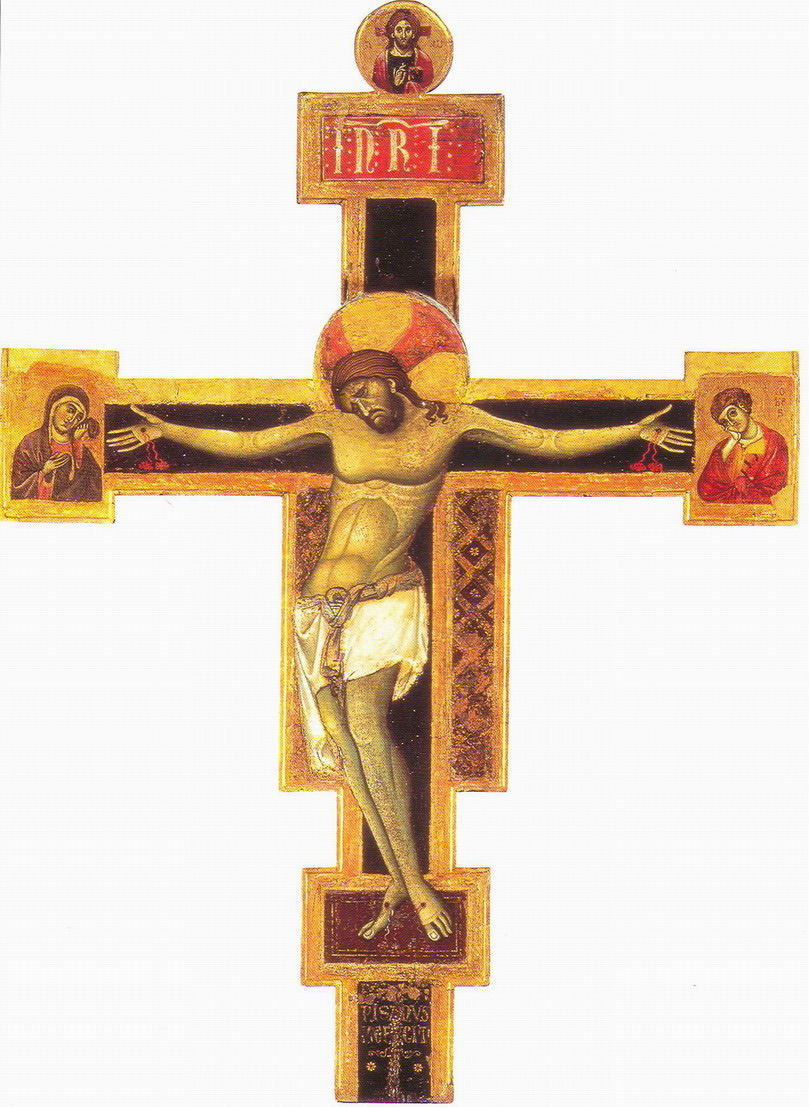
Crucifix of San Ranieri
about 1250
A signed painted crucifix.
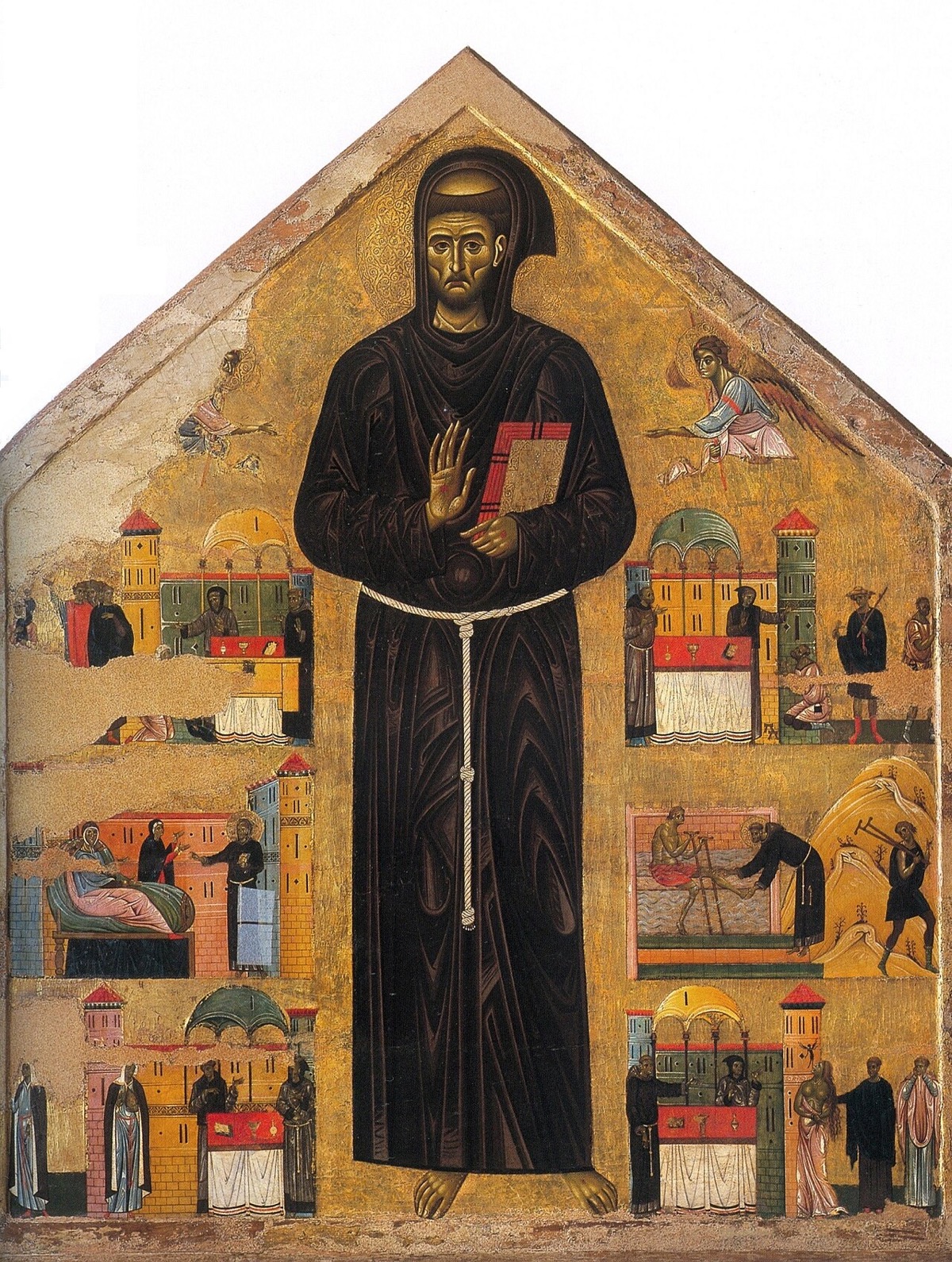
Saint Francis and six stories from his life
about 1250 to 1260
The saint standing, with scenes of his life at the sides.
The life of Giunta Pisano
His dates are uncertain: he worked in the first half of the thirteenth century and died around the middle of it.
What to know
- Painted crucifixes
- The crucifix of San Ranieri
- Signed works
- Born
- Perhaps about 1180, Pisa
- Died
- About 1250 to 1258, Pisa
Giunta Pisano: common questions
- Where can you see Giunta Pisano in Pisa?
- At the Museo Nazionale di San Matteo, Pisa: Crucifix of San Ranieri and Saint Francis and six stories from his life. Museums move and lend their works, so check before a special journey.
- What is Giunta Pisano's most famous work in Pisa?
- Crucifix of San Ranieri, of about 1250, at the Museo Nazionale di San Matteo, Pisa. A signed painted crucifix.
- When and where was Giunta Pisano born?
- Perhaps about 1180, at Pisa. Giunta Pisano died about 1250 to 1258, at Pisa, aged about 78.
- What is Giunta Pisano known for?
- Painted crucifixes. The crucifix of San Ranieri. Signed works. Giunta Pisano was an Italian painter, of Italo-Byzantine.
Tickets and tours: Giunta Pisano in Pisa
Other artists
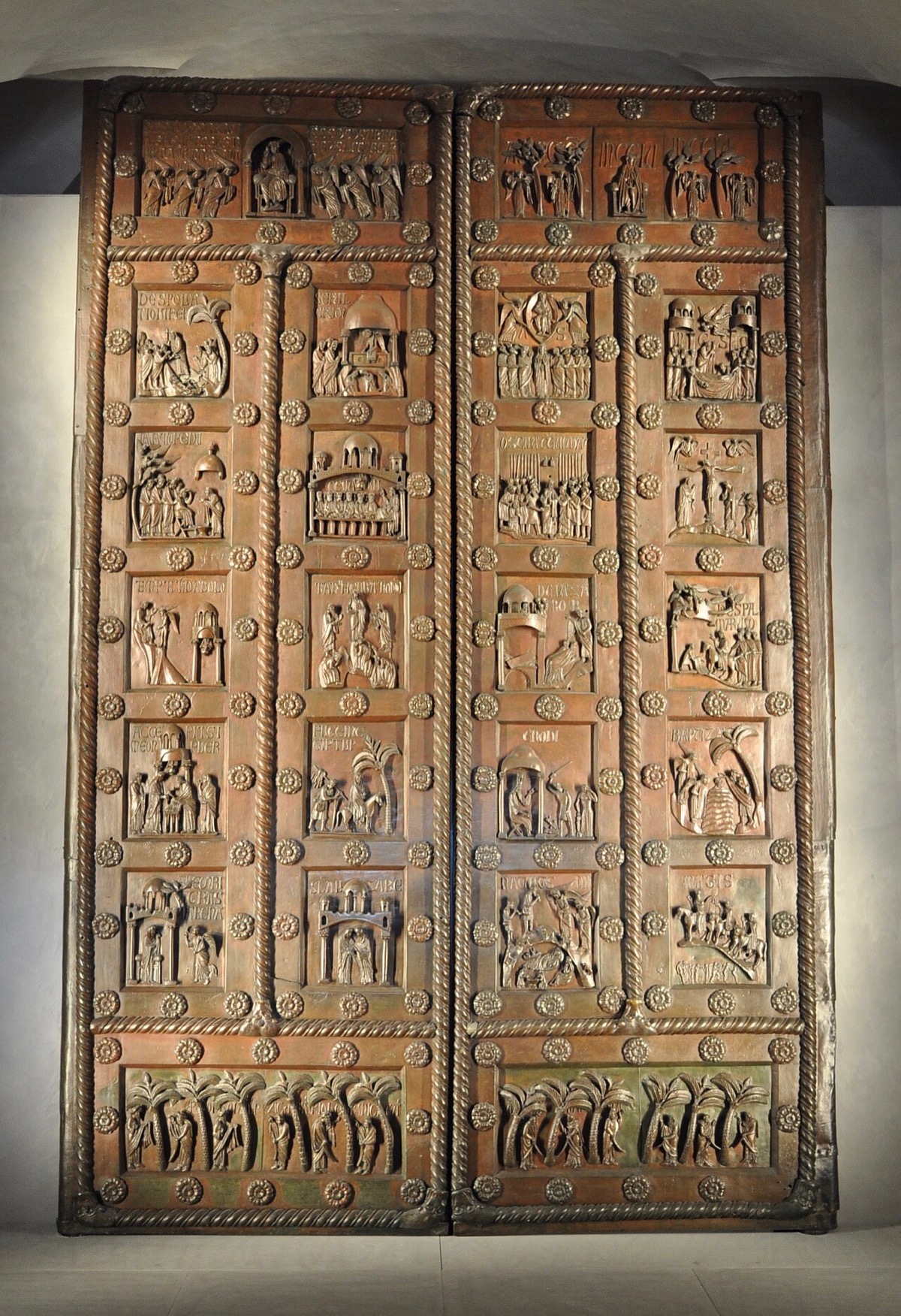
Picture: Federigo Federighi, CC BY-SA 4.0
Sculptor, 1170 to 1190
Bonanno Pisano
The Pisan sculptor of bronze doors, at Pisa and at Monreale in Sicily, whom Vasari named as a builder of the Leaning Tower.
Romanesque. 1 work in 1 museum
See the artist
Painter, 1200 to 1240
Berlinghiero
The painter of Lucca known from the words Berlingerius me pinxit on a crucifix; the Museo di San Matteo has his crucifix from Fucecchio.
Italo-Byzantine. 1 work in 1 museum
See the artist
Picture: Gianni Careddu, CC BY-SA 4.0
Sculptor, 1220 to 1257
Guido Bigarelli
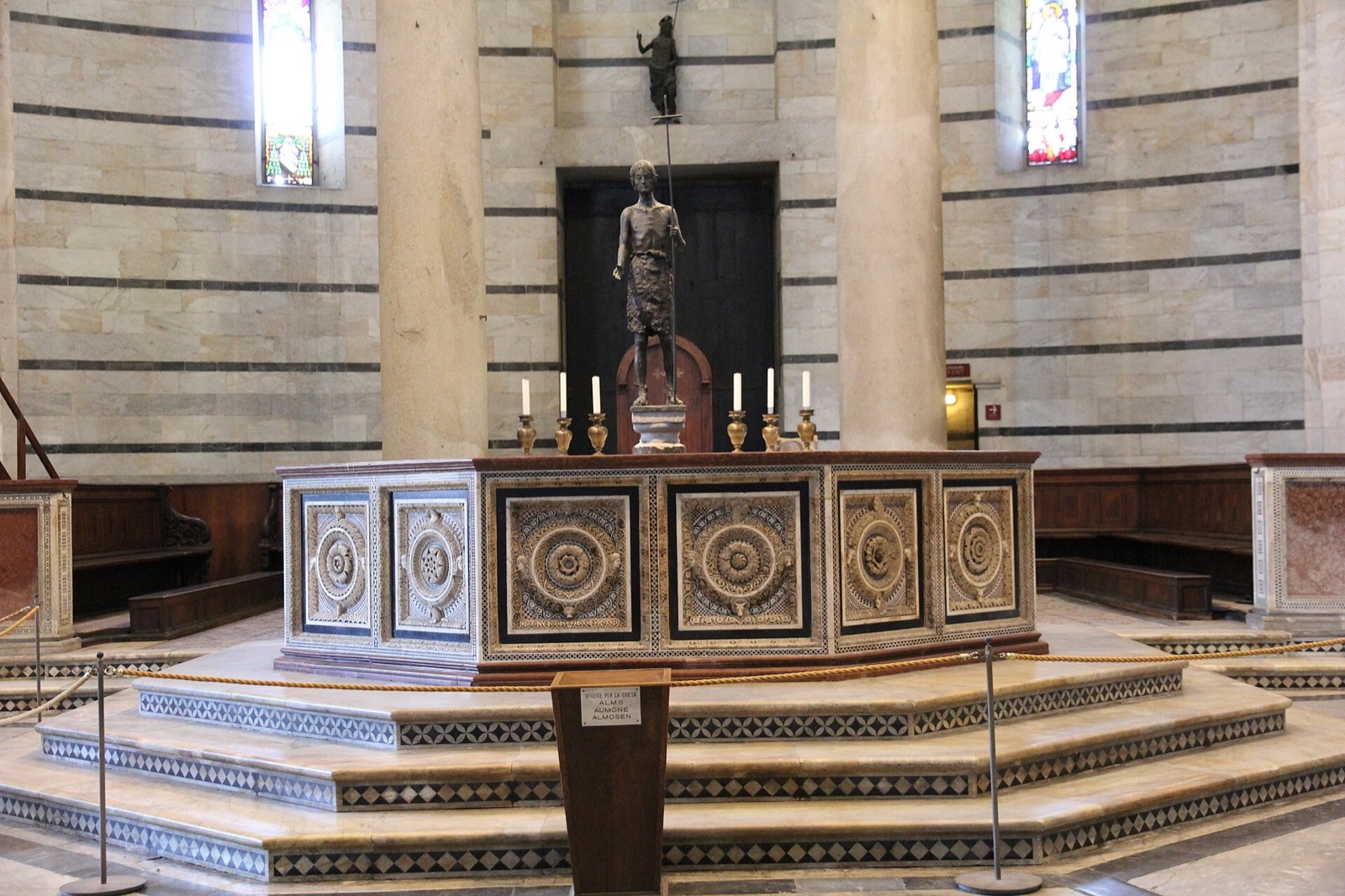
The sculptor from Arogno, called Guido da Como, who made the octagonal font of the Baptistery of Pisa in 1246.
Romanesque. 1 work in 1 museum
See the artist