Painter, 1539 to 1610
Hasegawa Tōhaku
Hasegawa Tōhaku began as a painter of Buddhist images in his home province of Noto, then moved to Kyoto, where he studied with the Kanō school and set up his own, the Hasegawa school. He is best known for his folding screens.
- Born
- 1539, Nanao, Noto Province
- Died
- 1610, Edo
- Movement
- Azuchi-Momoyama painting
- In Tokyo
- 1 work in 1 museum
Where to see Hasegawa Tōhaku in Tokyo
Each work with the museum it hangs in. Museums move and lend their works, so check before a special journey.
Tokyo National Museum1 work
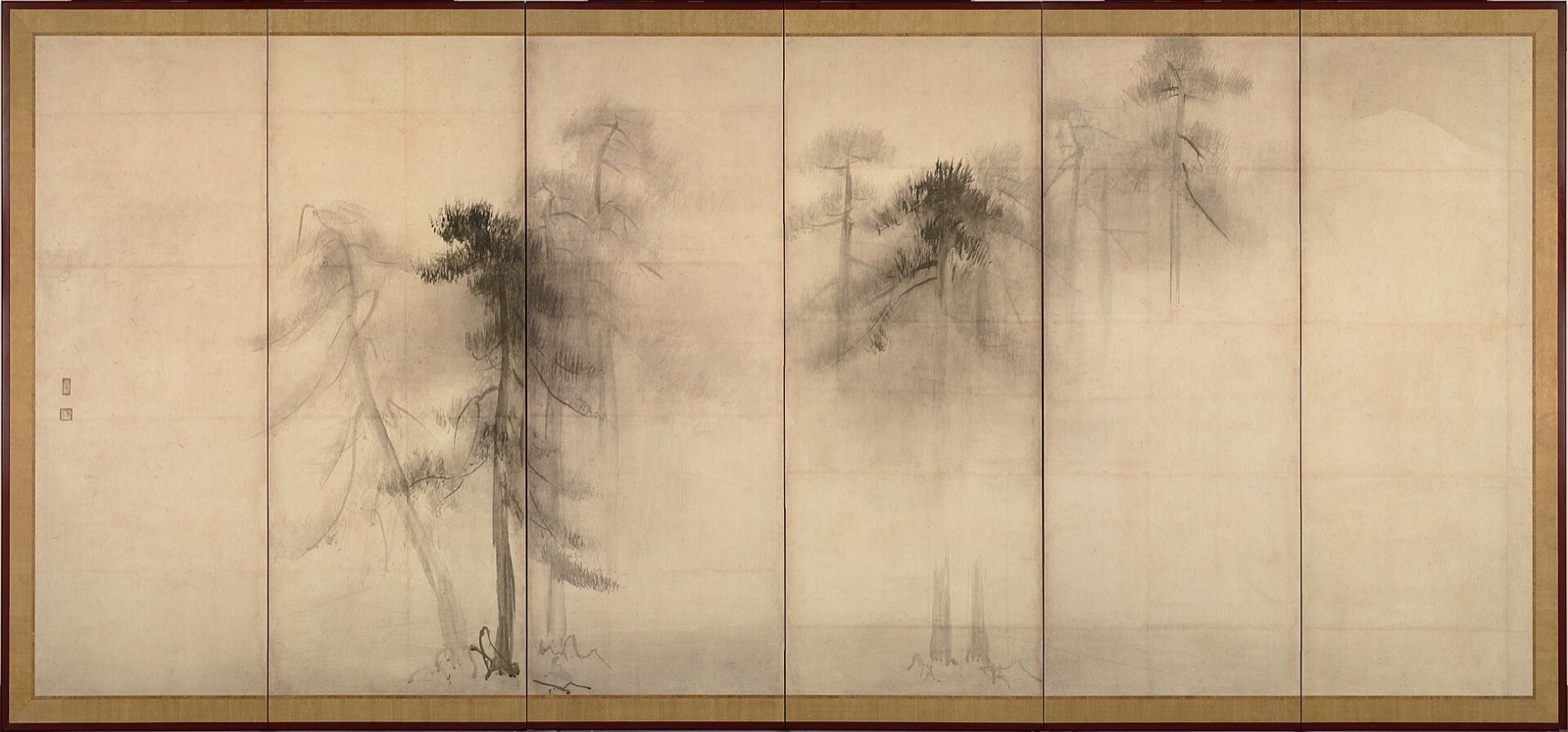
Pine Trees
late sixteenth century
A pair of six-panel ink screens of pines in mist, a National Treasure, shown only for short periods.
The life of Hasegawa Tōhaku
His Pine Trees, a pair of six-panel screens in ink, shows a grove of pines half lost in mist, painted with a few strokes. It is one of the most famous works of Japanese painting.
The Tokyo National Museum shows it for a few weeks each year, usually around the New Year.
What to know
- Founder of the Hasegawa school
- Painter of folding screens
- His Pine Trees is in the Tokyo National Museum
- Born
- 1539, Nanao, Noto Province
- Died
- 19 March 1610, Edo
Hasegawa Tōhaku: common questions
- Where can you see Hasegawa Tōhaku in Tokyo?
- At the Tokyo National Museum: Pine Trees. Museums move and lend their works, so check before a special journey.
- What is Hasegawa Tōhaku's most famous work in Tokyo?
- Pine Trees, of late sixteenth century, at the Tokyo National Museum. A pair of six-panel ink screens of pines in mist, a National Treasure, shown only for short periods.
- When and where was Hasegawa Tōhaku born?
- In 1539, at Nanao, Noto Province. Hasegawa Tōhaku died on 19 March 1610, at Edo, aged about 71.
- What is Hasegawa Tōhaku known for?
- Founder of the Hasegawa school. Painter of folding screens. His Pine Trees is in the Tokyo National Museum. Hasegawa Tōhaku was a Japanese painter, of Azuchi-Momoyama painting.
Tickets and tours: Hasegawa Tōhaku in Tokyo
Things to do near the Tokyo National Museum
The nearest of this site's best things to do in the city. Distances are in a straight line.
- 8See Monet and Rodin in Le Corbusier's museum in Ueno400 m awayMuseum, 1.5 to 3 hours, ticket
- 1Walk through the Thunder Gate to Senso-ji1.9 km awayChurch, 1 to 2 hours, free; a guided walk
- 15Explore the anime and electronics shops of Akihabara2.2 km awayWalk, 1.5 to 3 hours, free; a guided walk
- 17See sumo in Tokyo2.9 km awayShow, 1.5 to 4 hours, ticket for a tournament or a show
Where to eat near the Tokyo National Museum
The nearest of the famous tables this site lists in Tokyo. Distances are in a straight line.
- Ueno Seiyoken4.1Restaurant, Ueno Park650 m away
- Asakusa Imahan4.5Restaurant, Nishi-Asakusa1.5 km away
- Daikokuya Tempura3.5Restaurant, Asakusa1.8 km away
- Namiki Yabusoba4.1Soba house, Asakusa2.0 km away
Hotels near the Tokyo National Museum
The hotels closest to it, of those this site lists in Tokyo. Distances are in a straight line.
- Mandarin Oriental Tokyo4.5Five-star hotel, Nihonbashi3.5 km away
- Hoshinoya Tokyo4.4Five-star hotel, Otemachi3.6 km away
- Four Seasons Hotel Tokyo at Otemachi4.5Five-star hotel, Otemachi3.7 km away
- Aman Tokyo4.4Five-star hotel, Otemachi3.8 km away
Other artists
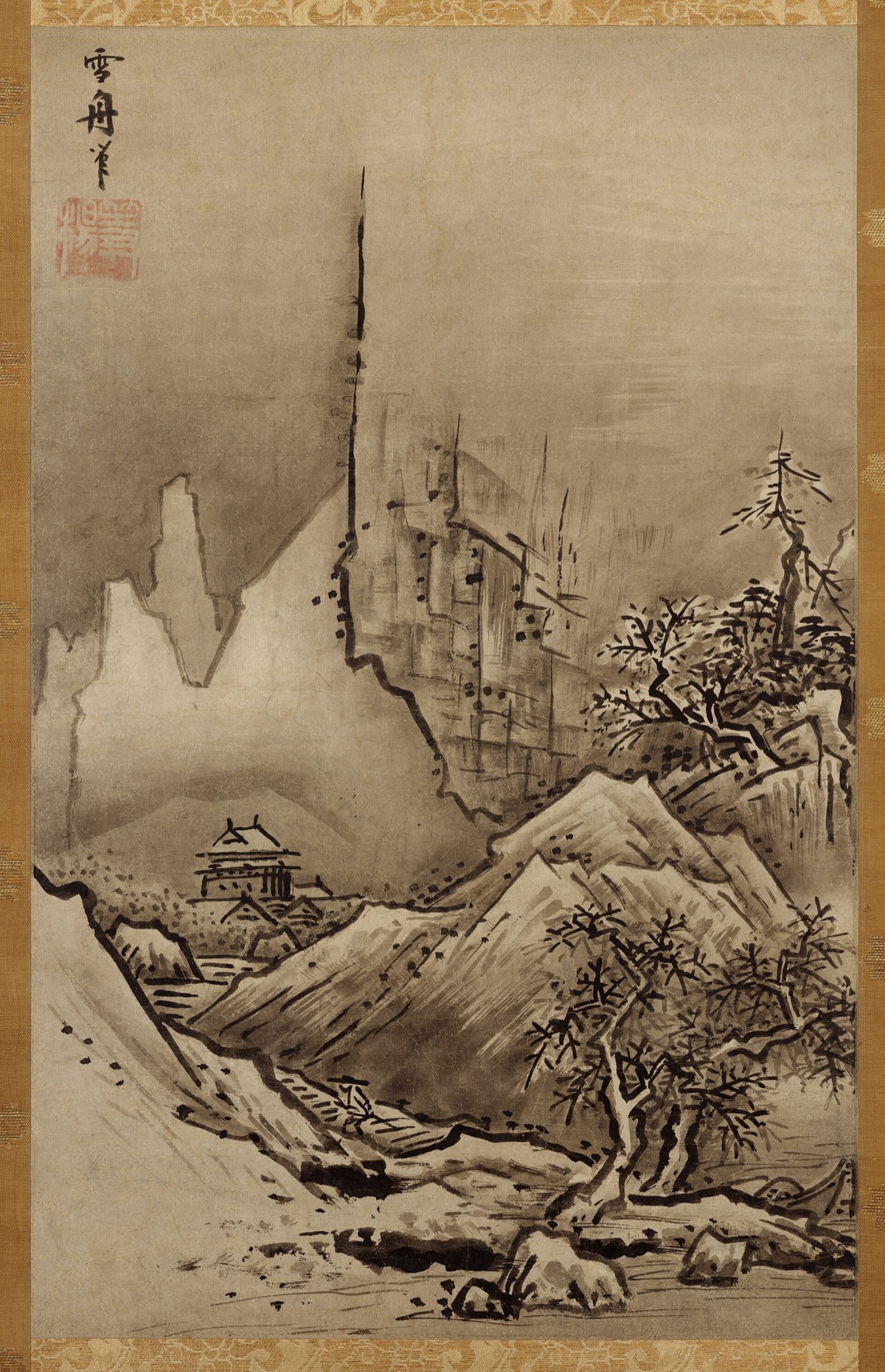
Painter, 1420 to 1506
Sesshū Tōyō
The Zen monk held to be the greatest master of Japanese ink painting. His Winter Landscape is in the Tokyo National Museum.
Ink painting. 1 work in 1 museum
See the artist
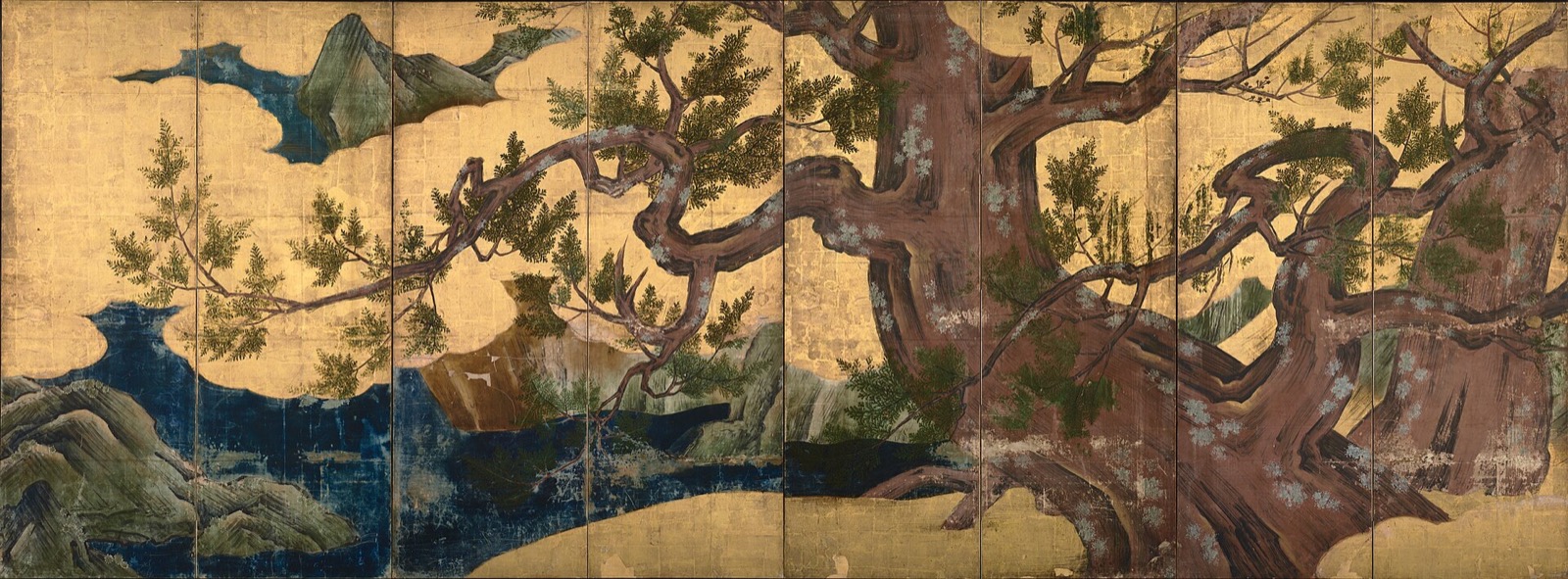
Painter, 1543 to 1590
Kanō Eitoku
A painter of the Momoyama period and one of the great heads of the Kanō school.
Kanō school. 1 work in 1 museum
See the artist
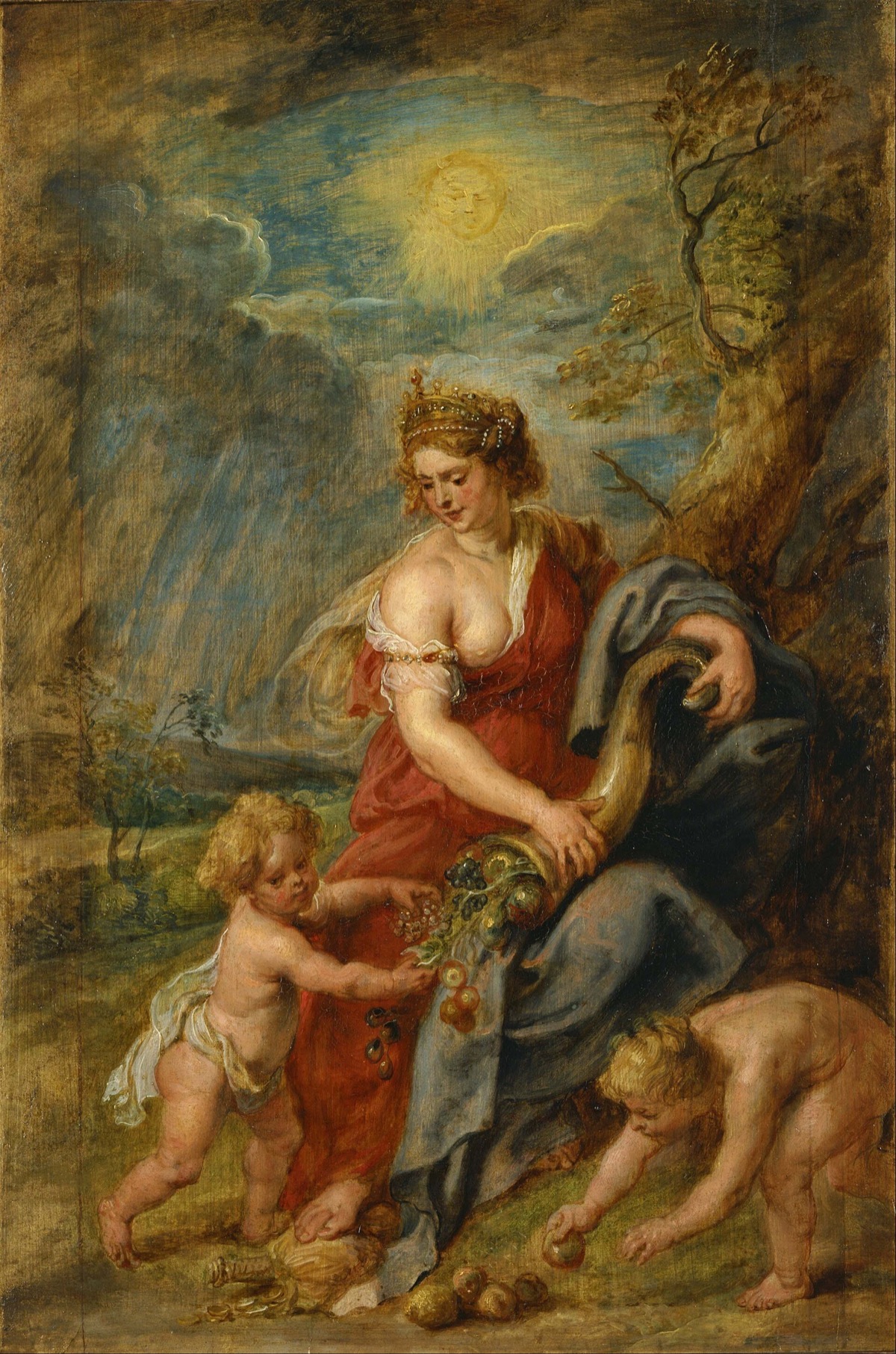
Painter, 1577 to 1640
Peter Paul Rubens
The National Museum of Western Art has Rubens's Abundance, of about 1630.
Baroque. 1 work in 1 museum
See the artist