20 artists in the museums, in order of birthArtists to see in Tokyo
The most famous artists in the museums of Tokyo, and where to stand in front of their work: who they were, what they made, and the museum it hangs in.
- 20
- Artists, in order of birth
- 21
- Works to look for
- 4
- Museums that hold them
- 1420
- The earliest born: Sesshū Tōyō
Artists to see in Tokyo
Show
All 20
Painter, 1420 to 1506
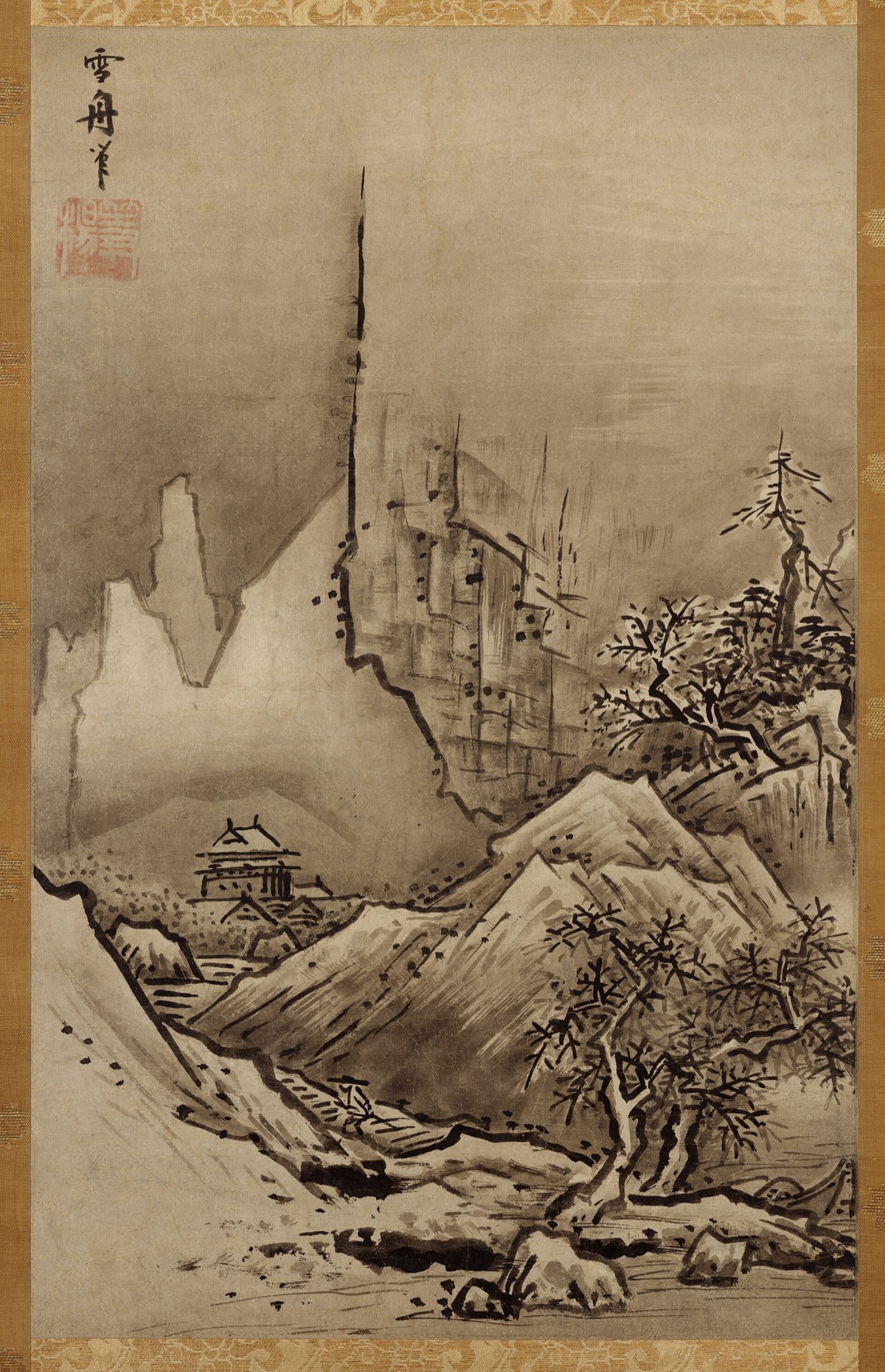
Sesshū Tōyō
The Zen monk held to be the greatest master of Japanese ink painting. His Winter Landscape is in the Tokyo National Museum.
Ink painting. 1 work in 1 museum
See the artist
Painter, 1539 to 1610
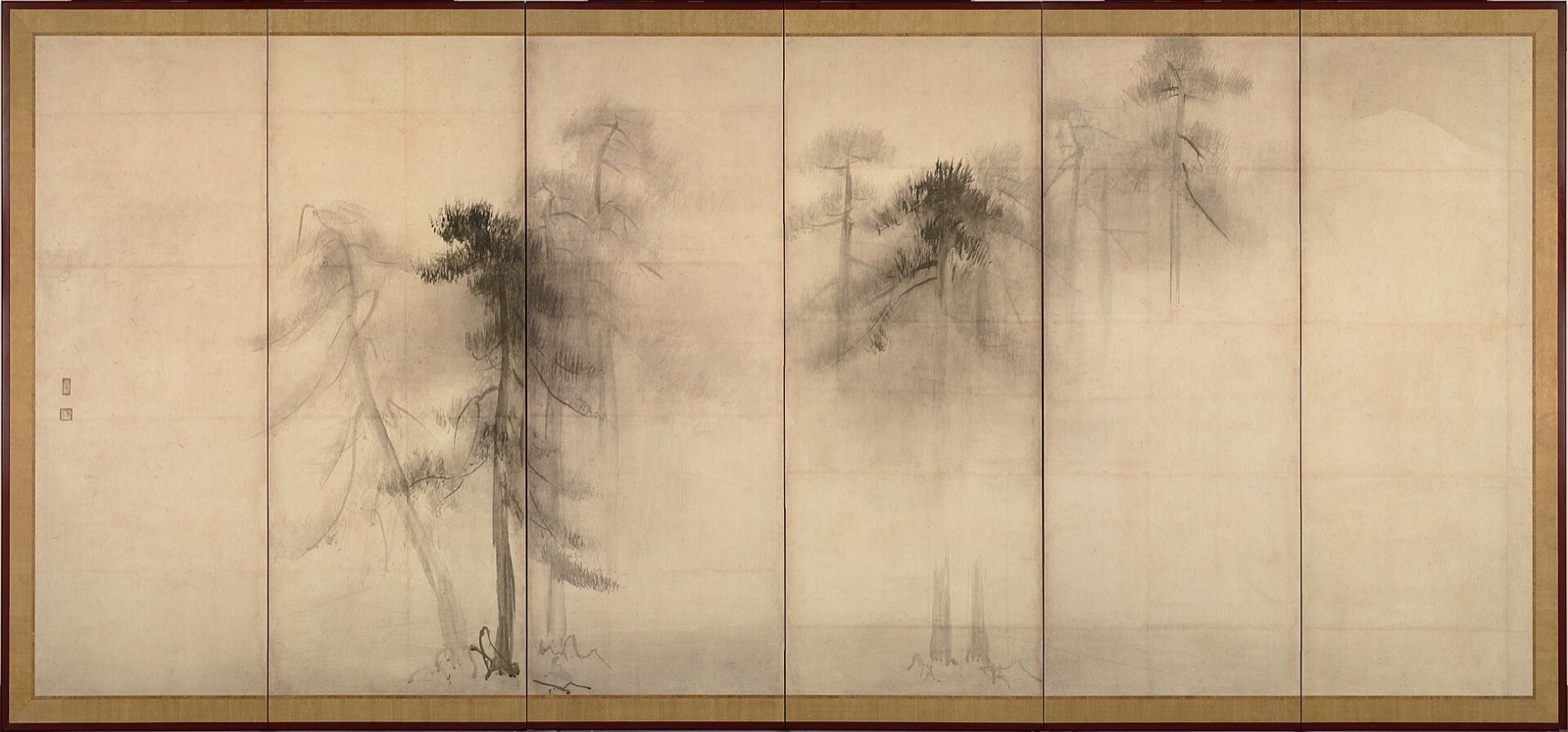
Hasegawa Tōhaku
The painter of the Momoyama period whose screens of Pine Trees, pines appearing and vanishing in mist, are a National Treasure in the Tokyo National Museum.
Azuchi-Momoyama painting. 1 work in 1 museum
See the artist
Painter, 1543 to 1590
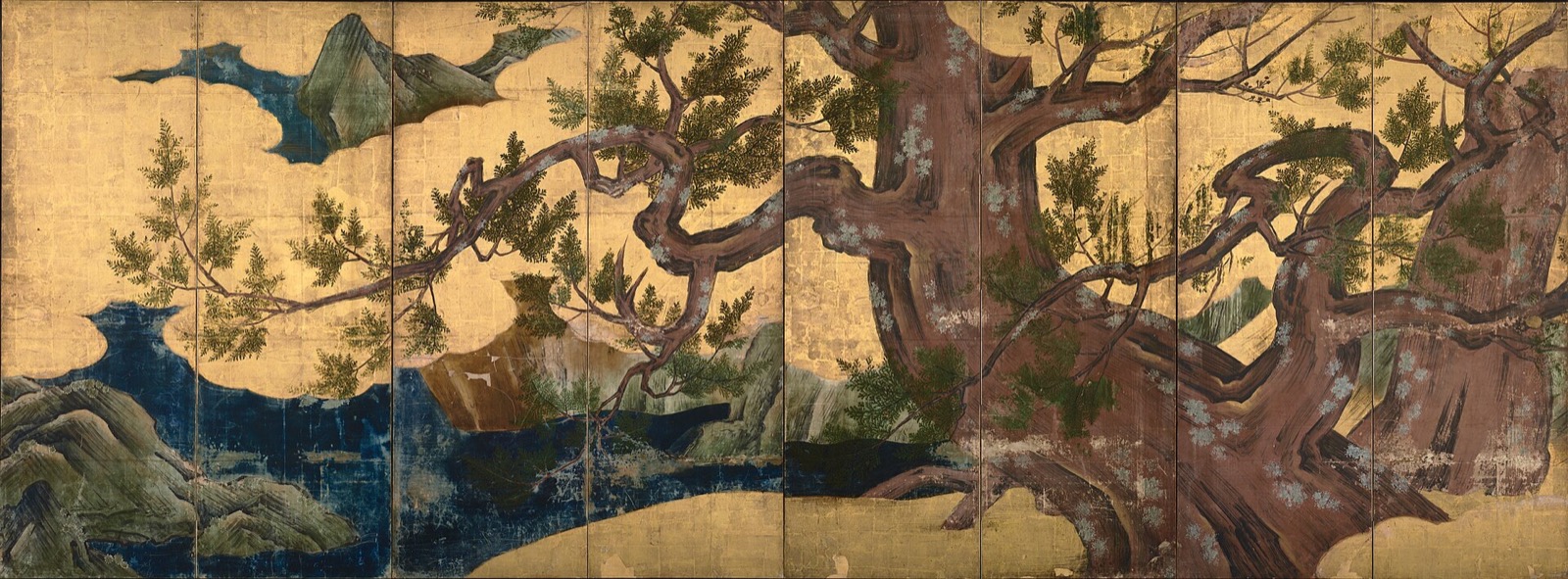
Kanō Eitoku
A painter of the Momoyama period and one of the great heads of the Kanō school.
Kanō school. 1 work in 1 museum
See the artist
Painter, 1577 to 1640
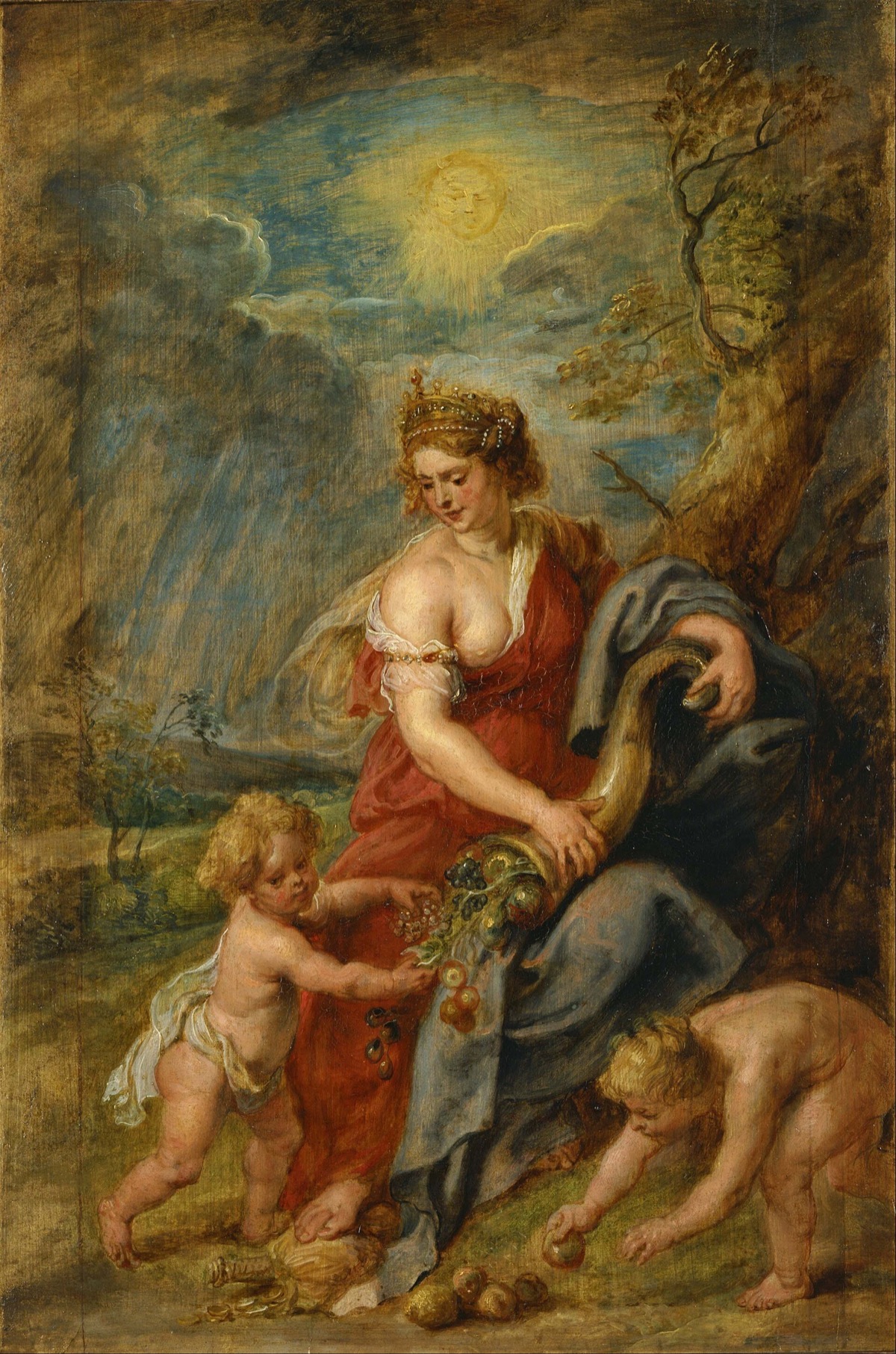
Peter Paul Rubens
The National Museum of Western Art has Rubens's Abundance, of about 1630.
Baroque. 1 work in 1 museum
See the artist
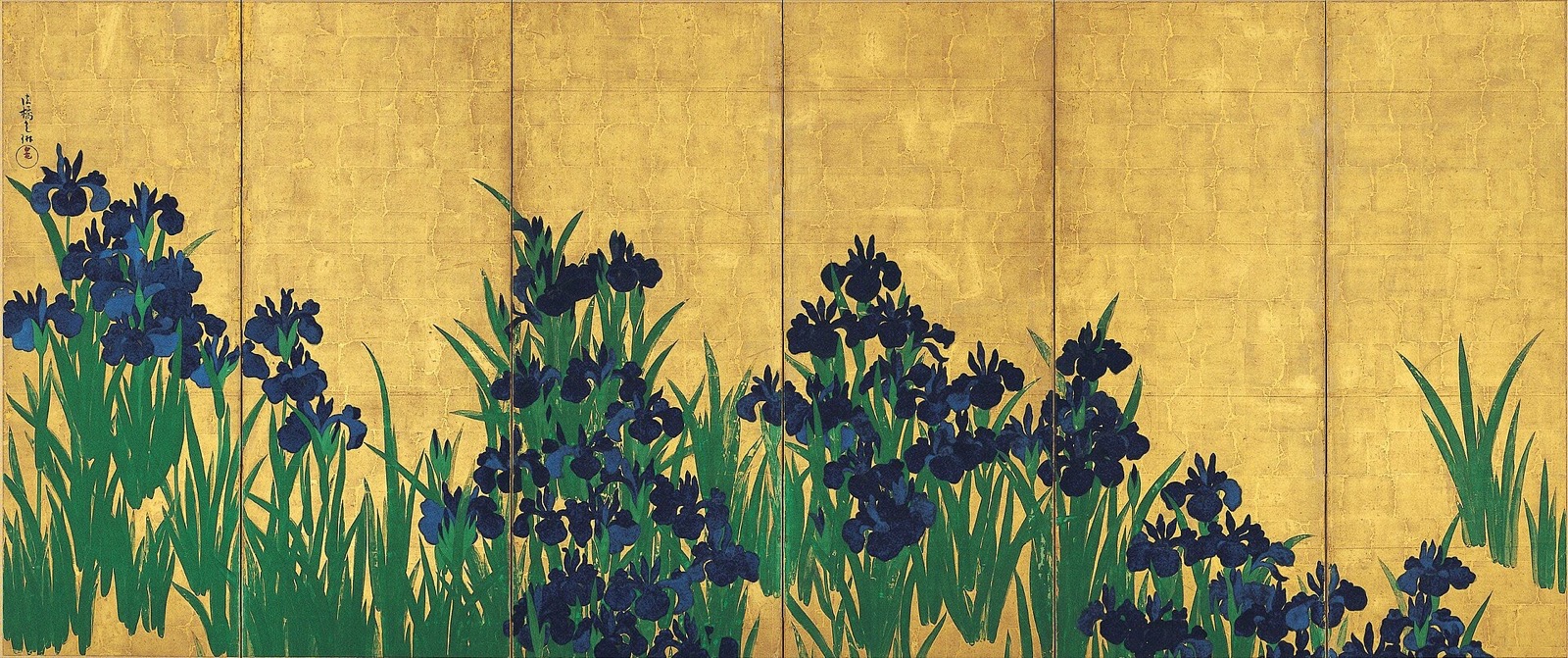
Painter, 1658 to 1716
Ogata Kōrin
The painter and designer who gave the Rinpa school its name. His gold screens of Irises are a National Treasure in the Nezu Museum.
Rinpa. 1 work in 1 museum
See the artist
Painter, 1725 to 1770
Suzuki Harunobu
The ukiyo-e designer who made the first full-colour woodblock prints, in 1765.
Ukiyo-e. 1 work in 1 museum
See the artist
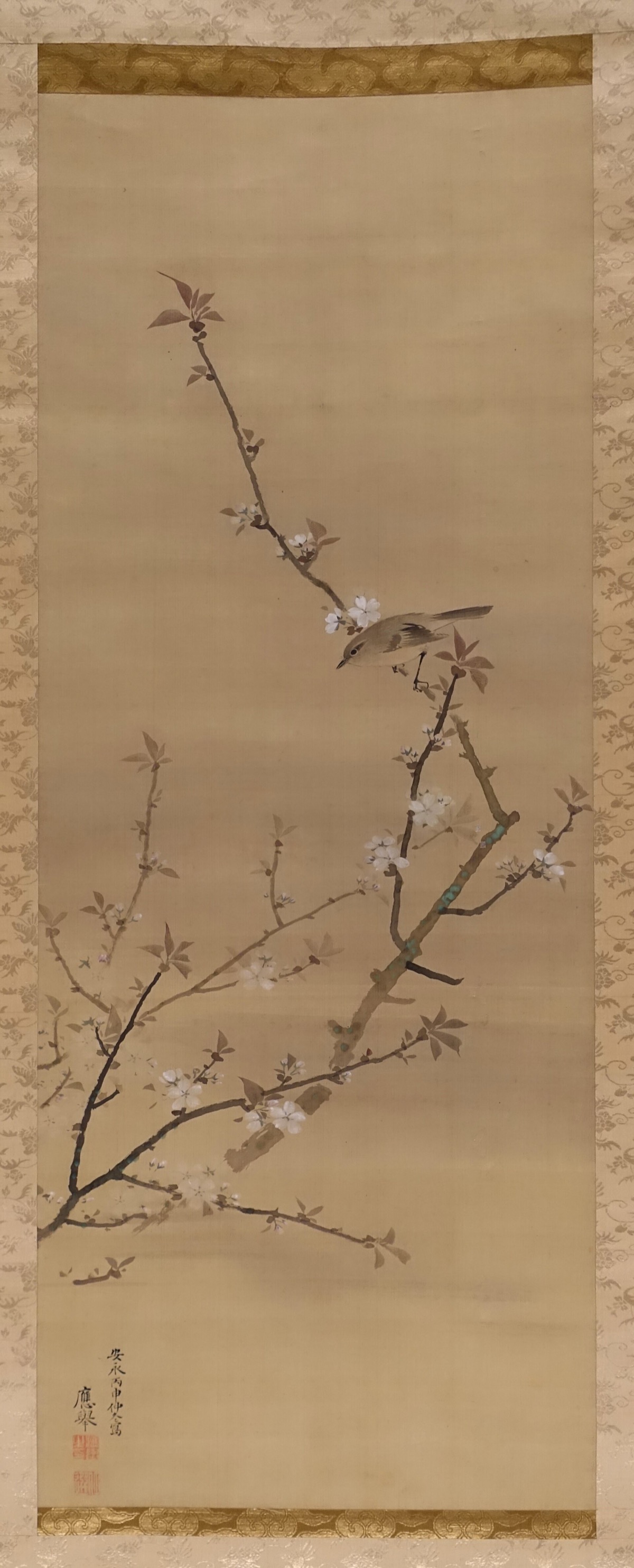
Painter, 1733 to 1795
Maruyama Ōkyo
A Kyoto painter who joined Western naturalism to East Asian brushwork and founded the Maruyama school.
Maruyama school. 1 work in 1 museum
See the artist
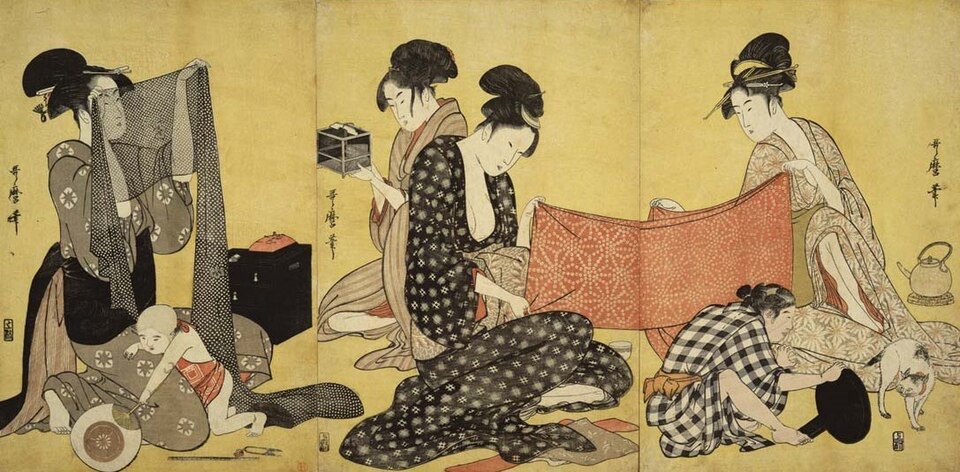
Picture: Kitagawa Utamaro, CC BY 4.0
Painter, 1753 to 1806
Kitagawa Utamaro
One of the most admired designers of ukiyo-e prints, known for his large-headed pictures of beautiful women.
Ukiyo-e. 1 work in 1 museum
See the artist
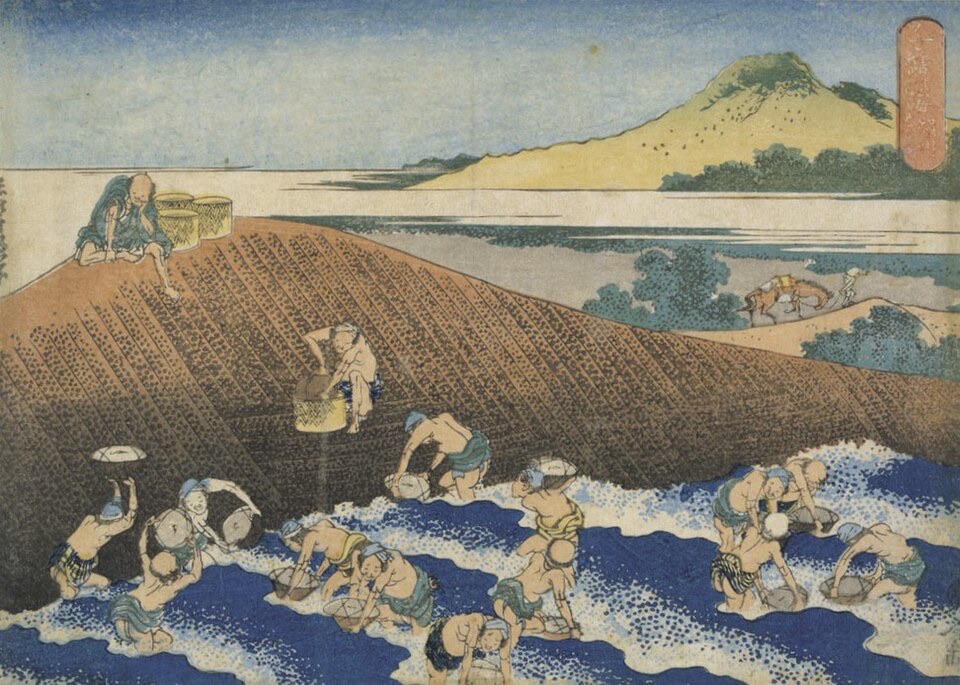
Picture: Katsushika Hokusai, CC BY 4.0
Painter, 1760 to 1849
Katsushika Hokusai
The ukiyo-e painter and printmaker of the Thirty-Six Views of Mount Fuji and the Great Wave, who turned the woodblock print to landscape.
Ukiyo-e. 1 work in 1 museum
See the artist
Painter, 1797 to 1858
Utagawa Hiroshige
The last great master of ukiyo-e, known for his landscape series of the Tōkaidō road and of Edo.
Ukiyo-e. 1 work in 1 museum
See the artist
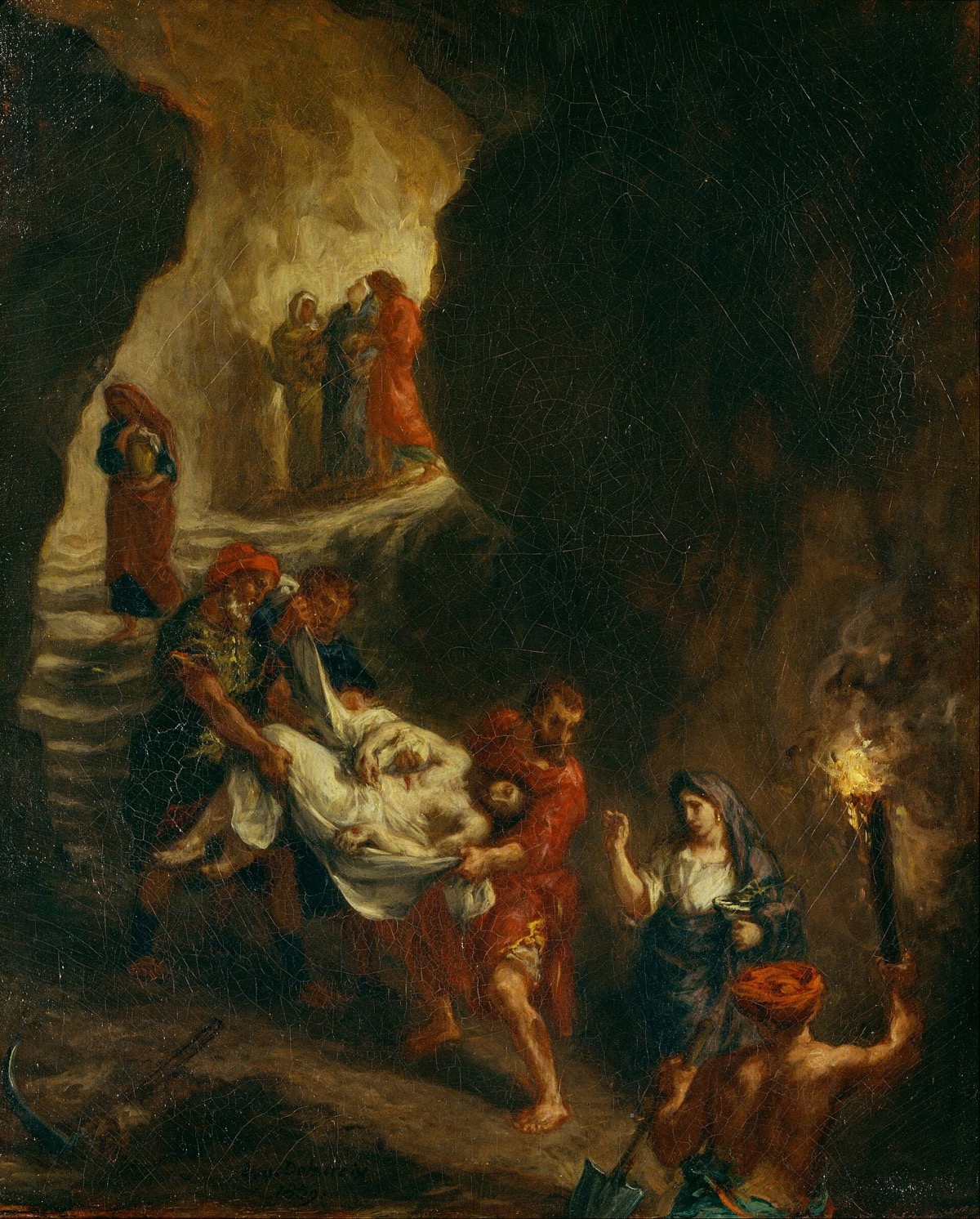
Painter, 1798 to 1863
Eugène Delacroix
The National Museum of Western Art has Delacroix's Christ Carried Down to the Tomb.
Romanticism. 1 work in 1 museum
See the artist
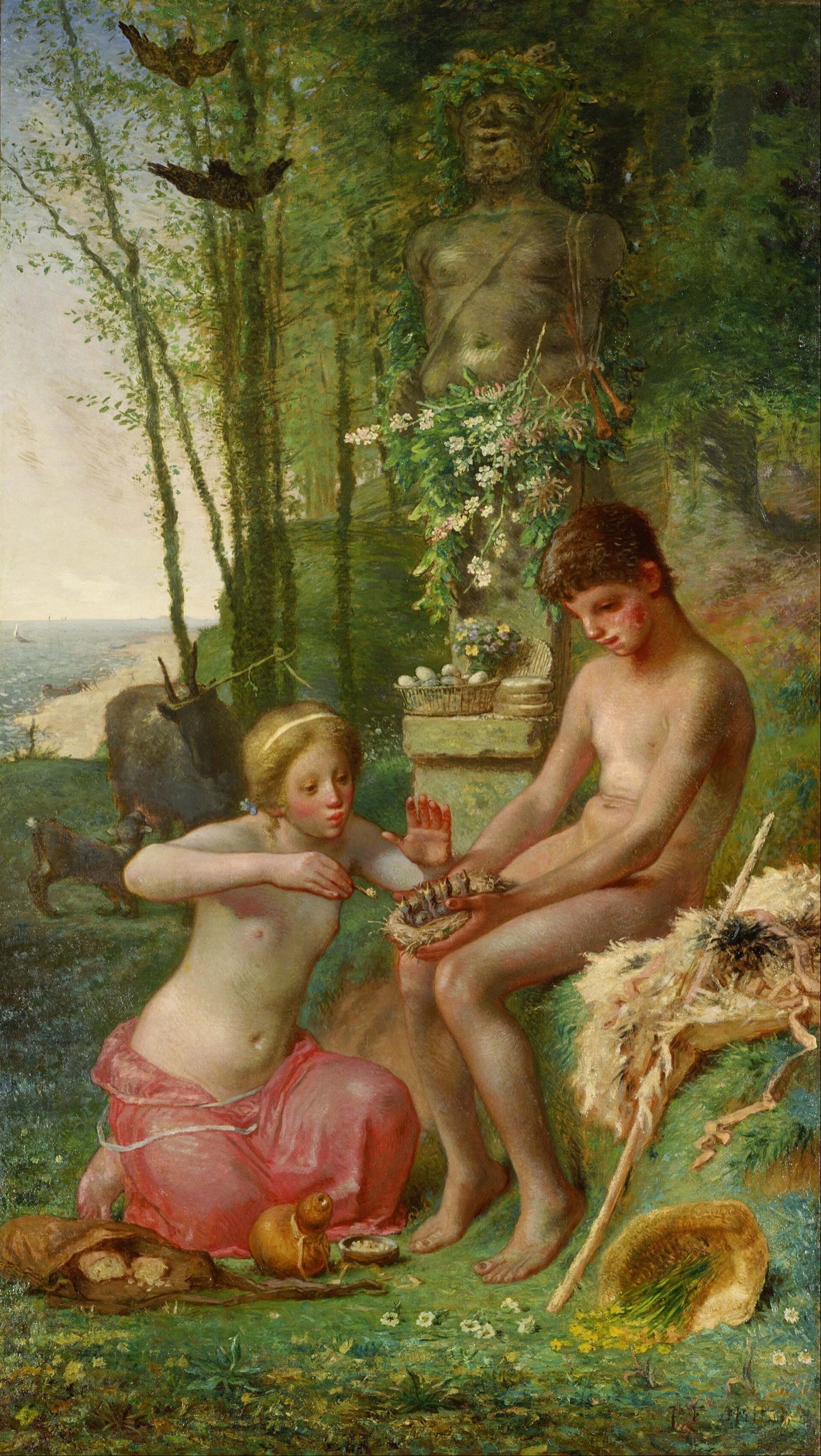
Painter, 1814 to 1875
Jean-François Millet
A founder of the Barbizon School, the painter of peasants at work in the fields of France.
Realism. 1 work in 1 museum
See the artist
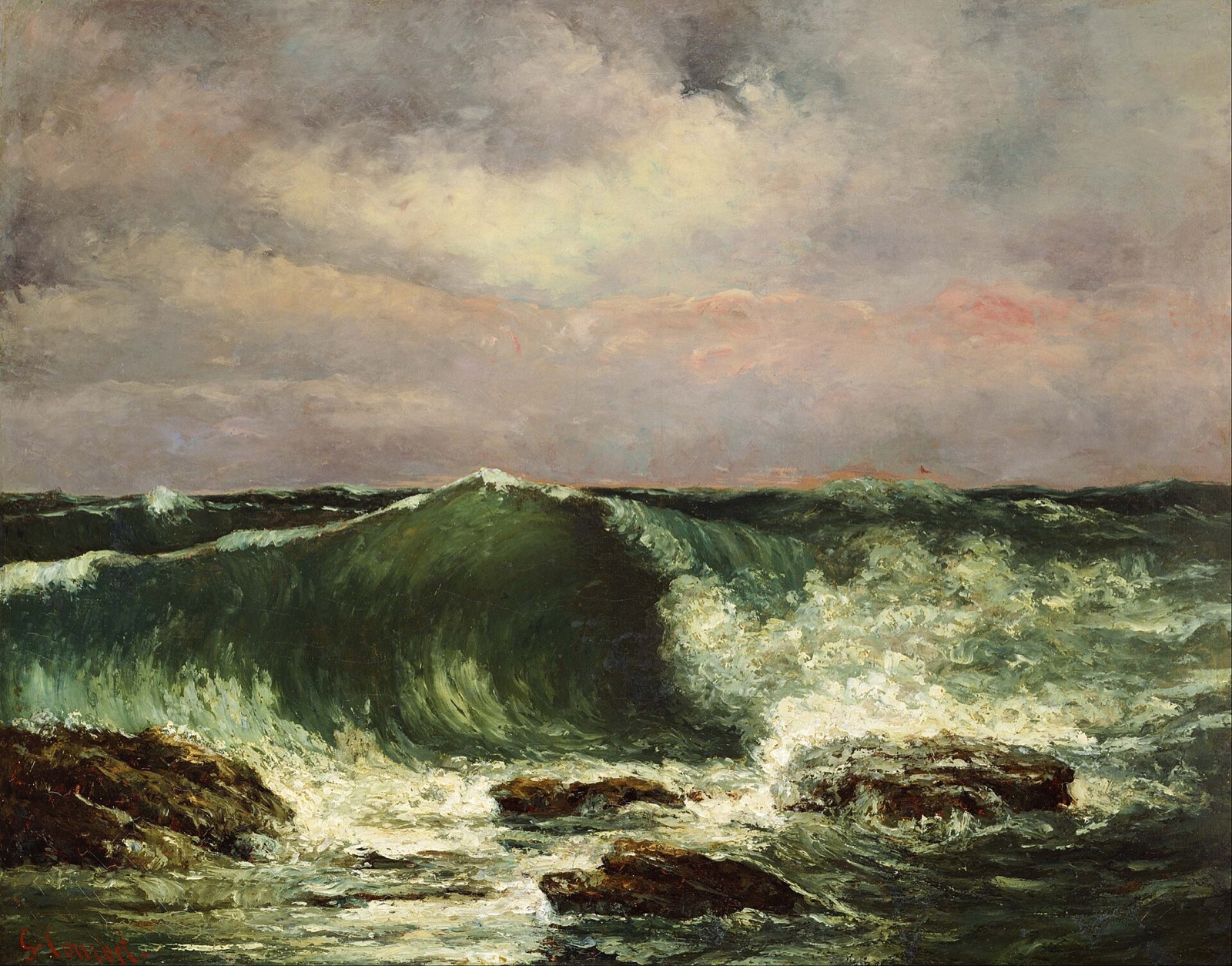
Painter, 1819 to 1877
Gustave Courbet
The National Museum of Western Art has one of Courbet's Waves, of about 1870.
Realism. 1 work in 1 museum
See the artist
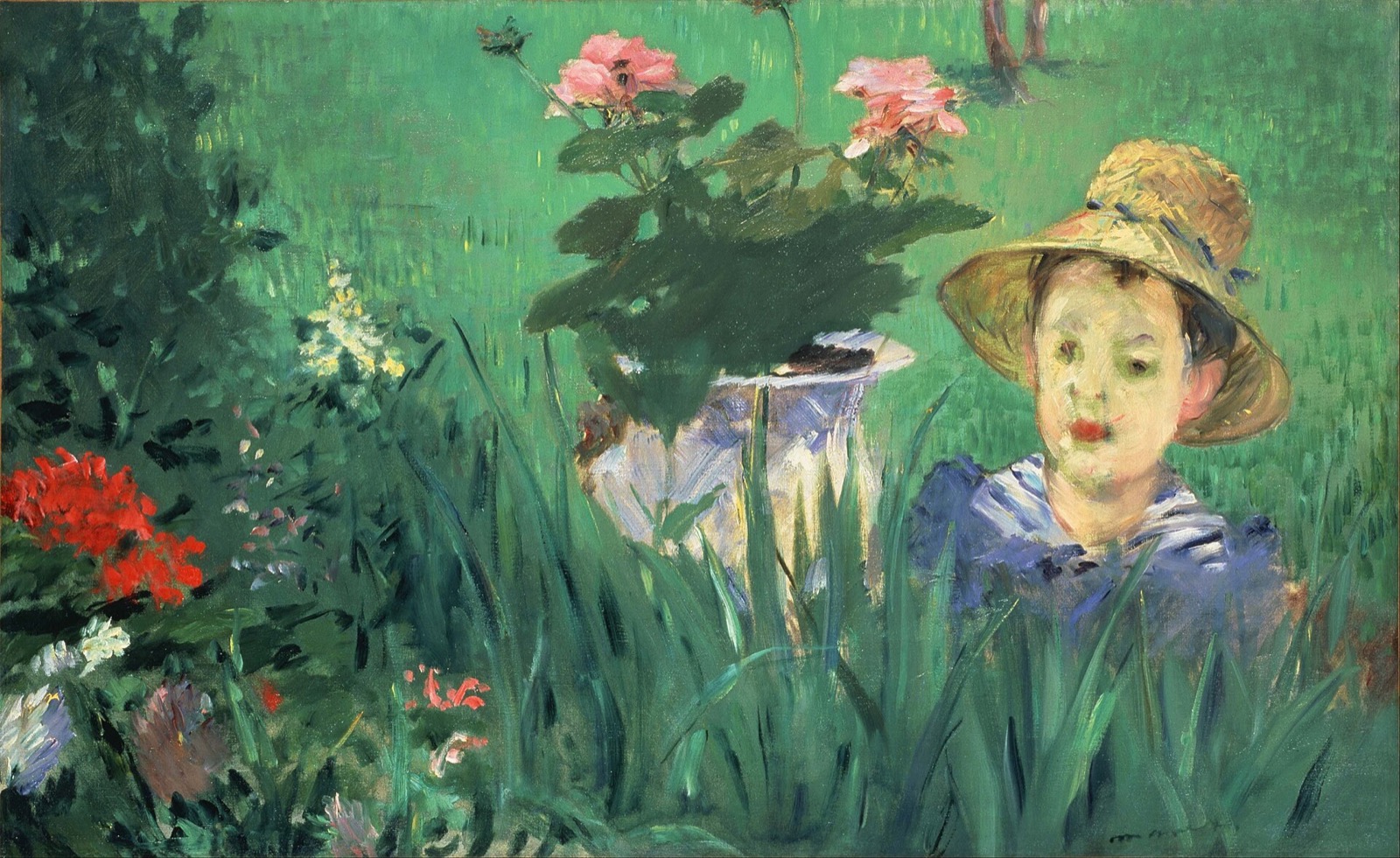
Painter, 1832 to 1883
Édouard Manet
The National Museum of Western Art has Manet's Boy in Flowers of 1876, a portrait of Jacques Hoschedé.
Realism and Impressionism. 1 work in 1 museum
See the artist
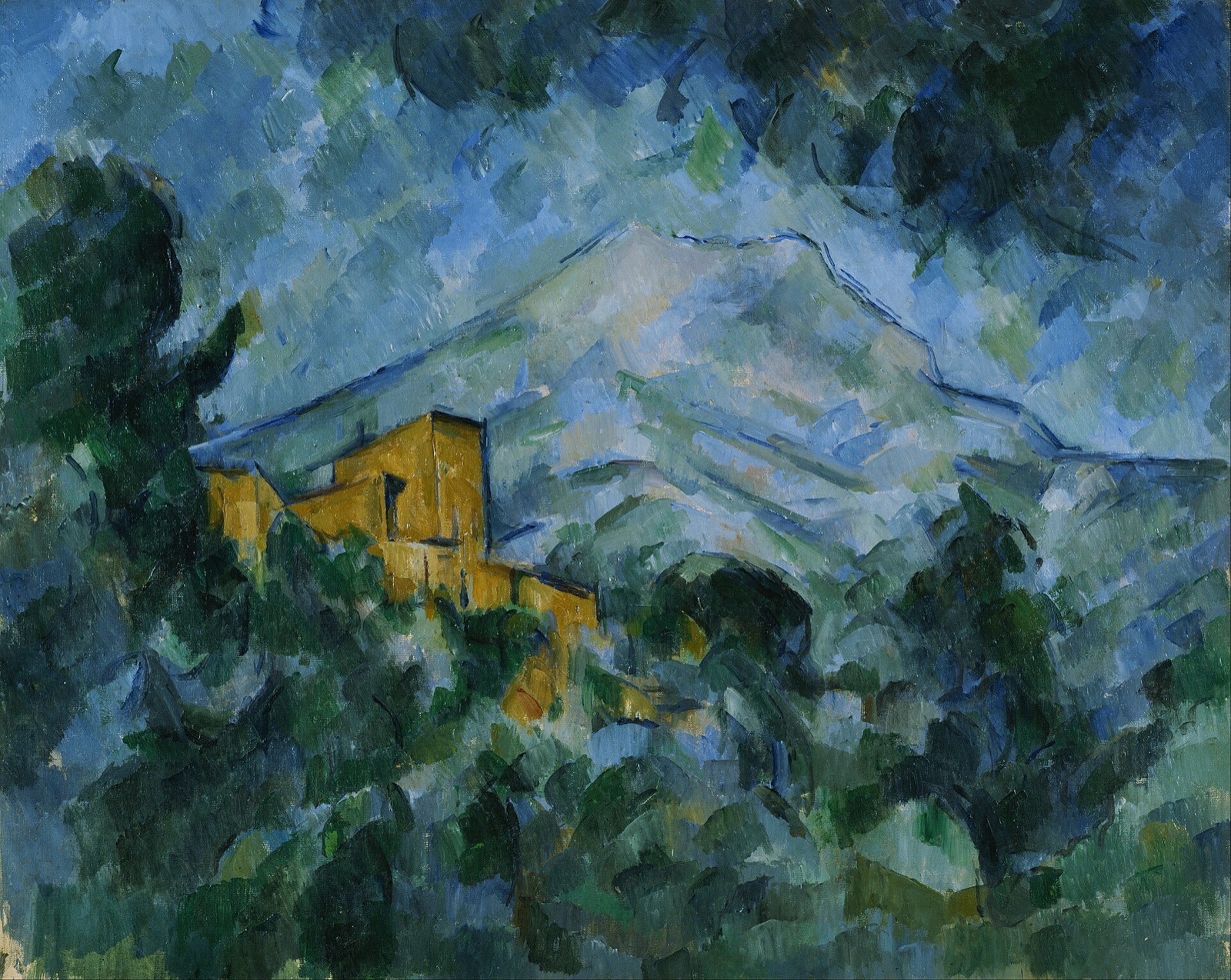
Painter, 1839 to 1906
Paul Cézanne
The Artizon Museum has Cézanne's Mont Sainte-Victoire and Château Noir, of about 1904.
Post-Impressionism. 1 work in 1 museum
See the artist
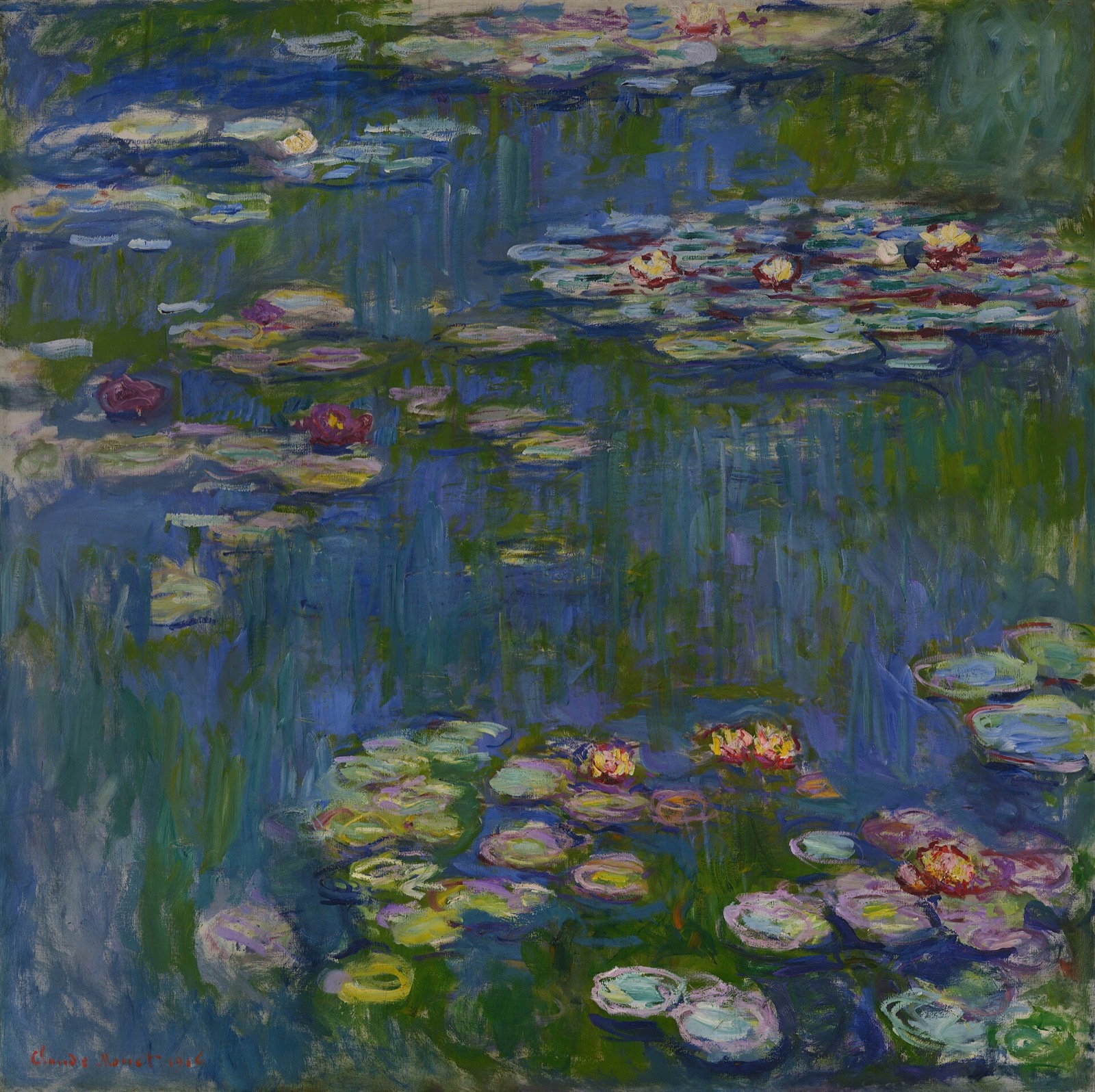
Painter, 1840 to 1926
Claude Monet
Kojiro Matsukata bought paintings from Monet himself at Giverny. The National Museum of Western Art has his Water Lilies.
Impressionism. 1 work in 1 museum
See the artist
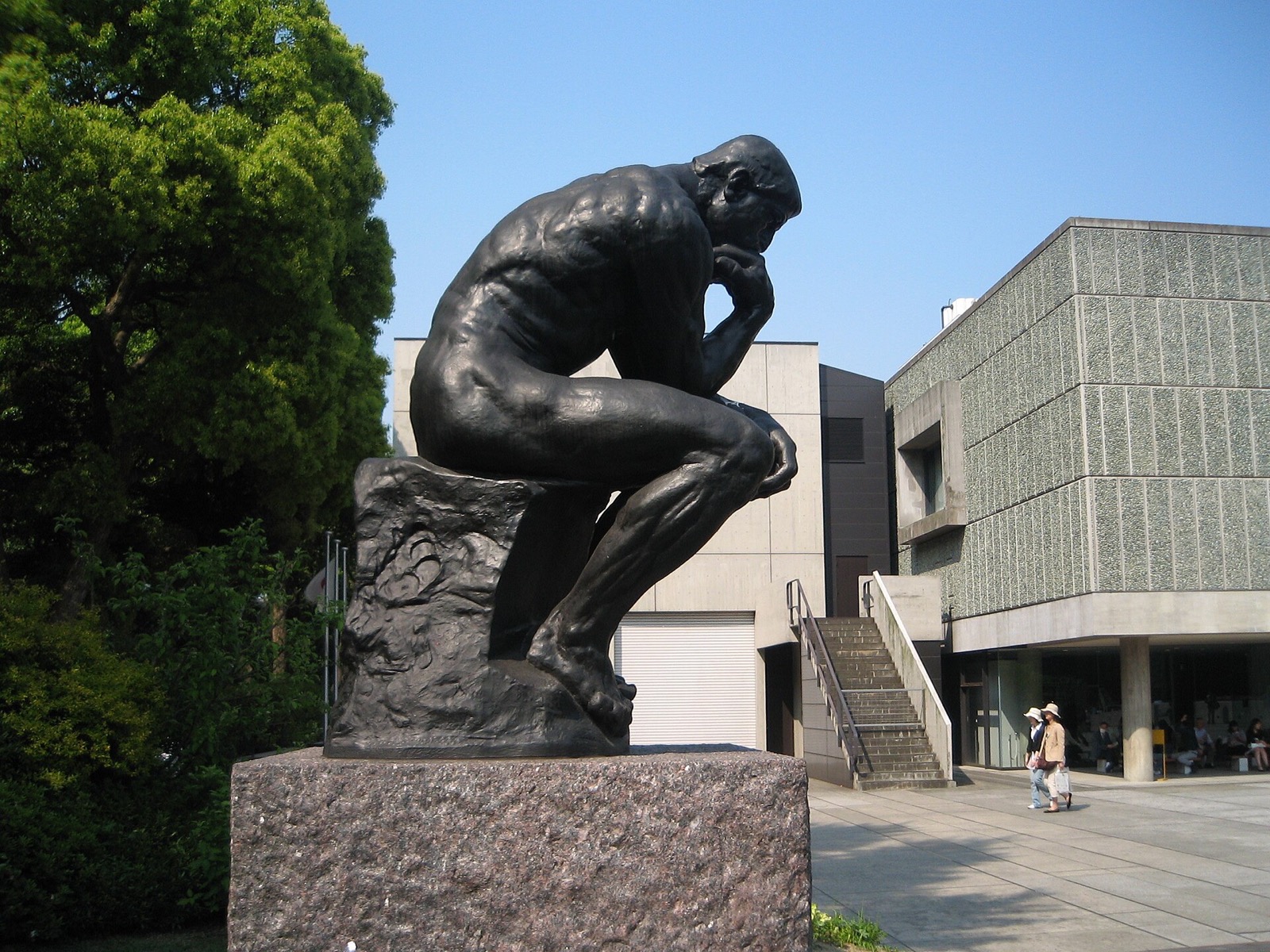
Picture: Roman Suzuki, CC BY 3.0
Sculptor, 1840 to 1917
Auguste Rodin
Rodin's sculpture greets visitors to the National Museum of Western Art: The Thinker, The Burghers of Calais and The Gates of Hell stand in its forecourt.
Modern sculpture. 2 works in 1 museum
See the artist
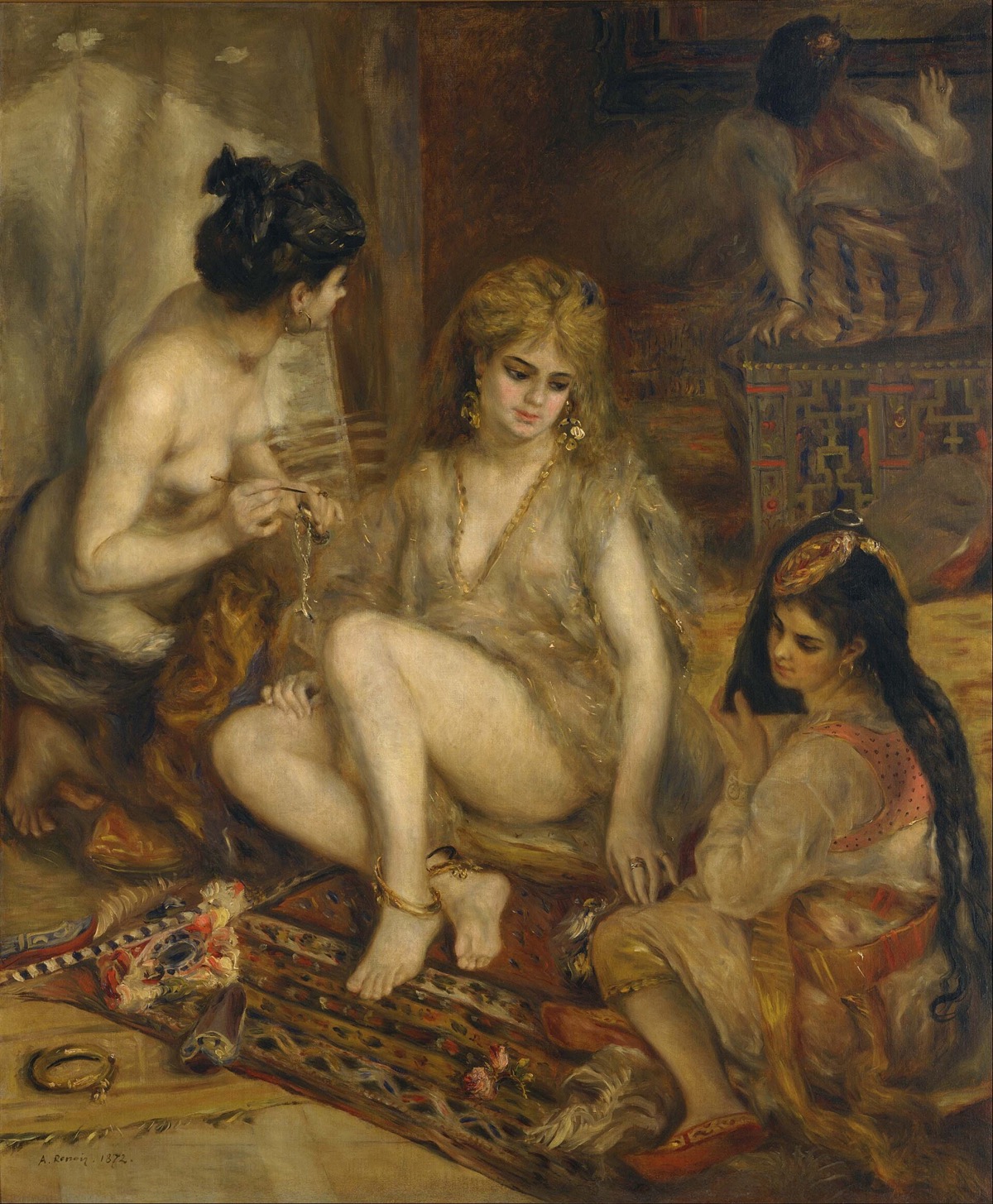
Painter, 1841 to 1919
Pierre-Auguste Renoir
The National Museum of Western Art has Renoir's Parisiennes in Algerian Costume of 1872.
Impressionism. 1 work in 1 museum
See the artist
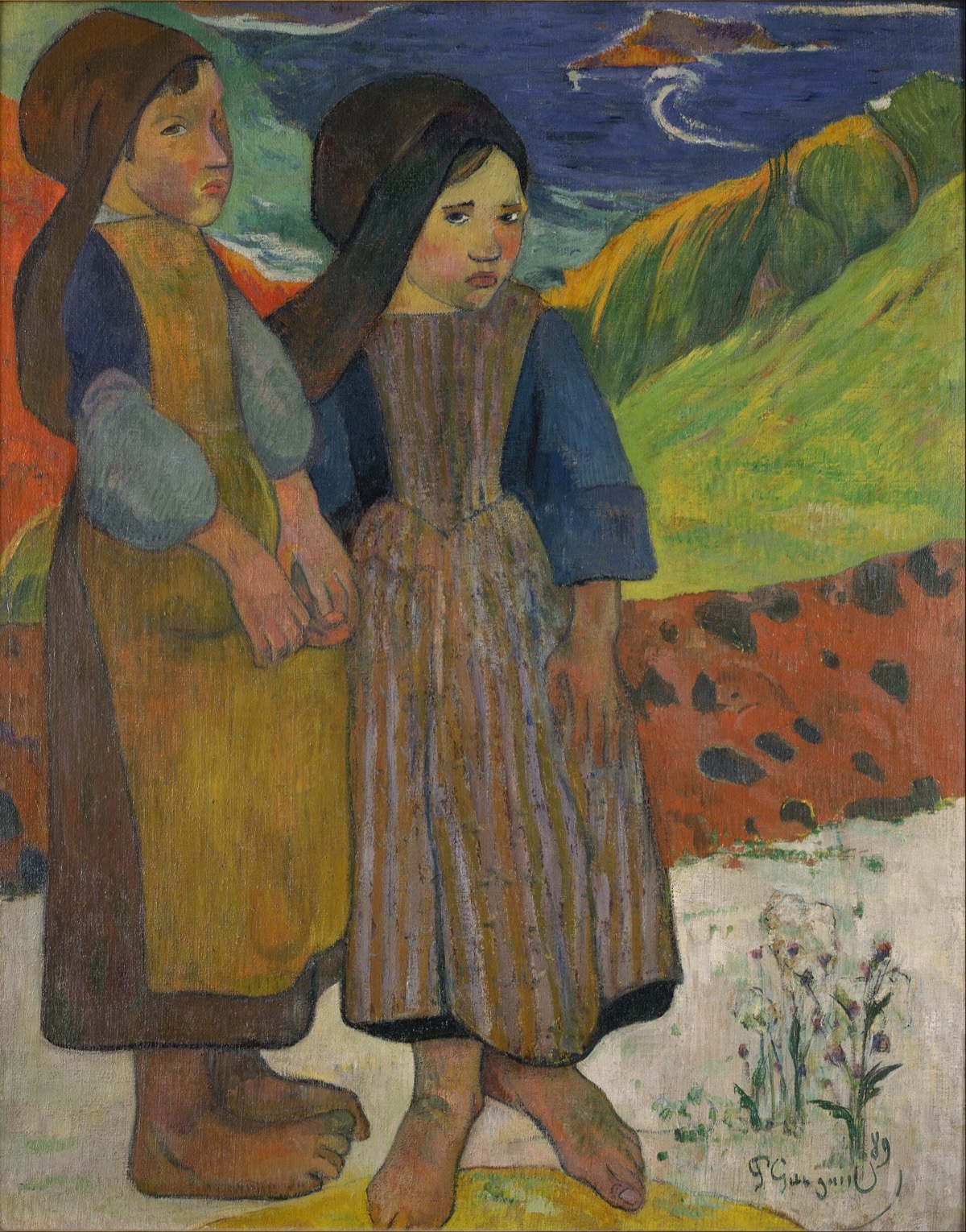
Painter, 1848 to 1903
Paul Gauguin
The National Museum of Western Art has Gauguin's Two Breton Girls by the Sea, painted in 1889.
Post-Impressionism. 1 work in 1 museum
See the artist
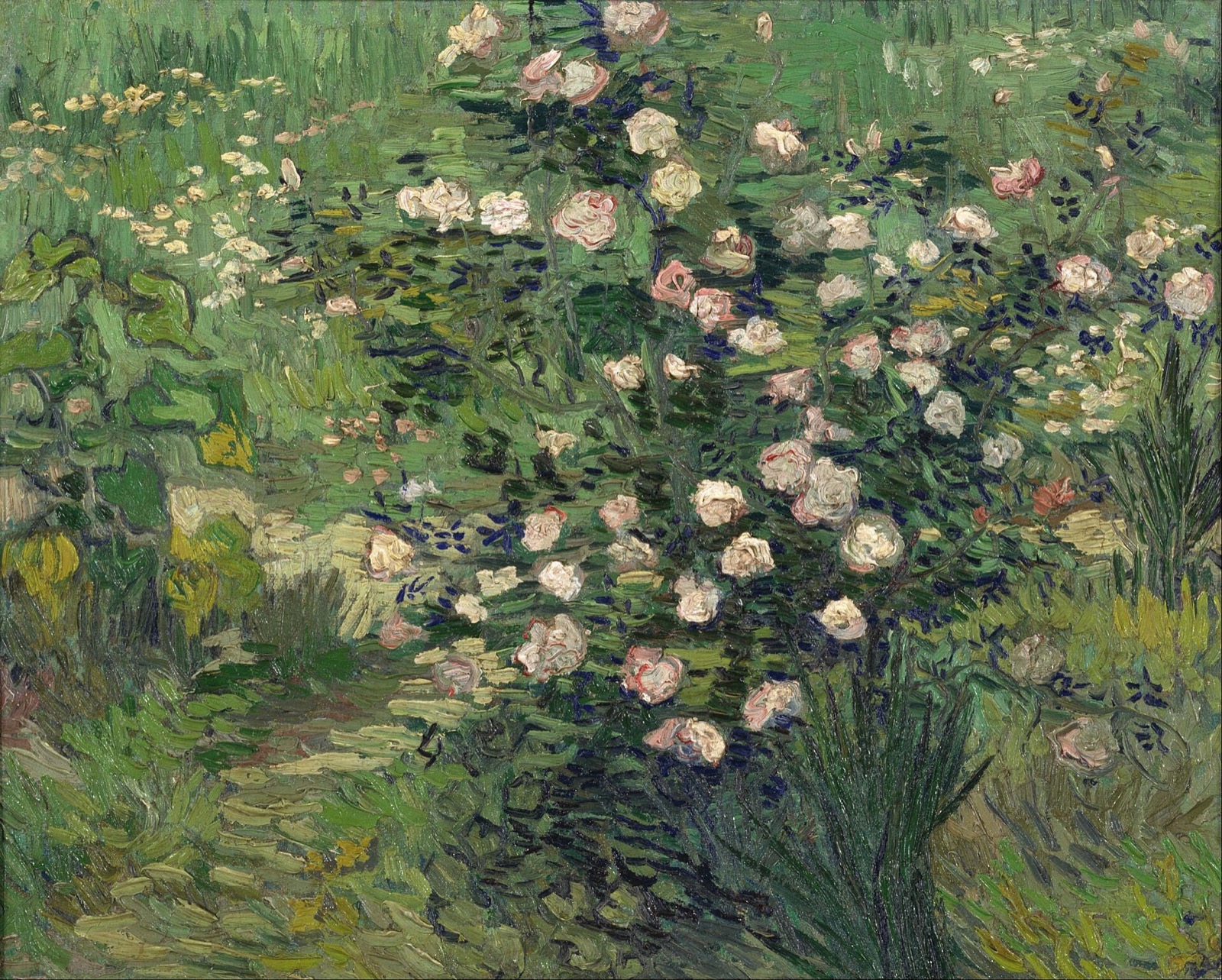
Painter, 1853 to 1890
Vincent van Gogh
The National Museum of Western Art has Van Gogh's Roses of 1889.
Post-Impressionism. 1 work in 1 museum
See the artist
When they lived
Each bar is a life, from birth to death, on one line of time. 470 years separate the birth of Sesshū Tōyō from the death of Vincent van Gogh, and 11 of the 20 were alive at the same moment, in 1848.
- Sesshū Tōyō1420 to 1506
- Hasegawa Tōhaku1539 to 1610
- Kanō Eitoku1543 to 1590
- Peter Paul Rubens1577 to 1640
- Ogata Kōrin1658 to 1716
- Suzuki Harunobu1725 to 1770
- Maruyama Ōkyo1733 to 1795
- Kitagawa Utamaro1753 to 1806
- Katsushika Hokusai1760 to 1849
- Utagawa Hiroshige1797 to 1858
- Eugène Delacroix1798 to 1863
- Jean-François Millet1814 to 1875
- Gustave Courbet1819 to 1877
- Édouard Manet1832 to 1883
- Paul Cézanne1839 to 1906
- Claude Monet1840 to 1926
- Auguste Rodin1840 to 1917
- Pierre-Auguste Renoir1841 to 1919
- Paul Gauguin1848 to 1903
- Vincent van Gogh1853 to 1890
Which museum holds whom
Each block is an artist with work on show in that place. The Tokyo National Museum has the masters of Japanese painting, Sesshū's Winter Landscape and Hasegawa Tōhaku's Pine Trees, and the Nezu Museum Ogata Kōrin's Irises, each shown for a few weeks a year. The National Museum of Western Art has Monet's Water Lilies and Rodin's Thinker, from the collection of Kojiro Matsukata.
How to read this page
The choice of artists is this site's: the most famous of those whose work is on show in the museums of Tokyo that it covers. They are in order of birth, which is not a ranking.
A work is listed where it is normally on show. Museums move their works between rooms, lend them and take them down for conservation, so before a special journey check with the museum.