Painter, 1658 to 1716
Ogata Kōrin
Kōrin was born in Kyoto into a rich family of textile merchants, and his eye for pattern came from their trade. He painted screens, designed fans, lacquer and textiles, and decorated the ceramics of his brother Kenzan. The school of decorative painting he revived is named after him: Rinpa, the school of Kōrin.
- Born
- 1658, Kyoto
- Died
- 1716, Kyoto
- Movement
- Rinpa
- In Tokyo
- 1 work in 1 museum
Where to see Ogata Kōrin in Tokyo
Each work with the museum it hangs in. Museums move and lend their works, so check before a special journey.
Nezu Museum1 work
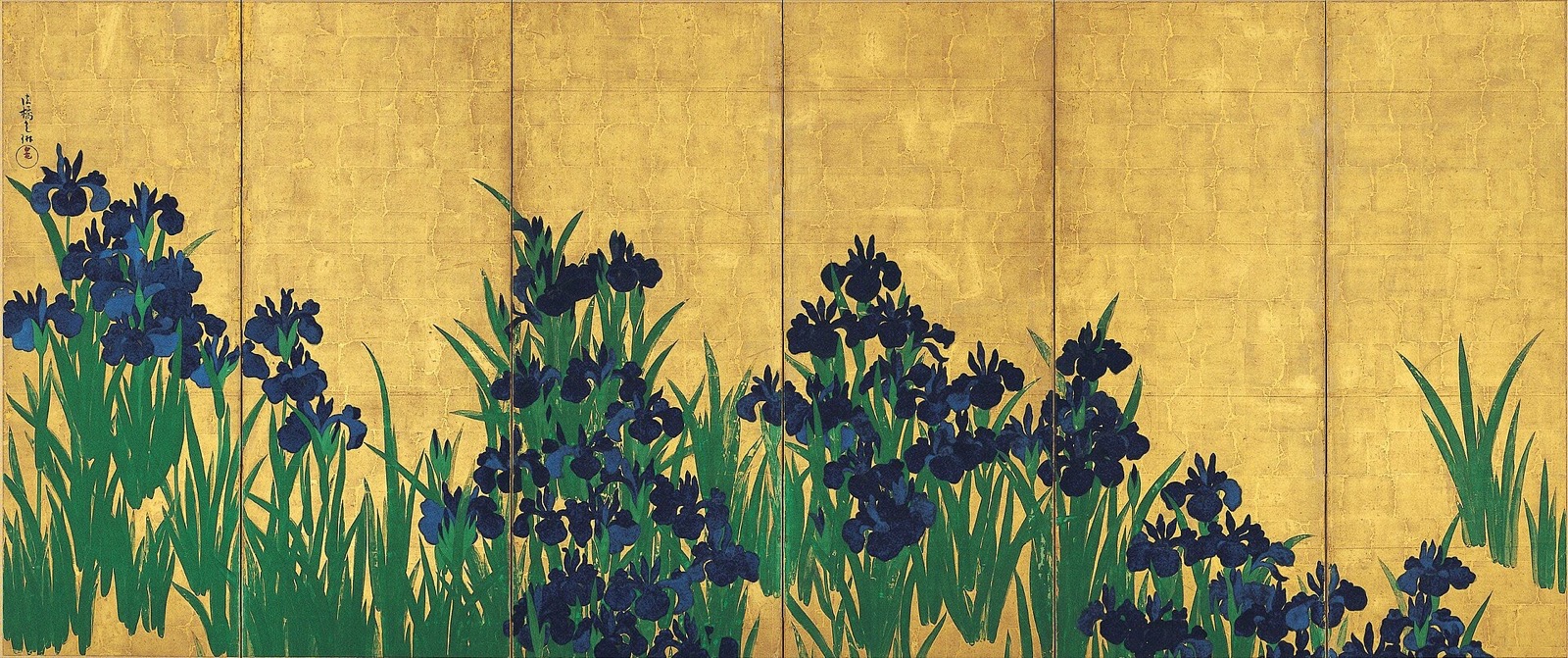
Irises
eighteenth century
A pair of six-panel screens of blue irises on gold, a National Treasure, shown only for short periods.
The life of Ogata Kōrin
His Irises, a pair of six-panel screens, sets clumps of blue irises against plain gold, repeated like a pattern on cloth.
The Nezu Museum shows them for a few weeks a year, usually in spring.
What to know
- The painter who gave Rinpa its name
- A designer of textiles and lacquer
- His Irises are in the Nezu Museum
- Born
- 1658, Kyoto
- Died
- 2 June 1716, Kyoto
Ogata Kōrin: common questions
- Where can you see Ogata Kōrin in Tokyo?
- At the Nezu Museum: Irises. Museums move and lend their works, so check before a special journey.
- What is Ogata Kōrin's most famous work in Tokyo?
- Irises, of eighteenth century, at the Nezu Museum. A pair of six-panel screens of blue irises on gold, a National Treasure, shown only for short periods.
- When and where was Ogata Kōrin born?
- In 1658, at Kyoto. Ogata Kōrin died on 2 June 1716, at Kyoto, aged about 58.
- What is Ogata Kōrin known for?
- The painter who gave Rinpa its name. A designer of textiles and lacquer. His Irises are in the Nezu Museum. Ogata Kōrin was a Japanese painter, of Rinpa.
Tickets and tours: Ogata Kōrin in Tokyo
Things to do near the Nezu Museum
The nearest of this site's best things to do in the city. Distances are in a straight line.
- 10See contemporary art on the 53rd floor at the Mori Art Museum1.1 km awayMuseum, 1.5 to 2.5 hours, ticket
- 16Shop the street fashion of Harajuku1.5 km awayWalk, 1 to 2.5 hours, free; a guided walk
- 5Cross the Shibuya scramble1.5 km awayWalk, 1 to 2 hours, free; a guided walk
- 3Walk through the forest to the Meiji Shrine2.2 km awayChurch, 1 to 2 hours, free; a guided walk
Where to eat near the Nezu Museum
The nearest of the famous tables this site lists in Tokyo. Distances are in a straight line.
- Tonkatsu Maisen Aoyama4.4Restaurant, Jingumae800 m away
- Afuri Ebisu4.3Ramen shop, Ebisu1.7 km away
- Toraya Akasaka4.5Sweet shop, Akasaka2.0 km away
- Fuunji4.3Ramen shop, Yoyogi3.3 km away
Hotels near the Nezu Museum
The hotels closest to it, of those this site lists in Tokyo. Distances are in a straight line.
- Grand Hyatt Tokyo4.4Five-star hotel, Roppongi1.0 km away
- The Ritz-Carlton, Tokyo4.5Five-star hotel, Akasaka1.3 km away
- The Okura Tokyo4.4Five-star hotel, Toranomon2.5 km away
- The Capitol Hotel Tokyu4.5Five-star hotel, Nagatacho2.5 km away
Other artists
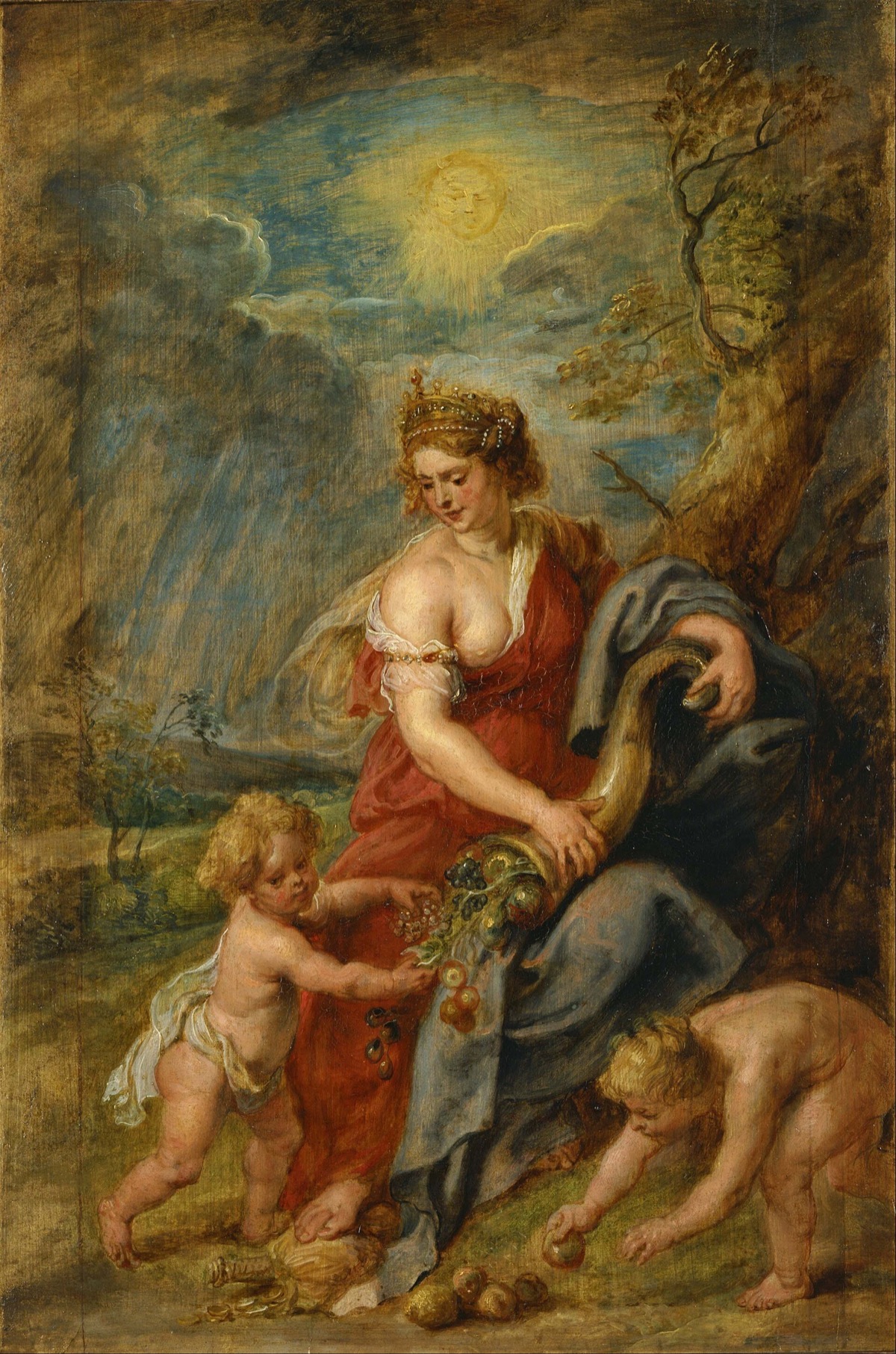
Painter, 1577 to 1640
Peter Paul Rubens
The National Museum of Western Art has Rubens's Abundance, of about 1630.
Baroque. 1 work in 1 museum
See the artist
Painter, 1725 to 1770
Suzuki Harunobu
The ukiyo-e designer who made the first full-colour woodblock prints, in 1765.
Ukiyo-e. 1 work in 1 museum
See the artist
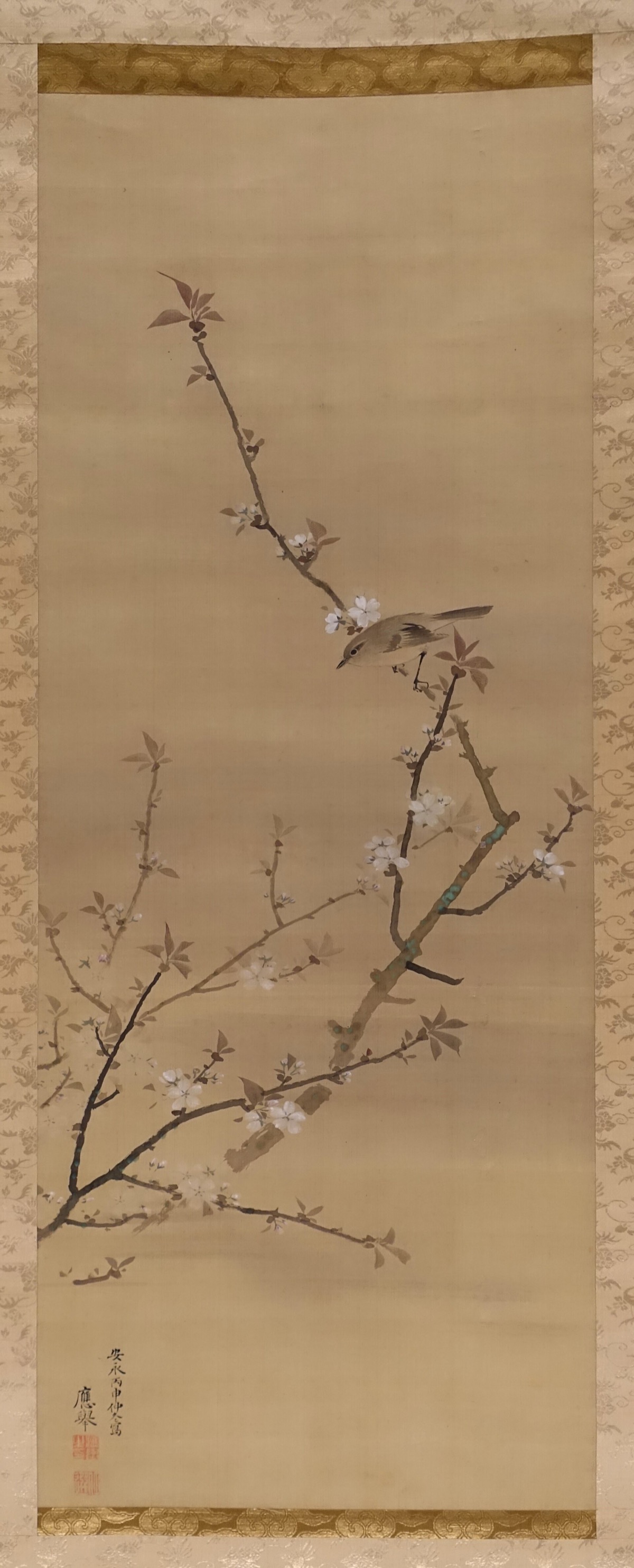
Painter, 1733 to 1795
Maruyama Ōkyo
A Kyoto painter who joined Western naturalism to East Asian brushwork and founded the Maruyama school.
Maruyama school. 1 work in 1 museum
See the artist