Painter, 1390 to 1441
Jan van Eyck
Van Eyck painted an old man in a red robe, his face drawn wrinkle by wrinkle, about 1435. He has long been called Cardinal Niccolò Albergati, though the name is not certain. The portrait is in the Kunsthistorisches Museum.
- Born
- 1390, probably Maaseik, in what is now Belgium
- Died
- 1441, Bruges
- Movement
- Early Netherlandish painting
- In Vienna
- 1 work in 1 museum
Where to see Jan van Eyck in Vienna
Each work with the museum it hangs in. Museums move and lend their works, so check before a special journey.
Kunsthistorisches Museum1 work
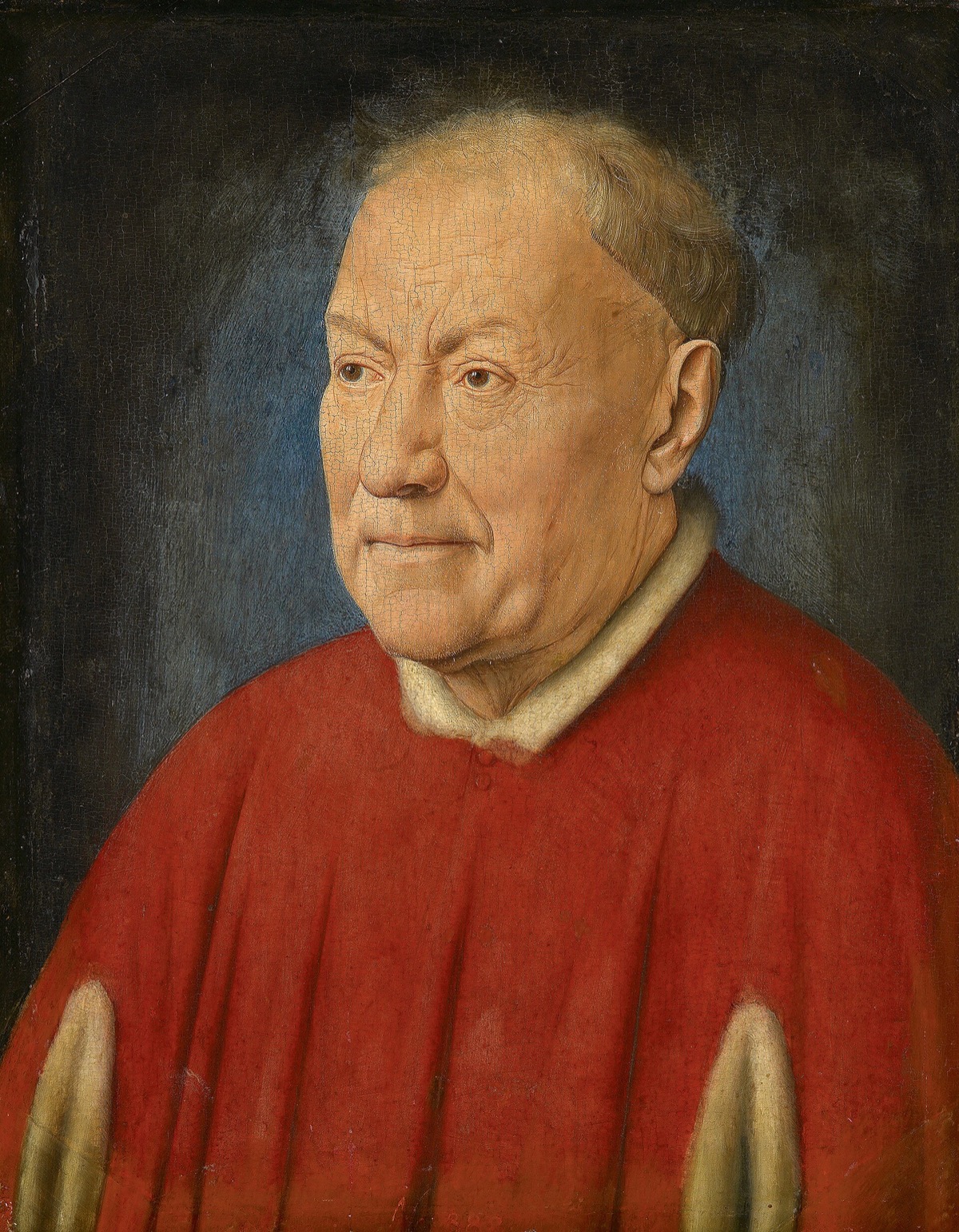
Portrait of Cardinal Niccolò Albergati
about 1435
An old man in a red robe trimmed with fur.
The life of Jan van Eyck
Jan van Eyck was court painter to Philip the Good, Duke of Burgundy, who sent him on secret journeys and paid him a salary for life. He settled in Bruges about 1430 and died there in 1441. Some twenty paintings by him are accepted today.
He signed and dated his pictures, which almost no painter of his time did, and often added a motto in Greek letters that means: as I can.
What to know
- Portrait of Cardinal Niccolò Albergati, about 1435
- In the Kunsthistorisches Museum
- Born
- About 1390, probably Maaseik, in what is now Belgium
- Died
- 1441, Bruges
Jan van Eyck: common questions
- Where can you see Jan van Eyck in Vienna?
- At the Kunsthistorisches Museum: Portrait of Cardinal Niccolò Albergati. Museums move and lend their works, so check before a special journey.
- What is Jan van Eyck's most famous work in Vienna?
- Portrait of Cardinal Niccolò Albergati, of about 1435, at the Kunsthistorisches Museum. An old man in a red robe trimmed with fur.
- When and where was Jan van Eyck born?
- About 1390, at probably Maaseik, in what is now Belgium. Jan van Eyck died in 1441, at Bruges, aged about 51.
- What is Jan van Eyck known for?
- Portrait of Cardinal Niccolò Albergati, about 1435. In the Kunsthistorisches Museum. Jan van Eyck was a Netherlandish painter, of Early Netherlandish painting.
Tickets and tours: Jan van Eyck in Vienna
Things to do near the Kunsthistorisches Museum
The nearest of this site's best things to do in the city. Distances are in a straight line.
- 7See Schiele and Klimt at the Leopold Museum250 m awayMuseum, 1.5 to 2.5 hours, ticket
- 8See the crown of the Holy Roman Empire in the Imperial Treasury450 m awayMuseum, 1 to 1.5 hours, ticket with a time
- 10See Klimt's Beethoven Frieze at the Secession450 m awayMuseum, 45 to 75 minutes, ticket at the door
- 6See Dürer's Hare and the Monets of the Albertina500 m awayMuseum, 1.5 to 2.5 hours, ticket
Where to eat near the Kunsthistorisches Museum
The nearest of the famous tables this site lists in Vienna. Distances are in a straight line.
- Café Sperl4.0Café, Gumpendorfer Straße450 m away
- Café Museum4.3Café, Karlsplatz500 m away
- Café Mozart4.1Café, Albertinaplatz600 m away
- Café Sacher3.9Café, State Opera600 m away
Hotels near the Kunsthistorisches Museum
The hotels closest to it, of those this site lists in Vienna. Distances are in a straight line.
- Hotel Sacher Wien4.5Five-star hotel, State Opera600 m away
- The Amauris Vienna4.9Five-star hotel, Innere Stadt700 m away
- Grand Hotel Wien4.6Five-star hotel, Kärntner Ring800 m away
- Hotel Kaiserin Elisabeth4.6Four-star hotel, Innere Stadt850 m away
Other artists
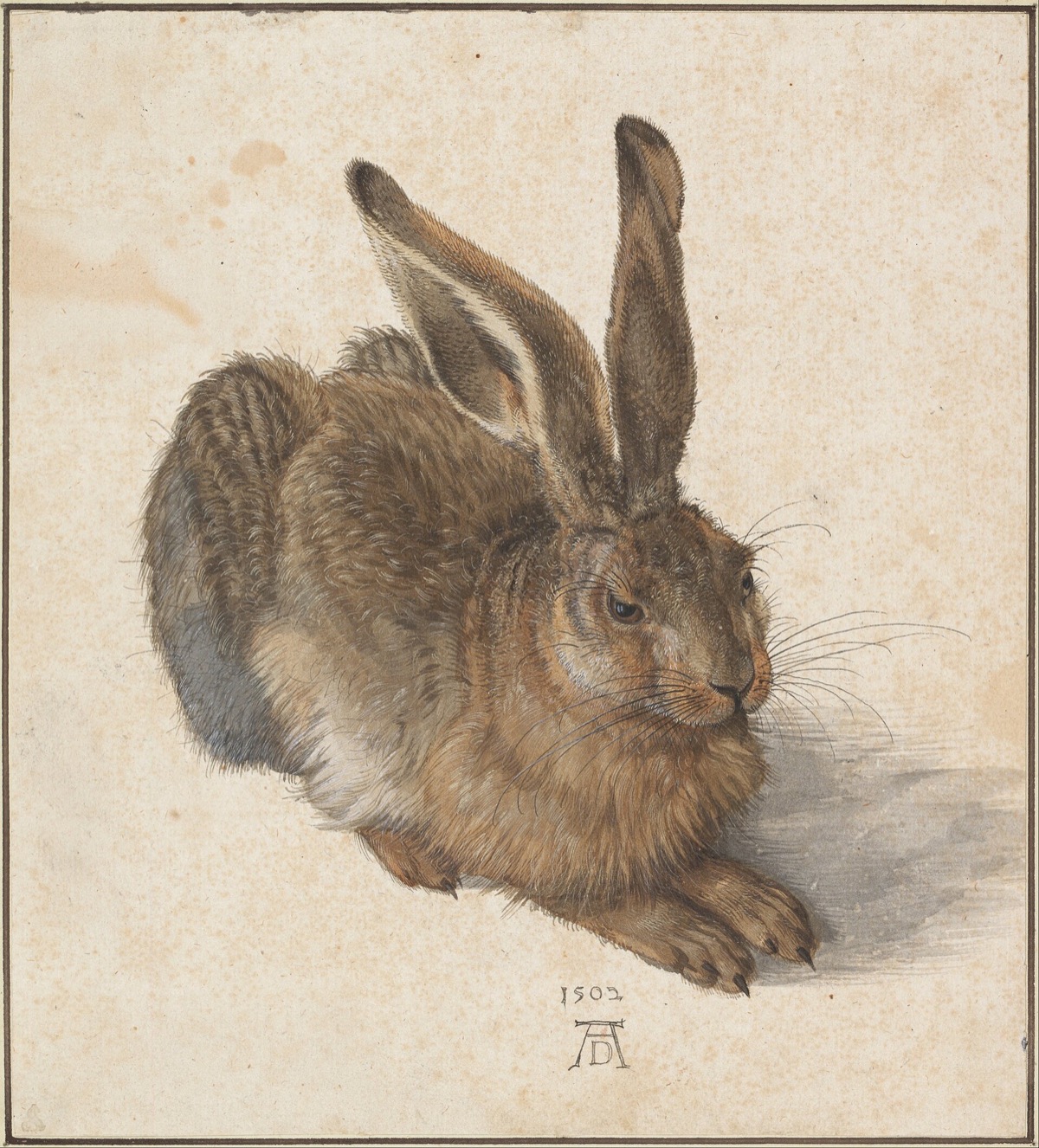
Painter, 1471 to 1528
Albrecht Dürer
Vienna has Dürer's most famous drawings, the Young Hare and the Great Piece of Turf, at the Albertina, and his Adoration of the Trinity at the Kunsthistorisches Museum.
Northern Renaissance. 3 works in 2 museums
See the artist
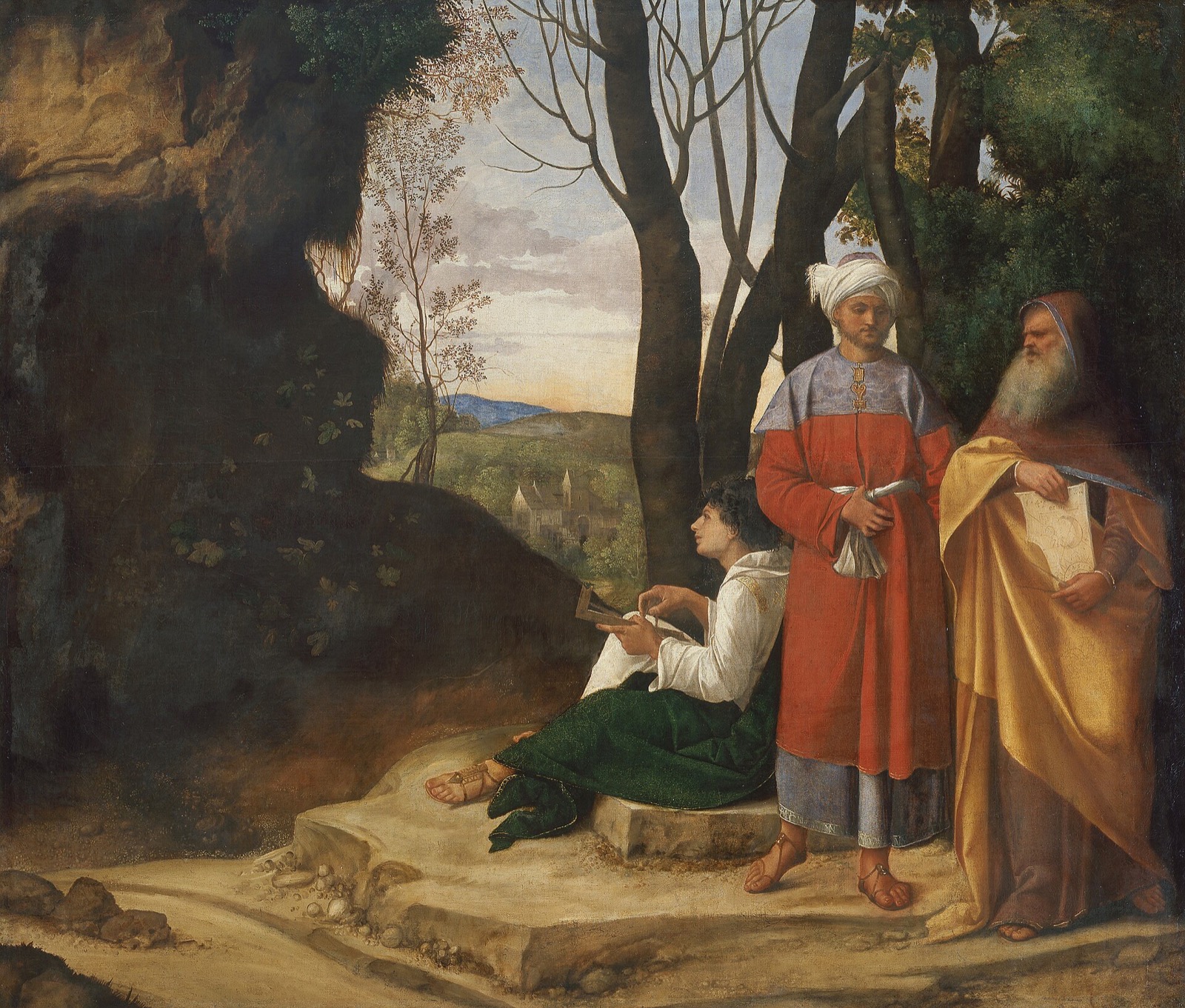
Painter, 1477 to 1510
Giorgione
The Kunsthistorisches Museum has Giorgione's Three Philosophers, one of the few paintings surely his.
Venetian Renaissance. 1 work in 1 museum
See the artist