Painter, 1853 to 1918
Ferdinand Hodler
Ferdinand Hodler was born in Bern in 1853, the eldest of six children of a poor carpenter, and lost his parents to tuberculosis as a boy. At eighteen he walked to Geneva to become a painter. His early portraits and landscapes are realist; later he found a Symbolism of his own, built on repeated, mirrored figures, which he called parallelism.
- Born
- 1853, Bern
- Died
- 1918, Geneva
- Movement
- Symbolism
- In Zurich
- 2 works in 1 museum
Where to see Ferdinand Hodler in Zurich
Each work with the museum it hangs in. Museums move and lend their works, so check before a special journey.
Kunsthaus Zürich2 works
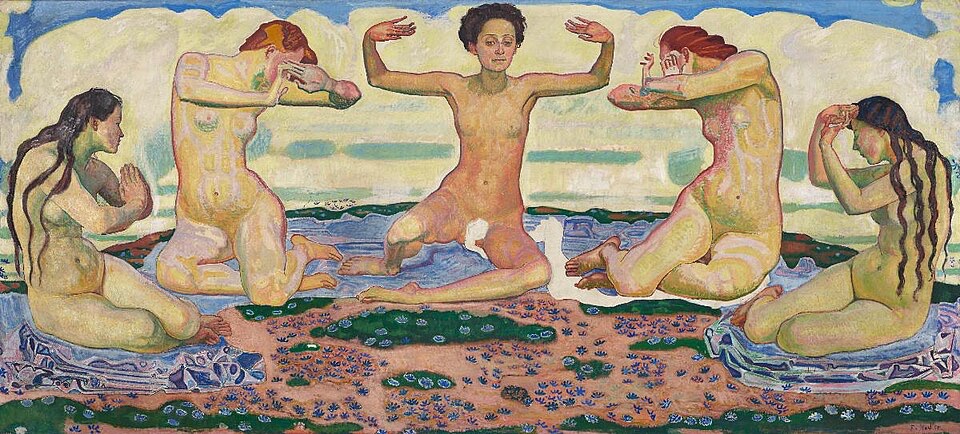
The Day
1905
Five women seated in a row on a meadow, raising their arms to the light.
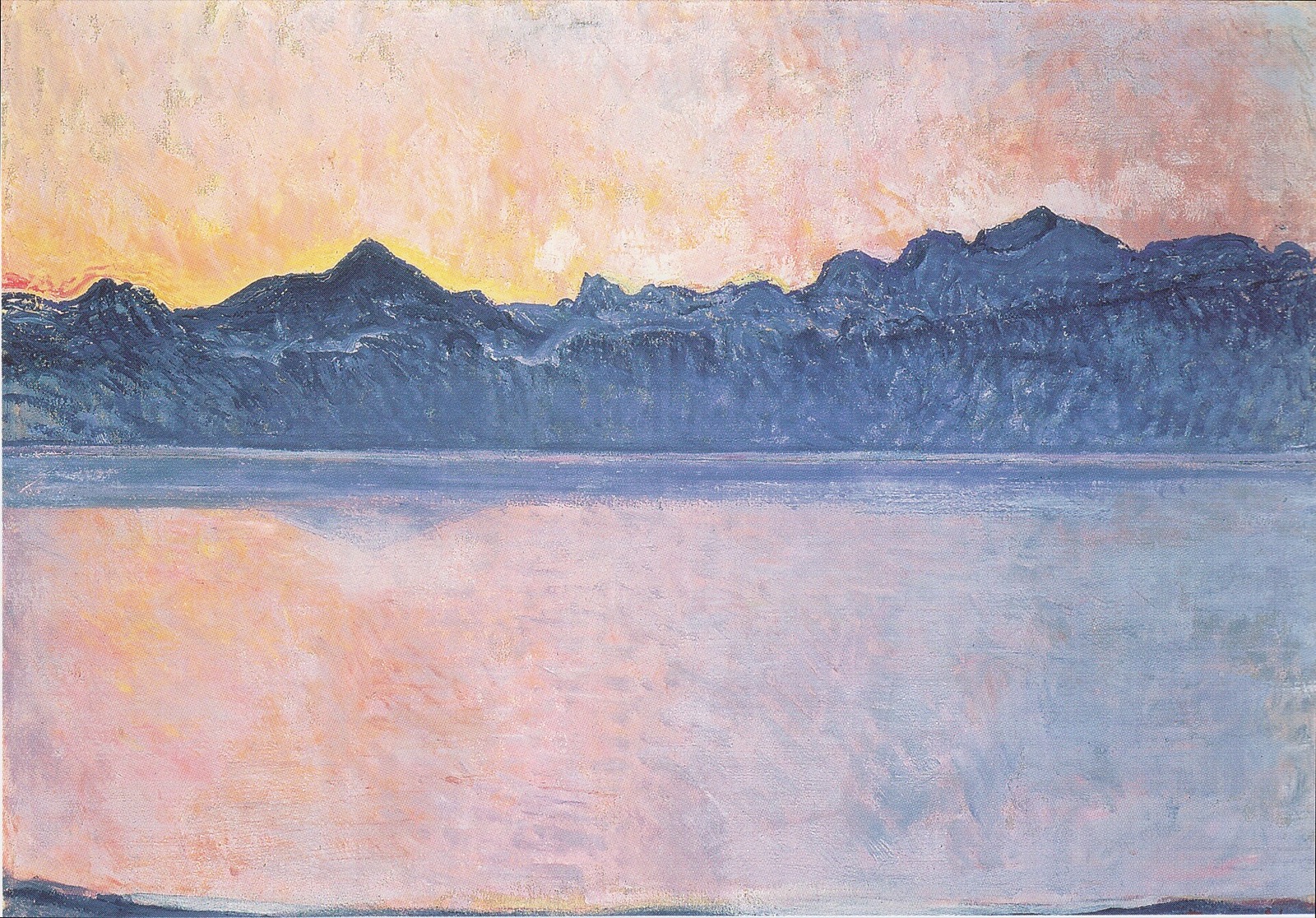
Lake Geneva with Mont Blanc in the Morning Light
1918
The lake and the mountains in pale pink and blue, from his last year.
The life of Ferdinand Hodler
In 1875 he went to Basel to study Holbein, above all the Dead Christ in the Tomb, which marked his many paintings of death.
His lakes and mountains, Lake Geneva above all, are laid out in bands of colour, as calm as his figures are solemn.
What to know
- Parallelism
- Lake Geneva and the Alps
- The Day
- Born
- 14 March 1853, Bern
- Died
- 19 May 1918, Geneva
Ferdinand Hodler: common questions
- Where can you see Ferdinand Hodler in Zurich?
- At the Kunsthaus Zürich: The Day and Lake Geneva with Mont Blanc in the Morning Light. Museums move and lend their works, so check before a special journey.
- What is Ferdinand Hodler's most famous work in Zurich?
- The Day, of 1905, at the Kunsthaus Zürich. Five women seated in a row on a meadow, raising their arms to the light.
- When and where was Ferdinand Hodler born?
- On 14 March 1853, at Bern. Ferdinand Hodler died on 19 May 1918, at Geneva, aged about 65.
- What is Ferdinand Hodler known for?
- Parallelism. Lake Geneva and the Alps. The Day. Ferdinand Hodler was a Swiss painter, of Symbolism.
Tickets and tours: Ferdinand Hodler in Zurich
Things to do near the Kunsthaus
The nearest of this site's best things to do in the city. Distances are in a straight line.
- 14Visit the Cabaret Voltaire, where Dada began400 m awayShow, 30 to 90 minutes, free to enter the bar; events vary
- 3See the twin towers of the Grossmünster, where Zwingli preached400 m awayChurch, 30 to 60 minutes, free to enter
- 5Walk the old town to the Lindenhof600 m awayWalk, 1.5 to 2.5 hours, free; a guided walk with a ticket
- 13See the largest church clock face in Europe at St. Peter650 m awayChurch, 20 to 40 minutes, free
Where to eat near the Kunsthaus
The nearest of the famous tables this site lists in Zurich. Distances are in a straight line.
- Bodega Española4.3Bodega, old town350 m away
- Rechberg 18374.6Restaurant, old town400 m away
- Zunfthaus zur Schmiden4.7Guild house, old town400 m away
- Zunfthaus zur Zimmerleuten4.3Guild house, old town450 m away
Hotels near the Kunsthaus
The hotels closest to it, of those this site lists in Zurich. Distances are in a straight line.
- Hotel Helmhaus4.7Four-star hotel, old town450 m away
- Storchen Zürich4.6Five-star hotel, old town550 m away
- Widder Hotel4.7Five-star hotel, old town700 m away
- Mandarin Oriental Savoy, Zurich4.6Five-star hotel, City quarter700 m away
Other artists
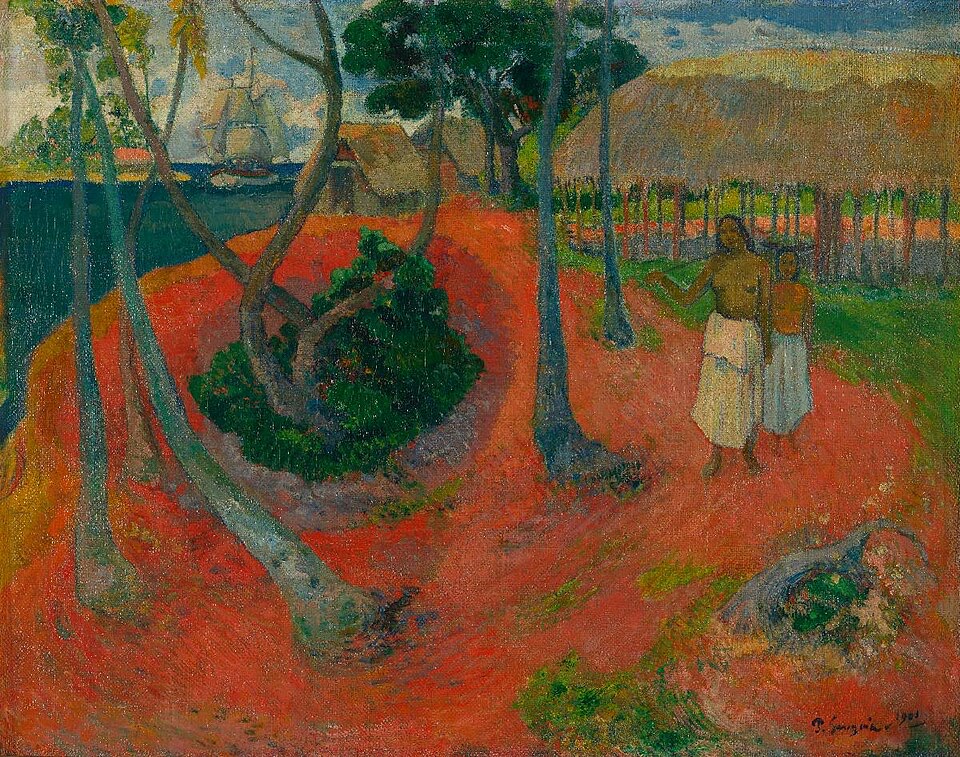
Painter, 1848 to 1903
Paul Gauguin
The Bührle collection, shown in the Kunsthaus Zürich, has Gauguin's Idyll in Tahiti.
Post-Impressionism. 1 work in 1 museum
See the artist
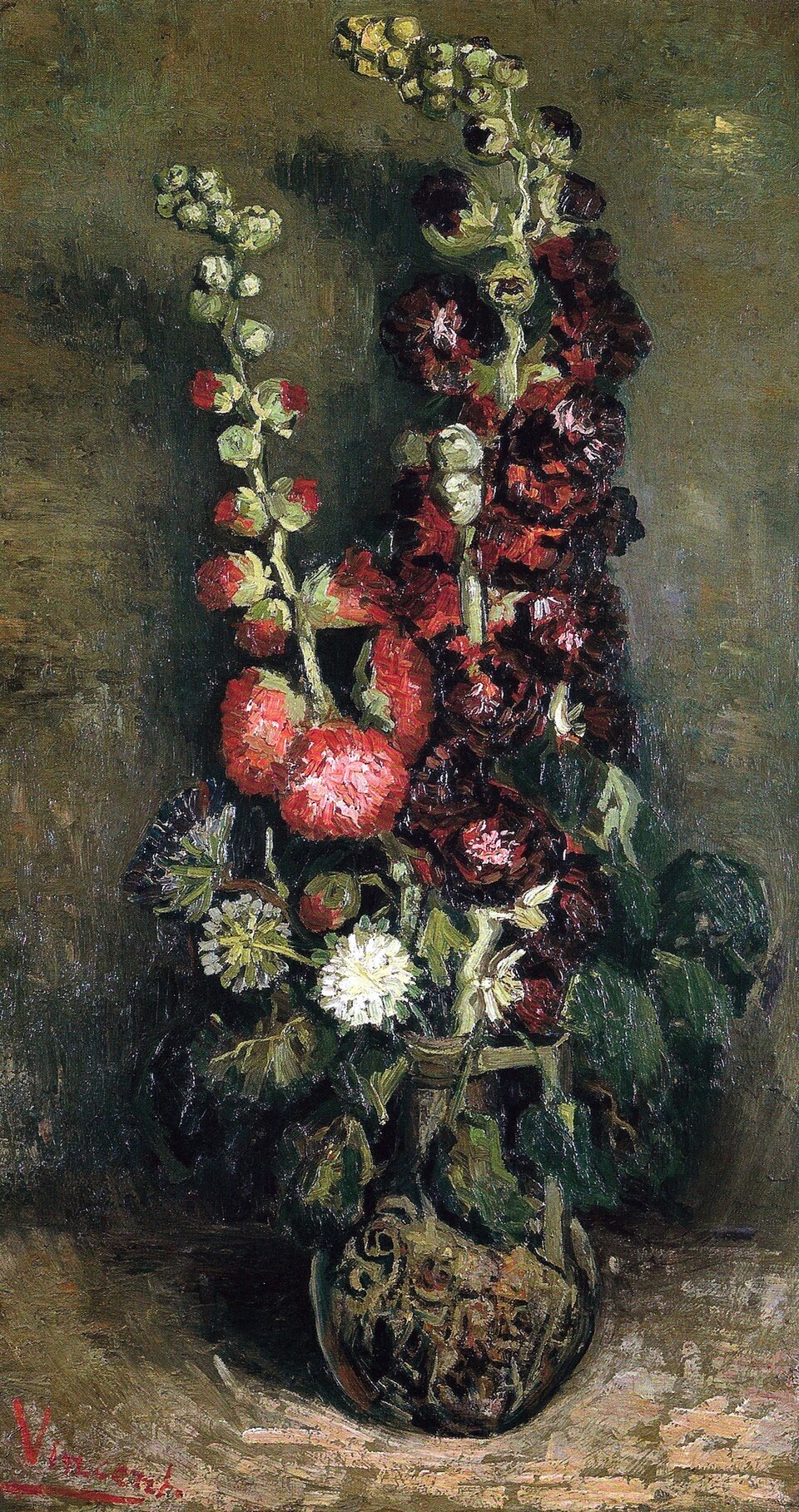
Painter, 1853 to 1890
Vincent van Gogh
In Zurich: Van Gogh's Vase with Hollyhocks in the Kunsthaus, and his Sower at sunset, of the Bührle collection, shown there.
Post-Impressionism. 2 works in 2 museums
See the artist
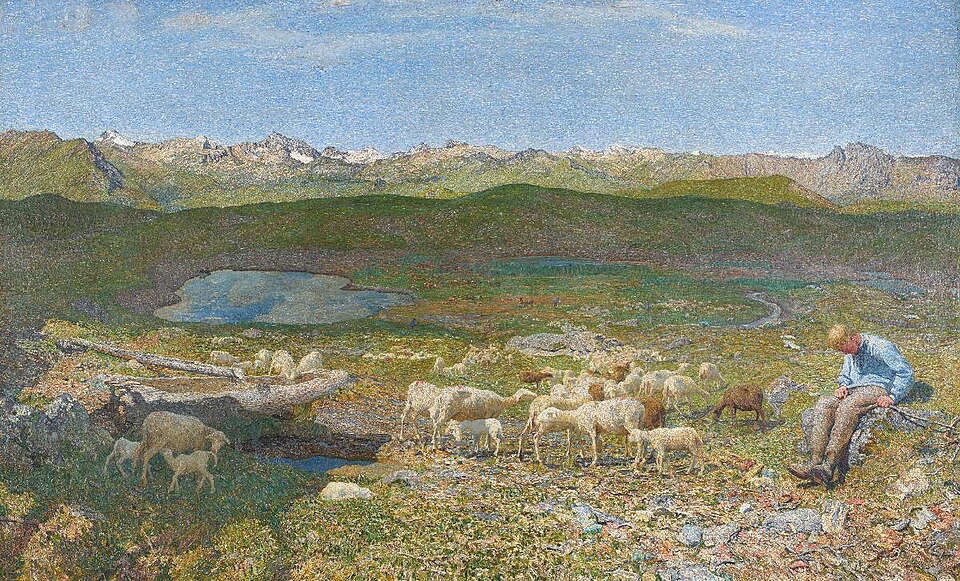
Painter, 1858 to 1899
Giovanni Segantini
The painter of the high Alps, one of the most famous artists in Europe at the end of the nineteenth century; the Kunsthaus Zürich has his Alpine Pastures.
Divisionism. 2 works in 1 museum
See the artist