Painter, 1848 to 1903
Paul Gauguin
Gauguin gave up a career on the stock exchange and then Europe itself. The paintings he made in Tahiti, in colours nobody had used that way before, came home to the Musée d'Orsay.
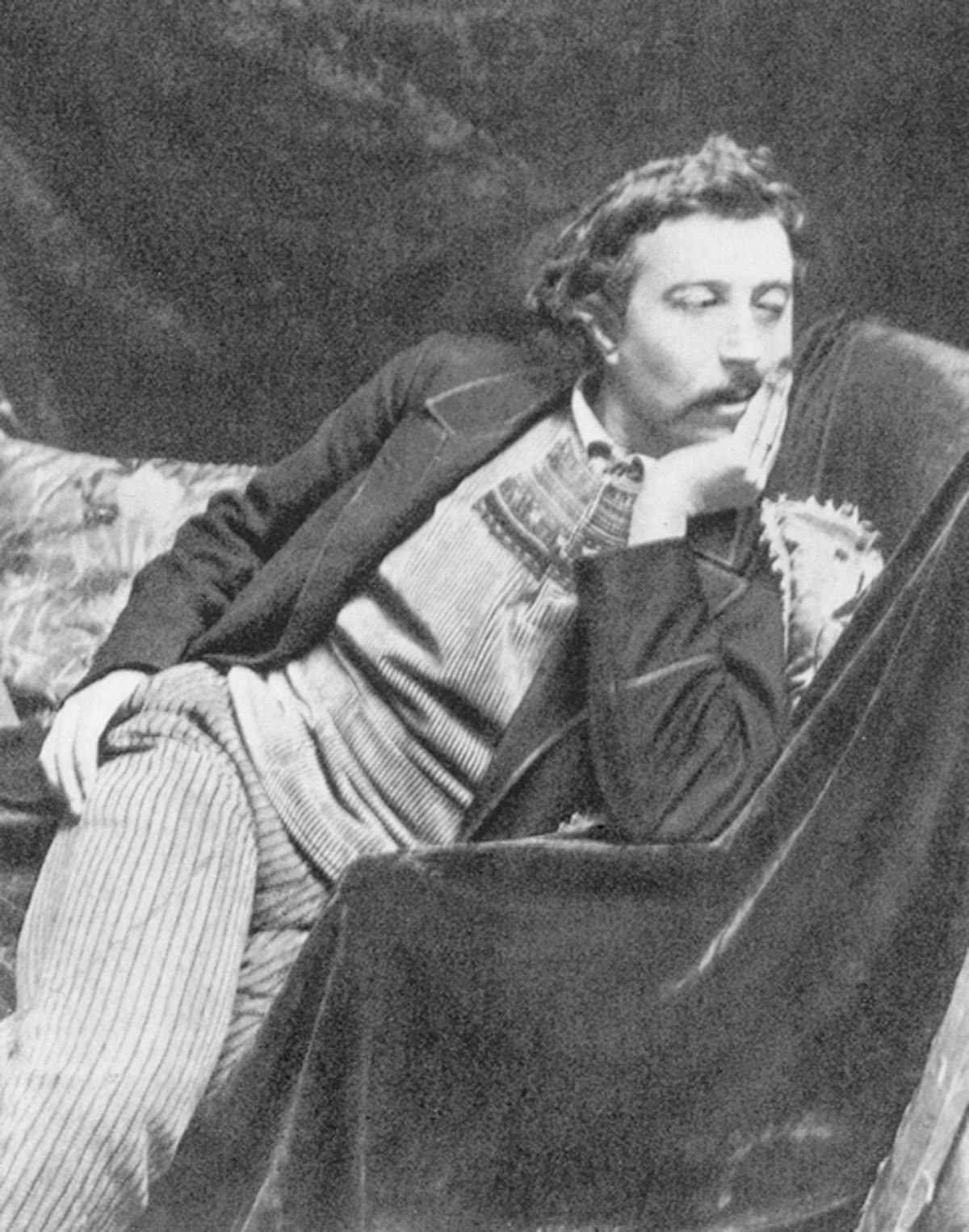
- Born
- 1848, Paris, France
- Died
- 1903, Atuona, Marquesas Islands
- Movement
- Post-Impressionism
- In Paris
- 3 works in 1 museum
Where to see Paul Gauguin in Paris
Each work with the museum it hangs in. Museums move and lend their works, so check before a special journey.
Musée d'Orsay3 works
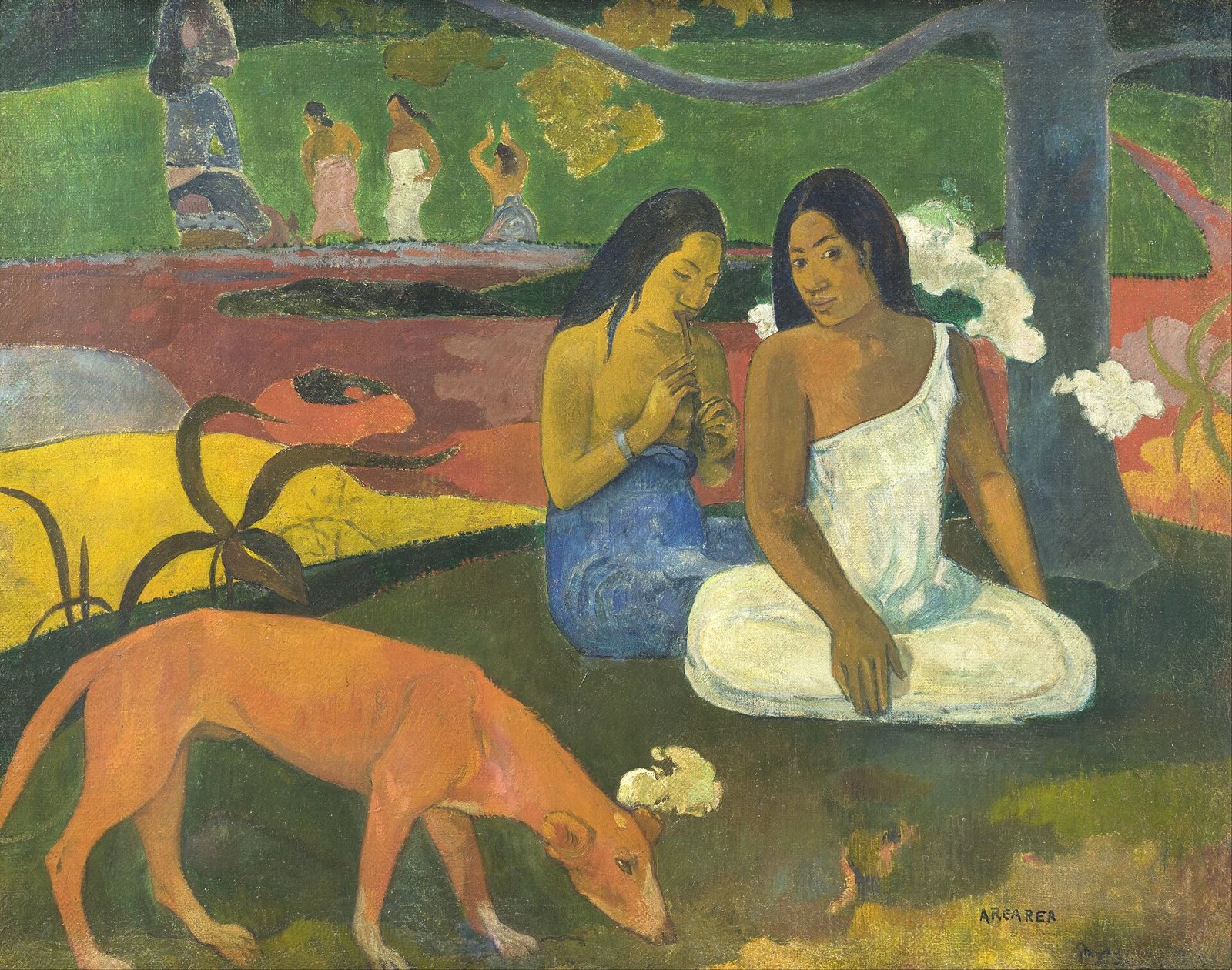
Arearea
1892
Two women seated under a tree, one playing a flute, and a red dog in the foreground. The title means joyfulness. Painted on his first stay in Tahiti.
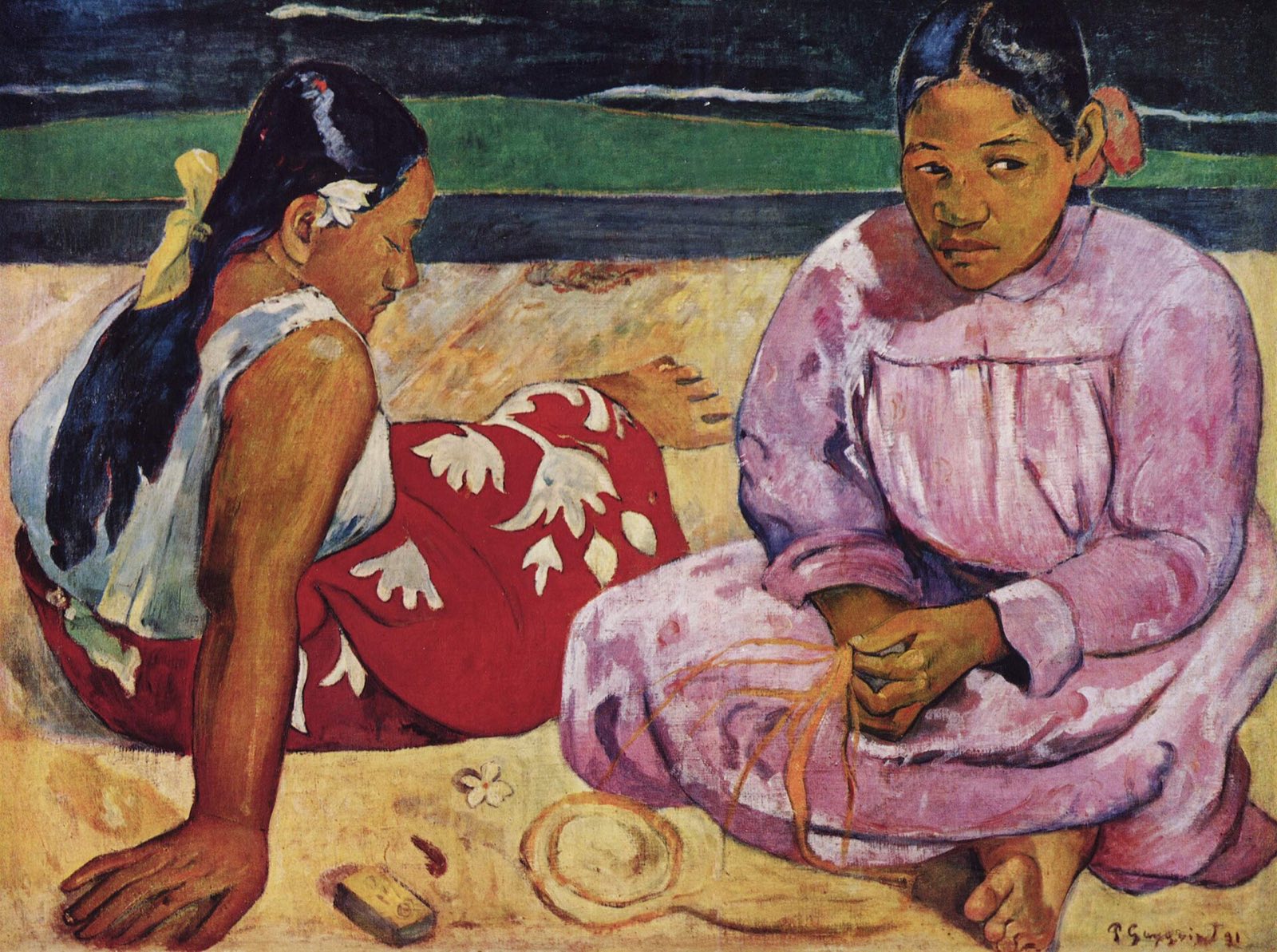
Tahitian Women on the Beach
1891
Two women sitting on the sand, close up and filling the canvas, in pink and red against a flat band of sea. One of the first pictures he painted in Tahiti.
Self-Portrait with the Yellow Christ
1890 to 1891
The painter between two of his own works, on the eve of leaving for Tahiti.
The life of Paul Gauguin
Gauguin was born in Paris in 1848, spent part of his childhood in Peru and worked as a stockbroker while painting on Sundays. In 1883 he gave up his job. He painted in Brittany, and in 1888 spent nine stormy weeks with Van Gogh at Arles, which ended with Van Gogh cutting off part of his own ear.
In 1891 he sailed for Tahiti. He came back once, and then left for good. He died in the Marquesas Islands in 1903, poor and ill. His flat colour and his turn away from Europe shaped Matisse, the Fauves and much of the art of the next century.
What to know
- Left a career as a stockbroker to paint
- Lived and worked with Van Gogh at Arles in 1888
- Sailed for Tahiti in 1891 and died in the Marquesas
- Born
- 7 June 1848, Paris, France
- Died
- 8 May 1903, Atuona, Marquesas Islands
Paul Gauguin: common questions
- Where can you see Paul Gauguin in Paris?
- At the Musée d'Orsay: Arearea, Tahitian Women on the Beach and Self-Portrait with the Yellow Christ. Museums move and lend their works, so check before a special journey.
- What is Paul Gauguin's most famous work in Paris?
- Arearea, of 1892, at the Musée d'Orsay. Two women seated under a tree, one playing a flute, and a red dog in the foreground. The title means joyfulness. Painted on his first stay in Tahiti.
- When and where was Paul Gauguin born?
- On 7 June 1848, at Paris, France. Paul Gauguin died on 8 May 1903, at Atuona, Marquesas Islands, aged about 55.
- What is Paul Gauguin known for?
- Left a career as a stockbroker to paint. Lived and worked with Van Gogh at Arles in 1888. Sailed for Tahiti in 1891 and died in the Marquesas. Paul Gauguin was a French painter, of Post-Impressionism.
Things to do near the Musée d'Orsay
The nearest of this site's best things to do in the city. Distances are in a straight line.
- 13Sit with Monet's Water Lilies at the Orangerie500 m awayMuseum, 1 to 1.5 hours, ticket
- 2See the Mona Lisa at the Louvre800 m awayMuseum, 3 to 4 hours, ticket
- 15Find The Thinker in Rodin's garden950 m awayMuseum, 1.5 to 2 hours, ticket
- 3Cruise the Seine1.1 km awayOn the water, 1 hour, ticket
Hotels near the Musée d'Orsay
The five-star hotels closest to it, of those this site lists in Paris. Distances are in a straight line.
- Hôtel Regina Louvre4.3Five-star hotel, Place des Pyramides, facing the Tuileries600 m away
- Le Meurice4.5Five-star hotel, Palace, Rue de Rivoli, facing the Tuileries600 m away
- Hôtel du Louvre4.6Five-star hotel, Place André-Malraux, facing the Louvre750 m away
- Mandarin Oriental, Paris4.7Five-star hotel, Rue Saint-Honoré, by the Place Vendôme800 m away
Other artists
Painter, 1841 to 1919
Pierre-Auguste Renoir
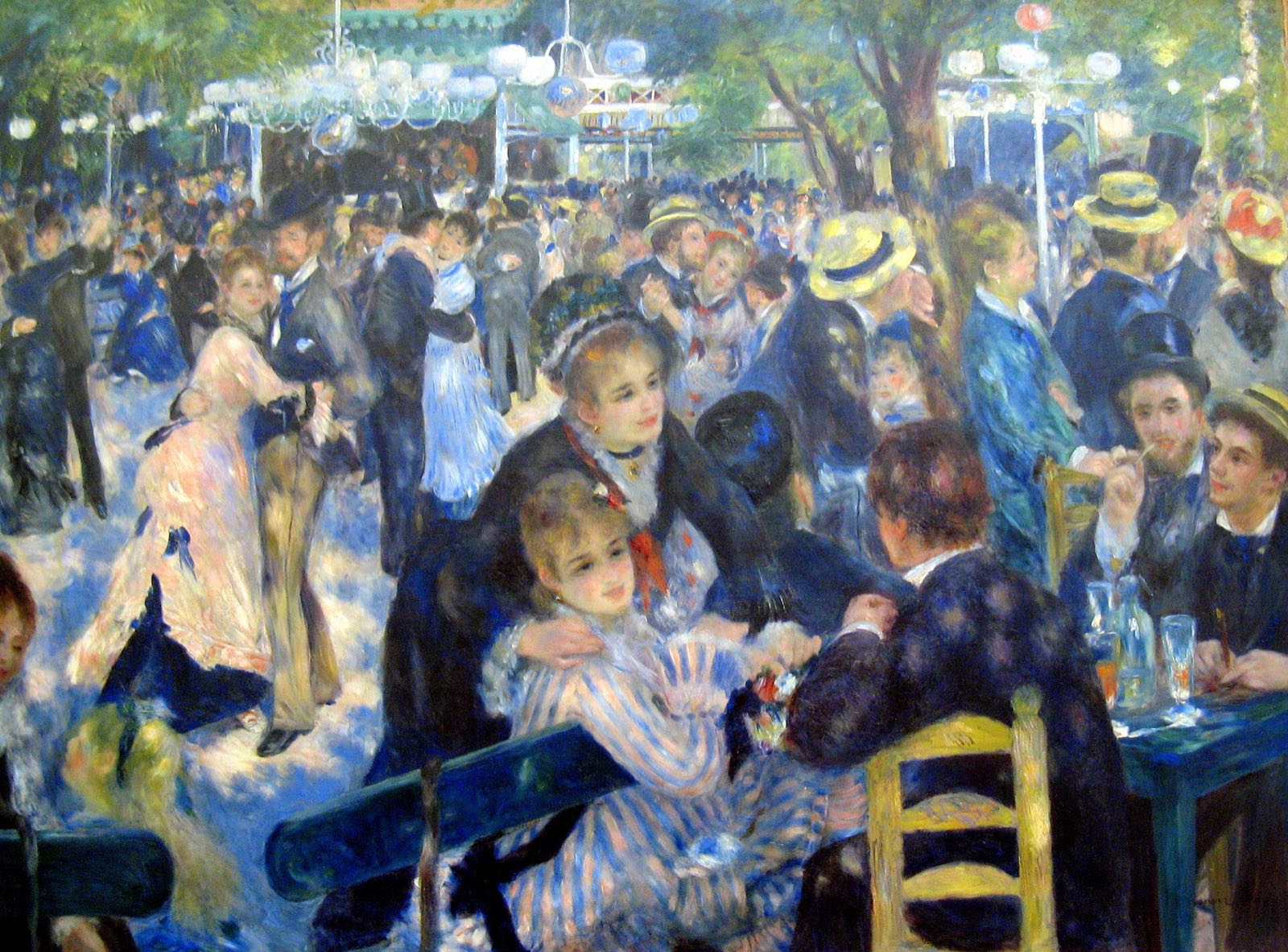
The Impressionist of pleasure: dances, picnics, sunlight through leaves. His Bal du moulin de la Galette, painted in Montmartre, is one of the best-loved pictures at the Musée d'Orsay.
Impressionism. 3 works in 1 museum
See the artist
Painter, 1853 to 1890
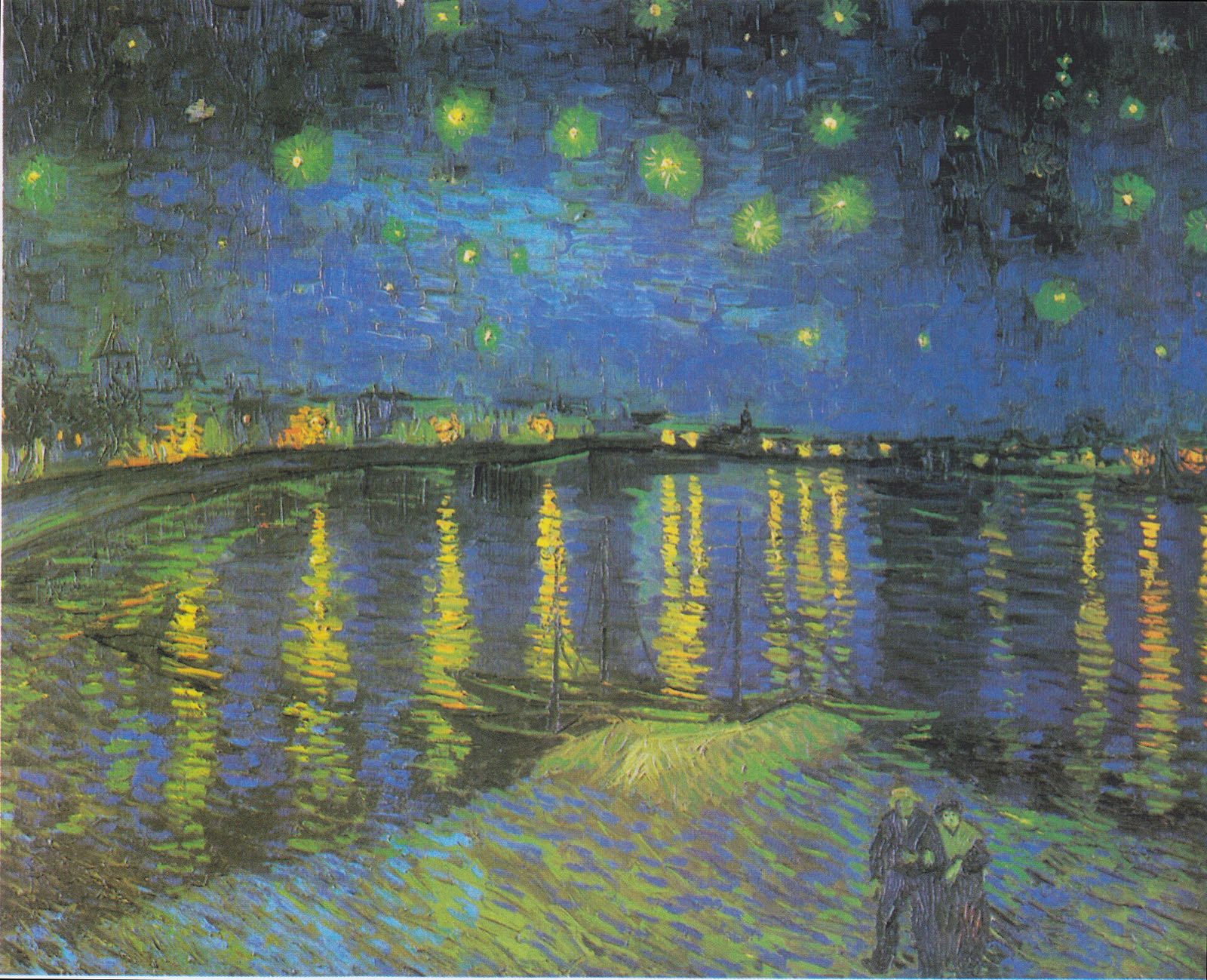
Vincent van Gogh
He painted for ten years, sold almost nothing and became the most loved painter in the world. The Musée d'Orsay has more than twenty of his paintings, from Arles and from his last weeks at Auvers.
Post-Impressionism. 4 works in 1 museum
See the artist
Painter, 1864 to 1901
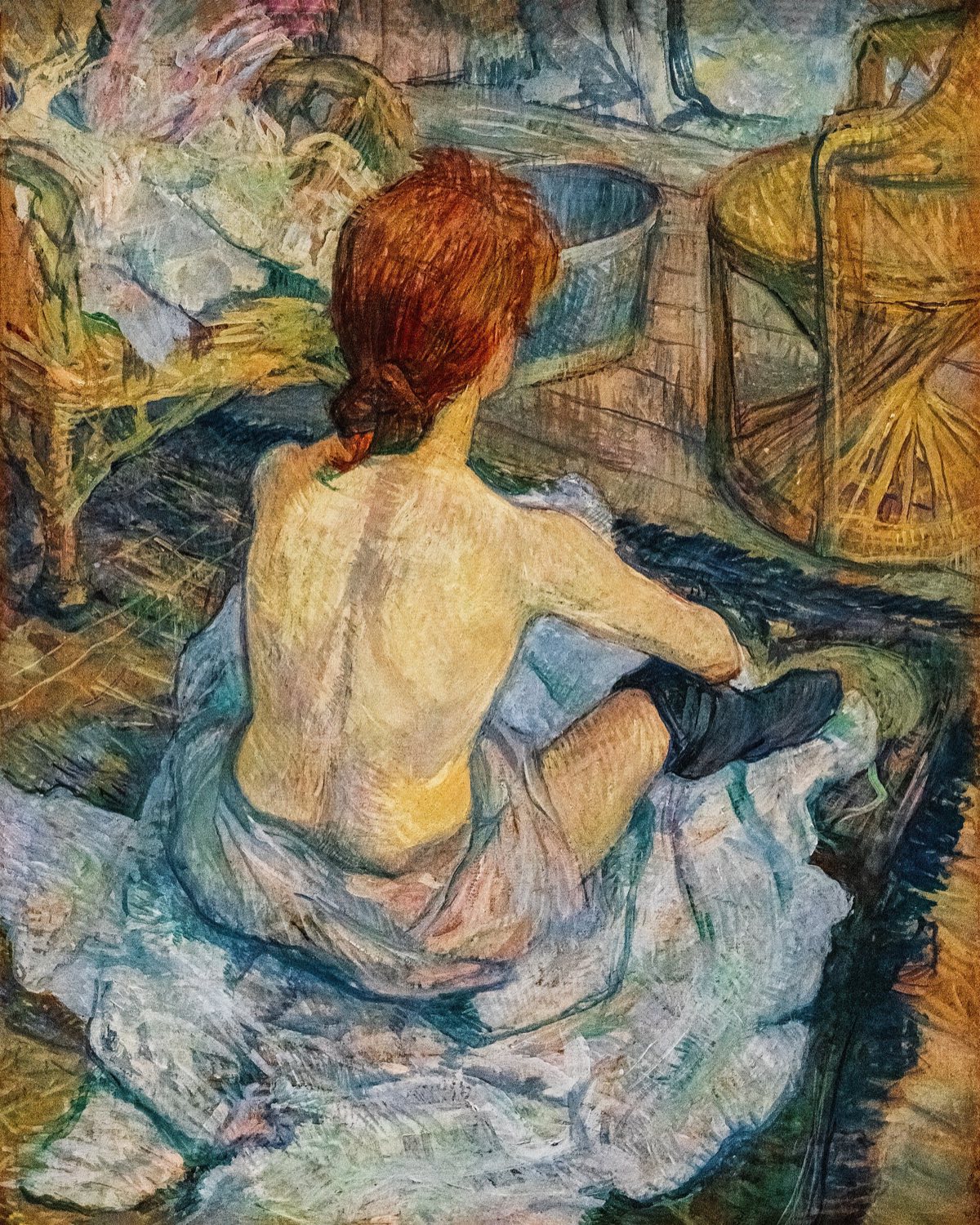
Henri de Toulouse-Lautrec
The painter of the Moulin Rouge and of Montmartre by night. His posters invented the modern advertisement, and his paintings of dancers and of women off duty are at the Musée d'Orsay.
Post-Impressionism. 3 works in 1 museum
See the artist