Painter, 1853 to 1890
Vincent van Gogh
Van Gogh found his colour in Paris and painted his last picture an hour north of it. The Musée d'Orsay shows the work of his final two years, the Starry Night Over the Rhône among it.
- Born
- 1853, Zundert, Netherlands
- Died
- 1890, Auvers-sur-Oise, France
- Movement
- Post-Impressionism
- In Paris
- 4 works in 1 museum
Where to see Vincent van Gogh in Paris
Each work with the museum it hangs in. Museums move and lend their works, so check before a special journey.
Musée d'Orsay4 works
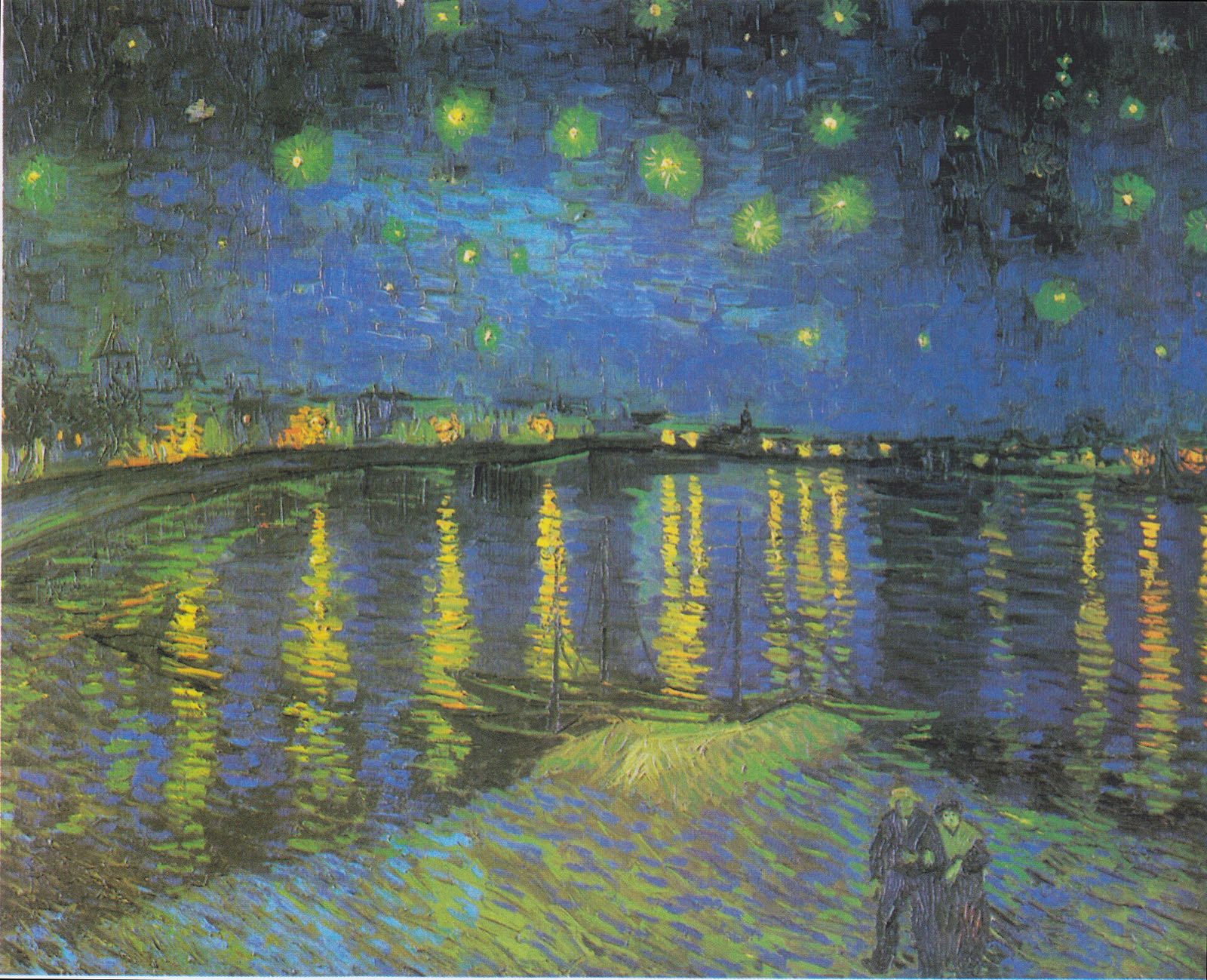
Starry Night Over the Rhône
1888
The river at Arles at night, the gas lamps reflected in the water and the Great Bear overhead, painted outdoors by lamplight. It is not the swirling Starry Night, which is in New York.
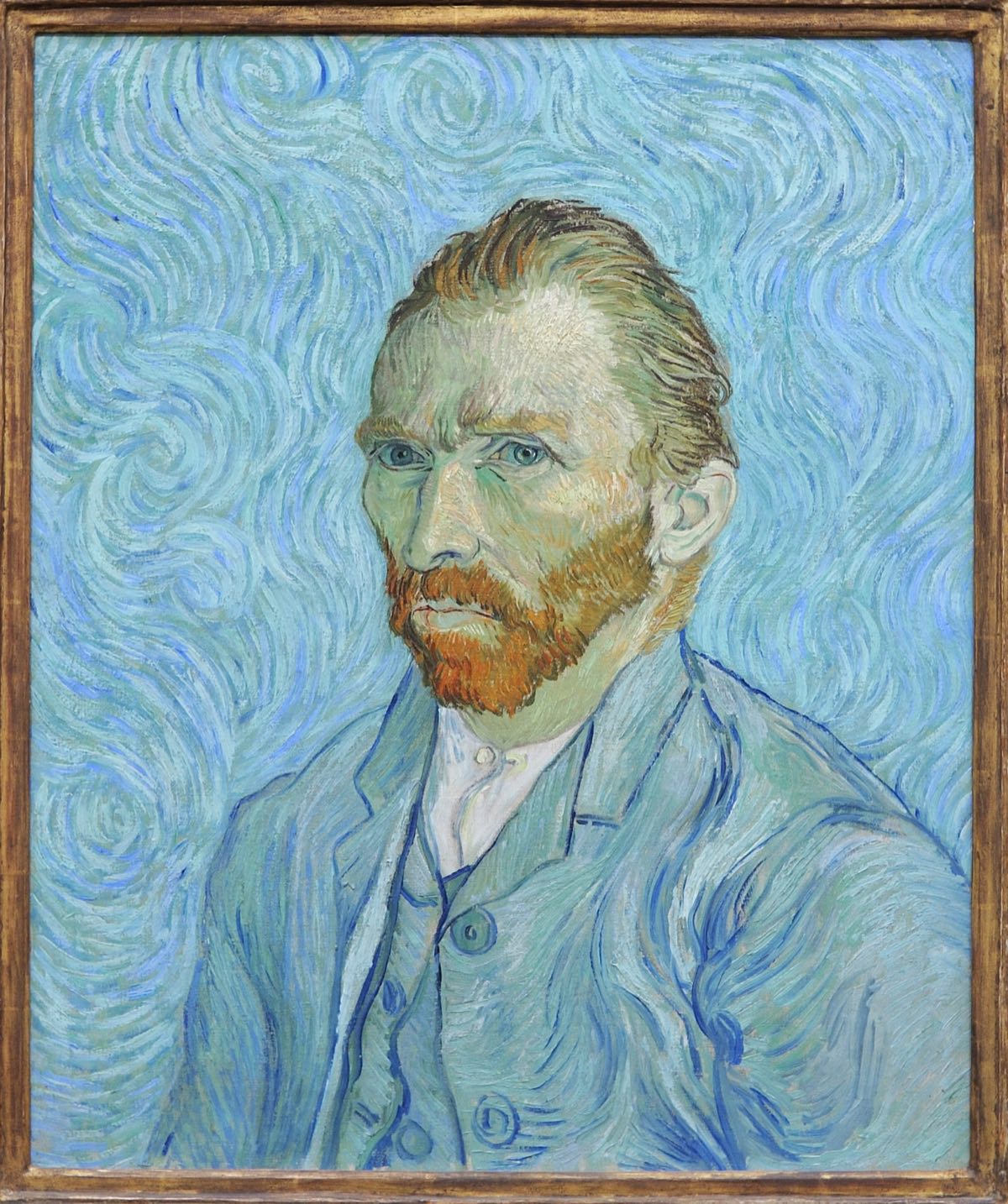
Self-Portrait
1889
Painted in the asylum at Saint-Rémy: the face rigid, the background a whirl of blue-green. It was one of his last self-portraits.
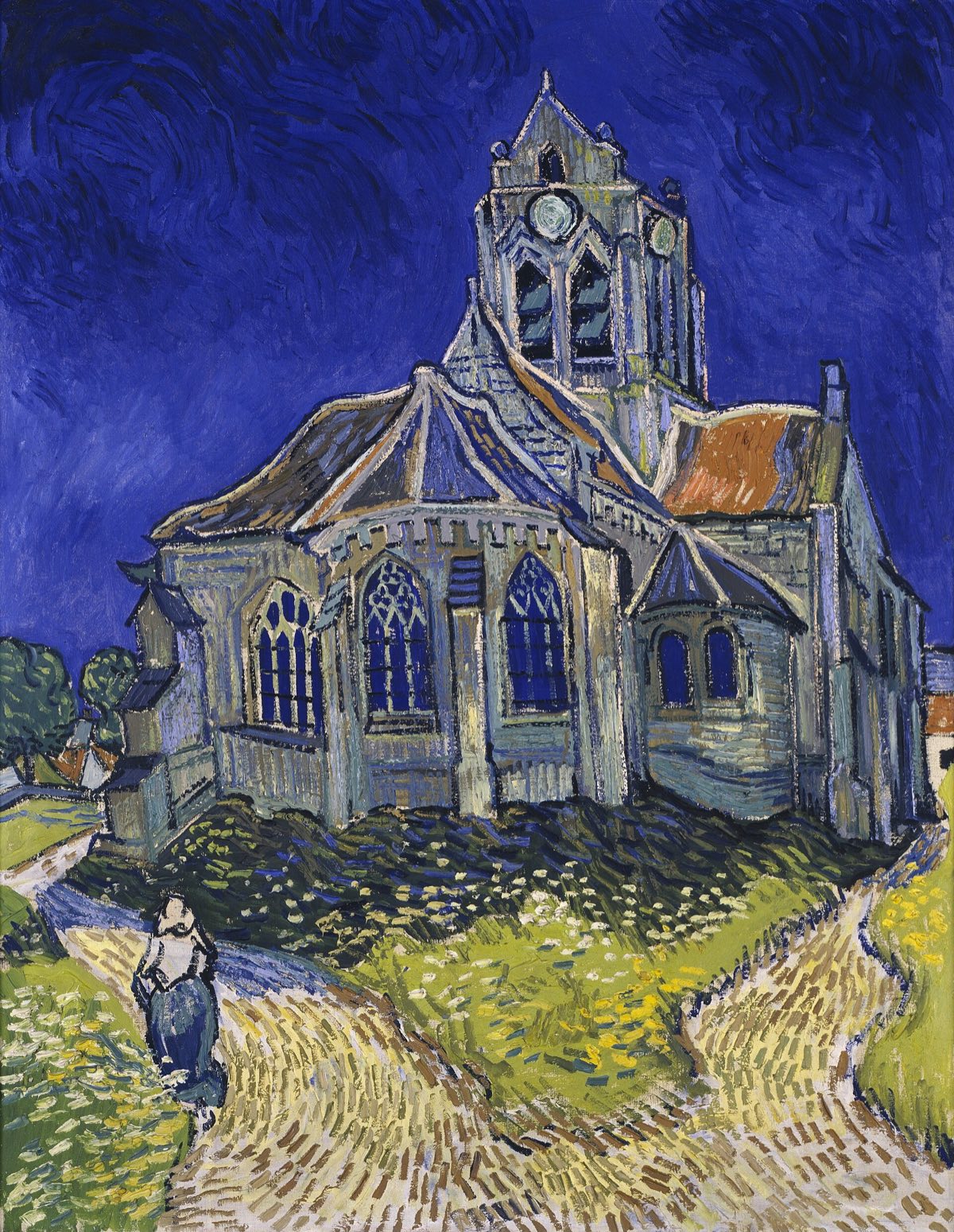
The Church at Auvers
1890
The village church under a sky of deep cobalt, its walls buckling. Painted a few weeks before his death. The church still stands and looks just like it.
Bedroom in Arles
1889
His room in the Yellow House, the bed, two chairs and his own pictures on the wall. This is the third and smallest version, painted for his mother and sister.
The life of Vincent van Gogh
Van Gogh was born in the Netherlands in 1853 and did not begin to paint until he was twenty-seven. In 1886 he came to Paris to live with his brother Theo, an art dealer, in Montmartre. He saw the Impressionists, met Gauguin and Toulouse-Lautrec, and his dark Dutch palette turned to pure colour.
In 1888 he went south to Arles, where he painted the sunflowers, his bedroom and the night sky. After a breakdown he spent a year in the asylum at Saint-Rémy, and in May 1890 moved to Auvers-sur-Oise, near Paris, where he painted more than seventy pictures in seventy days. He shot himself there in July 1890 and died two days later, at thirty-seven.
What to know
- Painted for only ten years, and about 860 oil paintings
- Lived in Montmartre from 1886 to 1888
- Died at Auvers-sur-Oise, an hour from Paris
- Born
- 30 March 1853, Zundert, Netherlands
- Died
- 29 July 1890, Auvers-sur-Oise, France
Vincent van Gogh: common questions
- Where can you see Vincent van Gogh in Paris?
- At the Musée d'Orsay: Starry Night Over the Rhône, Self-Portrait, The Church at Auvers and Bedroom in Arles. Museums move and lend their works, so check before a special journey.
- What is Vincent van Gogh's most famous work in Paris?
- Starry Night Over the Rhône, of 1888, at the Musée d'Orsay. The river at Arles at night, the gas lamps reflected in the water and the Great Bear overhead, painted outdoors by lamplight. It is not the swirling Starry Night, which is in New York.
- When and where was Vincent van Gogh born?
- On 30 March 1853, at Zundert, Netherlands. Vincent van Gogh died on 29 July 1890, at Auvers-sur-Oise, France, aged about 37.
- What is Vincent van Gogh known for?
- Painted for only ten years, and about 860 oil paintings. Lived in Montmartre from 1886 to 1888. Died at Auvers-sur-Oise, an hour from Paris. Vincent van Gogh was a Dutch painter, of Post-Impressionism.
Things to do near the Musée d'Orsay
The nearest of this site's best things to do in the city. Distances are in a straight line.
- 13Sit with Monet's Water Lilies at the Orangerie500 m awayMuseum, 1 to 1.5 hours, ticket
- 2See the Mona Lisa at the Louvre800 m awayMuseum, 3 to 4 hours, ticket
- 15Find The Thinker in Rodin's garden950 m awayMuseum, 1.5 to 2 hours, ticket
- 3Cruise the Seine1.1 km awayOn the water, 1 hour, ticket
Hotels near the Musée d'Orsay
The five-star hotels closest to it, of those this site lists in Paris. Distances are in a straight line.
- Hôtel Regina Louvre4.3Five-star hotel, Place des Pyramides, facing the Tuileries600 m away
- Le Meurice4.5Five-star hotel, Palace, Rue de Rivoli, facing the Tuileries600 m away
- Hôtel du Louvre4.6Five-star hotel, Place André-Malraux, facing the Louvre750 m away
- Mandarin Oriental, Paris4.7Five-star hotel, Rue Saint-Honoré, by the Place Vendôme800 m away
Other artists
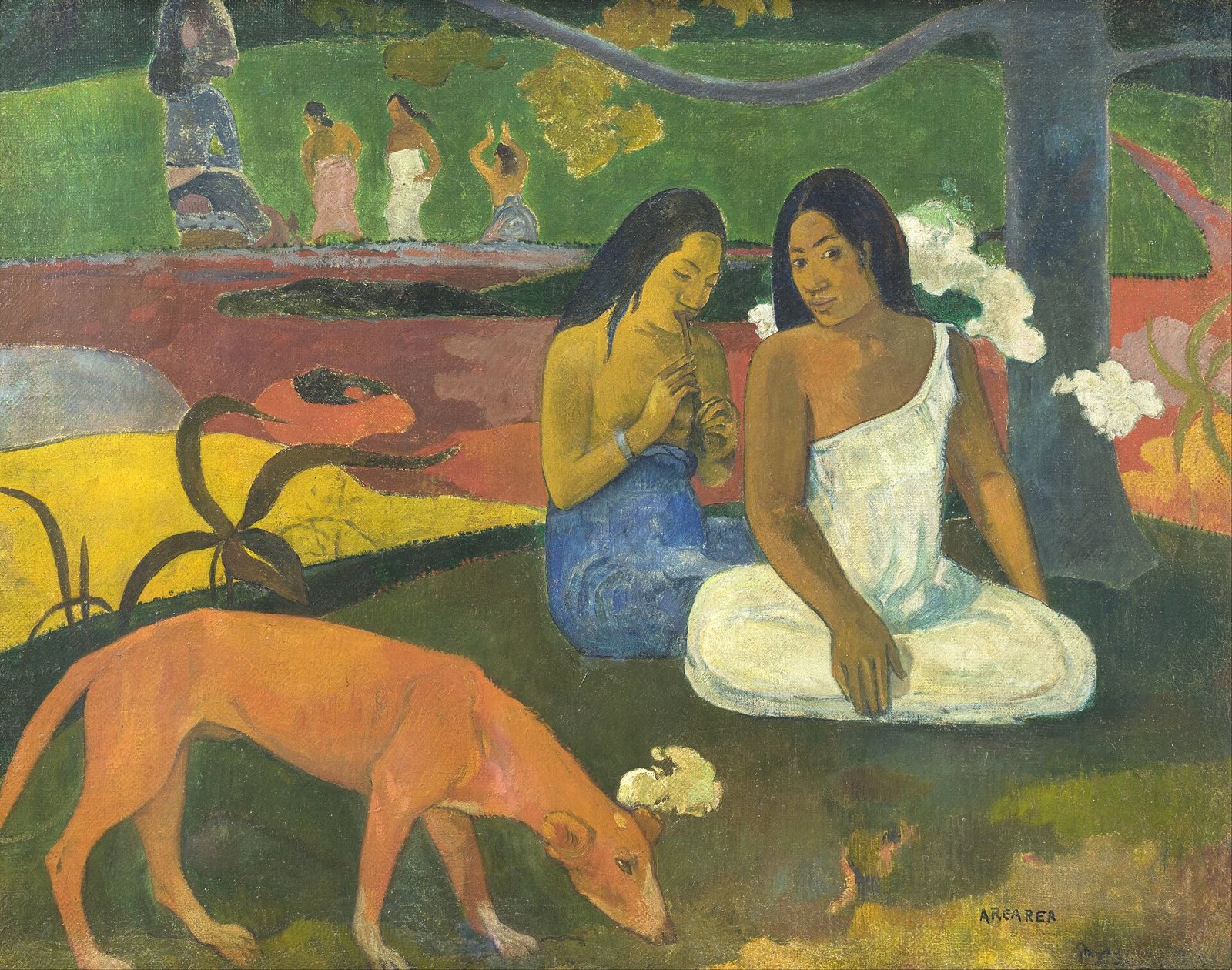
Painter, 1848 to 1903
Paul Gauguin
The stockbroker who left Paris for Tahiti, in search of a painting of flat colour and strong outline. The Musée d'Orsay has the pictures he sent back.
Post-Impressionism. 3 works in 1 museum
See the artist
Painter, 1864 to 1901
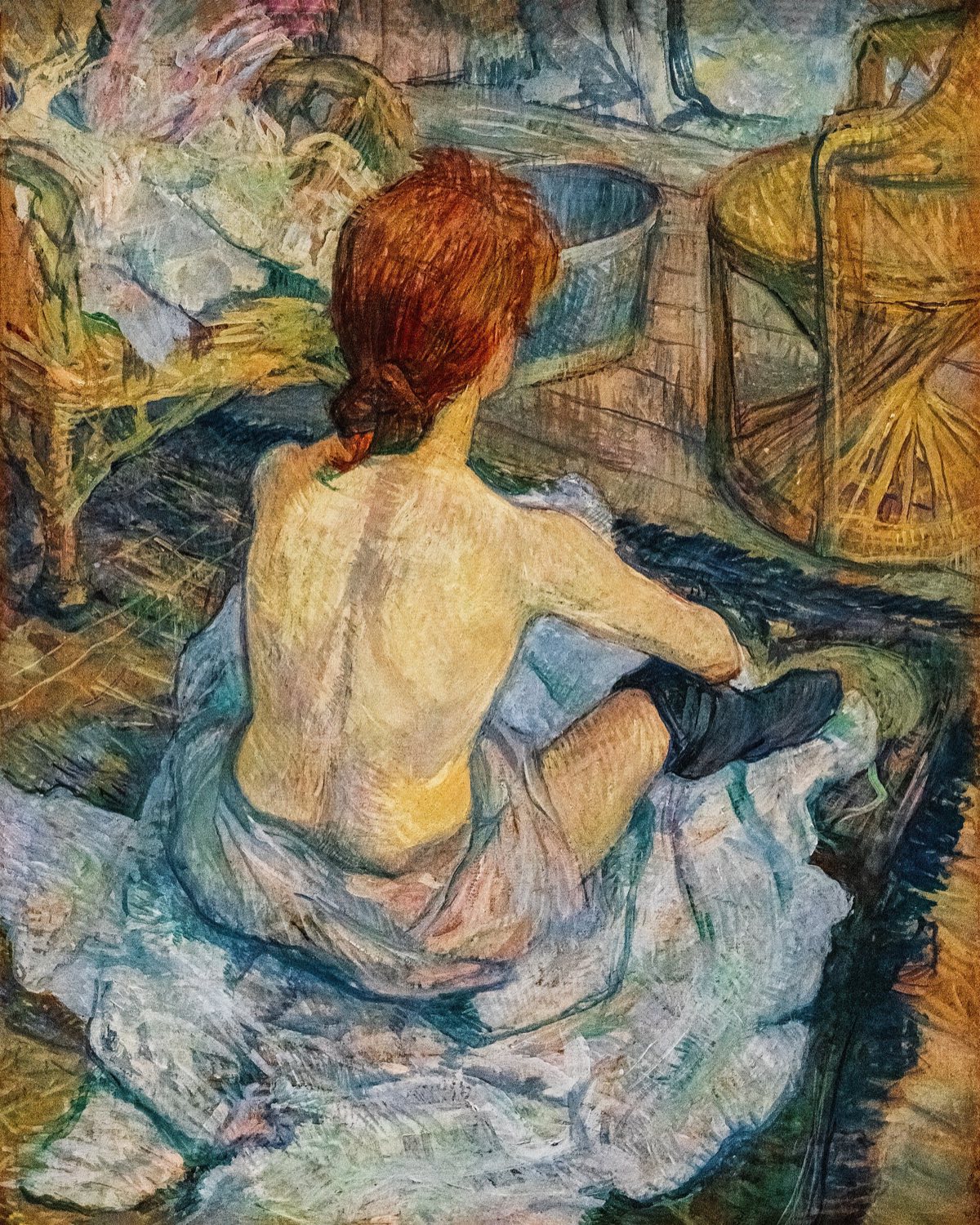
Henri de Toulouse-Lautrec
The painter of the Moulin Rouge and of Montmartre by night. His posters invented the modern advertisement, and his paintings of dancers and of women off duty are at the Musée d'Orsay.
Post-Impressionism. 3 works in 1 museum
See the artist
Picture: LPLT, CC BY-SA 3.0
Painter and sculptor, 1881 to 1973
Pablo Picasso
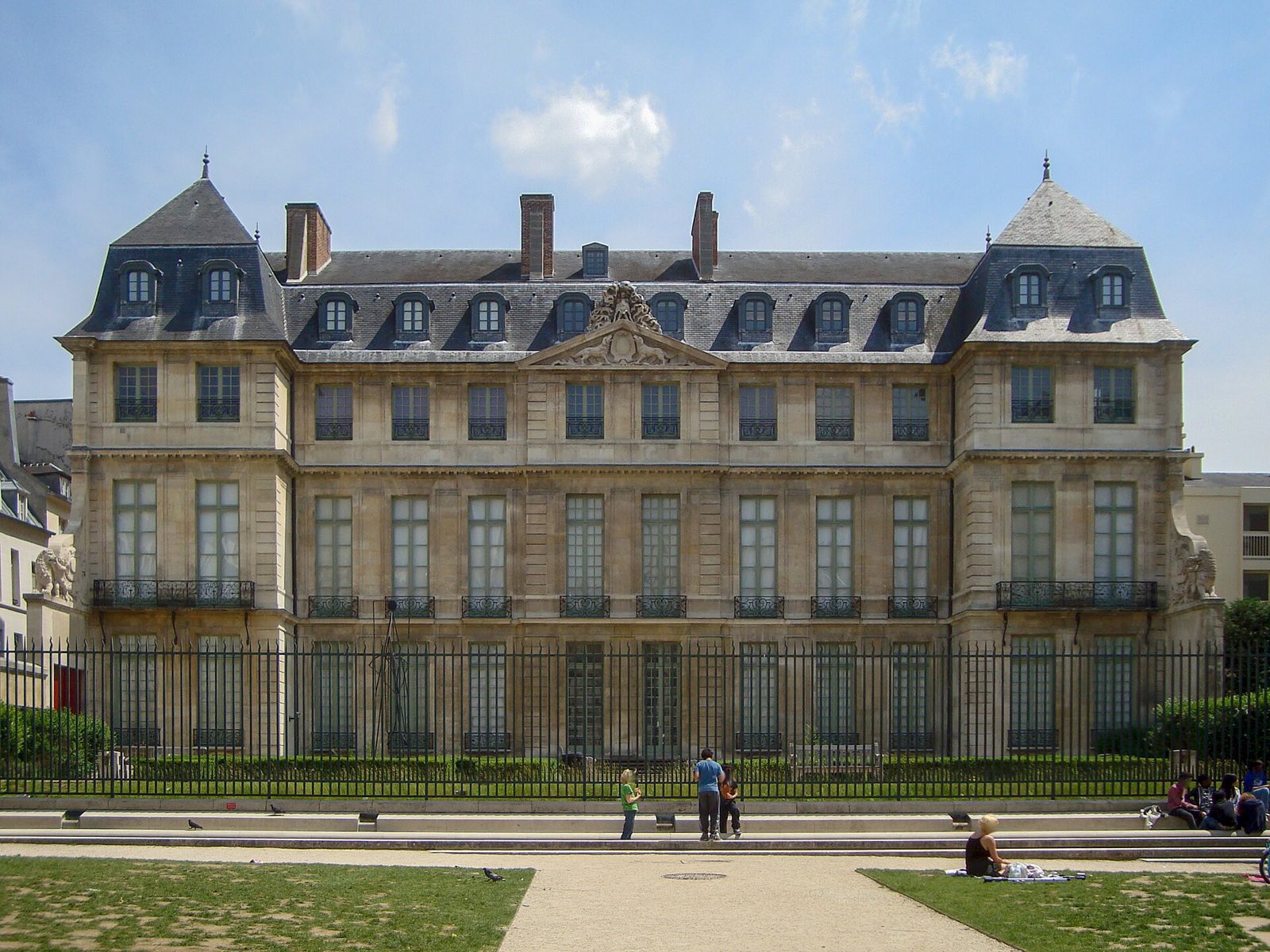
The most inventive artist of the twentieth century was Spanish and spent his working life in France. Paris has a whole museum of the works he kept for himself, in a mansion in Le Marais.
Cubism. 2 works in 2 museums
See the artist