Painter, 1596 to 1669
Pietro da Cortona
Stand in the great hall of Palazzo Barberini and look up. The ceiling that seems to have no roof is where Baroque decoration starts.
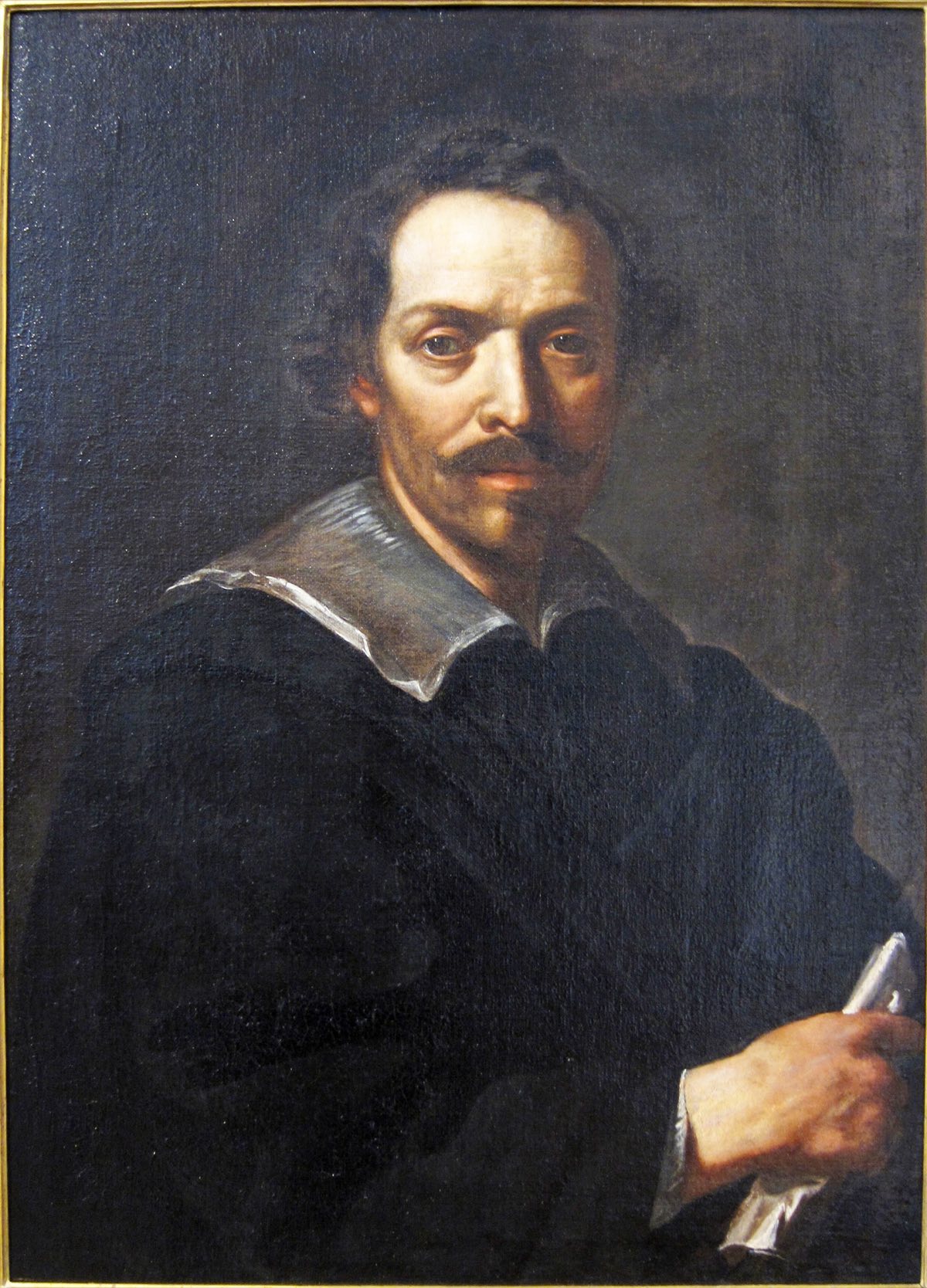
- Born
- 1596, Cortona, Italy
- Died
- 1669, Rome, Italy
- Movement
- Baroque
- In Rome
- 3 works in 3 museums
Where to see Pietro da Cortona in Rome
Each work with the museum it hangs in. Museums move and lend their works, so check before a special journey.
Palazzo Barberini1 work
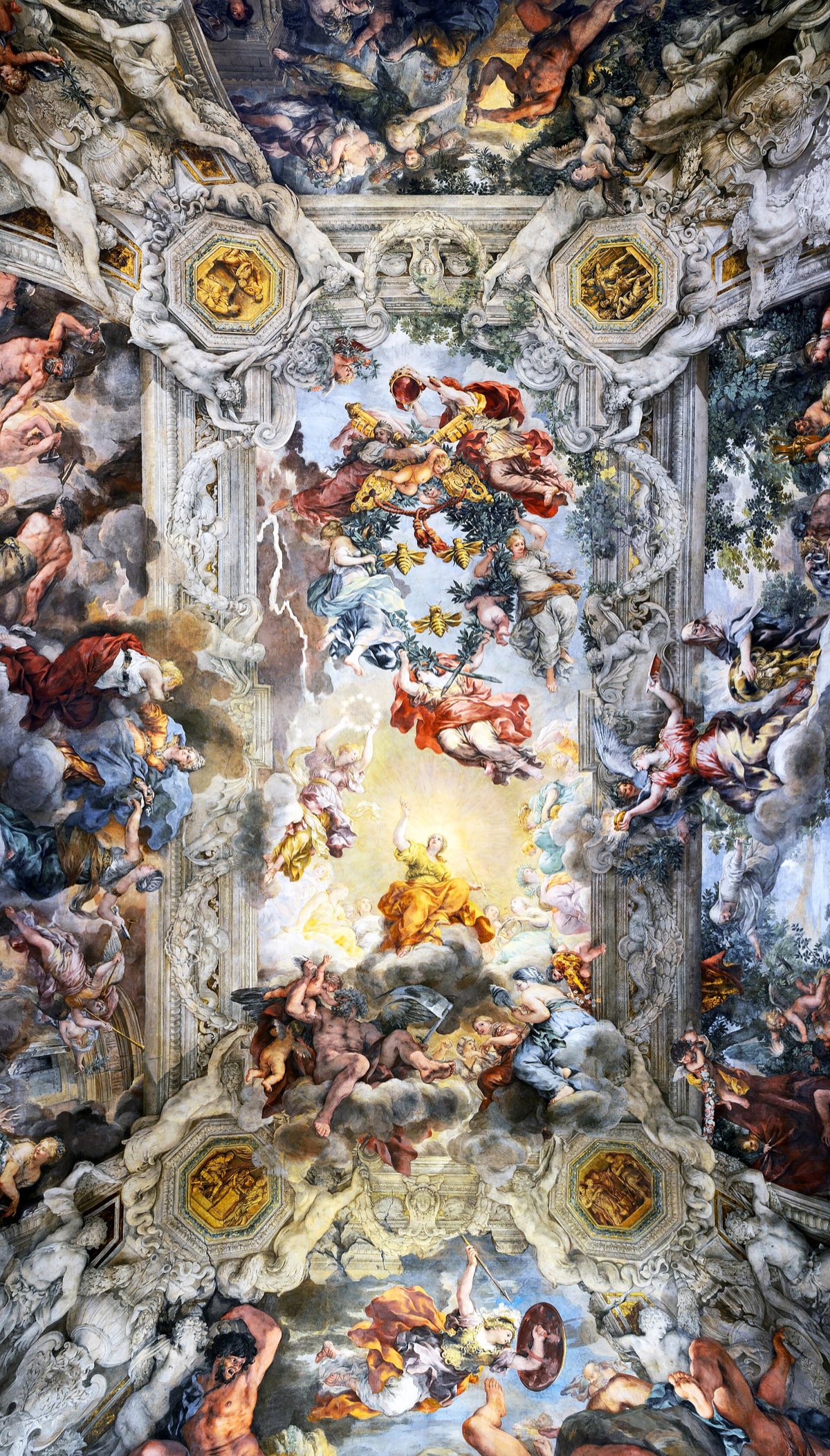
The Triumph of Divine Providence
1633 to 1639
The ceiling of the great hall: Providence commands that the Barberini bees be crowned with immortality, and a hundred figures swirl through a painted sky to see it done.
Capitoline Museums1 work
The Rape of the Sabines
about 1627 to 1629
The founding crime of Rome as a great swirl of bodies, in the picture gallery.
Santa Maria in Vallicella1 work
The frescoes of the Chiesa Nuova
1647 to 1665
The dome, the apse and the vault of the nave, painted over nearly twenty years.
The life of Pietro da Cortona
Pietro Berrettini was born at Cortona in Tuscany in 1596 and came to Rome as a young man. The Barberini family, whose pope Urban VIII reigned from 1623, made him their painter.
He was an architect as well, and with Bernini and Borromini one of the three who gave Rome its Baroque face. He died there in 1669.
What to know
- Painted the ceiling of the great hall of Palazzo Barberini
- Architect of Santa Maria della Pace and Santi Luca e Martina
- Painter to the Barberini pope, Urban VIII
- Born
- 1 November 1596, Cortona, Italy
- Died
- 16 May 1669, Rome, Italy
Pietro da Cortona: common questions
- Where can you see Pietro da Cortona in Rome?
- At Palazzo Barberini: The Triumph of Divine Providence. At the Capitoline Museums: The Rape of the Sabines. At Santa Maria in Vallicella: The frescoes of the Chiesa Nuova. Museums move and lend their works, so check before a special journey.
- What is Pietro da Cortona's most famous work in Rome?
- The Triumph of Divine Providence, of 1633 to 1639, at Palazzo Barberini. The ceiling of the great hall: Providence commands that the Barberini bees be crowned with immortality, and a hundred figures swirl through a painted sky to see it done.
- When and where was Pietro da Cortona born?
- On 1 November 1596, at Cortona, Italy. Pietro da Cortona died on 16 May 1669, at Rome, Italy, aged about 73.
- What is Pietro da Cortona known for?
- Painted the ceiling of the great hall of Palazzo Barberini. Architect of Santa Maria della Pace and Santi Luca e Martina. Painter to the Barberini pope, Urban VIII. Pietro da Cortona was an Italian painter, of the Baroque.
Tickets and tours: Pietro da Cortona in Rome
Things to do near the Capitoline Museums
The nearest of this site's best things to do in the city. Distances are in a straight line.
- 4Stand under the dome of the Pantheon800 m awayMonument, 30 to 45 minutes, ticket
- 1Walk into the Colosseum and the Roman Forum850 m awayMonument, 3 to 4 hours, ticket
- 16Look through the keyhole on the Aventine900 m awayWalk, 1 to 1.5 hours, free
- 5Throw a coin into the Trevi Fountain900 m awayMonument, 20 to 40 minutes, free from the square, ticket for the basin
Where to eat near the Capitoline Museums
The nearest of the famous tables this site lists in Rome. Distances are in a straight line.
- Giggetto al Portico d'Ottavia3.9Trattoria, Ghetto350 m away
- Sora Lella4.1Trattoria, Tiber Island450 m away
- Piperno4.2Restaurant, Ghetto550 m away
- Antica Birreria Peroni4.4Beer hall, Trevi Fountain650 m away
Hotels near the Capitoline Museums
The five-star hotels closest to it, of those this site lists in Rome. Distances are in a straight line.
- Six Senses Rome4.6Five-star hotel, Via del Corso650 m away
- Orient Express La Minerva4.5Five-star hotel, Pantheon700 m away
- Hotel Raphaël4.5Five-star hotel, Piazza Navona1.2 km away
- Hotel d'Inghilterra4.5Five-star hotel, Via dei Condotti1.3 km away
Other artists
Painter, 1591 to 1666
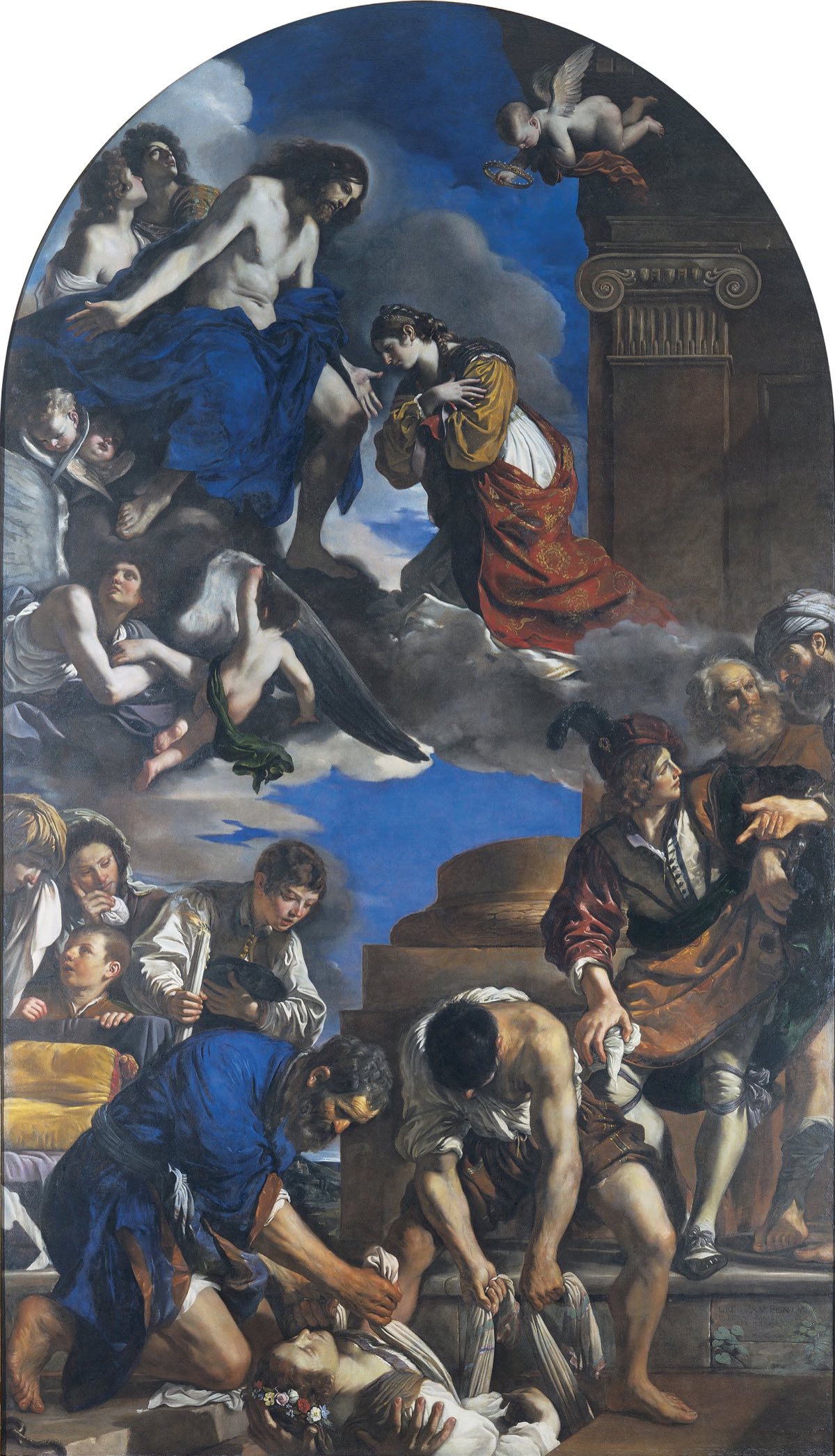
Guercino
Guercino painted one of the largest altarpieces ever made for St Peter's. It now fills a wall of the Capitoline Museums.
Baroque. 2 works in 2 museums
See the artist
Picture: Architas, CC BY-SA 4.0
Sculptor, 1598 to 1680
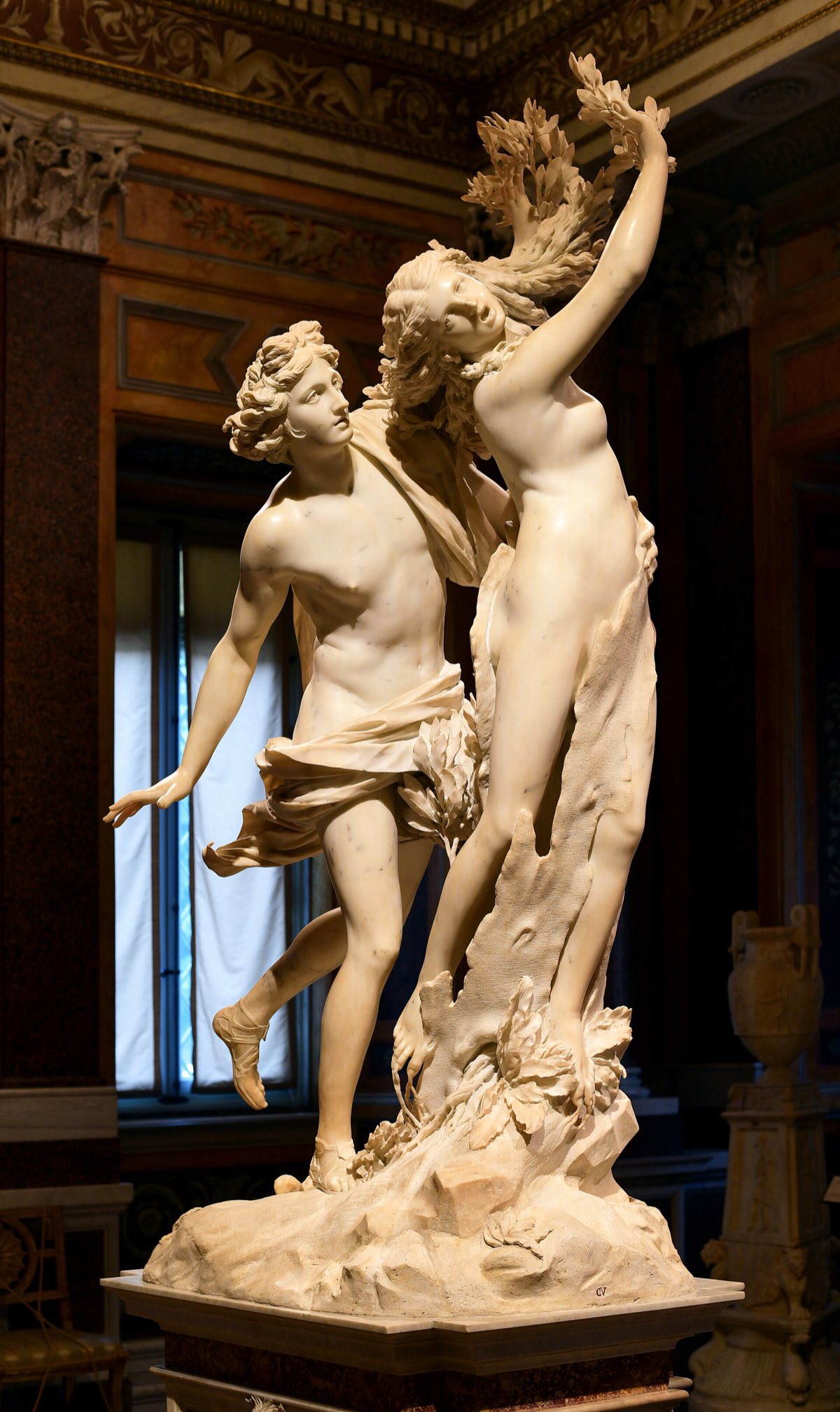
Gian Lorenzo Bernini
Bernini made Baroque Rome: the colonnade and the canopy of St Peter's, the fountain of Piazza Navona, and the marbles of the Galleria Borghese that seem to breathe.
Baroque. 6 works in 4 museums
See the artist
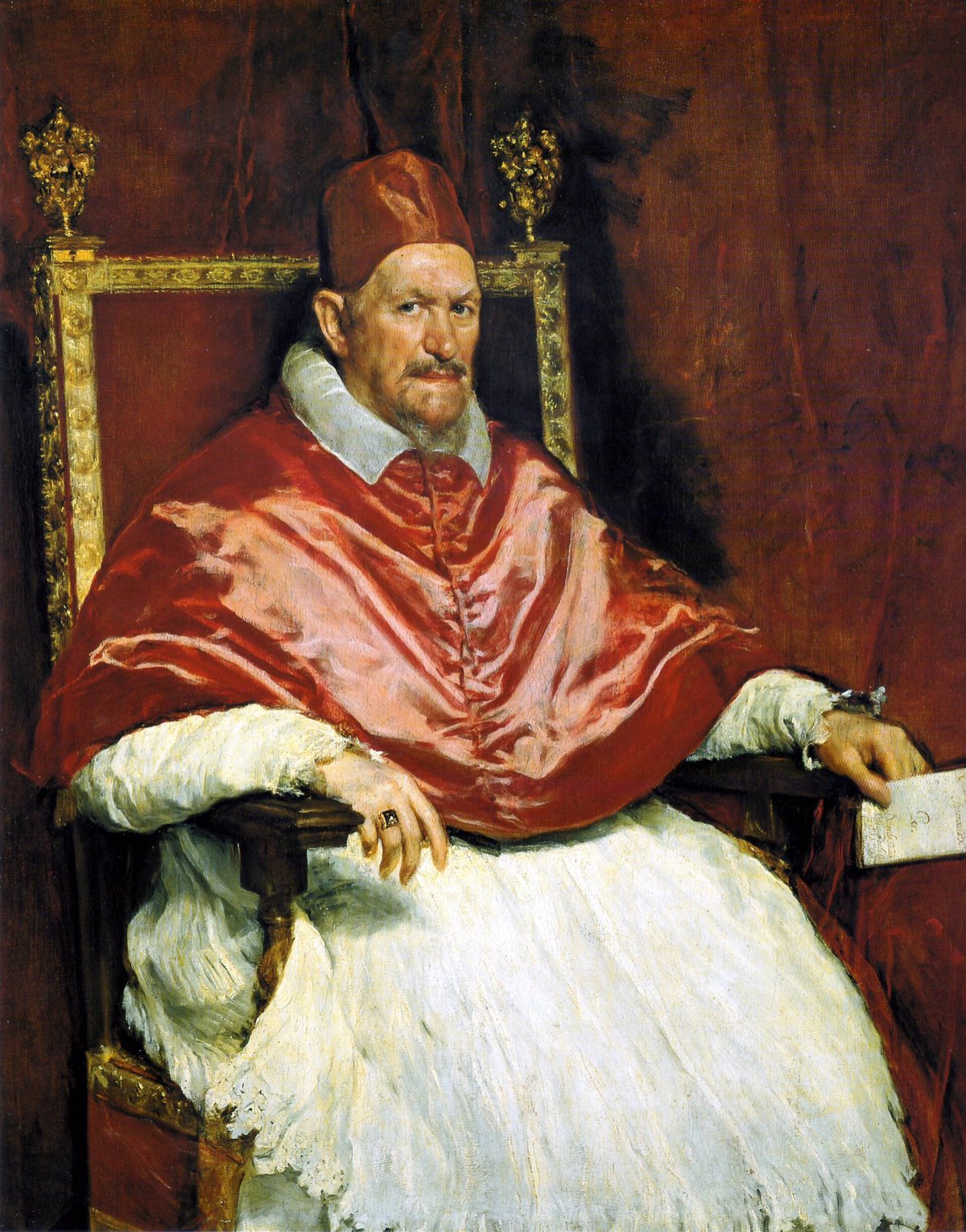
Painter, 1599 to 1660
Diego Velázquez
The court painter of Spain came to Rome and painted the pope. The portrait of Innocent X, still in the family's palace, is often called the finest portrait ever painted.
Baroque. 2 works in 2 museums
See the artist