Painter, 1617 to 1682
Bartolomé Esteban Murillo
For two centuries Murillo was the most loved Spanish painter in Europe. The Prado shows why: his Virgins float on clouds of cherubs, and his Holy Family is a carpenter's household on an ordinary day.
- Born
- 1617, Seville, Spain
- Died
- 1682, Seville
- Movement
- Baroque
- In Madrid
- 2 works in 1 museum
Where to see Bartolomé Esteban Murillo in Madrid
Each work with the museum it hangs in. Museums move and lend their works, so check before a special journey.
Museo del Prado2 works
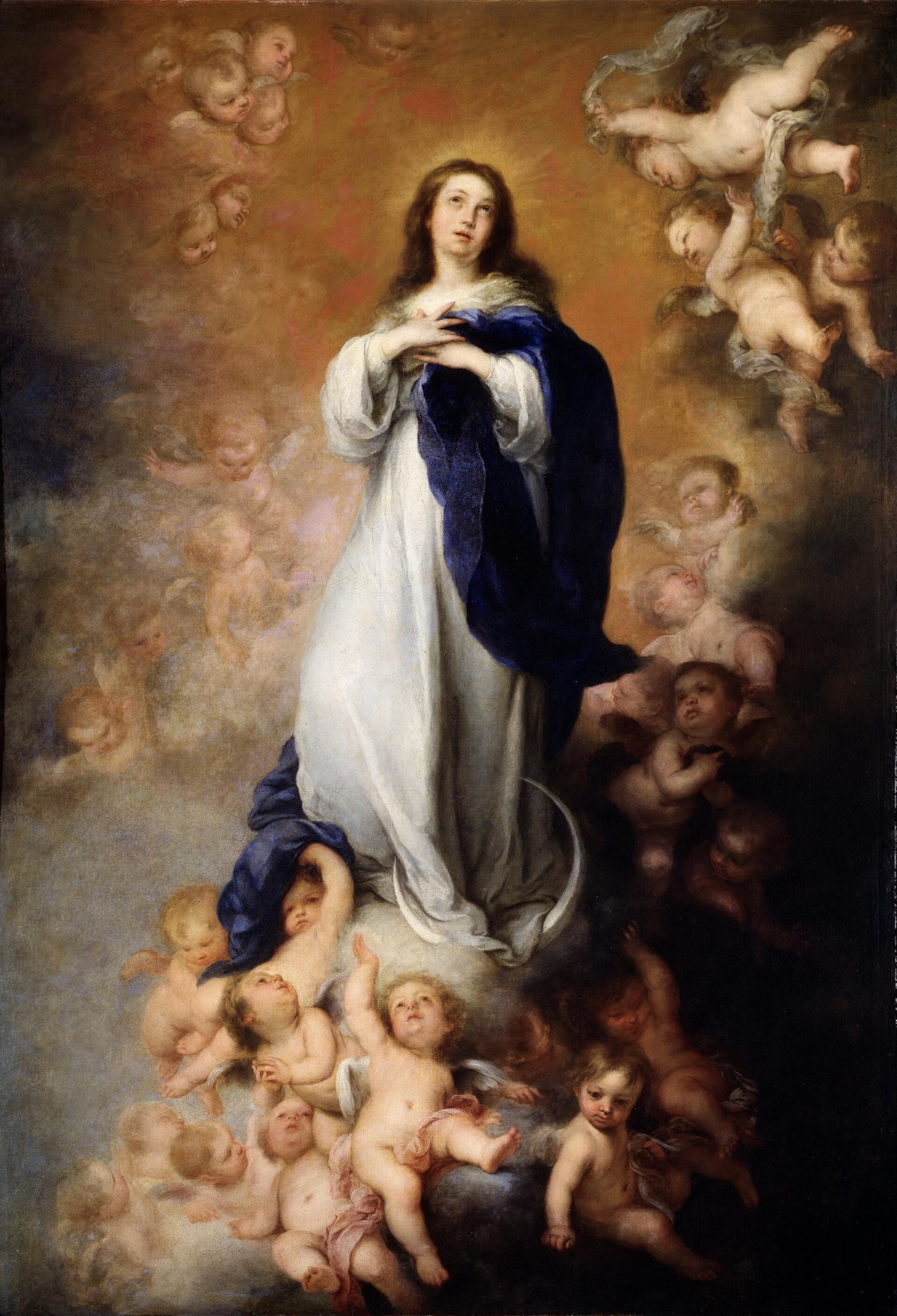
The Immaculate Conception of Los Venerables
about 1678
The Virgin in white and blue rising on a cloud of cherubs. Marshal Soult took it to France in the Napoleonic wars, and it came back to Spain in 1941.
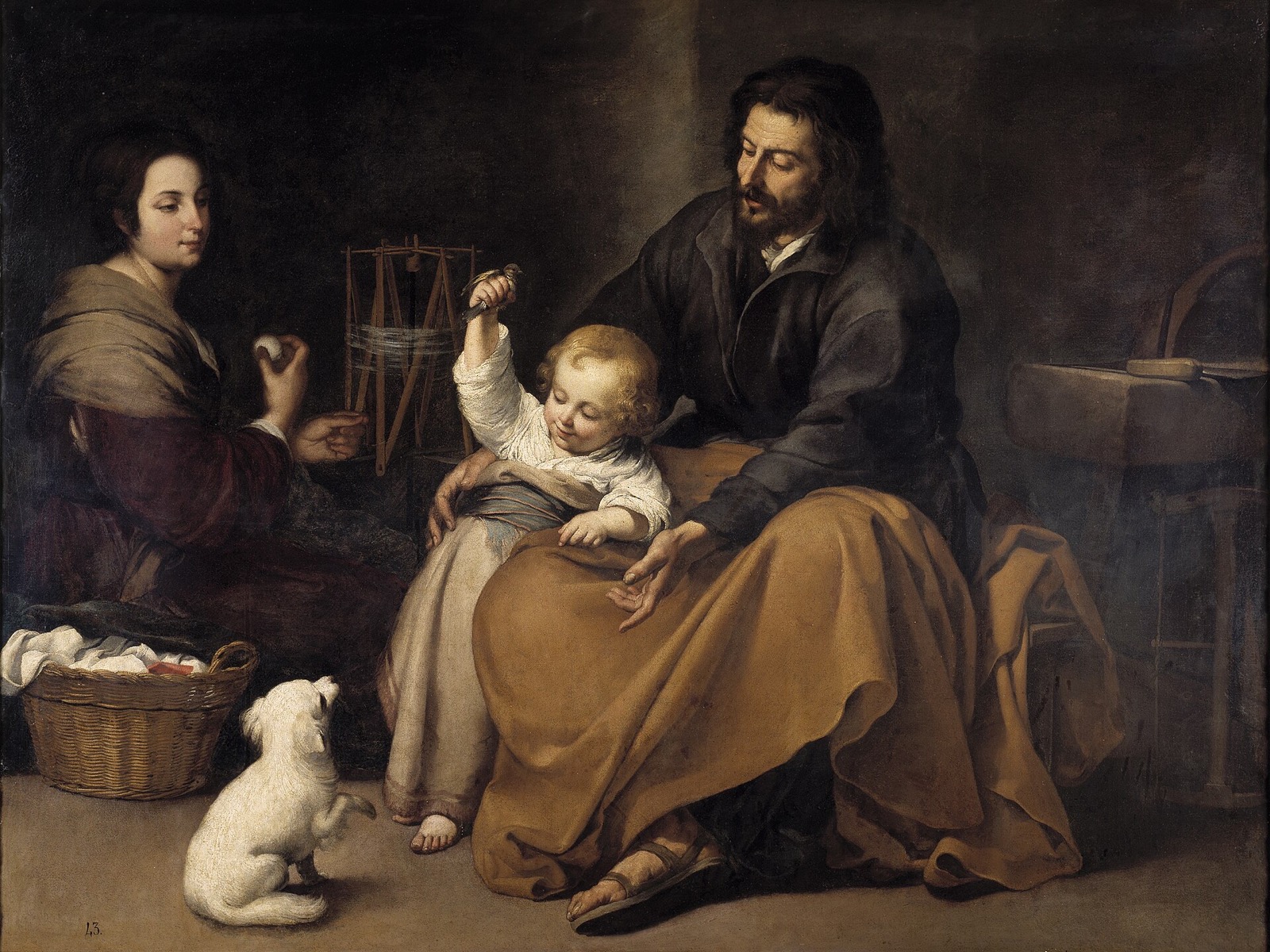
The Holy Family with a Little Bird
about 1650
Saint Joseph holds the Christ Child, who shows a bird to a little white dog, while the Virgin looks up from her spinning.
The life of Bartolomé Esteban Murillo
Bartolomé Esteban Murillo was born in Seville at the end of 1617 and spent nearly all his life there, painting for its churches, convents and charities. He took his surname from his mother's family.
His soft colour and tenderness made him famous, and his pictures of beggar children and flower girls were bought all over Europe. He died in Seville in 1682, after a fall from scaffolding, it was said.
What to know
- Painted the Immaculate Conception many times
- His street children were collected across Europe
- Spent almost his whole life in Seville
- Born
- Late December 1617, Seville, Spain
- Died
- 3 April 1682, Seville
Bartolomé Esteban Murillo: common questions
- Where can you see Bartolomé Esteban Murillo in Madrid?
- At the Museo del Prado: The Immaculate Conception of Los Venerables and The Holy Family with a Little Bird. Museums move and lend their works, so check before a special journey.
- What is Bartolomé Esteban Murillo's most famous work in Madrid?
- The Immaculate Conception of Los Venerables, of about 1678, at the Museo del Prado. The Virgin in white and blue rising on a cloud of cherubs. Marshal Soult took it to France in the Napoleonic wars, and it came back to Spain in 1941.
- When and where was Bartolomé Esteban Murillo born?
- Late December 1617, at Seville, Spain. Bartolomé Esteban Murillo died on 3 April 1682, at Seville, aged about 65.
- What is Bartolomé Esteban Murillo known for?
- Painted the Immaculate Conception many times. His street children were collected across Europe. Spent almost his whole life in Seville. Bartolomé Esteban Murillo was a Spanish painter, of the Baroque.
Tickets and tours: Bartolomé Esteban Murillo in Madrid
Things to do near the Prado
The nearest of this site's best things to do in the city. Distances are in a straight line.
- 4Walk seven centuries of painting at the Thyssen350 m awayMuseum, 2 to 3.5 hours, ticket, free on mondays
- 17Look over Madrid's rooftops from the Círculo de Bellas Artes600 m awayMonument, 45 to 90 minutes, ticket for the roof
- 3Stand in front of Guernica at the Reina Sofía700 m awayMuseum, 1.5 to 3 hours, ticket, free in the evenings
- 5Row a boat on the lake in the Retiro750 m awayGarden, 1 to 3 hours, free, boats extra
Where to eat near the Prado
The nearest of the famous tables this site lists in Madrid. Distances are in a straight line.
- Horcher4.6Restaurant, Retiro600 m away
- Viva Madrid4.5Tavern, Barrio de las Letras650 m away
- Casa Alberto4.4Tavern, Barrio de las Letras700 m away
- Antigua Pastelería del Pozo4.5Pastry shop, Puerta del Sol800 m away
Hotels near the Prado
The five-star hotels closest to it, of those this site lists in Madrid. Distances are in a straight line.
- Mandarin Oriental Ritz, Madrid4.7Five-star hotel, Plaza de la Lealtad200 m away
- The Palace, Madrid4.6Five-star hotel, Plaza de las Cortes300 m away
- Gran Hotel Inglés4.7Five-star hotel, Barrio de las Letras700 m away
- The Principal Madrid4.5Five-star hotel, Gran Vía750 m away
Other artists
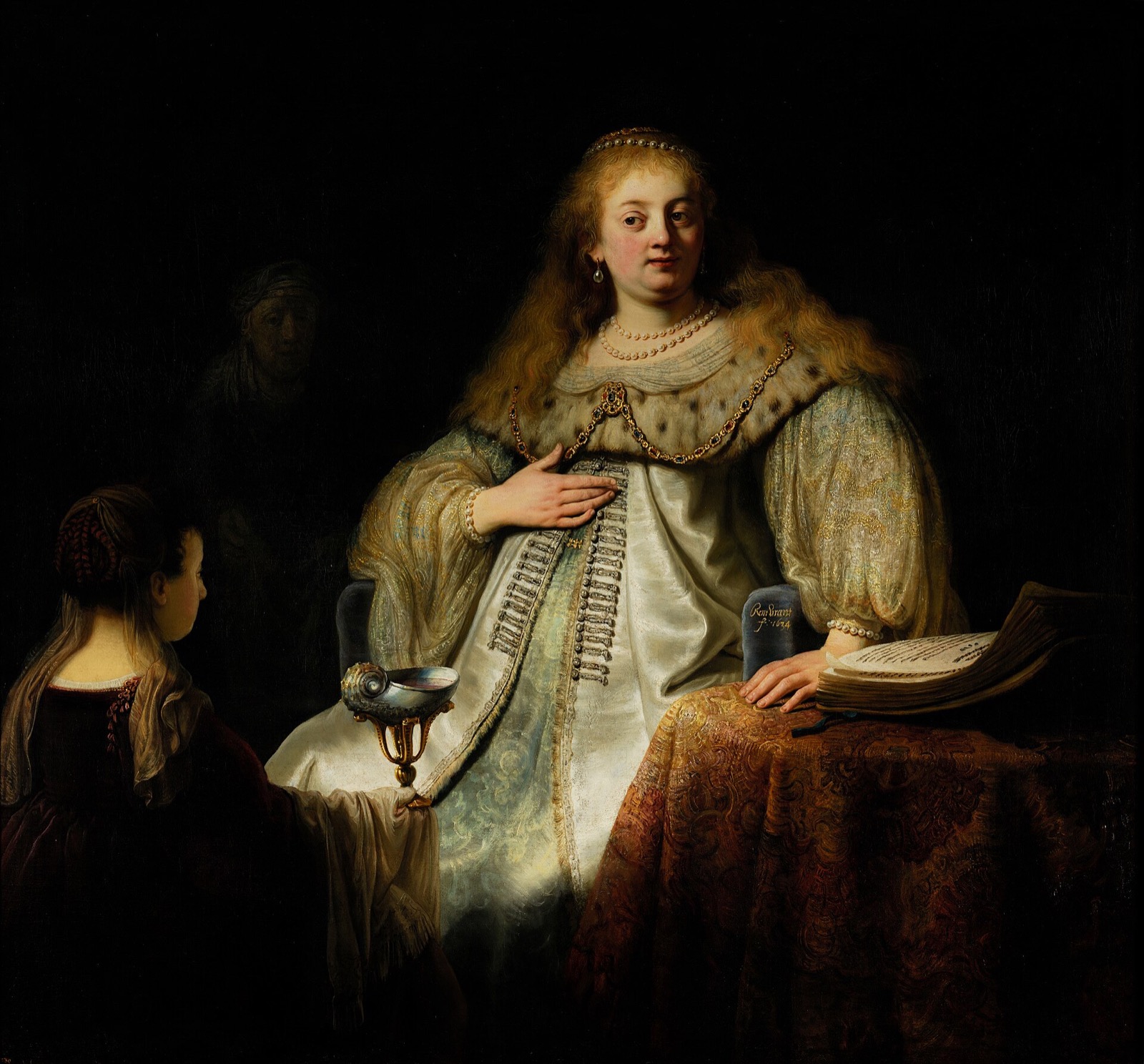
Painter, 1606 to 1669
Rembrandt
The Prado has one Rembrandt, a young woman in a gown of gold brocade, now thought to be Judith at the banquet of Holofernes.
Dutch Golden Age. 1 work in 1 museum
See the artist
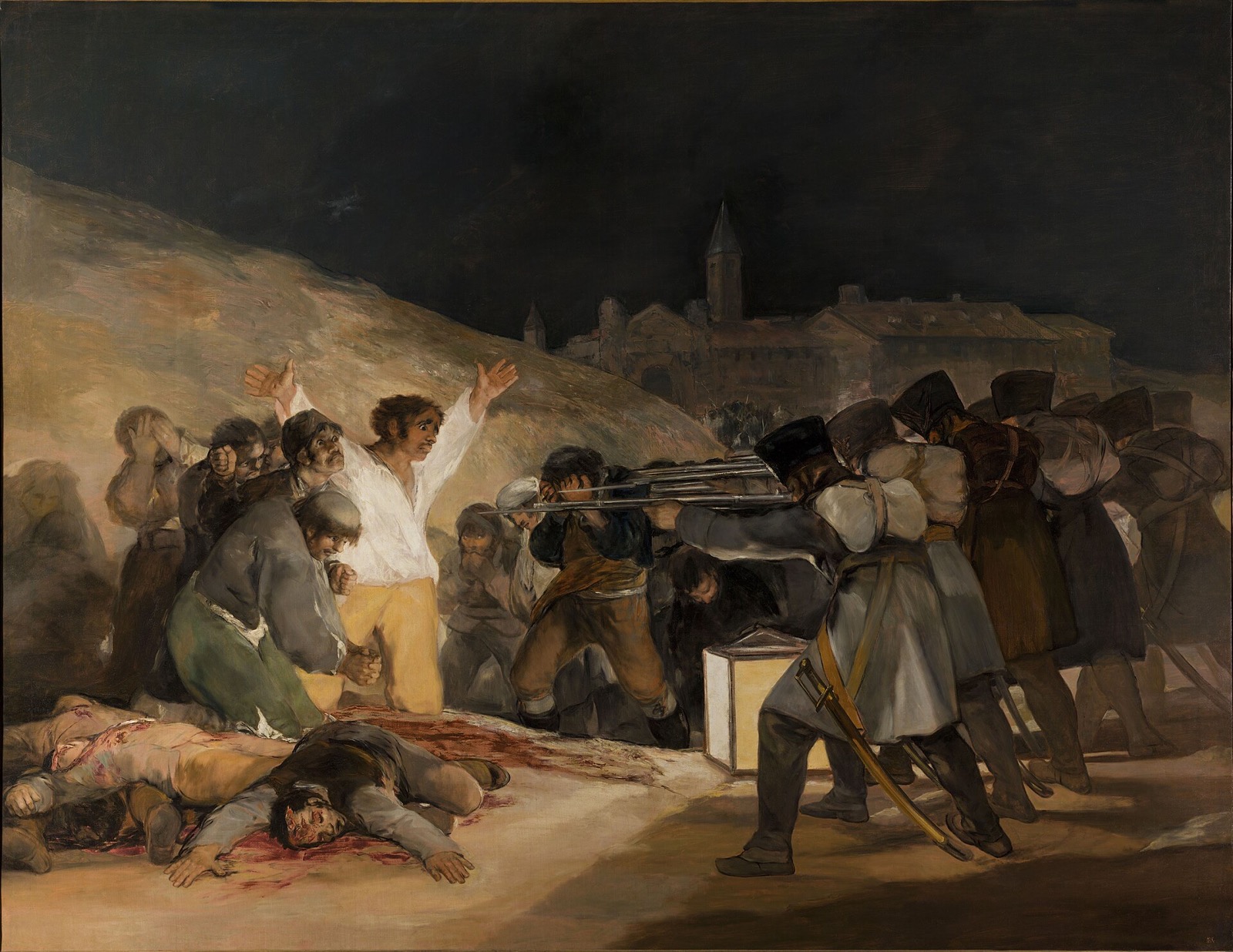
Painter, 1746 to 1828
Francisco Goya
Madrid has more of Goya than anywhere else: the Third of May and the Black Paintings in the Prado, the small pictures at the Academy, the Witches' Sabbath and the dome he painted over his own grave.
Romanticism. 6 works in 4 museums
See the artist
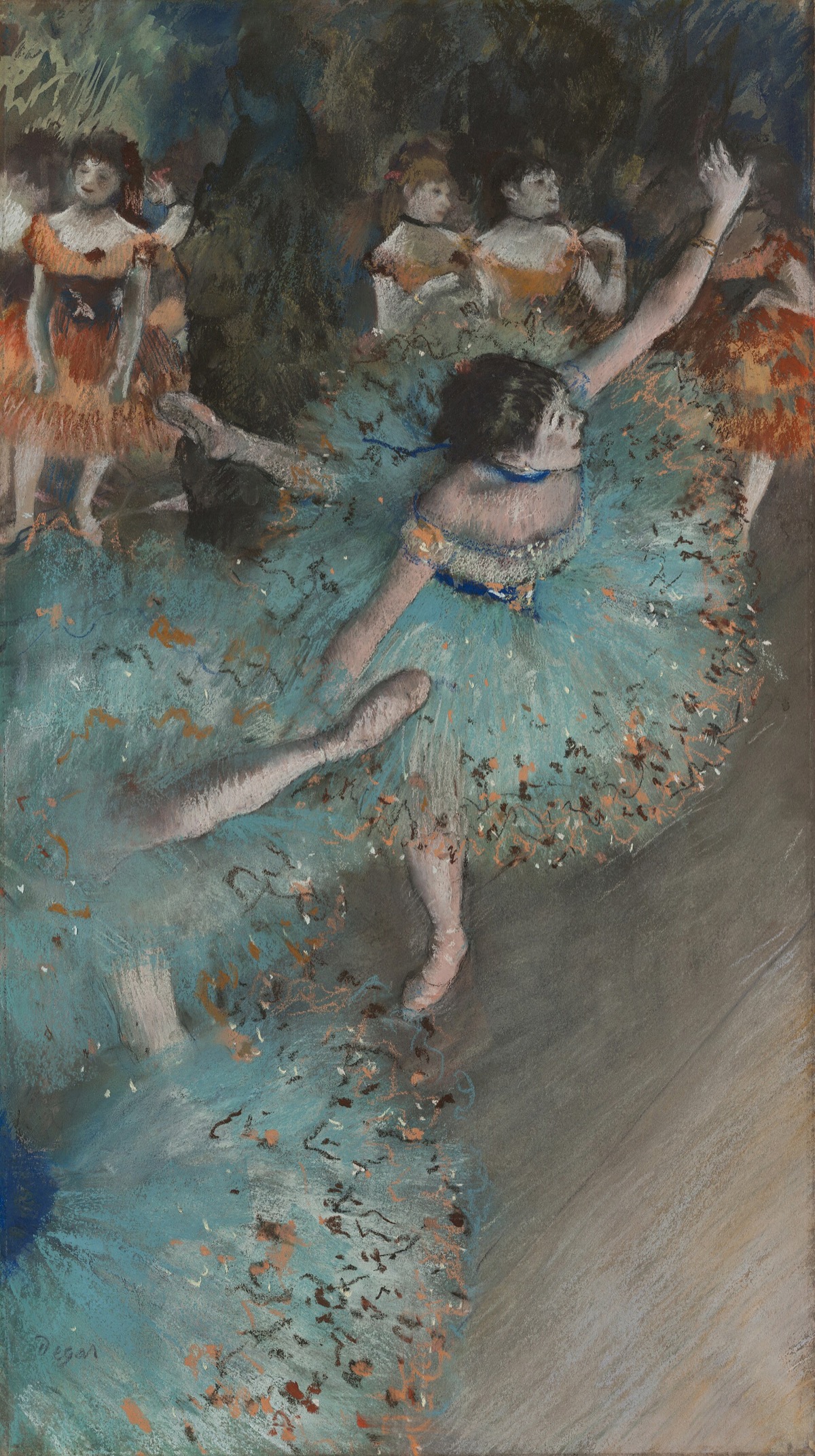
Painter and sculptor, 1834 to 1917
Edgar Degas
The Thyssen has Degas's Swaying Dancer, a pastel of a ballerina in green seen from above.
Impressionism. 1 work in 1 museum
See the artist