26 artists in the museums, in order of birthArtists to see in Madrid
The most famous artists in the museums of Madrid, and where to stand in front of their work: who they were, what they made, and the museum it hangs in.
- 26
- Artists, in order of birth
- 48
- Works to look for
- 6
- Museums that hold them
- 1390
- The earliest born: Jan van Eyck
Artists to see in Madrid
Show
All 26
Painter, 1390 to 1441
Jan van Eyck
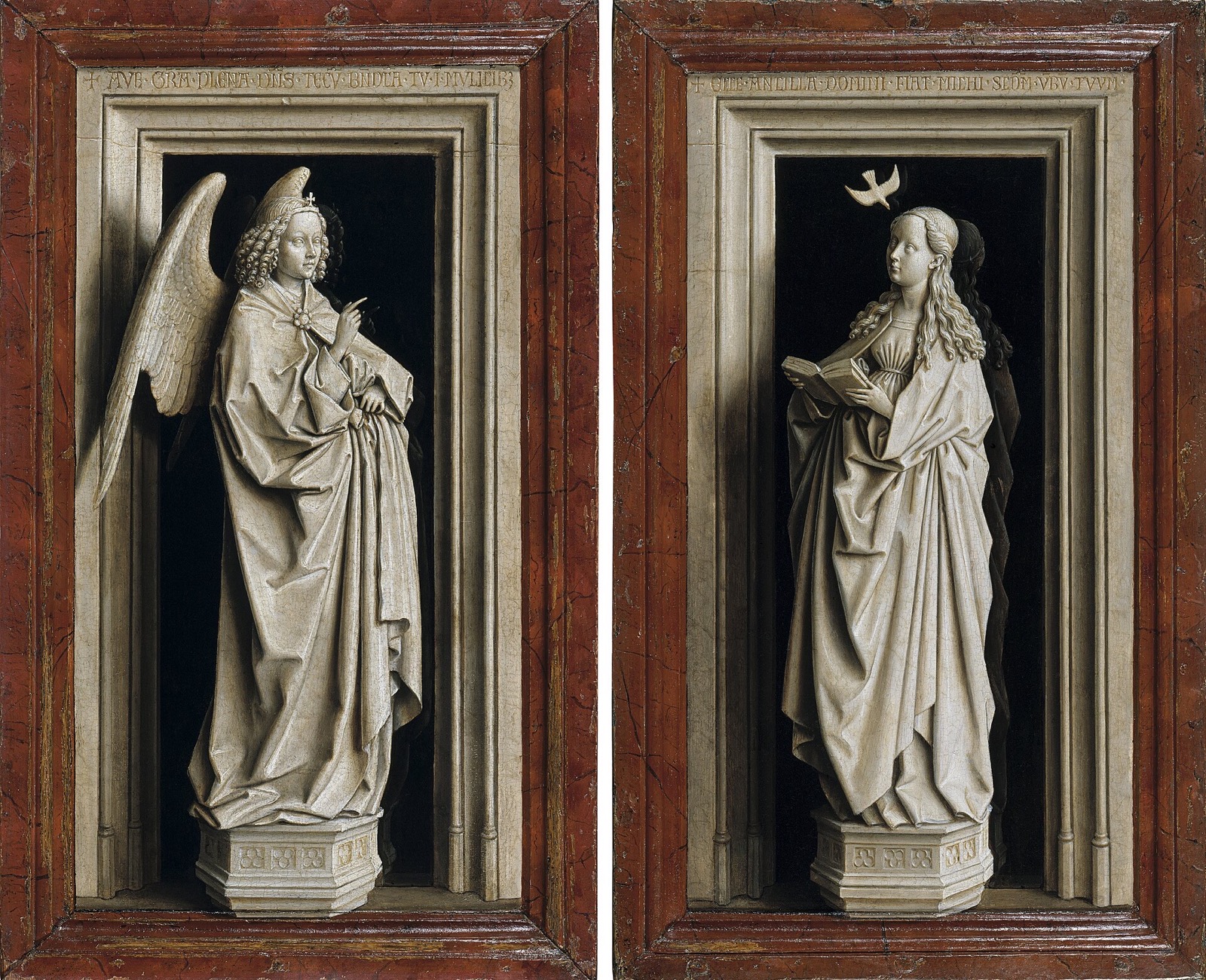
The Thyssen has Jan van Eyck's Annunciation diptych, two small panels painted to look like statues of stone.
Early Netherlandish painting. 1 work in 1 museum
See the artist
Painter, 1395 to 1455
Fra Angelico
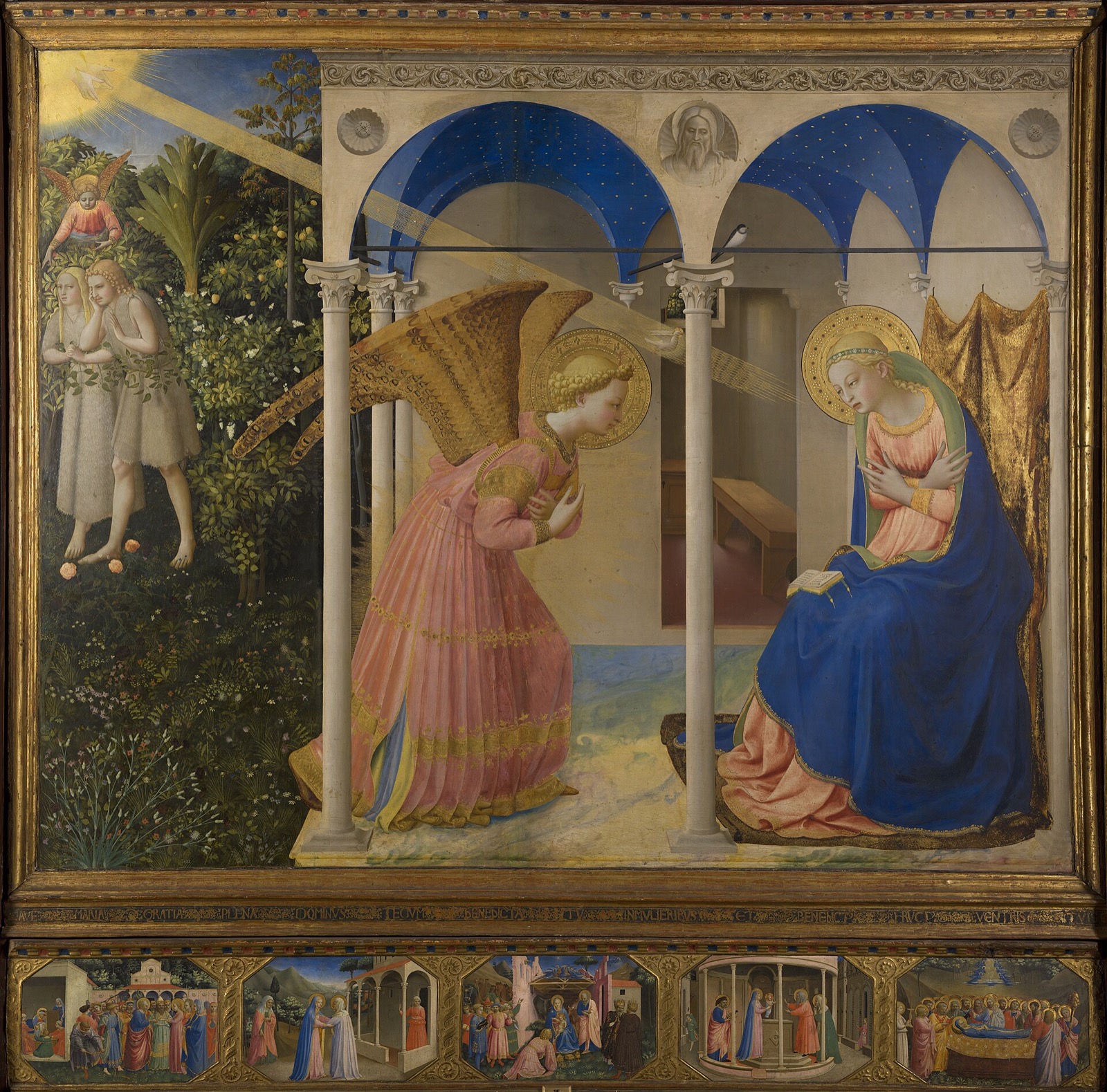
The Prado has Fra Angelico's Annunciation, the altarpiece painted for a convent near Florence, with Adam and Eve expelled from Eden beside the angel.
Early Renaissance. 1 work in 1 museum
See the artist
Painter, 1399 to 1464
Rogier van der Weyden
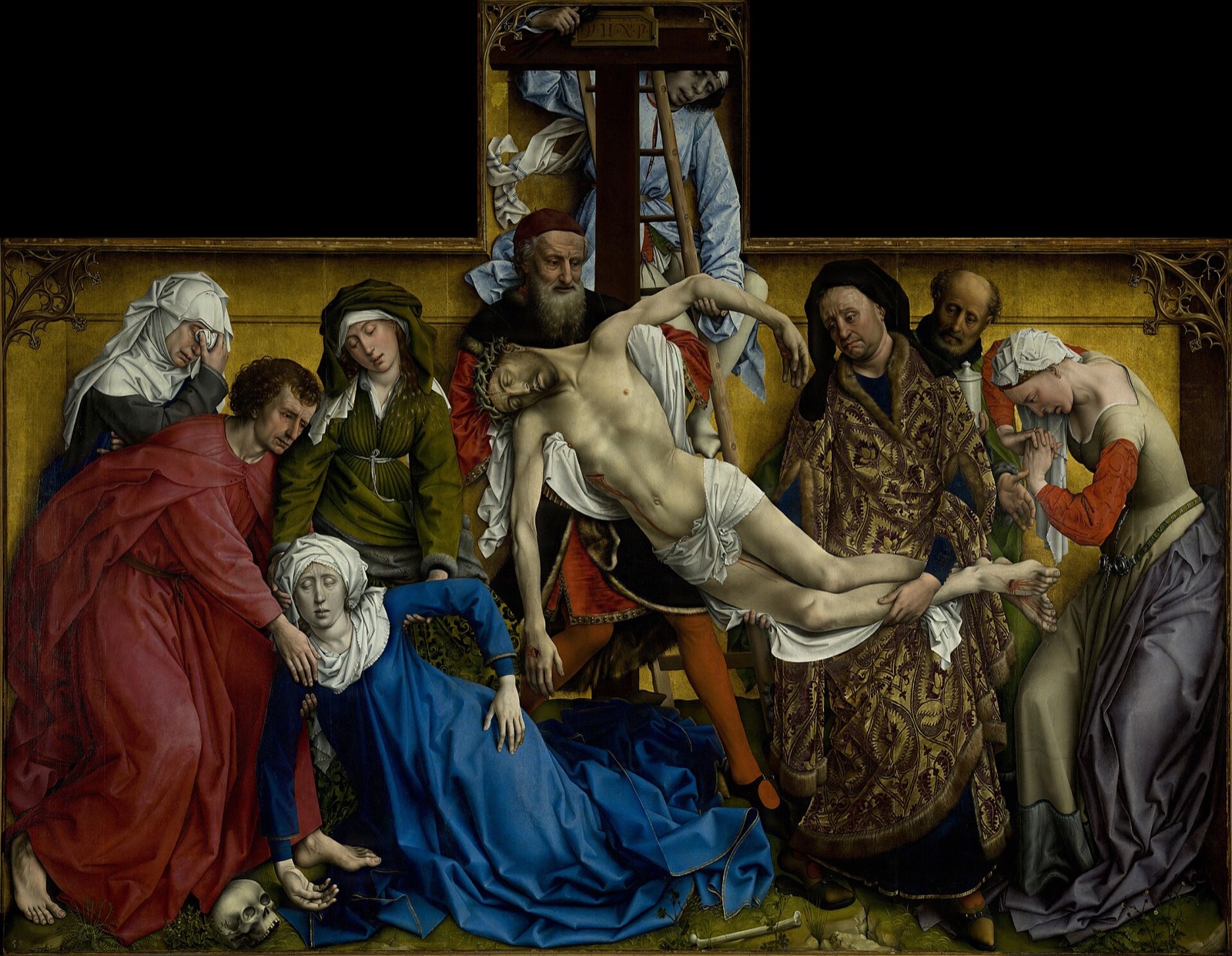
The most influential painter of fifteenth-century Flanders, whose Descent from the Cross in the Prado is one of the great paintings of its age.
Early Netherlandish. 1 work in 1 museum
See the artist
Painter, 1448 to 1494
Domenico Ghirlandaio
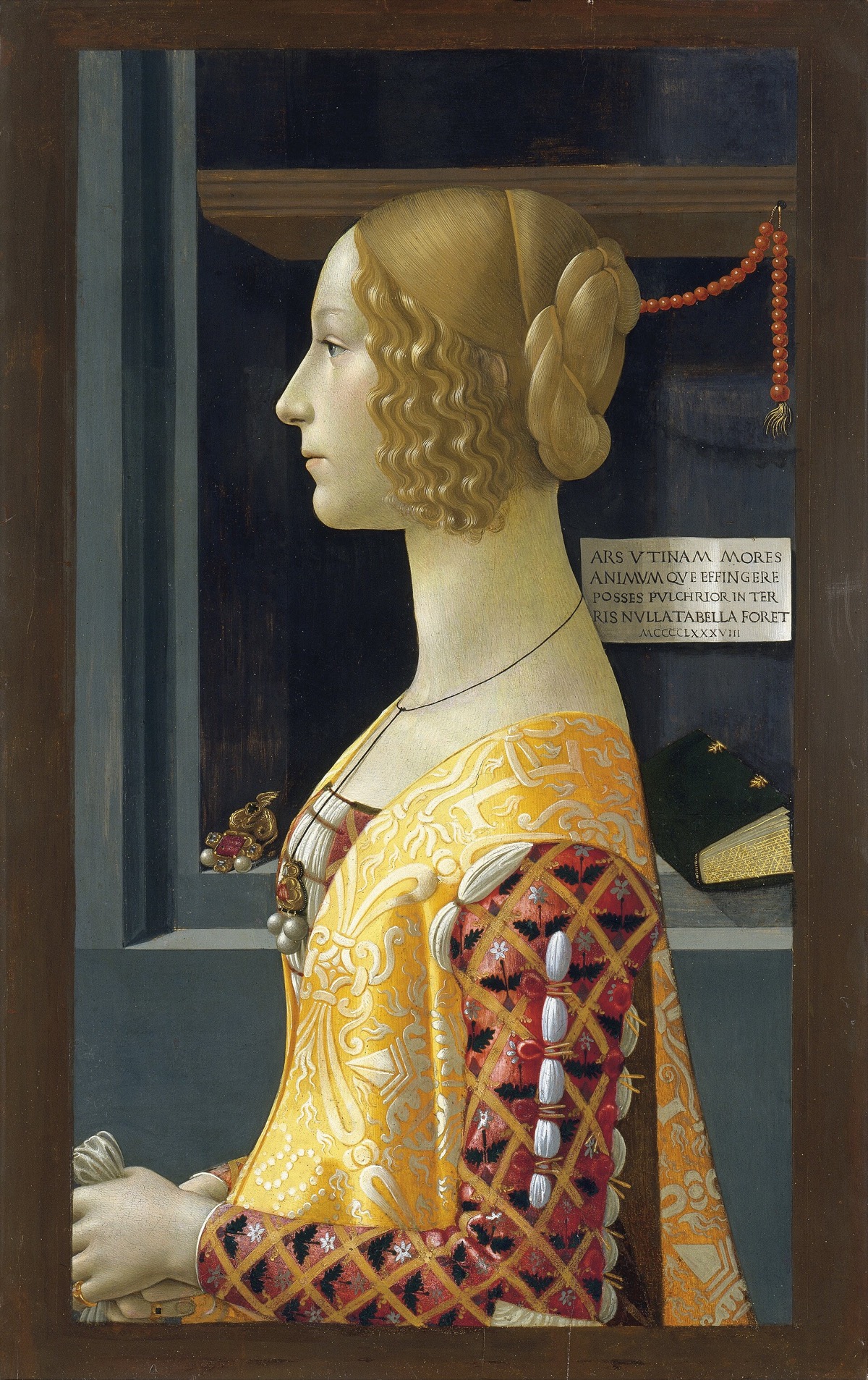
The Thyssen has Ghirlandaio's profile of Giovanna Tornabuoni, one of the most famous portraits of the Florentine Renaissance.
Early Renaissance. 1 work in 1 museum
See the artist
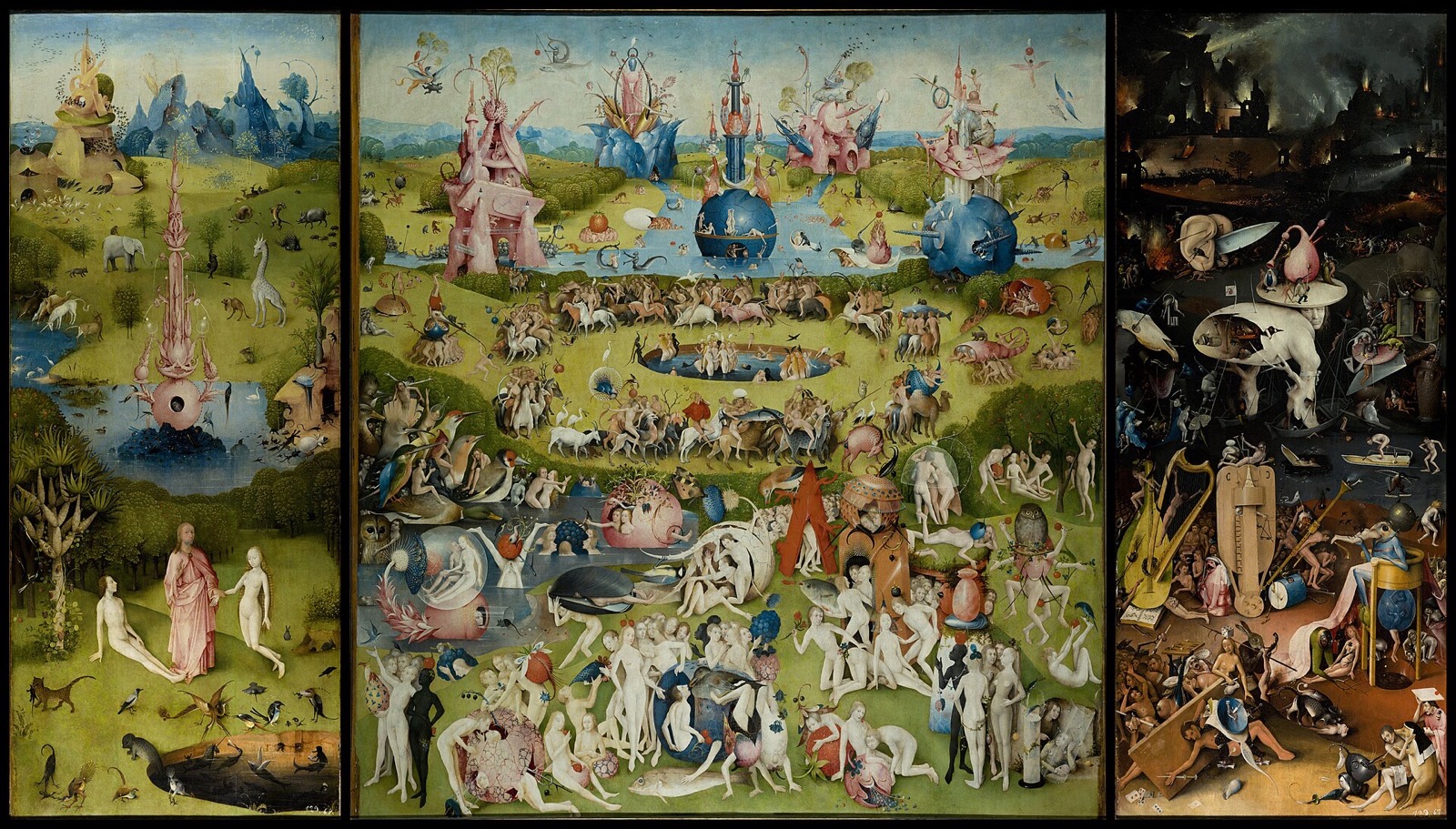
Painter, 1450 to 1516
Hieronymus Bosch
The painter of paradise and hell whose Garden of Earthly Delights hangs in the Prado, with more of his work than anywhere else.
Early Netherlandish. 3 works in 1 museum
See the artist
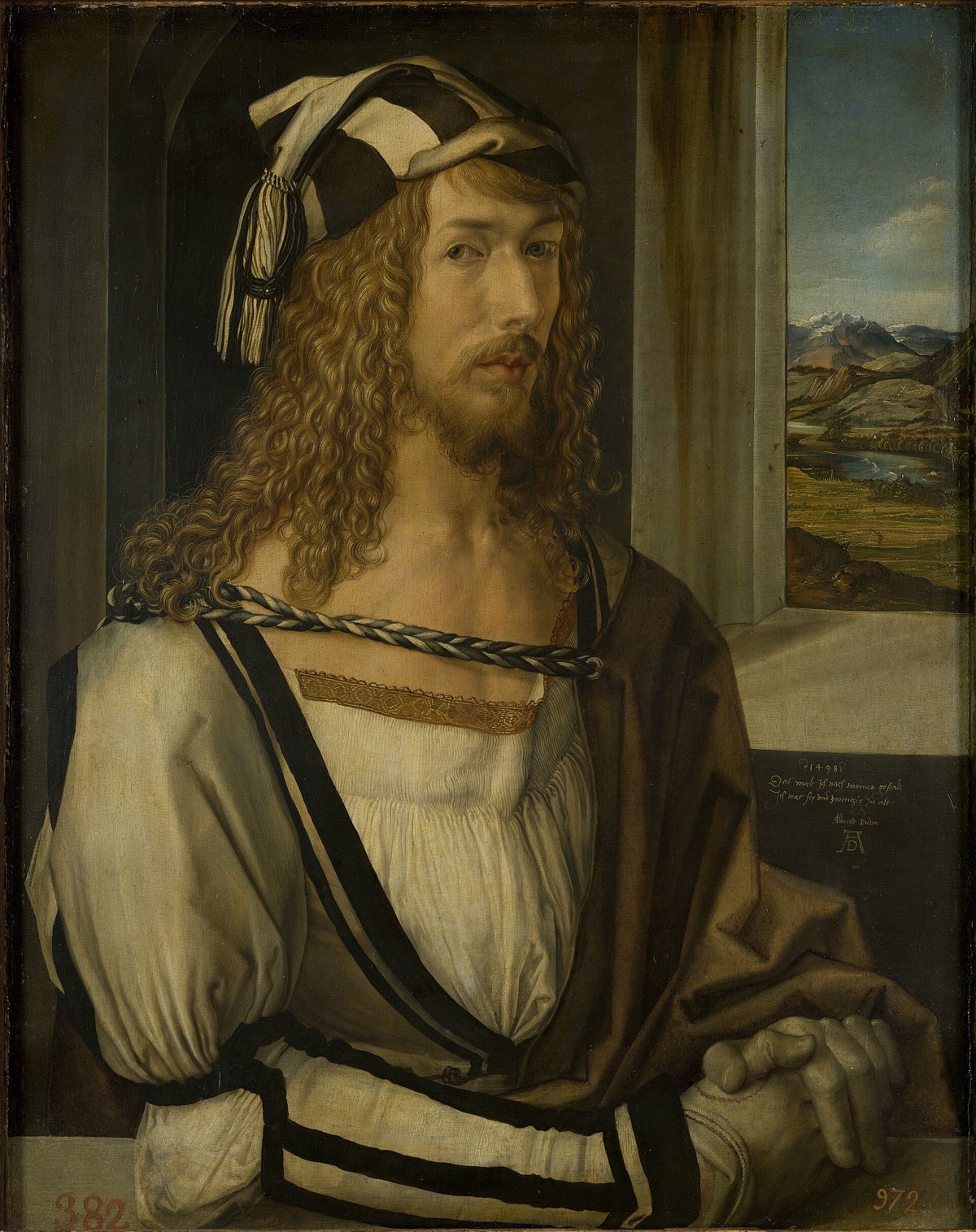
Painter, 1471 to 1528
Albrecht Dürer
The great painter and printmaker of the German Renaissance. The Prado has his self-portrait of 1498 and the panels of Adam and Eve.
Northern Renaissance. 2 works in 1 museum
See the artist
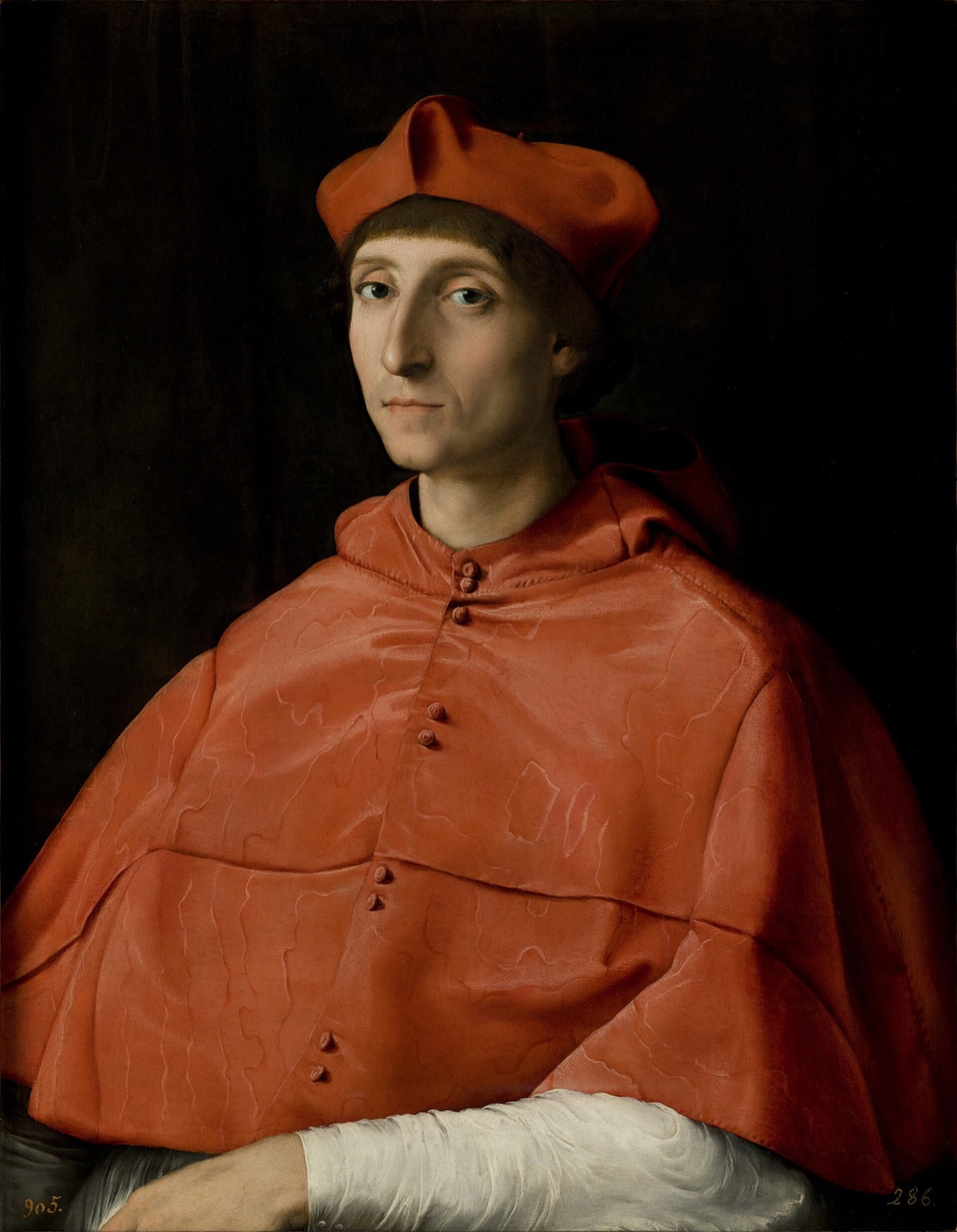
Painter, 1483 to 1520
Raphael
The Prado has a handful of Raphaels, among them his portrait of a young cardinal and the small Holy Family with a Lamb.
High Renaissance. 2 works in 1 museum
See the artist
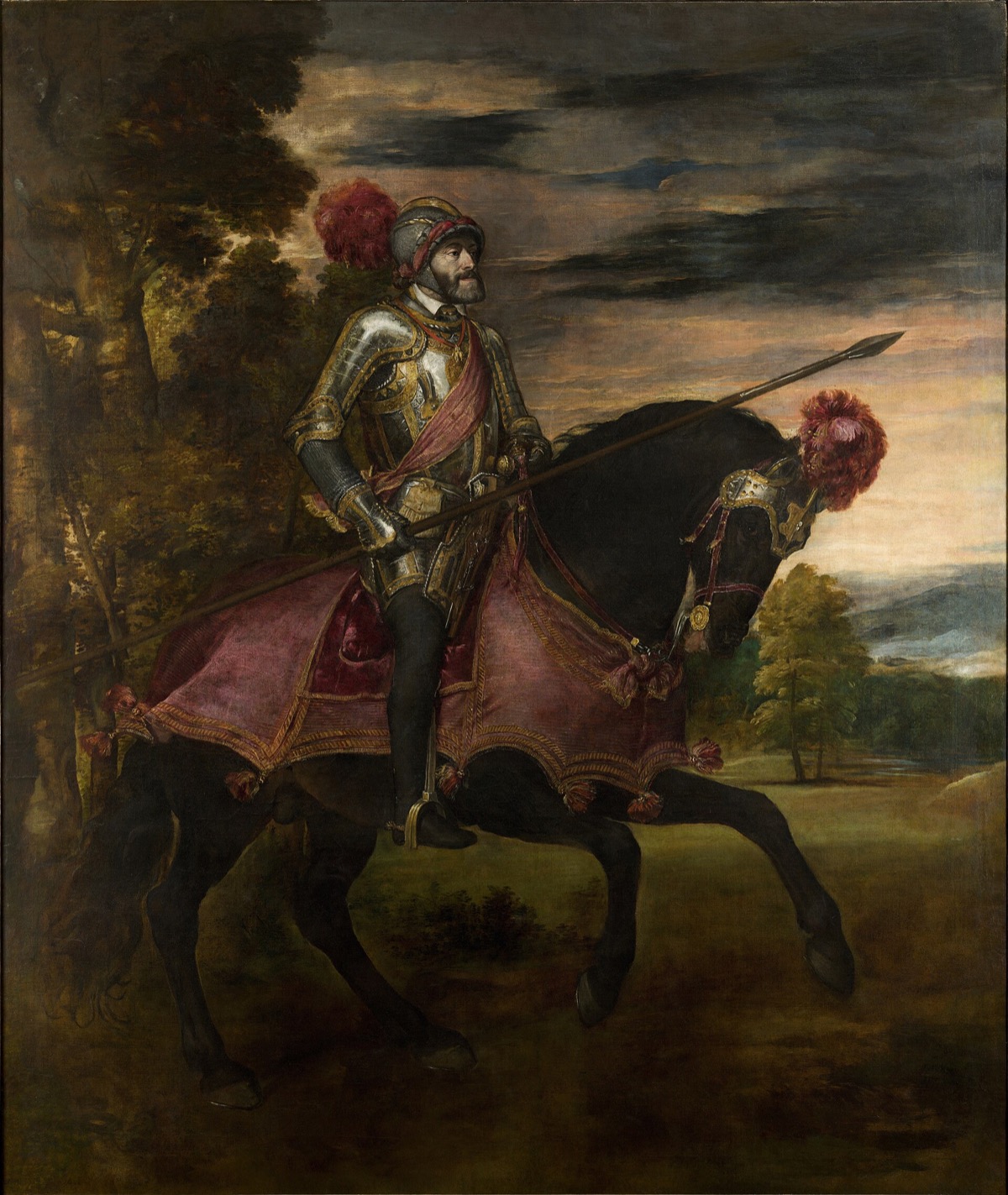
Painter, 1488 to 1576
Titian
Titian was the favourite painter of Charles V and Philip II, and the Prado has the portraits and mythologies he painted for them.
Venetian Renaissance. 2 works in 1 museum
See the artist
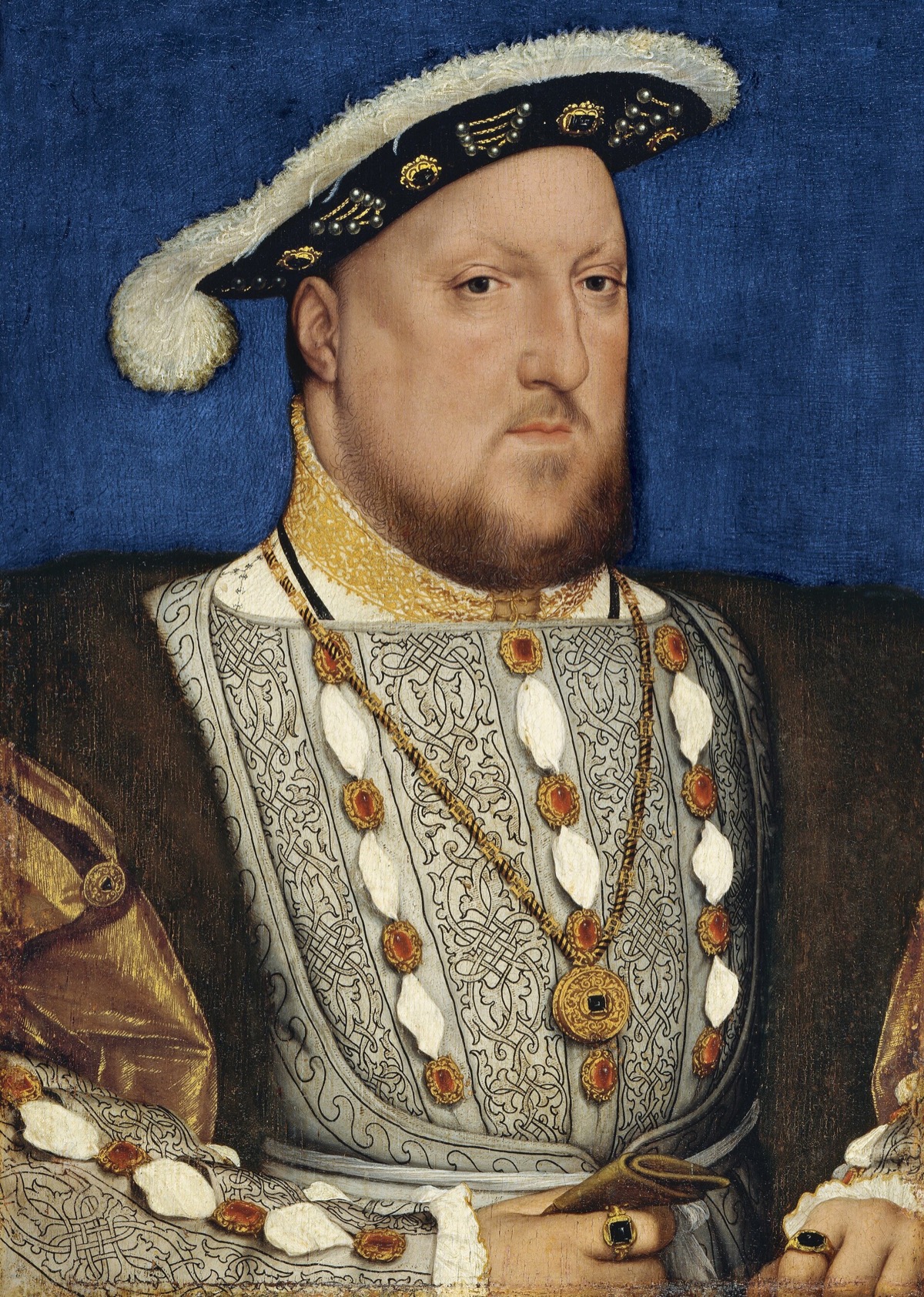
Painter, 1497 to 1543
Hans Holbein the Younger
The Thyssen has Holbein's small portrait of Henry VIII, the only painting of the king by Holbein's own hand to survive.
Northern Renaissance. 1 work in 1 museum
See the artist
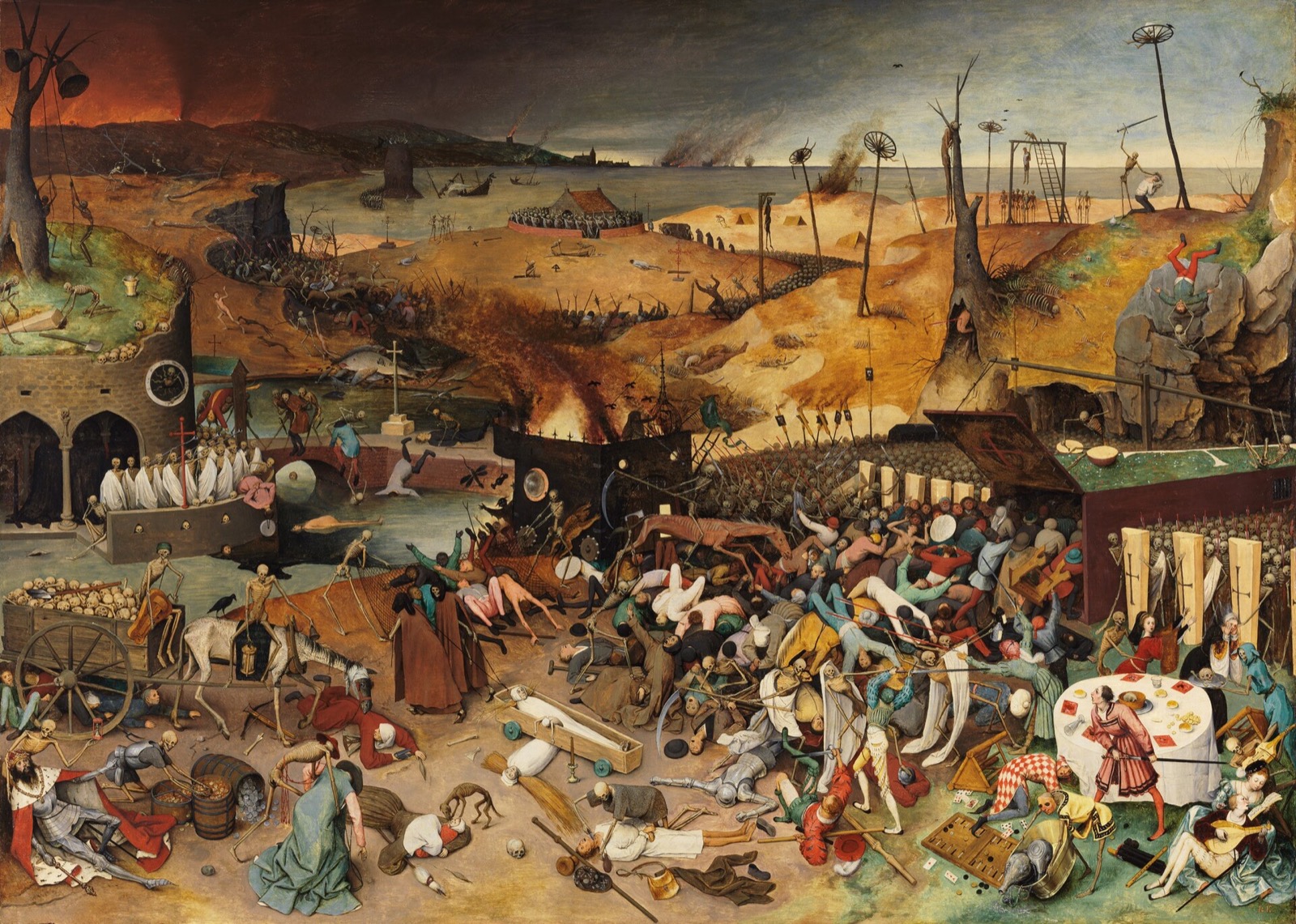
Painter, 1525 to 1569
Pieter Bruegel the Elder
The Prado has Bruegel's Triumph of Death, the most terrible of his panoramas, in which an army of skeletons overruns the world.
Northern Renaissance. 1 work in 1 museum
See the artist
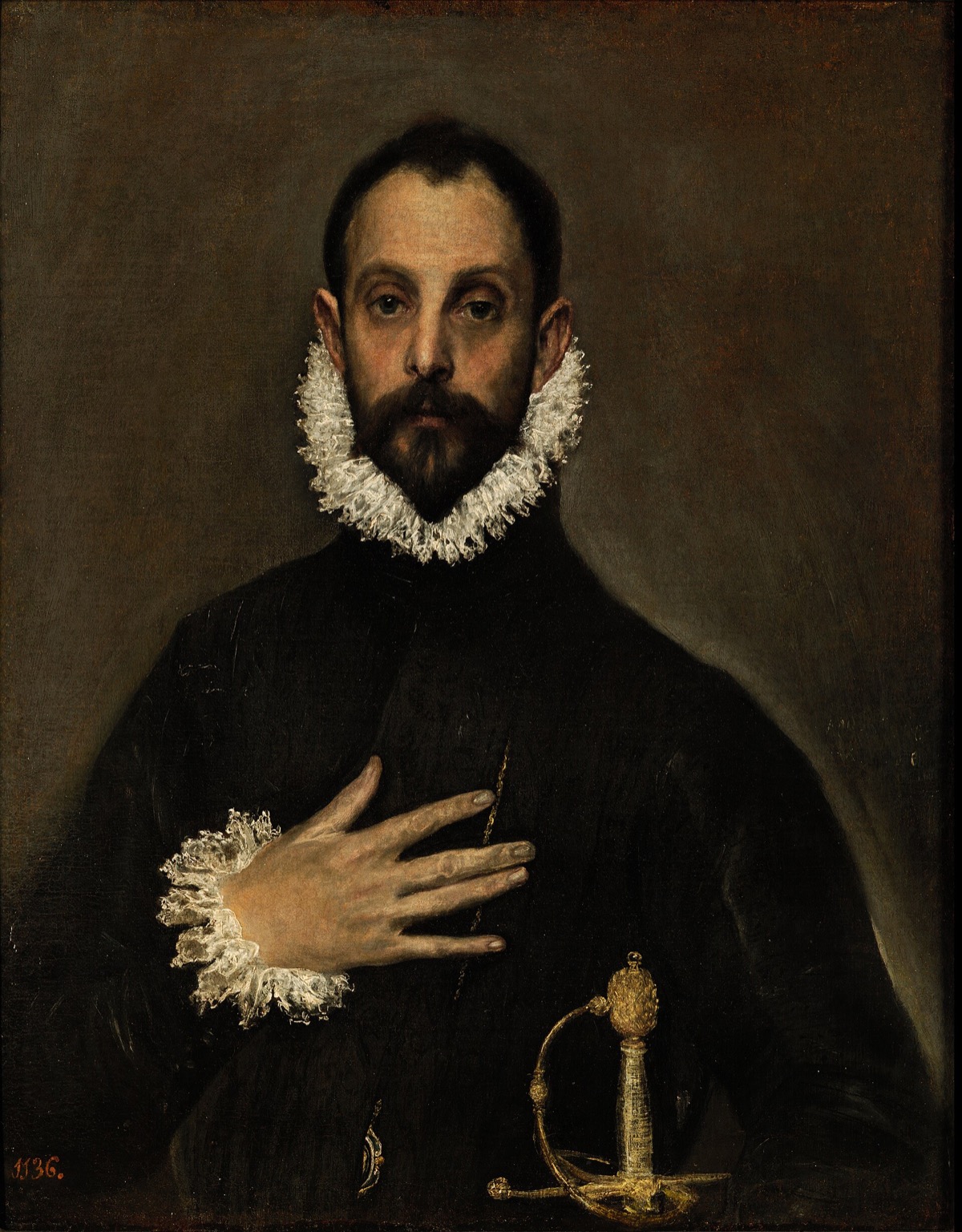
Painter, 1541 to 1614
El Greco
The Prado has El Greco's portraits and his great religious paintings of the 1570s to 1600s, painted in Toledo, an hour south of Madrid.
Mannerism. 2 works in 1 museum
See the artist
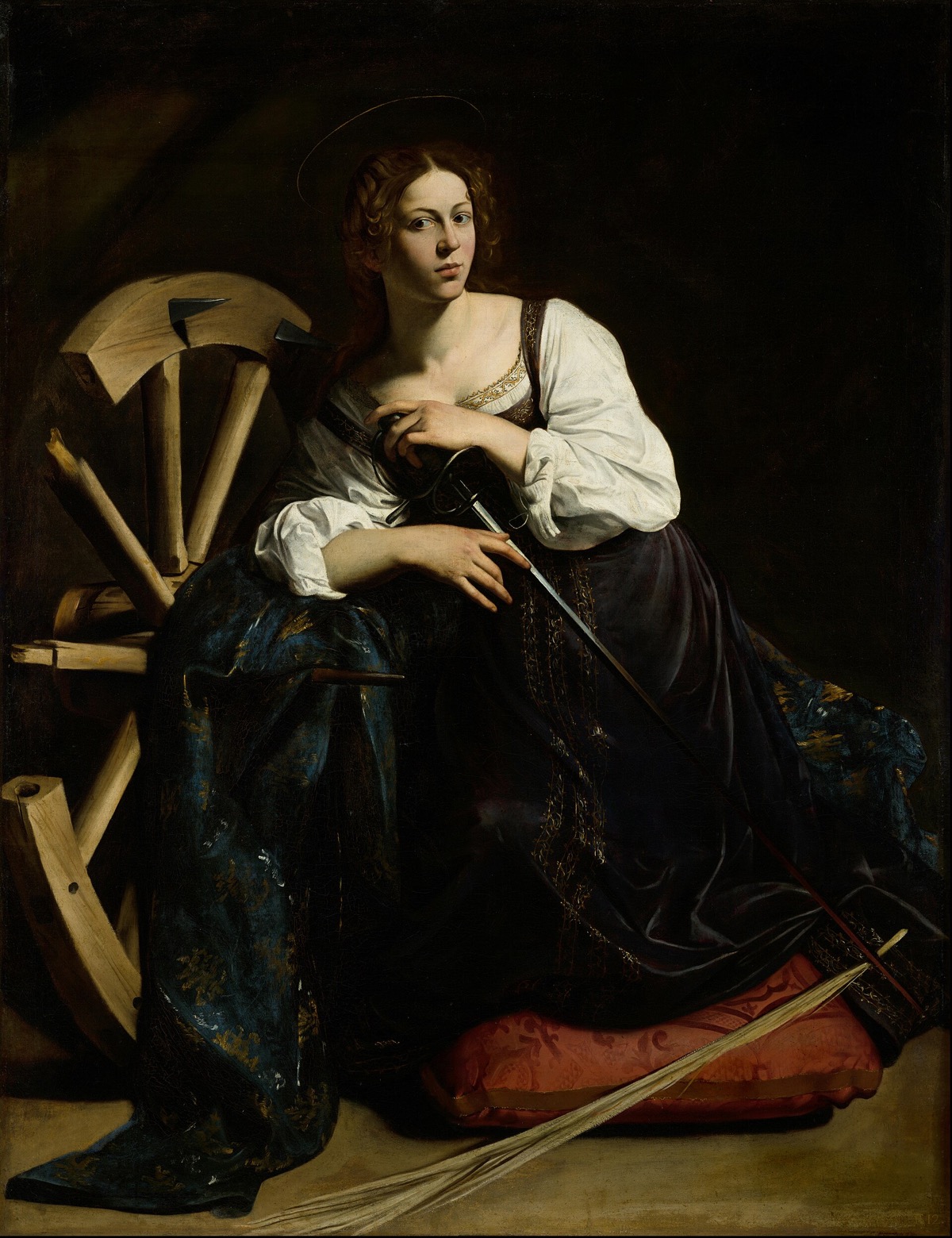
Painter, 1571 to 1610
Caravaggio
Madrid has two Caravaggios: David with the Head of Goliath in the Prado and Saint Catherine of Alexandria in the Thyssen.
Baroque. 2 works in 2 museums
See the artist
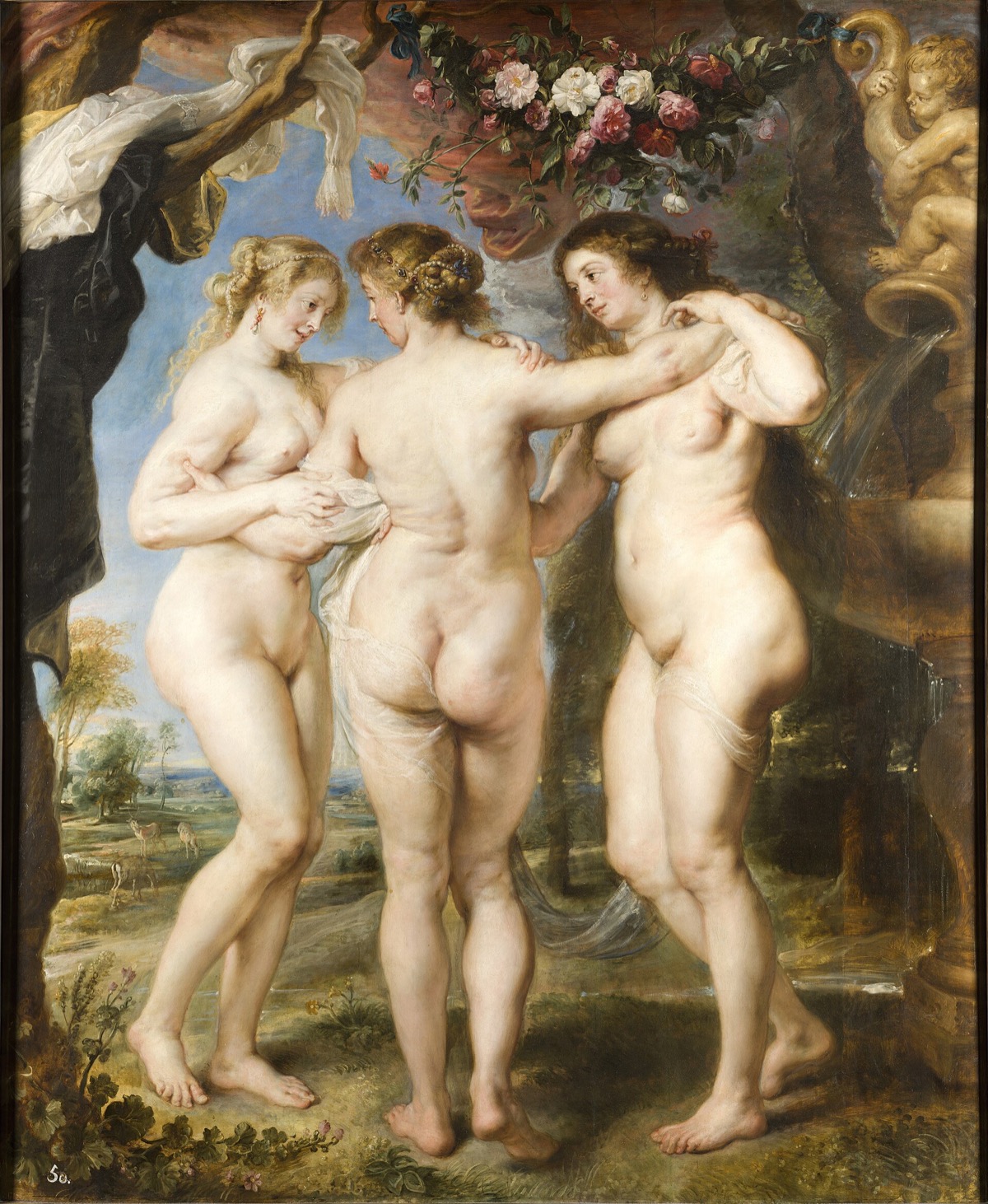
Painter, 1577 to 1640
Peter Paul Rubens
The Prado has more than ninety paintings by Rubens, bought by Philip IV, among them The Three Graces and The Garden of Love.
Baroque. 2 works in 1 museum
See the artist
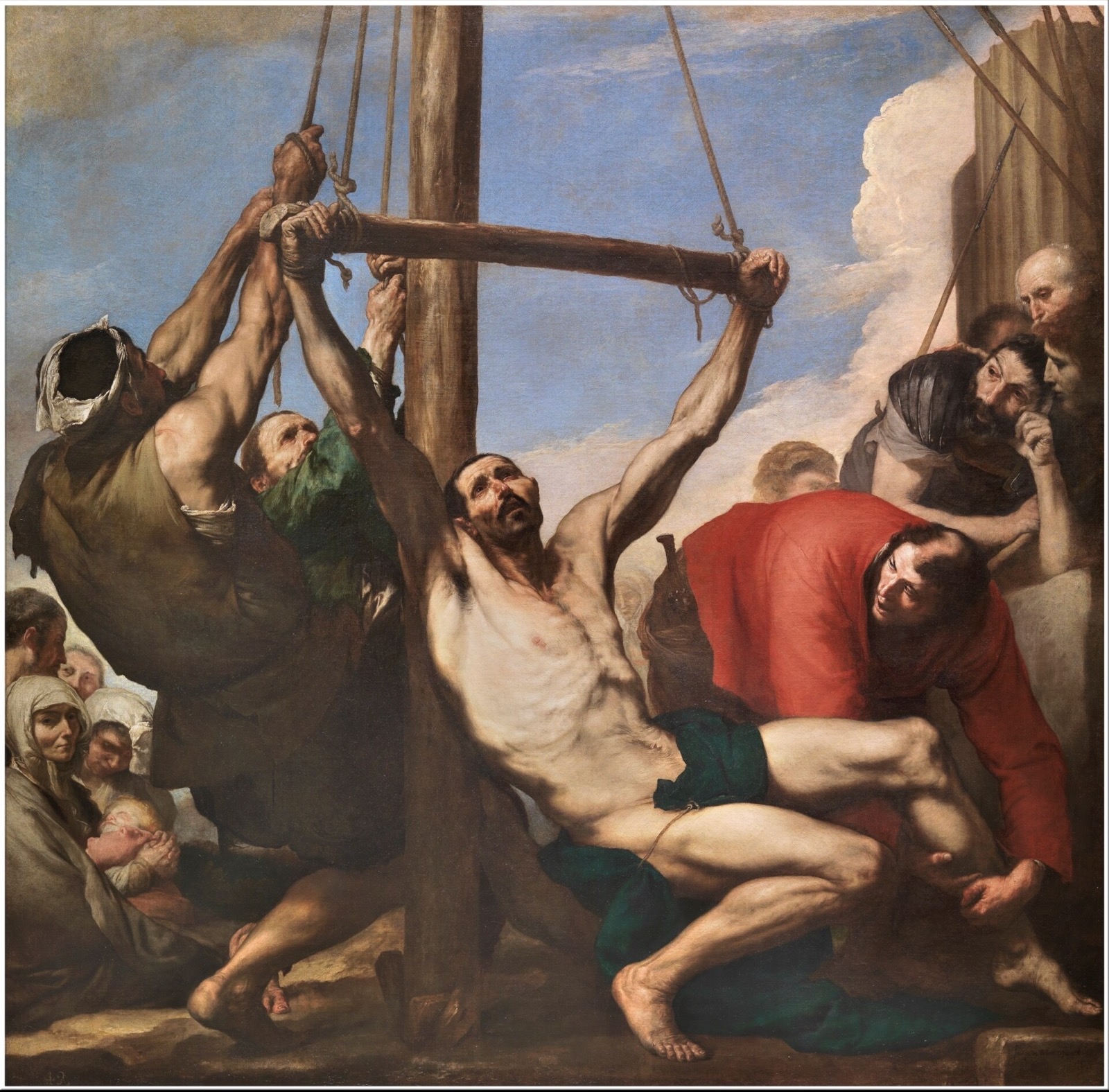
Painter, 1591 to 1652
Jusepe de Ribera
The Spanish painter who made his career in Naples, known for his martyrdoms. The Prado has the Martyrdom of Saint Philip and Jacob's Dream.
Baroque. 2 works in 1 museum
See the artist
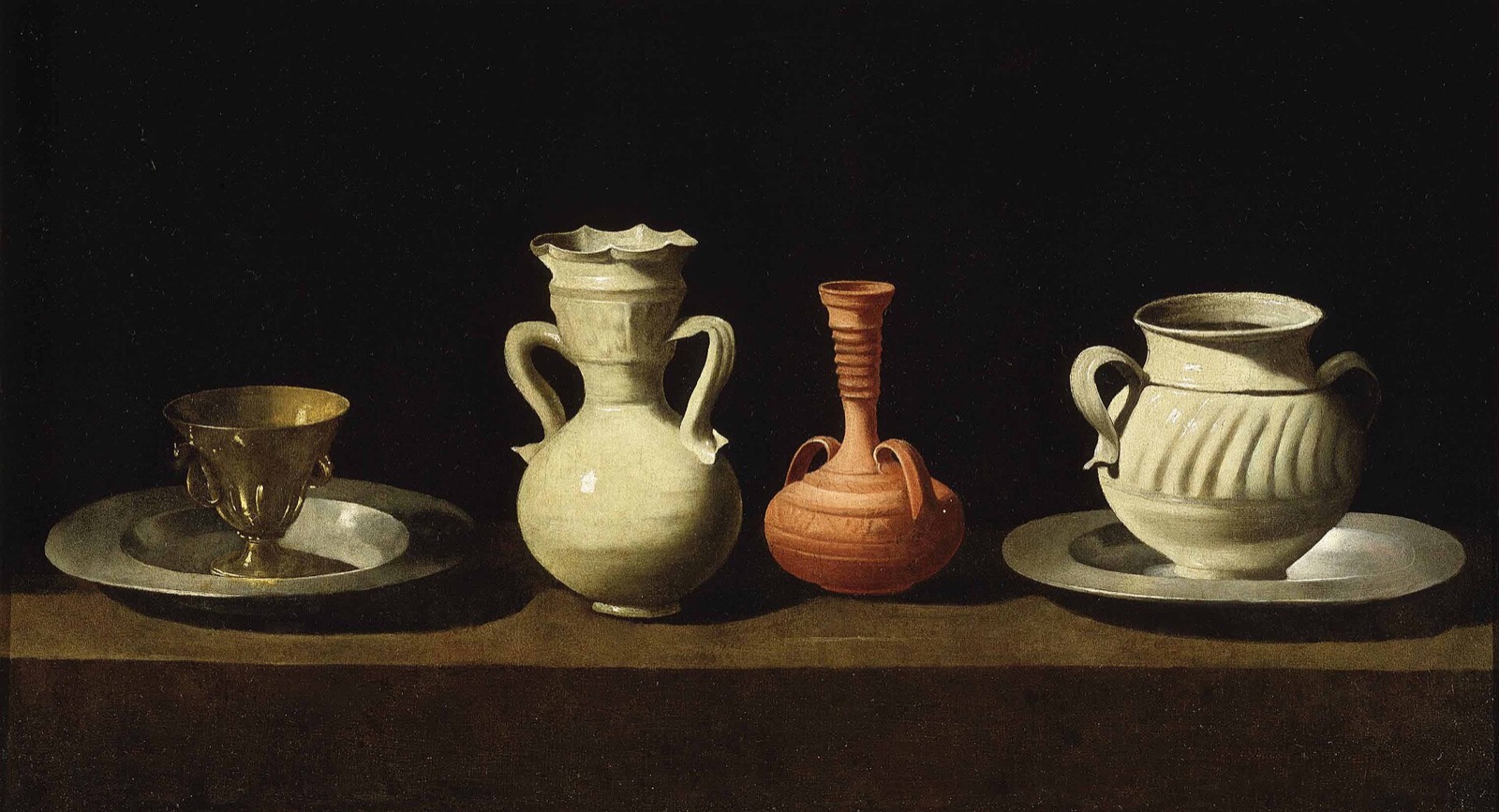
Painter, 1598 to 1664
Francisco de Zurbarán
The painter of monks and still lifes, called the Spanish Caravaggio. The Prado has his Still Life with Four Vessels, and the Academy his white-robed friars.
Baroque. 3 works in 3 museums
See the artist
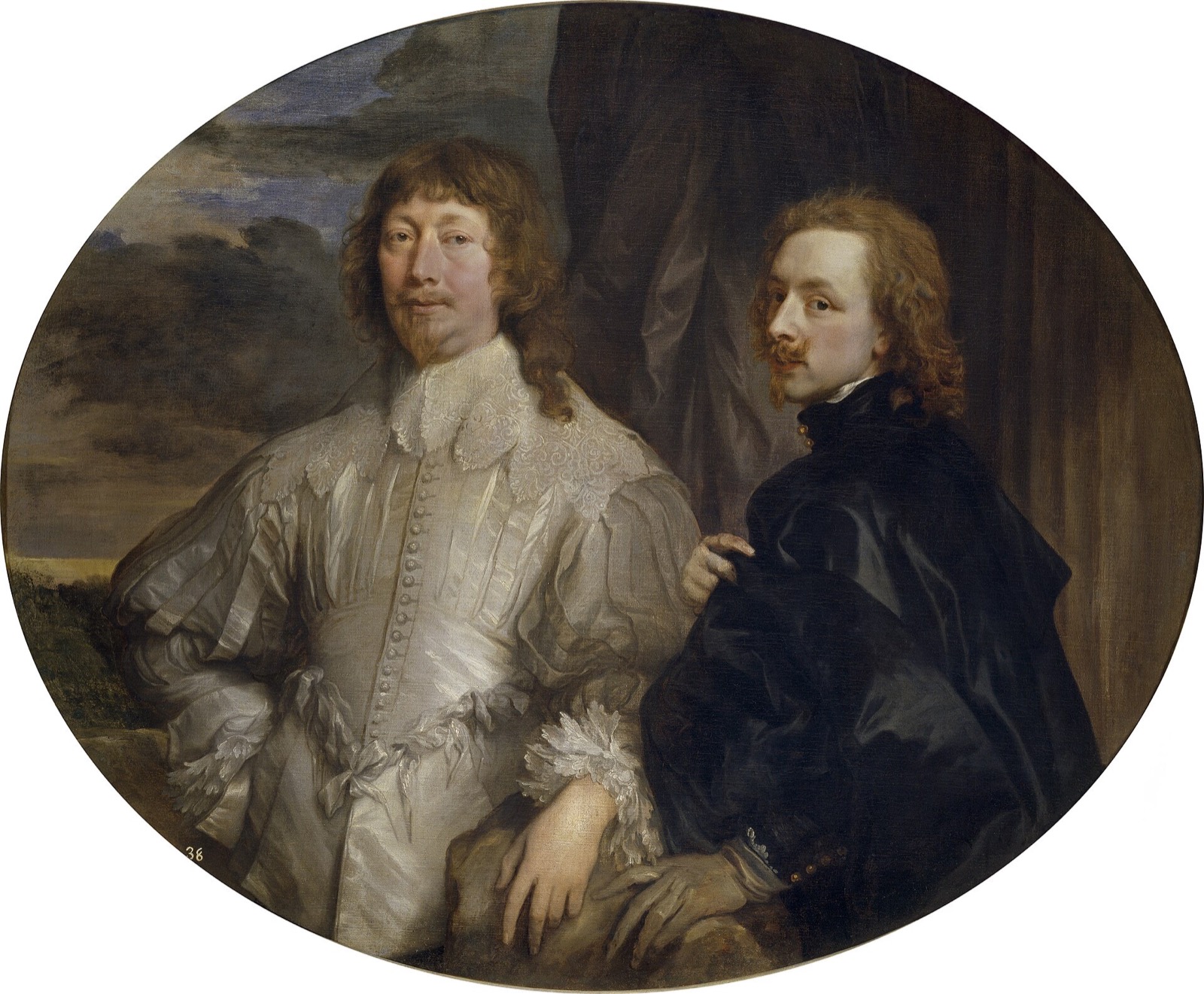
Painter, 1599 to 1641
Anthony van Dyck
The Prado has Van Dyck's double portrait of himself with his friend Endymion Porter, the only self-portrait he painted with someone else.
Baroque. 1 work in 1 museum
See the artist
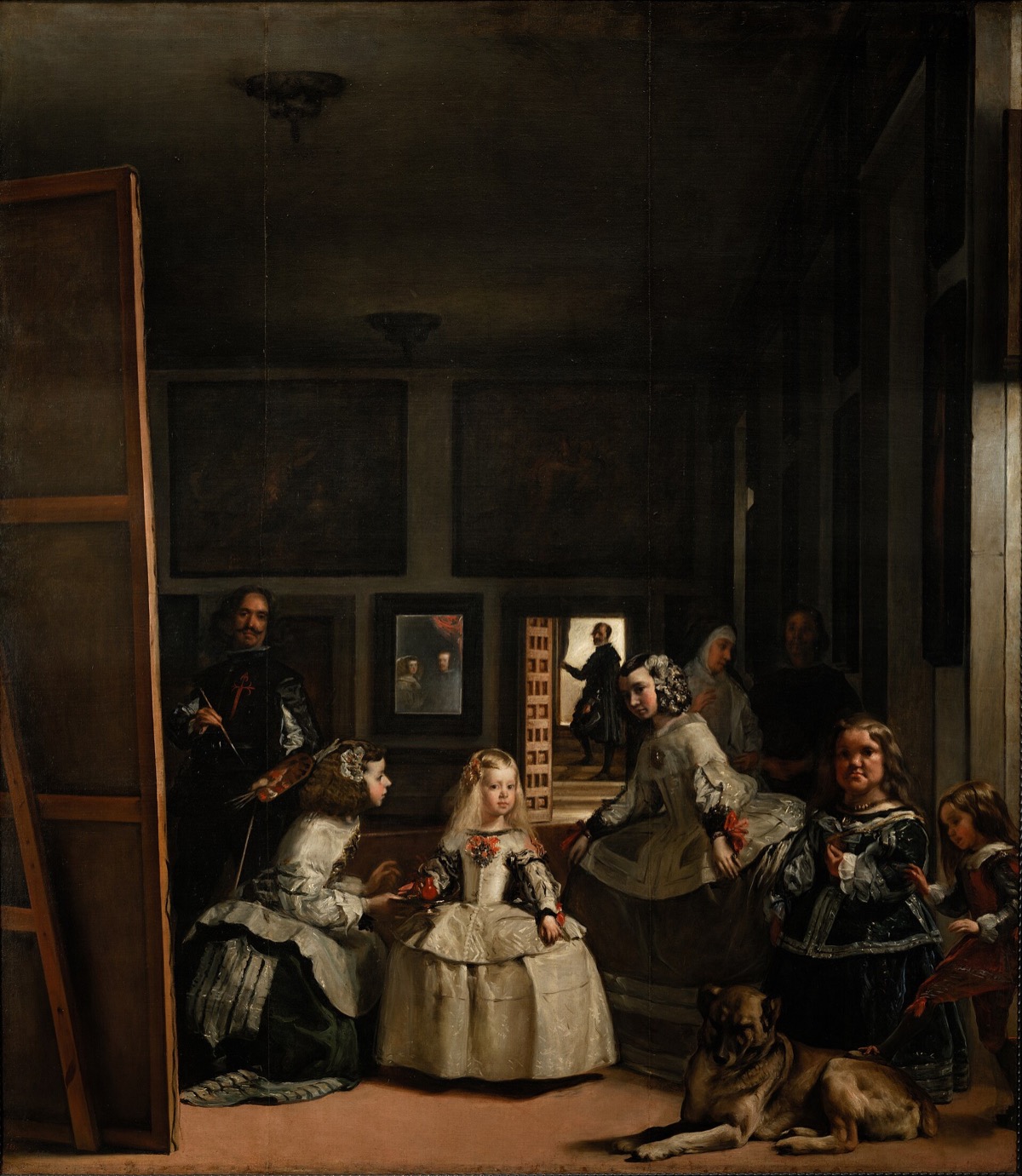
Painter, 1599 to 1660
Diego Velázquez
Madrid is where Velázquez worked for thirty-seven years as painter to Philip IV, and the Prado has the largest group of his paintings anywhere, with Las Meninas at its centre.
Baroque. 4 works in 1 museum
See the artist
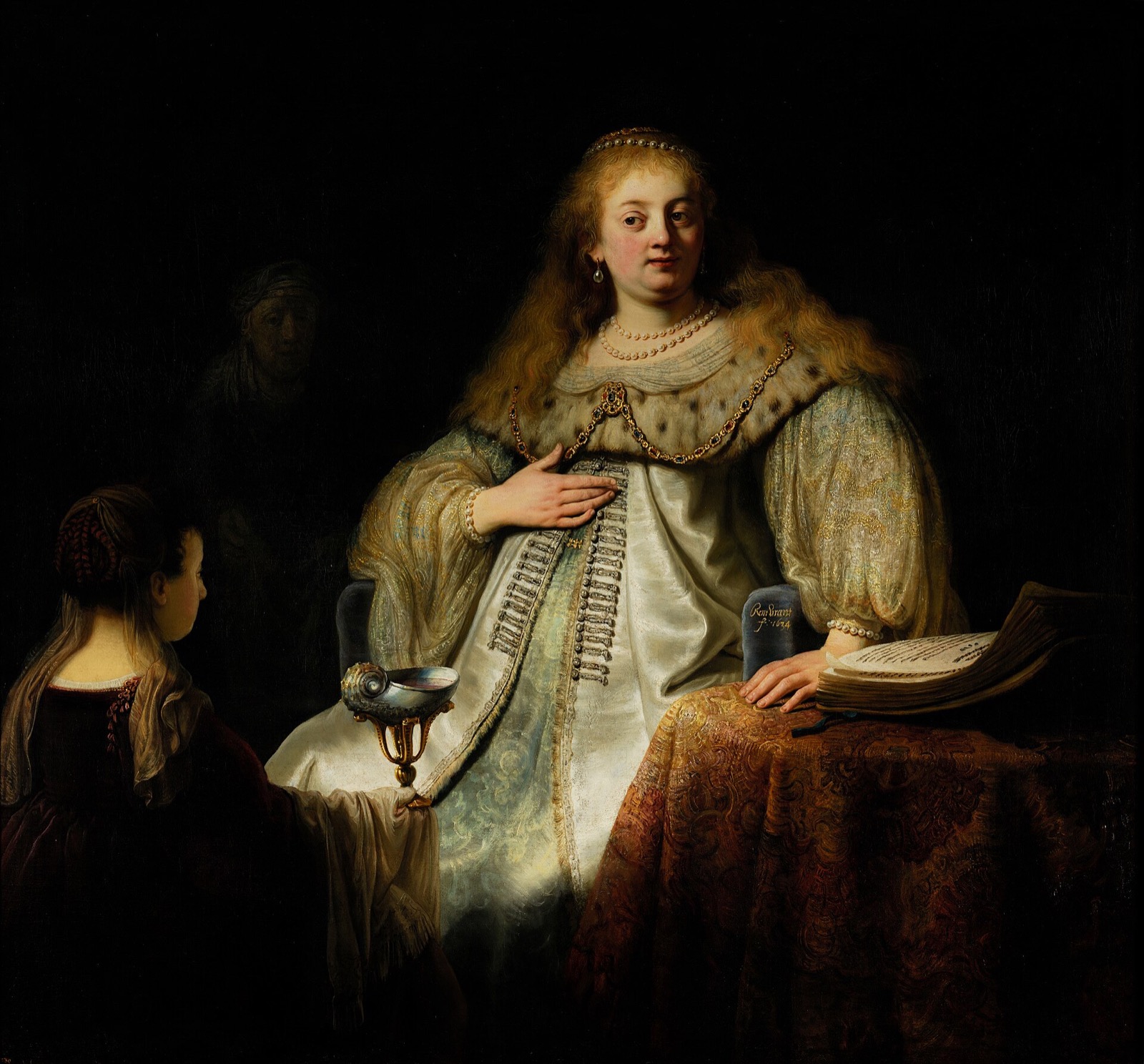
Painter, 1606 to 1669
Rembrandt
The Prado has one Rembrandt, a young woman in a gown of gold brocade, now thought to be Judith at the banquet of Holofernes.
Dutch Golden Age. 1 work in 1 museum
See the artist
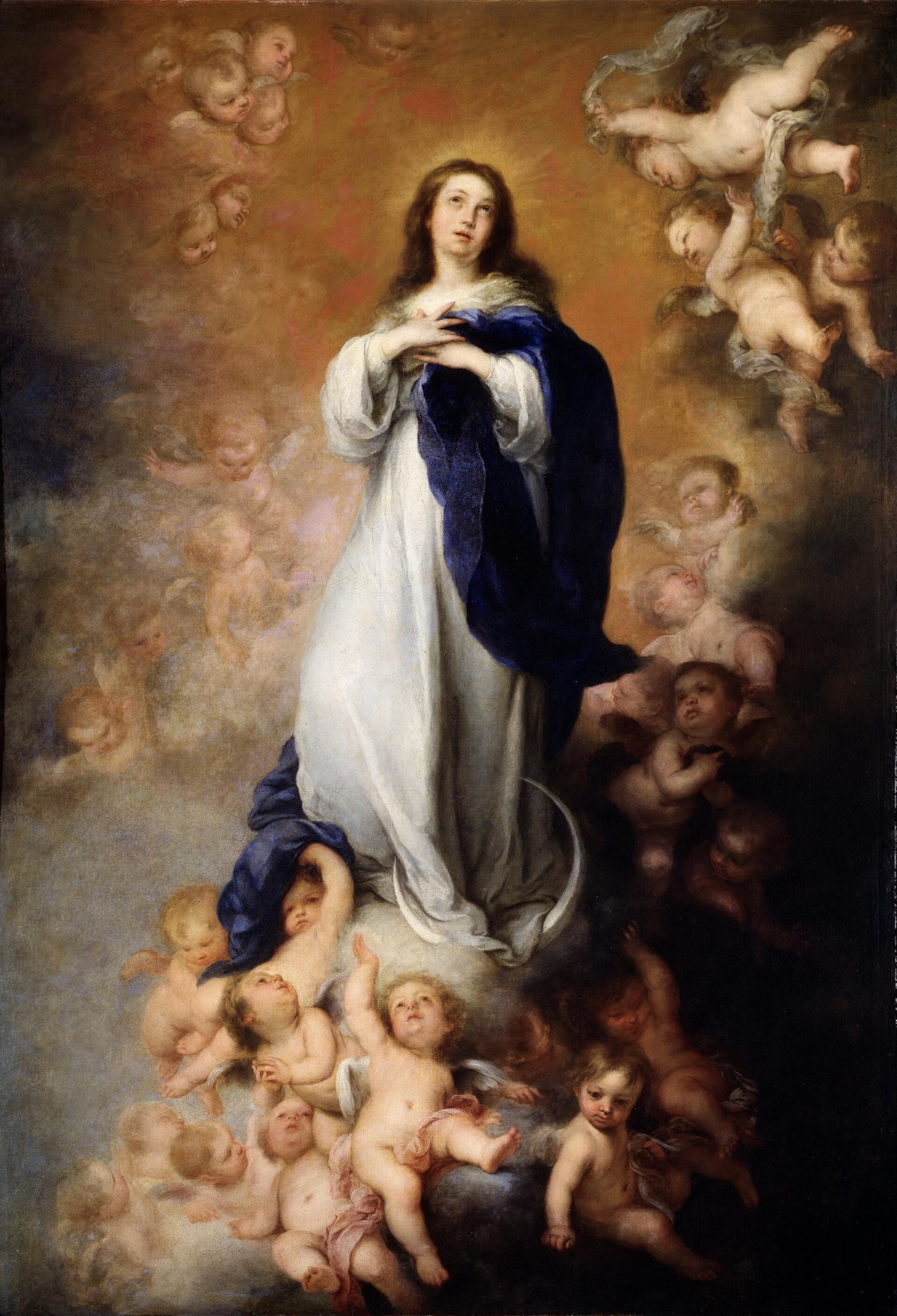
Painter, 1617 to 1682
Bartolomé Esteban Murillo
The painter of Seville's Immaculate Conceptions and its street children. The Prado has the Immaculate Conception of Los Venerables and the Holy Family with a Little Bird.
Baroque. 2 works in 1 museum
See the artist
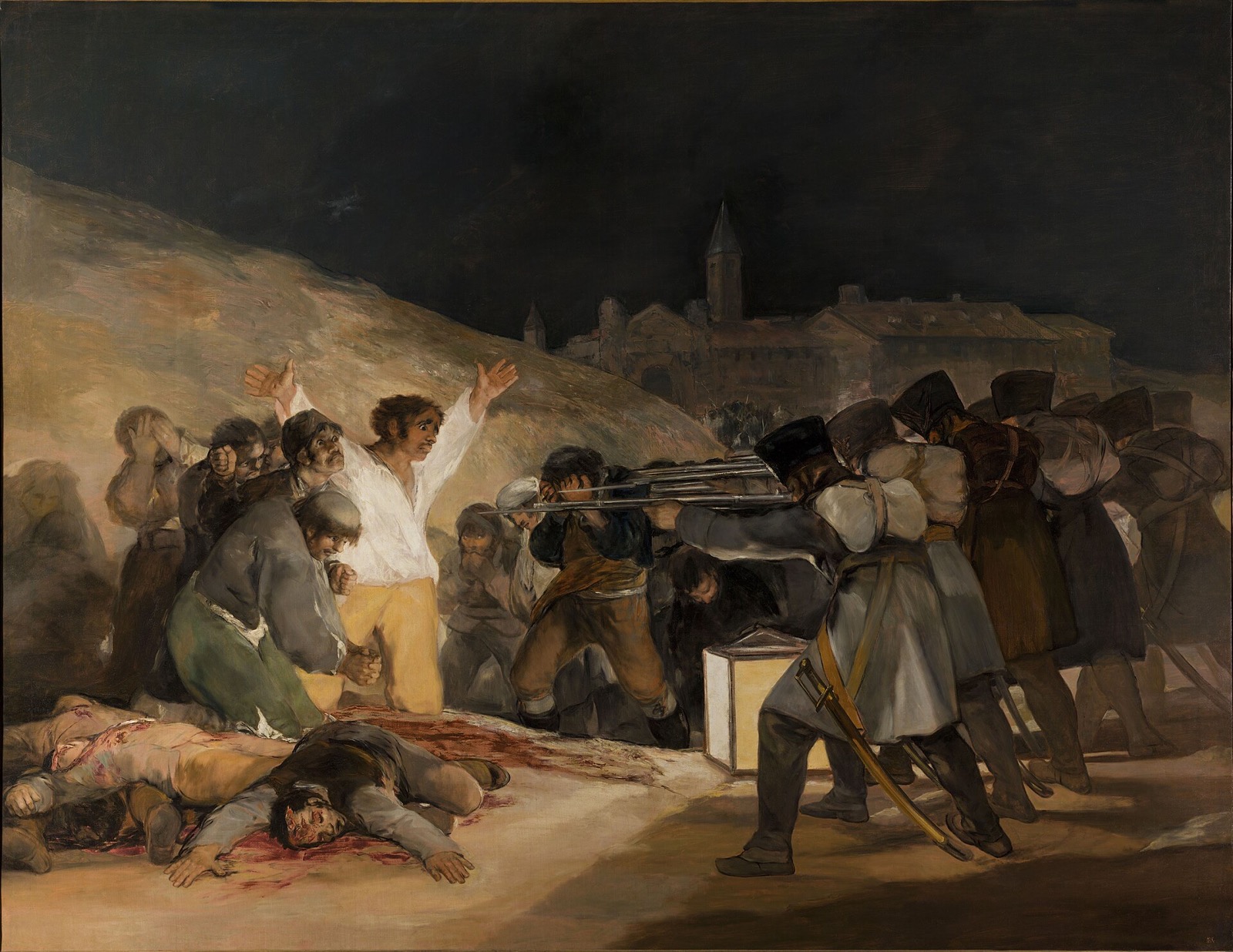
Painter, 1746 to 1828
Francisco Goya
Madrid has more of Goya than anywhere else: the Third of May and the Black Paintings in the Prado, the small pictures at the Academy, the Witches' Sabbath and the dome he painted over his own grave.
Romanticism. 6 works in 4 museums
See the artist
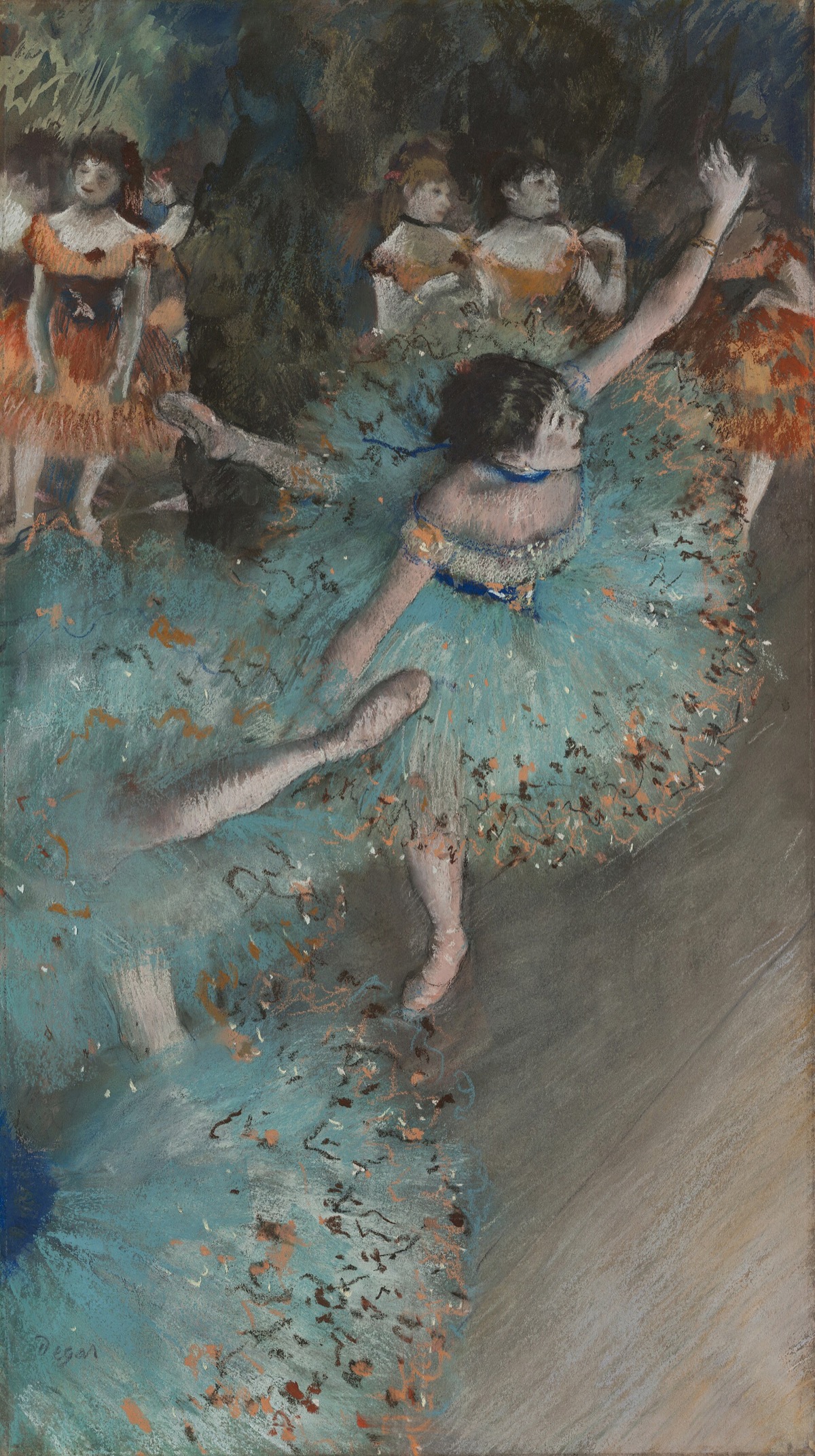
Painter and sculptor, 1834 to 1917
Edgar Degas
The Thyssen has Degas's Swaying Dancer, a pastel of a ballerina in green seen from above.
Impressionism. 1 work in 1 museum
See the artist
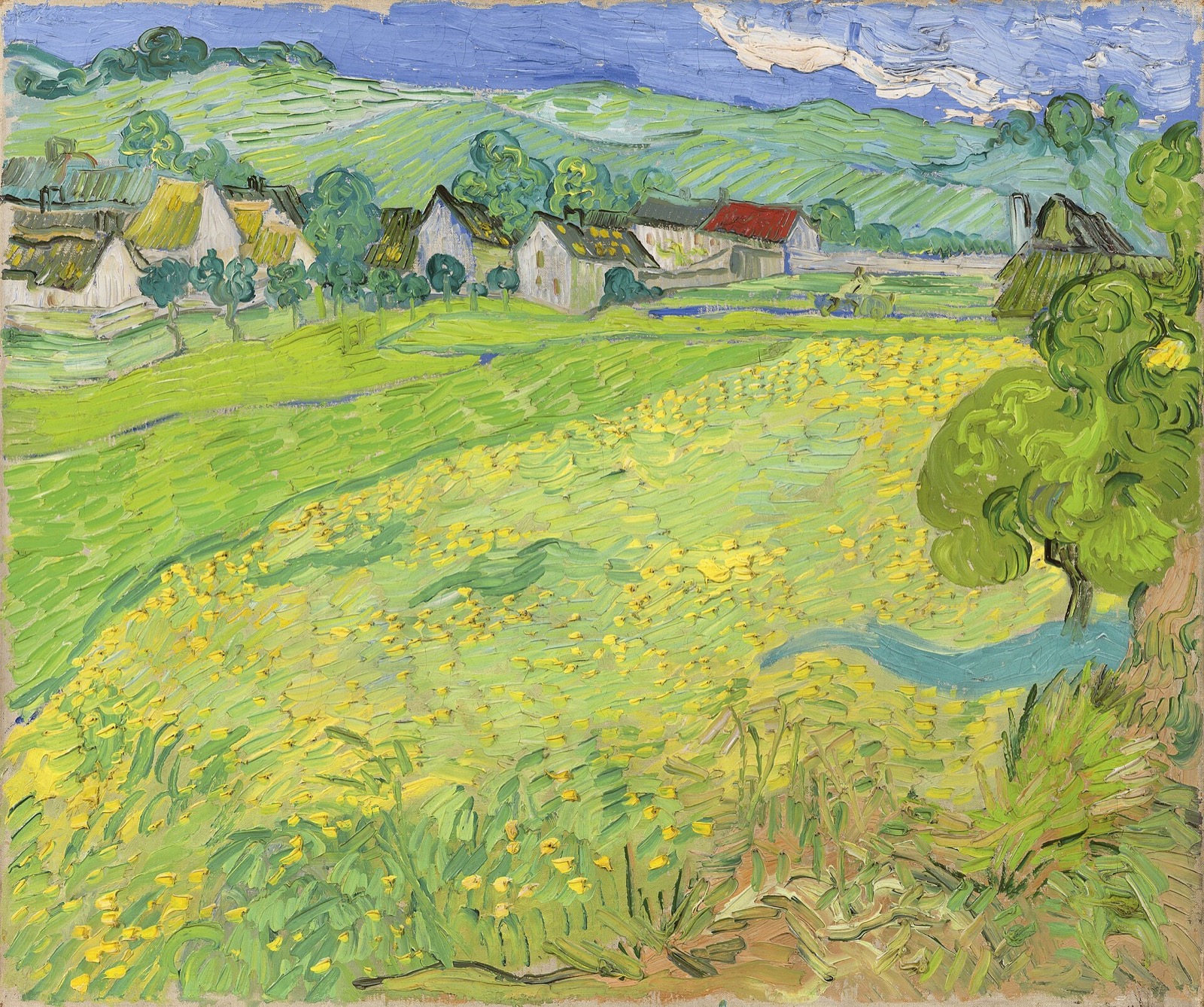
Painter, 1853 to 1890
Vincent van Gogh
The Thyssen has Les Vessenots in Auvers, painted in the last weeks of Van Gogh's life.
Post-Impressionism. 1 work in 1 museum
See the artist
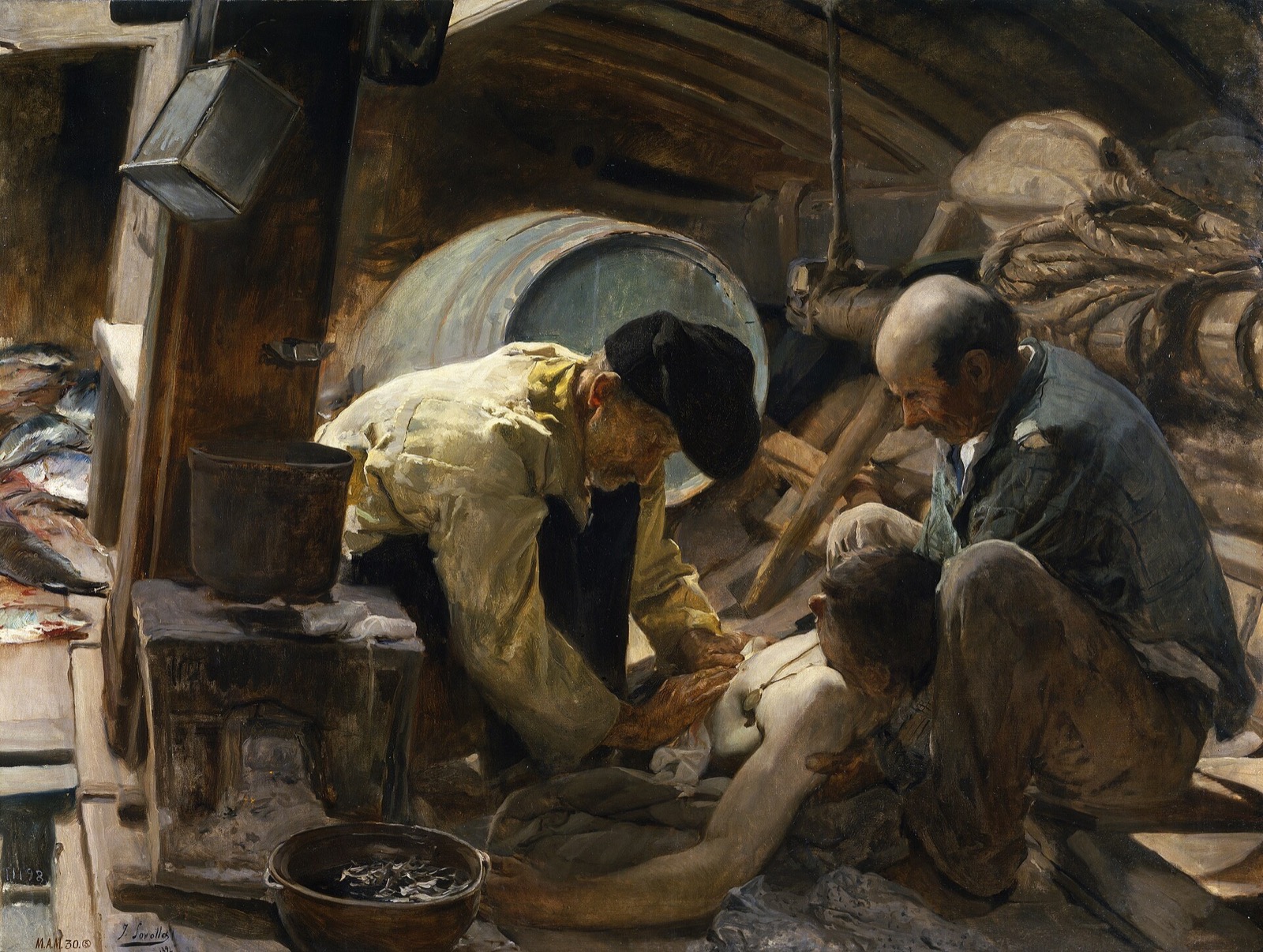
Painter, 1863 to 1923
Joaquín Sorolla
The painter of sunlight on the beaches of Valencia. The Prado has two of his great pictures, and his house in Madrid is his museum.
Luminism. 2 works in 1 museum
See the artist
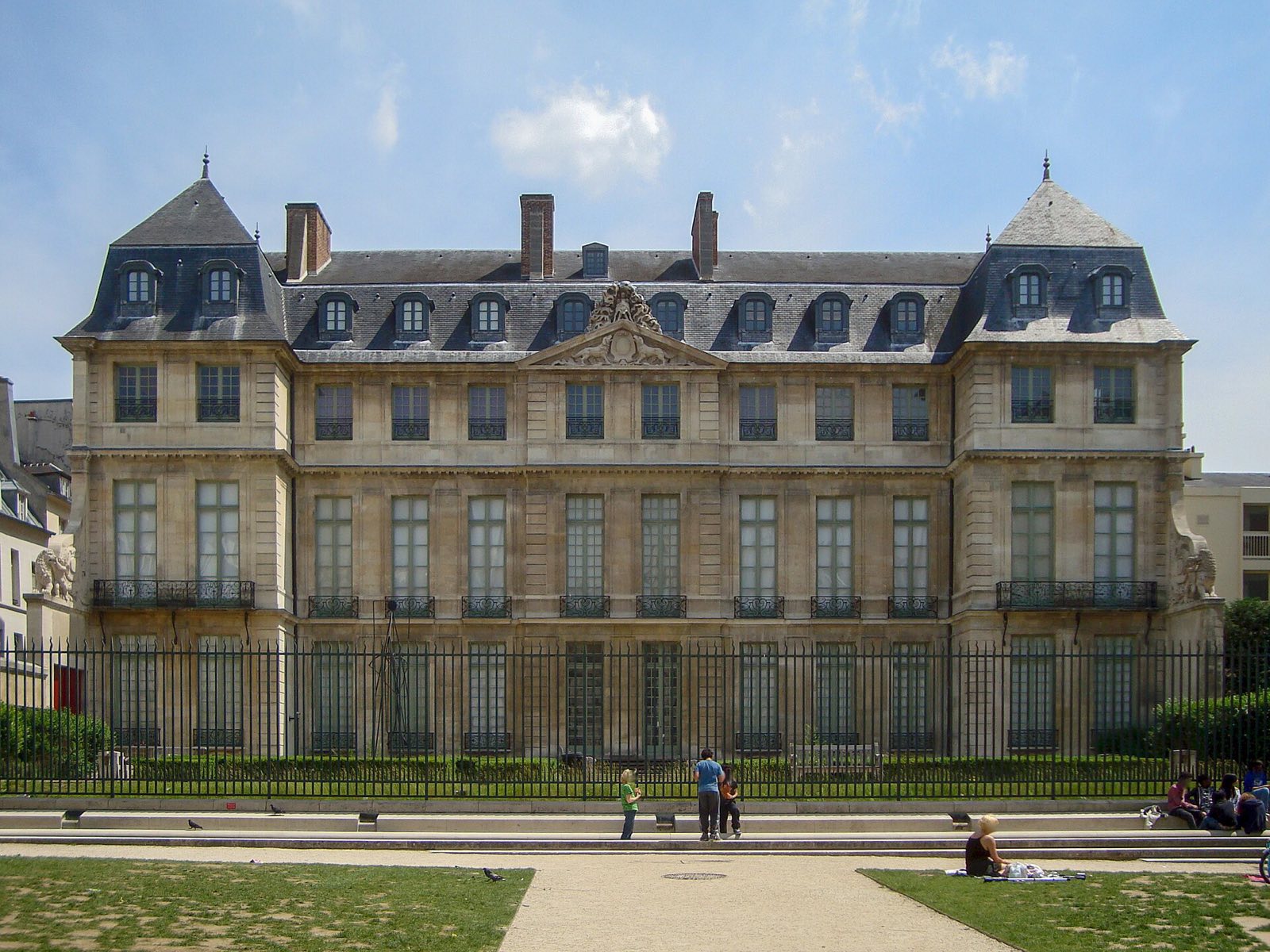
Picture: LPLT, CC BY-SA 3.0
Painter and sculptor, 1881 to 1973
Pablo Picasso
Guernica is in Madrid, in the Reina Sofía, with the studies Picasso made for it and his early Woman in Blue.
Cubism. 2 works in 1 museum
See the artist
Painter, 1882 to 1967
Edward Hopper
The Thyssen has Hopper's Hotel Room, a woman alone reading on a hotel bed.
American Realism. 1 work in 1 museum
See the artist
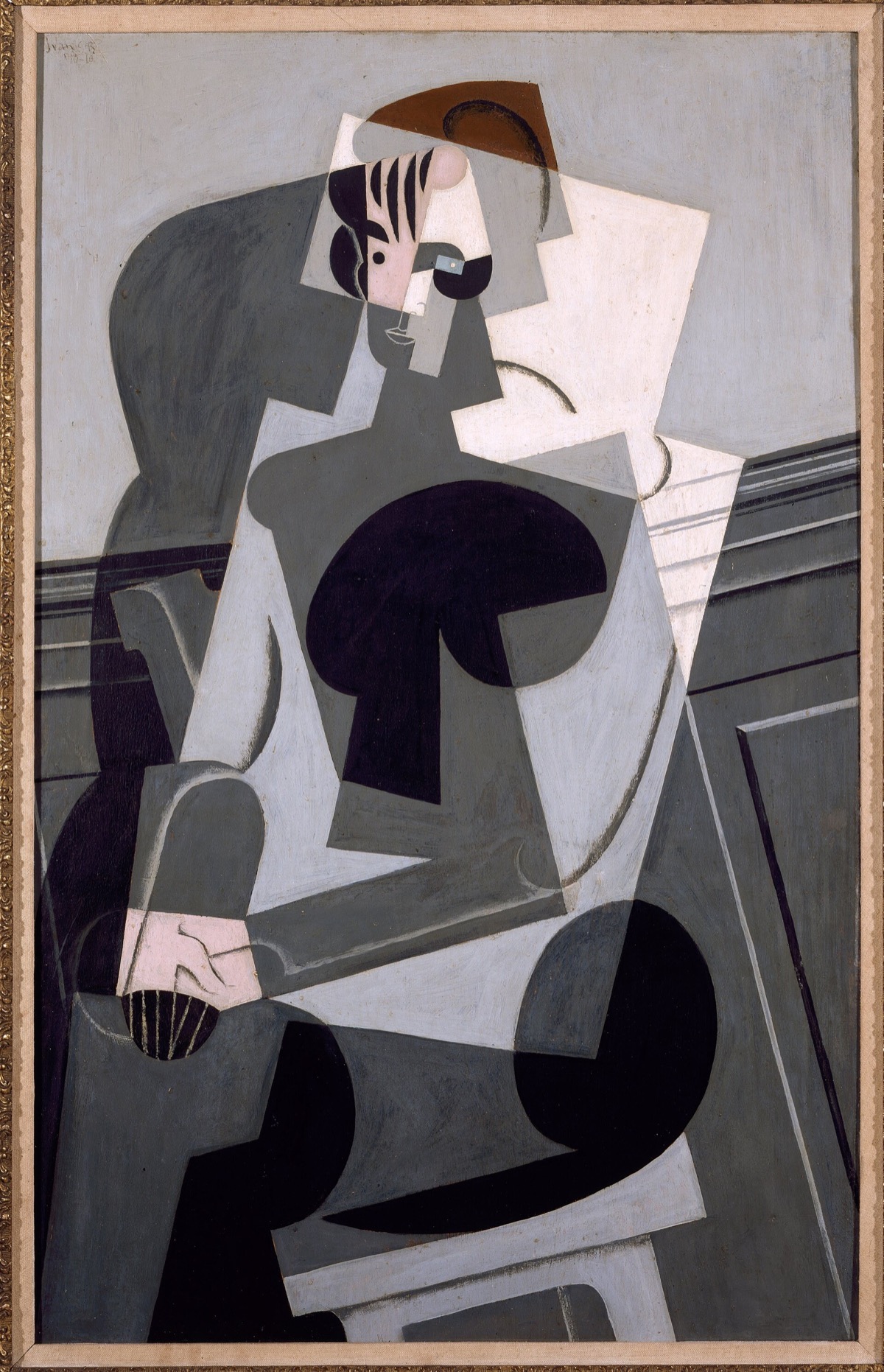
Painter, 1887 to 1927
Juan Gris
The Madrid-born painter who worked beside Picasso in Paris and made Cubism calm and clear. The Reina Sofía has his Portrait of Josette.
Cubism. 1 work in 1 museum
See the artist
When they lived
Each bar is a life, from birth to death, on one line of time. 537 years separate the birth of Jan van Eyck from the death of Juan Gris, and 8 of the 26 were alive at the same moment, in 1606.
- Jan van Eyck1390 to 1441
- Fra Angelico1395 to 1455
- Rogier van der Weyden1399 to 1464
- Domenico Ghirlandaio1448 to 1494
- Hieronymus Bosch1450 to 1516
- Albrecht Dürer1471 to 1528
- Raphael1483 to 1520
- Titian1488 to 1576
- Hans Holbein the Younger1497 to 1543
- Pieter Bruegel the Elder1525 to 1569
- El Greco1541 to 1614
- Caravaggio1571 to 1610
- Peter Paul Rubens1577 to 1640
- Jusepe de Ribera1591 to 1652
- Francisco de Zurbarán1598 to 1664
- Anthony van Dyck1599 to 1641
- Diego Velázquez1599 to 1660
- Rembrandt1606 to 1669
- Bartolomé Esteban Murillo1617 to 1682
- Francisco Goya1746 to 1828
- Edgar Degas1834 to 1917
- Vincent van Gogh1853 to 1890
- Joaquín Sorolla1863 to 1923
- Pablo Picasso1881 to 1973
- Edward Hopper1882 to 1967
- Juan Gris1887 to 1927
Which museum holds whom
Each block is an artist with work on show in that place. The Prado has the collection of the Spanish kings, from Bosch and Titian to Velázquez and Goya. The Thyssen, across the road, fills the gaps from the Italian primitives to the Americans, and the Reina Sofía has the twentieth century, with Guernica. Goya is also in San Antonio de la Florida, the Real Academia de San Fernando and the Lázaro Galdiano Museum.
Museo del Prado18 artists
Thyssen-Bornemisza Museum8 artists
Real Academia de Bellas Artes de San Fernando2 artists
Museo Reina Sofía2 artists
Lázaro Galdiano Museum1 artist
San Antonio de la Florida1 artist
How to read this page
The choice of artists is this site's: the most famous of those whose work is on show in the museums of Madrid that it covers. They are in order of birth, which is not a ranking.
A work is listed where it is normally on show. Museums move their works between rooms, lend them and take them down for conservation, so before a special journey check with the museum.