Painter, 1598 to 1664
Francisco de Zurbarán
Zurbarán painted monks in white habits and a few pots on a shelf with the same stillness, as if each were holding its breath. Madrid has both sides of him.
- Born
- 1598, Fuente de Cantos, Spain
- Died
- 1664, Madrid
- Movement
- Baroque
- In Madrid
- 3 works in 3 museums
Where to see Francisco de Zurbarán in Madrid
Each work with the museum it hangs in. Museums move and lend their works, so check before a special journey.
Museo del Prado1 work
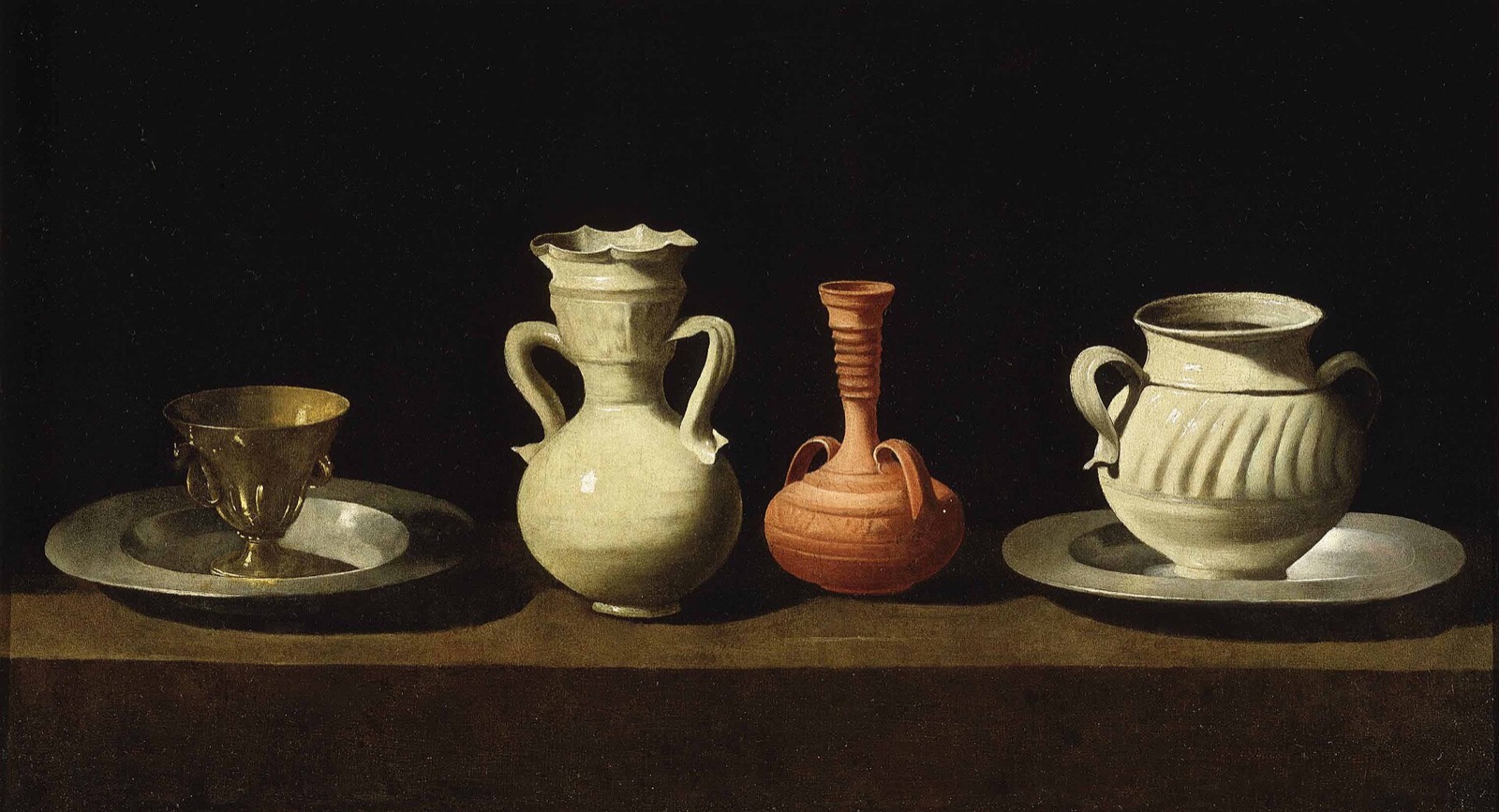
Still Life with Four Vessels
about 1650
Two jugs, a terracotta vase and a cup on pewter plates, in a row on a shelf against black. Nothing happens, and it is one of the most admired paintings in the Prado.
Real Academia de Bellas Artes de San Fernando1 work
Mercedarian friars
about 1628 to 1630
Standing portraits of friars of the Order of Mercy in their white habits, painted for the order's monastery in Seville.
Thyssen-Bornemisza Museum1 work
Saint Casilda
about 1635
A Moorish princess turned saint, dressed in the silks of a Seville lady, the roses in her skirt the bread she was carrying to Christian prisoners.
The life of Francisco de Zurbarán
Francisco de Zurbarán was born in Extremadura in 1598 and trained in Seville, where the religious orders gave him his great commissions: whole cycles of saints and friars for their monasteries.
He was called the Spanish Caravaggio for his strong light and shadow. In his last years his style fell out of favour in Seville, and he moved to Madrid, where he died in 1664.
What to know
- Known as the Spanish Caravaggio
- Painted whole cycles for the monasteries of Seville
- Died in Madrid, where he had gone to seek work at court
- Born
- Baptised 7 November 1598, Fuente de Cantos, Spain
- Died
- 27 August 1664, Madrid
Francisco de Zurbarán: common questions
- Where can you see Francisco de Zurbarán in Madrid?
- At the Museo del Prado: Still Life with Four Vessels. At the Real Academia de Bellas Artes de San Fernando: Mercedarian friars. At the Thyssen-Bornemisza Museum: Saint Casilda. Museums move and lend their works, so check before a special journey.
- What is Francisco de Zurbarán's most famous work in Madrid?
- Still Life with Four Vessels, of about 1650, at the Museo del Prado. Two jugs, a terracotta vase and a cup on pewter plates, in a row on a shelf against black. Nothing happens, and it is one of the most admired paintings in the Prado.
- When and where was Francisco de Zurbarán born?
- Baptised 7 November 1598, at Fuente de Cantos, Spain. Francisco de Zurbarán died on 27 August 1664, at Madrid, aged about 66.
- What is Francisco de Zurbarán known for?
- Known as the Spanish Caravaggio. Painted whole cycles for the monasteries of Seville. Died in Madrid, where he had gone to seek work at court. Francisco de Zurbarán was a Spanish painter, of the Baroque.
Tickets and tours: Francisco de Zurbarán in Madrid
Things to do near the Prado
The nearest of this site's best things to do in the city. Distances are in a straight line.
- 4Walk seven centuries of painting at the Thyssen350 m awayMuseum, 2 to 3.5 hours, ticket, free on mondays
- 17Look over Madrid's rooftops from the Círculo de Bellas Artes600 m awayMonument, 45 to 90 minutes, ticket for the roof
- 3Stand in front of Guernica at the Reina Sofía700 m awayMuseum, 1.5 to 3 hours, ticket, free in the evenings
- 5Row a boat on the lake in the Retiro750 m awayGarden, 1 to 3 hours, free, boats extra
Where to eat near the Prado
The nearest of the famous tables this site lists in Madrid. Distances are in a straight line.
- Horcher4.6Restaurant, Retiro600 m away
- Viva Madrid4.5Tavern, Barrio de las Letras650 m away
- Casa Alberto4.4Tavern, Barrio de las Letras700 m away
- Antigua Pastelería del Pozo4.5Pastry shop, Puerta del Sol800 m away
Hotels near the Prado
The five-star hotels closest to it, of those this site lists in Madrid. Distances are in a straight line.
- Mandarin Oriental Ritz, Madrid4.7Five-star hotel, Plaza de la Lealtad200 m away
- The Palace, Madrid4.6Five-star hotel, Plaza de las Cortes300 m away
- Gran Hotel Inglés4.7Five-star hotel, Barrio de las Letras700 m away
- The Principal Madrid4.5Five-star hotel, Gran Vía750 m away
Other artists
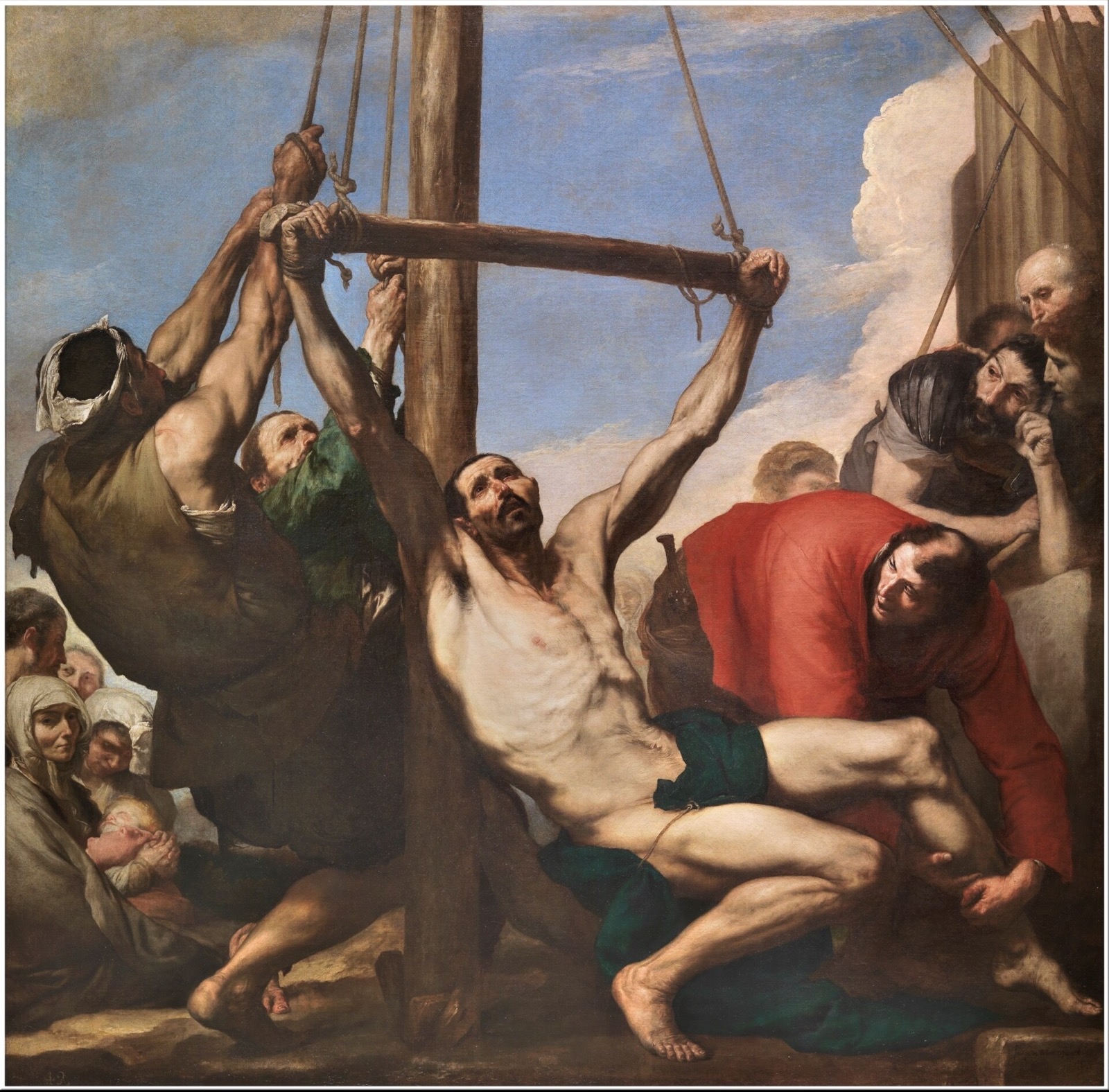
Painter, 1591 to 1652
Jusepe de Ribera
The Spanish painter who made his career in Naples, known for his martyrdoms. The Prado has the Martyrdom of Saint Philip and Jacob's Dream.
Baroque. 2 works in 1 museum
See the artist
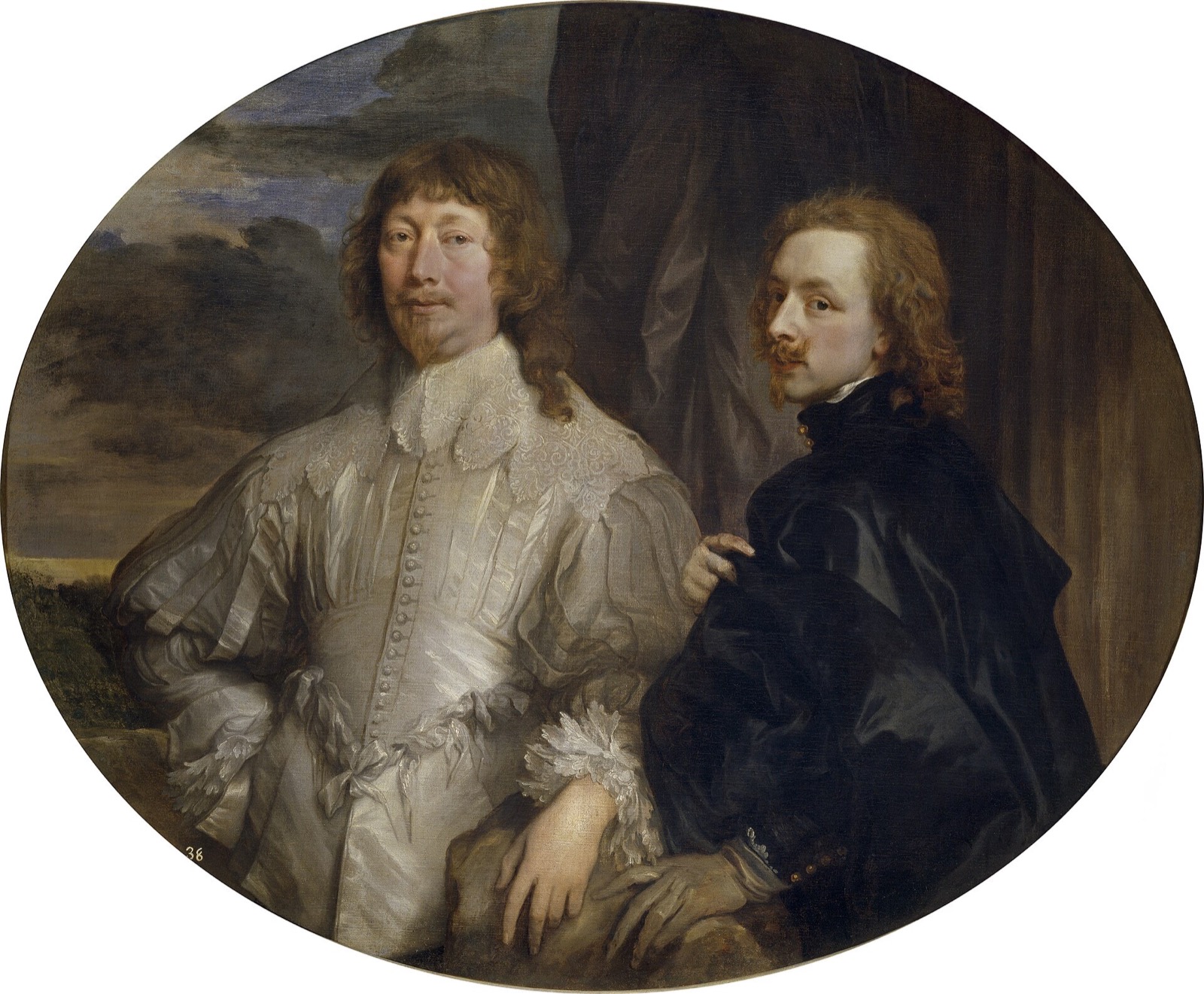
Painter, 1599 to 1641
Anthony van Dyck
The Prado has Van Dyck's double portrait of himself with his friend Endymion Porter, the only self-portrait he painted with someone else.
Baroque. 1 work in 1 museum
See the artist
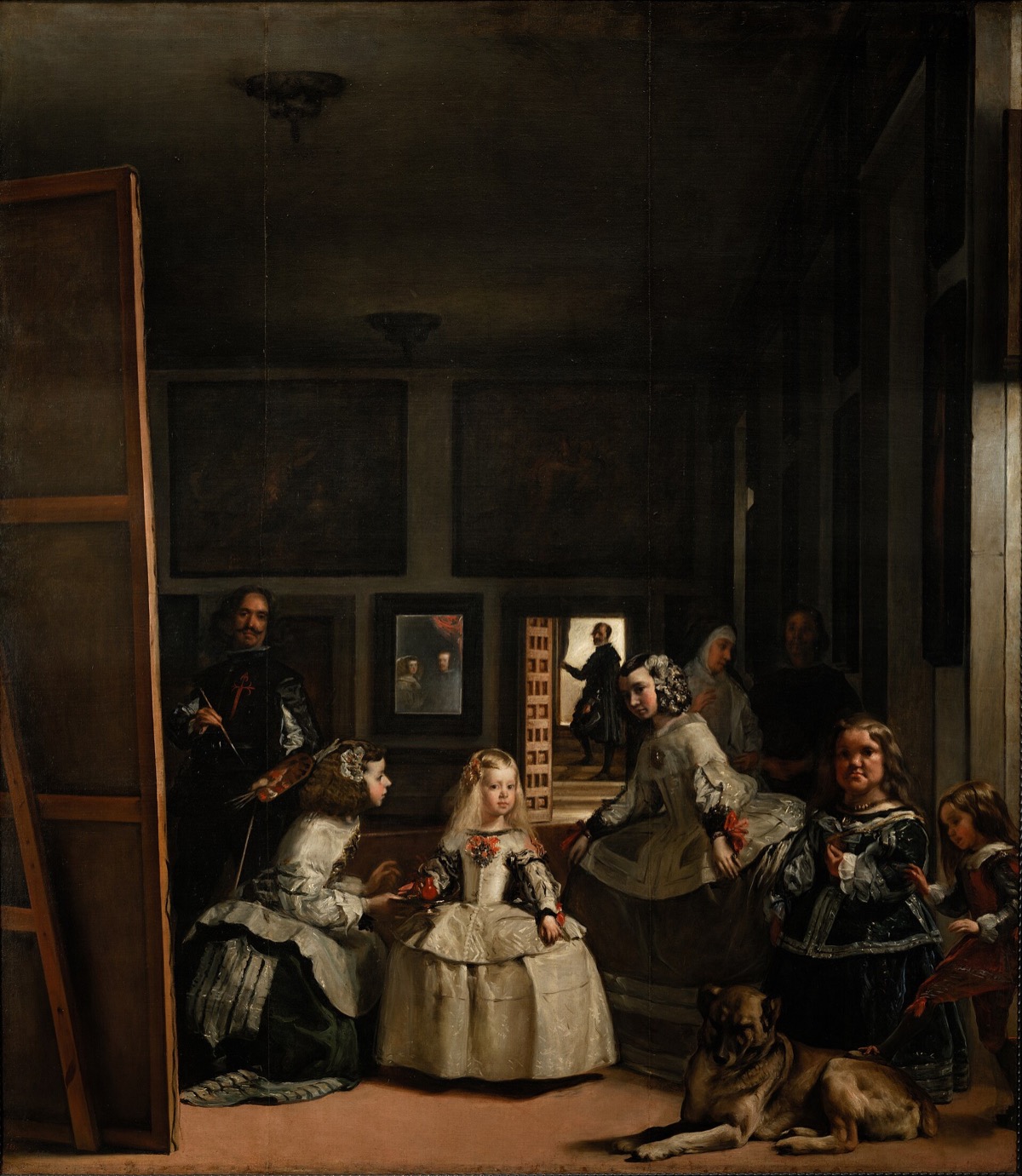
Painter, 1599 to 1660
Diego Velázquez
Madrid is where Velázquez worked for thirty-seven years as painter to Philip IV, and the Prado has the largest group of his paintings anywhere, with Las Meninas at its centre.
Baroque. 4 works in 1 museum
See the artist