Painter, 1541 to 1614
El Greco
El Greco painted Peter and Paul together more than once, the quiet Peter and the fierce Paul. The version in the MNAC on Montjuïc, of the 1590s, is one of the finest, and the old masters around it make a good room to see it in.
- Born
- 1541, Candia, now Heraklion, Crete
- Died
- 1614, Toledo, Spain
- Movement
- Mannerism
- In Barcelona
- 1 work in 1 museum
Where to see El Greco in Barcelona
Each work with the museum it hangs in. Museums move and lend their works, so check before a special journey.
Museu Nacional d'Art de Catalunya1 work
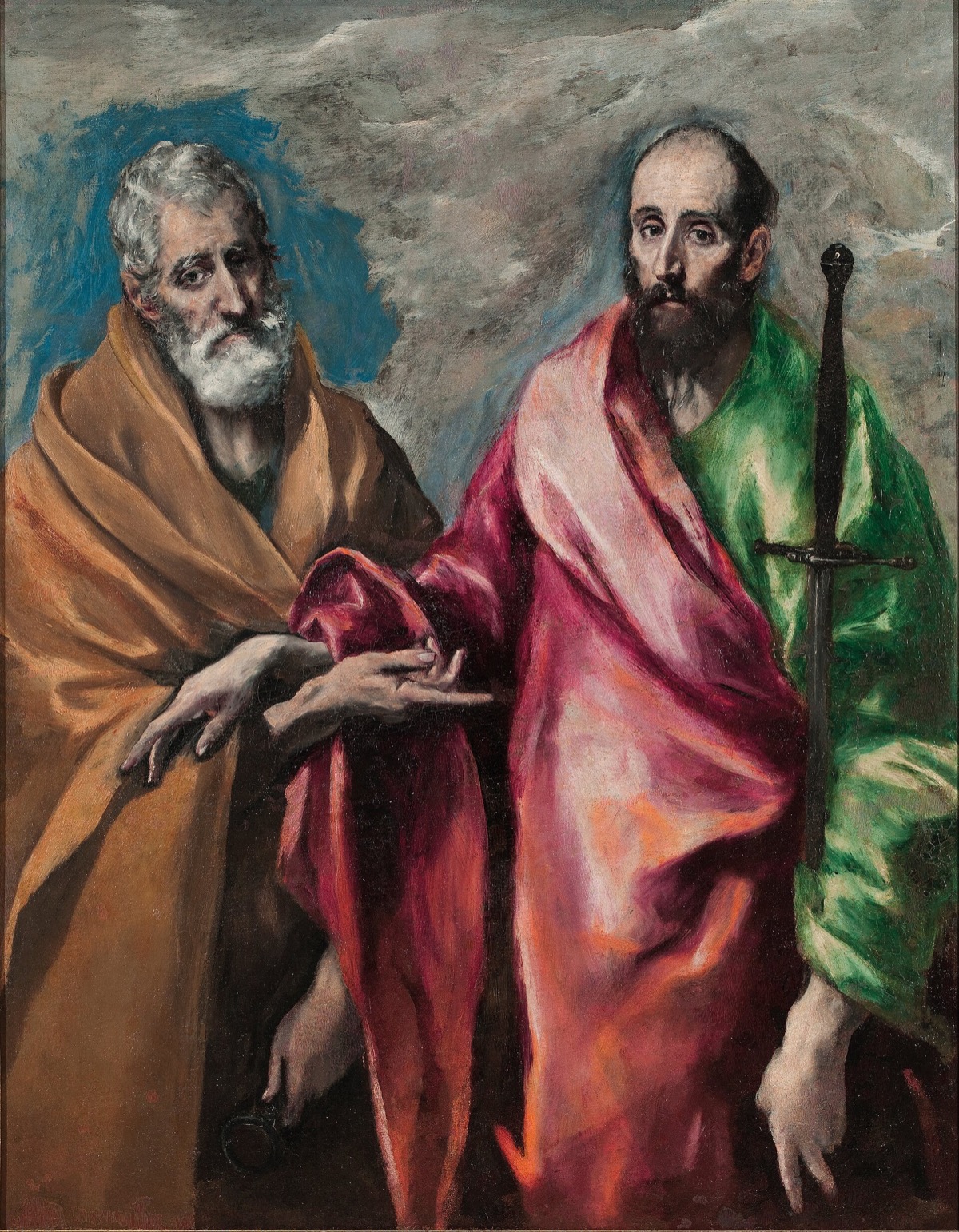
Saint Peter and Saint Paul
about 1590 to 1600
Peter in yellow with the keys, Paul in red with his hand on a book, their hands almost meeting: the two founders of the Church as two opposite men.
The life of El Greco
Doménikos Theotokópoulos was born in Crete in 1541 and trained there as a painter of icons. He went to Venice, where he studied Titian and Tintoretto, then to Rome, and in 1577 to Toledo, where he lived for the rest of his life. The Spanish called him the Greek, and he signed his pictures in Greek letters to the end.
His stretched figures and acid colours fell out of favour after his death and were taken up again three hundred years later by the modern painters. American collectors bought him at just that moment. Louisine Havemeyer, who left View of Toledo and the Portrait of a Cardinal to the Met in 1929, was among the first.
What to know
- Born in Crete, trained in Venice, worked in Toledo for nearly forty years
- View of Toledo is one of only two landscapes by him that survive
- Picasso studied The Vision of Saint John while painting Les Demoiselles d'Avignon
- Born
- 1541, Candia, now Heraklion, Crete
- Died
- 7 April 1614, Toledo, Spain
El Greco: common questions
- Where can you see El Greco in Barcelona?
- At the Museu Nacional d'Art de Catalunya: Saint Peter and Saint Paul. Museums move and lend their works, so check before a special journey.
- What is El Greco's most famous work in Barcelona?
- Saint Peter and Saint Paul, of about 1590 to 1600, at the Museu Nacional d'Art de Catalunya. Peter in yellow with the keys, Paul in red with his hand on a book, their hands almost meeting: the two founders of the Church as two opposite men.
- When and where was El Greco born?
- In 1541, at Candia, now Heraklion, Crete. El Greco died on 7 April 1614, at Toledo, Spain, aged about 73.
- What is El Greco known for?
- Born in Crete, trained in Venice, worked in Toledo for nearly forty years. View of Toledo is one of only two landscapes by him that survive. Picasso studied The Vision of Saint John while painting Les Demoiselles d'Avignon. El Greco was a Greek painter, of Mannerism.
Tickets and tours: El Greco in Barcelona
Things to do near the MNAC
The nearest of this site's best things to do in the city. Distances are in a straight line.
- 12See Miró's own collection on Montjuïc550 m awayMuseum, 1.5 to 2.5 hours, ticket
- 13Ride the cable car to Montjuïc Castle850 m awayMonument, 1.5 to 3 hours, ticket for the cable car, the hill is free
- 10Walk La Rambla and eat at La Boqueria2.1 km awayWalk, 1 to 2 hours, free to walk
- 16See flamenco danced on the Rambla2.1 km awayShow, 1 to 2.5 hours, ticket, with a drink or dinner as you choose
Where to eat near the MNAC
The nearest of the famous tables this site lists in Barcelona. Distances are in a straight line.
- Quimet & Quimet4.6Bodega, Poble-sec1.2 km away
- Casa Leopoldo4.7Restaurant, Raval1.8 km away
- Bar Marsella4.4Bar, Raval1.8 km away
- Casa Almirall4.3Bar, Raval1.9 km away
Hotels near the MNAC
The five-star hotels closest to it, of those this site lists in Barcelona. Distances are in a straight line.
- Mercer Hotel Barcelona4.6Five-star hotel, Gothic Quarter2.6 km away
- Grand Hotel Central4.5Five-star hotel, Via Laietana2.7 km away
- Mandarin Oriental, Barcelona4.7Five-star hotel, Passeig de Gràcia2.8 km away
- Majestic Hotel & Spa Barcelona4.7Five-star hotel, Passeig de Gràcia2.9 km away
Other artists
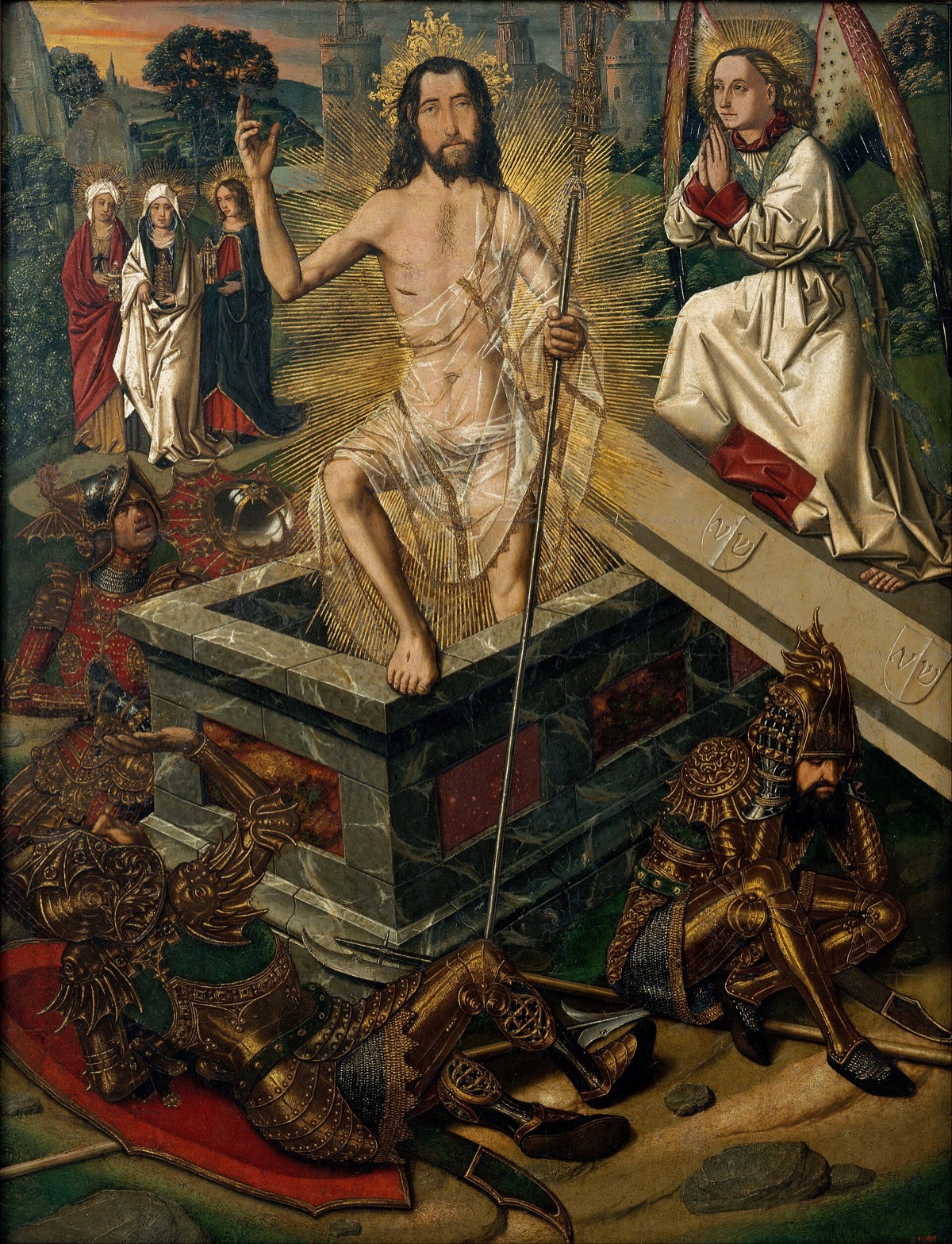
Painter, 1440 to 1501
Bartolomé Bermejo
A wandering painter from Córdoba who brought the oil painting of the Netherlands to Spain, and whose Pietà of 1490 is in Barcelona Cathedral.
Hispano-Flemish. 2 works in 1 museum
See the artist
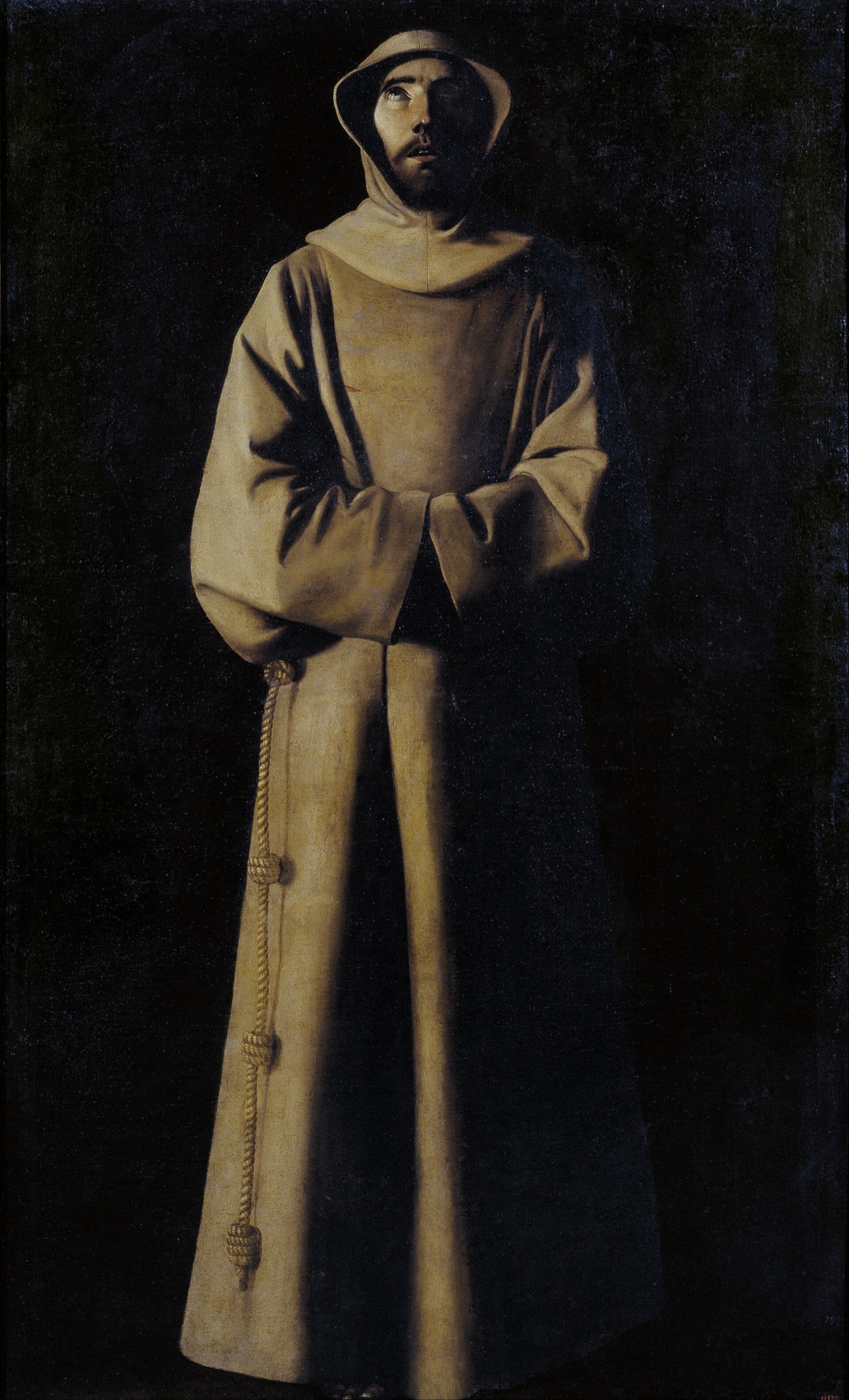
Painter, 1598 to 1664
Francisco de Zurbarán
Two Zurbaráns in the MNAC: a standing Saint Francis, as a pope saw his body in its tomb, and a version of his still life of four vessels.
Baroque. 2 works in 1 museum
See the artist
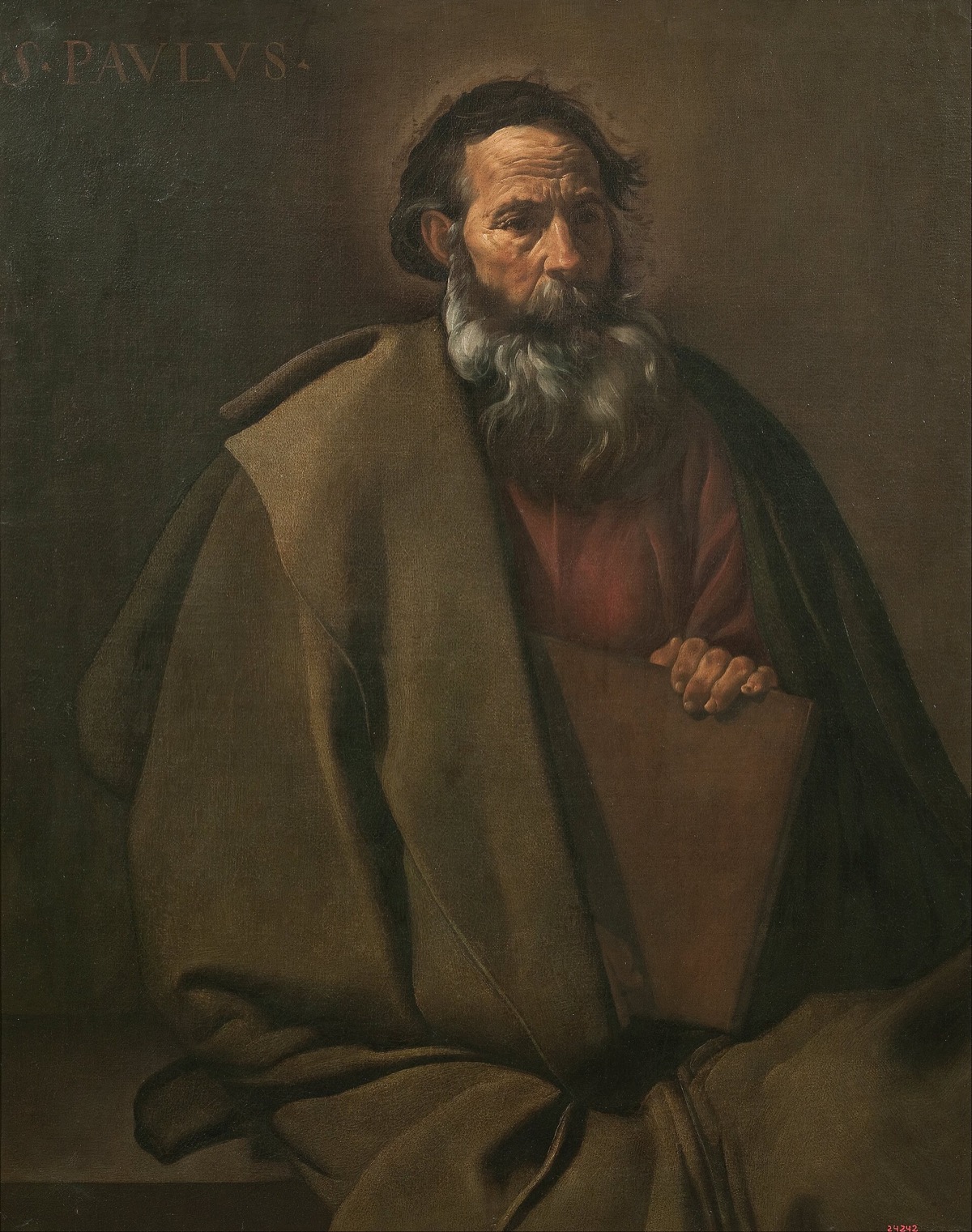
Painter, 1599 to 1660
Diego Velázquez
In the MNAC, a Saint Paul from Velázquez's first years in Seville, painted before he went to court.
Baroque. 1 work in 1 museum
See the artist