Painter, 1598 to 1664
Francisco de Zurbarán
The MNAC has Zurbarán at his most severe and at his most quiet: Saint Francis upright in his tomb, as Pope Nicholas V was said to have found him, and four jars and cups set in a row on a ledge.
- Born
- 1598, Fuente de Cantos, Spain
- Died
- 1664, Madrid
- Movement
- Baroque
- In Barcelona
- 2 works in 1 museum
Where to see Francisco de Zurbarán in Barcelona
Each work with the museum it hangs in. Museums move and lend their works, so check before a special journey.
Museu Nacional d'Art de Catalunya2 works
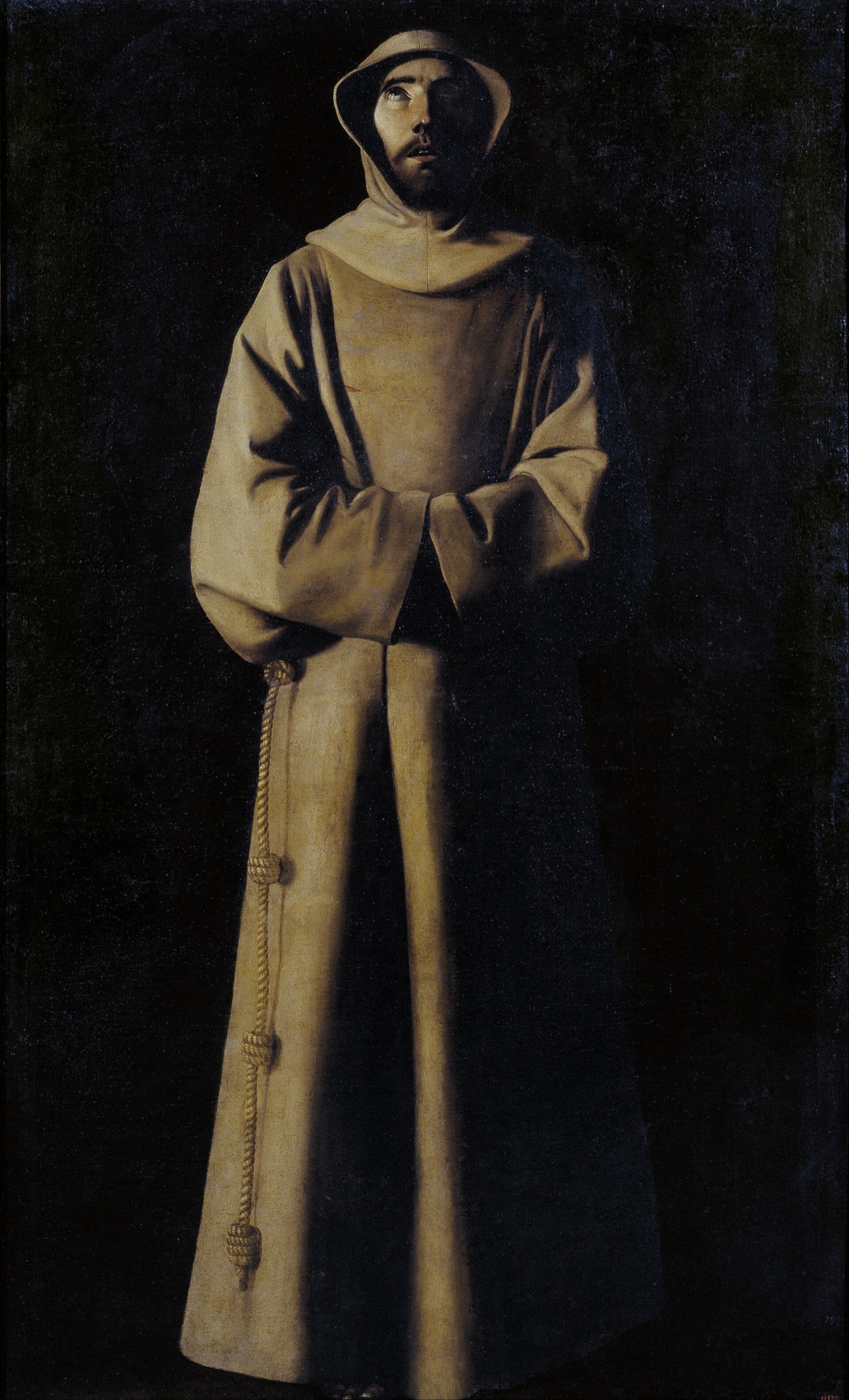
Saint Francis of Assisi according to Pope Nicholas V's Vision
about 1640
The saint standing in his hooded habit, eyes raised, as the pope was said to have found his body, upright and uncorrupted, when the tomb was opened.
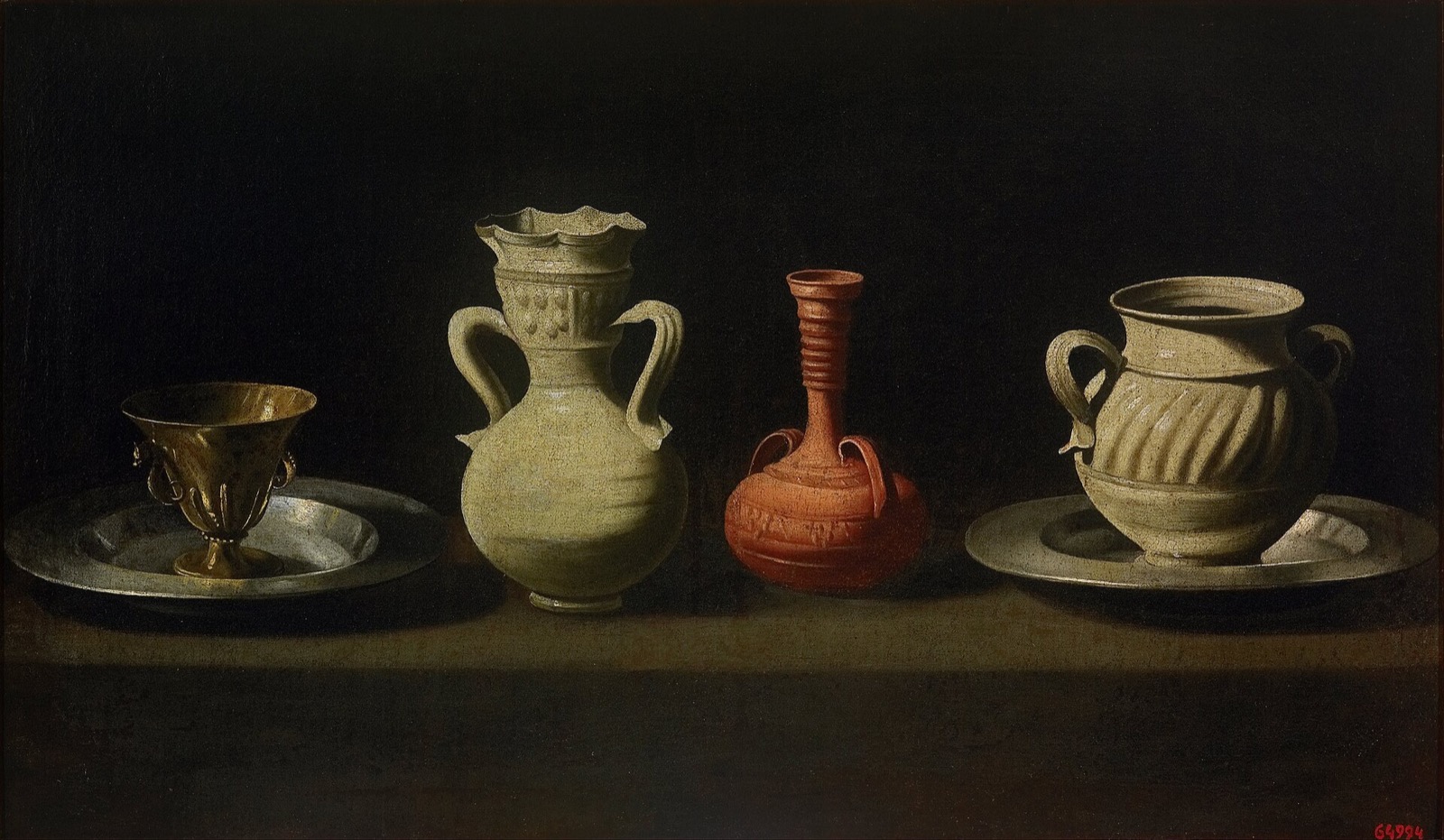
Still Life with Four Vessels
about 1635
Four cups and jars in a row on a ledge, against black. The Prado has another version of the same picture.
The life of Francisco de Zurbarán
Francisco de Zurbarán was born in Extremadura in 1598 and trained in Seville, where the religious orders gave him his great commissions: whole cycles of saints and friars for their monasteries.
He was called the Spanish Caravaggio for his strong light and shadow. In his last years his style fell out of favour in Seville, and he moved to Madrid, where he died in 1664.
What to know
- Known as the Spanish Caravaggio
- Painted whole cycles for the monasteries of Seville
- Died in Madrid, where he had gone to seek work at court
- Born
- Baptised 7 November 1598, Fuente de Cantos, Spain
- Died
- 27 August 1664, Madrid
Francisco de Zurbarán: common questions
- Where can you see Francisco de Zurbarán in Barcelona?
- At the Museu Nacional d'Art de Catalunya: Saint Francis of Assisi according to Pope Nicholas V's Vision and Still Life with Four Vessels. Museums move and lend their works, so check before a special journey.
- What is Francisco de Zurbarán's most famous work in Barcelona?
- Saint Francis of Assisi according to Pope Nicholas V's Vision, of about 1640, at the Museu Nacional d'Art de Catalunya. The saint standing in his hooded habit, eyes raised, as the pope was said to have found his body, upright and uncorrupted, when the tomb was opened.
- When and where was Francisco de Zurbarán born?
- Baptised 7 November 1598, at Fuente de Cantos, Spain. Francisco de Zurbarán died on 27 August 1664, at Madrid, aged about 66.
- What is Francisco de Zurbarán known for?
- Known as the Spanish Caravaggio. Painted whole cycles for the monasteries of Seville. Died in Madrid, where he had gone to seek work at court. Francisco de Zurbarán was a Spanish painter, of the Baroque.
Tickets and tours: Francisco de Zurbarán in Barcelona
Things to do near the MNAC
The nearest of this site's best things to do in the city. Distances are in a straight line.
- 12See Miró's own collection on Montjuïc550 m awayMuseum, 1.5 to 2.5 hours, ticket
- 13Ride the cable car to Montjuïc Castle850 m awayMonument, 1.5 to 3 hours, ticket for the cable car, the hill is free
- 10Walk La Rambla and eat at La Boqueria2.1 km awayWalk, 1 to 2 hours, free to walk
- 16See flamenco danced on the Rambla2.1 km awayShow, 1 to 2.5 hours, ticket, with a drink or dinner as you choose
Where to eat near the MNAC
The nearest of the famous tables this site lists in Barcelona. Distances are in a straight line.
- Quimet & Quimet4.6Bodega, Poble-sec1.2 km away
- Casa Leopoldo4.7Restaurant, Raval1.8 km away
- Bar Marsella4.4Bar, Raval1.8 km away
- Casa Almirall4.3Bar, Raval1.9 km away
Hotels near the MNAC
The five-star hotels closest to it, of those this site lists in Barcelona. Distances are in a straight line.
- Mercer Hotel Barcelona4.6Five-star hotel, Gothic Quarter2.6 km away
- Grand Hotel Central4.5Five-star hotel, Via Laietana2.7 km away
- Mandarin Oriental, Barcelona4.7Five-star hotel, Passeig de Gràcia2.8 km away
- Majestic Hotel & Spa Barcelona4.7Five-star hotel, Passeig de Gràcia2.9 km away
Other artists
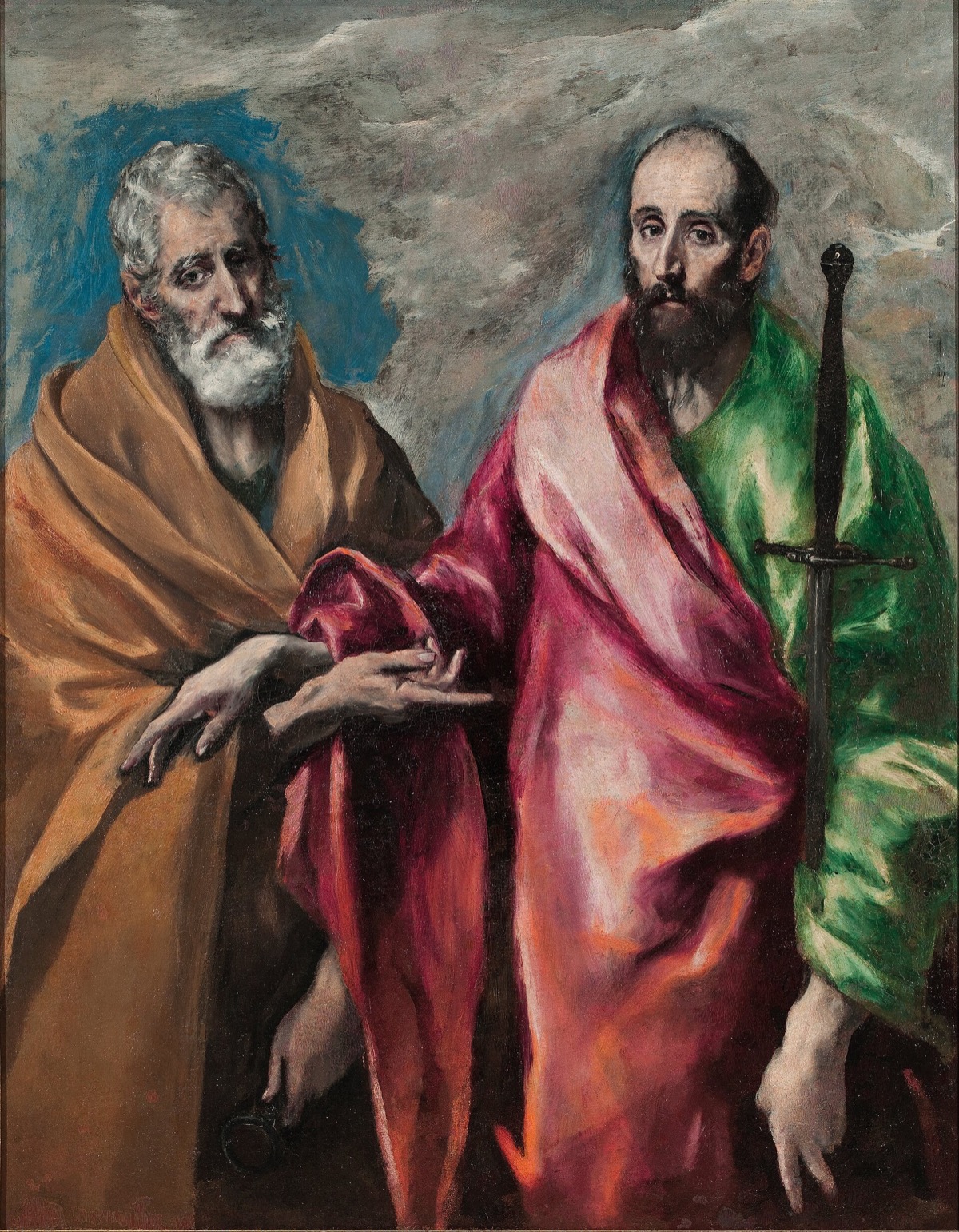
Painter, 1541 to 1614
El Greco
Barcelona has one great El Greco: the apostles Peter and Paul, side by side, in the MNAC.
Mannerism. 1 work in 1 museum
See the artist
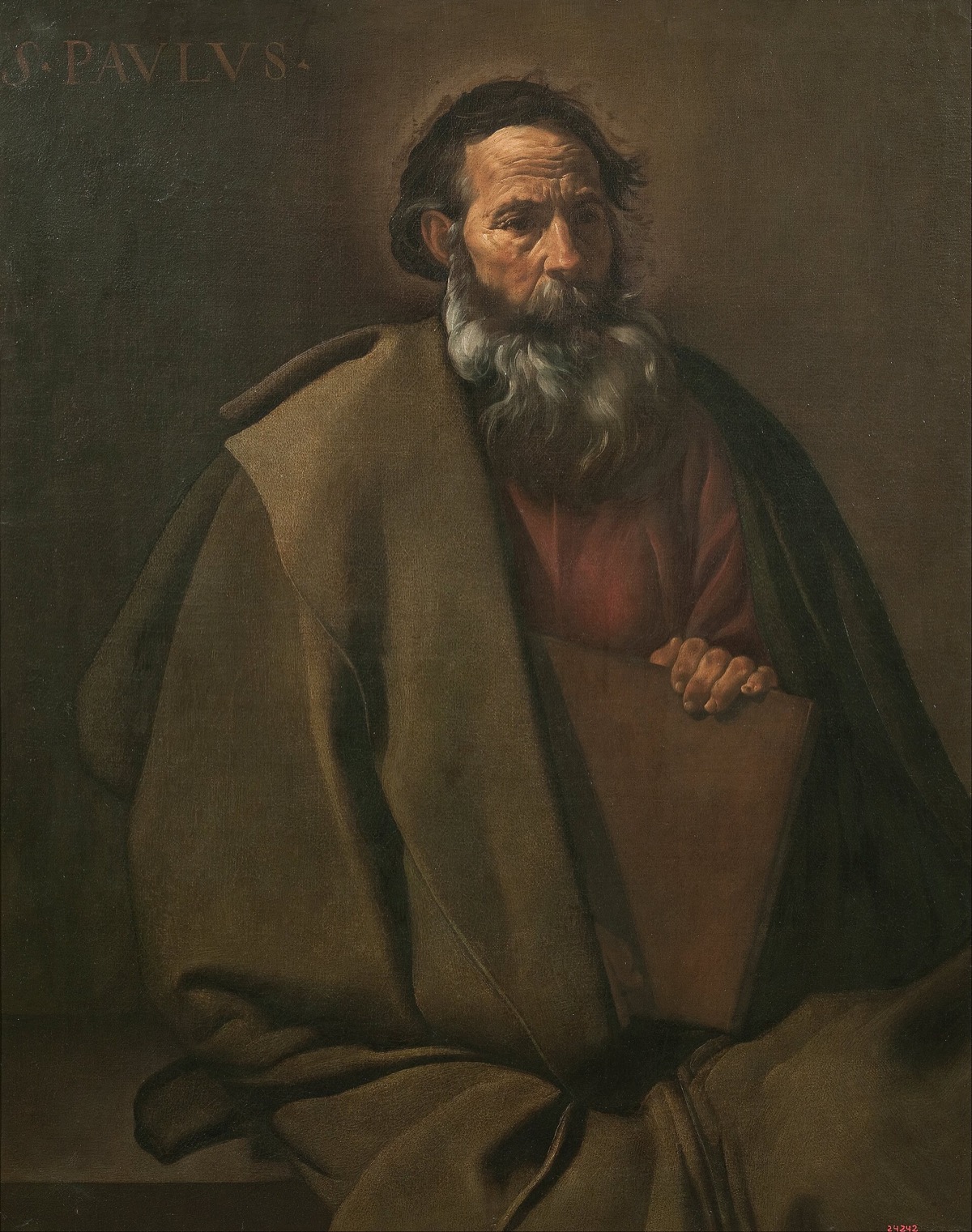
Painter, 1599 to 1660
Diego Velázquez
In the MNAC, a Saint Paul from Velázquez's first years in Seville, painted before he went to court.
Baroque. 1 work in 1 museum
See the artist
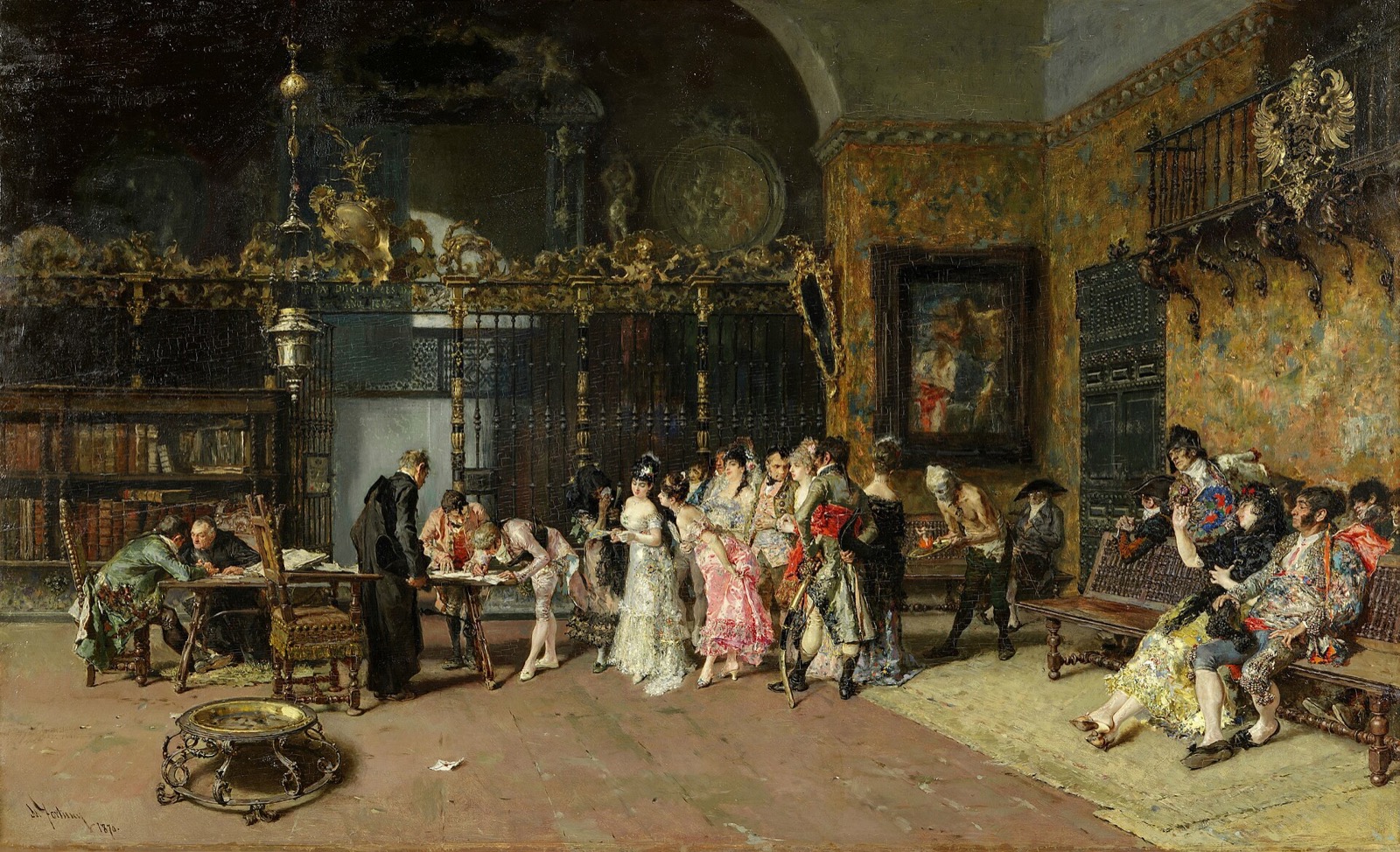
Painter, 1838 to 1874
Marià Fortuny
The most famous Spanish painter of his day, sent to paint the war in Morocco, celebrated in Paris for his small, brilliant scenes, and dead at thirty-six.
Realism. 4 works in 1 museum
See the artist