Painter, 1775 to 1851
J. M. W. Turner
Turner was born over a barber's shop in Covent Garden and died in a cottage in Chelsea under a false name. In between he changed what paint could be made to do with light, weather and speed.
- Born
- 1775, Covent Garden, London
- Died
- 1851, Chelsea, London
- Movement
- Romanticism
- In London
- 3 works in 2 museums
Where to see J. M. W. Turner in London
Each work with the museum it hangs in. Museums move and lend their works, so check before a special journey.
The National Gallery2 works
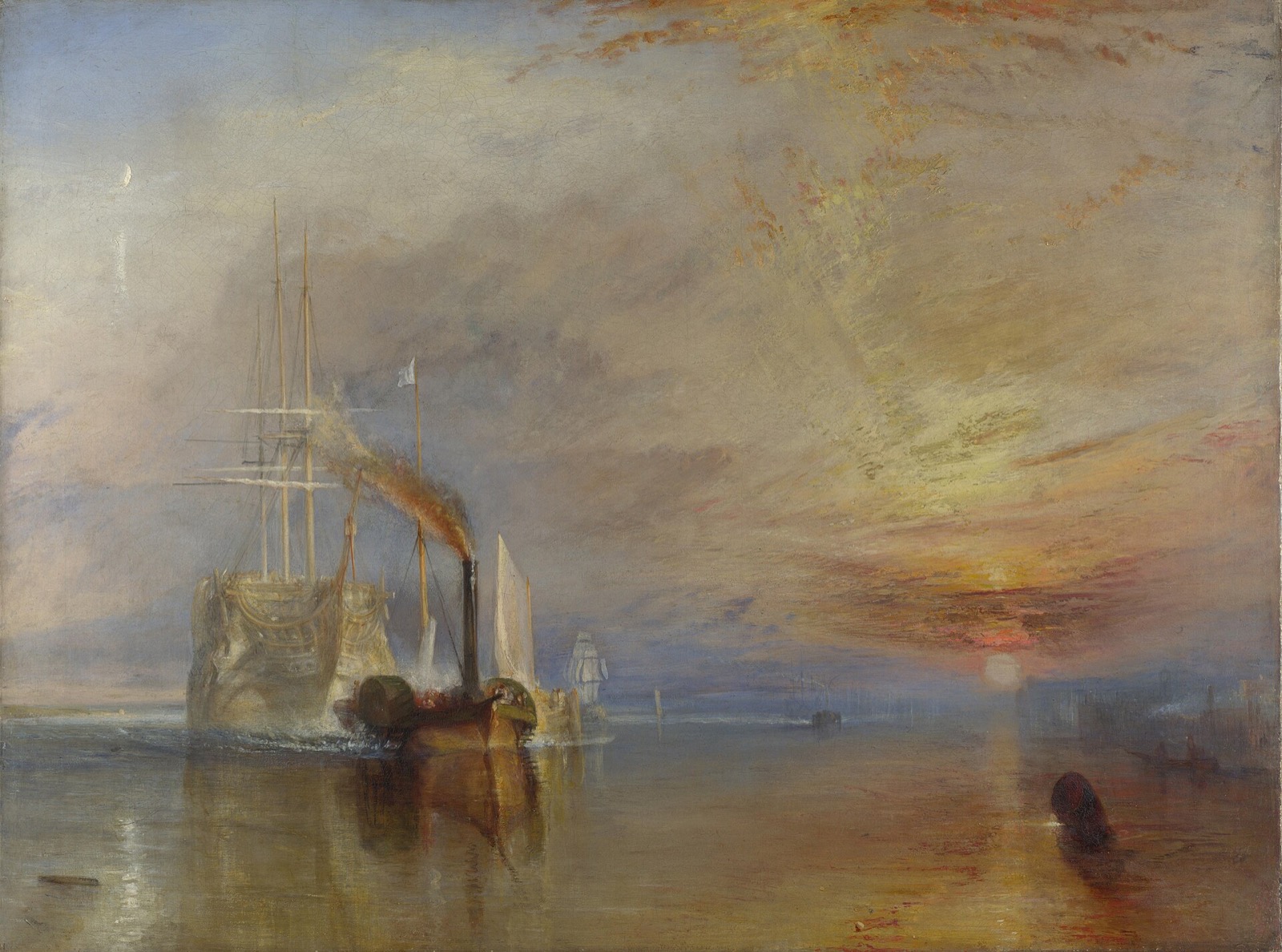
The Fighting Temeraire
1839
A warship that had fought at Trafalgar is towed up the Thames by a black steam tug to be broken up, pale as a ghost, under a red sunset. He never sold it and called it his darling.
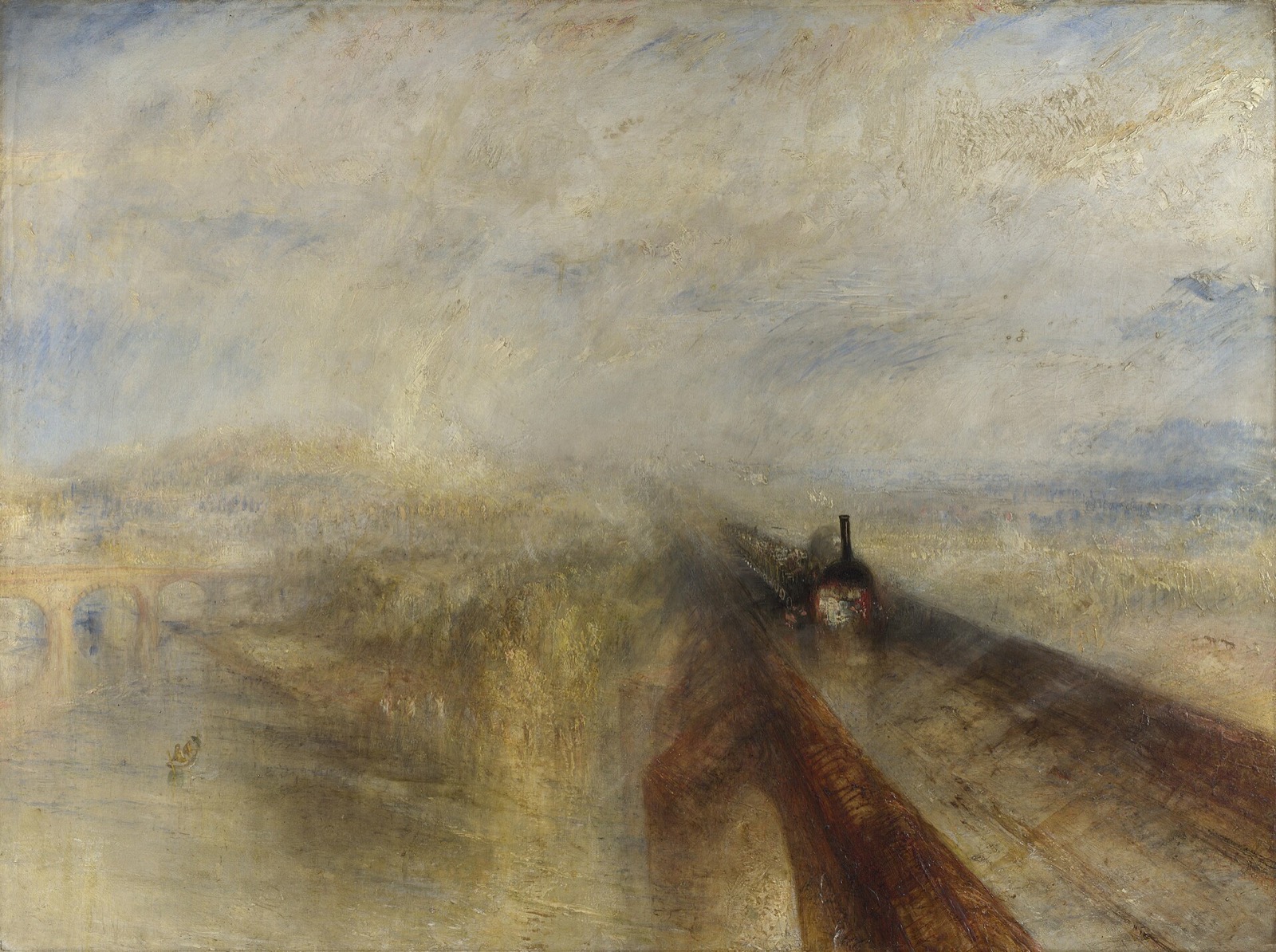
Rain, Steam and Speed
1844
A train comes at you across a bridge over the Thames through a squall of rain. Look at the track just ahead of the engine: a hare is running for its life.
Tate Britain1 work
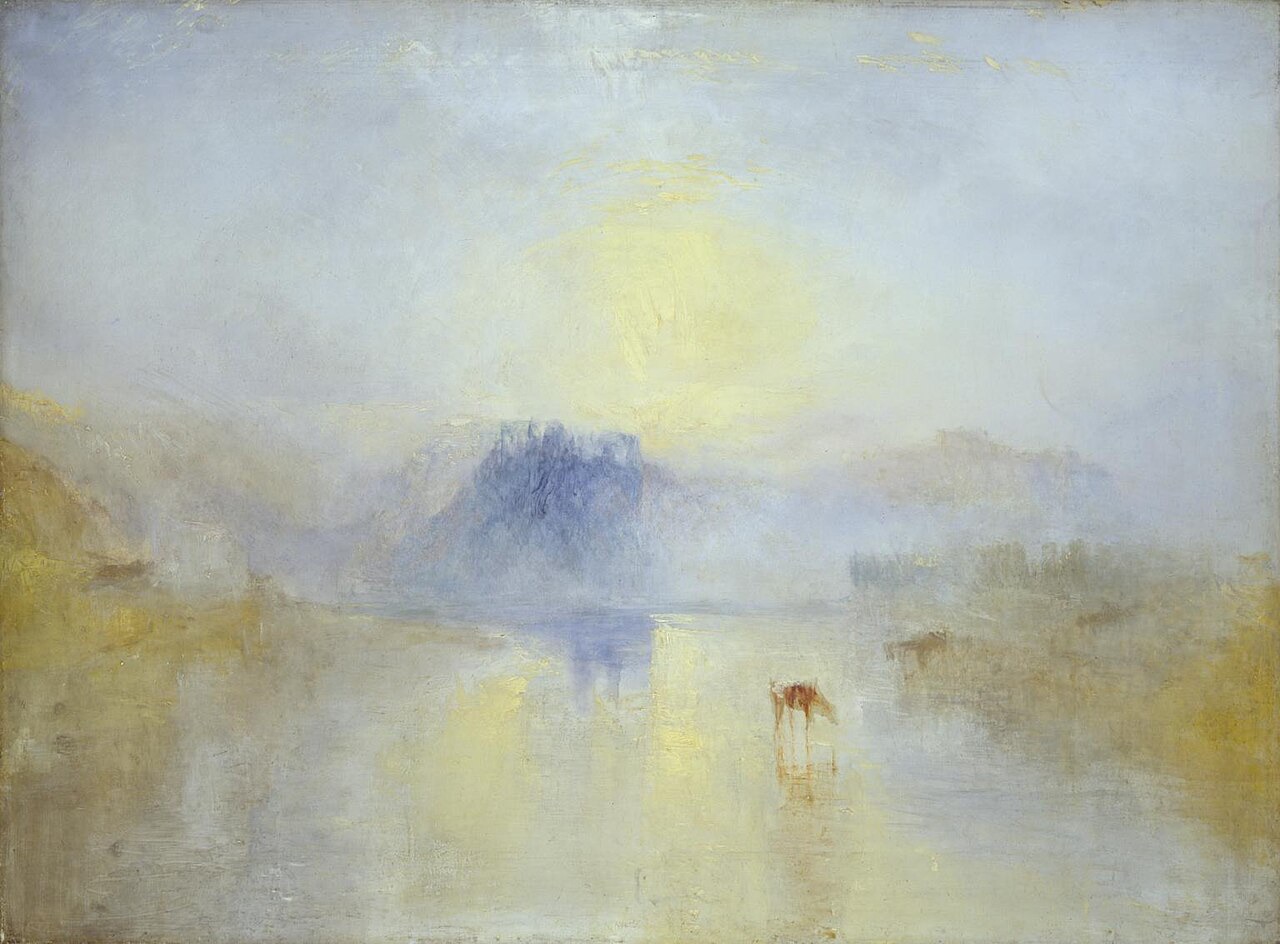
Norham Castle, Sunrise
about 1845
A ruined castle on the River Tweed, which he had drawn as a young man, reduced to a blue shadow in yellow light, with a cow drinking. It was never shown in his lifetime.
The life of J. M. W. Turner
He entered the Royal Academy schools at fourteen and was a full member at twenty-six. He travelled every summer with a sketchbook, to Wales, the Alps, Venice, and painted through the winter. As he grew older his pictures dissolved into light, and the critics said he had gone mad.
His will asked that two of his paintings hang beside two by Claude, the painter he most wanted to equal. They still do, in the National Gallery. The rest of his bequest is at Tate Britain, in a wing built for it.
What to know
- Born in Covent Garden, the son of a barber
- The Fighting Temeraire has been voted the nation's favourite painting
- The Turner Prize is named after him
- Born
- 23 April 1775, Covent Garden, London
- Died
- 19 December 1851, Chelsea, London
J. M. W. Turner: common questions
- Where can you see J. M. W. Turner in London?
- At the National Gallery: The Fighting Temeraire and Rain, Steam and Speed. At the Tate Britain: Norham Castle, Sunrise. Museums move and lend their works, so check before a special journey.
- What is J. M. W. Turner's most famous work in London?
- The Fighting Temeraire, of 1839, at the National Gallery. A warship that had fought at Trafalgar is towed up the Thames by a black steam tug to be broken up, pale as a ghost, under a red sunset. He never sold it and called it his darling.
- When and where was J. M. W. Turner born?
- On 23 April 1775, at Covent Garden, London. J. M. W. Turner died on 19 December 1851, at Chelsea, London, aged about 76.
- What is J. M. W. Turner known for?
- Born in Covent Garden, the son of a barber. The Fighting Temeraire has been voted the nation's favourite painting. The Turner Prize is named after him. J. M. W. Turner was an English painter, of Romanticism.
Tickets and tours: J. M. W. Turner in London
Things to do near the National Gallery
The nearest of this site's best things to do in the city. Distances are in a straight line.
- 16Spend an evening in Covent Garden and the West End450 m awayShow, 2 to 5 hours, free to walk, theatre ticket
- 14Go underground at the Churchill War Rooms750 m awayUnderground, 1.5 to 2 hours, ticket
- 6Ride the London Eye900 m awayMonument, 1 to 1.5 hours, ticket
- 11Hear Big Ben strike at the Houses of Parliament950 m awayMonument, 45 to 150 minutes, free outside, ticket to go in
Where to eat near the National Gallery
The nearest of the famous tables this site lists in London. Distances are in a straight line.
- Ochre4.4Museum restaurant, Trafalgar Square50 m away
- J Sheekey4.5Fish restaurant, Covent Garden250 m away
- Gordon's Wine Bar4.6Wine bar, Embankment350 m away
- Rules4.6Grand restaurant, Covent Garden400 m away
Hotels near the National Gallery
The five-star hotels closest to it, of those this site lists in London. Distances are in a straight line.
- Corinthia London4.7Five-star hotel, Whitehall Place, by the Embankment400 m away
- Raffles London at The OWO4.7Five-star hotel, Whitehall, opposite Horse Guards450 m away
- The Savoy4.7Five-star hotel, The Strand, on the Thames550 m away
- The Ritz London4.6Five-star hotel, Piccadilly, beside Green Park950 m away
Other artists
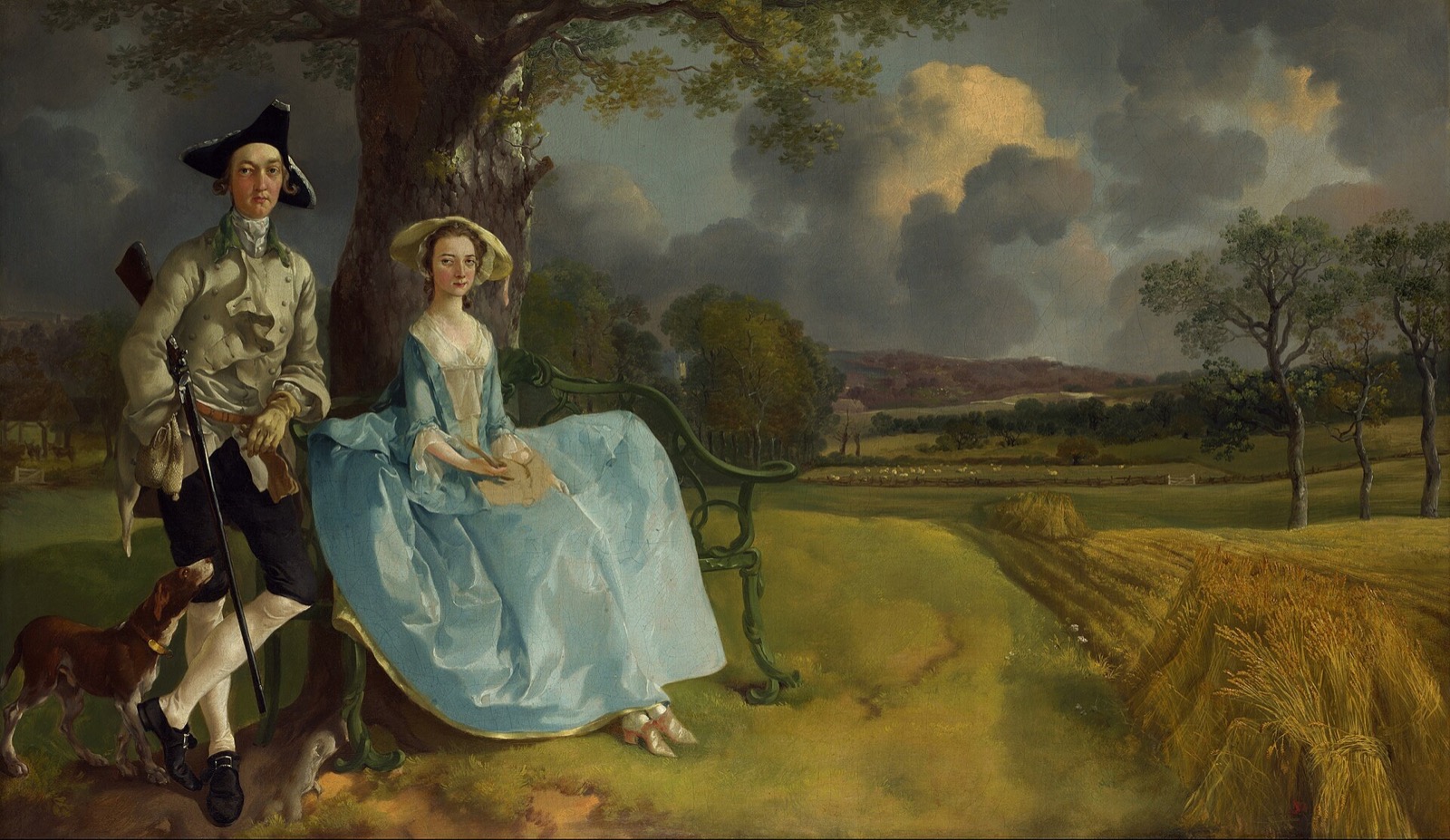
Painter, 1727 to 1788
Thomas Gainsborough
The National Gallery has the pictures by which Gainsborough is known: Mr and Mrs Andrews in their Suffolk fields, his two small daughters chasing a butterfly, and The Morning Walk.
Rococo, British portraiture. 3 works in 1 museum
See the artist
Painter, 1776 to 1837
John Constable
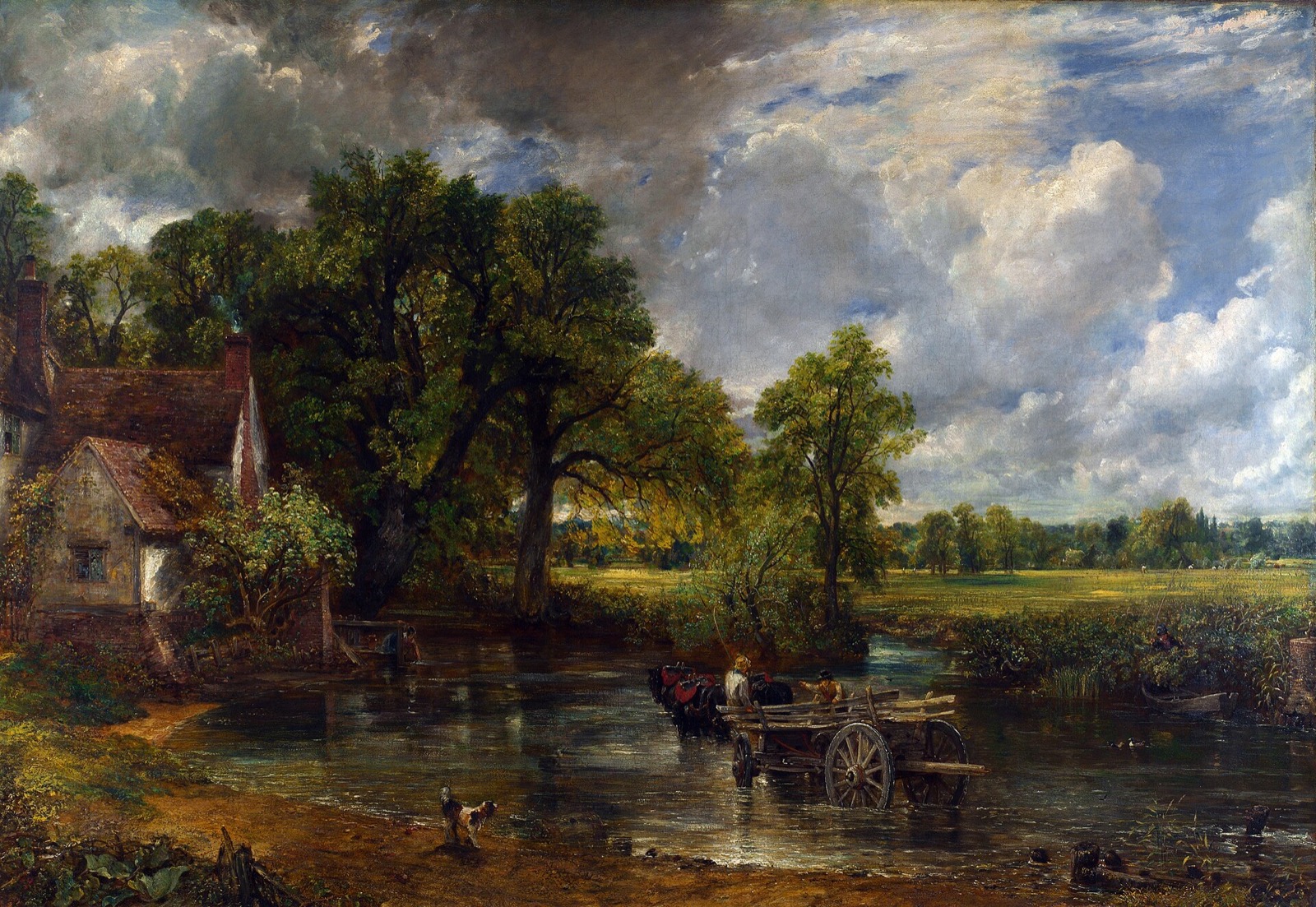
The National Gallery has The Hay Wain. The Victoria and Albert Museum has the full-size sketch he made for it and the largest collection of his work, and Tate Britain has Salisbury Cathedral from the Meadows.
Romanticism. 3 works in 3 museums
See the artist
Painter, 1832 to 1883
Édouard Manet
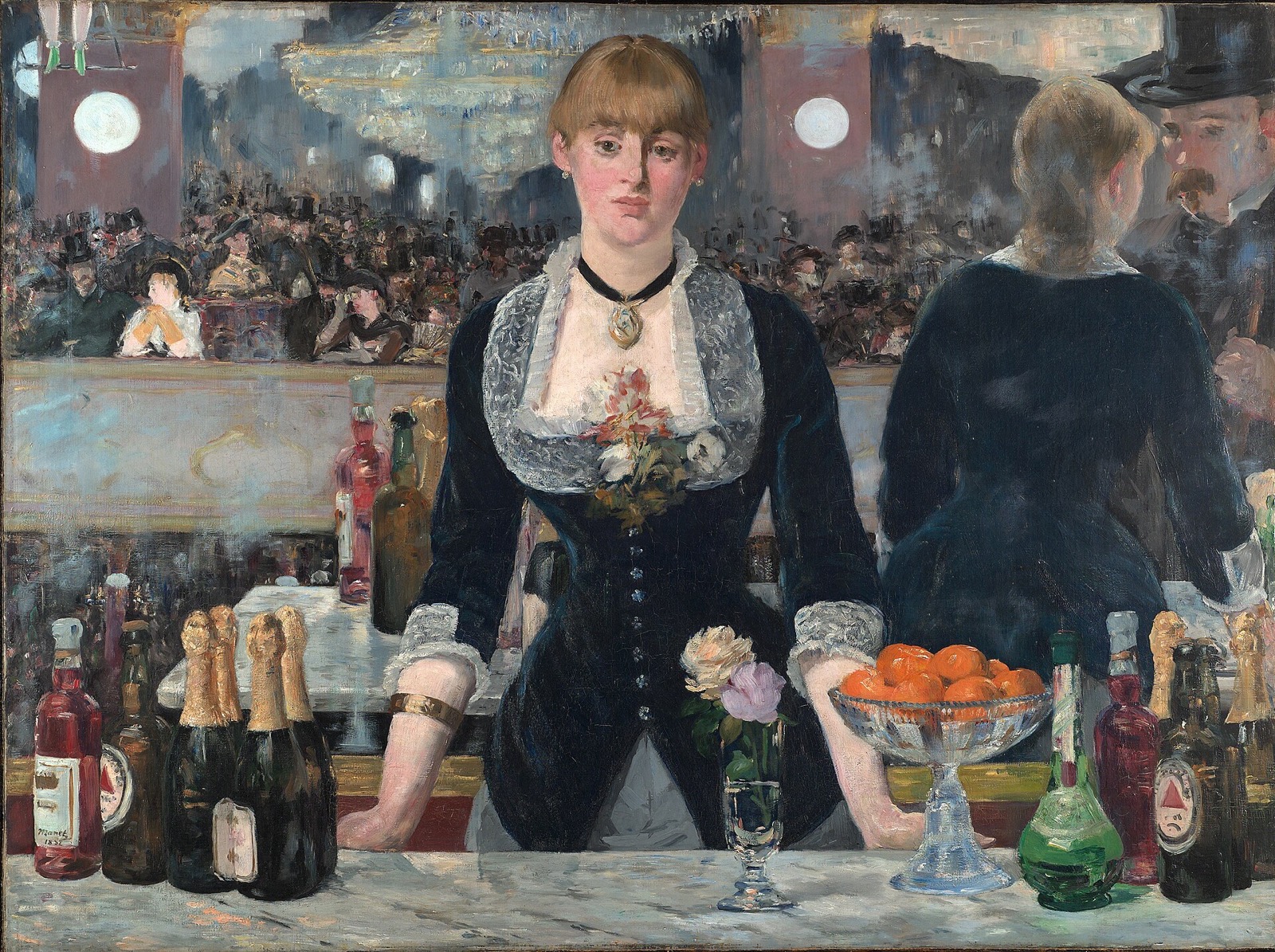
Manet's last great painting, A Bar at the Folies-Bergère, is at the Courtauld Gallery in Somerset House. The National Gallery has the fragments of his Execution of Maximilian.
Realism and Impressionism. 2 works in 2 museums
See the artist